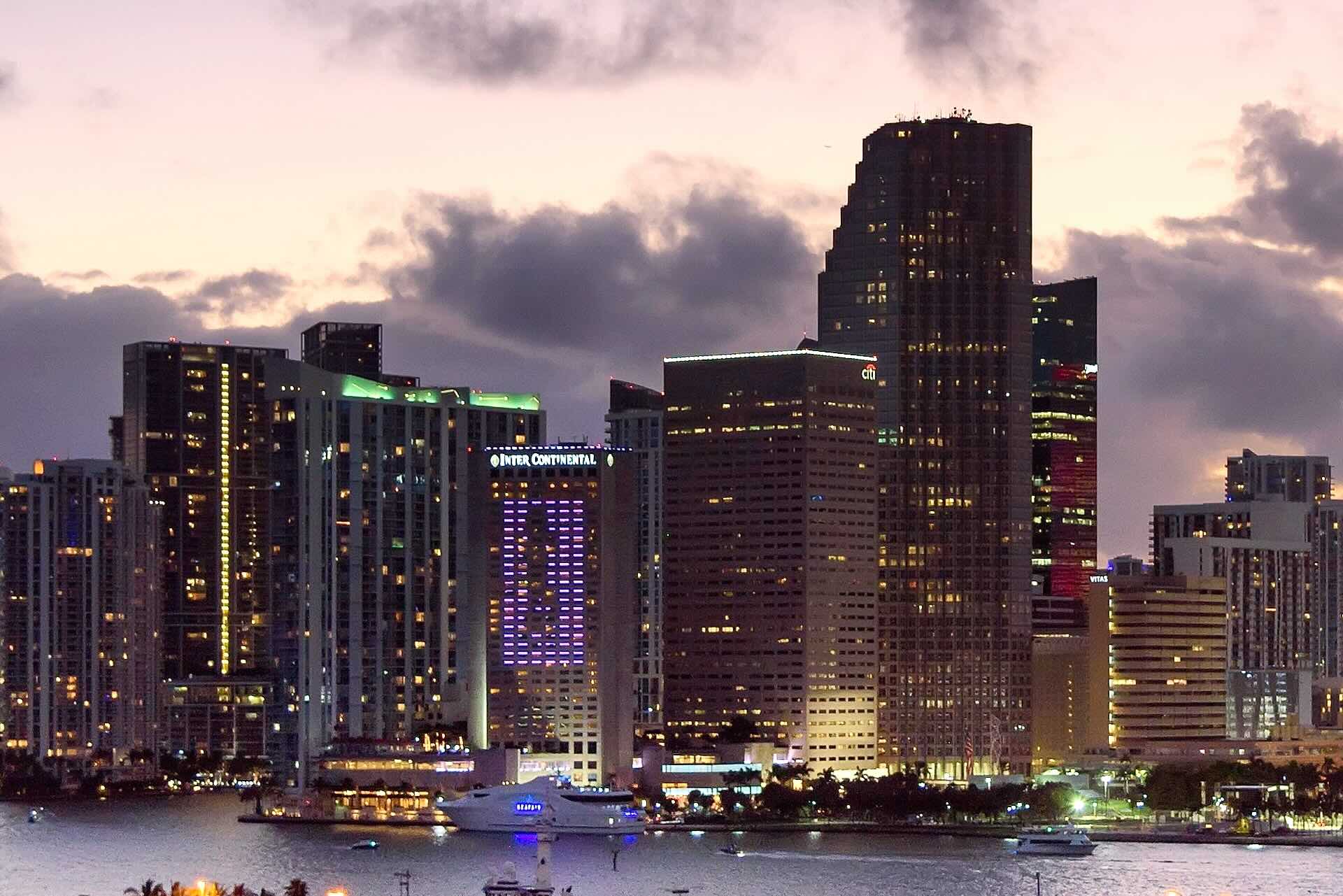
Foreign investment has had a major impact on Miami because the city is one of the few U.S. real estate markets that consistently attracts both domestic wealth and international capital at the same time. That inflow has helped shape pricing, new development, neighborhood identity, and the broader luxury reputation of the city. It has also created real debate. For some, foreign investment has strengthened Miami and made it more globally relevant. For others, it has added pressure to affordability and widened the gap between local incomes and local housing costs.
At MAK Realty, we think the real story is not one sided. Foreign investment has brought clear advantages to Miami, but it has also created tradeoffs that buyers, investors, and residents should understand honestly. The market works better when both sides of that equation are acknowledged.
Why Miami Attracts Foreign Investment
Miami attracts foreign investment because it offers a rare combination of climate, global visibility, tax appeal, waterfront lifestyle, and real estate that feels easy for international buyers to understand. It is also a city many global buyers already know well. They visit, do business here, or have family and cultural ties to the area.
That familiarity matters. Buyers are much more likely to move capital into a city that already feels legible to them. Miami has become that kind of place. It feels internationally relevant in a way many U.S. cities do not, which helps explain why so much foreign money continues to target the market.
One Major Benefit Is Stronger Market Liquidity
Foreign investment can strengthen market liquidity by expanding the buyer pool. When more types of buyers compete for Miami real estate, especially in the luxury and second home segments, sellers often benefit from broader demand and more consistent interest. This can help certain neighborhoods and property types remain active even when purely local demand softens.
That matters because a deeper buyer pool tends to make a market feel more durable. Miami benefits from not having to rely only on local wages or local household formation. Foreign capital adds another layer of demand that can help keep the market more active across different cycles.
It Has Helped Fuel New Development
Foreign investment has also helped support Miami’s development pipeline. Large scale luxury towers, branded residences, condo hotels, and waterfront projects often move forward because developers believe there is enough global demand to support them. In many cases, that confidence becomes self reinforcing. More international capital supports more ambitious projects, and those projects in turn make Miami even more attractive to global buyers.
This has helped reshape the city physically. New skyline additions, more polished product, and stronger luxury infrastructure all owe something to foreign capital. Without that inflow, Miami would likely look very different today.
It Strengthens Miami’s Global Position
Another benefit is that foreign investment has helped elevate Miami’s standing as a global city. It has pushed the market beyond the old view of Miami as only a seasonal or tourism driven destination. The city now functions as a place where wealth can live, move, and stay visible.
That matters for the broader economy too. Real estate often shapes how a city is perceived. As more international buyers choose Miami, the city gains more prestige and more relevance in the global luxury conversation. That has ripple effects across hospitality, retail, dining, and even local business identity.
Foreign Capital Can Support Property Values
From an ownership perspective, foreign investment can support values by increasing competition for desirable assets. This is especially true in prime waterfront and luxury product where international buyers tend to be more active. A broader demand base often helps preserve pricing in the best locations because there are more buyers willing to compete for them.
That can be a major advantage for owners of strong properties. It can also help explain why some parts of the Miami market remain resilient even when critics expect more dramatic slowdowns.
It Can Also Push Prices Beyond Local Reach
The downside is that foreign investment can contribute to price levels that feel disconnected from local income. When a meaningful share of buyers are purchasing from a global wealth perspective, prices can rise in ways that make it harder for local residents to compete. This is one of the clearest tensions in Miami’s market.
For local households, that can create real frustration. A city may be growing and becoming more prestigious, but if homeownership becomes harder for people who live and work there, the benefits can feel unevenly distributed. This is one reason foreign investment remains a politically and socially sensitive subject.
Some Investment Is More Passive Than Productive
Not all foreign investment behaves the same way. Some buyers actively use properties, rent them, renovate them, or become part of the city’s long term fabric. Others may treat the asset more passively, holding it mainly as a store of wealth. In those cases, the property may contribute less to neighborhood vitality than a home owned by a full time resident or active operator.
This can create concerns in some submarkets. If too many units function mainly as parked capital, the neighborhood may feel less lived in and less connected to the local community. That does not erase the financial benefit of the investment, but it can change the local character in ways people notice.
Luxury Growth Does Not Always Benefit Every Segment
Foreign capital tends to target certain property types more heavily than others. Prime waterfront condos, branded residences, trophy homes, and high visibility luxury developments usually see the strongest impact. That means the benefits are not spread equally across all housing categories.
For some parts of the city, foreign investment may do little directly. For others, it can dramatically shape pricing and development. This uneven effect is one reason the conversation can become confusing. People may talk about Miami as one market when in reality the impact varies sharply by neighborhood and asset class.
It Can Increase the City’s Resilience
Despite the concerns, foreign investment can make Miami more resilient by giving it more than one economic engine. The city is not dependent only on local buyer formation. It also benefits from international demand, second home demand, wealth migration, and investment capital. That broader base can help Miami absorb shocks better than a more narrowly driven market.
This is one reason the city often behaves differently from more local housing markets. Foreign capital does not guarantee stability, but it does widen the set of forces supporting demand.
The Real Impact Depends on the Property and the Neighborhood
The impact of foreign investment is never perfectly even. In some neighborhoods, it supports better product, stronger pricing, and more polished development. In others, it may intensify affordability pressure or create a more investor heavy ownership base. The same force can create both improvement and distortion depending on where you look.
That is why the smartest way to think about foreign investment is not as purely good or purely bad. It is a market force with real benefits and real costs. In Miami, it has clearly helped build the city into what it is today. It has also contributed to tensions that cannot be ignored.
What Buyers and Investors Should Take From This
For buyers and investors, the key takeaway is that foreign investment is part of Miami’s identity now. It helps explain why certain assets command strong prices, why branded development remains active, and why the city continues attracting wealth even when critics question valuations. At the same time, it also helps explain why affordability concerns remain real and why some parts of the market feel increasingly global rather than purely local.
At MAK Realty, we help clients look at Miami through that wider lens. Foreign investment is not a side story here. It is one of the forces that shapes pricing, development, and long term demand. Understanding both the benefits and the tradeoffs leads to much better decisions than reacting to only one side of the narrative.
For a tailored shortlist and next step guidance, connect with MAK Realty.
Leave a Reply