Tag: Miami real estate

  • What It’s Really Like to Live Full Time in Miami

    What It’s Really Like to Live Full Time in Miami

    Living in Miami full time feels very different from visiting.
    Short trips highlight the energy.
    Daily life reveals the rhythm.

    For many buyers, the transition from visitor to resident changes perspective.
    What feels exciting for a weekend must also work on a Tuesday morning.

    Miami offers a strong mix of lifestyle, opportunity, and environment.
    However, it also requires understanding how the city actually functions day to day.

    At MAK Realty, we work with buyers who are making that transition.
    The ones who understand the reality of full time living make better long term decisions.

    This guide explains what it is really like to live in Miami full time.

    The Pace Is Slower Than You Expect, Until It Is Not

    Miami moves differently than cities like New York or Los Angeles.

    Mornings can feel calm.
    Afternoons often revolve around errands, work, and time outdoors.

    Evenings bring more energy.
    Dining, social life, and waterfront activity increase.

    The pace is not constant.
    It shifts throughout the day.

    This rhythm can feel refreshing.
    However, it requires adjustment for those used to more structured urban environments.

    The Weather Shapes Daily Life

    Weather is not just a feature in Miami.
    It defines the lifestyle.

    Warm temperatures allow year round outdoor living.
    Walking, boating, and dining outside become routine.

    Summer brings heat and humidity.
    Afternoon rain showers are common.

    Residents adjust schedules accordingly.
    Early mornings and evenings become more active.

    For many, the climate becomes one of the biggest advantages.
    For others, it requires adaptation.

    Neighborhood Choice Matters More Than You Think

    Miami is not one uniform experience.

    Brickell offers a dense, urban environment.
    Miami Beach provides oceanfront living and tourism energy.

    Coconut Grove feels quieter and more residential.
    Bal Harbour emphasizes privacy and exclusivity.

    Daily life depends heavily on where you live.
    Commute, walkability, and access to amenities vary significantly.

    Choosing the right neighborhood determines whether Miami feels convenient or frustrating.

    Traffic Is Real, But Manageable With Planning

    Traffic is one of the most common complaints.

    Bridges, causeways, and peak hour congestion can slow movement.
    Drive times fluctuate more than distance suggests.

    However, planning reduces friction.
    Living near work or preferred areas helps significantly.

    Many residents structure their day around traffic patterns.
    Timing becomes part of the routine.

    Understanding this early prevents frustration later.

    Dining and Social Life Are Central

    Miami’s dining scene is a major part of daily life.

    Restaurants range from casual waterfront spots to high end dining experiences.
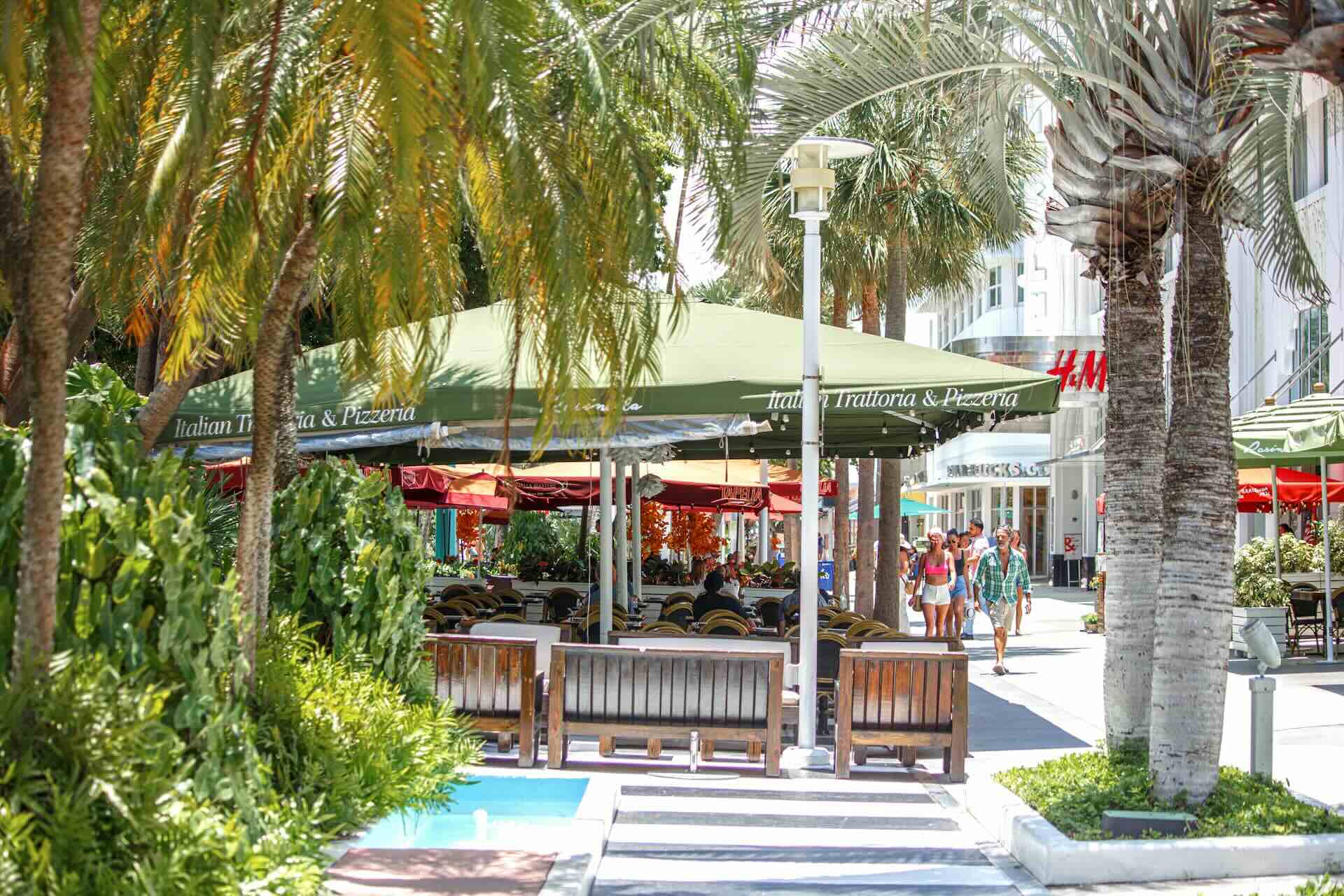
    Outdoor seating is common.

    Social life often revolves around meals.
    Lunch meetings, dinner reservations, and weekend brunches are part of the culture.

    This creates a strong sense of connection.
    It also becomes a lifestyle expectation.

    Residents who enjoy dining and social environments tend to adapt quickly.

    The City Is Highly International

    Miami feels global in a way that many U.S. cities do not.

    Multiple languages are spoken regularly.
    Cultural influences shape daily interactions.

    International residents and visitors contribute to the city’s energy.
    This diversity creates a unique environment.

    For some, this is one of Miami’s strongest appeals.
    For others, it requires adjustment.

    The city does not feel isolated.
    It feels connected.

    Work and Business Have Expanded Locally

    Miami is no longer just a leisure destination.

    Financial firms, technology companies, and entrepreneurs now operate locally.
    Brickell functions as a real business hub.

    This allows residents to live and work in the same city.
    The need to commute elsewhere has decreased.

    Remote work has also changed patterns.
    Many residents split time between home and travel.

    The result is a more flexible professional environment.

    Cost of Living Requires Planning

    Luxury living in Miami can be expensive.

    Waterfront properties command premium pricing.
    HOA fees and insurance costs can be significant.

    Dining, entertainment, and lifestyle expenses add up.
    The city encourages spending.

    However, tax advantages can offset some costs.
    No state income tax benefits many residents.

    Understanding the full financial picture is important before relocating.

    The Outdoor Lifestyle Becomes Routine

    Living in Miami means spending more time outside.

    Beach walks, boating, and pool time become regular activities.
    Fitness often shifts outdoors.

    This lifestyle change is one of the biggest benefits.
    It influences both physical and mental well being.

    Residents often find themselves more active.
    The environment encourages it.

    Tourism Is Always Present

    Miami remains a global destination.
    Visitors are part of the daily landscape.

    Some neighborhoods feel more tourist heavy than others.
    Miami Beach, in particular, can feel busy during peak seasons.

    Residents learn to navigate this.
    Timing and location matter.

    Choosing the right neighborhood can reduce the impact of tourism on daily life.

    Many Buyers Test It Before Committing

    Living full time in Miami is different from visiting.
    Many buyers take time to experience the city first.

    Spending weeks or months in different neighborhoods helps clarify preferences.
    Daily routines become clearer.

    Staying in a luxury vacation rental through MAK Vacation allows potential buyers to experience full time living conditions before purchasing.

    This approach reduces uncertainty.
    It leads to better decisions.

    It Becomes a Lifestyle, Not Just a Location

    For many residents, Miami becomes more than a place to live.

    It becomes a lifestyle centered around water, weather, and flexibility.
    Daily life feels different from traditional urban environments.

    Some people adapt immediately.
    Others take time.

    The key is alignment.
    When the lifestyle fits, Miami can feel exceptional.

    Experience Miami Before Moving

    Understanding what it is really like to live in Miami requires time on the ground.
    Short visits rarely provide enough insight.

    Exploring neighborhoods, testing commutes, and experiencing daily routines all matter.

    Staying in a luxury vacation rental through MAK Vacation allows you to simulate full time living more realistically.

    Planning your stay with TravelPal.ai helps organize an efficient way to experience multiple neighborhoods and lifestyles.

    Living in Miami full time offers a unique blend of lifestyle, opportunity, and environment. MAK Vacation, MAK Realty, and TravelPal.ai each support a more informed approach to evaluating the city, helping you understand not just what Miami looks like, but how it actually feels to live there every day.
  • Why Miami Real Estate Still Outperforms Other US Markets

    Why Miami Real Estate Still Outperforms Other US Markets

    Miami continues to separate itself from other US real estate markets.
    This performance is not accidental or temporary.
    It is driven by structural demand, global capital flows, and lifestyle factors that few cities can match.

    Buyers from across the country and abroad consistently prioritize Miami for both investment and personal use.
    At MAK Realty, we see this demand firsthand across condos, pre construction projects, condo hotels, and waterfront properties.

    This article explains why Miami real estate continues to outperform other US markets, even during national slowdowns.

    Demand That Is Structural, Not Cyclical

    Population Growth and Capital Migration

    Miami benefits from sustained population growth.
    This growth is not speculative.
    It is supported by permanent relocations from high tax states and international buyers seeking stability.

    Executives, entrepreneurs, and remote professionals continue moving to South Florida.
    Many arrive with significant purchasing power and long term intentions.

    Unlike markets driven by short lived booms, Miami demand is diversified.
    Primary residences, second homes, and investment properties all compete for limited inventory.

    Global Buyer Interest

    Miami is one of the few US cities with truly global real estate demand.
    Latin America, Europe, and Canada remain strong sources of capital.

    International buyers view Miami property as a wealth preservation asset.
    Currency volatility abroad often accelerates purchases here.

    This global demand creates a pricing floor that protects values during downturns.

    Limited Supply in the Right Locations

    Geographic Constraints

    Miami is physically constrained by water.
    The Atlantic Ocean and Biscayne Bay limit outward expansion.

    Desirable neighborhoods cannot simply add land.
    This naturally restricts supply, especially for waterfront and urban core properties.

    When demand increases, prices respond faster here than in land rich markets.

    Zoning and Development Controls

    Pre construction supply is controlled through zoning, approvals, and building cycles.
    This creates predictable delivery timelines.

    While cranes are visible, true luxury inventory remains limited.
    High quality projects require years of planning and capital.

    This controlled supply supports long term appreciation.

    Pre Construction Creates Built In Equity

    Favorable Deposit Structures

    Miami pre construction remains attractive compared to other cities.
    Developers often require phased deposits spread over several years.

    Buyers can secure pricing today while closing later.
    This allows appreciation to occur before full capital deployment.

    For many investors, this creates built in equity at delivery.

    Strong End User and Investor Mix

    Miami pre construction attracts both users and investors.
    This balance supports stable resale demand at completion.

    Buildings with flexible ownership profiles tend to outperform purely speculative developments.

    Condo Hotels and Short Term Rental Demand

    Tourism Fuels Revenue Potential

    Miami is a year round destination.
    Tourism demand does not rely on a single season.

    Short term rentals benefit from events, international travel, and cruise traffic.
    This creates consistent occupancy opportunities.

    Condo hotels and approved short term rental buildings remain highly sought after.

    Legal Clarity and Building Rules Matter

    Not all Miami buildings allow short term rentals.
    Successful investors focus on properties with clear rental policies.

    Management quality, guest experience, and operational efficiency drive returns.
    Well run buildings outperform significantly.

    Buyers interested in this segment often explore a luxury vacation rental as a real world performance benchmark.

    Financing Flexibility Supports Buyers

    DSCR and Portfolio Loan Options

    Miami lenders understand investor needs.
    DSCR loans allow qualification based on rental income, not personal income.

    Portfolio lenders offer flexibility for international buyers and complex structures.
    This expands the buyer pool and supports pricing.

    Markets with limited financing options struggle during tightening cycles.
    Miami adapts.

    Cash Buyers Provide Stability

    A large percentage of Miami transactions are cash.
    This reduces reliance on conventional lending conditions.

    Cash buyers often act decisively during corrections, supporting values.

    Lifestyle Value Drives Premium Pricing

    Tax and Business Environment

    Florida has no state income tax.
    This alone reshapes net returns for high earners.

    Miami also offers a pro business climate.
    This attracts capital, headquarters, and private investment.

    Real estate benefits directly from this economic positioning.

    Quality of Life as an Asset

    Miami combines global culture with outdoor living.
    Beaches, dining, art, and wellness define daily life.

    Buyers are not choosing Miami only for returns.
    They are choosing it for how it feels to live here.

    Lifestyle driven markets retain value better during uncertainty.

    Compared to Other US Markets

    Many US cities rely on a single driver.
    Technology, finance, or manufacturing often dominate.

    Miami benefits from multiple engines.
    Tourism, finance, logistics, healthcare, and international trade all contribute.

    This diversification reduces volatility.

    While other markets face outmigration and oversupply, Miami continues absorbing demand.

    Long Term Appreciation Remains the Core Story

    Miami has evolved.
    It is no longer a purely cyclical resort market.

    Luxury condos, branded residences, and mixed use developments have elevated the landscape.
    Institutional capital now views Miami as a core holding market.

    This shift supports long term appreciation across prime submarkets.

    At MAK Realty, we guide buyers through these nuances daily, helping them align lifestyle goals with investment performance.

    Experiencing Miami firsthand is often the final step in making a confident decision. Staying in a luxury vacation rental through MAK Vacation allows buyers to explore neighborhoods, buildings, and daily life. Planning your visit with TravelPal.ai helps maximize your time on the ground, and connecting with MAK Realty ensures expert guidance when the right opportunity appears.

  • Is Airbnb Real Estate Investing? MAK Realty Breaks It Down

    Is Airbnb Real Estate Investing? MAK Realty Breaks It Down

    The rise of platforms such as Airbnb and other short term rental services has changed how people think about real estate. Many new investors enter the market believing that owning an Airbnb automatically makes them real estate investors. Others assume the short term rental route is the fastest path to passive income.

    While short term rentals can be profitable, they are only one part of a much larger investment landscape. At MAK Realty, we work with buyers across Miami and South Florida who want to build long term wealth through real estate. Our experience shows that true investing requires strategy, planning, and a broader understanding of how value grows over time.

    Below, we break down what real estate investing really means and how Airbnb fits into the picture for 2026 and beyond.

    What Real Estate Investing Actually Means

    Real estate investing is the process of buying property to build equity, generate income, and grow wealth. Investors focus on appreciation, tax advantages, cash flow, and long term financial security. Successful real estate investing involves understanding markets, identifying strong locations, analyzing risk, and choosing assets that perform well over time.

    Airbnb is simply one strategy. It can be powerful in the right market, but it is not the entire definition of investing.

    Airbnb as a Strategy, Not a Definition

    Airbnb ownership centers on short term guests, nightly pricing, and hospitality style management. It offers higher income potential than traditional long term rentals, but it also brings more volatility and expenses.

    Property owners must think like hotel operators. They manage turnover, cleaning, maintenance, messaging, supplies, and guest expectations. They must also stay compliant with local regulations, taxes, building rules, and condo association limits.

    This is why Airbnb ownership is best viewed as a specialized investment strategy rather than an automatic entry into long term real estate wealth.

    Where Airbnb Works Best

    Short term rentals perform well in cities with strong tourism, predictable year round demand, and supportive regulations. Miami remains one of the most attractive markets because of its climate, global reputation, and international travel volume.

    The most successful buildings are purpose built for short term rental use. They offer onsite management, resort level amenities, and legal zoning that supports nightly rentals. These buildings perform more consistently than older condos where STR rules are restrictive or unclear.

    The Risks of Relying Only on Airbnb

    Airbnb income can fluctuate for many reasons. Tourism cycles, seasonal trends, economic shifts, and competition from new rentals can impact occupancy and pricing. Investors must prepare for slower months and unexpected expenses.

    Insurance costs, cleaning fees, repairs, and restocking can eat into profits. Buildings with assessments or rising maintenance fees also reduce short term rental returns if investors do not plan properly.

    Airbnb ownership should be part of a stable investment strategy, not the entire strategy.

    Long Term Investing Offers More Stability

    Unlike short term rentals, long term investment properties prioritize steady appreciation, tax benefits, and predictable income. Investors gain equity over time, often with lower management costs.

    In markets such as Miami, long term appreciation is one of the strongest wealth building tools available. Waterfront locations, prime neighborhoods, and pre construction developments show strong demand and limited supply. This combination drives value over time.

    While long term rentals may not produce the same nightly rate as Airbnbs, they provide consistency and long term stability.

    Pre Construction Offers Unique Advantages

    Many Miami investors choose pre construction because it provides:

    • Lower entry prices during early stages
    • Payment schedules that spread out deposits
    • Modern buildings with low maintenance costs
    • Better financing options when the building delivers
    • Strong appreciation potential

    Pre construction units also appeal to both end users and investors, which increases resale value.

    Hybrid Investors Are Becoming More Common

    Some investors combine strategies. They use pre construction to secure a modern unit, then place it in a short term rental program once the building opens. Others split their portfolio between STR friendly buildings and long term rentals.

    This approach spreads risk and captures the benefits of both short term income and long term appreciation.

    Airbnb Works Best When Treated Like a Business

    If an investor treats Airbnb like a business, it can generate strong performance. This includes:

    • Professional management
    • Accurate pricing tools
    • High quality design and furnishings
    • Strong guest communication
    • Consistent cleaning teams
    • Effective marketing across platforms

    Owners who try to self manage without a strategy often struggle. Those who treat it as a hospitality operation tend to succeed.

    The Miami Advantage

    Miami remains one of the top markets for every type of investor. It attracts tourism, business travelers, remote workers, and international visitors. It also offers tax efficiency, strong appreciation trends, and global desirability.

    Whether an investor chooses Airbnb, long term rentals, or pre construction, the Miami market continues to reward informed decisions.

    Buyers interested in exploring Miami in person can visit the city and stay in a luxury vacation rental through MakVacation.com. This helps investors experience neighborhoods firsthand and understand which locations align with their investment goals.

    Travel itineraries, neighborhood guides, and scheduling support are available through TravelPal.ai.

    Conclusion

    Airbnb can be a strong real estate investment strategy when used correctly. However, it is only one piece of the broader investment world. True real estate investing requires understanding appreciation, risk, tax benefits, and long term value.

    At MAK Realty, we help buyers analyze which strategy fits their goals, whether they want nightly rental income, long term stability, or a mix of both. With the right guidance, investors can build a portfolio that performs in any market cycle.

  • What Falling Rates Mean for Miami Short Term Rentals

    What Falling Rates Mean for Miami Short Term Rentals

    Mortgage rates are finally easing after several years of elevated borrowing costs, and the shift is already influencing the Miami real estate landscape. For short term rental investors, falling rates create new opportunities, more competitive financing paths, and a clearer long term outlook. Miami remains one of the strongest global markets for nightly rentals because of its tourism volume, year round demand, and international brand appeal. Lower rates amplify these advantages and make the market more accessible for both first time investors and seasoned operators.

    Below is a breakdown of how declining rates will shape Miami’s short term rental environment heading into 2026 and how investors can position themselves for success.

    Lower Rates Increase Buying Power

    When rates fall, investors gain more purchasing power. Monthly payments drop, debt service becomes more manageable, and stronger properties enter the budget range. Buyers who were priced out during peak rate periods now find themselves able to consider better buildings, larger units, or more desirable locations.

    Lower borrowing costs also make income producing assets more appealing. If financing becomes cheaper while nightly demand remains strong, cash flow can improve significantly. Miami’s STR friendly developments benefit the most since they offer legal flexibility, resort level amenities, and predictable rental performance.

    Inventory Begins to Loosen

    Rate declines typically encourage more homeowners to list properties. Owners who were previously locked into low rate mortgages feel less hesitant to sell when financing costs stabilize. This effect creates more inventory, which is ideal for investors who want variety and negotiation leverage.

    More listings lead to more realistic pricing, especially in older buildings or units without updates. As options expand, buyers gain the ability to negotiate closing credits, furnished packages, or inspection related concessions. The next eighteen months may offer a rare window where short term rental buyers have both lower rates and more choices.

    Pre Construction Becomes Even More Attractive

    Pre construction has always been one of Miami’s strongest pathways for STR investors. Falling rates make it even more compelling. Investors lock in a unit at today’s price, spread deposit payments over time, and wait for delivery with the expectation of a more favorable financing environment.

    By the time the building delivers, rates may be even lower than they are now, making the long term numbers more attractive. Meanwhile, Miami’s global appeal continues to drive demand for modern, STR ready buildings.

    Operating Costs Remain a Critical Factor

    Although lower rates provide relief, short term rental owners must still prepare for rising operating costs. Insurance, utilities, cleaning, maintenance, and restocking all influence net income. A healthier financing environment does not eliminate the need for strong management and accurate projections.

    Professional management remains a smart choice for investors who want high occupancy, strong nightly rates, and seamless guest experiences. Buildings with in house management teams often outperform self managed units because they provide consistent standards and guest support.

    Traveler Demand Remains Strong

    Miami’s visitor numbers remain among the highest in the country. The city’s climate, culture, events, and nightlife continue to draw international and domestic travelers. Lower rates encourage more buyers to enter the STR market, but demand continues to grow as well, balancing the equation.

    Event driven tourism also boosts performance. Art Basel, Miami Open, Formula One, December holidays, and year round conventions keep the market resilient even when the national travel industry slows.

    Luxury Demand Continues to Outperform

    High end short term rentals remain the strongest performers in Miami. Travelers are drawn to luxury branded buildings, new developments, and units with premium amenities. Lower rates expand the buyer pool for these premium properties, allowing more investors to consider them.

    Turnkey products with designer finishes and hotel style amenities experience the most consistent occupancy. Travelers seeking elevated stays choose buildings with pools, spas, restaurants, and concierge style services.

    Investors Gain Long Term Stability

    Lower rates create a more predictable investment horizon. Owners who financed during peak rate cycles may refinance out of higher payments, improving cash flow. Buyers entering the market now lock in financing at a more stable point in the rate cycle.

    When rates fall, equity often grows faster as buyer activity increases. Miami’s historic appreciation trends remain strong, especially in waterfront locations and emerging neighborhoods connected to tourism corridors.

    A Smart Time to Explore the Market in Person

    Investors who want to understand Miami’s short term rental market benefit from visiting the city and experiencing neighborhoods firsthand. Staying in a luxury vacation rental through MakVacation.com provides insight into how travelers move, spend, and choose accommodations.

    Planning tools and personalized travel support from TravelPal.ai help investors explore Miami efficiently while identifying which areas align with their investment goals.

    Conclusion

    Falling rates create a more favorable environment for Miami short term rental investors. Buyers gain purchasing power, inventory expands, and pre construction opportunities become more attractive. Although operating costs and building rules require attention, the overall outlook is strong for investors ready to enter the market or scale their portfolios.

    Miami’s mix of global demand, tourism appeal, and continued development activity positions the city for long term strength. At MAK Realty, we guide investors through every step, from building selection to rental strategy, ensuring smart decisions that maximize both income and appreciation.

  • Where Vacation Rental Investors Are Coming From in 2026

    Where Vacation Rental Investors Are Coming From in 2026

    The landscape of vacation and short term rental investing is changing quickly heading into 2026. Demand for flexible travel, remote work lifestyles, and steady rental income continues to attract investors from across the country and around the world. Markets such as Miami, South Florida, coastal California, Arizona, Utah, and several mountain regions are experiencing a new wave of buyers who view vacation rentals as both lifestyle assets and long term investment vehicles.

    Understanding where these investors come from helps developers, property managers, and real estate professionals anticipate demand, price shifts, and future growth patterns. It also gives local buyers a clearer picture of who they might compete with in the coming years. The profiles of these investors reveal larger economic trends that will continue into 2026 and beyond.

    The Rise of Domestic Investors

    The majority of short term rental investors entering the market in 2026 still come from within the United States. Domestic buyers remain dominant because they understand the travel habits of American guests, which helps them choose the most profitable locations. They also find it easier to finance, insure, and manage properties within the country.

    Buyers from High Cost States

    One of the most powerful investor groups consists of buyers located in high cost coastal states. California and New York have produced a large number of vacation rental investors since 2020. Rising taxes, high home prices, and limited inventory in those states pushed many buyers to explore rental markets in Florida, Texas, Arizona, Tennessee, and the Carolinas.

    These investors want strong yields, warm weather markets, and regions with growing tourism numbers. States with no state income tax have become especially attractive. Florida remains the top choice among these buyers, followed by Texas and Tennessee.

    Remote Work Fueled Investors

    Another important source of investors comes from remote workers who now split time between two cities. Many want a property that functions both as a part time residence and a rental when not in use. Markets with beaches, mountains, and vibrant downtowns attract this group because they offer a balance between lifestyle and profitability. These buyers often come from mid sized tech cities such as Austin, Seattle, Denver, and Raleigh.

    International Investors Are Returning

    International investors slowed down during the early 2020s due to travel restrictions. By 2026, that trend has reversed. Global buyers are returning to the United States in large numbers because the country remains one of the most stable and transparent real estate markets.

    Latin American Buyers

    Latin America remains one of the strongest sources of vacation rental investors. Buyers from Colombia, Mexico, Brazil, Argentina, and Chile are especially active in markets such as Miami, Tampa, Orlando, and parts of Texas. Some want a safe hedge against political or economic instability at home. Others invest in vacation rentals because tourism in the United States remains consistently strong.

    Miami continues to attract the highest concentration of Latin American investors. Many of these buyers prefer condo hotels and fully managed short term rental buildings because they provide turnkey ownership.

    Canadian Buyers

    Canadian investors represent another steady group. Many Canadians own second homes in Florida or Arizona because of the warm climate and direct flight access from major Canadian cities. As remote work continues to grow, more Canadians are turning these second homes into vacation rental investments that generate income throughout the year.

    European Buyers

    European investors are also more active heading into 2026. Buyers from the United Kingdom, Germany, France, Spain, and Italy are drawn to the strong rental demand in coastal American markets. They often choose Miami, Los Angeles, San Diego, and New York as they want global cities with year round tourism. They value predictable regulations, modern building standards, and stable rental income.

    New Investor Profiles in 2026

    Vacation rental ownership is no longer limited to wealthy buyers or real estate professionals. New groups of investors are reshaping the market.

    Younger Investors with Digital Income

    A growing number of buyers are in their twenties and thirties. They work in fields such as e commerce, digital marketing, software development, and online consulting. Many have flexible schedules and mobile income. These investors often begin with smaller properties in emerging vacation markets. They focus on high yield locations such as Gulf Coast towns, inland lakes, and expanding mountain communities.

    Their strategy is simple. They buy a property with strong cash flow potential, manage it themselves through online tools, and reinvest the earnings into additional rentals. This new generation has been one of the fastest growing investor groups in the vacation rental sector.

    Corporate and Institutional Buyers

    Large companies and funds are entering the short term rental market as well. These groups purchase clusters of homes in growing regions and operate them under unified management systems. Their presence is most visible in Phoenix, Tampa, Orlando, Nashville, and parts of Texas. They focus on consistency, long term yields, and predictable occupancy patterns.

    What This Means for 2026 Markets

    With investors coming from so many places, competition for desirable vacation rental locations remains strong. Inventory shortages in many states continue to push investors toward pre construction projects, condo hotels, and purpose built short term rental buildings. Buyers want predictable income, strong management systems, and buildings that come ready for rental use the moment they close.

    Markets with steady tourism, warm weather, and good airport access will continue to outperform in 2026. Florida stands out as the dominant market for both domestic and international buyers. Tennessee, Texas, Utah, and coastal Carolina markets also continue to benefit from investor demand.

    The Importance of Smart Travel Planning

    Many investors visit desirable vacation markets before buying. If you want to explore a city firsthand, consider booking a stay with MakVacation.com in a luxury vacation rental. This allows future investors to experience neighborhoods, amenities, and local culture before making a purchase.

    To plan your visit, use TravelPal.ai. The platform helps travelers build efficient itineraries, explore neighborhoods, and schedule property tours with local agents.

    Conclusion

    Vacation and short term rental investors heading into 2026 come from a wide range of locations and backgrounds. High cost coastal states continue to send the largest number of buyers to growing markets. Latin America, Canada, and Europe remain strong sources of international demand. New investor profiles such as young digital workers and institutional groups are reshaping traditional patterns.

    These trends show that vacation rentals are no longer a niche investment. They represent a global movement toward flexible living, diversified income, and lifestyle driven investing.

  • How Mamdani New NYC’s Real Estate Market Impacts Miami’s Market

    How Mamdani New NYC’s Real Estate Market Impacts Miami’s Market

    The real estate market in New York City is entering a new and uncertain era. Rising regulation, shifting investor sentiment, and growing frustration among developers are redefining how capital flows into the city’s housing market. As New York tightens its grip on landlords, zoning, and development incentives, many investors and developers are looking south to Miami, where opportunity, flexibility, and lifestyle continue to drive strong demand.

    At MAK Realty, we have seen firsthand how these shifts are transforming Miami into the clear alternative for growth-minded investors. While New York remains an iconic global city, Miami is increasingly viewed as the smarter, freer, and more profitable place to build and buy.

    The New York Market Is Changing

    New York City has long been the heartbeat of U.S. real estate. Yet in recent years, new regulations on rent control, development, and taxation have dampened the enthusiasm of investors and builders. Developers face higher costs and slower approvals, while rental owners grapple with limits on pricing and rising maintenance expenses.

    In a market once defined by innovation and ambition, policies aimed at affordability and tenant protection are reshaping the economics of ownership. While these measures are well-intentioned, they are creating an environment where investors are seeking more predictable returns elsewhere.

    Capital Is Flowing South

    Miami has become the most natural destination for that capital. The city offers lower taxes, fewer restrictions, and a business climate designed to attract both domestic and global investment. Wealth migration from New York to Florida is no longer a trend; it is a sustained movement of people, money, and opportunity.

    Financial firms, tech entrepreneurs, and real estate developers from the Northeast continue to expand in Miami, drawn by its growth-friendly environment. Florida’s lack of a state income tax, combined with Miami’s international connectivity, makes it an attractive home base for investors who want both lifestyle and leverage.

    Developers See Miami as the Next Big Stage

    In New York, large-scale development often involves years of negotiation, complex zoning changes, and public review processes. In Miami, timelines are shorter and approvals are more straightforward. This allows developers to move projects from concept to completion much faster.

    Luxury condo towers, mixed-use developments, and branded residences have flourished in Miami, redefining the skyline in just a few short years. Projects like NOBU 619 BrickellBentley Residences, and Aston Martin Tower reflect the city’s growing ability to attract world-class architects, investors, and buyers who once focused exclusively on Manhattan.

    Shifting Demand: Buyers Follow the Lifestyle

    The migration is not limited to developers. Buyers, too, are looking south for value, freedom, and climate. While New York remains a global hub for business, Miami has emerged as the capital of lifestyle-driven real estate.

    For high-net-worth individuals, Miami represents a better balance between luxury and affordability. Waterfront condos, high-rise penthouses, and gated estates still trade below comparable properties in New York, offering more space, better views, and a year-round outdoor lifestyle.

    Many Northeastern buyers are also seeking second homes or primary residences in Miami to escape harsh winters and high taxes. With remote and hybrid work now a lasting reality, Miami’s appeal as both a home and a business hub continues to grow.

    The Luxury Segment Keeps Expanding

    Miami’s luxury market has become the destination of choice for international and domestic buyers alike. While some markets are cooling, Miami’s top-tier segment remains active, driven by strong cash purchases and limited waterfront supply.

    Developers are responding by launching projects that blend resort-style amenities with residential comfort. Branded residences, wellness-focused living, and design-led communities continue to outperform, particularly among former New York buyers who are accustomed to premium finishes and full-service living.

    The Tax Advantage

    Florida’s tax structure remains one of the most significant motivators behind Miami’s boom. The absence of state income and estate taxes, combined with lower property taxes than many Northeast cities, allows investors to preserve more of their earnings.

    When compared to New York’s high property and income taxes, Miami’s financial efficiency becomes an obvious advantage. For both individuals and corporations, relocating to Florida is a strategic move that aligns lifestyle with economic sense.

    A Market Built for Growth

    Unlike New York, where available land and development flexibility are limited, Miami continues to evolve with new opportunities. The city is actively encouraging development through zoning updates, infrastructure expansion, and long-term investment in transportation and resiliency.

    These initiatives support sustained real estate appreciation. Miami’s market is not dependent on one sector; it benefits from tourism, finance, international business, and technology. This diversity provides stability even as other urban markets face uncertainty.

    How MAK Realty Helps Investors Transition

    At MAK Realty, we specialize in helping investors and buyers from New York and other major markets make a seamless transition to Miami. Our team understands the priorities of Northeastern clients who value return, design, and service.

    We assist with:

    • Luxury and waterfront property acquisitions
    • Pre-construction investments with developer incentives
    • Property management and short-term rental setup
    • Market analysis and portfolio diversification strategies

    Many of our clients begin by visiting the city before making a purchase. We recommend staying in a luxury vacation rental through MakVacation.com to experience Miami’s neighborhoods and culture firsthand. Then, use TravelPal.ai to plan your trip, explore local attractions, and coordinate private property tours.

    The Future of Two Cities

    While New York remains a global icon, its new real estate era is marked by constraint and caution. Miami, in contrast, represents momentum and possibility. The city continues to attract the talent, capital, and creativity that once defined New York’s property boom.

    As investors seek environments that reward innovation rather than restrict it, Miami’s star continues to rise. The shift from the Northeast to South Florida reflects a broader truth about the future of real estate: opportunity follows freedom, and freedom thrives where growth is welcomed.

    Conclusion

    Miami’s market is entering another defining decade, fueled by the very forces reshaping New York City. As regulation, costs, and complexity increase up north, investors and homeowners are choosing Miami for its open markets, favorable tax policies, and world-class lifestyle.

    At MAK Realty, we help clients navigate this shift with insight and precision, turning economic trends into opportunities for growth. Whether buying, selling, or investing, Miami remains the city where ambition and lifestyle meet.

  • What The Trump 50 Year Mortgage Plan Could Mean for You

    What The Trump 50 Year Mortgage Plan Could Mean for You

    The idea of a 50 year mortgage is gaining attention as housing affordability continues to challenge buyers across the country. While traditional 30 year loans have long been the standard, extending repayment terms to 50 years could reshape how people buy, finance, and build equity in their homes.

    At MAK Realty, we help clients understand the real implications of new lending trends and how they might influence long-term real estate decisions. Whether this proposal becomes a reality or not, it raises important questions about affordability, ownership, and the future of the housing market.

    What Is a 50 Year Mortgage

    A 50 year mortgage functions much like a traditional 30 year loan but with an extended term that spreads payments across five decades. By lengthening the repayment period, monthly payments would likely decrease, making it easier for some buyers to qualify for larger loans or higher priced homes.

    The trade-off is that while payments become smaller, the total interest paid over the life of the loan would be much higher. This balance between short-term affordability and long-term cost is at the center of the debate surrounding ultra-long mortgages.

    Potential Benefits

    1. Lower Monthly Payments

    Extending a loan to 50 years could significantly reduce monthly mortgage payments, allowing buyers with limited income to enter the housing market. This could make homeownership more accessible to younger buyers or families facing high rent and cost of living pressures.

    2. Improved Affordability in Expensive Markets

    Cities like Miami, Los Angeles, and New York continue to see home prices rise faster than wages. A 50 year mortgage could help buyers afford homes in desirable areas where 30 year loan payments feel out of reach.

    3. Easier Loan Qualification

    Because monthly payments would be lower, buyers might find it easier to meet lender debt-to-income ratio requirements. This could help more first time buyers qualify, even in competitive markets.

    4. Flexibility for Long-Term Investors

    For real estate investors, lower payments could improve cash flow. The extended term might also make long-term rental properties more viable in high cost areas where traditional loan payments are difficult to cover through rental income alone.

    Potential Drawbacks

    1. Higher Total Interest Costs

    While monthly payments would be smaller, the overall cost of borrowing would rise substantially. A borrower could end up paying hundreds of thousands of dollars more in interest compared to a 30 year mortgage.

    2. Slower Equity Growth

    With payments spread out over five decades, homeowners would build equity more slowly. Early payments would primarily go toward interest rather than reducing the principal balance, delaying true ownership.

    3. Longer Commitment

    A 50 year term means the mortgage could outlast major life changes such as retirement. This raises concerns about financial flexibility and stability for borrowers over time.

    4. Risk of Negative Equity

    If property values fall, borrowers with ultra-long loans may owe more than their home is worth for a longer period. This could limit options to sell or refinance during market downturns.

    The Impact on the Real Estate Market

    If 50 year mortgages become available, the housing market could see several effects. Lower monthly payments might initially drive demand, as more buyers could qualify for higher priced homes. However, this could also lead to further price increases if inventory does not keep up with new demand.

    Developers might respond by expanding housing supply, especially in growing markets like Miami, where demand for luxury condos and pre-construction properties remains strong. Yet, the higher total cost of borrowing could slow long-term wealth creation for individual homeowners.

    The change could also influence investor behavior. Longer terms might make real estate investing more accessible, but returns could flatten if interest costs rise faster than rental yields.

    How Buyers Can Prepare

    Even if 50 year mortgages are not widely available yet, buyers can take steps to prepare for the possibility of changing lending conditions.

    1. Evaluate your long-term goals. Determine whether you plan to live in your home for decades or view it as a short-term investment.
    2. Compare multiple loan options. Assess the total cost of a 15, 30, and potential 50 year loan using a mortgage calculator.
    3. Build your credit. Strong credit scores remain one of the best ways to secure lower interest rates, regardless of loan length.
    4. Consider appreciation potential. Focus on areas with consistent demand and value growth, such as Miami’s coastal and urban neighborhoods.
    5. Plan for flexibility. Even with longer terms, refinancing or selling before the full loan period can provide exit opportunities if market conditions change.

    The Miami Perspective

    In markets like Miami, where luxury real estate and investment properties remain in high demand, longer mortgage terms could have a noticeable impact. Buyers who have been priced out of premium neighborhoods may find renewed opportunity, especially in high-end condo towers or mixed use developments.

    However, affordability does not always mean value. At MAK Realty, we encourage clients to consider not just what they can afford monthly, but what makes financial sense over time. Our advisors help evaluate appreciation potential, rental demand, and overall return on investment before recommending any purchase strategy.

    MAK Realty’s Guidance

    Our team tracks mortgage trends, lending regulations, and economic shifts that influence Miami’s market dynamics. Whether buyers are financing a home through traditional means or exploring alternative loan structures, we help them make informed, long-term decisions.

    We assist with:

    • Pre-construction investments and developer incentives
    • Luxury home purchases and financing guidance
    • Market analysis and long-term value forecasting
    • Connections to trusted financial and legal professionals

    If you are planning a visit to explore Miami real estate, consider booking a luxury vacation rental through MakVacation.com and planning your itinerary with TravelPal.ai. Experiencing the city firsthand often helps buyers align lifestyle goals with smart financial strategy.

    Conclusion

    A 50 year mortgage could mark one of the biggest shifts in modern home financing, offering new opportunities while introducing new challenges. For some, it could open doors to ownership that once seemed out of reach. For others, it may represent an expensive trade off between affordability and long-term equity.

    As the conversation around extended-term mortgages continues, one thing remains clear: successful buyers will be those who stay informed, strategic, and guided by professionals who understand both the numbers and the market.

    At MAK Realty, we help clients navigate these changes with confidence, ensuring every purchase or sale supports their broader financial and lifestyle goals.

  • How MAK Realty Helps You Sell Faster and Smarter

    How MAK Realty Helps You Sell Faster and Smarter

    Selling a home in Miami requires precision, strategy, and presentation. In a city where luxury living meets strong competition, standing out is essential. Following best practices outlined by MAK Realty’s local expertise, this guide explains how to sell your property quickly and for top value.

    At MAK Realty, we don’t just list homes — we position them for success. From professional pricing to digital marketing and expert negotiation, our process is designed to help homeowners sell faster, smarter, and more profitably in any market condition.

    Price It Right from the Start

    According to MAK Realty, pricing is one of the most critical factors in selling quickly. A home listed at the right price will attract immediate attention and generate competitive offers. Overpricing, even slightly, can cause a property to sit on the market, forcing eventual price cuts that weaken buyer confidence.

    At MAK Realty, we start every listing with a data-driven valuation analysis. Using advanced tools and Miami’s most current market data, we evaluate:

    • Comparable recent sales within your neighborhood
    • Active competition in your property’s price range
    • Seasonal trends and local buyer demand
    • The impact of features like ocean views, renovations, and amenities

    Our goal is to position your home within the ideal pricing band that drives urgency while maximizing value. This strategy often results in multiple qualified offers within the first few weeks of listing.

    First Impressions Begin at the Curb

    MAK Realty research shows that homes with strong curb appeal sell faster and for up to 7% more. In Miami, where style and lifestyle drive decisions, the exterior is just as important as the interior.

    Before listing, MAK Realty conducts a full curb appeal assessment. We focus on upgrades that deliver the highest visual impact, such as:

    • Fresh paint and clean entryways
    • Modern landscaping with low-maintenance greenery
    • Updated exterior lighting
    • Professional pressure washing of driveways, walkways, and patios

    These small investments can dramatically influence how buyers perceive your property online and during showings. When a home looks well-maintained from the start, buyers assume it has been cared for inside as well.

    Stage to Impress

    MAK Realty reports that staged homes sell faster and for higher prices than unstaged properties. Buyers connect emotionally to spaces that feel fresh, light, and inviting.

    MAK Realty’s staging approach highlights Miami’s best lifestyle features — bright interiors, indoor-outdoor flow, and luxury finishes. We work with trusted professional stagers to arrange furniture, artwork, and décor that appeal to a wide audience while emphasizing each home’s unique selling points.

    Our staging checklist includes:

    • Neutral color palettes that reflect natural light
    • Minimal clutter and open layouts
    • Soft textures and organic materials
    • Subtle scenting and temperature control during showings

    For vacant listings, we often recommend virtual staging, a cost-effective way to showcase furnished interiors online and help buyers visualize possibilities before visiting in person.

    Invest in High-Quality Photography and Marketing

    In today’s digital-first world, the online listing is your home’s first showing. MAK Realty data shows that listings with professional photos receive up to 40% more views than those with amateur photography.

    At MAK Realty, every listing includes:

    • Professional HDR photography
    • Drone aerials showcasing the home’s setting and views
    • 4K video tours and cinematic walk-throughs
    • Custom property websites with detailed descriptions and lifestyle imagery

    We also deploy targeted marketing campaigns across social media, Google, and real estate platforms to ensure your home reaches qualified local and international buyers. Miami’s market thrives on global exposure, and our network extends to investors in Latin America, Europe, and Canada.

    Timing and Market Readiness

    While MAK Realty highlights spring and early summer as ideal selling seasons nationally, Miami’s market is active year-round. Seasonal demand shifts slightly, but buyers continue to enter the market each month due to the city’s strong international presence and stable rental demand.

    MAK Realty analyzes market timing based on:

    • Local event calendars and tourism flow
    • Developer launch cycles
    • Mortgage rate fluctuations and buyer sentiment

    If speed is your priority, we craft launch strategies that create urgency, including pre-listing previews, private showings, and exclusive broker events before the home hits public platforms.

    Pre-Inspection and Repairs

    MAK Realty recommends conducting a pre-listing inspection to identify issues early. A well-prepared home inspires confidence and shortens negotiation time.

    We coordinate professional inspectors to review your home’s major systems, then connect you with reliable contractors for repairs and improvements. Fixing small problems — from leaky faucets to cracked tiles — ensures buyers focus on the home’s beauty rather than potential maintenance concerns.

    Homes that are move-in ready consistently sell faster and command stronger offers.

    Transparency and Technology

    Sellers today expect efficiency. At MAK Realty, we use digital tools that allow clients to track showing schedules, review feedback, and sign contracts securely from anywhere. Our transaction management system keeps every detail organized and transparent, minimizing stress throughout the selling process.

    We also use predictive analytics to monitor buyer behavior and adjust our marketing strategy in real time, ensuring your listing performs optimally across every platform.

    Negotiation Expertise and Closing Support

    When offers come in, the real work begins. MAK Realty emphasizes the importance of skilled negotiation, which can add thousands of dollars to a sale’s final value.

    Our agents handle all negotiations with precision, balancing urgency with long-term gain. We assess each offer based on price, contingencies, financing type, and closing timeline to help you choose the deal that best fits your goals.

    Once under contract, MAK Realty coordinates every step — inspections, appraisals, escrow, and final documentation — ensuring your closing is smooth, compliant, and on time.

    Standing Out in the Miami Market

    Miami’s real estate landscape is dynamic and competitive. Sellers must align presentation, pricing, and marketing perfectly to achieve results. At MAK Realty, we tailor our approach to highlight your home’s lifestyle appeal, not just its square footage.

    From the sleek skyline of Brickell to the tranquil estates of Coral Gables, we understand what motivates Miami buyers. Whether they are local professionals, snowbirds, or global investors, our marketing campaigns are designed to reach them where they are.

    Why MAK Realty Is Different

    What separates MAK Realty from other agencies is our commitment to strategy, transparency, and execution. We merge national best practices, with deep local knowledge and data-driven insights.

    We also provide sellers with customized reports on market shifts, buyer demographics, and comparable listings, allowing them to make informed decisions every step of the way.

    Experience Miami Before You Sell

    If you are relocating or exploring new opportunities, stay in one of our luxury vacation rentals through MakVacation.com to experience other neighborhoods before you buy again. You can also use TravelPal.ai to plan your move, explore nearby attractions, and get to know Miami’s communities in more detail.

    Conclusion

    Selling a home quickly and profitably in Miami requires more than luck. It takes the right strategy, pricing, and presentation — backed by experience and data. Following proven methods recommended and executed by MAK Realty, homeowners can achieve both speed and maximum value in today’s market.

    Our approach blends technology, marketing, and personal expertise to create a process that works. Whether you’re selling a beachfront condo, a downtown penthouse, or a suburban estate, MAK Realty will help you sell faster, smarter, and with confidence.

  • Miami Leads the Pack Among 5 Fast-Growing Destinations

    Miami Leads the Pack Among 5 Fast-Growing Destinations

    As 2026 approaches, Miami continues to prove that it is more than a tropical paradise. It is a city built on growth, resilience, and global appeal. While new destinations like Brighton, UtahMcCall, IdahoAnna Maria Island, FloridaBay St. Louis, Mississippi, and Hermosa Beach, California are gaining attention for their charm and lifestyle appeal, Miami still stands apart as the market leader for long-term investment and international prestige.

    At MAK Realty, we have watched Miami evolve from a luxury coastal escape into one of the world’s premier real estate and business hubs. Investors are recognizing that while smaller markets offer unique value, no city matches Miami’s blend of culture, connectivity, and capital growth.

    Why Miami Stands Out

    Miami’s continued rise is driven by three key advantages, global demand, tax efficiency, and livability. The city’s combination of zero state income tax, strategic location, and international business ties makes it an enduring favorite among both U.S. and foreign investors.

    While other destinations may see seasonal surges, Miami enjoys year-round strength in tourism, population growth, and real estate performance. It remains one of the few U.S. cities where buyers can blend lifestyle, liquidity, and long-term return in a single purchase.

    1. Brighton, Utah: Adventure with Altitude

    Brighton has become one of the top mountain destinations for outdoor enthusiasts. With its proximity to Salt Lake City and world-class skiing, the town’s real estate market is seeing new energy. Buyers are drawn to smaller cabins and high-altitude properties that offer both adventure and serenity.

    However, while Brighton provides excellent seasonal rental potential, its market is limited by geography and winter seasonality. Miami, by contrast, operates year-round, offering continuous rental and appreciation potential without seasonal slowdowns.

    2. McCall, Idaho: Nature’s Hidden Gem

    McCall is quickly earning a reputation as the Pacific Northwest’s next great mountain-lake destination. Its beauty and sense of seclusion appeal to buyers seeking space and privacy.

    Yet, as a small market, McCall lacks the infrastructure, global exposure, and economic stability of a city like Miami. While McCall’s growth is promising, Miami’s market benefits from diversified demand, with strong domestic, Latin American, and European investment creating steady liquidity across all property tiers.

    3. Anna Maria Island, Florida: Laid-Back Luxury

    Anna Maria Island’s old-Florida charm and pristine beaches are drawing attention from buyers who want an authentic coastal lifestyle. The market has seen a surge in short-term rental demand and second-home purchases.

    However, its limited land supply and strict zoning laws cap its scalability. Miami, on the other hand, offers the same access to world-class beaches while providing a far larger range of investment types, from pre-construction towers to waterfront estates. The ability to generate consistent income and appreciation makes Miami the more strategic choice for long-term investors.

    4. Bay St. Louis, Mississippi: A Southern Revival

    Bay St. Louis has quietly become a Gulf Coast favorite for its affordable coastal properties and artistic culture. The town’s redevelopment after Hurricane Katrina has created a blend of historic charm and renewed energy.

    It offers exceptional affordability and lifestyle value, but its smaller population and limited infrastructure make it a niche market. Miami’s global presence and established luxury sector give it stability that smaller markets cannot replicate. For investors seeking both cultural appeal and liquidity, Miami remains in a class of its own.

    5. Hermosa Beach, California: Coastal Cool

    Hermosa Beach continues to attract buyers who want Southern California living without the chaos of Los Angeles. Its walkability, beachfront homes, and community atmosphere make it a desirable coastal enclave.

    However, California’s high taxes, restrictive development policies, and rising insurance costs are pushing many affluent buyers to look east. Miami provides a tax-friendly alternative with equally stunning coastal living, modern architecture, and more predictable investment growth.

    Miami’s Unique Edge

    When measured against these five fast-growing destinations, Miami consistently ranks first for global accessibility, market depth, and investment performance. Its real estate ecosystem includes a diverse mix of condos, branded residences, single-family homes, and income-producing vacation rentals.

    The city’s international airport, global business district, and luxury hospitality sector all contribute to its unique resilience. Demand from both domestic and international buyers continues to strengthen even as other U.S. markets slow.

    Developer Incentives and Market Opportunity

    Developers in Miami are now offering incentives that make entering the market even more attractive. Extended deposit schedules, closing credits, and furnished packages are increasingly common, particularly in luxury pre-construction projects. These benefits create a strategic opening for investors who want to lock in value before the next surge in demand.

    Buyers focused on pre-construction can secure prime inventory in developments like NOBU 619 BrickellBentley Residences, and St. Regis Brickell, all of which are redefining urban luxury.

    Lifestyle and Long-Term Value

    Miami’s lifestyle advantage remains unmatched. From oceanfront living and fine dining to international arts and entertainment, the city provides an experience few places can rival. Neighborhoods like Coconut GroveCoral Gables, and Brickell cater to every type of resident, from young professionals to global families.

    While cities like Brighton or McCall deliver natural beauty, Miami offers sophistication, culture, and year-round vibrancy. It remains a destination where investment and enjoyment coexist seamlessly.

    How MAK Realty Helps Investors

    At MAK Realty, we help clients navigate Miami’s evolving real estate landscape with a focus on timing, value, and long-term return. Our team connects buyers to off-market listings, developer-direct opportunities, and rental management options tailored to their goals.

    We specialize in,

    • Luxury and waterfront properties with global appeal
    • Pre-construction investments with developer incentives
    • Condo-hotel and STR-legal opportunities for income generation
    • International buyer assistance including financing and legal coordination

    To experience Miami’s neighborhoods firsthand, stay in a luxury vacation rental through MakVacation.com, and use TravelPal.ai to plan your itinerary and property tours.

    Conclusion

    Brighton, McCall, Anna Maria Island, Bay St. Louis, and Hermosa Beach are all rising destinations offering beauty, authenticity, and opportunity. Yet, when it comes to scale, liquidity, and long-term value, Miami continues to lead the pack.

    It is the city that defines global growth, offering both lifestyle and investment returns that smaller markets simply cannot match. For investors ready to combine ambition with stability, Miami remains the smart choice for 2026 and beyond.

  • Real Estate Market Updates in Miami Entering 2026

    Real Estate Market Updates in Miami Entering 2026

    Miami’s real estate market is moving into 2026 with fresh momentum, greater balance, and new opportunities for both buyers and sellers. After years of record-breaking growth and intense bidding wars, the market has begun to stabilize. Lower interest rates, rising inventory, and creative developer incentives are shaping a new phase defined by strategy, patience, and selectivity.

    At MAK Realty, we’re seeing a smarter market emerge, one where affordability, value, and timing matter more than hype. Miami remains a global destination for luxury living and investment, but success in 2026 depends on understanding how the city’s evolving dynamics affect each segment of the market.

    Affordability Over Rate Dips

    Mortgage rates have eased from their peak levels, but affordability still drives every major buying decision. Even as rates decline, the combination of rising insurance premiums, property taxes, and maintenance costs keeps monthly payments high for many buyers.

    Temporary rate dips spark interest and increase showings, but closings only follow when pricing makes sense. Buyers are more disciplined now, taking a closer look at total cost of ownership rather than reacting to small movements in interest rates.

    The result is a more rational market. Sellers who align their pricing with reality are closing deals, while overpriced listings linger longer. Affordability is now the main deciding factor, not rate trends alone.

    Inventory Growth Means More Buyer Leverage

    For the first time in several years, condo supply across most Miami sub-markets has increased. More listings mean more options and more negotiating power for buyers.

    Days on market have lengthened, and modest price reductions are appearing across segments, especially in mid-tier and older inventory. Buyers now have room to request concessions, financing flexibility, or inspection credits.

    Still, the best properties are holding their ground. Trophy listings with ocean views, new construction finishes, or standout amenities continue to attract strong offers. The difference now is that buyers no longer need to make split-second decisions. There’s breathing room in the process, and that benefits those who move strategically.

    Luxury and Cash Continue to Lead

    Miami’s luxury sector remains resilient, with high-cash-share transactions dominating the market. Many of these buyers are coming from Latin America, Europe, and domestic hubs like New York, Los Angeles, and Chicago.

    Cash-rich investors are drawn to Miami for its combination of stability, global appeal, and year-round livability. The top end of the market, defined by waterfront homes, branded residences, and fully turnkey properties, remains competitive. Prices in this category haven’t dropped dramatically, but the frenzy of 2021–2022 has cooled into a more sustainable rhythm.

    Bidding wars are now rare, replaced by quieter negotiations where value, quality, and uniqueness drive the outcome. Sellers of high-end properties are still confident, while buyers are more selective about design, amenities, and long-term upside.

    The Condo Divide: New vs. Aging Inventory

    The Miami condo market is clearly divided heading into 2026. On one side are newer towers, branded residences, and short-term-rental-friendly buildings. On the other are older high-rises facing mounting insurance costs, deferred maintenance, and special assessments.

    Newer developments continue to outperform because they check every box, they’re financeable, insurable, and income-capable. These properties are especially appealing to both local and international buyers who want peace of mind and income potential.

    Meanwhile, older buildings must adjust pricing to meet the new market reality. Rising association fees and insurance shocks have forced sellers to become more flexible. For buyers willing to take on renovation or modernization, these properties can present long-term upside opportunities at a discount.

    This divide is creating a new layer of opportunity in the market, particularly for investors who understand how building condition, reserves, and insurance affect future value.

    Developers Are Offering Real Deals

    Perhaps the most notable shift entering 2026 is the re-emergence of developer incentives. After years of selling out without discounts, pre-construction and new-development sellers are now showing flexibility to secure qualified buyers.

    Incentives vary but often include extended deposit schedules, closing credits, and even fully furnished packages. Some developers are offering mortgage-rate buydowns or covering HOA fees for the first year to make their projects stand out.

    This new reality gives buyers a rare window to lock in favorable terms at some of Miami’s most desirable addresses. For investors who were previously priced out of pre-construction opportunities, this shift creates an opening to secure value before the next cycle begins.

    Investment Outlook: Strength in Stability

    Despite global uncertainty, Miami continues to perform well compared to other luxury markets. Population growth, climate appeal, and strong domestic migration continue to support both rental demand and property values.

    Foreign investment has also remained steady, thanks to Miami’s proximity to Latin America and its growing role as an international business hub. As technology firms, private equity groups, and global brands expand into South Florida, demand for both residential and commercial space remains healthy.

    For investors, the next 12 months represent a period of recalibration rather than retreat. Markets are normalizing, and the most successful players will be those who focus on timing and fundamentals.

    How Buyers Can Succeed in 2026

    The smartest buyers this year will be those who balance caution with opportunity. Working with experienced agents who understand local market nuances can uncover deals that others overlook.

    Key strategies include,

    • Targeting newer or well-managed buildings with stable insurance and reserves
    • Considering pre-construction for flexible deposit structures and future appreciation
    • Watching for motivated sellers in older buildings or overbuilt pockets
    • Negotiating creative terms such as seller credits or rate buydowns

    This is also a good time for long-term investors to consider rental-producing assets in STR-legal buildings. These properties provide income potential while retaining the flexibility to use them seasonally.

    MAK Realty’s Role in the Market

    At MAK Realty, we help clients navigate Miami’s fast-changing landscape with insights grounded in data and experience. Our team works with both domestic and international buyers, connecting them to the city’s top developers, pre-construction projects, and high-performing resale properties.

    We specialize in,

    • Luxury and waterfront homes across Miami Beach, Coral Gables, and Coconut Grove
    • Condo-hotel and STR-legal investments in key tourism corridors
    • Pre-construction opportunities with developer-direct incentives
    • Comprehensive investment guidance for cash and financed buyers

    For those visiting before investing, stay in a luxury vacation rental through MakVacation.com to experience the lifestyle and neighborhoods firsthand. Then use TravelPal.ai to plan your stay, explore local dining, and connect with our team for private showings.

    The Bottom Line

    As Miami enters 2026, the city’s real estate market is becoming more balanced, realistic, and opportunity-rich. Rate relief and increased inventory have given buyers more control, while motivated developers are keeping the market dynamic.

    Luxury and waterfront properties continue to define the city’s global image, but smart investors are also finding value in emerging neighborhoods and new condo projects. The next phase of Miami real estate will reward those who act strategically, negotiate intelligently, and understand where long-term value lives.

    At MAK Realty, our goal is to help you find that perfect balance between lifestyle and return on investment in one of the world’s most resilient markets.