
Tag: Miami housing trends

  • How Developers Are Responding to Today’s Buyers

    How Developers Are Responding to Today’s Buyers

    Today’s buyer is more informed, more selective, and less reactive than in prior cycles.
    That shift is forcing developers to adapt quickly.

    The era of selling purely on renderings and momentum has faded.
    Buyers now evaluate value, usability, and long term positioning before committing.

    In markets like Miami, where global capital and luxury inventory intersect, developers must align product with real demand rather than assumptions.

    At MAK Realty, we see this shift daily.
    The strongest projects are not the loudest, they are the most intentional.

    This guide explains how developers are responding to today’s buyers and what that means for investors and end users.

    More Focus on Livability, Not Just Design

    Buyers no longer respond to design alone.
    They want spaces that function well day to day.

    Developers are placing greater emphasis on layout efficiency, natural light, and flow.
    Open living areas, larger kitchens, and usable outdoor space are now expected.

    Floor plans are becoming more practical.
    Wasted space is being reduced.

    Buyers are asking a simple question.
    Can I actually live here comfortably, or does it just look good in a brochure.

    The projects that answer this correctly tend to perform better.

    Amenities Are Becoming More Purpose Driven

    In previous cycles, buildings competed by adding more amenities.
    Now buyers are more discerning.

    Developers are shifting toward amenities that align with daily life.
    Wellness centers, spa facilities, private dining areas, and co working spaces are becoming more relevant.

    Excess is being replaced by utility.
    Buyers care less about quantity and more about quality.

    This shift reflects how people actually use buildings today.
    Developers are paying attention.

    Wellness and Outdoor Living Are Prioritized

    Wellness has moved from a luxury feature to a core expectation.
    Buyers want environments that support physical and mental health.

    Developers are integrating outdoor spaces more intentionally.
    Large terraces, rooftop gardens, and waterfront access are increasingly important.

    Indoor wellness spaces are also expanding.
    Cold plunge pools, saunas, yoga rooms, and recovery areas are becoming standard in high end projects.

    Miami’s climate supports this shift naturally.
    Developers are designing around it.

    Greater Transparency in Pricing and Terms

    Buyers today are more analytical.
    They expect clarity.

    Developers are responding with more transparent pricing structures and clearer deposit schedules.
    Ambiguity creates hesitation.

    Pre construction buyers want to understand total cost, timeline, and risk.
    Projects that provide this clarity tend to move faster.

    In some cases, developers are adjusting deposit structures to remain competitive.
    Flexibility can improve contract velocity.

    This reflects a more balanced market environment.

    Stronger Emphasis on Brand and Reputation

    Brand still matters, but execution matters more.

    Developers with proven track records are gaining an advantage.
    Buyers are less willing to take risk on untested sponsors.

    Branded residences continue attracting attention.
    However, buyers now look beyond the name.

    They evaluate management quality, service standards, and long term building performance.

    Developers are responding by aligning with established operators and focusing on delivery quality.
    Reputation has become a major differentiator.

    Adjusting Unit Mix and Price Points

    Developers are refining unit mix based on demand patterns.

    Larger residences with flexible layouts are gaining popularity.
    Buyers want space for work, family, and extended stays.

    At the same time, some projects are introducing more attainable luxury options.
    This broadens the buyer pool.

    Price sensitivity has increased in certain segments.
    Developers are responding with more targeted product offerings.

    The goal is alignment with real demand rather than speculative pricing.

    More Attention to Rental Flexibility

    Buyers increasingly consider income potential alongside personal use.

    Developers are responding by clarifying rental policies early in the sales process.
    Some projects incorporate condo hotel structures or flexible leasing options.

    Rental optionality can improve overall appeal.
    However, it must be structured correctly.

    Clear rules reduce uncertainty.
    Buyers value that clarity.

    Many investors evaluate rental demand firsthand by staying in a luxury vacation rental before committing to a purchase.

    Understanding guest behavior helps inform investment decisions.

    Construction Quality and Delivery Are Under Scrutiny

    Buyers are paying closer attention to what gets delivered, not just what gets marketed.

    Finish quality, material durability, and construction timelines all influence buyer confidence.
    Developers are responding by focusing more on execution.

    Projects that deliver on time and meet expectations build trust.
    Those that do not face long term reputational challenges.

    In a more balanced market, execution becomes a competitive advantage.

    Financing and Incentives Are Evolving

    Developers are adapting to changing financing conditions.

    Some are offering incentives such as closing cost contributions or pricing adjustments.
    Others are working with lenders to provide financing solutions.

    Flexibility helps maintain sales momentum.
    However, it must be balanced with long term pricing integrity.

    Buyers should evaluate incentives carefully.
    Short term benefits should not overshadow long term value.

    MAK Realty helps clients analyze these factors objectively.

    What This Means for Buyers and Investors

    Developers are no longer dictating the market as aggressively as before.
    Buyers now have more influence.

    This creates opportunity.
    Projects must compete on quality, pricing, and alignment with demand.

    For investors, this environment rewards discipline.
    Better product selection leads to stronger long term outcomes.

    For end users, it means more thoughtful design and improved living experience.

    The shift benefits those who approach the market with clarity.

    Experience the Market Before Choosing a Project

    Understanding developer response requires seeing projects in context.
    Different buildings offer very different experiences.

    Spending time in Miami helps clarify which developments align with your goals.
    Neighborhood dynamics, lifestyle, and building culture all matter.

    Staying in a luxury vacation rental through MAK Vacation allows buyers to experience the market from a user perspective.

    Planning your visit with TravelPal.ai helps organize efficient tours across multiple developments and neighborhoods.

    Developers in Miami are responding to today’s buyers by focusing on livability, wellness, transparency, and long term value. MAK Vacation, MAK Realty, and TravelPal.ai each support a more informed approach to navigating this evolving market, one that prioritizes experience, clarity, and strategic decision making.
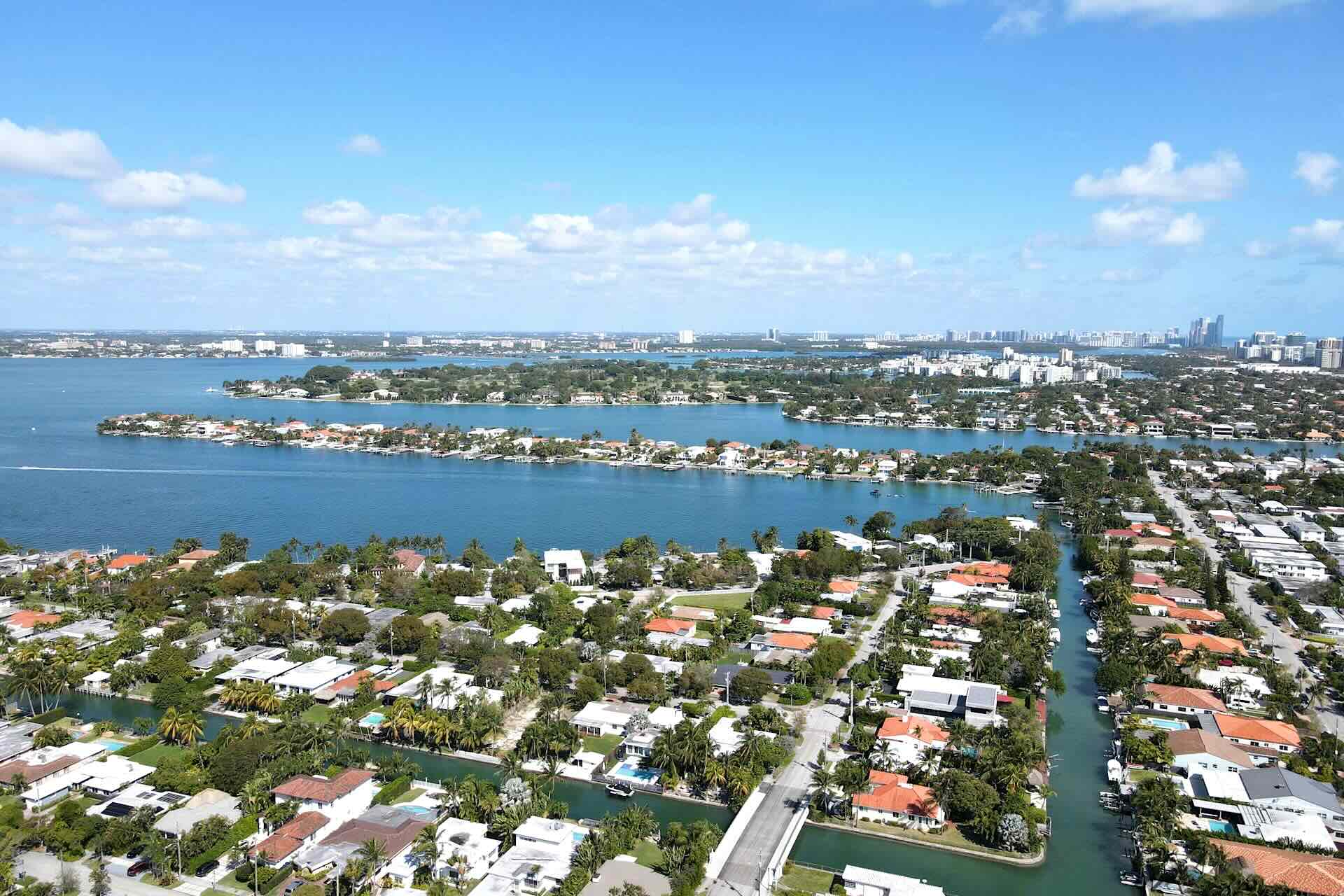

  • Miami Housing Trends to Watch Going Into 2026

    Miami Housing Trends to Watch Going Into 2026

    The Miami housing market continues to evolve as we move toward 2026.
    This is no longer a market driven by short term speculation.
    It is shaped by long term demand, disciplined development, and global capital.

    At MAK Realty, we track these shifts daily across luxury condos, pre construction projects, condo hotels, and waterfront properties.
    Understanding where Miami is heading helps buyers and investors make confident decisions.

    Here are the key housing trends shaping Miami as the market moves into 2026.

    Demand Remains Strong but More Selective

    Buyers Are More Educated

    Buyers entering the Miami market today are more informed.
    They understand pricing, building quality, and neighborhood dynamics.

    Out of state and international buyers are no longer rushing blindly.
    They are comparing buildings, evaluating rental rules, and planning longer holds.

    This selectivity favors well positioned properties and penalizes mediocre inventory.

    End Users Continue to Anchor the Market

    Primary and second home buyers remain a major force.
    Many are relocating permanently or spending extended time in South Florida.

    This trend supports price stability.
    End users are less sensitive to short term market noise.

    Miami is increasingly viewed as a place to live first and invest second.

    Inventory Normalization Without Oversupply

    New Supply Is Absorbed Gradually

    Pre construction deliveries will continue through 2026.
    However, supply remains measured relative to demand.

    Developers have learned from past cycles.
    Projects are phased and capitalized conservatively.

    Well located buildings continue to absorb inventory without distress pricing.

    Older Inventory Faces Pressure

    As new buildings deliver, older condos face competition.
    Buildings with outdated amenities or restrictive rules will need to adjust pricing.

    This creates opportunity for buyers who understand value differentials.
    Location and building quality matter more than ever.

    Pre Construction Continues to Attract Capital

    Pricing Predictability Matters

    Pre construction buyers value predictability.
    Locking in pricing today provides clarity in uncertain markets.

    Miami developers continue offering structured deposit schedules.
    This reduces capital strain and improves long term planning.

    Buyers willing to wait for delivery often benefit from appreciation before closing.

    Branded Residences Gain Market Share

    Branded luxury residences remain in demand.
    They attract global buyers familiar with hospitality brands.

    These projects often outperform at resale due to marketing reach and perceived quality.
    This trend is expected to continue into 2026.

    Condo Hotels and Short Term Rental Focus Sharpens

    Rental Friendly Buildings Are Premium Assets

    Buildings that allow short term rentals continue to outperform.
    Demand from investors remains strong.

    Clear rental policies and professional management are essential.
    Buyers are more cautious about assumptions and projections.

    Many investors test demand by staying in a luxury vacation rental before committing capital.

    Seasonality Is Better Understood

    Miami rental seasonality is no longer misunderstood.
    Peak months drive revenue, while shoulder seasons stabilize occupancy.

    Experienced investors plan accordingly.
    This realism supports healthier returns and fewer forced sales.

    Financing Trends Favor Prepared Buyers

    DSCR Loans Remain Relevant

    DSCR financing continues to play a role in Miami.
    Investors qualify based on property income rather than personal income.

    This flexibility keeps capital flowing even when traditional lending tightens.
    Buyers who understand DSCR mechanics move faster.

    Portfolio Lending Supports Complex Buyers

    International buyers and high net worth individuals often use portfolio loans.
    These structures accommodate multiple properties and unique income profiles.

    Miami lenders are accustomed to these scenarios.
    This adaptability supports transaction volume.

    Pricing Growth Moderates but Does Not Reverse

    Appreciation Becomes More Targeted

    Price growth is expected to moderate into 2026.
    This is a healthy shift.

    Prime locations continue appreciating.
    Secondary locations may plateau.

    This creates a market where expertise matters.
    Knowing which buildings will outperform is critical.

    Waterfront and Core Areas Lead

    Waterfront properties remain insulated.
    Scarcity supports pricing.

    Urban core neighborhoods with walkability and amenities also outperform.
    These areas attract both residents and renters.

    Lifestyle Value Continues to Drive Decisions

    Miami Is a Long Term Lifestyle Market

    Buyers are choosing Miami for quality of life.
    Weather, culture, dining, and wellness all factor in.

    This lifestyle appeal sustains demand even during national uncertainty.
    Markets without lifestyle draw struggle by comparison.

    Global Connectivity Strengthens Demand

    Miami remains a gateway city.
    International travel and business connections continue expanding.

    This reinforces global buyer interest.
    Few US markets offer similar accessibility.

    Technology and Transparency Shape the Market

    Data Driven Buyers Dominate

    Buyers now expect detailed information.
    Rental rules, HOA budgets, and management quality are scrutinized.

    Transparency builds trust and accelerates decisions.
    Well documented properties sell faster.

    Virtual Buying Is Now Normal

    Remote purchases are common.
    Buyers rely on virtual tours and local advisors.

    This trend expands the buyer pool beyond regional boundaries.

    Why Miami Remains Different

    Compared to other US markets, Miami benefits from diversity.
    It is not dependent on one industry or buyer type.

    Tourism, finance, healthcare, and international trade all contribute.
    This diversification stabilizes housing demand.

    Buyers who understand this context remain confident going into 2026.

    At MAK Realty, our role is to translate these trends into actionable insight.
    We help buyers align timing, property type, and strategy with long term goals.

    Experiencing Miami firsthand often clarifies everything. Staying in a luxury vacation rental through MAK Vacation allows buyers to explore neighborhoods and buildings in real time. Planning your visit with TravelPal.ai helps streamline the experience, and connecting with MAK Realty ensures expert guidance when opportunity meets readiness.

  • Miami Leads the Nation in Home Price Growth, How to Get In

    Miami Leads the Nation in Home Price Growth, How to Get In

    Why Miami Has Surged to the Top of US Home Price Growth

    Miami has moved from a cyclical market to a structurally strong one. Over the past several years, Miami leads the nation consistently ranking at or near the top nationally for annual home price appreciation. This growth is not driven by speculation alone. It is supported by population migration, global capital inflows, limited supply, and a fundamental shift in how people live and work.

    Unlike markets that spike and fade, Miami’s appreciation reflects durable demand. Buyers are not just chasing returns. They are relocating, investing, and establishing long term roots.

    Buyers who understand this shift and act strategically are positioning themselves ahead of the next phase of growth.

    The Forces Powering Miami’s Price Growth

    Migration Is Reshaping Demand

    Miami continues to attract domestic and international movers at scale. Professionals from high tax states, entrepreneurs, remote workers, and global families are choosing Miami for lifestyle and opportunity.

    This migration fuels both rental demand and ownership demand, creating upward pressure on prices across multiple segments.

    International Capital Adds Depth

    Miami is one of the few US cities that consistently absorbs global capital. Buyers from Latin America, Europe, and Canada view Miami real estate as a stable store of value.

    This international layer reduces volatility and supports pricing even when domestic markets soften.

    Limited Supply Meets Expanding Demand

    Geography constrains Miami. Water, zoning, and density limits restrict new supply in core neighborhoods. At the same time, construction costs continue to rise.

    When demand grows faster than supply, prices follow.

    Why This Growth Looks Different Than Past Cycles

    Buyers Are More Long Term Focused

    Today’s buyers are not flipping at scale. Many plan to hold for lifestyle use, income generation, or multi year appreciation. Longer hold periods reduce inventory churn.

    Lower churn supports steady price growth.

    Cash and Equity Buyers Dominate

    A significant share of Miami buyers arrive with cash or substantial equity from higher cost markets. These buyers are less sensitive to interest rate changes.

    Reduced rate sensitivity stabilizes pricing.

    Miami Has Become a Primary City

    Miami is no longer viewed as a secondary or seasonal market. It is now a primary residence destination for many buyers.

    This shift changes demand permanently.

    Neighborhoods Leading the Appreciation Curve

    Brickell and the Urban Core

    Brickell continues to lead price growth due to walkability, employment density, and global appeal. New construction and resale inventory both benefit from strong absorption.

    Downtown and Edgewater follow closely, supported by skyline expansion and infrastructure investment.

    Lifestyle Driven Neighborhoods

    Coconut Grove, Coral Gables, and select Miami Beach areas show steady appreciation driven by limited inventory and long term residents.

    Lifestyle anchors pricing.

    Emerging Areas Capture Spillover

    As core neighborhoods tighten, adjacent areas absorb demand. Buyers priced out of prime zones move nearby, pushing appreciation outward.

    Ripple effects expand growth.

    How Buyers Can Still Enter the Market

    Focus on Strategy, Not Headlines

    Chasing headlines often leads to missed opportunities. Smart buyers focus on neighborhoods with strong fundamentals rather than peak pricing stories.

    Entry points still exist for disciplined buyers.

    Consider Pre Construction Opportunities

    Pre construction allows buyers to lock in pricing early and deploy capital gradually. This structure has historically worked well in Miami.

    It also aligns with long term appreciation strategies.

    Look Beyond the Obvious Unit Types

    Studios, one bedrooms, and flexible layouts often outperform on a percentage basis. They attract renters and buyers more easily.

    Liquidity matters at resale.

    Rental Demand Supports Ownership Decisions

    Strong Rental Markets Reduce Risk

    Miami’s rental demand remains strong due to migration and tourism. This allows owners to offset carrying costs while holding for appreciation.

    Rental support reduces downside risk.

    Many buyers experience this demand firsthand by staying through MAK Vacation, which provides insight into how guests evaluate locations and amenities. Choosing a luxury vacation rental helps buyers understand daily living patterns before committing to ownership.

    Short Term and Mid Length Stays Are Growing

    Remote work has increased demand for mid length stays. This benefits well located condos that appeal to professionals and relocating families.

    Flexibility adds value.

    Financing and Capital Planning

    Leverage Still Has a Role

    While cash buyers are common, leverage can still be used strategically. Conservative loan structures allow buyers to preserve liquidity while participating in appreciation.

    The goal is balance, not overextension.

    Planning for Holding Costs Is Essential

    Taxes, insurance, and HOA fees must be considered realistically. Buyers who plan conservatively hold longer and benefit more from appreciation.

    Preparation protects outcomes.

    Why Timing Still Matters

    Appreciation Is Not Uniform

    Not every property appreciates at the same rate. Building quality, management, and location matter more than market averages.

    Selection drives results.

    Early Action Beats Perfect Timing

    Waiting for perfect conditions often means paying higher prices later. Buyers who act with a plan tend to outperform those who wait for clarity.

    Clarity often comes after prices move.

    The Role of Local Expertise

    Navigating Miami’s market requires hyper local knowledge. Building rules, zoning, flood zones, and neighborhood dynamics vary block by block.

    This is where MAK Realty helps buyers identify assets aligned with appreciation trends rather than short term hype.

    Local insight reduces costly mistakes.

    Using Data and Experience Together

    Smart buyers combine data with firsthand experience. Walking neighborhoods, testing commutes, and observing daily rhythms reveal details not found in listings.

    Planning visits with TravelPal.ai allows buyers to compare neighborhoods efficiently and make informed decisions in fewer trips.

    Better preparation leads to better entry points.

    Risks to Monitor

    Insurance and Tax Adjustments

    Insurance costs and property taxes require attention. Buyers should factor long term trends into ownership planning.

    Awareness reduces surprises.

    Overpaying for Poor Quality Assets

    In hot markets, buyers can overpay for poorly managed buildings or inferior layouts. Discipline protects returns.

    Not all appreciation is equal.

    Long Term Outlook

    Miami’s fundamentals remain strong. Population growth, global demand, and constrained supply support continued appreciation. While growth rates may moderate, the underlying trajectory remains positive.

    Markets evolve, but structure matters.

    Final Perspective

    Miami’s position as the nation’s leader in home price growth reflects deep, lasting shifts rather than temporary momentum. Buyers who approach the market with strategy, patience, and local insight can still participate meaningfully.

    The opportunity is not gone. It has simply changed.

    Experience Miami firsthand by staying in a luxury vacation rental through MAK Vacation and plan your visit with TravelPal.ai, then work with MAK Realty to identify opportunities aligned with long term growth.