
Tag: MAK Realty

  • Miami Taxes Explained for Buyers and Investors

    Miami Taxes Explained for Buyers and Investors

    Miami taxes matter because they shape the real cost of ownership, the long term investment case, and in some situations the reason a buyer chooses Florida in the first place. Many people arrive thinking only about purchase price, monthly payment, or rental income. However, the tax side can change the economics of a deal quickly. For buyers and investors, understanding how Miami taxes actually work is one of the clearest ways to avoid bad assumptions.

    At MAK Realty, we often remind clients that Miami tax strategy is not just about one line item. It is about how property taxes, homestead protections, ownership structure, rental use, and broader Florida tax advantages all fit together. Some buyers benefit more than others, and the right expectations matter from the very beginning.

    Florida’s No State Income Tax Still Matters

    One of the biggest reasons buyers consider Miami is that Florida does not impose a state personal income tax. That gives the state a very different profile from markets like New York or California, especially for affluent buyers, business owners, and people leaving higher tax states.

    This does not mean every Miami purchase is automatically a tax win. It does mean the overall tax environment can become part of the value story, especially for full time residents. For some buyers, the absence of state income tax is one of the biggest strategic reasons to establish a real Florida presence.

    Property Taxes Depend on Assessed Value, Not Just Purchase Price

    Property taxes in Miami are usually based on assessed value and local millage structure, not simply the headline contract price. The purchase price can influence future assessed value, but what matters over time is how the county assesses the property and how the tax authorities apply the local rates.

    This matters because buyers sometimes look at the current owner’s tax bill and assume their future bill will look similar. That can be a mistake. A newly purchased property may reset much higher depending on the assessed value after sale. For that reason, buyers should never rely too heavily on the seller’s current tax number when estimating their own future costs.

    Homestead Can Change the Ownership Math

    For primary residents, homestead protection can be one of the most important tax advantages in Florida. It can reduce the taxable value of a primary residence and also place limits on how quickly the assessed value can rise from year to year under certain conditions.

    This is a major distinction between a primary home and a second home or investment property. A buyer planning to make Miami their full time legal residence may have a stronger long term property tax story than a buyer purchasing the same property as a second home. That is why intended use matters so much when evaluating taxes.

    Second Homes and Investment Properties Are Taxed Differently in Practice

    A second home or investment property usually does not receive the same homestead benefits as a true primary residence. That can make the tax burden feel much heavier over time, especially in a luxury market where the assessed values are already substantial.

    This is one reason investors need to underwrite honestly. A Miami investment property may still be a strong asset, but it should not be analyzed as though it will receive owner occupant tax protections if it will not. The same is true for second home buyers. The property can still make sense, but the tax profile is different and needs to be treated that way from the start.

    Condo Buyers Need to Think Beyond Taxes Alone

    For condo buyers, taxes are only one part of the carrying cost. The bigger picture often includes HOA fees, insurance, reserves, and possible assessments. A condo may look manageable from a pure tax standpoint, however the full ownership cost can still be much higher once everything else is added.

    This is important because Miami buyers sometimes focus too heavily on one cost category in isolation. A smart purchase decision usually comes from looking at taxes inside the broader ownership structure rather than treating them as the only financial variable.

    Rental Income Creates a Different Tax Conversation

    For investors, Miami taxes do not stop at property taxes. Rental income creates another layer of tax considerations. Once a property produces income, the owner needs to think about reporting, expenses, depreciation, and how the asset fits the larger tax picture.

    This is where the investment case can become more nuanced. A property may carry a heavier tax load than a homesteaded residence, but it may also produce deductions and income treatment that change the overall analysis. That is why investors should avoid reducing the conversation to a simple low tax or high tax label. The real answer depends on structure and use.

    Transfer and Closing Costs Matter Too

    When buyers think about taxes, they often focus only on what happens after closing. However, transfer related costs and closing expenses also matter because they affect the true entry cost of the deal. A purchase may look attractive at the headline price, but the all in acquisition picture can feel different once taxes and recording related costs are included.

    That is especially relevant for out of state and international buyers who may not be familiar with how Florida transactions are structured. The smartest approach is to view taxes not as one isolated bill, but as part of the full cost of buying and holding real estate in Miami.

    International Buyers Need Extra Clarity

    International buyers often come to Miami because the city feels globally familiar and financially useful. However, they also need to understand that tax treatment can become more layered depending on ownership structure, rental activity, and eventual resale. Miami may be appealing from a wealth preservation standpoint, but the tax picture still needs to be reviewed carefully.

    This does not mean the market is less attractive. It means the purchase should be made with a clear understanding of how ownership is being held and what the property is expected to do over time. For global buyers, structure matters almost as much as the property itself.

    Taxes Should Support the Strategy, Not Define It Alone

    Taxes matter, but they should not be the only reason to buy or avoid a property. A weak asset does not become strong simply because the broader state tax environment is favorable. Likewise, a strong property can still make sense even if the tax burden is higher than a buyer first hoped. The real question is whether the taxes fit the total strategy.

    At MAK Realty, we encourage clients to think in terms of alignment. If the property type, intended use, carrying costs, and tax profile all support the goal, then the purchase may be a strong one. If the tax advantages are doing all the work in the story, that is usually a warning sign.

    Why Miami Still Appeals to Buyers and Investors

    Miami continues to attract buyers and investors because the city offers more than one advantage at once. It combines a favorable state income tax environment, a globally visible luxury market, strong second home demand, and a wide range of ownership options. That combination helps explain why so many domestic and international buyers continue to focus on South Florida.

    However, the right decision still depends on the individual property and the individual buyer. A full time resident, a second home buyer, and an investor can all face very different tax realities even in the same city. That is why clarity matters more than broad assumptions.

    How MAK Realty Helps Buyers Think About Miami Taxes

    At MAK Realty, we help clients think about Miami taxes in the context of the full ownership plan. We look at whether the property is a primary home, second home, or investment, how the carrying costs fit the budget, and whether the broader strategy still makes sense after the tax reality is included.

    That kind of clarity is especially important in a market where many buyers arrive with strong assumptions based on headlines. Miami can be highly attractive from a tax perspective, but the smartest buyers are the ones who understand exactly why it works for them and where the limits are.

    MAK Realty is not a tax advisor or tax specialist. Buyers and investors should always consult a qualified tax professional, accountant, or attorney for guidance specific to their situation.

    For a tailored shortlist and next step guidance, connect with MAK Realty.

  • $1 Million in Miami vs New York, Which Offers Better ROI

    $1 Million in Miami vs New York, Which Offers Better ROI

    A $1 million real estate investment in Miami and a $1 million investment in New York can lead to very different outcomes because the two markets reward different things. New York offers depth, legacy prestige, and one of the world’s most established urban ownership markets. Miami offers stronger lifestyle value, more second home flexibility, and in many cases more visible luxury product at that price point. The better ROI depends less on which city sounds stronger and more on what kind of return the buyer wants to create.

    At MAK Realty, we think this comparison becomes more interesting at the $1 million level because buyers in both cities can start accessing more meaningful product. However, that does not mean the value story is the same. In Miami, $1 million may reach a much more lifestyle driven and visually compelling asset. In New York, the same capital may buy into a more institutionally anchored market, but often with different tradeoffs in size, amenities, and flexibility.

    Miami Often Offers More Lifestyle Value at This Price

    At the $1 million mark, Miami often gives buyers a more obvious luxury experience. That may mean newer construction, stronger amenities, better views, more usable outdoor space, or a location that feels tied directly to the city’s broader waterfront and luxury identity. For many investors, that matters because the asset does not just exist on paper. It needs to feel desirable to future renters and future buyers.

    This is where Miami can have a real edge. A property that feels more emotionally compelling can also be easier to market over time. If the residence offers stronger visual appeal, better service, or a clearer lifestyle story, it may carry stronger demand from second home buyers, international purchasers, and upscale renters.

    New York Offers Deeper Market Gravity

    New York still brings something Miami does not fully replicate, unmatched market gravity. It remains one of the world’s most established real estate markets, with enduring international recognition, deep employment drivers, and a long history of wealth concentration. That can support a stronger sense of stability, especially for buyers who prioritize institutional strength over lifestyle flexibility.

    However, market gravity does not automatically mean better ROI. At $1 million, buyers still need to look closely at the actual property they are getting. If the asset is smaller, less flexible, older, or carries heavier monthly costs relative to what it offers, the ownership story can become less compelling even inside a globally prestigious market.

    Miami Usually Gives You More Purchasing Power

    One of the clearest arguments in Miami’s favor is purchasing power. A million dollars often reaches more product there than it does in New York. Buyers may access a stronger building, better views, more square footage, or a location that feels more directly tied to luxury demand. That can influence both lifestyle and long term performance.

    This matters because ROI is shaped by asset quality, not just city name. If the buyer can acquire a more marketable and more enjoyable property in Miami at the same budget, that often strengthens the investment case. New York may still carry more legacy prestige, but Miami can offer a more attractive ownership package at this level.

    New York Can Still Appeal to Pure Urban Investors

    Some buyers will still prefer New York because they want exposure to a city that remains central to finance, media, and global business. They may care less about beaches or second home use and more about owning in a market with long standing institutional relevance. For that type of investor, New York can still feel like the stronger long term position.

    That is a valid view, but the question remains whether the actual property at $1 million supports that logic. If the buyer ends up with a more constrained asset, the city’s prestige alone may not be enough to produce the better return. The investment still has to work at the unit level.

    Miami Often Wins on Flexibility

    At this price point, Miami often looks stronger when flexibility matters. A buyer may use the property personally, hold it as a second home, rent it depending on the building rules, or keep it as part of a longer term lifestyle and wealth strategy. That gives the property more than one role, which can improve its overall value to the owner.

    This flexibility is one of Miami’s biggest advantages. The city works well for buyers who want an investment, but also want the option to enjoy the asset themselves. New York can certainly offer personal use value too, but Miami often makes that logic easier to defend because the lifestyle component is so central to the market.

    Carrying Costs Can Shift the ROI Story

    As always, the real answer depends on carrying costs. Taxes, HOA or common charges, insurance, maintenance, financing, and management all shape the actual return. A market may look attractive at the purchase level, but the net story can change quickly once the full cost of ownership is included.

    This is where disciplined underwriting matters. A million dollar property in either city can disappoint if the monthly cost structure is too heavy relative to what the asset produces in income, enjoyment, or resale potential. At MAK Realty, we push buyers to think beyond headline pricing and focus on the full ownership picture.

    Miami Usually Looks Better for Lifestyle Driven Appreciation

    Miami often offers a stronger appreciation story at this level when the buyer believes in migration, second home demand, international appeal, and the long term value of lifestyle driven real estate. The city’s mix of waterfront living, tax appeal, global visibility, and newer luxury inventory can make that case especially compelling.

    This does not mean Miami will always outperform New York. It means that at $1 million, Miami often gives buyers a more dynamic combination of use value and market story. That can matter greatly over a longer hold period, especially if the asset also sits in a neighborhood with clear long term appeal.

    New York Still Wins for Certain Types of Prestige

    New York may still win for buyers who want the city itself as the statement. Owning there can carry a different kind of symbolic weight. For some investors, that matters enough to offset the fact that a million dollars may not stretch as far in terms of the property itself. They value the location identity more than the broader package.

    That is why there is no universal answer. Some buyers will always choose New York because it aligns more closely with how they think about status, permanence, and urban ownership. Others will see Miami as the better deal because it offers more visible luxury and more flexibility at the same capital level.

    Which Offers Better ROI

    If ROI is defined as purchasing power, lifestyle value, flexibility, and the ability to secure a more compelling luxury asset at $1 million, Miami usually has the stronger argument. If ROI is defined more narrowly through exposure to one of the world’s deepest and most established urban ownership markets, New York still makes a serious case.

    At MAK Realty, we generally see Miami as the stronger choice for buyers who want their $1 million to feel more productive across more dimensions. The city often offers a better blend of asset quality, desirability, and personal use logic at this price point. New York can still be a smart choice, but the buyer usually needs to care more about market gravity than about getting the most complete ownership package for the money.

    How MAK Realty Thinks About the Comparison

    At MAK Realty, we help clients compare cities by comparing assets, not just headlines. The smarter question is not which market sounds stronger in theory. It is which property at $1 million best supports the owner’s real strategy. In many cases, Miami wins because the buyer can secure a better overall product with stronger lifestyle appeal and broader long term flexibility.

    For buyers considering South Florida as part of that decision, MAK Vacation can help make the stay more comfortable while you explore neighborhoods and properties in person.

    For a tailored shortlist and next step guidance, connect with MAK Realty.

  • $500,000 in Miami vs New York, Which Offers Better ROI

    $500,000 in Miami vs New York, Which Offers Better ROI

    A $500,000 real estate investment in Miami and a $500,000 investment in New York can produce very different results because the two markets offer different combinations of income potential, appreciation logic, ownership costs, and buyer demand. Neither market is automatically better in every situation. The stronger return usually depends on what kind of ROI the investor wants, how long they plan to hold, and what type of property they are actually buying.

    At MAK Realty, we think this comparison works best when it moves beyond broad city stereotypes. Miami often gives buyers more lifestyle value, more second home flexibility, and easier access to luxury adjacent product at this price point. New York often offers a deeper and more established urban market, but $500,000 may buy a more limited asset in terms of space, building quality, or flexibility. That difference alone can shape return potential in a major way.

    Miami Usually Offers More Purchasing Power

    One of the biggest differences is simple. In Miami, $500,000 often reaches a more compelling property than it does in New York. That may mean better amenities, newer construction, stronger views, more modern design, or a location that still feels tied to the city’s broader luxury story. In New York, the same budget can feel tighter, especially if the buyer wants a property in a highly desirable part of Manhattan or another core luxury area.

    This matters because the quality of the actual asset affects everything that follows. A buyer with more purchasing power can sometimes access a property that feels easier to rent, easier to enjoy, and easier to resell later. In that respect, Miami often gives the investor a stronger starting point at this price level.

    New York Can Offer Stronger Market Depth

    New York has one major advantage that always deserves respect, market depth. The city remains one of the world’s most established real estate markets, with deep demand, global status, and a long history of attracting wealth, renters, and long term owners. That can support a sense of stability, especially for buyers who want exposure to a market with strong institutional credibility.

    However, depth does not always translate into better ROI at every price point. If $500,000 buys a smaller, older, or less flexible asset, the return story can become more constrained. This is where the comparison gets interesting. New York may feel like the more established market, but Miami can still offer the more efficient entry for this specific budget.

    Miami Often Looks Better for Lifestyle Driven ROI

    Miami usually performs well when the investor values more than pure financial return. A $500,000 purchase may provide not only ownership in a strong lifestyle market, but also a property that can work as a second home, seasonal base, or future personal use asset. That kind of layered value can make the ROI feel stronger even before resale is considered.

    This is especially relevant for buyers who want flexibility. A Miami property may allow them to enjoy the asset while still participating in long term market appreciation and, depending on the building, possible rental income. In New York, that same budget may not create the same sense of optionality.

    New York May Appeal More to Pure Urban Investors

    If the investor wants exposure to a traditional global city with a long track record of dense urban demand, New York may still feel like the more natural fit. Some buyers value that institutional gravity more than anything else. They want to own in a market with deep international relevance, broad employment foundations, and a powerful long term identity.

    At the same time, the actual ROI still depends on the asset. A buyer cannot assume New York wins simply because the city carries greater legacy prestige. At $500,000, the unit itself may have more limitations, and those limitations can affect income, livability, and future buyer appeal.

    Rental Strategy Can Change the Answer

    If the goal is rental income, the comparison becomes more property specific. In Miami, the right condo in the right building may offer a strong combination of rental demand and future resale appeal. In New York, rental demand can also be deep, but carrying costs, co op restrictions, condo pricing, and the type of property available at this budget may affect the outcome.

    This is why ROI should not be discussed in the abstract. A market may be attractive, but the rental structure still needs to work. A property with weak building rules, high monthly costs, or limited appeal to the likely tenant base can weaken returns quickly in either city.

    Carrying Costs Matter More Than Buyers Expect

    A buyer comparing Miami and New York also needs to think about carrying costs honestly. Taxes, HOA or common charges, insurance, maintenance, financing, and building quality all shape real ROI. A market may look attractive at the purchase level, but the net return can change substantially once the ownership costs are fully understood.

    This is one reason Miami can look stronger at this budget. If the buyer gets a more modern building, stronger amenities, and broader lifestyle value for the same money, the ownership story may feel more balanced. In New York, the prestige may be stronger in some respects, but the value equation at $500,000 can be tighter.

    Miami Often Has the Better Upside Story at This Budget

    At the $500,000 level, Miami often makes a stronger case for upside because the buyer may still be entering a part of the market with visible lifestyle demand, migration appeal, and broader second home interest. The city’s mix of domestic relocation, international attention, and continued luxury development can help support future relevance.

    That does not guarantee better appreciation. It means the investor may feel they are buying into a more upwardly flexible story at this specific budget. In New York, the same capital may secure a more constrained foothold in a mature market where the asset itself does less to excite future buyers.

    New York Still Wins for Certain Buyer Psychology

    Some investors will still choose New York because they value the city’s legacy, density, and global financial identity. That choice can be completely rational. A New York purchase may feel safer or more prestigious to them, even if the property itself is smaller or less flexible. Buyer psychology matters because real estate is never purely mathematical.

    However, if the question is which market often offers the more compelling ROI opportunity at $500,000, Miami usually has the stronger argument. It gives the buyer more room to secure a property that feels both usable and marketable, which can be a major advantage over time.

    The Better ROI Depends on What You Mean by ROI

    This is the most important part of the comparison. If ROI means pure institutional confidence and exposure to one of the world’s most established urban markets, New York may still appeal. If ROI means a more balanced mix of lifestyle value, future flexibility, stronger purchasing power, and a potentially broader ownership story at this budget, Miami often looks better.

    At MAK Realty, we generally see Miami as the stronger option for buyers who want $500,000 to stretch further and work harder. New York can still make sense, but the investor usually needs to accept that the same capital may buy a narrower asset with less immediate flexibility.

    How MAK Realty Looks at This Comparison

    At MAK Realty, we encourage buyers to compare not just the cities, but the actual property each city allows them to buy. The question is not only which market sounds stronger. It is which asset at $500,000 fits the owner’s real strategy better. In many cases, Miami wins because the buyer gets more compelling product, stronger lifestyle support, and a clearer long term use case at the same investment level.

    For buyers considering South Florida as part of that decision, MAK Vacation can help make the stay more comfortable while you explore neighborhoods and properties in person. For a tailored shortlist and next step guidance, connect with MAK Realty.

  • Miami Beach vs Downtown, What Has Historically Performed Better

    Miami Beach vs Downtown, What Has Historically Performed Better

    Miami Beach and Downtown have both produced strong real estate stories over time, but they have historically performed well for different reasons. Miami Beach has usually held stronger long term emotional and prestige value because of direct water access, global recognition, and lifestyle appeal. Downtown has often performed better when buyers want urban convenience, newer development momentum, and entry into Miami’s core growth story. The better performer depends heavily on what type of return you are measuring and what kind of asset sits inside each area.

    At MAK Realty, we do not usually treat this as a simple winner and loser comparison. The more useful question is what has performed better for which buyer and under what conditions. Miami Beach often wins on scarcity, long term prestige, and enduring destination appeal. Downtown often wins on urban relevance, accessibility, and momentum tied to the city’s broader evolution. Both markets can work very well, but they behave differently.

    Miami Beach Has Historically Carried Stronger Prestige

    Miami Beach has long benefited from something Downtown cannot fully replicate, beachfront identity and global lifestyle recognition. Buyers understand the value of water, sand, ocean views, and the cultural status tied to Miami Beach. That has helped support long term desirability through multiple cycles.

    This matters because prestige is not just emotional. It often shapes resale strength too. A strong Miami Beach asset can remain appealing across different buyer types because the lifestyle story is easy to understand. Second home buyers, international purchasers, and luxury oriented domestic buyers often keep Miami Beach in the conversation even when broader conditions change.

    Downtown Has Benefited More From Growth Momentum

    Downtown has historically performed better when the story is about city growth, infrastructure, and the expansion of Miami’s urban core. As Miami matured, Downtown benefited from new development, better connectivity, and increasing relevance as part of the city’s business and residential center. That has helped it attract buyers who want to be closer to the momentum of the city itself.

    This gives Downtown a different kind of strength. Instead of leaning primarily on beach lifestyle, it leans on urban transformation. For investors and buyers who believe in Miami’s long term rise as a global city, Downtown can feel like a more direct way to participate in that growth.

    Miami Beach Often Wins on Scarcity

    Scarcity has historically favored Miami Beach. True beachfront and highly recognizable coastal product are limited, and that tends to support long term appeal. Buyers can find more ways to build vertical product near the city core than they can create new prime beachfront locations.

    That scarcity can make Miami Beach more defensible over time. Even when pricing fluctuates, the underlying asset story remains strong because the location itself is difficult to replicate. In long term real estate, that kind of scarcity often matters more than short term development momentum.

    Downtown Can Offer Stronger Utility

    Downtown has historically appealed to buyers who value utility, access, and city centered living. Residents can stay closer to business, transit, cultural institutions, and the broader movement of Miami. That gives Downtown a more practical edge for some full time residents and long term renters.

    This practical value helps explain why Downtown can perform well even without the same lifestyle romance as Miami Beach. A property does not need sand outside the door to remain desirable if it fits the rhythm of how people actually want to live and move through the city.

    Miami Beach Usually Feels More Durable in Luxury

    At the upper end of the market, Miami Beach has often held stronger long term emotional priority. Luxury buyers tend to place a premium on ocean views, resort style atmosphere, and the identity that comes with a Miami Beach address. That does not mean every Beach property outperforms every Downtown one. It means the luxury ceiling often feels more intuitive and more globally legible in Miami Beach.

    This is one reason the strongest Miami Beach properties tend to keep their appeal well. Buyers may pause, pricing may shift, and market conditions may tighten, but the desire for a premium beachfront residence usually remains.

    Downtown Has Gained More Relative Ground Over Time

    Historically, Downtown may not have carried the same immediate prestige as Miami Beach, but it has gained meaningful ground as Miami’s identity has evolved. As more buyers embraced urban living, vertical luxury, and city core convenience, Downtown became more compelling than it once was. In relative terms, its rise has been one of the more important real estate stories in Miami.

    That does not automatically make it the better long term performer. It does mean that Downtown should not be viewed as secondary in a simplistic way. In certain periods and for certain property types, it has offered strong upside precisely because it started from a different place and then benefited from the city’s larger transformation.

    The Better Return Often Depends on Property Type

    This comparison becomes much more accurate when you separate product types. A prime Miami Beach oceanfront condo is not the same kind of asset as a Downtown high rise unit tied to urban convenience. Each one responds to a different buyer pool and a different version of Miami demand. That is why broad area comparisons can become misleading.

    In practice, a well selected Miami Beach asset often wins on prestige and scarcity. A well selected Downtown asset can win on accessibility, price relative to centrality, and participation in the city’s growth. The real answer usually comes down to the individual property, not just the map.

    Beach Has Historically Felt More Emotionally Resilient

    Miami Beach often holds stronger emotional resilience because it is tied to a lifestyle people continue wanting even when markets become more selective. Buyers may reconsider price, building age, or timing, but the desire for oceanfront or near ocean living usually remains. That gives Miami Beach a recurring advantage in the luxury and second home conversation.

    Emotional resilience matters because real estate values are not driven only by numbers. They are also driven by how consistently people want the asset. Miami Beach has usually done well because people do not just buy it logically. They buy it aspirationally too.

    Downtown Often Appeals More to Strategic Urban Buyers

    Downtown tends to perform best with buyers who are thinking strategically about urban position, access, and long term city relevance. They may be less focused on beach lifestyle and more focused on being near where Miami’s business, culture, and vertical expansion continue to build. For that buyer, Downtown can feel like the stronger long term bet.

    This is especially true for owners who want a residence that fits full time city life more naturally. In those cases, Downtown can outperform for the specific user because the neighborhood supports daily function more directly than a more leisure oriented market might.

    So, What Has Historically Performed Better

    Historically, Miami Beach has often performed better in terms of long term prestige, scarcity, and enduring luxury appeal. Downtown has often performed better as a growth story tied to Miami’s urban rise and broader city core momentum. If the question is which market has felt more timeless, Miami Beach usually has the edge. If the question is which market has benefited more from Miami’s transformation into a denser global city, Downtown makes a very strong case.

    At MAK Realty, we help clients move past the broad headline comparison and focus on what actually matters, the specific asset, the likely future buyer, and the kind of return the owner is really trying to achieve. Both Miami Beach and Downtown can work very well, but the stronger investment usually comes from choosing the right property within the right submarket rather than picking one area in the abstract.

    For a tailored shortlist and next step guidance, connect with MAK Realty.

  • $2 Million in Miami vs New York, Which Offers Better ROI

    $2 Million in Miami vs New York, Which Offers Better ROI

    A $2 million real estate investment in Miami and a $2 million investment in New York can each make sense, but they usually deliver value in very different ways. New York offers deeper market legacy, stronger institutional gravity, and one of the world’s most established urban ownership markets. Miami offers more lifestyle value, stronger second home flexibility, broader international buyer appeal, and in many cases a more visually compelling luxury asset at the same budget. The better ROI depends on what type of return the buyer actually wants.

    At MAK Realty, we think this comparison becomes especially interesting at the $2 million level because buyers are no longer comparing entry level luxury. They are comparing meaningful assets in two globally visible markets. At this range, Miami can often offer a more complete luxury package, while New York may still offer stronger legacy market prestige. The right answer usually comes down to whether the buyer values lifestyle and flexibility more, or whether they prioritize depth and traditional market status.

    Miami Often Delivers More Luxury at This Price

    At $2 million, Miami usually gives buyers access to a stronger physical product. That may mean a better building, better water views, more square footage, stronger amenities, newer construction, or a location that feels directly tied to the city’s luxury lifestyle. In many cases, the property itself simply feels more elevated.

    This matters because ROI is not only about the city name. It is also about what the actual asset offers. A more compelling residence can be easier to enjoy, easier to market, and easier to resell. If the buyer gets a stronger total package in Miami, that can become a major advantage over time.

    New York Still Brings Institutional Strength

    New York continues to carry unmatched market gravity. It remains central to finance, media, culture, and global urban prestige. For some buyers, that depth is the investment case. They want to own in a market that feels permanent, globally recognized, and tightly connected to major economic power.

    That can be a very valid reason to choose New York. However, institutional strength does not always mean stronger ROI at every budget. The actual property at $2 million still matters. If the unit is smaller, less flexible, or less differentiated than what the same capital could buy elsewhere, the city’s legacy alone may not be enough to create the better overall investment result.

    Miami Usually Wins on Lifestyle Driven ROI

    Miami often looks stronger when the investor wants a blend of financial and personal return. At $2 million, a buyer may acquire a property that works as a second home, a seasonal base, a long term wealth holding, or in some cases a rental asset depending on the building. That kind of flexibility can make the total value story much stronger.

    This is one of Miami’s biggest advantages. The city offers ownership that can feel both luxurious and useful. Buyers are not simply buying into a market. They are buying into a lifestyle they may actually use and enjoy. That can make the investment more compelling across more dimensions.

    New York Can Appeal More to Purely Urban Buyers

    If the investor wants full exposure to a globally established city with a dense year round ownership culture, New York may still feel like the stronger choice. Some buyers care most about being in that environment. They want permanence, intensity, and ownership in one of the most recognized luxury markets in the world.

    For that buyer, New York can still make sense at $2 million. However, the comparison remains highly asset specific. A buyer should not assume New York wins simply because it is New York. The property has to justify the capital in practical terms, not just symbolic ones.

    Purchasing Power Still Favors Miami

    Even at $2 million, Miami often gives buyers more purchasing power than New York. That does not always mean dramatically more square footage, but it often means better lifestyle positioning. The unit may feel newer, more polished, better serviced, or more directly aligned with what luxury buyers currently want. That difference can support both enjoyment and long term resale appeal.

    This is where Miami often gains ground. The buyer may be able to secure a more complete and more marketable asset for the same amount of money. In a luxury market, that can translate into a better overall ownership experience and, in some cases, a stronger long term value story.

    Carrying Costs Can Change the Answer

    The real answer always depends on carrying costs. Taxes, common charges, HOA fees, insurance, maintenance, financing, and management all shape actual ROI. A city may appear attractive at the purchase level, but the true return can shift once the ownership burden is fully understood.

    This is why disciplined underwriting matters so much. A $2 million purchase in either market can disappoint if the monthly cost structure is too heavy relative to the property’s income potential, use value, or future resale appeal. Buyers need to evaluate the full ownership picture rather than relying on broad market assumptions.

    Miami Often Has the Better Second Home Logic

    At $2 million, Miami usually makes a much stronger second home case than New York. The city’s branded residences, beachfront and bayfront inventory, resort style amenities, and year round lifestyle appeal all support part time ownership. For buyers who want a luxury asset that can function as both an investment and a personal retreat, Miami often feels easier to justify.

    That does not mean New York cannot work as a second home market. It can. However, Miami is usually more naturally aligned with that kind of use. For buyers who want flexibility and personal enjoyment to be part of the return, this can be decisive.

    New York Still Wins for Certain Prestige Buyers

    Some buyers will still choose New York because the city itself carries a kind of prestige that Miami does not try to replicate. For them, ownership in New York means participating in one of the world’s most established luxury markets. They may be willing to accept less space, fewer amenities, or a less lifestyle driven product because the market identity matters more to them.

    That is why there is no universal answer. A buyer who values legacy and institutional status may still prefer New York. A buyer who values use, flexibility, and getting more complete luxury product for the money will often lean toward Miami.

    Which Offers Better ROI

    If ROI means stronger purchasing power, broader lifestyle value, better second home flexibility, and the ability to secure a more compelling luxury asset at $2 million, Miami usually has the stronger argument. If ROI means owning in one of the world’s deepest and most established urban markets, New York still presents a serious case.

    At MAK Realty, we generally see Miami as the stronger option for buyers who want their $2 million to work harder across more categories. The city often offers a better blend of asset quality, usability, and long term appeal at this price point. New York can still be the right move, but the buyer usually needs to value market gravity more than getting the fullest possible luxury package for the capital.

    How MAK Realty Looks at the Comparison

    At MAK Realty, we help clients compare these markets by comparing actual assets, not just city reputations. The more useful question is not which market sounds stronger in theory. It is which property at $2 million best fits the owner’s real strategy. In many cases, Miami wins because the asset itself offers more flexibility, more visual appeal, and a more complete ownership story.

    For buyers considering South Florida as part of that decision, MAK Vacation can help make the stay more comfortable while you explore neighborhoods and properties in person.

    For a tailored shortlist and next step guidance, connect with MAK Realty.

  • Questions Every First Time Airbnb Investor Asks

    Questions Every First Time Airbnb Investor Asks

    First time Airbnb investors usually start with the same core questions. Can this property actually work as a short term rental. Will the income justify the purchase. What rules could block the strategy. How much management will it really require. In markets like Miami and South Florida, those questions matter even more because a property can look attractive at first glance and still be a poor fit once building rules, local use restrictions, and carrying costs are fully understood.

    At MAK Realty, we help buyers move past the guesswork early. A first time Airbnb investor does not usually need more hype. They need clearer answers. The goal is not just to find a beautiful property. It is to identify whether the property can realistically support a short term rental strategy and whether that strategy still looks strong after the real costs and limitations are included.

    Can I Use Any Condo as an Airbnb

    This is usually the first question, and the answer is no. Not every condo can function as an Airbnb or short term rental. In Miami, building rules often matter just as much as location. Lease minimums, guest policies, registration requirements, and association restrictions can all limit or completely block a short term rental plan.

    This is one of the biggest places where buyers get into trouble. They fall in love with a unit before confirming that the building truly supports their intended use. At MAK Realty, we help buyers screen properties for that issue early, so they do not waste time underwriting a strategy the building will never allow.

    How Much Can the Property Really Earn

    First time investors almost always ask about income, and they should. However, the better question is not just how much the property can gross. It is how much it can net after cleaning, management, utilities, repairs, booking fees, furnishing wear, and vacancy are factored in. Gross revenue can look exciting. Net performance tells the real story.

    This is where MAK Realty helps buyers stay grounded. We focus on realistic performance, not fantasy projections. A property needs to make sense after the friction is accounted for. If the numbers only work under perfect assumptions, it is probably not the right first Airbnb investment.

    What Makes One Airbnb Property Better Than Another

    First time investors often assume the nicest looking property will perform best. That is not always true. A strong Airbnb investment usually combines location, usable layout, legal short term rental flexibility, attractive design, and a setting guests can easily understand and want to return to. The building, the neighborhood, and the operational ease all matter.

    At MAK Realty, we help buyers look past surface appeal. The best first investment is usually not the flashiest one. It is the one that balances demand, rules, carrying costs, and guest appeal in a way that feels durable.

    Do I Need to Manage It Myself

    Many first time Airbnb investors wonder whether they need to manage the property personally. The honest answer is that they do not, but they do need a management plan. Short term rentals require more active oversight than traditional rentals. Guests turn over quickly. Cleanings need to be coordinated. Repairs need fast response. Pricing needs attention. Communication needs to stay consistent.

    Some owners handle that themselves. Others use professional managers. MAK Realty helps buyers think through that decision before they buy. If the property only works when the owner becomes a full time operator, that needs to be clear from the start.

    Is the Building Part of the Investment

    Yes, and first time investors often underestimate this. The building is not just the container for the unit. It is part of the investment itself. Staff quality, guest handling, maintenance standards, approval procedures, and the overall atmosphere all affect the success of a short term rental property.

    That is why MAK Realty puts so much emphasis on the building, not just the unit. Two similar condos can perform very differently if one sits in a building that supports smooth short term rental operations and the other sits in a building that creates friction at every step.

    What Hidden Costs Should I Expect

    This is one of the smartest questions a first time investor can ask. Short term rentals come with more moving parts than many buyers expect. Beyond the mortgage and taxes, there may be association fees, insurance, utilities, furnishings, restocking, management, maintenance, cleaning, and periodic replacements due to heavier use.

    At MAK Realty, we help buyers think through the full ownership picture. A property is only a strong investment if the carrying costs still make sense after everything real is included. This protects buyers from chasing a deal that looks great on paper but feels disappointing in practice.

    Is a Condo Hotel Better Than a Standard Condo

    Some first time Airbnb investors assume condo hotels are automatically better because they are built around hospitality. Sometimes that is true. Sometimes it is not. Condo hotels can offer flexibility, but they often bring more complicated fee structures, revenue splits, and narrower resale appeal. Standard condos may be simpler, but they are only useful if the building actually supports the intended rental model.

    This is exactly the kind of comparison MAK Realty helps buyers sort through. The better choice depends on the buyer’s real goal, whether that is ease, personal use, income, or long term asset strength.

    How Important Is the Neighborhood

    The neighborhood matters because guests are not only booking the unit. They are booking the experience around it. First time Airbnb investors need to think about what the location offers, how easy it is to market, and whether people will understand why they should stay there.

    Some areas work because they offer beach access. Others work because they offer walkability, nightlife, or a strong lifestyle identity. MAK Realty helps buyers focus on neighborhoods with clear short term rental appeal rather than vague assumptions about what might be popular.

    Can This Still Work as a Long Term Asset

    A smart first Airbnb investor also asks whether the property still makes sense if the short term strategy changes. That is a strong question because flexibility matters. A property that can still appeal to long term renters, second home buyers, or future resale demand usually carries a much stronger long term profile than one that depends on only one narrow use case.

    At MAK Realty, we encourage buyers to think beyond the immediate Airbnb idea. The strongest first purchase is often the one that still looks intelligent even if market conditions shift or the owner’s goals evolve.

    How Does MAK Realty Help First Time Airbnb Investors

    MAK Realty helps first time Airbnb investors by narrowing the search to properties that actually fit the strategy. We help clients compare building rules, neighborhood strength, property type, carrying costs, and realistic use cases before they get too emotionally attached to the wrong unit. That saves time, reduces mistakes, and leads to much better decisions.

    We also help buyers think more strategically about what kind of Airbnb investor they really are. Some want a lifestyle asset with occasional income. Some want a more performance driven property. Some want simplicity more than maximum upside. The right search starts by defining that clearly, and that is where our process becomes especially valuable.

    The Best First Airbnb Investment Is Usually the Clearest One

    First time investors do not need the most complicated property or the most aggressive projection. They usually need the clearest one. The best first Airbnb investment is often the property where the rules are workable, the income logic is realistic, the management path is obvious, and the long term ownership story still makes sense.

    That is the difference between buying with excitement and buying with structure. At MAK Realty, we help first time Airbnb investors build that structure before they commit, so the purchase feels smart not only on closing day, but well after the first bookings begin.

    For a tailored shortlist and next step guidance, connect with MAK Realty.

  • Knicks Courtside Seats or a Miami Beach Home?

    Knicks Courtside Seats or a Miami Beach Home?

    At first, this sounds like a playful comparison. However, it actually reveals something deeper about how people think about luxury. Courtside seats to the Knicks represent access, excitement, and a memorable moment. A home in Miami Beach represents lifestyle, permanence, and an asset that can shape everyday life for years. Both choices signal success. The real difference is whether you want your luxury to disappear after the final buzzer or stay with you long after the season ends.

    At MAK Realty, we think comparisons like this are useful because they force buyers to think beyond impulse. High end spending often comes down to one simple question. Do you want a peak experience or a long term position. There is no wrong answer, but there is a smarter one depending on what kind of value you care about most.

    Courtside Gives You Access and Energy

    Knicks courtside seats offer something undeniable. They place you at the center of the action. The atmosphere, the visibility, the exclusivity, and the social currency all come together in one high impact experience. For many people, that kind of access is exactly what luxury is supposed to feel like.

    There is real appeal in that. Courtside is not just about basketball. It is about proximity to the moment. It is about being where people want to be and seeing everything up close. In a city like New York, that kind of experience carries major status value, especially for buyers who love sports, energy, and public excitement.

    Miami Beach Offers a Different Kind of Luxury

    A home in Miami Beach offers luxury in a very different way. Instead of one unforgettable night, it gives you repeated access to ocean air, water views, walkable dining, design, and a more permanent coastal lifestyle. It becomes part of your routine rather than a rare event. That is why real estate often carries deeper value than experience spending, even when the initial thrill looks less dramatic.

    This matters because long term luxury usually feels quieter and more useful. A Miami Beach home can still be beautiful, prestigious, and socially powerful, however it also gives you privacy, flexibility, and ownership in one of the country’s most recognizable coastal markets. That makes it more than a purchase. It makes it part of how you live.

    One Is a Moment, the Other Is a Platform

    Courtside seats are about the moment. A Miami Beach home is about the platform. One gives you a story to tell. The other gives you a place to build from. That difference matters because the ultra affluent often move from collecting moments to collecting positions. They begin asking whether their spending creates something lasting, useful, or strategically valuable.

    A Miami Beach home can do that in ways an event cannot. It can serve as a second home, a lifestyle base, a family gathering point, or a long term asset in a market with global visibility. It can also give you years of experiences rather than one premium night.

    The Emotional Appeal Is Different

    Part of what makes this comparison interesting is that both choices are emotional. Courtside gives instant excitement. Miami Beach gives daily satisfaction. One is louder. The other is steadier. One creates adrenaline. The other creates atmosphere.

    For some buyers, the courtside experience will always feel more alive because it is rare, intense, and public. For others, the idea of waking up in Miami Beach, walking to the water, and owning a home that supports that life feels far more meaningful. That is why the better choice often comes down to personality more than budget.

    Real Estate Gives Luxury a Longer Horizon

    A Miami Beach home usually wins when the buyer thinks beyond the immediate thrill. Real estate can hold value, support future resale, and function as both a personal and financial asset. It can also adapt over time. What starts as a second home may later become a larger part of your life. That flexibility gives it a longer horizon than almost any event based purchase.

    This does not mean every home is automatically a better decision than every experience. It means the right real estate purchase tends to keep giving value long after the initial excitement fades. In Miami Beach, that value includes not only ownership, but also lifestyle, prestige, and long term market relevance.

    Miami Beach Is Easier to Revisit Than a Single Night

    One of the strongest arguments for choosing a Miami Beach home is repeat use. The home keeps giving you reasons to return. You can use it seasonally, spontaneously, or as part of a broader long term plan. That makes the purchase feel more layered. It is not dependent on one evening going perfectly.

    That repeat value matters because luxury often becomes more satisfying when it integrates into real life. The best purchases are not always the most dramatic. They are often the ones that continue improving how you live long after the transaction is over.

    So Which Would We Choose

    At MAK Realty, we appreciate the appeal of courtside seats. They are exciting, memorable, and undeniably fun. However, if the question is which choice delivers deeper and more lasting value, the Miami Beach home is the stronger answer. It gives you lifestyle, flexibility, prestige, and an asset in a market people continue wanting to own.

    That is the real difference. Courtside lets you experience something extraordinary for a night. Miami Beach lets you own a version of extraordinary over time. For most serious buyers, that makes the decision much easier.

    For a tailored shortlist and next step guidance, connect with MAK Realty.
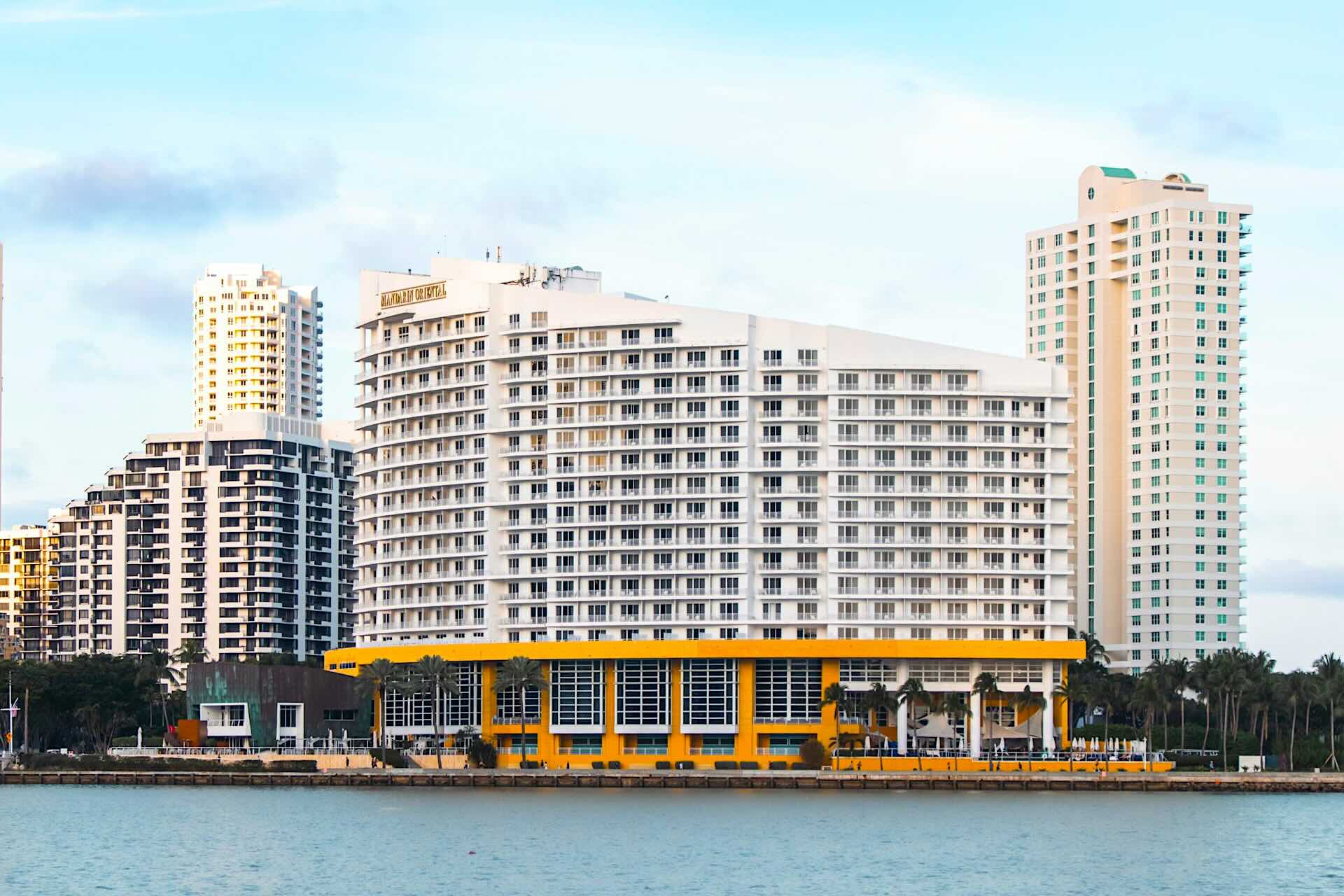
  • Why Brickell Remains a Core Market for Real Estate Investors

    Why Brickell Remains a Core Market for Real Estate Investors

    Brickell remains a core market for long term real estate investors because it combines location strength, year round demand, global visibility, and a lifestyle profile that continues attracting both renters and buyers. In Miami, very few neighborhoods offer the same blend of urban convenience, luxury inventory, business access, and long term relevance. That combination matters because strong investment markets usually succeed by serving more than one type of demand at the same time.

    At MAK Realty, we see Brickell as one of the clearest examples of a neighborhood that can hold long term investor interest even as the broader market shifts. It is not only a place where people want to live today. It is also a place that future renters, second home buyers, and full time owners are likely to keep valuing. That kind of repeat demand is what gives a neighborhood real staying power.

    Brickell Has a Clear Identity

    One reason Brickell remains so important is that the neighborhood has a clear and durable identity. It is Miami’s most established urban luxury district, and buyers understand what it offers immediately. High rise living, walkability, strong dining, office access, and a polished city atmosphere all work together to create a recognizable lifestyle.

    That clarity matters for investors because it supports future marketability. A property is easier to rent or resell when the neighborhood story is easy to understand. Brickell does not need much explanation. It already has a strong position in the Miami market, and that helps support long term investor confidence.

    The Neighborhood Supports Real Daily Use

    Brickell works because people can actually build daily life there. Residents can live near offices, restaurants, cafes, wellness studios, grocery stores, and major transportation routes. That practical convenience helps the neighborhood attract professionals, relocators, and buyers who want more than just a beautiful view.

    This matters because long term investment strength often depends on how well a neighborhood functions in real life. Areas that feel useful tend to hold demand more consistently than areas that rely only on novelty. Brickell offers a lifestyle that feels both aspirational and practical, which is one reason it continues to stand out.

    Rental Demand Tends to Stay Broad

    Brickell attracts a wide range of renters, and that broadens the investment case. The area appeals to professionals, executives, corporate relocations, international residents, and buyers who want to test Miami before committing long term. That creates a deeper rental pool than some more narrowly defined neighborhoods.

    A strong investor market usually benefits when demand does not depend on one small group. Brickell’s renter base tends to be diverse enough to support continued interest even as economic conditions shift. That does not eliminate risk, however it does create a stronger base than neighborhoods with a much narrower audience.

    Brickell Connects to Wealth Migration

    Brickell also benefits from the larger wealth migration story that has strengthened Miami over the past several years. Buyers and renters coming from New York, California, Illinois, Texas, and abroad often want a neighborhood that feels sophisticated, connected, and easy to understand. Brickell meets that need well.

    For many of these buyers, Brickell feels like the most natural entry point into Miami. It offers city energy, luxury towers, branded residences, and a modern ownership model that often feels familiar to people relocating from other major urban markets. That positioning helps keep the neighborhood relevant to long term investors.

    New Development Keeps the Market Current

    Another reason Brickell remains a core market is that new development continues to raise the standard and keep the neighborhood current. New towers, branded residences, modern amenities, and updated design expectations all help Brickell maintain a sense of momentum. Investors benefit when a market continues evolving instead of becoming stale.

    This does not mean every new building is automatically a strong investment. It means the neighborhood continues refreshing itself in a way that supports long term relevance. In real estate, that matters because buyers and renters often compare current product against what else the market offers. Brickell stays competitive because it keeps giving them reasons to choose it.

    Walkability Supports Long Term Appeal

    Walkability is one of Brickell’s strongest long term advantages. In Miami, truly walkable neighborhoods with strong luxury infrastructure remain limited. Brickell stands out because residents can handle much of daily life without relying entirely on a car. That includes work, dining, fitness, shopping, and social activity.

    For long term investors, this matters because walkability often supports both rental demand and resale value. Buyers and renters increasingly value convenience, and neighborhoods that deliver it tend to remain more resilient over time. Brickell’s walkable core gives it an advantage that is difficult for many other South Florida neighborhoods to match.

    Brickell Appeals to More Than One Buyer Type

    Brickell works well for long term investors because it attracts more than one kind of end user. Some buyers want a primary residence. Some want a second home. Some want a rental investment. Others want a part time city base with long term upside. This diversity strengthens the neighborhood because demand is not tied to only one ownership model.

    That broader appeal is important. A neighborhood that can attract both residents and investors usually has more stability than one that depends on a narrower audience. Brickell benefits from being flexible enough to serve multiple goals while still maintaining a strong luxury identity.

    The Best Buildings Can Hold Value Well

    Not every Brickell property performs the same way, but the strongest buildings often hold attention because they combine location, service, amenities, and modern livability in a way future buyers can understand easily. In a neighborhood with strong name recognition, better buildings often separate themselves clearly.

    This is why asset selection still matters. Brickell as a neighborhood is strong, but investors still need to focus on building quality, HOA structure, reserve health, rental rules, and long term desirability. The market can support a strong investment thesis, however the individual asset still has to earn it.

    Brickell Fits the Modern Luxury Investor

    Today’s long term investor often wants more than simple appreciation. They want a property in a neighborhood that has status, utility, and flexibility. Brickell fits that profile well. It offers visible luxury, strong renter appeal, and a location that feels central to Miami’s urban identity.

    That is one reason Brickell remains so durable. It speaks not only to investors looking for numbers, but also to buyers looking for confidence. The neighborhood feels active, relevant, and globally legible. In a luxury market, those qualities help support long term value.

    Why Brickell Still Matters

    Brickell remains a core market for long term real estate investors because it combines many of the elements that usually support durable demand. It has a strong identity, a walkable lifestyle, broad renter appeal, continued development, and a clear place within Miami’s larger growth story. Few neighborhoods in South Florida bring all of those factors together as effectively.

    At MAK Realty, we help clients evaluate Brickell with a long term lens. We look at the building, the location within the neighborhood, the likely renter or future buyer, and the overall ownership structure. Brickell can be a very strong market, but the best outcomes usually come from choosing the right property within it, not just buying the neighborhood name alone.

    For a tailored shortlist and next step guidance, connect with MAK Realty.
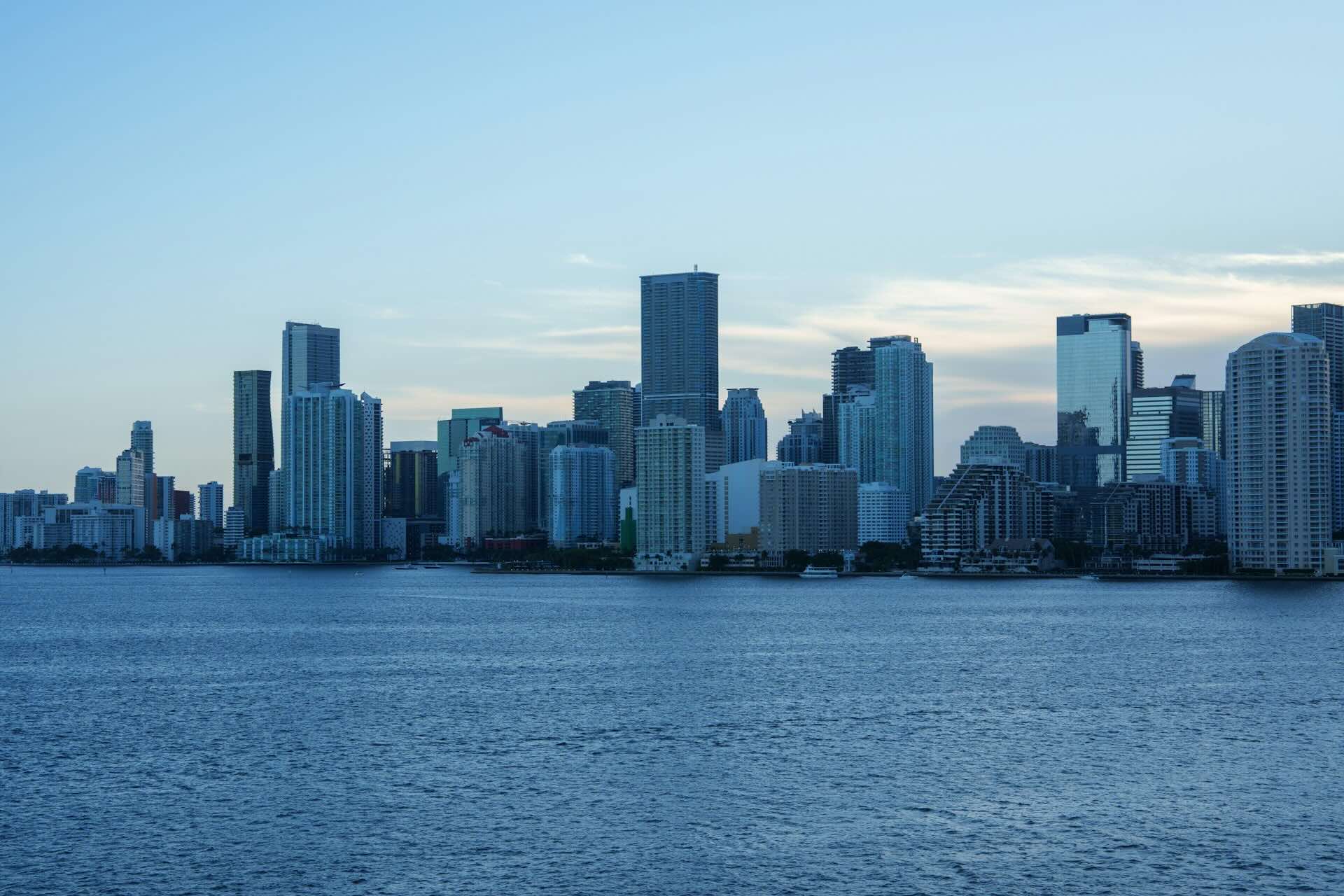
  • Why Miami Market Timing Matters Less Than Asset Selection

    Why Miami Market Timing Matters Less Than Asset Selection

    In Miami, timing the market is often less important than choosing the right asset. Buyers spend a great deal of energy trying to predict the perfect entry point, the next price move, or the exact moment when leverage shifts in their favor. Those questions are understandable. However, in luxury real estate, long term results are usually shaped more by what you buy than by whether you entered a little earlier or later.

    At MAK Realty, we see this often. A buyer who waits for perfect timing can still end up with the wrong building, the wrong location, or the wrong ownership structure. Meanwhile, a buyer who selects a strong property in a durable neighborhood often does well over time even if the purchase happened during a less than perfect market moment. That is why asset selection usually matters more than short term market timing.

    The Best Properties Do Not Depend on Perfect Timing

    A strong asset tends to hold attention across different phases of the market. Buyers still want quality buildings, prime neighborhoods, strong views, real scarcity, and credible service when conditions are hot, flat, or more selective. That is why the best properties often remain desirable even when the broader market becomes more complicated.

    This does not mean pricing never matters. It does. The point is that a strong property usually gives the owner more room for error than a weak one. If the building, location, and buyer appeal are all strong, the asset has a better chance of staying resilient over time. A weaker property often depends much more heavily on perfect market conditions to perform well.

    Miami Is Not One Uniform Market

    Trying to time Miami as though it moves as one single market can lead to bad decisions. Brickell, Miami Beach, Surfside, Bal Harbour, Edgewater, Coconut Grove, Coral Gables, and Sunny Isles Beach do not all behave the same way at the same time. Different neighborhoods attract different buyers, respond to different pressures, and carry different long term strengths.

    That is why broad market calls can be misleading. Even if the overall market cools, the right building in the right location can still hold strong appeal. Conversely, even in an active market, a weak asset can disappoint. In Miami, the differences between one property and another often matter more than the general headline.

    Scarcity Usually Matters More Than Short Term Noise

    The most defensible assets in Miami usually have some form of real scarcity. That may be true oceanfront positioning, protected bay views, a highly walkable luxury location, a well known branded residence, or a building with genuine privacy and service advantages. These qualities are difficult to replicate, and buyers continue to value them even when the market becomes more selective.

    This is important because scarcity supports long term relevance. A property with true scarcity does not need ideal conditions to remain attractive. It has something future buyers can still recognize and value. That gives it a much stronger long term position than a more generic asset purchased at what looked like a better moment.

    The Wrong Asset Can Make Good Timing Meaningless

    A buyer can enter the market at the perfect time and still make a weak purchase. If the building is poorly run, the HOA structure is problematic, the location lacks long term appeal, or the unit does not fit likely future demand, the timing advantage may do very little to protect performance.

    This is one of the easiest mistakes to make in Miami because the city is highly visual and emotionally compelling. Buyers can become fixated on short term market talk while missing the deeper asset quality issues that will matter much more over the hold period. Timing can help around the edges. Asset quality usually decides the real outcome.

    Great Buildings Keep Attracting Buyers

    In Miami, certain buildings and property types consistently hold stronger buyer interest. They may offer better service, stronger architecture, more useful layouts, better management, stronger reserve positions, or a clearer luxury identity. These buildings often continue attracting demand because they offer something future buyers can easily understand.

    That consistency matters more than many buyers realize. A property in a highly regarded building usually has a better long term resale story than a larger or cheaper unit in a weaker one. This is why smart buyers often focus on building selection first and market timing second. The building stays with you long after the market moment has passed.

    Long Term Ownership Reduces the Importance of Precision

    For buyers planning to hold for years, perfect timing matters less than many people think. If the property fits your lifestyle, sits in a durable location, and remains relevant to future buyers, the exact entry point becomes less important over time. What matters more is whether the asset continues to make sense through different market phases.

    This is especially true in Miami luxury real estate, where lifestyle, scarcity, and global demand all play large roles. A buyer holding a truly strong property often benefits more from patience and quality than from trying to capture a perfect entry that may never appear.

    Miami Rewards Buyers Who Understand the Asset

    The buyers who usually do best in Miami are the ones who understand what they are buying beyond the photos. They look at the building’s reputation, the neighborhood’s long term identity, the fee structure, the reserve health, the rental rules, the view orientation, and the likely future buyer profile. That level of analysis usually matters far more than guessing what the market will do next quarter.

    This is because Miami is not only a price driven market. It is also a preference driven market. Buyers care about lifestyle, service, water, walkability, and prestige. A property that aligns well with those priorities can remain strong even when the broader market feels uncertain.

    Selectivity Becomes an Advantage

    When the market gets more selective, strong asset selection matters even more. Buyers become more disciplined. They stop overpaying for generic product and focus more heavily on what makes one property truly better than another. In that environment, the strongest buildings and best located assets often separate themselves more clearly.

    This is why buying quality can be such a powerful strategy. A strong asset may not always be cheap, but it often gives the owner a better long term position than buying a weaker property simply because the timing seemed favorable. In Miami, quality tends to reveal itself more clearly when conditions are less forgiving.

    The Better Question Is Not When, but What

    Many buyers ask when they should buy in Miami. Often the better question is what they should buy. That shift changes the whole approach. Instead of waiting for a perfectly timed market, the buyer starts looking for an asset that can hold up across different conditions. That is usually where the smarter opportunities live.

    At MAK Realty, we guide clients toward that mindset because it leads to better decisions. A well chosen property can make an ordinary timing moment work very well. A poorly chosen property can make even a great timing moment disappointing. In the long run, what you own usually matters more than the short term price climate you bought into.

    Why This Matters for Buyers Today

    Buyers do not need to ignore market conditions. Pricing, supply, financing, and negotiation leverage all matter. However, those things should support the decision, not dominate it. The property itself still needs to stand on its own. If it does, timing becomes less of a gamble and more of a secondary factor.

    That is especially true in Miami, where long term appeal is often tied to location, scarcity, service, and lifestyle value. Buyers who understand those drivers usually make stronger decisions than those who focus only on trying to outguess the market.

    At MAK Realty, we help clients evaluate Miami properties through a long term lens, with an emphasis on building quality, neighborhood strength, and real buyer appeal over time. For buyers planning to explore the market in person, MAK Vacation can help make the stay more comfortable.

    For a tailored shortlist and next step guidance, connect with MAK Realty.

  • How Miami’s Luxury Market Compares to NYC and Los Angeles

    How Miami’s Luxury Market Compares to NYC and Los Angeles

    Miami’s luxury market differs from New York and Los Angeles because it sells a different mix of value. New York leads with depth, legacy wealth, and global financial status. Los Angeles leads with scale, land, entertainment influence, and a broader spread of luxury neighborhoods. Miami stands out by combining waterfront lifestyle, tax appeal, newer branded inventory, and a stronger second home and international buyer story in one market.

    At MAK Realty, we see Miami as the most lifestyle driven of the three. That does not make it stronger in every category. It means the city competes differently. Buyers often choose New York for institutional gravity, Los Angeles for privacy and land, and Miami for a more flexible blend of luxury living, wealth positioning, and year round use. That distinction matters because a buyer comparing these cities is usually comparing priorities as much as pricing.

    Miami Feels More Lifestyle Driven

    Miami’s luxury market is more directly tied to leisure, waterfront living, and second home use than New York’s. Buyers are often paying for ocean views, bayfront towers, resort style service, and a residence that can function as both a home and a lifestyle asset. New York, by contrast, remains more tied to permanence, business centrality, and the prestige of owning in one of the world’s most established urban markets. Los Angeles sits somewhere in between, offering lifestyle and image, but often through land, privacy, and horizontal living rather than vertical waterfront density.

    This is one reason Miami often feels easier to justify for buyers who want enjoyment built into the investment. The city does not ask buyers to choose between prestige and lifestyle. It offers both at the same time. That does not mean it replaces New York or Los Angeles. It means it satisfies a different kind of luxury logic.

    New York Still Wins on Depth and Legacy

    New York remains the deepest and most institutionally powerful luxury market of the three. It has more legacy wealth, more global financial relevance, and a stronger sense of permanence as a core ownership market. Buyers often choose Manhattan because they want to own in a city that remains central to finance, media, culture, and global influence.

    However, New York’s luxury market does not offer Miami’s climate, tax environment, or second home flexibility. For some buyers, that makes Miami feel more appealing as a practical lifestyle move. New York may still carry greater legacy prestige, but Miami often feels more flexible and more immediately enjoyable.

    Los Angeles Offers Land and Privacy

    Los Angeles competes very differently from Miami because much of its luxury value sits in land, privacy, and estate style ownership. A buyer in Los Angeles may want a compound, a gated property, or a home that offers scale without vertical density. Miami’s top end can offer privacy too, however much of its luxury story is still tied to towers, waterfront condos, branded residences, and a more visible hospitality driven experience.

    That difference matters because some buyers simply prefer one format over the other. Someone who wants a private estate in a spread out luxury neighborhood may naturally lean toward Los Angeles. Someone who wants a high rise residence with water views, valet, concierge, and a more lock and leave model may lean toward Miami.

    Miami Has More New Branded Product

    One of Miami’s clearest advantages is the amount of newer, hospitality influenced inventory it continues to attract. The city has become a major destination for branded residences and service driven new development. That gives buyers modern layouts, wellness amenities, strong common areas, and ownership models that often feel more aligned with globally mobile wealth.

    This creates a major contrast with New York, where the market is deeper but often more mixed between legacy product and newer luxury stock. Los Angeles also has exceptional high end inventory, but much of its prestige still comes through estates and neighborhood identity rather than a concentration of branded waterfront towers. Miami’s ability to keep adding globally legible luxury product is one reason it remains so competitive with international and second home buyers.

    Miami Feels More Internationally Fluid

    All three cities attract global buyers, but Miami often feels the most fluid for international capital that wants a second home, a wealth preservation asset, or a part time base. This matters because Miami’s luxury market is not driven only by local wages or local formation. It is shaped by cross border demand, wealth migration, and buyers who want a dollar based hard asset in a globally recognized city.

    That makes Miami especially compelling to buyers from Latin America, Europe, and beyond who want a city that feels internationally familiar and financially useful. New York also benefits from global capital, but Miami often feels easier to enter for buyers who want a more lifestyle oriented and less institutionally heavy ownership story.

    Tax Appeal Changes the Comparison

    Tax environment is one of the clearest reasons Miami compares so well against New York and Los Angeles. Buyers relocating from high tax states often see Miami not only as a lifestyle upgrade, but also as a strategic shift. That factor does not define the whole market, but it meaningfully strengthens Miami’s case with affluent domestic buyers.

    This is where Miami can feel especially compelling. It offers prestige, water, climate, and global visibility while also fitting into a more favorable Florida tax structure. New York and Los Angeles may offer greater legacy depth in their own ways, but Miami often looks more efficient from a wealth planning perspective.

    Miami Feels More Flexible as a Second Home Market

    Of the three cities, Miami is usually the easiest to defend as a second home purchase. New York often feels more primary residence driven, even at the high end. Los Angeles can function well as a second home market, but in many cases it still asks for a more land based and management heavy style of ownership. Miami’s luxury towers and branded residences often feel built for part time use, which makes the city more accessible to buyers who want flexibility.

    That flexibility is one reason Miami continues to attract wealth that might not want a full time commitment. Buyers can enjoy the city seasonally, hold the property as part of a broader portfolio, and still feel connected to a major luxury market.

    Which Market Fits Best

    New York usually fits buyers who want legacy prestige, density, and global financial centrality. Los Angeles usually fits buyers who want land, privacy, and a more horizontally distributed luxury lifestyle. Miami usually fits buyers who want water, flexibility, newer branded product, and a city that blends lifestyle with long term wealth positioning.

    None of these markets is universally better. They simply deliver different versions of luxury. The right choice depends on what the buyer values most. If the goal is a highly visible, internationally active coastal market with strong second home logic, Miami often stands out very clearly.

    Why This Matters for Buyers Today

    For buyers considering Miami, this comparison helps clarify what the city actually offers. Miami is not trying to copy New York or Los Angeles. It wins by being more lifestyle forward, more tax efficient, and more internationally fluid than most U.S. luxury markets. That gives it a strong position with buyers who want more than just status. They want usability, flexibility, and a property that fits a modern wealth strategy.

    At MAK Realty, we help clients compare Miami not only against local alternatives, but against the broader luxury markets they may also be considering. That perspective matters because the best purchase is not simply the most impressive one. It is the one that fits the buyer’s actual life and long term goals. For buyers planning to explore Miami in person, MAK Vacation can help make the stay more comfortable.

    For a tailored shortlist and next step guidance, connect with MAK Realty.