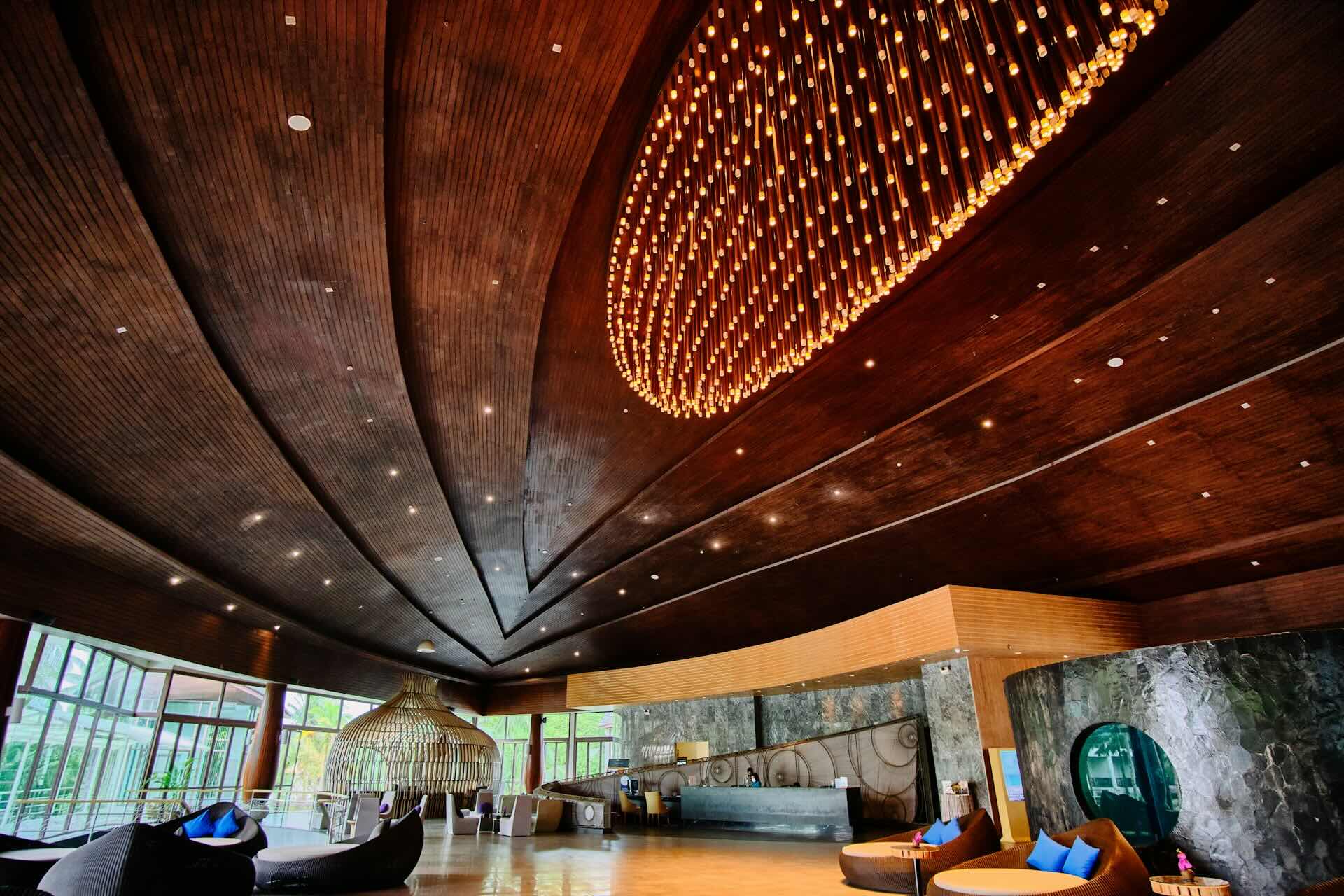
White Lotus hotel brand Anantara Residences coming to Miami is another sign that the city’s luxury market continues to attract globally recognized hospitality names. The project marks Anantara’s first branded residential debut in the United States and will rise as a 50 story waterfront tower in Edgewater by 2030. That gives it immediate relevance in a market that already values service, identity, and strong international appeal. For Miami, this is not just another new development announcement. It is part of the broader shift toward hospitality driven luxury living.
At MAK Realty, we look at announcements like this as more than branding news. They often reveal where buyer demand is heading and how developers are trying to stand out in a crowded upper tier market. Luxury buyers are no longer focused only on square footage, views, and finishes. They are also paying attention to service culture, management expectations, and the lifestyle framework that comes with a globally recognized name. Anantara’s arrival fits squarely into that trend, especially because the brand carries a level of recognition tied to HBO’s The White Lotus and its broader association with high end resort living.
Why the Anantara Name Matters
Anantara carries a specific kind of international luxury identity. The brand has built its reputation on high end hospitality and resort oriented experiences, and The White Lotus connection has increased its visibility with wider audiences.. In Miami, where brand recognition can shape buyer psychology in a meaningful way, that matters. A name like Anantara brings an added layer of prestige and global familiarity to a new residential concept.
For buyers, the appeal is not only the name itself. It is what the name suggests about the ownership experience. A hospitality rooted brand usually signals a stronger emphasis on service, atmosphere, and a more polished daily routine. In a city where branded residences continue to gain ground, that kind of positioning can make a project feel more differentiated from the start. In this case, the concept stands out because it draws from Thai inspired hospitality traditions, including nam jai, which brings generosity, warmth, and service into the residential experience.
Why Miami Keeps Attracting Branded Residences
Miami has become one of the strongest markets in the country for branded and hospitality influenced residences. Developers continue choosing the city because it combines global visibility, waterfront demand, tax appeal, and a buyer pool that responds strongly to luxury identity. As a result, internationally known brands see Miami as a place where a residential debut can carry immediate relevance and long term momentum.
Anantara’s entry reinforces that pattern. It also shows that Miami continues to attract first of its kind projects rather than simply repeating existing concepts. When a global hospitality brand chooses the city for its first United States residential project, it strengthens Miami’s position as a place where the next phase of luxury development keeps taking shape. This project is also arriving with serious development backing, with onethousand_group partnering with minorhotels to create a concept that blends private residences, hotel suites, and resort style living into one fully integrated offering.
The Importance of Biscayne Bay
One of the most important details is that the project will rise on Biscayne Bay. That matters because Biscayne Bay remains one of the most valuable and recognizable waterfront settings in Miami. Buyers respond strongly to bayfront living because it offers a different kind of luxury from the oceanfront experience. The bay often feels more connected to the city, more visually integrated with the skyline, and more aligned with the rhythm of urban waterfront living.
For a branded residence, Biscayne Bay is a strong fit. It combines the visual impact buyers expect from a luxury project with the central positioning that keeps residents close to Miami’s business, dining, and cultural core. That balance can be especially appealing to buyers who want both lifestyle and convenience in the same address. With sweeping bay views and a fully integrated hospitality model, the tower offers more than a residential building. It creates a full lifestyle environment that merges ownership with five star service.
The Project’s Positioning in Edgewater
The project is planned for Edgewater, directly on Biscayne Bay, which continues to attract luxury development because of its waterfront orientation, access to Downtown Miami, and growing residential identity. That location gives the project another advantage. Edgewater allows developers to offer bayfront luxury and central access without relying on the more established patterns of South Beach or Brickell.
This positioning matters because Edgewater has become one of the most closely watched neighborhoods for new luxury product. Buyers are increasingly drawn to its mix of bay views, newer towers, and proximity to the Design District, Wynwood, Downtown, and Miami Beach. For a branded residential concept, that creates a strong foundation because the neighborhood already supports the kind of high end lifestyle many buyers want. It also places residents near some of Miami’s key cultural institutions, including PAMM, Frost Science, and the Arsht Center, which reinforces the project’s ambition to function as both an urban sanctuary and a new benchmark for experiential luxury living in the United States.
Design, Wellness, and the New Luxury Standard
This project stands out not only because of the brand, but also because of the design team and the broader philosophy behind it. Architecture by Kohn Pedersen Fox and interiors by Patricia Urquiola bring strong international design credibility to the development. That kind of pedigree matters in a luxury market where buyers increasingly care about who is shaping the building, not just what logo appears on the entrance.
The amenity approach also appears to be aligned with the next phase of luxury living. Rather than focusing only on spectacle, the development is expected to emphasize longevity, wellness, and a more curated set of experiences rooted in both ancient healing traditions and modern approaches to health and recovery. That makes the project especially relevant to buyers who see wellness not as an extra, but as a core part of how they want to live.
What This Could Mean for Buyers
For buyers, Anantara Residences may appeal to those who want a luxury product that feels more service driven and internationally aligned. Some purchasers are drawn to branded residences because they believe the brand can support stronger consistency, better management expectations, and clearer long term market positioning. Others simply like the idea of owning within a project that feels distinct in a city filled with ambitious new development.
This type of project may be especially attractive to second home buyers, international purchasers, and owners who value ease of use. Hospitality linked residences often appeal to buyers who want polished service, smoother arrivals, and a property that feels more like an extension of a luxury hotel environment. In Miami, that has become an increasingly important part of the value proposition. A project that combines private ownership, hotel suites, wellness driven amenities, and Thai inspired service traditions is likely to resonate strongly with buyers seeking a more immersive luxury experience.
Why Branded Luxury Keeps Gaining Ground
Branded residences continue to gain traction because they answer a specific demand in the luxury market. Buyers at the top end often want more than attractive finishes and dramatic views. They want confidence in the full ownership experience. That includes design, staffing, amenities, service standards, and the larger story attached to the building.
Anantara’s Miami debut supports the idea that this segment still has momentum. It also reinforces a broader truth about South Florida real estate. Luxury is becoming more curated, more hospitality influenced, and more identity driven. Buyers are not just purchasing square footage. They are buying into an experience they expect to remain relevant over time.
Why This Matters Beyond One Tower
This announcement matters beyond Anantara itself because it reflects how Miami keeps moving upmarket in a very deliberate way. Global hospitality brands do not enter new residential markets casually. Their arrival signals confidence in buyer depth, pricing power, and long term demand. That does not mean every branded project will perform equally well. It does mean the city continues to attract the kind of development that keeps raising expectations across the market.
For buyers and investors, that creates both opportunity and competition. New projects with strong branding can influence pricing benchmarks, reshape buyer expectations, and place more pressure on older inventory. Therefore, even people not considering this specific project should pay attention to what it suggests about where Miami luxury real estate is heading.
At MAK Realty, we help clients evaluate branded and new development opportunities with a practical lens, looking at the real ownership experience rather than just the marketing story. For buyers planning a Miami visit to tour neighborhoods and compare projects, MAK Vacation can help make the stay more comfortable. If you also want to organize the broader trip around timing, dining, and local exploration, TravelPal.ai can help make that process easier.
For a tailored shortlist and next step guidance, connect with MAK Realty.
Leave a Reply