Tag: branded residences Miami

  • How Miami’s Luxury Market Compares to NYC and Los Angeles

    How Miami’s Luxury Market Compares to NYC and Los Angeles

    Miami’s luxury market differs from New York and Los Angeles because it sells a different mix of value. New York leads with depth, legacy wealth, and global financial status. Los Angeles leads with scale, land, entertainment influence, and a broader spread of luxury neighborhoods. Miami stands out by combining waterfront lifestyle, tax appeal, newer branded inventory, and a stronger second home and international buyer story in one market.

    At MAK Realty, we see Miami as the most lifestyle driven of the three. That does not make it stronger in every category. It means the city competes differently. Buyers often choose New York for institutional gravity, Los Angeles for privacy and land, and Miami for a more flexible blend of luxury living, wealth positioning, and year round use. That distinction matters because a buyer comparing these cities is usually comparing priorities as much as pricing.

    Miami Feels More Lifestyle Driven

    Miami’s luxury market is more directly tied to leisure, waterfront living, and second home use than New York’s. Buyers are often paying for ocean views, bayfront towers, resort style service, and a residence that can function as both a home and a lifestyle asset. New York, by contrast, remains more tied to permanence, business centrality, and the prestige of owning in one of the world’s most established urban markets. Los Angeles sits somewhere in between, offering lifestyle and image, but often through land, privacy, and horizontal living rather than vertical waterfront density.

    This is one reason Miami often feels easier to justify for buyers who want enjoyment built into the investment. The city does not ask buyers to choose between prestige and lifestyle. It offers both at the same time. That does not mean it replaces New York or Los Angeles. It means it satisfies a different kind of luxury logic.

    New York Still Wins on Depth and Legacy

    New York remains the deepest and most institutionally powerful luxury market of the three. It has more legacy wealth, more global financial relevance, and a stronger sense of permanence as a core ownership market. Buyers often choose Manhattan because they want to own in a city that remains central to finance, media, culture, and global influence.

    However, New York’s luxury market does not offer Miami’s climate, tax environment, or second home flexibility. For some buyers, that makes Miami feel more appealing as a practical lifestyle move. New York may still carry greater legacy prestige, but Miami often feels more flexible and more immediately enjoyable.

    Los Angeles Offers Land and Privacy

    Los Angeles competes very differently from Miami because much of its luxury value sits in land, privacy, and estate style ownership. A buyer in Los Angeles may want a compound, a gated property, or a home that offers scale without vertical density. Miami’s top end can offer privacy too, however much of its luxury story is still tied to towers, waterfront condos, branded residences, and a more visible hospitality driven experience.

    That difference matters because some buyers simply prefer one format over the other. Someone who wants a private estate in a spread out luxury neighborhood may naturally lean toward Los Angeles. Someone who wants a high rise residence with water views, valet, concierge, and a more lock and leave model may lean toward Miami.

    Miami Has More New Branded Product

    One of Miami’s clearest advantages is the amount of newer, hospitality influenced inventory it continues to attract. The city has become a major destination for branded residences and service driven new development. That gives buyers modern layouts, wellness amenities, strong common areas, and ownership models that often feel more aligned with globally mobile wealth.

    This creates a major contrast with New York, where the market is deeper but often more mixed between legacy product and newer luxury stock. Los Angeles also has exceptional high end inventory, but much of its prestige still comes through estates and neighborhood identity rather than a concentration of branded waterfront towers. Miami’s ability to keep adding globally legible luxury product is one reason it remains so competitive with international and second home buyers.

    Miami Feels More Internationally Fluid

    All three cities attract global buyers, but Miami often feels the most fluid for international capital that wants a second home, a wealth preservation asset, or a part time base. This matters because Miami’s luxury market is not driven only by local wages or local formation. It is shaped by cross border demand, wealth migration, and buyers who want a dollar based hard asset in a globally recognized city.

    That makes Miami especially compelling to buyers from Latin America, Europe, and beyond who want a city that feels internationally familiar and financially useful. New York also benefits from global capital, but Miami often feels easier to enter for buyers who want a more lifestyle oriented and less institutionally heavy ownership story.

    Tax Appeal Changes the Comparison

    Tax environment is one of the clearest reasons Miami compares so well against New York and Los Angeles. Buyers relocating from high tax states often see Miami not only as a lifestyle upgrade, but also as a strategic shift. That factor does not define the whole market, but it meaningfully strengthens Miami’s case with affluent domestic buyers.

    This is where Miami can feel especially compelling. It offers prestige, water, climate, and global visibility while also fitting into a more favorable Florida tax structure. New York and Los Angeles may offer greater legacy depth in their own ways, but Miami often looks more efficient from a wealth planning perspective.

    Miami Feels More Flexible as a Second Home Market

    Of the three cities, Miami is usually the easiest to defend as a second home purchase. New York often feels more primary residence driven, even at the high end. Los Angeles can function well as a second home market, but in many cases it still asks for a more land based and management heavy style of ownership. Miami’s luxury towers and branded residences often feel built for part time use, which makes the city more accessible to buyers who want flexibility.

    That flexibility is one reason Miami continues to attract wealth that might not want a full time commitment. Buyers can enjoy the city seasonally, hold the property as part of a broader portfolio, and still feel connected to a major luxury market.

    Which Market Fits Best

    New York usually fits buyers who want legacy prestige, density, and global financial centrality. Los Angeles usually fits buyers who want land, privacy, and a more horizontally distributed luxury lifestyle. Miami usually fits buyers who want water, flexibility, newer branded product, and a city that blends lifestyle with long term wealth positioning.

    None of these markets is universally better. They simply deliver different versions of luxury. The right choice depends on what the buyer values most. If the goal is a highly visible, internationally active coastal market with strong second home logic, Miami often stands out very clearly.

    Why This Matters for Buyers Today

    For buyers considering Miami, this comparison helps clarify what the city actually offers. Miami is not trying to copy New York or Los Angeles. It wins by being more lifestyle forward, more tax efficient, and more internationally fluid than most U.S. luxury markets. That gives it a strong position with buyers who want more than just status. They want usability, flexibility, and a property that fits a modern wealth strategy.

    At MAK Realty, we help clients compare Miami not only against local alternatives, but against the broader luxury markets they may also be considering. That perspective matters because the best purchase is not simply the most impressive one. It is the one that fits the buyer’s actual life and long term goals. For buyers planning to explore Miami in person, MAK Vacation can help make the stay more comfortable.

    For a tailored shortlist and next step guidance, connect with MAK Realty.
  • Why Privacy and Service Matter More Than Square Footage

    Why Privacy and Service Matter More Than Square Footage

    For many luxury buyers today, privacy and service matter more than square footage because daily experience often defines value more clearly than raw size. A large residence can look impressive on paper, however it may still feel less desirable if the building lacks discretion, operational smoothness, and a strong ownership experience. In Miami and across South Florida, many affluent buyers are shifting their focus away from simple scale and toward how a property actually supports their life.

    At MAK Realty, we see this often. Buyers may begin the search by talking about size, bedroom count, or price per square foot. However, once they start comparing buildings seriously, the conversation usually changes. They begin asking about private elevators, staff quality, valet efficiency, resident privacy, guest handling, and how well the building protects peace and comfort. That shift is important because it reflects how luxury is evolving.

    Bigger Does Not Always Feel Better

    Square footage still matters, but it does not guarantee satisfaction. A larger unit can create a strong first impression, however daily livability depends on much more than space alone. If the floor plan feels awkward, the building feels chaotic, or the service level feels weak, extra square footage may do very little to improve the ownership experience.

    This is why some smaller but better executed residences outperform larger ones in buyer appeal. The market eventually notices when a property feels well managed, private, and easy to live in. In contrast, a bigger residence in a poorly run environment can start to feel like a burden rather than a benefit.

    Privacy Has Become a Core Luxury Feature

    Privacy matters more because many affluent buyers now see it as essential rather than optional. They want smoother arrivals, less exposure, fewer disruptions, and a residence that feels protected from unnecessary noise or visibility. This is especially true for buyers with public profiles, demanding schedules, or a strong preference for discretion.

    In a condo building, privacy often comes from the details. Private elevators, controlled access, low density layouts, discreet staff, and well designed circulation can all make a major difference. Buyers are not only purchasing a home. They are purchasing a level of calm, which is why privacy has become such a powerful differentiator.

    Service Shapes the Ownership Experience

    Service matters because it touches daily life constantly. A beautiful building can still feel frustrating if valet is inconsistent, the front desk feels disorganized, maintenance is slow, or guest arrivals become a hassle. In contrast, a building with strong service can make ownership feel much more polished and much less stressful.

    This is one reason branded residences and hospitality influenced projects have gained so much traction. Buyers increasingly want a home that runs well. They want attentiveness without friction, support without chaos, and a level of professionalism that protects the quality of life they are paying for. In many cases, that matters more than gaining another few hundred square feet.

    Luxury Is Becoming More Operational

    The meaning of luxury has changed. It used to lean more heavily on visible size, dramatic finishes, and oversized common areas. Those things still matter, however buyers now evaluate luxury in a more operational way. They want to know how the building performs, how it feels, and whether the systems behind the scenes support a higher standard of living.

    This is where privacy and service become more important than pure size. A residence can be large, but if the building feels exposed, overactive, or poorly managed, it may not feel truly luxurious. A slightly smaller unit in the right building can feel much more elevated because the experience around it is stronger.

    Time and Ease Matter to Affluent Buyers

    Many affluent buyers value time more than space. They want a property that reduces friction, not one that creates more of it. A residence that feels easy to access, easy to secure, easy to maintain, and easy to enjoy often becomes far more attractive than one that simply offers more area.

    This is one reason service matters so much. Good service saves time, prevents frustration, and creates consistency. In the luxury market, that kind of ease becomes part of the real value story. Buyers are not just paying for rooms. They are paying for a smoother life.

    Privacy Supports Long Term Appeal

    Privacy also tends to support long term desirability. Buildings known for discretion, calm, and a more controlled ownership environment often attract buyers who care deeply about quality of life. That can help resale too, because future buyers usually want the same things. A building with strong privacy features often remains attractive across different buyer types and different market cycles.

    This matters because long term appeal rarely comes from size alone. Markets evolve, tastes shift, and layouts can age. However, privacy tends to remain valuable. A building that protects it well usually holds a more durable place in the luxury conversation.

    The Best Properties Balance Space With Experience

    None of this means square footage no longer matters. It still does. The point is that space should support the experience, not define it by itself. A strong luxury residence usually balances scale with privacy, service, layout quality, and overall livability. When those things align, the property becomes much more compelling.

    At MAK Realty, we help clients look beyond the easy numbers and evaluate what truly shapes ownership quality. In many cases, the right building with the right service culture and privacy features will outperform a larger unit in a weaker setting. That is why luxury buyers increasingly focus on how the property works, not just how big it is.

    For buyers planning to tour luxury properties in person, MAK Vacation can help make the stay more comfortable. For a tailored shortlist and next step guidance, connect with MAK Realty.

  • White Lotus Hotel Brand Anantara Residences to Debut in Miami

    White Lotus Hotel Brand Anantara Residences to Debut in Miami

    White Lotus hotel brand Anantara Residences coming to Miami is another sign that the city’s luxury market continues to attract globally recognized hospitality names. The project marks Anantara’s first branded residential debut in the United States and will rise as a 50 story waterfront tower in Edgewater by 2030. That gives it immediate relevance in a market that already values service, identity, and strong international appeal. For Miami, this is not just another new development announcement. It is part of the broader shift toward hospitality driven luxury living.

    At MAK Realty, we look at announcements like this as more than branding news. They often reveal where buyer demand is heading and how developers are trying to stand out in a crowded upper tier market. Luxury buyers are no longer focused only on square footage, views, and finishes. They are also paying attention to service culture, management expectations, and the lifestyle framework that comes with a globally recognized name. Anantara’s arrival fits squarely into that trend, especially because the brand carries a level of recognition tied to HBO’s The White Lotus and its broader association with high end resort living.

    Why the Anantara Name Matters

    Anantara carries a specific kind of international luxury identity. The brand has built its reputation on high end hospitality and resort oriented experiences, and The White Lotus connection has increased its visibility with wider audiences.. In Miami, where brand recognition can shape buyer psychology in a meaningful way, that matters. A name like Anantara brings an added layer of prestige and global familiarity to a new residential concept.

    For buyers, the appeal is not only the name itself. It is what the name suggests about the ownership experience. A hospitality rooted brand usually signals a stronger emphasis on service, atmosphere, and a more polished daily routine. In a city where branded residences continue to gain ground, that kind of positioning can make a project feel more differentiated from the start. In this case, the concept stands out because it draws from Thai inspired hospitality traditions, including nam jai, which brings generosity, warmth, and service into the residential experience.

    Why Miami Keeps Attracting Branded Residences

    Miami has become one of the strongest markets in the country for branded and hospitality influenced residences. Developers continue choosing the city because it combines global visibility, waterfront demand, tax appeal, and a buyer pool that responds strongly to luxury identity. As a result, internationally known brands see Miami as a place where a residential debut can carry immediate relevance and long term momentum.

    Anantara’s entry reinforces that pattern. It also shows that Miami continues to attract first of its kind projects rather than simply repeating existing concepts. When a global hospitality brand chooses the city for its first United States residential project, it strengthens Miami’s position as a place where the next phase of luxury development keeps taking shape. This project is also arriving with serious development backing, with onethousand_group partnering with minorhotels to create a concept that blends private residences, hotel suites, and resort style living into one fully integrated offering.

    The Importance of Biscayne Bay

    One of the most important details is that the project will rise on Biscayne Bay. That matters because Biscayne Bay remains one of the most valuable and recognizable waterfront settings in Miami. Buyers respond strongly to bayfront living because it offers a different kind of luxury from the oceanfront experience. The bay often feels more connected to the city, more visually integrated with the skyline, and more aligned with the rhythm of urban waterfront living.

    For a branded residence, Biscayne Bay is a strong fit. It combines the visual impact buyers expect from a luxury project with the central positioning that keeps residents close to Miami’s business, dining, and cultural core. That balance can be especially appealing to buyers who want both lifestyle and convenience in the same address. With sweeping bay views and a fully integrated hospitality model, the tower offers more than a residential building. It creates a full lifestyle environment that merges ownership with five star service.

    The Project’s Positioning in Edgewater

    The project is planned for Edgewater, directly on Biscayne Bay, which continues to attract luxury development because of its waterfront orientation, access to Downtown Miami, and growing residential identity. That location gives the project another advantage. Edgewater allows developers to offer bayfront luxury and central access without relying on the more established patterns of South Beach or Brickell.

    This positioning matters because Edgewater has become one of the most closely watched neighborhoods for new luxury product. Buyers are increasingly drawn to its mix of bay views, newer towers, and proximity to the Design District, Wynwood, Downtown, and Miami Beach. For a branded residential concept, that creates a strong foundation because the neighborhood already supports the kind of high end lifestyle many buyers want. It also places residents near some of Miami’s key cultural institutions, including PAMM, Frost Science, and the Arsht Center, which reinforces the project’s ambition to function as both an urban sanctuary and a new benchmark for experiential luxury living in the United States.

    Design, Wellness, and the New Luxury Standard

    This project stands out not only because of the brand, but also because of the design team and the broader philosophy behind it. Architecture by Kohn Pedersen Fox and interiors by Patricia Urquiola bring strong international design credibility to the development. That kind of pedigree matters in a luxury market where buyers increasingly care about who is shaping the building, not just what logo appears on the entrance.

    The amenity approach also appears to be aligned with the next phase of luxury living. Rather than focusing only on spectacle, the development is expected to emphasize longevity, wellness, and a more curated set of experiences rooted in both ancient healing traditions and modern approaches to health and recovery. That makes the project especially relevant to buyers who see wellness not as an extra, but as a core part of how they want to live.

    What This Could Mean for Buyers

    For buyers, Anantara Residences may appeal to those who want a luxury product that feels more service driven and internationally aligned. Some purchasers are drawn to branded residences because they believe the brand can support stronger consistency, better management expectations, and clearer long term market positioning. Others simply like the idea of owning within a project that feels distinct in a city filled with ambitious new development.

    This type of project may be especially attractive to second home buyers, international purchasers, and owners who value ease of use. Hospitality linked residences often appeal to buyers who want polished service, smoother arrivals, and a property that feels more like an extension of a luxury hotel environment. In Miami, that has become an increasingly important part of the value proposition. A project that combines private ownership, hotel suites, wellness driven amenities, and Thai inspired service traditions is likely to resonate strongly with buyers seeking a more immersive luxury experience.

    Why Branded Luxury Keeps Gaining Ground

    Branded residences continue to gain traction because they answer a specific demand in the luxury market. Buyers at the top end often want more than attractive finishes and dramatic views. They want confidence in the full ownership experience. That includes design, staffing, amenities, service standards, and the larger story attached to the building.

    Anantara’s Miami debut supports the idea that this segment still has momentum. It also reinforces a broader truth about South Florida real estate. Luxury is becoming more curated, more hospitality influenced, and more identity driven. Buyers are not just purchasing square footage. They are buying into an experience they expect to remain relevant over time.

    Why This Matters Beyond One Tower

    This announcement matters beyond Anantara itself because it reflects how Miami keeps moving upmarket in a very deliberate way. Global hospitality brands do not enter new residential markets casually. Their arrival signals confidence in buyer depth, pricing power, and long term demand. That does not mean every branded project will perform equally well. It does mean the city continues to attract the kind of development that keeps raising expectations across the market.

    For buyers and investors, that creates both opportunity and competition. New projects with strong branding can influence pricing benchmarks, reshape buyer expectations, and place more pressure on older inventory. Therefore, even people not considering this specific project should pay attention to what it suggests about where Miami luxury real estate is heading.

    At MAK Realty, we help clients evaluate branded and new development opportunities with a practical lens, looking at the real ownership experience rather than just the marketing story. For buyers planning a Miami visit to tour neighborhoods and compare projects, MAK Vacation can help make the stay more comfortable. If you also want to organize the broader trip around timing, dining, and local exploration, TravelPal.ai can help make that process easier.

    For a tailored shortlist and next step guidance, connect with MAK Realty.
  • How New Construction Is Redefining Luxury in Miami

    How New Construction Is Redefining Luxury in Miami

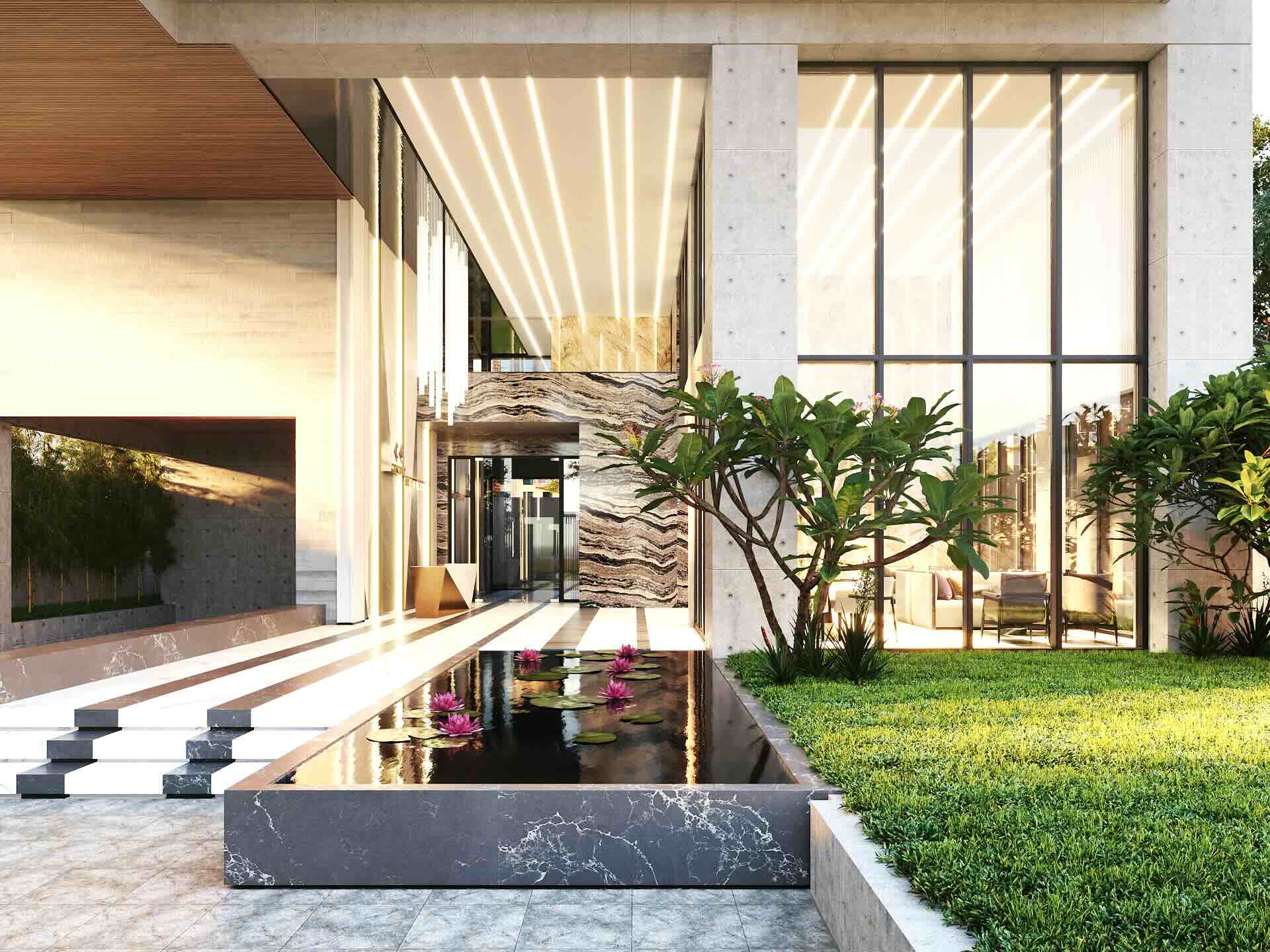
    New construction is redefining luxury in Miami by changing what buyers expect from design, service, amenities, and long term value. Today’s luxury buyer often wants more than a beautiful unit in a desirable location. They want smarter layouts, stronger wellness features, better technology, more privacy, and a property that reflects how people actually live now. In Miami, new construction has become one of the clearest expressions of that shift because developers are responding to a more informed and more demanding market.

    At MAK Realty, we see this change every day. Buyers are no longer focused only on square footage, views, and prestige. Those still matter, however they are no longer enough on their own. New luxury in Miami is increasingly defined by experience, efficiency, service culture, and the ability of a building to support both lifestyle and investment goals. That is why new construction continues to attract serious attention across the market.

    Luxury Now Means More Than Finish and Flash

    For many years, luxury in Miami was often associated with dramatic lobbies, expansive water views, and highly visible amenity decks. Those features still carry weight, however buyers have become more selective. They are asking deeper questions about how a building functions, how it feels to live there, and whether the product justifies the price over time.

    As a result, developers have had to evolve. New construction projects are now placing greater emphasis on daily livability. That includes better floor plan flow, more private arrival experiences, higher quality materials, and amenities that support wellness, convenience, and flexibility. In addition, buyers increasingly want a residence that feels refined without feeling excessive. That change is shaping the next phase of luxury in Miami.

    The strongest projects understand that luxury is no longer only visual. It is operational. It is emotional. It is practical. A building that looks impressive but does not support real life will not hold the same appeal as one that delivers comfort, ease, and consistency.

    Design Has Become More Intentional

    One of the clearest ways new construction is redefining luxury in Miami is through design. Buyers today are more aware of layout quality, usable space, natural light, and the overall atmosphere created by a residence. Therefore, many of the most successful new developments are focusing on design that feels cleaner, calmer, and more purposeful.

    That shift shows up in many ways. Kitchens are more integrated into the living experience. Primary suites feel more private and better proportioned. Outdoor space is treated as part of the home rather than an afterthought. Meanwhile, finishes often lean toward a more timeless and restrained style rather than visual excess. This matters because many luxury buyers now prefer sophistication over spectacle.

    Developers are also paying closer attention to the identity of the building itself. Branded residences, architect driven projects, and design led concepts all reflect a market that values distinction. Buyers do not just want a luxury condo. They want a residence with a clear point of view, because that creates stronger emotional connection and often stronger market positioning.

    Amenities Are Becoming More Useful

    New construction is also changing the meaning of amenities. In the past, many projects competed by adding more. More pools, more lounges, more entertainment areas, and more dramatic shared spaces. Today, the strongest buildings often compete by offering better amenities rather than just bigger ones.

    Wellness is a major part of this shift. Buyers increasingly want fitness centers that feel serious, spa spaces that feel calm, and environments that support recovery and balance. In addition, co-working lounges, private dining spaces, wellness rooms, and resident services now play a larger role because buyers want buildings that support how they divide their time between work, home, and social life.

    This change reflects a more mature luxury market. People do not want amenity overload if much of it goes unused. They want quality, relevance, and spaces that actually improve the ownership experience. That is why new construction in Miami is redefining luxury through function as much as through image.

    Service Has Become a Core Part of the Product

    Luxury in Miami is now increasingly tied to service. Buyers expect more from the staff, from management, and from the overall operational quality of a building. As a result, many new construction projects are placing greater emphasis on hospitality minded service and a more polished residential experience.

    This includes concierge support, valet coordination, private entry experiences, wellness programming, and service culture that feels attentive without becoming intrusive. Buyers want a home that runs smoothly. They want arrivals to feel easy, guest handling to feel organized, and everyday living to feel supported. In a high end market, that level of execution matters just as much as finishes and views.

    This is especially true for second home owners and international buyers. Many of them need a property that feels simple to own, easy to return to, and professionally managed throughout the year. Therefore, service is no longer an extra. It is part of the value proposition, and new construction is reflecting that reality very clearly.

    Buyers Are Thinking More Strategically

    Another reason new construction is redefining luxury in Miami is that buyers are becoming more strategic. They are not only purchasing for personal enjoyment. They are also thinking about long term relevance, rental demand, resale position, and whether the building will remain competitive as newer inventory comes to market.

    That has pushed developers to create products with stronger staying power. Buildings that rely only on trend driven design or oversized marketing promises may struggle over time. In contrast, projects that combine strong location, thoughtful design, useful amenities, and high service standards often maintain appeal more effectively.

    At MAK Realty, we encourage buyers to evaluate new construction through both a lifestyle and investment lens. The most attractive project in the moment is not always the strongest purchase. What matters is whether the building will still feel desirable, practical, and well positioned years from now. In Miami, where new supply continues to shape buyer expectations, that question is essential.

    Neighborhood Context Matters More Than Ever

    New construction does not exist in a vacuum. The neighborhood around the building has become a more important part of what buyers define as luxury. A beautiful residence can lose appeal if the surrounding environment does not support the buyer’s lifestyle. Therefore, developers are increasingly aligning projects with neighborhoods that offer strong identity and daily convenience.

    In Brickell, that may mean walkability, dining, and urban energy. In Surfside or Bal Harbour, it may mean privacy, service, and beachfront calm. In Downtown Miami, it may mean access, momentum, and a more connected city core experience. Buyers are not just purchasing a residence. They are buying into a neighborhood rhythm that shapes daily life.

    That is one reason new construction has become so influential in Miami’s luxury market. It is helping define not only what luxury looks like, but also where and how it feels most relevant. The building and the neighborhood now work together as part of the same value story.

    Why This Matters for Miami Buyers Today

    The luxury buyer in Miami has changed, and new construction is responding to that change. Today’s market rewards projects that offer more than visual impact. Buyers want design that feels intentional, amenities that feel useful, service that feels polished, and a location that supports how they actually want to live. As a result, luxury in Miami is becoming more thoughtful, more livable, and more strategically defined.

    For buyers, this creates both opportunity and complexity. New construction can offer exceptional quality and strong long term positioning, however not every project delivers the same kind of value. That is why guidance matters. At MAK Realty, we help clients evaluate new developments with a sharper eye, focusing on what will matter after the excitement of launch fades. For those visiting Miami to explore buildings and neighborhoods in person, MAK Vacation can help make the stay more comfortable. If the trip also includes broader planning around dining, exploring, and scheduling, TravelPal.ai can help organize it more efficiently.

    For a tailored shortlist and next step guidance, connect with MAK Realty.
  • 10 Miami Luxury Condo Predictions for 2026

    10 Miami Luxury Condo Predictions for 2026

    Miami’s luxury condo market in 2026 will likely be shaped by global attention, wealth migration, changing buyer priorities, and continued pressure on top tier inventory. Timing any market with precision is rarely possible. However, positioning around meaningful shifts is achievable, and that is often what drives stronger results. For serious buyers, sellers, and investors, the more useful question is not whether change is coming. It is which changes are most likely to matter most.

    At MAK Realty, we believe 2026 will reward buyers and investors who pay close attention to how Miami is maturing as a global luxury market. The city is no longer viewed only as a lifestyle destination. It is now a place where capital, business, design, hospitality, and long term residential demand continue to intersect. As a result, the luxury condo segment is becoming more layered, more competitive, and more strategic.

    Miami Will Continue to Operate More Like a Global City

    Miami’s transformation into a global city is no longer theoretical. It is already reflected in how the market behaves. In 2026, that identity will likely deepen even further. Luxury condo pricing will continue to reflect demand from domestic wealth migration, international capital, and buyers who see Miami as part of a broader lifestyle and investment portfolio.

    This matters because global cities do not respond only to local income trends. They are influenced by cross border demand, brand value, tax positioning, and the city’s reputation among affluent buyers. Miami now operates much more like that kind of market. Therefore, luxury condo buyers should expect the top segment to remain shaped by global perception as much as local conditions.

    International Exposure Will Continue to Support Demand

    The 2026 FIFA World Cup is expected to bring another wave of international attention, further elevating Miami’s profile among affluent global audiences. That visibility should reinforce the city’s appeal with buyers who already see South Florida as a serious luxury market, not just a seasonal destination.

    Major global events do more than generate short term excitement. They strengthen awareness, reinforce prestige, and keep Miami in front of high net worth audiences around the world. As a result, the luxury condo segment may continue to benefit from broader and more resilient demand than many local markets can generate on their own.

    Branded Residences Will Stay Highly Influential

    Branded luxury condos should remain a major force in 2026. Buyers at the top of the market increasingly respond to identity, service standards, and the credibility a strong brand can bring to a project. In Miami, branded residences often appeal because they promise a more polished ownership experience and a clearer luxury story.

    However, the strongest branded projects will not succeed on name alone. Buyers are becoming more sophisticated, and they want service, design, and execution to justify the branding. Therefore, projects that combine strong management, thoughtful amenities, and real livability should outperform those that rely too heavily on branding as a shortcut.

    Older Luxury Inventory Will Face More Separation

    One of the most important 2026 predictions is that older condo inventory may face greater pressure, especially when compared with well executed newer product. This does not mean older buildings will lose relevance across the board. It means buyers are becoming more selective, and they are more willing to pay for strong service, updated design, modern amenities, and smoother ownership experiences.

    Buildings with rising maintenance burdens, dated common areas, or less competitive service may find it harder to hold the same pricing power they once did. Meanwhile, better managed legacy buildings with strong locations and credible renovation progress could still perform well. In other words, the gap between well positioned older inventory and weaker aging stock may become more visible.

    Airbnb Friendly Inventory Will Keep Attracting a Distinct Buyer

    Short term rental friendly buildings should continue drawing a specific type of buyer in 2026. These properties appeal to investors and flexible use owners who want the option to generate income while maintaining personal access to the residence. In Miami, that niche remains meaningful because the city’s tourism strength continues to support interest in adaptable luxury ownership.

    At the same time, buyers in this segment are likely to become more disciplined. They will pay closer attention to building rules, fee structures, local regulations, and realistic income potential rather than relying on assumptions. Therefore, Airbnb friendly luxury condos may stay attractive, but the best outcomes will likely go to buyers who evaluate those opportunities carefully.

    Wealth Migration Will Continue to Reshape Pricing

    Miami luxury condo values are no longer anchored mainly to local wages or traditional regional affordability measures. In 2026, wealth migration will likely remain one of the most important drivers of pricing at the upper end of the market. Buyers arriving from high tax states, international markets, and major corporate centers continue to influence what top tier inventory can command.

    That shift changes how value should be understood. A buyer relocating from another global market may view Miami pricing very differently from a long time local resident. As a result, luxury pricing may continue to feel disconnected from older expectations tied only to local benchmarks. For serious buyers, this means market analysis has to account for who is arriving, not just what local conditions suggest.

    Privacy and Service Will Matter Even More

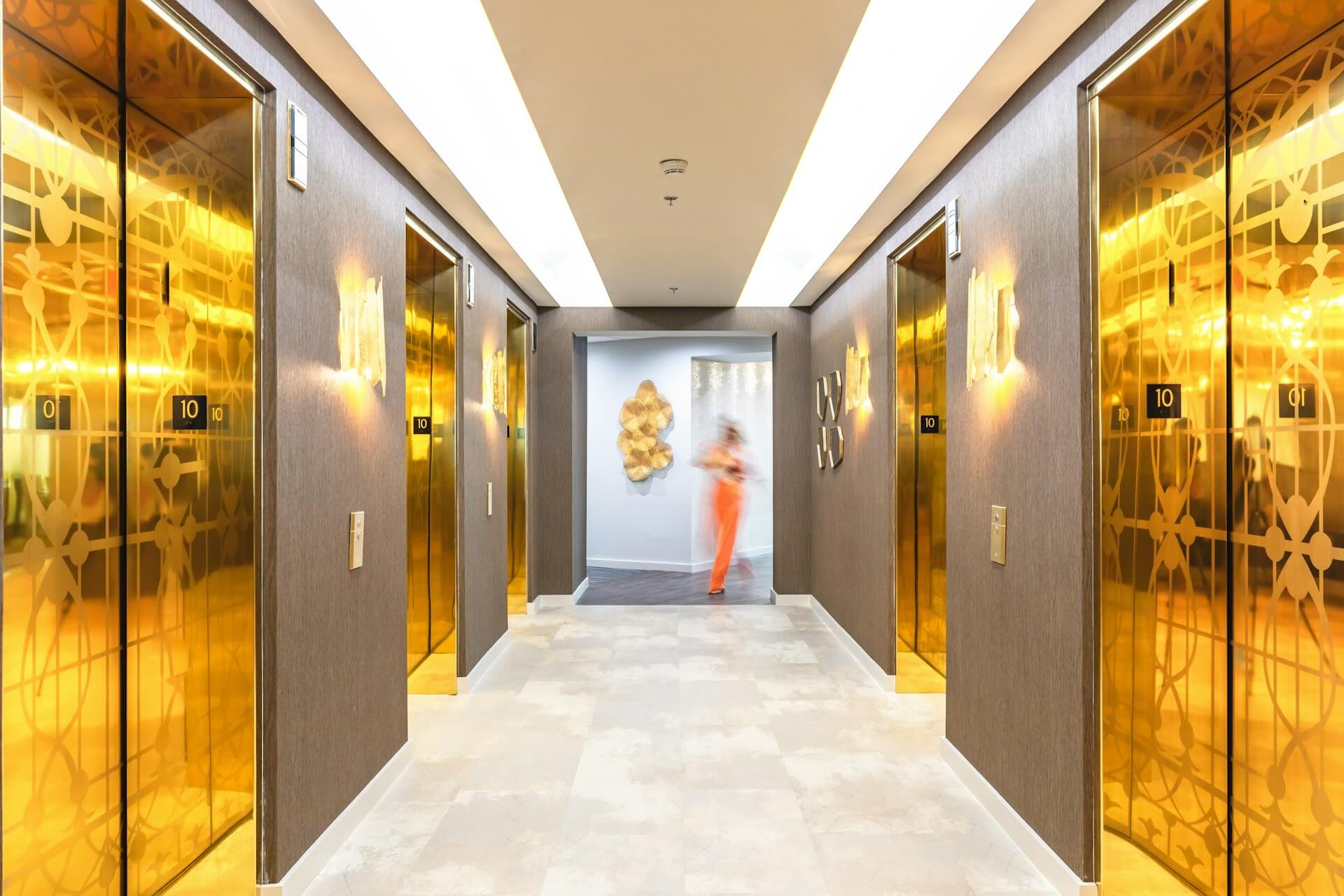
    In 2026, privacy and service will likely carry even more weight in the luxury condo market. Serious buyers want a residence that functions smoothly, protects discretion, and supports a refined daily routine. They are paying closer attention to arrival sequences, elevator access, staff culture, valet execution, and how a building handles the details of ownership.

    This trend is especially important in a market filled with highly visible luxury product. The buildings that stand out may not always be the loudest. In many cases, they will be the ones that create calm, order, and comfort more effectively. Therefore, developers and sellers who understand the operational side of luxury may have a stronger edge.

    Walkability and Lifestyle Integration Will Carry More Weight

    Luxury in Miami is no longer defined only by water views and interior finishes. Buyers increasingly want neighborhoods and buildings that support daily life in a more complete way. In 2026, walkability, nearby dining, wellness access, retail convenience, and overall neighborhood rhythm should continue influencing decision making.

    This helps explain why areas like Brickell, Bal Harbour, Surfside, and parts of Boca Raton continue drawing attention in different ways. Buyers are choosing not only a residence, but also a routine. As a result, buildings that offer a stronger connection to a desirable lifestyle ecosystem may hold their appeal more effectively than those that rely on the unit alone.

    New Construction Will Keep Raising Expectations

    New construction will likely keep pushing the market forward in 2026 by redefining what buyers expect from design, amenities, and livability. Cleaner layouts, stronger wellness offerings, hospitality led service, and more intentional common spaces are changing the standard across the luxury segment. Buyers are growing less impressed by pure scale and more focused on execution.

    That means new construction may continue placing indirect pressure on existing luxury inventory. Even buyers who choose resale are comparing those options against the standards set by newer projects. Therefore, sellers in older buildings may need to be more realistic about presentation, pricing, and positioning if they want to remain competitive.

    Strategy Will Matter More Than Perfect Timing

    The final prediction may be the most important. In 2026, success in Miami’s luxury condo market will likely come less from perfect timing and more from strong positioning. Buyers who wait for total certainty often miss the best opportunities. Sellers who rely only on general optimism may misread the moment. Investors who move without understanding the specific segment they are entering can easily overpay.

    In a market shaped by global capital, neighborhood nuance, product differences, and shifting buyer expectations, strategy becomes the real advantage. That means understanding the building, the submarket, the inventory story, and the likely path of demand. At MAK Realty, that is how we guide clients. We focus on where the market is going, not just where it has been.

    What These Predictions Mean for Buyers and Investors

    Miami’s luxury condo market in 2026 should remain active, high profile, and increasingly selective. Global attention, branded development, wealth migration, and rising buyer sophistication will continue shaping the market in meaningful ways. However, not every building, submarket, or pricing tier will perform the same way. That is why broad headlines are rarely enough.

    Buyers and investors who want to move intelligently need sharper filters and better local insight. They need to understand which trends are durable, which buildings are truly competitive, and where pricing still makes strategic sense. For those planning a visit to tour properties in person, MAK Vacation can help make the stay more efficient and comfortable. If the trip also includes broader planning around neighborhoods, dining, and scheduling, TravelPal.ai can help support that process.

    For a tailored shortlist and next step guidance, connect with MAK Realty.

  • Miami Branded Condo Hotel Investment, Terms and Yields Guide

    Miami Branded Condo Hotel Investment, Terms and Yields Guide

    Branded condo hotels in Miami continue attracting global investors in 2026.
    They combine hospitality, real estate ownership, and income potential into one structure.

    For many buyers, especially international investors, this model offers simplicity and brand backed confidence.
    However, returns depend on understanding how these programs actually operate.

    At MAK Realty, we guide clients through branded condo hotel opportunities with a focus on realistic yield expectations, operational structure, and long term value.

    This guide explains how Miami branded condo hotel investments work, what terms to evaluate, and how to analyze yield in 2026.

    What Defines a Branded Condo Hotel

    A branded condo hotel is a residential unit within a luxury hotel operated by a recognized hospitality brand.
    Owners hold title to their individual unit.

    The brand manages the property as part of its hotel inventory.
    This includes bookings, guest services, housekeeping, and maintenance.

    Brand affiliation often drives occupancy and pricing power.
    Well known names attract consistent demand.

    Owners benefit from professional management.
    However, they also share revenue with the hotel program.

    Understanding this balance is critical.

    Why Branded Programs Attract Investors

    Brand recognition reduces uncertainty.
    Guests trust established hospitality operators.

    This trust translates into stronger occupancy rates in many cases.
    Premium positioning often supports higher nightly pricing.

    Investors also value operational simplicity.
    The hotel handles day to day management.

    This structure appeals to foreign buyers who do not live in Miami full time.
    Remote ownership becomes easier.

    Many investors first experience these properties by staying in a luxury vacation rental before purchasing.

    That experience often shapes expectations around guest demand and service quality.

    Rental Program Structure and Terms

    Each branded condo hotel operates under a specific rental program.
    Understanding the structure is essential.

    Most programs require participation in the hotel rental pool.
    Individual marketing is typically not allowed.

    Revenue is generated through nightly bookings.
    The hotel distributes income after deducting expenses and management fees.

    Usage restrictions also apply.
    Owners may have limited personal use days each year.

    These rules ensure consistent inventory for hotel operations.
    They also influence income potential.

    Buyers should review program agreements carefully before purchasing.

    How Yield Is Calculated

    Yield in condo hotel investments depends on several variables.

    Gross revenue is generated through nightly bookings.
    Occupancy rates and average daily rates drive this figure.

    Expenses are deducted before income is distributed.
    These include management fees, operational costs, and reserves.

    Net yield reflects actual return after expenses.
    This is the most important metric.

    Investors should focus on net performance rather than projected gross income.
    Marketing materials often emphasize optimistic scenarios.

    At MAK Realty, we evaluate realistic yield based on historical performance and market conditions.

    Expense Considerations

    Condo hotel ownership includes multiple cost layers.

    HOA fees cover building maintenance and shared amenities.
    Hotel management fees cover operations and staffing.

    Furniture packages must meet brand standards.
    Ongoing upgrades may be required.

    Utilities, insurance, and reserve contributions also apply.
    These costs can be higher than traditional condos.

    Understanding total expense structure ensures accurate return modeling.

    Financing Options for Condo Hotel Investments

    Financing condo hotels differs from traditional residential properties.

    Many lenders classify them as hybrid or commercial assets.
    Loan options may be limited.

    Foreign buyers often face higher down payment requirements.
    Some investors choose cash purchases.

    Portfolio lenders familiar with Miami’s condo hotel market can provide financing solutions.
    Terms vary by property and borrower profile.

    Interest rate conditions also influence yield.
    Higher borrowing costs reduce net returns.

    Planning financing early helps avoid delays.

    Comparing Branded Condo Hotels to Traditional Rentals

    Branded condo hotels offer passive management.
    Traditional rentals offer greater control.

    Short term rental friendly condos can sometimes produce higher net income.
    However, they require active management or third party operators.

    Condo hotels simplify ownership.
    The trade off is reduced control over pricing and operations.

    Investors must decide which model aligns with their goals.
    Convenience versus potential yield.

    Miami’s Competitive Advantage

    Miami remains one of the strongest markets for condo hotel investment.

    Tourism is consistent throughout the year.
    International visitors contribute significantly to demand.

    Luxury brands operate across Miami Beach and Downtown.
    These brands enhance global recognition.

    Waterfront locations further strengthen appeal.
    Oceanfront and bayfront properties attract premium guests.

    These factors support both occupancy and long term value.

    Risks to Consider in 2026

    No investment is without risk.
    Condo hotels require realistic expectations.

    Income fluctuates with tourism cycles.
    Economic slowdowns can reduce occupancy.

    Management fees reduce overall yield.
    Owners have limited control over operations.

    Resale liquidity depends on brand strength and building reputation.
    Not all properties perform equally.

    Investors should focus on high quality assets in prime locations.
    Discipline improves outcomes.

    Long Term Investment Outlook

    Branded condo hotels should be viewed as hybrid assets.
    They combine lifestyle ownership with income potential.

    For some buyers, personal use and brand experience justify the investment.
    Others focus primarily on yield.

    Miami’s global growth supports both approaches.
    The city continues attracting wealth and tourism.

    Investors who select strong brands and prime locations often achieve better long term results.

    MAK Realty helps clients evaluate opportunities based on both financial and lifestyle objectives.

    Experience the Investment Before You Commit

    Understanding condo hotel performance requires firsthand experience.
    Staying in these properties provides valuable insight.

    Observing guest demand, service quality, and location dynamics clarifies expectations.

    Staying in a luxury vacation rental through MAK Vacation allows investors to compare experiences and evaluate market demand directly.

    Planning your visit with TravelPal.ai helps organize property tours and neighborhood exploration efficiently.

    Miami branded condo hotel investments offer a unique blend of lifestyle and income potential when approached with discipline and clear expectations. Experiencing the market firsthand through a luxury vacation rental with MAK Vacation provides valuable perspective, while TravelPal.ai helps streamline your visit. When you are ready to evaluate condo hotel opportunities in Miami, connect with MAK Realty for expert guidance aligned with long term value and realistic returns.

  • What to Know About Investing in Faena Miami Beach

    What to Know About Investing in Faena Miami Beach

    Investing in Faena Hotel Miami Beach places buyers inside one of the most iconic branded environments on the Miami coastline.
    Faena represents more than oceanfront real estate, it represents curated luxury, art driven identity, and global recognition.

    This is not a standard condominium purchase.
    It is a brand aligned asset shaped by beachfront scarcity and international demand.

    At MAK Realty, we guide investors through the financial structure, rental realities, and long term positioning of high profile assets like Faena.
    Understanding how value is created, preserved, and realized matters before committing capital.

    This guide outlines what to evaluate before investing in Faena Miami Beach and how it fits within a broader Miami luxury real estate portfolio.

    Location and Scarcity Drive Long Term Value

    Faena sits along prime oceanfront in Miami Beach.
    True beachfront land remains finite.

    Ocean exposure protects long term desirability.
    Replacement cost continues rising.

    Miami Beach attracts global tourism and wealth migration.
    That demand supports pricing resilience.

    Scarcity underpins value even during national slowdowns.
    Waterfront assets recover faster than oversupplied submarkets.

    Investors who prioritize long term capital preservation often focus on this scarcity dynamic.

    Brand Positioning Influences Demand

    Faena built a global identity around art, design, and exclusivity.
    Brand recognition influences both guest demand and resale perception.

    Branded luxury assets attract international buyers more easily.
    Recognition reduces friction at resale.

    Guests pay premiums for curated lifestyle environments.
    That premium flows into nightly rate strength.

    Investors must evaluate brand alignment as a strategic variable.
    Brand equity supports long term liquidity.

    Understanding Rental Structure

    Certain Faena residences operate within hospitality aligned structures.
    Owners may participate in managed rental programs.

    Management handles reservations, guest services, and operations.
    This simplifies ownership for international investors.

    Revenue flows through defined participation agreements.
    Operational costs and splits apply before distributions.

    Net income determines true performance.
    Gross projections rarely tell the full story.

    At MAK Realty, we model conservative revenue assumptions.
    Disciplined underwriting protects capital.

    Seasonality and Income Cycles

    Miami Beach experiences peak performance during winter and spring.
    High season drives premium nightly rates.

    Summer demand softens but remains steady due to international travel.
    Event driven tourism supports shoulder months.

    Investors should analyze income on a twelve month cycle.
    Monthly variance is normal.

    Short term rental assets require patience and realistic expectations.
    Long term holding strategies align best.

    Financing Considerations

    Many Faena investors purchase with cash.
    Cash aligns with wealth preservation strategies.

    Some lenders finance hospitality aligned residences under specific terms.
    Down payment requirements may exceed traditional condos.

    Leverage should match income volatility tolerance.
    Conservative structures reduce stress during slower seasons.

    MAK Realty coordinates with lenders experienced in Miami luxury underwriting.
    Early financing clarity prevents last minute complications.

    Liquidity and Exit Strategy

    Liquidity depends on pricing discipline and global demand cycles.
    Faena benefits from international brand visibility.

    Ultra luxury buyer pools remain smaller but resilient.
    Scarcity supports long term positioning.

    Unit orientation and floor height influence resale velocity.
    Unobstructed ocean views command stronger interest.

    Exit strategy begins at acquisition.
    Strategic unit selection enhances future optionality.

    Comparing Faena to Other Miami Beach Assets

    Large resort towers compete on scale and amenity volume.
    Faena competes on brand identity and exclusivity.

    Independent short term rental buildings offer flexibility but lack brand infrastructure.
    Faena provides structured global marketing power.

    Investors seeking maximum autonomy may choose independent buildings.
    Investors seeking brand alignment and curated identity often prefer Faena.

    Clarity around objectives determines suitability.

    Risk Management Considerations

    Hospitality aligned assets respond to travel trends.
    Global economic shifts influence occupancy patterns.

    Regulatory oversight of short term rentals requires monitoring.
    Miami Beach enforces compliance standards.

    Diversifying across asset classes reduces exposure concentration.
    Waterfront branded assets often act as portfolio anchors.

    Prudent acquisition timing strengthens long term outcomes.

    Who Faena Fits Best

    Faena fits investors seeking iconic positioning and lifestyle integration.
    It also suits buyers who value occasional personal use.

    International investors appreciate centralized management.
    Lifestyle driven owners value curated experiences.

    Buyers seeking pure yield maximization may explore alternative structures.

    Alignment between strategy and building profile ensures satisfaction.

    Experience Before You Commit

    Many investors benefit from firsthand experience of Miami Beach’s demand patterns.
    Staying in a luxury vacation rental through MAK Vacation allows buyers to observe service levels and neighborhood dynamics directly.

    Planning your visit with TravelPal.ai helps organize efficient property tours and submarket comparisons.

    Experiencing the environment strengthens underwriting assumptions.

    Why Work With MAK Realty

    Branded beachfront investments require precision and judgment.
    Rental participation terms, resale dynamics, and market cycles must be evaluated carefully.

    MAK Realty approaches Faena acquisitions through a capital preservation lens.
    We align lifestyle objectives with disciplined financial modeling.

    We coordinate legal review, financing strategy, and transaction execution seamlessly.
    Execution clarity protects both confidence and capital.

    Experiencing Miami in person often sharpens decision making. Staying in a luxury vacation rental through MAK Vacation allows you to evaluate demand and lifestyle firsthand. Planning your visit with TravelPal.ai helps maximize efficiency, and connecting with MAK Realty ensures expert guidance when determining whether Faena Miami Beach aligns with your long term investment strategy.

  • New Construction Mandarin Oriental Miami Investment

    New Construction Mandarin Oriental Miami Investment

    Investing in the new Mandarin Oriental Residences Miami represents one of the most high profile ultra luxury opportunities currently shaping the Miami skyline.

    This project does not compete in the middle of the market.
    It targets global wealth seeking branded exclusivity, waterfront scarcity, and long term capital preservation.

    New construction branded residences operate differently from standard condominiums.
    They blend hospitality level service with private residential ownership.

    At MAK Realty, we guide investors through the structure, deposit schedules, appreciation dynamics, and liquidity outlook surrounding projects like the Mandarin Oriental Miami.

    This guide explains how to approach this investment strategically in 2026 and beyond.

    Why Brickell Key Elevates the Opportunity

    The Mandarin Oriental Residences rise on Brickell Key, a private island enclave within Miami’s urban core.

    Brickell Key offers security, waterfront views, and separation from downtown congestion.
    Yet it remains minutes from Brickell’s financial district and cultural venues.

    Waterfront land on Brickell Key is extremely limited.
    Development opportunities rarely come to market.

    Scarcity supports long term value.
    Replacement cost continues rising.

    Investors seeking insulated waterfront exposure often prioritize this location.

    The Power of the Mandarin Oriental Brand

    The Mandarin Oriental name carries global recognition within ultra luxury hospitality.
    Brand equity influences both buyer confidence and resale visibility.

    Owners expect concierge services, wellness amenities, and curated lifestyle experiences.
    Brand alignment enhances prestige.

    Branded residences often outperform unbranded towers in long term perception.
    Recognition attracts international buyers.

    For global investors, brand power reduces uncertainty.
    It creates a layer of reputational value.

    New Construction Dynamics and Deposit Structure

    Pre construction investment differs from buying existing inventory.
    Buyers secure pricing before completion.

    Deposits typically follow staged schedules tied to construction milestones.
    This spreads capital commitment over time.

    Investors gain potential appreciation before closing.
    However, timeline and execution risk must be evaluated.

    Developer track record, financing structure, and construction progress influence risk exposure.
    Not all projects deliver on schedule.

    MAK Realty evaluates sponsor strength and absorption rates before advising clients.

    Who This Investment Fits Best

    The Mandarin Oriental Residences target ultra high net worth buyers.
    Investors often prioritize capital preservation over aggressive yield.

    This asset does not function as a short term rental driven property.
    It emphasizes luxury residential ownership.

    Buyers seeking nightly rental income typically explore condo hotel structures.
    This project aligns with long term appreciation and lifestyle positioning.

    Many owners plan generational holds.
    They view the asset as a wealth anchor.

    Pricing Strategy and Value Positioning

    Ultra luxury pricing reflects waterfront location and brand premium.
    Entry points exceed most Brickell towers.

    Investors should analyze price per square foot relative to competing branded developments.
    View orientation significantly influences value.

    Higher floors with unobstructed water exposure command meaningful premiums.
    Unit selection impacts long term liquidity.

    MAK Realty focuses on acquiring the right unit rather than simply entering the building.

    Financing Considerations

    Many buyers purchase with cash.
    Cash aligns with the wealth preservation profile.

    Some buyers use portfolio lending structures for capital efficiency.
    Ultra luxury underwriting requires strong financial positioning.

    Leverage should align with conservative risk tolerance.
    Pre construction timelines require liquidity flexibility.

    We coordinate with lenders familiar with luxury condominium financing.
    Early clarity protects closing timelines.

    Appreciation Outlook

    Miami continues attracting global wealth migration.
    Luxury waterfront inventory remains limited.

    Replacement cost inflation supports pricing floors.
    Land scarcity reinforces value.

    Ultra luxury assets typically recover quickly after broader market corrections.
    They benefit from a smaller but resilient buyer pool.

    The Mandarin Oriental Residences position within this scarcity driven segment.
    Brand strength amplifies this positioning.

    Liquidity and Exit Planning

    Liquidity in ultra luxury assets depends on global demand cycles.
    Branded waterfront residences often attract international resale interest.

    Buyer pools remain narrower than mid market condominiums.
    However, pricing resilience tends to be stronger.

    Exit strategy should consider view corridor, floor height, and layout flexibility.
    These variables influence resale timing and price.

    MAK Realty incorporates exit modeling into acquisition planning.
    We focus on protecting future optionality.

    Comparing to Other Brickell and Downtown Projects

    Brickell offers numerous high rise developments.
    Few combine island privacy with global luxury branding.

    Downtown projects emphasize urban energy.
    Brickell Key emphasizes discretion.

    Investors seeking maximum rental yield often prefer high density downtown towers.
    Investors seeking prestige and scarcity often prefer Brickell Key.

    Alignment between strategy and asset type prevents disappointment.

    Risk Management Considerations

    Pre construction carries construction and delivery risk.
    Investors must monitor build progress carefully.

    Economic cycles influence luxury absorption rates.
    Short term fluctuations do not necessarily reflect long term value.

    Diversifying across submarkets and asset types reduces exposure concentration.
    Luxury waterfront assets often act as portfolio stabilizers.

    Discipline during acquisition remains essential.
    Premium pricing requires premium due diligence.

    Experience the Market Before Finalizing

    Many investors prefer firsthand context before committing significant capital.
    Staying in a luxury vacation rental through MAK Vacation allows buyers to experience Miami’s waterfront lifestyle in real time.

    Planning your visit with TravelPal.ai helps structure efficient property tours and neighborhood evaluation.

    Experiencing Brickell Key and surrounding districts strengthens underwriting assumptions.

    Why Work With MAK Realty

    Ultra luxury new construction investments require precision.
    Understanding deposit schedules, developer strength, and resale dynamics matters.

    MAK Realty evaluates projects through a capital preservation lens.
    We align lifestyle objectives with long term strategy.

    We coordinate legal, financing, and contract negotiation proactively.
    Execution discipline protects capital and confidence.

    Experiencing Miami firsthand often clarifies strategic alignment. Staying in a luxury vacation rental through MAK Vacation allows you to evaluate waterfront living in real conditions. Planning your visit with TravelPal.ai helps maximize efficiency, and connecting with MAK Realty ensures expert guidance when considering the new Mandarin Oriental Miami investment opportunity.