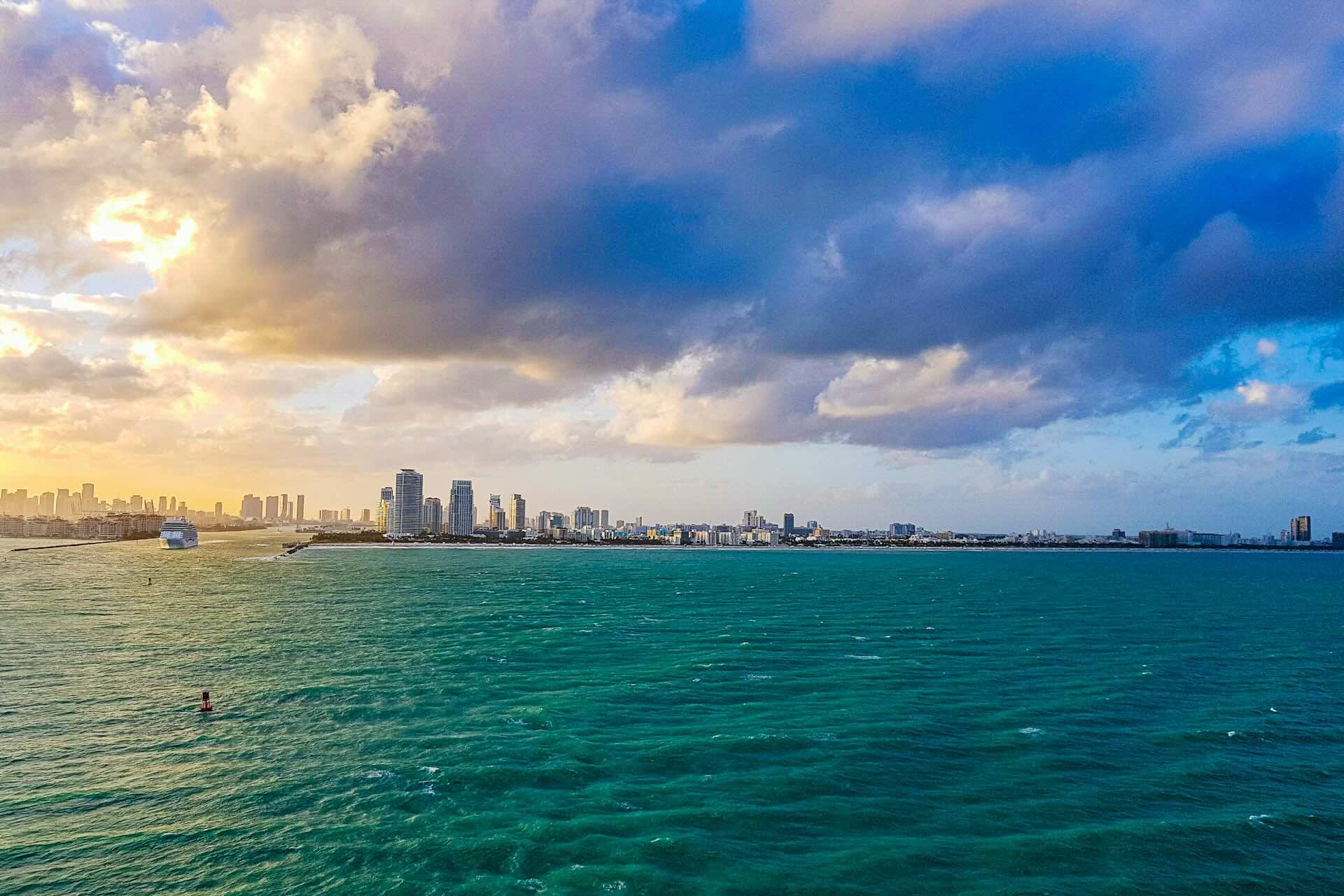
Miami was not always viewed as a serious global luxury market.
Today, it stands alongside major international cities in attracting high net worth buyers.
The transformation did not happen overnight.
It developed through migration trends, infrastructure investment, tax policy, and sustained waterfront demand.
Miami now functions as a financial, cultural, and lifestyle hub.
Luxury real estate reflects that evolution.
At MAK Realty, we have watched the city mature from a seasonal resort destination into a permanent global capital for luxury property ownership.
This guide explains how Miami reached this position and why its trajectory continues.
Tax Policy Accelerated Wealth Migration
Florida’s tax structure created an advantage early.
No state income tax draws entrepreneurs and executives.
High tax states indirectly strengthened Miami’s appeal.
Relocation became financially rational.
Once primary residents moved, secondary migration followed.
Family offices and investment capital expanded locally.
Tax efficiency alone did not create a luxury market.
It provided momentum.
Wealth seeks efficiency and stability.
Miami delivered both.
Waterfront Scarcity Created a Premium Market
True oceanfront inventory remains finite.
Biscayne Bay frontage is equally limited.
Scarcity supports pricing resilience.
Replacement costs continue increasing.
Developers responded with vertical construction.
Luxury towers maximized views and density.
High rise waterfront living became synonymous with Miami wealth.
Ocean exposure transformed into a long term asset class.
Investors recognized the durability of limited supply.
Premium pricing followed.
International Connectivity Positioned Miami Globally
Miami International Airport serves as a major international gateway.
Latin America, Europe, and North America converge here.
Cultural familiarity reduces relocation friction.
Multiple languages operate seamlessly.
Global buyers feel comfortable navigating the market.
That comfort supports liquidity.
Unlike isolated resort towns, Miami functions year round.
International connectivity deepens buyer pools.
This connectivity reinforced Miami’s position as a global capital rather than a seasonal enclave.
Developer Vision Elevated the Skyline
Luxury development quality improved significantly over the past two decades.
Architectural design reached international standards.
Concierge services, resort style amenities, and branded residences became common.
Buyers expect service parity with global capitals.
Pre construction sales models allowed developers to fund ambitious projects.
International presales expanded.
World recognized brands entered the market.
Brand visibility strengthened buyer confidence.
MAK Realty evaluates sponsor track records carefully when advising on new development acquisitions.
Institutional and Corporate Migration
Financial firms expanded operations in Brickell.
Technology companies increased local presence.
Private equity and venture capital established satellite offices.
The employment base diversified.
This migration strengthened long term demand beyond seasonal tourism.
High earning professionals now live and work locally.
A true luxury capital requires economic depth.
Miami achieved that threshold.
Corporate growth stabilized rental demand and resale liquidity.
Cultural Visibility Elevated Status
Art fairs, global conferences, and international sporting events increased Miami’s global recognition.
Cultural visibility attracts affluent audiences.
Luxury retail corridors expanded.
High end dining and hospitality matured.
Prestige influences perception.
Perception influences capital flow.
When global influencers visit consistently, investor confidence strengthens.
Visibility translates into demand.
Miami’s brand evolved from beach party destination to sophisticated global lifestyle hub.
Financing Innovation Supported Growth
Portfolio lending and specialized condo financing enabled luxury acquisitions.
International buyer programs expanded.
Developers structured deposit schedules to accommodate global capital.
Flexibility increased participation.
Lower mortgage rate cycles further stimulated demand during key growth phases.
Financing innovation supported absorption.
Access to capital remains essential in luxury markets.
Miami’s lending ecosystem matured accordingly.
MAK Realty coordinates with lenders familiar with Miami’s unique underwriting requirements.
Short Term Rental Integration
Certain buildings integrated hospitality models into ownership structures.
Condo hotel frameworks expanded optionality.
Owners could generate income during unused periods.
Rental flexibility increased asset efficiency.
Tourism seasonality supported strong peak performance.
Global travel sustained demand.
This hybrid ownership model differentiated Miami from traditional luxury markets.
Income potential enhanced appeal.
Investors who verified building rules carefully benefited most.
Liquidity and Global Buyer Depth
Luxury markets require deep resale pools.
Miami’s international recognition expanded liquidity.
Waterfront towers attract buyers from multiple continents.
Currency diversification motivates investment.
Liquidity reduces perceived risk.
That perception supports pricing resilience.
Unlike smaller resort markets, Miami benefits from sustained international interest.
Buyer depth reinforces its capital status.
Lifestyle as a Strategic Asset
Climate plays a role.
Outdoor living enhances quality of life.
Boating, dining, and wellness integrate seamlessly into daily routine.
Affluent buyers value experiential living.
Many first experience the market by staying in a luxury vacation rental before purchasing.
Extended stays convert lifestyle interest into ownership decisions.
Lifestyle alignment strengthens long term holding power.
Why the Position Endures
Global luxury capitals share certain traits.
Scarcity, connectivity, tax efficiency, and cultural visibility define them.
Miami now embodies each characteristic.
Few U.S. cities combine them at scale.
As long as waterfront inventory remains limited and migration continues, the city retains structural strength.
Global wealth seeks stable, visible, and liquid markets.
Miami continues meeting those criteria.
Experience the Market Personally
Understanding Miami’s rise requires firsthand perspective.
Brief visits rarely capture its economic depth.
Spending time in multiple submarkets clarifies value drivers.
Waterfront exposure often reshapes expectations.
Staying in a luxury vacation rental through MAK Vacation allows you to experience Miami’s lifestyle and global demand firsthand.
Planning your visit with TravelPal.ai helps structure efficient tours across Miami Beach, Brickell, Coral Gables, and emerging districts.
Miami became a global luxury real estate capital through tax efficiency, waterfront scarcity, international connectivity, and sustained institutional growth. Staying in a luxury vacation rental through MAK Vacation allows you to experience this positioning directly, while planning your visit with TravelPal.ai ensures efficient exploration. When you are ready to evaluate ownership opportunities in this global market, connect with MAK Realty for disciplined guidance aligned with long term capital preservation and appreciation.
Leave a Reply