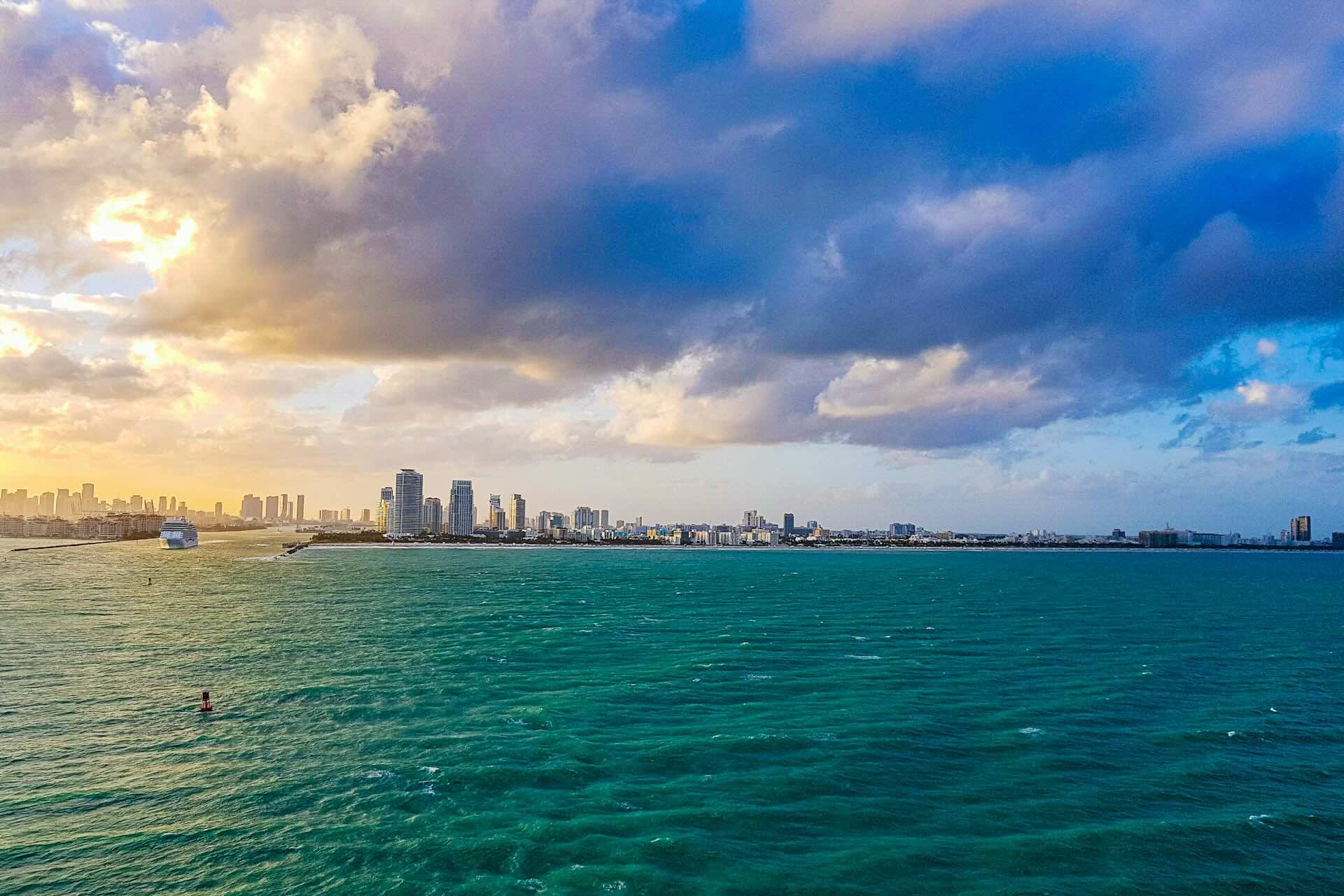
Currency risk abroad drives capital into Miami real estate because global investors often want more than appreciation alone. They want stability, asset protection, and a place to hold wealth in a market that feels liquid, visible, and internationally understood. Miami fits that need unusually well. It offers global name recognition, strong luxury branding, and a real estate market that many foreign buyers already understand. As a result, when a home currency becomes volatile or weak, Miami often becomes more attractive as a place to preserve value.
At MAK Realty, we see this dynamic as part of a much larger story. International buyers are not always moving capital into Miami because they expect immediate outsized gains. In many cases, they are trying to reduce uncertainty. When inflation rises, exchange rates move sharply, or political and financial instability affect confidence at home, a dollar linked hard asset in Miami can feel like a safer place to park capital. That logic helps explain why Miami continues to attract global money across multiple cycles.
Currency Risk Changes the Way Investors Think
Currency risk can affect an investor even when the underlying asset performs well. A buyer may build wealth in local terms, yet still lose real purchasing power if their home currency weakens against the dollar. That is why many international investors look beyond nominal returns. They focus on where capital will hold value more reliably.
Miami becomes relevant in that conversation because United States real estate is priced in dollars. For a foreign investor dealing with depreciation at home, buying in Miami can act as a form of currency diversification. Instead of keeping all wealth tied to one monetary system, the buyer moves part of it into a dollar based asset with a physical presence in a globally recognized city. That shift can feel especially important when the investor lacks confidence in the long term stability of their domestic currency.
Miami Feels Familiar to International Capital
Not every city attracts foreign buyers equally. Miami holds a special position because it feels internationally legible. Buyers from Latin America, Europe, and other regions often already know the city, visit regularly, or have family, business, or cultural ties there. That familiarity matters because capital tends to flow more easily into places that already feel understandable.
The city also offers a combination that few markets match. It provides lifestyle appeal, global visibility, and a real estate market with deep luxury inventory. For an international buyer trying to reduce exposure to currency volatility, Miami can feel like both a financial decision and a practical one. The asset is not abstract. It is a residence in a place they can use, enjoy, and explain to their family or business circle.
Hard Assets Can Feel Safer Than Local Financial Systems
When investors worry about banking risk, inflation, capital controls, or broader instability, real estate often feels more concrete than holding cash or remaining fully exposed to local markets. That does not mean real estate is risk free. It means it offers a different type of psychological and financial comfort.
Miami benefits from this pattern because it allows foreign buyers to convert uncertain local wealth into a tangible dollar denominated asset. A condo, branded residence, or waterfront home can serve as both a store of value and a lifestyle asset. In many cases, the investor is not choosing between yield and safety in a pure sense. They are choosing to reposition part of their balance sheet into something they believe will be more durable.
The Dollar Effect Matters
The strength of the dollar plays a major role in how foreign buyers view Miami. If a buyer’s home currency is falling, Miami real estate can become more expensive in local terms. However, that same pressure can increase urgency. A buyer may decide that waiting only makes the asset harder to afford later. In that situation, a Miami purchase becomes not only a lifestyle choice, but also a defensive move against continued currency weakness.
This is one reason capital sometimes continues flowing into Miami even when exchange rates are unfavorable. The buyer is not always optimizing for perfect entry timing. They may be protecting against further erosion at home. For affluent international investors, preserving purchasing power can matter more than negotiating the last percentage point on price.
Miami Offers More Than Preservation
Although capital preservation is one major driver, Miami also offers upside beyond simple defense. Many international buyers like that the city gives them optionality. The property may appreciate. It may serve as a second home. It may support future family use. In some cases, it may produce rental income, depending on the building and the ownership structure.
That flexibility matters because it makes the investment easier to justify. A buyer is not moving money into an invisible instrument. They are acquiring a real asset that can serve multiple purposes. In a world shaped by currency volatility and global uncertainty, that combination of utility and prestige becomes very attractive.
Luxury Real Estate Becomes Part of Wealth Strategy
At the upper end of the market, Miami real estate often functions as a strategic wealth holding rather than a simple housing purchase. Buyers may already own primary residences in other cities. They may have businesses, portfolios, and international obligations. In that context, a luxury condo or waterfront home in Miami becomes one piece of a broader capital allocation plan.
Currency risk strengthens that logic. If a buyer wants to reduce concentration in one country or one currency, Miami can look like a practical destination for redeployment. The city offers high quality product, strong global visibility, and an ownership story that feels both aspirational and rational. That is one reason international money often targets branded residences, newer luxury towers, and prime waterfront properties. These assets feel easier to understand and easier to defend within a long term wealth framework.
Why This Matters for Miami Buyers and Sellers
For local market participants, this international capital flow matters because it can support pricing, strengthen demand for certain product types, and reinforce the prestige of key neighborhoods. When foreign buyers enter the market for reasons tied to currency preservation, they may behave differently from purely local buyers. They may focus more on asset quality, building reputation, and long term stability than on short term negotiation alone.
Sellers benefit when they understand that mindset. A property may appeal not just because it is beautiful, but because it offers the kind of certainty, branding, or waterfront positioning that international buyers value when they move money across borders. Buyers also benefit from understanding this because it helps explain why certain Miami assets continue attracting attention even during more uncertain periods.
Not Every Property Benefits Equally
Currency driven capital does not flow evenly into every segment of the market. It usually favors properties that feel internationally marketable, easy to explain, and easy to hold. That often means prime neighborhoods, strong buildings, newer luxury inventory, and residences with clear status value. Buyers moving money for protection usually do not want product that feels overly complicated or locally niche.
That is why property selection matters so much. The right asset can align with global demand patterns. The wrong one may not. At MAK Realty, we help clients evaluate which properties hold stronger appeal not only for local buyers, but also for international capital that often enters Miami for reasons beyond simple lifestyle preference.
Miami’s Global Role Will Likely Keep This Dynamic Alive
As long as currency volatility, political uncertainty, and wealth migration continue shaping global investment behavior, Miami will likely remain a major destination for capital seeking both stability and lifestyle. The city offers something rare. It allows buyers to move money into a dollar based hard asset in a market that still feels aspirational, usable, and internationally relevant.
That does not mean every international buyer enters for the same reason. Some come for family, some for business, and some for pure lifestyle. However, currency risk often sits quietly in the background of those decisions. It shapes urgency, influences confidence, and helps explain why Miami real estate continues to attract global wealth even when conditions elsewhere feel unstable.
At MAK Realty, we help clients understand not only what is happening in the market, but also why it is happening. That broader perspective matters when you are evaluating demand, pricing, and long term value in a city shaped by both local and international forces. For buyers visiting Miami to explore neighborhoods and properties in person, MAK Vacation can help make the stay more comfortable. If you also want to organize showings, dining, and local planning efficiently, TravelPal.ai can help support the trip.
For a tailored shortlist and next step guidance, connect with MAK Realty.