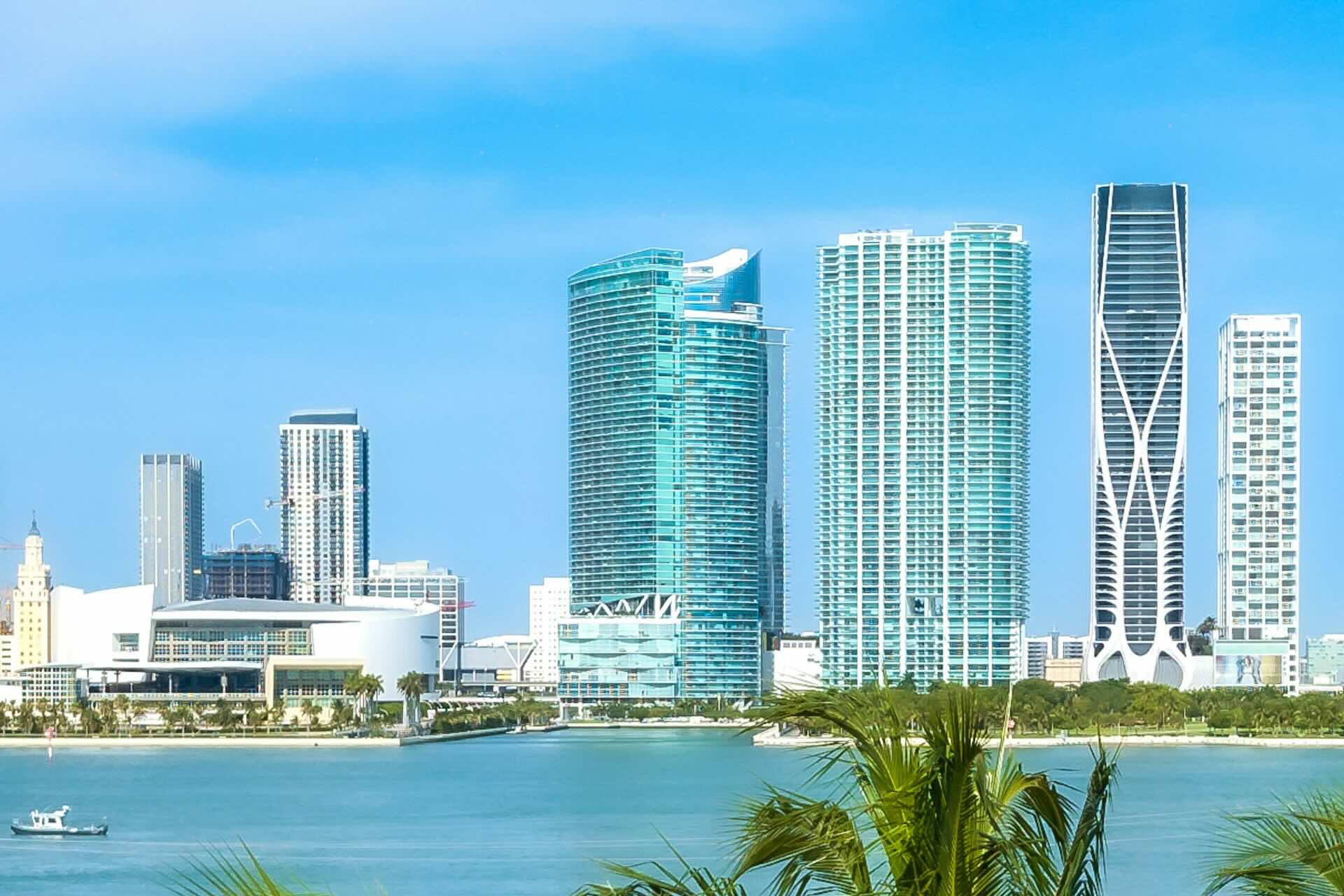
Downtown Miami has undergone a meaningful transition.
What was once heavily investor driven is now attracting a growing base of full time residents.
This shift changes how the market behaves.
Pricing dynamics, rental demand, and buyer expectations all evolve when end users become a larger part of the buyer pool.
For investors and buyers alike, understanding this transition is critical.
It affects everything from unit selection to long term exit strategy.
At MAK Realty, we have watched Downtown Miami mature into a more balanced, livable market.
The change is structural, not temporary.
This guide explains how Downtown Miami is shifting and what it means for today’s buyers.
From Speculative Investment to Lifestyle Driven Ownership
Historically, Downtown Miami attracted a large number of investors.
Many buyers focused on short term appreciation or rental income.
Pre construction cycles fueled this activity.
Units were often purchased with future resale in mind.
Today, a growing percentage of buyers intend to live in their properties.
This changes demand patterns.
End users evaluate space differently.
They prioritize livability, layout, and daily convenience.
Speculative demand tends to amplify volatility.
End user demand tends to stabilize markets.
This transition is a key indicator of maturity.
Corporate Migration Is Driving Residency
One of the primary drivers of this shift is business growth.
Financial firms, technology companies, and professional services have expanded into Downtown and nearby Brickell.
Employment opportunities have increased locally.
Professionals are choosing to live close to where they work.
Daily convenience matters.
This creates a more stable resident base.
Rental demand also benefits from this trend.
As employment density increases, so does long term housing demand.
Improved Infrastructure and Public Spaces
Downtown Miami has invested in its public environment.
Parks, waterfront access, and pedestrian friendly areas have improved.
The urban experience has become more refined.
Cultural venues and entertainment options have also expanded.
Residents now have more reasons to stay within the area.
These improvements make full time living more attractive.
They support the transition from investor market to residential community.
Infrastructure often plays a key role in neighborhood evolution.
Building Quality and Design Have Evolved
Older Downtown inventory often targeted investors.
Layouts were smaller and less focused on long term living.
Newer developments reflect changing demand.
Larger units, better flow, and improved finishes are now more common.
Developers are responding to end user expectations.
Design now supports daily life rather than short term occupancy.
Amenities have also improved.
Wellness spaces, co working areas, and private dining rooms are becoming standard.
These changes reinforce the shift toward residency.
Rental Market Becomes More Balanced
As more end users enter the market, rental dynamics change.
Investor heavy markets often rely heavily on short term rental activity.
End user markets tend to support longer leases.
Downtown now reflects a mix of both.
Long term tenants, corporate relocations, and extended stay residents all contribute to demand.
This diversification strengthens stability.
It reduces reliance on a single type of renter.
Investors must adjust expectations accordingly.
Income may become more consistent but less volatile.
Pricing Behavior Reflects Maturity
Investor driven markets often experience sharper price swings.
End user markets tend to move more gradually.
Downtown Miami is beginning to show signs of stabilization.
Pricing is aligning more closely with livability and location.
Buyers are less focused on rapid appreciation.
They are evaluating long term value.
This shift creates a healthier market environment.
It encourages disciplined decision making.
At MAK Realty, we view this as a positive development for long term investors.
Micro Location Matters More Than Ever
As the market matures, not all buildings perform equally.
Proximity to waterfront areas, parks, and dining options influences demand.
View orientation and building reputation also matter.
End users are more selective than investors.
They prioritize quality of life.
This increases differentiation within the market.
Some buildings outperform others significantly.
Investors must analyze property level details carefully.
Lifestyle Appeal Is Now Central
Downtown Miami is no longer just a place to own property.
It is becoming a place to live.
Walkability, dining, and access to cultural venues are improving.
The area feels more complete.
Residents can integrate work, leisure, and daily life within a relatively compact area.
This appeals to modern buyers.
Lifestyle driven demand tends to be more stable over time.
It strengthens long term market performance.
What This Means for Investors
The shift toward end users does not eliminate investment opportunity.
It changes how investors approach the market.
Short term speculation becomes less reliable.
Long term positioning becomes more important.
Investors should focus on buildings that appeal to residents.
Livability becomes a key factor in rental and resale demand.
Some investors evaluate these dynamics firsthand by staying in a luxury vacation rental before purchasing.
Experiencing the neighborhood can clarify how it functions day to day.
Long Term Outlook for Downtown Miami
Downtown Miami is evolving into a more complete urban environment.
Business growth, infrastructure improvements, and lifestyle amenities continue expanding.
These factors support long term demand.
As the resident base grows, the market becomes more stable.
Volatility tends to decrease.
This transition positions Downtown as a more mature and resilient submarket within Miami.
Investors who understand this shift can align their strategy accordingly.
Experience Downtown Before Investing
Understanding Downtown Miami requires time on the ground.
The difference between investor market and residential market is best observed in person.
Walking the neighborhood, visiting buildings, and exploring daily routines provide valuable insight.
Staying in a luxury vacation rental through MAK Vacation allows buyers to experience the area from a resident perspective.
Planning your visit with TravelPal.ai helps organize an efficient itinerary across Downtown and surrounding neighborhoods.
Downtown Miami’s shift from an investor market to an end user market reflects a broader maturation of the city. MAK Vacation, MAK Realty, and TravelPal.ai each support a more informed approach to evaluating this evolution, helping buyers and investors align strategy with long term value and real world experience.
Leave a Reply