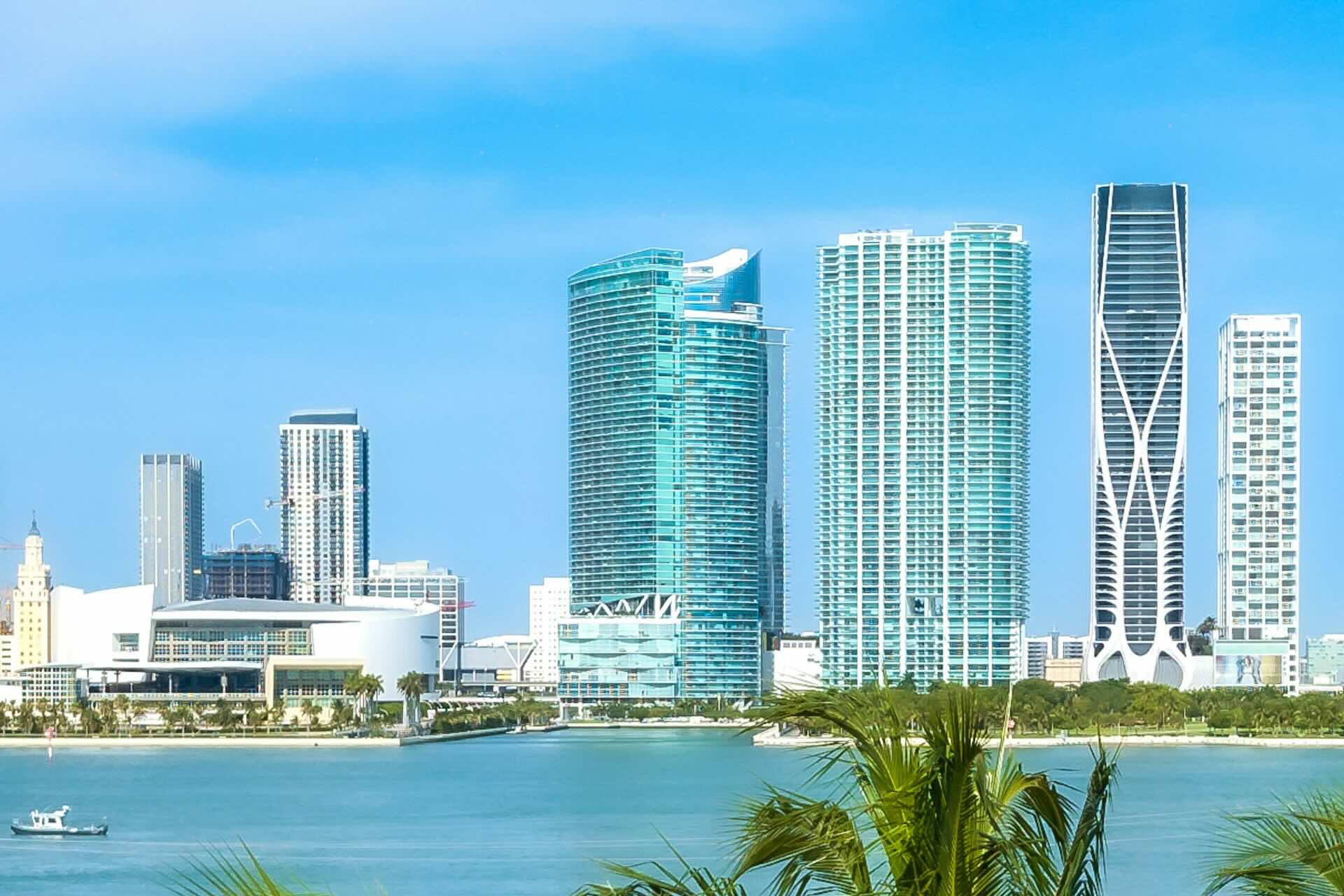
Miami Beach and Downtown have both produced strong real estate stories over time, but they have historically performed well for different reasons. Miami Beach has usually held stronger long term emotional and prestige value because of direct water access, global recognition, and lifestyle appeal. Downtown has often performed better when buyers want urban convenience, newer development momentum, and entry into Miami’s core growth story. The better performer depends heavily on what type of return you are measuring and what kind of asset sits inside each area.
At MAK Realty, we do not usually treat this as a simple winner and loser comparison. The more useful question is what has performed better for which buyer and under what conditions. Miami Beach often wins on scarcity, long term prestige, and enduring destination appeal. Downtown often wins on urban relevance, accessibility, and momentum tied to the city’s broader evolution. Both markets can work very well, but they behave differently.
Miami Beach Has Historically Carried Stronger Prestige
Miami Beach has long benefited from something Downtown cannot fully replicate, beachfront identity and global lifestyle recognition. Buyers understand the value of water, sand, ocean views, and the cultural status tied to Miami Beach. That has helped support long term desirability through multiple cycles.
This matters because prestige is not just emotional. It often shapes resale strength too. A strong Miami Beach asset can remain appealing across different buyer types because the lifestyle story is easy to understand. Second home buyers, international purchasers, and luxury oriented domestic buyers often keep Miami Beach in the conversation even when broader conditions change.
Downtown Has Benefited More From Growth Momentum
Downtown has historically performed better when the story is about city growth, infrastructure, and the expansion of Miami’s urban core. As Miami matured, Downtown benefited from new development, better connectivity, and increasing relevance as part of the city’s business and residential center. That has helped it attract buyers who want to be closer to the momentum of the city itself.
This gives Downtown a different kind of strength. Instead of leaning primarily on beach lifestyle, it leans on urban transformation. For investors and buyers who believe in Miami’s long term rise as a global city, Downtown can feel like a more direct way to participate in that growth.
Miami Beach Often Wins on Scarcity
Scarcity has historically favored Miami Beach. True beachfront and highly recognizable coastal product are limited, and that tends to support long term appeal. Buyers can find more ways to build vertical product near the city core than they can create new prime beachfront locations.
That scarcity can make Miami Beach more defensible over time. Even when pricing fluctuates, the underlying asset story remains strong because the location itself is difficult to replicate. In long term real estate, that kind of scarcity often matters more than short term development momentum.
Downtown Can Offer Stronger Utility
Downtown has historically appealed to buyers who value utility, access, and city centered living. Residents can stay closer to business, transit, cultural institutions, and the broader movement of Miami. That gives Downtown a more practical edge for some full time residents and long term renters.
This practical value helps explain why Downtown can perform well even without the same lifestyle romance as Miami Beach. A property does not need sand outside the door to remain desirable if it fits the rhythm of how people actually want to live and move through the city.
Miami Beach Usually Feels More Durable in Luxury
At the upper end of the market, Miami Beach has often held stronger long term emotional priority. Luxury buyers tend to place a premium on ocean views, resort style atmosphere, and the identity that comes with a Miami Beach address. That does not mean every Beach property outperforms every Downtown one. It means the luxury ceiling often feels more intuitive and more globally legible in Miami Beach.
This is one reason the strongest Miami Beach properties tend to keep their appeal well. Buyers may pause, pricing may shift, and market conditions may tighten, but the desire for a premium beachfront residence usually remains.
Downtown Has Gained More Relative Ground Over Time
Historically, Downtown may not have carried the same immediate prestige as Miami Beach, but it has gained meaningful ground as Miami’s identity has evolved. As more buyers embraced urban living, vertical luxury, and city core convenience, Downtown became more compelling than it once was. In relative terms, its rise has been one of the more important real estate stories in Miami.
That does not automatically make it the better long term performer. It does mean that Downtown should not be viewed as secondary in a simplistic way. In certain periods and for certain property types, it has offered strong upside precisely because it started from a different place and then benefited from the city’s larger transformation.
The Better Return Often Depends on Property Type
This comparison becomes much more accurate when you separate product types. A prime Miami Beach oceanfront condo is not the same kind of asset as a Downtown high rise unit tied to urban convenience. Each one responds to a different buyer pool and a different version of Miami demand. That is why broad area comparisons can become misleading.
In practice, a well selected Miami Beach asset often wins on prestige and scarcity. A well selected Downtown asset can win on accessibility, price relative to centrality, and participation in the city’s growth. The real answer usually comes down to the individual property, not just the map.
Beach Has Historically Felt More Emotionally Resilient
Miami Beach often holds stronger emotional resilience because it is tied to a lifestyle people continue wanting even when markets become more selective. Buyers may reconsider price, building age, or timing, but the desire for oceanfront or near ocean living usually remains. That gives Miami Beach a recurring advantage in the luxury and second home conversation.
Emotional resilience matters because real estate values are not driven only by numbers. They are also driven by how consistently people want the asset. Miami Beach has usually done well because people do not just buy it logically. They buy it aspirationally too.
Downtown Often Appeals More to Strategic Urban Buyers
Downtown tends to perform best with buyers who are thinking strategically about urban position, access, and long term city relevance. They may be less focused on beach lifestyle and more focused on being near where Miami’s business, culture, and vertical expansion continue to build. For that buyer, Downtown can feel like the stronger long term bet.
This is especially true for owners who want a residence that fits full time city life more naturally. In those cases, Downtown can outperform for the specific user because the neighborhood supports daily function more directly than a more leisure oriented market might.
So, What Has Historically Performed Better
Historically, Miami Beach has often performed better in terms of long term prestige, scarcity, and enduring luxury appeal. Downtown has often performed better as a growth story tied to Miami’s urban rise and broader city core momentum. If the question is which market has felt more timeless, Miami Beach usually has the edge. If the question is which market has benefited more from Miami’s transformation into a denser global city, Downtown makes a very strong case.
At MAK Realty, we help clients move past the broad headline comparison and focus on what actually matters, the specific asset, the likely future buyer, and the kind of return the owner is really trying to achieve. Both Miami Beach and Downtown can work very well, but the stronger investment usually comes from choosing the right property within the right submarket rather than picking one area in the abstract.
For a tailored shortlist and next step guidance, connect with MAK Realty.