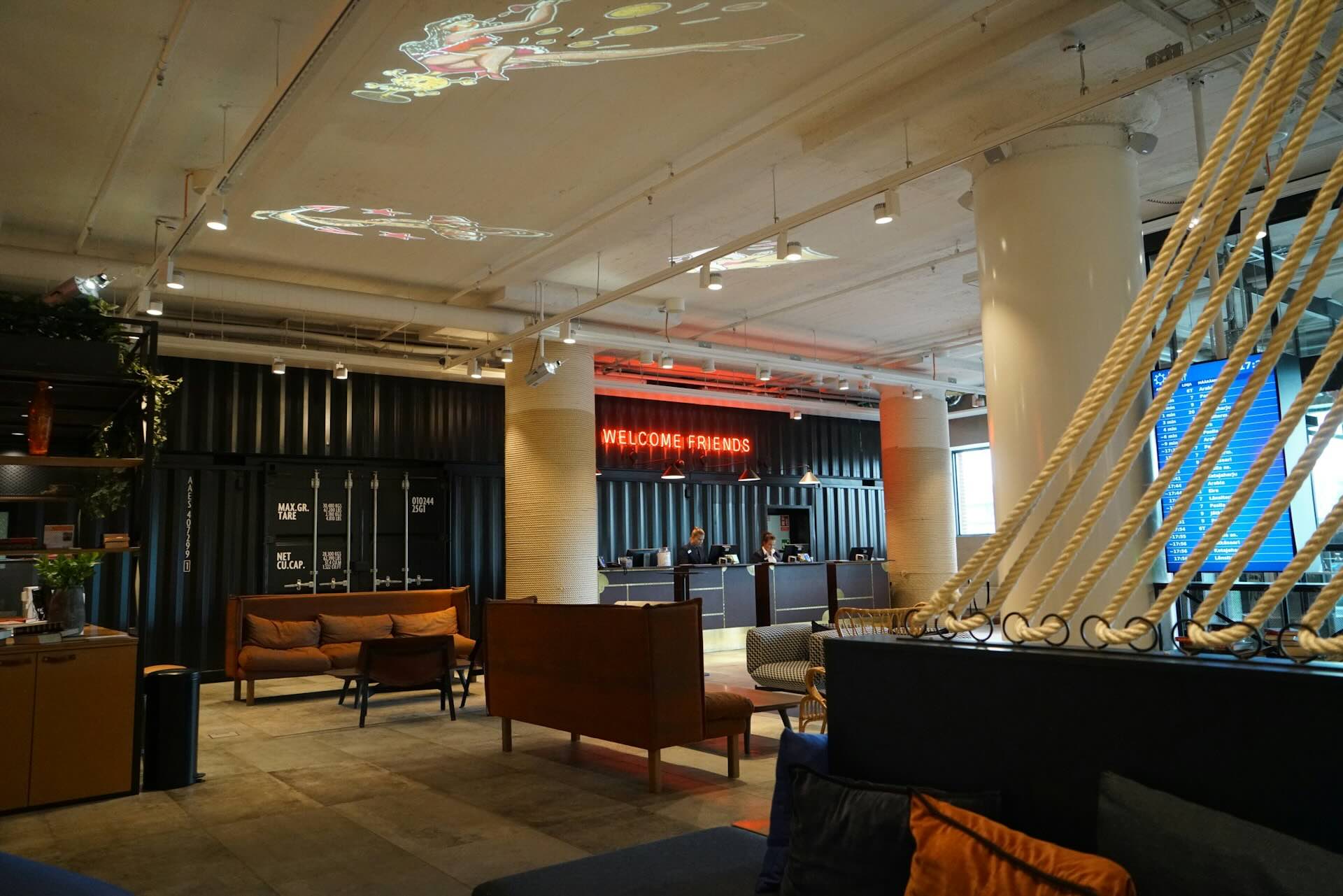
A condo hotel differs from a standard condo because it blends private ownership with a hospitality driven operating model. At first glance, the two property types can look similar. Both may offer individually owned units, luxury amenities, attractive locations, and high rise living. However, the ownership experience, rental structure, financing profile, and day to day use can be very different. For buyers in Miami, understanding that difference matters because the right choice depends on what you want the property to do.
At MAK Realty, we often explain that a standard condo usually works first as a residence, while a condo hotel works first as a hybrid asset. A condo hotel may support personal use, however it is often designed around short term stays, hotel style services, and income participation. A standard condo, by contrast, is usually structured more clearly around longer term residential living. That difference affects everything from financing to lifestyle to resale strategy.
A Condo Hotel Blends Ownership With Hospitality
The defining feature of a condo hotel is that it combines private ownership with hotel operations. Buyers typically own an individual unit, however the building runs with a hospitality model that may include front desk services, housekeeping, reservation systems, valet, and short term rental management. In many cases, owners can place the unit into a rental program when they are not using it.
That is a major contrast with a standard condo. In a standard condo building, ownership is usually more residential in nature. Even if rentals are allowed, the building itself is not typically structured like a hotel. It does not revolve around transient guest stays or a centralized hospitality experience. Therefore, the entire feel of ownership tends to be different from the start.
Usage Rules Are Often More Flexible in a Condo Hotel
One reason buyers consider condo hotels is flexibility of use. In Miami, many condo hotels allow owners to use the property personally while also renting it on a short term basis. That can be attractive to buyers who want a vacation home that does not sit idle all year. They may like the idea of enjoying the unit for part of the year and generating income the rest of the time.
A standard condo usually operates under more traditional lease rules. Some buildings allow long term rentals. Others may allow seasonal rentals. However, many do not support hotel style occupancy. Even when a standard condo allows some leasing, it usually does not provide the same integrated rental model or on site management structure that a condo hotel offers.
Financing Can Be More Complicated for Condo Hotels
Condo hotels often come with a different financing profile than standard condos. Lenders may view them as higher risk because of their hospitality component, rental volatility, and mixed use character. As a result, financing can be more limited, down payment expectations may be higher, and loan terms may be less favorable than what a buyer could obtain on a standard residential condo.
This is one of the most important practical differences. A buyer may love the flexibility of a condo hotel, however the financing side can change the economics quickly. Standard condos usually fit more easily into conventional lending structures, especially if the building is more purely residential. Therefore, buyers need to evaluate not only whether they like the property, but also whether the financing aligns with their goals.
Condo Hotels Often Feel More Transient
The day to day atmosphere in a condo hotel can feel very different from a standard condo building. Because condo hotels often allow short term stays and hotel guests, the environment may feel more active, more transient, and more hospitality driven. Some buyers enjoy that because it creates energy, service, and flexibility. Others prefer a quieter, more residential setting with fewer guest turnovers and a stronger sense of community.
That lifestyle difference matters. A standard condo often appeals to buyers who want consistency, residential privacy, and a more predictable building culture. A condo hotel appeals more to buyers who want a hybrid experience that feels part residence and part high end hospitality environment. Neither is automatically better. The better fit depends on how you want to live and how you want the asset to function.
Income Potential Comes With Tradeoffs
Condo hotels can appear attractive because they offer income potential through short term rental programs. For buyers who want a property that works partly as an investment, that can be compelling. However, the income side comes with tradeoffs. Hotel style rentals may create more wear, more operating costs, management fees, and more sensitivity to tourism and seasonal demand.
A standard condo may offer a more straightforward ownership structure, however it usually does not create the same short term income possibilities unless the building expressly allows that use. In many cases, buyers choosing between the two are really deciding between simplicity and flexibility. One path offers more hotel style revenue potential. The other often offers a cleaner residential experience.
Association and Ownership Structures Can Differ
Condo hotels often have more layered ownership and operating structures. Buyers may need to understand not only the condominium association, but also the hotel operator, rental program terms, revenue splits, furnishing requirements, and usage restrictions. That can create a more complicated ownership model than many buyers expect.
A standard condo is usually easier to understand. The ownership structure tends to revolve around the unit, the association, and the building rules. That does not mean standard condos are simple in every case. It means the ownership model is generally more familiar and more residential in nature. For buyers who want clarity and predictability, that difference can be significant.
Resale Buyers Often Approach These Properties Differently
The resale market for condo hotels is not always the same as the resale market for standard condos. Condo hotel buyers often focus on flexibility, brand, location, and income potential. Standard condo buyers may focus more on full time livability, financing ease, monthly costs, and long term residential comfort. As a result, the future buyer pool for each property type may be different.
This matters because long term exit strategy should always be part of the purchase decision. A condo hotel can be a strong fit for the right buyer, however it may appeal to a narrower resale audience than a standard condo in the same area. That does not make it weaker. It simply means the asset needs to be evaluated according to the right expectations.
The Right Choice Depends on Your Goal
If your priority is personal use, residential stability, and a more traditional ownership experience, a standard condo is often the stronger fit. If your priority is flexibility, short term rental potential, and hotel style convenience, a condo hotel may make more sense. The key is being honest about your main objective from the beginning.
Some buyers are drawn to condo hotels because they sound like the best of both worlds. Sometimes they are. However, they can also bring more complexity than buyers initially expect. Others dismiss them too quickly because they are different from conventional condos, even when the property might match their lifestyle perfectly. That is why clarity matters more than assumptions.
Why This Matters in Miami
This distinction is especially important in Miami because the city has a strong inventory of both standard condos and condo hotels. Buyers often encounter luxury buildings that look similar on the surface, however function very differently once you review the rules, financing, and ownership model. In a market driven by lifestyle, tourism, and international demand, those differences can have a major impact on value and strategy.
At MAK Realty, we help buyers understand how each property type fits their real goals, not just their initial reaction. We look at use, financing, building rules, rental structure, and long term fit so the purchase makes sense in practice, not just in theory. For buyers planning to explore Miami properties in person, MAK Vacation can help make the stay more comfortable. If you also want to organize showings, dining, and neighborhood time more efficiently, TravelPal.ai can help support the trip.
For a tailored shortlist and next step guidance, connect with MAK Realty.
Leave a Reply