Blog

  • Brickell Remains a Core Market for Long Term Real Estate

    Brickell Remains a Core Market for Long Term Real Estate

    Brickell has evolved into one of the most important real estate submarkets in the United States.
    It is no longer just a financial district.
    It is a fully integrated live, work, and lifestyle environment.

    For long term investors, that evolution matters.
    Markets that combine employment, density, and lifestyle tend to produce more stable demand over time.

    Brickell consistently checks those boxes.
    That is why it remains a core allocation for serious real estate investors.

    At MAK Realty, we view Brickell as one of Miami’s most structurally supported submarkets.
    This guide explains why.

    A True Financial and Business Hub

    Employment density drives housing demand

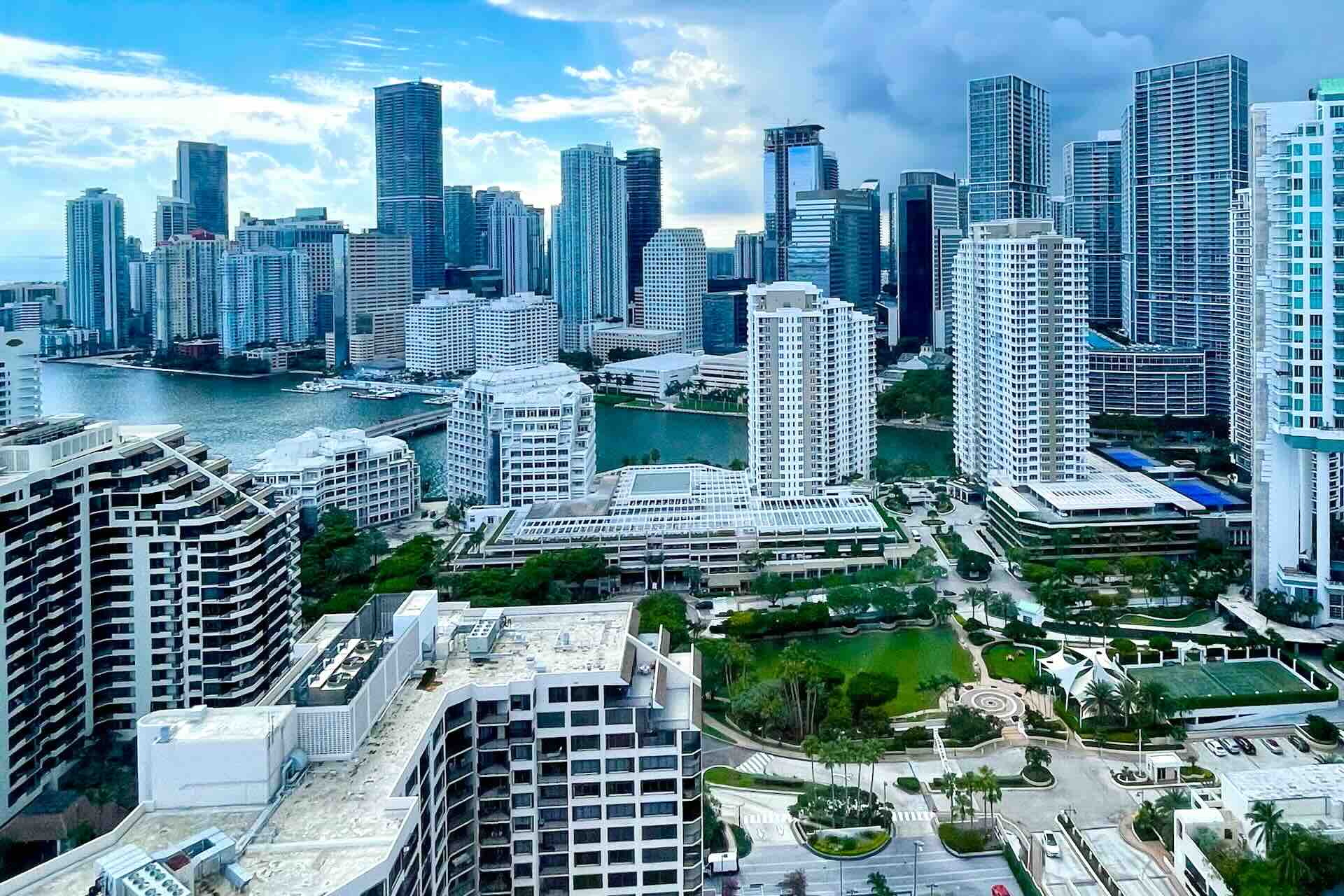
    Brickell is the financial center of Miami.
    Banks, private equity firms, hedge funds, and international companies operate here.

    This concentration of employment creates consistent housing demand.
    Professionals want to live close to where they work.

    Daily convenience becomes a priority.
    Short commutes and walkability add value.

    Markets anchored by employment tend to be more stable.
    Brickell benefits directly from this dynamic.

    Corporate migration reinforces long term growth

    Over the past several years, companies have expanded into Miami.
    Brickell has absorbed much of that growth.

    New offices bring new residents.
    High earning professionals increase demand for both rentals and ownership.

    This is not a temporary trend.
    It reflects a broader shift in where business is being conducted.

    For investors, this creates a more durable foundation.

    Walkability and Lifestyle Integration

    A rare urban environment in South Florida

    Brickell offers something unique in Miami.
    It is one of the few areas where daily life can be lived without relying heavily on a car.

    Residents can walk to restaurants, offices, fitness studios, and retail.
    This level of convenience is rare in South Florida.

    Walkability supports both rental demand and resale appeal.
    It makes the area more attractive for full time living.

    Lifestyle drives retention

    Brickell is not just functional.
    It is active.

    Dining, nightlife, and waterfront access create a dynamic environment.
    Residents do not need to leave the neighborhood to enjoy the city.

    This encourages longer ownership and tenancy.
    People who enjoy where they live are less likely to leave.

    That stability supports long term value.

    Strong Rental Demand Across Multiple Segments

    Long term tenants provide consistency

    Brickell attracts professionals, executives, and relocations.
    These tenants often sign longer leases.

    This creates stable rental income for investors.
    Occupancy tends to remain strong.

    Flexible demand adds optionality

    In certain buildings, shorter term or extended stay demand also exists.
    Corporate housing and temporary relocations contribute to this segment.

    This layered demand structure strengthens the rental market.
    It reduces reliance on a single tenant type.

    Some investors evaluate this firsthand by staying in a luxury vacation rental before purchasing.
    Understanding how the neighborhood functions helps refine strategy.

    High Liquidity Compared to Other Submarkets

    A broad buyer pool supports resale

    Brickell attracts domestic and international buyers.
    It appeals to investors, end users, and second home buyers.

    This diversity creates liquidity.
    Properties can be marketed to multiple buyer profiles.

    Liquidity matters for long term investors.
    It reduces exit risk.

    Recognizable market identity

    Brickell has a clear identity.
    It is widely known as Miami’s financial and urban core.

    Markets with strong identity tend to maintain consistent demand.
    Buyers understand what they are purchasing.

    That clarity supports pricing stability over time.

    Continuous Development and Modern Inventory

    New supply keeps the market relevant

    Brickell continues to see new development.
    This ensures the inventory stays competitive.

    Modern buildings offer updated amenities, technology, and design.
    Buyers expect these features.

    Older buildings must compete on location and pricing.
    Newer buildings compete on experience.

    This mix creates opportunities for different types of investors.

    Developers respond to evolving demand

    Recent projects reflect changing buyer preferences.
    Larger units, better layouts, and more functional amenities are becoming standard.

    This evolution helps maintain Brickell’s appeal.
    It prevents the market from becoming outdated.

    At MAK Realty, we track how new development impacts both pricing and demand.

    Central Location With Strong Connectivity

    Access to the rest of Miami

    Brickell sits close to Downtown, Coconut Grove, and Miami Beach.
    Major roads and transit options connect the area.

    This central positioning makes it practical for both work and lifestyle.
    Travel times remain manageable.

    Proximity to the airport

    Miami International Airport is within a reasonable drive.
    This matters for both business and international buyers.

    Connectivity supports long term demand.
    Markets that are easy to access tend to perform better.

    Investment Flexibility

    Works for both income and appreciation

    Brickell offers multiple investment strategies.

    Some investors focus on rental income.
    Others prioritize long term appreciation.

    The market supports both approaches.
    That flexibility increases its appeal.

    Entry points vary across the market

    Not all Brickell properties are priced the same.
    Investors can find opportunities across different tiers.

    This allows for strategic positioning.
    Buyers can align purchases with their goals and risk tolerance.

    What Investors Should Watch

    Building selection matters

    Not all buildings perform equally.
    Management quality, HOA structure, and amenities influence outcomes.

    View orientation and floor plan also matter.
    Details drive performance in competitive markets.

    Supply cycles should be monitored

    New development can impact short term pricing.
    Understanding delivery timelines helps investors position correctly.

    At MAK Realty, we analyze these factors to guide clients toward stronger opportunities.

    Why Brickell Continues to Perform

    Brickell combines employment, lifestyle, liquidity, and ongoing development.
    Few submarkets offer all four at once.

    This combination creates resilience.
    It supports both rental demand and long term value.

    While cycles will continue, the structural drivers remain intact.
    That is why Brickell remains a core market.

    Experience Brickell Before Investing

    Understanding Brickell requires time on the ground.
    The pace, density, and lifestyle feel different in person.

    Walking the neighborhood, visiting buildings, and observing daily activity provide valuable insight.

    Staying in a luxury vacation rental through MAK Vacation allows buyers to experience Brickell as a resident rather than a visitor.

    Planning your visit with TravelPal.ai helps organize an efficient way to explore Brickell and surrounding areas.

    Brickell remains a core market for long term real estate investors because it combines business, lifestyle, and sustained demand in one location. MAK Vacation, MAK Realty, and TravelPal.ai each support a more informed approach to evaluating this opportunity, helping investors align decisions with long term value and real world experience.

  • How Miami Real Estate Performs During Economic Uncertainty

    How Miami Real Estate Performs During Economic Uncertainty

    Miami real estate does not operate like a typical U.S. housing market.
    During economic uncertainty, some markets weaken quickly because demand is narrow, financing is fragile, or inventory expands too fast.
    Miami usually responds differently.

    That does not mean Miami is immune to pressure.
    It means the market often has more support beneath it than buyers expect.
    Waterfront scarcity, global capital, domestic migration, and lifestyle demand all create a stronger foundation.

    At MAK Realty, we watch uncertainty through a practical lens.
    The question is not whether risk exists.
    The question is which parts of the market stay resilient, which parts soften first, and how buyers should respond.
    MAK Vacation and TravelPal.ai also reflect an important part of Miami’s strength, people keep coming back to the city even when the broader economy feels unsettled.

    This guide explains how Miami real estate performs during economic uncertainty and why the market often bends rather than breaks.

    Miami Does Not Depend on One Demand Source

    Diversified demand changes the way the market behaves

    Many housing markets rely heavily on one industry or one buyer type.
    If that local economy weakens, housing can soften fast.

    Miami draws from several demand streams at once.
    Primary residents relocate for tax and lifestyle reasons.
    Second home buyers want flexibility and weather.
    International buyers seek asset protection.
    Investors pursue rental income and long term appreciation.

    That layered demand matters during uncertain periods.
    If one buyer group becomes cautious, another may remain active.

    Global visibility supports continued interest

    Miami is not a regional story.
    It is a global one.

    Even when domestic headlines become negative, international buyers may still view Miami as attractive.
    For many, the city represents stability, dollar based ownership, and a recognizable luxury market.

    This broader buyer pool supports liquidity.
    Liquidity is one of the most important defenses during uncertain cycles.

    Waterfront Scarcity Provides Structural Protection

    Limited land matters more when confidence declines

    When markets become uncertain, buyers grow more selective.
    They focus on assets that feel defensible.

    In Miami, that usually means water.
    Oceanfront and bayfront inventory remains limited.
    The best views, best parcels, and best positions cannot be reproduced easily.

    Scarcity helps support pricing because buyers know these assets remain rare even in slower conditions.
    A generic unit may face pressure.
    A prime waterfront residence often holds up better.

    Premium assets usually soften less than commodity inventory

    Uncertainty tends to expose the difference between exceptional and average properties.
    That is true in every luxury market.

    Buildings with protected views, strong management, and lasting reputations often maintain more pricing power.
    Less differentiated inventory usually feels pressure first.

    At MAK Realty, we emphasize this point constantly.
    During uncertain periods, asset selection becomes even more important than timing.

    Cash Buyers Help Stabilize the Luxury Market

    Miami has a meaningful cash buyer base

    One reason Miami often performs better than expected is that a large share of the luxury market is not fully dependent on conventional financing.

    Cash buyers remain active in key segments.
    Some domestic buyers reallocate capital from other assets.
    Some international buyers move money into U.S. real estate.
    Some second home buyers simply want simplicity and speed.

    This matters because highly leveraged markets tend to react more dramatically when rates rise or sentiment weakens.
    Miami has leverage in parts of the market, but it also has significant cash participation.

    Lower financing dependence reduces forced selling

    When owners are less leveraged, they are less likely to panic sell.
    That creates more stability.

    A seller who does not need to move quickly can wait for the right buyer.
    That patience limits sudden inventory floods in the upper tier of the market.

    This does not eliminate corrections.
    It often makes them more orderly.

    Miami Benefits From Lifestyle Demand, Not Just Pure Investment Logic

    Buyers are purchasing more than real estate

    Some markets rely almost entirely on financial reasoning.
    Miami includes that, but it also includes emotional value.

    People want to live here.
    They want sunshine, boating, dining, beach access, and international energy.
    They want a city that feels both active and relaxed.

    Lifestyle driven ownership tends to be more durable.
    People who genuinely enjoy a property are less likely to sell because of temporary market anxiety.

    Second home demand often returns quickly

    Even when uncertainty slows activity, second home demand in Miami tends to remain part of the conversation.
    Buyers may pause, but they rarely disappear from the market permanently.

    They keep watching.
    They keep visiting.
    They keep comparing neighborhoods and buildings.

    Many of them eventually return when pricing feels more rational or when confidence improves.
    That repeat interest helps Miami recover faster than markets without strong lifestyle gravity.

    Rental Demand Adds Another Layer of Resilience

    Short term and long term demand both matter

    Miami benefits from multiple rental strategies depending on the property and building rules.

    Some areas and buildings support long term professional tenants.
    Others appeal to seasonal residents and flexible stay demand.
    Some condo hotel and hospitality aligned assets rely more on travel and tourism.

    This mix matters during uncertainty.
    If one segment softens, another may remain relatively stable.

    Extended stays and relocation traffic support absorption

    Economic uncertainty does not always stop people from moving.
    In some cases, it changes how they move.

    Instead of buying immediately, some households rent first.
    Some executives relocate and test neighborhoods before purchasing.
    Some international visitors extend stays to evaluate Miami more seriously.

    That behavior supports leasing demand.
    It also creates future buyers.

    MAK Vacation plays a role in that real world pattern because many people experience Miami through a luxury vacation rental before making larger ownership decisions.

    Pre Construction Responds Differently Than Resale

    New development can slow, but prime projects still attract buyers

    Economic uncertainty usually makes pre construction buyers more careful.
    They pay more attention to pricing, deposit schedules, and developer credibility.

    That is healthy.
    It often filters out weaker projects and rewards stronger ones.

    Well located developments with strong sponsorship and clear long term value can still perform well during uncertain phases.
    Speculative product with weak differentiation usually struggles more.

    Resale competition becomes more important

    When buyers hesitate, they compare pre construction more directly against resale alternatives.
    If finished inventory offers better value, pre construction must justify its premium more clearly.

    This creates a more disciplined environment.
    For smart buyers, that can be an advantage.

    Developers may become more flexible with structures and incentives.
    That can create opportunities for patient capital.

    Miami’s Market Usually Reprices Through Time Before It Reprices Through Panic

    Transactions may slow before values break

    One of the most important patterns in Miami is that uncertainty often affects transaction volume first.
    Buyers pause.
    Sellers test pricing.
    Time on market increases.

    That does not automatically mean values collapse.
    In many cases, the market adjusts through slower movement rather than dramatic price declines.

    This is especially true for better assets in stronger submarkets.

    Negotiation becomes more realistic

    Balanced or uncertain markets often improve the quality of decision making.
    Buyers have time to evaluate.
    Sellers become more grounded.

    That creates an environment where well informed buyers can negotiate more effectively without relying on distress.

    For long term investors, this is often where the best opportunities appear.
    Not in chaos, but in normalization.

    Which Areas Tend to Hold Up Best

    Prime waterfront and top tier luxury buildings

    The most defensible parts of the market usually include waterfront scarcity, brand recognition, privacy, and strong building execution.

    These properties appeal to buyers who are less rate sensitive and more focused on preservation of capital and quality of life.

    Established lifestyle neighborhoods with consistent demand

    Neighborhoods that offer a compelling full time living experience often remain resilient.
    That includes areas where buyers want to own regardless of short term market noise.

    Places with walkability, access, and strong identity tend to keep attracting attention even when broader sentiment weakens.

    What Buyers Should Do During Economic Uncertainty

    Focus on quality over excitement

    Uncertain markets are not the time to chase hype.
    They are the time to buy with discipline.

    Look for clear view value, strong locations, sound HOA financials, proven building management, and realistic pricing.
    Avoid relying on aggressive future assumptions.

    Think in longer horizons

    Miami usually rewards buyers who think beyond the next year.
    If the asset is strong and the ownership plan is rational, short term uncertainty often matters less than people think.

    Use uncertainty to improve entry, not to freeze

    The biggest mistake many buyers make is assuming uncertainty means they should do nothing.
    Often, it means they should become more selective and better prepared.

    That is a different mindset entirely.

    Why Miami Often Comes Out Stronger

    Economic uncertainty tends to test the quality of every market.
    Miami usually performs relatively well because it combines scarcity, visibility, lifestyle, and capital depth in one place.

    Not every building will thrive.
    Not every submarket will move equally.
    But the broader market has stronger support than many national headlines would suggest.

    That is why serious buyers and investors continue watching Miami even when sentiment turns cautious elsewhere.

    Spending time in the city often makes this clearer. Experiencing Miami through MAK Vacation helps buyers understand how the lifestyle and demand actually feel on the ground. Using TravelPal.ai can make it easier to explore multiple neighborhoods efficiently and compare how each one fits your goals. When you are ready to evaluate where resilience and long term value still exist, MAK Realty can help you identify the assets that are most likely to hold their strength when markets become uncertain.

  • Miami Beach North vs South, Where Buyers Are Moving Now

    Miami Beach North vs South, Where Buyers Are Moving Now

    Miami Beach has never been a single market.
    It is a collection of distinct submarkets, each with its own buyer profile, pricing dynamics, and lifestyle.

    Today, the divide between North and South Miami Beach is more pronounced than ever.
    Buyers are no longer choosing randomly.
    They are aligning with how they want to live.

    Some still gravitate toward the energy of South Beach.
    Others are moving north in search of privacy, space, and a more residential feel.

    At MAK Realty, we see this shift clearly.
    The question is no longer which is better overall.
    The question is which is better for the buyer.

    This guide explains how North and South Miami Beach compare and where buyers are moving now.

    South Beach Still Delivers Energy and Accessibility

    South Beach remains one of the most recognized neighborhoods in the world.
    That visibility matters.

    It offers immediate access to restaurants, nightlife, beaches, and cultural activity.
    Everything feels close.

    Walkability is a major advantage.
    Residents can move between dining, shopping, and the beach without relying heavily on a car.

    This convenience attracts a specific type of buyer.
    Those who value energy, social access, and a highly active environment tend to prefer South Beach.

    For some, this is exactly what Miami represents.

    North Miami Beach Offers Privacy and Space

    As buyers move north, the environment changes.

    North Beach and surrounding areas feel more residential.
    Density decreases.
    Noise levels drop.

    Buildings often sit on larger parcels.
    Spacing between towers improves privacy.

    Buyers seeking a calmer experience tend to gravitate toward this part of the market.
    It feels less transient and more livable full time.

    This shift has become more noticeable in recent years.

    Buyer Profiles Are Diverging

    The difference between North and South Miami Beach is not just physical.
    It is behavioral.

    South Beach continues attracting second home buyers, short term visitors, and those who prioritize lifestyle and entertainment.
    North Beach increasingly attracts full time residents and long term holders.

    This distinction matters for market stability.
    End user driven markets tend to behave differently than visitor driven markets.

    As more buyers prioritize livability, demand in northern areas has strengthened.

    Pricing Reflects Lifestyle Preferences

    Pricing differences between North and South Beach vary by building, view, and product type.
    However, trends are emerging.

    Prime South Beach properties still command strong pricing due to location and global recognition.
    Oceanfront access remains a major driver.

    In the north, pricing often reflects larger layouts, newer construction, and greater privacy.
    Buyers may trade immediate walkability for space and calm.

    The decision becomes less about absolute price and more about value relative to lifestyle.

    At MAK Realty, we focus on how each option aligns with long term goals rather than comparing price per square foot alone.

    Development Trends Favor the North

    Newer development activity has increasingly focused on northern areas of Miami Beach.

    Developers are responding to buyer demand for lower density, larger residences, and more privacy.
    Projects in the north often emphasize wellness, outdoor space, and livability.

    This evolution reinforces the shift.
    As newer, more refined inventory enters the market, buyer attention follows.

    South Beach remains iconic.
    North Beach is becoming more intentional.

    Rental Dynamics Differ Between the Two

    Rental performance varies between North and South Beach.

    South Beach benefits from strong short term rental demand in buildings where it is permitted.
    Tourism drives occupancy.

    North Beach tends to attract longer term tenants and seasonal residents.
    Rental patterns are often more stable.

    Investors must align strategy with location.
    Short term income potential and long term tenant demand differ significantly.

    Some buyers evaluate these differences firsthand by staying in a luxury vacation rental before purchasing.

    Understanding the guest experience helps inform rental expectations.

    Traffic and Accessibility Play a Role

    South Beach’s central location offers convenience, but it also brings congestion.
    Peak times can impact mobility.

    North Beach provides a quieter environment.
    Access to major routes can be more predictable.

    Commute patterns influence daily life.
    Buyers who plan to live full time often consider this carefully.

    Ease of movement becomes more important over time.

    Lifestyle Is the Deciding Factor

    The decision between North and South Miami Beach ultimately comes down to lifestyle.

    South Beach offers constant activity, visibility, and access.
    North Beach offers space, privacy, and a slower pace.

    Neither is universally better.
    Each serves a different type of buyer.

    Those who value energy tend to remain in the south.
    Those seeking balance often move north.

    The shift toward northern areas reflects broader changes in buyer priorities.

    Long Term Outlook for Both Markets

    Both North and South Miami Beach remain important parts of the overall market.

    South Beach will continue benefiting from global recognition and tourism.
    It is unlikely to lose its identity.

    North Beach is gaining momentum as a residential destination.
    Development trends and buyer preferences support this growth.

    Over time, the two markets may become even more differentiated.
    Each will continue serving distinct demand segments.

    Investors and buyers who understand these differences can position themselves more effectively.

    Experience Both Before Deciding

    The best way to understand the difference is to spend time in both areas.
    Daily experience reveals more than data.

    Walking the neighborhoods, visiting buildings, and observing activity levels provide clarity.

    Staying in a luxury vacation rental through MAK Vacation allows buyers to experience both North and South Miami Beach in a realistic way.

    Planning your visit with TravelPal.ai helps organize an efficient itinerary across both submarkets.

    Miami Beach continues evolving into two distinct experiences. South Beach offers energy and accessibility, while North Beach provides privacy and a more residential feel. MAK Vacation, MAK Realty, and TravelPal.ai each support a more informed approach to evaluating these options, helping buyers align their decision with how they actually want to live.

  • Miami’s Luxury Condo Market, What Buyers Actually Pay For

    Miami’s Luxury Condo Market, What Buyers Actually Pay For

    Luxury pricing in Miami often appears inconsistent at first glance.
    Two units in the same building can sell at very different prices.
    Similar square footage does not always mean similar value.

    That is because buyers in Miami’s luxury condo market are not simply paying for space.
    They are paying for a combination of location, positioning, experience, and long term desirability.

    Understanding what truly drives pricing helps buyers make better decisions.
    It also helps investors avoid overpaying for features that do not hold value.

    At MAK Realty, we evaluate luxury condos through a capital preservation lens.
    The goal is to identify what actually matters, not what is marketed most aggressively.

    This guide explains what buyers in Miami’s luxury condo market are really paying for.

    View Orientation Is Often the Biggest Price Driver

    In Miami, views are not a bonus.
    They are central to value.

    Direct oceanfront views typically command the highest premiums.
    Wide Biscayne Bay views also perform strongly.

    However, not all water views are equal.
    Angle, floor height, and obstruction risk all influence pricing.

    A unit with a protected, unobstructed view often outperforms a larger unit without one.
    This is especially true at higher price points.

    Buyers are paying for permanence.
    A view that cannot be taken away holds long term value.

    Location Within the Market Matters More Than Size

    Not all Miami neighborhoods carry the same weight.

    Oceanfront Miami Beach, Bal Harbour, and select waterfront corridors command stronger pricing than interior locations.
    Proximity to dining, retail, and lifestyle hubs also plays a role.

    Even within the same neighborhood, positioning matters.
    Waterfront lines outperform street facing units.

    Luxury buyers are not optimizing for price per square foot.
    They are optimizing for experience and desirability.

    At MAK Realty, we focus heavily on micro location when advising clients.

    Building Reputation and Brand Influence Pricing

    Buyers pay for confidence.

    Buildings with strong reputations, established management, and consistent service command higher prices.
    Branded residences can also influence perception.

    However, branding alone does not guarantee value.
    Execution matters.

    A well run non branded building can outperform a poorly managed branded one.
    Buyers increasingly understand this.

    Reputation affects both entry price and resale potential.
    It is one of the most important factors in luxury real estate.

    Privacy and Exclusivity Carry Real Value

    Luxury buyers are increasingly focused on privacy.

    Buildings with fewer units, private elevator entry, and controlled access often command premiums.
    Full floor and half floor residences also attract strong demand.

    Exclusivity reduces density.
    Lower density improves experience.

    Buyers are paying for a quieter, more controlled environment.
    This has become more important over time.

    Privacy is not always visible in listing photos.
    However, it is a major pricing factor.

    Floor Height and Line Selection Matter

    Higher floors generally command higher prices.
    However, the relationship is not linear.

    The best value often comes from combining floor height with line positioning.
    Corner units, flow through layouts, and direct water exposure perform best.

    Line selection within a building can dramatically influence long term performance.
    Some lines consistently outperform others.

    Buyers who understand this can make better investment decisions.
    Those who do not often rely on square footage alone.

    Outdoor Space Is Increasingly Valuable

    Large terraces have become a major driver of demand.

    Buyers want usable outdoor space, not just decorative balconies.
    Outdoor kitchens, seating areas, and water facing terraces add significant value.

    Miami’s climate supports year round outdoor living.
    Properties that embrace this tend to perform better.

    Terrace depth, orientation, and privacy all influence pricing.
    Not all outdoor space is equal.

    Luxury buyers are paying for how space is used, not just how it looks.

    Amenities Matter, But Only When They Are Useful

    Amenities still influence pricing.
    However, buyer expectations have evolved.

    Long amenity lists are less important than quality and usability.
    Well designed wellness spaces, pools, and concierge services carry more weight than novelty features.

    Buildings that support daily life tend to command stronger pricing.
    Amenities that feel unused or excessive add less value.

    Buyers are becoming more practical.
    They evaluate how amenities fit into real routines.

    HOA and Building Financial Health Influence Value

    Sophisticated buyers review building finances.

    Strong reserves, transparent budgets, and professional management increase confidence.
    Poor financial health creates risk.

    HOA fees also influence buyer perception.
    Higher fees are acceptable when service and quality justify them.

    However, excessive costs without corresponding value can limit demand.

    Long term value depends on how well a building is managed.
    Buyers are paying for stability.

    Rental Flexibility Can Add a Premium

    In certain buildings, rental flexibility increases value.

    Units that allow short term rentals or condo hotel participation attract investors.
    This optionality can support pricing.

    However, not all buyers prioritize income.
    End users may value privacy and stability more.

    The importance of rental flexibility depends on the target buyer pool.
    Buildings that balance both can perform well.

    Some buyers evaluate rental potential firsthand by staying in a luxury vacation rental before purchasing.

    Understanding guest demand helps inform decisions.

    Scarcity and Irreplaceability Drive the Top Tier

    At the highest level, buyers are paying for assets that cannot be replicated.

    Unique floor plans, limited inventory buildings, and rare waterfront positioning all contribute.
    These properties tend to hold value more effectively.

    Scarcity is one of the most powerful pricing drivers in Miami.
    It separates the top tier from the rest of the market.

    Luxury buyers understand this.
    They are willing to pay for it.

    Experience Often Matters More Than Price

    Ultimately, luxury buyers are purchasing an experience.

    How the building feels, how the unit lives, and how the location functions all influence decisions.
    Price becomes secondary when the experience aligns.

    This is why similar units can trade at different values.
    Perception and usability matter.

    Buyers who spend time in the market tend to understand this better.
    Short visits rarely provide enough insight.

    Experience Miami Before You Buy

    Understanding what buyers actually pay for requires time on the ground.
    Seeing properties in person reveals details that listings cannot capture.

    Exploring different buildings and neighborhoods helps clarify value drivers.
    Each submarket offers a different experience.

    Staying in a luxury vacation rental through MAK Vacation allows buyers to experience Miami’s lifestyle in a more realistic way before committing to ownership.

    Planning your visit with TravelPal.ai helps organize an efficient itinerary across Miami’s top luxury buildings and neighborhoods.

    Miami’s luxury condo market is driven by view, location, privacy, and long term desirability rather than simple metrics like price per square foot. MAK Vacation, MAK Realty, and TravelPal.ai each support a more informed approach to evaluating these factors, helping buyers align purchase decisions with both lifestyle and long term value.

  • Why High Net Worth Buyers Prefer Hard Assets

    Why High Net Worth Buyers Prefer Hard Assets

    High net worth buyers rarely rely on a single asset class.
    They build portfolios designed to preserve and grow wealth over time.

    Within those portfolios, hard assets play a central role.
    Real estate, land, and other tangible holdings provide a level of stability that paper assets alone cannot offer.

    This preference is not driven by trend.
    It is driven by experience.

    At MAK Realty, we work with buyers who view real estate not just as a purchase, but as a long term store of value.
    Understanding why hard assets matter helps explain how sophisticated investors think.

    This guide explores why high net worth buyers continue favoring hard assets and how that mindset applies to markets like Miami.

    Tangibility Creates Psychological and Financial Stability

    Hard assets are physical.
    They exist independent of market sentiment.

    Stocks and digital assets can fluctuate rapidly based on perception.
    Real estate moves more gradually.

    This does not eliminate risk.
    However, it reduces volatility.

    Ownership of a physical asset provides a different level of confidence.
    Investors can see, use, and control the property.

    For many high net worth buyers, this tangible connection reinforces long term holding discipline.

    Inflation Protection Through Replacement Cost

    Inflation erodes purchasing power.
    Hard assets often respond differently.

    Real estate values tend to rise alongside construction costs.
    Labor and material inflation increase replacement cost.

    This creates a natural floor under property pricing over time.
    New construction becomes more expensive, supporting existing inventory.

    Rental income may also adjust upward with inflation.
    This can help offset rising expenses.

    High net worth investors often allocate to hard assets as part of an inflation conscious strategy.

    Limited Supply Supports Long Term Value

    Scarcity is one of the most important drivers of value.
    Hard assets often benefit from supply constraints.

    Waterfront real estate in Miami is a clear example.
    Oceanfront and bayfront land cannot expand.

    As demand increases, limited supply supports pricing.
    This dynamic becomes more pronounced in globally recognized markets.

    High net worth buyers understand that rare assets tend to retain value more effectively.
    They prioritize properties that cannot easily be replicated.

    Scarcity is a long term advantage.

    Income Generation Adds Another Layer

    Unlike some asset classes, real estate can produce income.

    Rental properties generate cash flow while also offering appreciation potential.
    This dual benefit is attractive.

    Short term and long term rental strategies provide flexibility.
    Income can be adjusted based on market conditions.

    In Miami, tourism and corporate migration support rental demand.
    This creates multiple income pathways.

    Many investors evaluate rental performance firsthand by staying in a luxury vacation rental before purchasing.

    Understanding the guest experience helps refine expectations.

    Control Over the Asset

    Hard assets provide a level of control that financial assets do not.

    Owners can improve, reposition, or manage property directly.
    Strategic upgrades can increase value.

    Leasing strategy, management quality, and operational decisions all influence performance.
    Investors are not entirely dependent on external market forces.

    This control allows for active decision making.
    High net worth buyers often value that flexibility.

    It enables them to respond to changing conditions rather than simply react.

    Diversification Beyond Financial Markets

    Diversification is a core principle of wealth management.

    Hard assets offer exposure outside of traditional financial markets.
    They do not always move in direct correlation with stocks or bonds.

    This reduces overall portfolio volatility.
    It creates balance.

    During periods of financial market uncertainty, real estate can provide relative stability.
    That stability becomes more valuable in volatile environments.

    High net worth investors rarely rely solely on market based assets.
    Hard assets provide an important counterbalance.

    Global Demand Enhances Liquidity in Key Markets

    Not all hard assets offer the same liquidity.
    Location matters.

    In globally recognized markets such as Miami, real estate benefits from international demand.
    Buyers come from multiple regions.

    This broad buyer pool improves resale potential.
    Liquidity becomes stronger.

    High net worth investors often focus on assets that combine tangibility with market depth.
    Miami real estate fits that profile.

    At MAK Realty, we evaluate both asset quality and buyer demand when advising clients.

    Lifestyle Integration Increases Holding Power

    Hard assets can provide both financial and personal value.

    A waterfront residence offers lifestyle benefits alongside investment potential.
    Owners can use the asset while it appreciates.

    This dual purpose encourages longer holding periods.
    Investors are less likely to sell during short term market fluctuations.

    Lifestyle alignment strengthens commitment.
    That commitment can improve long term outcomes.

    For many buyers, the combination of use and value is a key advantage.

    Leverage Opportunities

    Real estate allows for strategic use of leverage.

    Borrowing against an asset can enhance returns when managed correctly.
    Financing structures vary depending on the property and buyer profile.

    High net worth individuals often use leverage selectively.
    They balance risk and return carefully.

    Access to financing also improves liquidity.
    Capital can remain invested elsewhere while real estate ownership is maintained.

    This flexibility adds another layer to the appeal of hard assets.

    Why Miami Fits the Hard Asset Strategy

    Miami real estate aligns well with the preferences of high net worth buyers.

    Waterfront scarcity, global demand, and lifestyle appeal all contribute.
    The market offers both tangible value and strong visibility.

    International buyers continue allocating capital to Miami.
    The city functions as both a lifestyle destination and a financial hub.

    These characteristics support long term demand.
    They reinforce the role of real estate as a core portfolio asset.

    High net worth buyers often prioritize markets with these attributes.
    Miami consistently meets the criteria.

    Experience the Asset Before Investing

    Understanding hard assets requires more than financial analysis.
    Physical experience matters.

    Walking a property, viewing the water, and spending time in the neighborhood provide perspective that data cannot capture.

    Staying in a luxury vacation rental through MAK Vacation allows buyers to experience Miami’s lifestyle and demand environment firsthand.

    Planning your visit with TravelPal.ai helps organize an efficient exploration of different neighborhoods and property types.

    High net worth buyers prefer hard assets because they offer stability, control, income potential, and long term value. MAK Vacation, MAK Realty, and TravelPal.ai each support a more informed approach to evaluating these investments, helping buyers align financial strategy with real world experience and long term positioning.

  • Why Pre Construction Remains Popular With Global Buyers

    Why Pre Construction Remains Popular With Global Buyers

    Pre construction real estate continues attracting global buyers in Miami and other major markets.
    Despite changing interest rates and market cycles, demand remains consistent.

    For international investors, pre construction offers a unique combination of access, flexibility, and long term positioning.
    It allows buyers to secure property in competitive markets before completion.

    However, the appeal goes beyond early pricing.
    The structure itself aligns well with how global capital moves.

    At MAK Realty, we work with international buyers who view pre construction as a strategic entry point rather than a speculative bet.
    Understanding why it remains popular helps investors approach it correctly.

    This guide explains what continues driving demand for pre construction among global buyers.

    Early Access to Prime Inventory

    Global buyers often seek the best units in a project.
    Pre construction provides first access.

    Early phases typically include the most desirable lines.
    Higher floors, better views, and premium layouts are available before inventory tightens.

    As projects progress, pricing often increases.
    Late stage buyers may pay a premium for similar units.

    Securing inventory early can improve long term positioning.
    Location within the building matters.

    This access advantage is one of the strongest drivers of pre construction demand.

    Staged Capital Deployment

    Pre construction allows buyers to deploy capital over time.

    Pre construction allows buyers to deploy capital over time.
    This structure aligns well with global investment strategies.

    Deposits are typically spread across construction milestones.
    Buyers do not need to fund the full purchase upfront.

    This phased approach improves liquidity management.
    Capital can remain invested elsewhere during construction.

    For international buyers managing diversified portfolios, this flexibility is valuable.
    It reduces immediate capital concentration.

    Structured deposits are a key reason pre construction remains attractive.

    Currency and Timing Strategy

    Global buyers often think in terms of currency exposure.

    Purchasing pre construction allows them to enter the U.S. real estate market at a specific exchange rate environment.
    Future currency movements can influence overall investment performance.

    Some buyers use pre construction to hedge against currency volatility.
    Spreading payments over time can reduce timing risk.

    This perspective differs from domestic buyers.
    Global investors often incorporate macroeconomic considerations into their decisions.

    Pre construction aligns well with that approach.

    Brand New Product With Modern Standards

    Many global buyers prefer new construction.
    Modern design, updated systems, and current amenities are important.

    Pre construction delivers contemporary layouts and finishes.
    Buyers avoid renovation challenges.

    Luxury projects often include branded partnerships and high end services.
    These features align with international expectations.

    New product also tends to attract stronger rental demand in certain segments.
    Guests often prefer updated spaces.

    Buyers seeking turnkey ownership often prioritize pre construction.

    Strong Alignment With Lifestyle Goals

    Pre construction is not always purely financial.
    Many buyers plan to use the property personally.

    Second home buyers may purchase years before they intend to occupy the unit.
    Construction timelines align with future lifestyle planning.

    This allows buyers to secure a property in advance.
    They can plan around family, business, or relocation timelines.

    Some buyers begin by spending time in Miami before committing.
    Staying in a luxury vacation rental helps them evaluate neighborhoods and lifestyle preferences.

    That experience often leads to pre construction purchases.

    Perception of Appreciation Potential

    Many buyers associate pre construction with appreciation.

    If market conditions improve during construction, contract value may increase.
    Buyers benefit from earlier pricing.

    However, appreciation is not guaranteed.
    Market cycles can shift.

    Disciplined investors focus on entry price relative to market conditions.
    They do not rely solely on future appreciation.

    Pre construction can offer upside, but it requires careful selection.

    At MAK Realty, we emphasize realistic expectations and strategic entry points.

    Simplified Ownership for International Buyers

    Managing property from another country can be challenging.
    Pre construction offers a streamlined process.

    Developers often provide structured purchase procedures.
    Documentation and timelines are clear.

    Upon completion, many buildings offer management solutions or rental programs.
    This simplifies ongoing ownership.

    International buyers value predictability.
    Pre construction provides a more structured path compared to fragmented resale processes.

    Financing and Liquidity Considerations

    Pre construction deposits are typically paid in cash.
    Mortgage financing usually occurs at closing.

    This structure allows buyers to delay financing decisions.
    They can evaluate interest rate conditions closer to completion.

    Portfolio lenders often provide financing solutions for luxury units.
    Foreign buyer programs may also apply.

    This flexibility aligns with long term planning.
    Buyers are not locked into immediate financing conditions.

    Liquidity remains a central consideration.
    Pre construction supports that flexibility.

    Miami’s Global Appeal Strengthens Demand

    Miami remains one of the most attractive markets for international buyers.

    Tax advantages, lifestyle appeal, and global connectivity all contribute.
    The city functions as a gateway to the United States.

    Waterfront scarcity further strengthens long term value.
    Oceanfront and bayfront inventory remain limited.

    These factors support continued demand for new development.
    Global buyers seek exposure to these dynamics.

    Pre construction provides an accessible entry point.

    Risks That Require Attention

    While pre construction offers advantages, it is not without risk.

    Construction timelines can shift.
    Market conditions can change before completion.

    Developers vary in experience and execution quality.
    Sponsor track record matters.

    Buyers must review contracts carefully.
    Deposit structures and obligations should be clearly understood.

    Pre construction requires patience and discipline.
    It is not a short term investment.

    MAK Realty helps clients evaluate these risks before committing.

    Long Term Perspective Matters Most

    Pre construction aligns best with long term investment horizons.

    Buyers should approach it with patience and realistic expectations.
    Short term speculation increases exposure.

    The strongest outcomes typically come from selecting prime locations and reputable developers.
    Quality matters more than timing alone.

    Global buyers often take this approach.
    They view pre construction as part of a broader portfolio strategy.

    Experience the Market Before Committing

    Understanding pre construction opportunities requires local context.
    Neighborhood dynamics play a major role.

    Spending time in Miami helps clarify which areas align with investment goals.
    Different districts offer different advantages.

    Staying in a luxury vacation rental through MAK Vacation allows buyers to experience lifestyle and demand patterns firsthand.

    Planning your visit with TravelPal.ai helps organize property tours and evaluate multiple projects efficiently.

    Pre construction remains popular with global buyers because it offers early access, structured capital deployment, and alignment with long term investment strategy. MAK Vacation, MAK Realty, and TravelPal.ai each support a more informed approach to navigating these opportunities, helping buyers combine lifestyle, timing, and financial discipline into smarter real estate decisions.

  • Downtown Miami’s Shift From Investor Market to End User Market

    Downtown Miami’s Shift From Investor Market to End User Market

    Downtown Miami has undergone a meaningful transition.
    What was once heavily investor driven is now attracting a growing base of full time residents.

    This shift changes how the market behaves.
    Pricing dynamics, rental demand, and buyer expectations all evolve when end users become a larger part of the buyer pool.

    For investors and buyers alike, understanding this transition is critical.
    It affects everything from unit selection to long term exit strategy.

    At MAK Realty, we have watched Downtown Miami mature into a more balanced, livable market.
    The change is structural, not temporary.

    This guide explains how Downtown Miami is shifting and what it means for today’s buyers.

    From Speculative Investment to Lifestyle Driven Ownership

    Historically, Downtown Miami attracted a large number of investors.
    Many buyers focused on short term appreciation or rental income.

    Pre construction cycles fueled this activity.
    Units were often purchased with future resale in mind.

    Today, a growing percentage of buyers intend to live in their properties.
    This changes demand patterns.

    End users evaluate space differently.
    They prioritize livability, layout, and daily convenience.

    Speculative demand tends to amplify volatility.
    End user demand tends to stabilize markets.

    This transition is a key indicator of maturity.

    Corporate Migration Is Driving Residency

    One of the primary drivers of this shift is business growth.

    Financial firms, technology companies, and professional services have expanded into Downtown and nearby Brickell.
    Employment opportunities have increased locally.

    Professionals are choosing to live close to where they work.
    Daily convenience matters.

    This creates a more stable resident base.
    Rental demand also benefits from this trend.

    As employment density increases, so does long term housing demand.

    Improved Infrastructure and Public Spaces

    Downtown Miami has invested in its public environment.

    Parks, waterfront access, and pedestrian friendly areas have improved.
    The urban experience has become more refined.

    Cultural venues and entertainment options have also expanded.
    Residents now have more reasons to stay within the area.

    These improvements make full time living more attractive.
    They support the transition from investor market to residential community.

    Infrastructure often plays a key role in neighborhood evolution.

    Building Quality and Design Have Evolved

    Older Downtown inventory often targeted investors.
    Layouts were smaller and less focused on long term living.

    Newer developments reflect changing demand.
    Larger units, better flow, and improved finishes are now more common.

    Developers are responding to end user expectations.
    Design now supports daily life rather than short term occupancy.

    Amenities have also improved.
    Wellness spaces, co working areas, and private dining rooms are becoming standard.

    These changes reinforce the shift toward residency.

    Rental Market Becomes More Balanced

    As more end users enter the market, rental dynamics change.

    Investor heavy markets often rely heavily on short term rental activity.
    End user markets tend to support longer leases.

    Downtown now reflects a mix of both.
    Long term tenants, corporate relocations, and extended stay residents all contribute to demand.

    This diversification strengthens stability.
    It reduces reliance on a single type of renter.

    Investors must adjust expectations accordingly.
    Income may become more consistent but less volatile.

    Pricing Behavior Reflects Maturity

    Investor driven markets often experience sharper price swings.
    End user markets tend to move more gradually.

    Downtown Miami is beginning to show signs of stabilization.
    Pricing is aligning more closely with livability and location.

    Buyers are less focused on rapid appreciation.
    They are evaluating long term value.

    This shift creates a healthier market environment.
    It encourages disciplined decision making.

    At MAK Realty, we view this as a positive development for long term investors.

    Micro Location Matters More Than Ever

    As the market matures, not all buildings perform equally.

    Proximity to waterfront areas, parks, and dining options influences demand.
    View orientation and building reputation also matter.

    End users are more selective than investors.
    They prioritize quality of life.

    This increases differentiation within the market.
    Some buildings outperform others significantly.

    Investors must analyze property level details carefully.

    Lifestyle Appeal Is Now Central

    Downtown Miami is no longer just a place to own property.
    It is becoming a place to live.

    Walkability, dining, and access to cultural venues are improving.
    The area feels more complete.

    Residents can integrate work, leisure, and daily life within a relatively compact area.
    This appeals to modern buyers.

    Lifestyle driven demand tends to be more stable over time.
    It strengthens long term market performance.

    What This Means for Investors

    The shift toward end users does not eliminate investment opportunity.
    It changes how investors approach the market.

    Short term speculation becomes less reliable.
    Long term positioning becomes more important.

    Investors should focus on buildings that appeal to residents.
    Livability becomes a key factor in rental and resale demand.

    Some investors evaluate these dynamics firsthand by staying in a luxury vacation rental before purchasing.

    Experiencing the neighborhood can clarify how it functions day to day.

    Long Term Outlook for Downtown Miami

    Downtown Miami is evolving into a more complete urban environment.

    Business growth, infrastructure improvements, and lifestyle amenities continue expanding.
    These factors support long term demand.

    As the resident base grows, the market becomes more stable.
    Volatility tends to decrease.

    This transition positions Downtown as a more mature and resilient submarket within Miami.

    Investors who understand this shift can align their strategy accordingly.

    Experience Downtown Before Investing

    Understanding Downtown Miami requires time on the ground.
    The difference between investor market and residential market is best observed in person.

    Walking the neighborhood, visiting buildings, and exploring daily routines provide valuable insight.

    Staying in a luxury vacation rental through MAK Vacation allows buyers to experience the area from a resident perspective.

    Planning your visit with TravelPal.ai helps organize an efficient itinerary across Downtown and surrounding neighborhoods.

    Downtown Miami’s shift from an investor market to an end user market reflects a broader maturation of the city. MAK Vacation, MAK Realty, and TravelPal.ai each support a more informed approach to evaluating this evolution, helping buyers and investors align strategy with long term value and real world experience.

  • What It’s Really Like to Live Full Time in Miami

    What It’s Really Like to Live Full Time in Miami

    Living in Miami full time feels very different from visiting.
    Short trips highlight the energy.
    Daily life reveals the rhythm.

    For many buyers, the transition from visitor to resident changes perspective.
    What feels exciting for a weekend must also work on a Tuesday morning.

    Miami offers a strong mix of lifestyle, opportunity, and environment.
    However, it also requires understanding how the city actually functions day to day.

    At MAK Realty, we work with buyers who are making that transition.
    The ones who understand the reality of full time living make better long term decisions.

    This guide explains what it is really like to live in Miami full time.

    The Pace Is Slower Than You Expect, Until It Is Not

    Miami moves differently than cities like New York or Los Angeles.

    Mornings can feel calm.
    Afternoons often revolve around errands, work, and time outdoors.

    Evenings bring more energy.
    Dining, social life, and waterfront activity increase.

    The pace is not constant.
    It shifts throughout the day.

    This rhythm can feel refreshing.
    However, it requires adjustment for those used to more structured urban environments.

    The Weather Shapes Daily Life

    Weather is not just a feature in Miami.
    It defines the lifestyle.

    Warm temperatures allow year round outdoor living.
    Walking, boating, and dining outside become routine.

    Summer brings heat and humidity.
    Afternoon rain showers are common.

    Residents adjust schedules accordingly.
    Early mornings and evenings become more active.

    For many, the climate becomes one of the biggest advantages.
    For others, it requires adaptation.

    Neighborhood Choice Matters More Than You Think

    Miami is not one uniform experience.

    Brickell offers a dense, urban environment.
    Miami Beach provides oceanfront living and tourism energy.

    Coconut Grove feels quieter and more residential.
    Bal Harbour emphasizes privacy and exclusivity.

    Daily life depends heavily on where you live.
    Commute, walkability, and access to amenities vary significantly.

    Choosing the right neighborhood determines whether Miami feels convenient or frustrating.

    Traffic Is Real, But Manageable With Planning

    Traffic is one of the most common complaints.

    Bridges, causeways, and peak hour congestion can slow movement.
    Drive times fluctuate more than distance suggests.

    However, planning reduces friction.
    Living near work or preferred areas helps significantly.

    Many residents structure their day around traffic patterns.
    Timing becomes part of the routine.

    Understanding this early prevents frustration later.

    Dining and Social Life Are Central

    Miami’s dining scene is a major part of daily life.

    Restaurants range from casual waterfront spots to high end dining experiences.
    Outdoor seating is common.

    Social life often revolves around meals.
    Lunch meetings, dinner reservations, and weekend brunches are part of the culture.

    This creates a strong sense of connection.
    It also becomes a lifestyle expectation.

    Residents who enjoy dining and social environments tend to adapt quickly.

    The City Is Highly International

    Miami feels global in a way that many U.S. cities do not.

    Multiple languages are spoken regularly.
    Cultural influences shape daily interactions.

    International residents and visitors contribute to the city’s energy.
    This diversity creates a unique environment.

    For some, this is one of Miami’s strongest appeals.
    For others, it requires adjustment.

    The city does not feel isolated.
    It feels connected.

    Work and Business Have Expanded Locally

    Miami is no longer just a leisure destination.

    Financial firms, technology companies, and entrepreneurs now operate locally.
    Brickell functions as a real business hub.

    This allows residents to live and work in the same city.
    The need to commute elsewhere has decreased.

    Remote work has also changed patterns.
    Many residents split time between home and travel.

    The result is a more flexible professional environment.

    Cost of Living Requires Planning

    Luxury living in Miami can be expensive.

    Waterfront properties command premium pricing.
    HOA fees and insurance costs can be significant.

    Dining, entertainment, and lifestyle expenses add up.
    The city encourages spending.

    However, tax advantages can offset some costs.
    No state income tax benefits many residents.

    Understanding the full financial picture is important before relocating.

    The Outdoor Lifestyle Becomes Routine

    Living in Miami means spending more time outside.

    Beach walks, boating, and pool time become regular activities.
    Fitness often shifts outdoors.

    This lifestyle change is one of the biggest benefits.
    It influences both physical and mental well being.

    Residents often find themselves more active.
    The environment encourages it.

    Tourism Is Always Present

    Miami remains a global destination.
    Visitors are part of the daily landscape.

    Some neighborhoods feel more tourist heavy than others.
    Miami Beach, in particular, can feel busy during peak seasons.

    Residents learn to navigate this.
    Timing and location matter.

    Choosing the right neighborhood can reduce the impact of tourism on daily life.

    Many Buyers Test It Before Committing

    Living full time in Miami is different from visiting.
    Many buyers take time to experience the city first.

    Spending weeks or months in different neighborhoods helps clarify preferences.
    Daily routines become clearer.

    Staying in a luxury vacation rental through MAK Vacation allows potential buyers to experience full time living conditions before purchasing.

    This approach reduces uncertainty.
    It leads to better decisions.

    It Becomes a Lifestyle, Not Just a Location

    For many residents, Miami becomes more than a place to live.

    It becomes a lifestyle centered around water, weather, and flexibility.
    Daily life feels different from traditional urban environments.

    Some people adapt immediately.
    Others take time.

    The key is alignment.
    When the lifestyle fits, Miami can feel exceptional.

    Experience Miami Before Moving

    Understanding what it is really like to live in Miami requires time on the ground.
    Short visits rarely provide enough insight.

    Exploring neighborhoods, testing commutes, and experiencing daily routines all matter.

    Staying in a luxury vacation rental through MAK Vacation allows you to simulate full time living more realistically.

    Planning your stay with TravelPal.ai helps organize an efficient way to experience multiple neighborhoods and lifestyles.

    Living in Miami full time offers a unique blend of lifestyle, opportunity, and environment. MAK Vacation, MAK Realty, and TravelPal.ai each support a more informed approach to evaluating the city, helping you understand not just what Miami looks like, but how it actually feels to live there every day.

  • Why Miami Is Attracting High Net Worth Relocations

    Why Miami Is Attracting High Net Worth Relocations

    Miami has shifted from a seasonal destination into a permanent base for high net worth individuals.
    Relocation is no longer temporary.
    It is strategic.

    Affluent buyers are not moving to Miami for a single reason.
    They are responding to a combination of tax efficiency, lifestyle quality, global connectivity, and investment positioning.

    This convergence has transformed the city into one of the most attractive relocation markets in the United States.

    At MAK Realty, we work with buyers who are making long term decisions about where to live, invest, and allocate capital.
    Miami continues to check the right boxes.

    This guide explains why high net worth individuals are relocating to Miami and why the trend is likely to continue.

    Tax Efficiency Remains a Core Driver

    Florida’s lack of state income tax continues influencing relocation decisions.
    For high earners, the financial impact is meaningful.

    Relocating residency can significantly reduce overall tax burden.
    This alone can justify the move for many individuals.

    Compared to high tax states such as New York and California, Miami offers a more efficient structure.
    That difference compounds over time.

    Tax efficiency does not act alone.
    It works alongside lifestyle and business considerations.

    A True Lifestyle Upgrade

    Miami offers a lifestyle that aligns with how affluent buyers want to live.

    Year round warm weather supports outdoor living.
    Boating, dining, and wellness become part of daily routine.

    Waterfront living creates a sense of openness and escape.
    Luxury residences emphasize terraces, views, and indoor outdoor flow.

    The city also offers a mix of energy and calm.
    Neighborhoods like Brickell deliver urban intensity.
    Areas such as Coconut Grove and Bal Harbour provide quieter environments.

    Lifestyle is no longer secondary.
    For many buyers, it is central.

    Business and Financial Ecosystem Growth

    Miami’s economic profile has changed significantly.

    Financial firms, private equity groups, and technology companies have expanded into the city.
    Brickell has become a serious business hub.

    This shift allows high net worth individuals to relocate without sacrificing professional opportunity.
    In some cases, it enhances it.

    Entrepreneurs also benefit from Miami’s growing network of capital and talent.
    The city supports both lifestyle and business simultaneously.

    This dual advantage has accelerated relocation trends.

    Global Connectivity and Accessibility

    Miami functions as an international gateway.

    Direct flights connect the city to Latin America, Europe, and major U.S. markets.
    Travel remains efficient.

    Cultural familiarity also plays a role.
    Miami operates as a multilingual, globally influenced city.

    International buyers often feel comfortable relocating here.
    That comfort reduces friction.

    Global accessibility supports both business and lifestyle.
    It makes Miami a practical base, not just a destination.

    Luxury Real Estate That Meets Global Standards

    Miami’s luxury inventory has evolved significantly.

    Developers now deliver residences that compete with global markets.
    Branded towers, high end amenities, and refined design are standard.

    Private elevators, concierge services, wellness spaces, and large terraces attract sophisticated buyers.
    Expectations have risen.

    High net worth individuals expect a certain level of quality.
    Miami now consistently delivers it.

    At MAK Realty, we help clients identify properties that meet both lifestyle and long term investment criteria.

    Waterfront Scarcity Enhances Appeal

    Waterfront real estate remains one of the most desirable asset types globally.
    Miami offers limited supply.

    Oceanfront and bayfront properties cannot be replicated easily.
    Scarcity supports long term value.

    High net worth buyers understand this dynamic.
    They often prioritize view protection and location over size alone.

    Waterfront exposure combines emotional appeal with financial logic.
    That combination is powerful.

    Privacy and Security Matter More Than Ever

    Affluent buyers increasingly prioritize privacy.

    Luxury buildings in Miami have adapted to this demand.
    Private elevator access, controlled entry, and discreet service have become standard.

    Security and anonymity are part of the value proposition.
    Buyers want to enjoy the city without unnecessary exposure.

    Developers and operators have responded accordingly.
    Privacy now sits at the core of true luxury.

    Flexible Living and Remote Work

    Work patterns have changed.

    High net worth individuals no longer need to be in one location year round.
    Miami benefits from this flexibility.

    Residences are now designed to support both living and working.
    Dedicated office spaces and high speed connectivity are expected.

    Many buyers begin by spending extended time in the city before relocating fully.
    Staying in a luxury vacation rental often serves as a trial period.

    Experiencing daily life helps confirm the decision.

    Strong Investment Fundamentals

    Relocation decisions often include an investment component.

    Miami offers several structural advantages.
    Global demand supports liquidity.

    Waterfront scarcity supports long term value.
    Corporate migration strengthens rental demand.

    Tax efficiency enhances overall financial positioning.
    These factors work together.

    High net worth buyers rarely separate lifestyle from investment.
    They look for alignment.

    Miami provides that alignment.

    Community and Cultural Growth

    Miami’s cultural profile has expanded.

    Art, dining, fashion, and global events contribute to the city’s identity.
    The Design District and other areas continue evolving.

    This cultural depth attracts a global audience.
    Affluent buyers want access to experiences, not just property.

    The city now offers both.
    That balance strengthens long term appeal.

    Why the Trend Continues

    Relocation trends rarely reverse quickly when driven by structural factors.

    Miami benefits from tax advantages, lifestyle appeal, business growth, and global visibility.
    These drivers remain intact.

    As long as these fundamentals persist, high net worth relocation will continue.
    The market has shifted permanently.

    Buyers are no longer testing Miami.
    They are committing to it.

    Experience Miami Before Making the Move

    Relocating to Miami is a major decision.
    Understanding the city requires time on the ground.

    Exploring different neighborhoods helps clarify which areas align with your lifestyle.
    Each district offers a different experience.

    Staying in a luxury vacation rental through MAK Vacation allows you to experience Miami in a more realistic way before committing to ownership.

    Planning your visit with TravelPal.ai helps organize an efficient itinerary across key residential areas.

    Miami continues attracting high net worth relocations because it combines tax efficiency, lifestyle, and long term investment value. MAK Vacation, MAK Realty, and TravelPal.ai each support a more informed approach to evaluating the city, one that prioritizes experience, clarity, and strategic decision making.

  • How Developers Are Responding to Today’s Buyers

    How Developers Are Responding to Today’s Buyers

    Today’s buyer is more informed, more selective, and less reactive than in prior cycles.
    That shift is forcing developers to adapt quickly.

    The era of selling purely on renderings and momentum has faded.
    Buyers now evaluate value, usability, and long term positioning before committing.

    In markets like Miami, where global capital and luxury inventory intersect, developers must align product with real demand rather than assumptions.

    At MAK Realty, we see this shift daily.
    The strongest projects are not the loudest, they are the most intentional.

    This guide explains how developers are responding to today’s buyers and what that means for investors and end users.

    More Focus on Livability, Not Just Design

    Buyers no longer respond to design alone.
    They want spaces that function well day to day.

    Developers are placing greater emphasis on layout efficiency, natural light, and flow.
    Open living areas, larger kitchens, and usable outdoor space are now expected.

    Floor plans are becoming more practical.
    Wasted space is being reduced.

    Buyers are asking a simple question.
    Can I actually live here comfortably, or does it just look good in a brochure.

    The projects that answer this correctly tend to perform better.

    Amenities Are Becoming More Purpose Driven

    In previous cycles, buildings competed by adding more amenities.
    Now buyers are more discerning.

    Developers are shifting toward amenities that align with daily life.
    Wellness centers, spa facilities, private dining areas, and co working spaces are becoming more relevant.

    Excess is being replaced by utility.
    Buyers care less about quantity and more about quality.

    This shift reflects how people actually use buildings today.
    Developers are paying attention.

    Wellness and Outdoor Living Are Prioritized

    Wellness has moved from a luxury feature to a core expectation.
    Buyers want environments that support physical and mental health.

    Developers are integrating outdoor spaces more intentionally.
    Large terraces, rooftop gardens, and waterfront access are increasingly important.

    Indoor wellness spaces are also expanding.
    Cold plunge pools, saunas, yoga rooms, and recovery areas are becoming standard in high end projects.

    Miami’s climate supports this shift naturally.
    Developers are designing around it.

    Greater Transparency in Pricing and Terms

    Buyers today are more analytical.
    They expect clarity.

    Developers are responding with more transparent pricing structures and clearer deposit schedules.
    Ambiguity creates hesitation.

    Pre construction buyers want to understand total cost, timeline, and risk.
    Projects that provide this clarity tend to move faster.

    In some cases, developers are adjusting deposit structures to remain competitive.
    Flexibility can improve contract velocity.

    This reflects a more balanced market environment.

    Stronger Emphasis on Brand and Reputation

    Brand still matters, but execution matters more.

    Developers with proven track records are gaining an advantage.
    Buyers are less willing to take risk on untested sponsors.

    Branded residences continue attracting attention.
    However, buyers now look beyond the name.

    They evaluate management quality, service standards, and long term building performance.

    Developers are responding by aligning with established operators and focusing on delivery quality.
    Reputation has become a major differentiator.

    Adjusting Unit Mix and Price Points

    Developers are refining unit mix based on demand patterns.

    Larger residences with flexible layouts are gaining popularity.
    Buyers want space for work, family, and extended stays.

    At the same time, some projects are introducing more attainable luxury options.
    This broadens the buyer pool.

    Price sensitivity has increased in certain segments.
    Developers are responding with more targeted product offerings.

    The goal is alignment with real demand rather than speculative pricing.

    More Attention to Rental Flexibility

    Buyers increasingly consider income potential alongside personal use.

    Developers are responding by clarifying rental policies early in the sales process.
    Some projects incorporate condo hotel structures or flexible leasing options.

    Rental optionality can improve overall appeal.
    However, it must be structured correctly.

    Clear rules reduce uncertainty.
    Buyers value that clarity.

    Many investors evaluate rental demand firsthand by staying in a luxury vacation rental before committing to a purchase.

    Understanding guest behavior helps inform investment decisions.

    Construction Quality and Delivery Are Under Scrutiny

    Buyers are paying closer attention to what gets delivered, not just what gets marketed.

    Finish quality, material durability, and construction timelines all influence buyer confidence.
    Developers are responding by focusing more on execution.

    Projects that deliver on time and meet expectations build trust.
    Those that do not face long term reputational challenges.

    In a more balanced market, execution becomes a competitive advantage.

    Financing and Incentives Are Evolving

    Developers are adapting to changing financing conditions.

    Some are offering incentives such as closing cost contributions or pricing adjustments.
    Others are working with lenders to provide financing solutions.

    Flexibility helps maintain sales momentum.
    However, it must be balanced with long term pricing integrity.

    Buyers should evaluate incentives carefully.
    Short term benefits should not overshadow long term value.

    MAK Realty helps clients analyze these factors objectively.

    What This Means for Buyers and Investors

    Developers are no longer dictating the market as aggressively as before.
    Buyers now have more influence.

    This creates opportunity.
    Projects must compete on quality, pricing, and alignment with demand.

    For investors, this environment rewards discipline.
    Better product selection leads to stronger long term outcomes.

    For end users, it means more thoughtful design and improved living experience.

    The shift benefits those who approach the market with clarity.

    Experience the Market Before Choosing a Project

    Understanding developer response requires seeing projects in context.
    Different buildings offer very different experiences.

    Spending time in Miami helps clarify which developments align with your goals.
    Neighborhood dynamics, lifestyle, and building culture all matter.

    Staying in a luxury vacation rental through MAK Vacation allows buyers to experience the market from a user perspective.

    Planning your visit with TravelPal.ai helps organize efficient tours across multiple developments and neighborhoods.

    Developers in Miami are responding to today’s buyers by focusing on livability, wellness, transparency, and long term value. MAK Vacation, MAK Realty, and TravelPal.ai each support a more informed approach to navigating this evolving market, one that prioritizes experience, clarity, and strategic decision making.