Blog

  • Sunny Isles Beach, Still One of Miami’s Strongest Long Term Plays

    Sunny Isles Beach, Still One of Miami’s Strongest Long Term Plays

    Sunny Isles Beach continues holding a rare position in South Florida real estate.
    It offers direct oceanfront living, strong global recognition, and a buyer profile that supports long term value.

    While other Miami submarkets cycle in and out of attention, Sunny Isles Beach remains consistently relevant.
    That consistency matters.

    For investors and second home buyers, long term strength usually comes down to a few fundamentals.
    Scarcity, liquidity, location, and sustained demand define the best performing markets.

    At MAK Realty, we view Sunny Isles Beach as one of the clearest examples of a Miami submarket with durable long term appeal.
    This article explains why.

    Oceanfront Scarcity Still Drives the Story

    True oceanfront inventory is limited everywhere.
    In Sunny Isles Beach, that constraint is especially important.

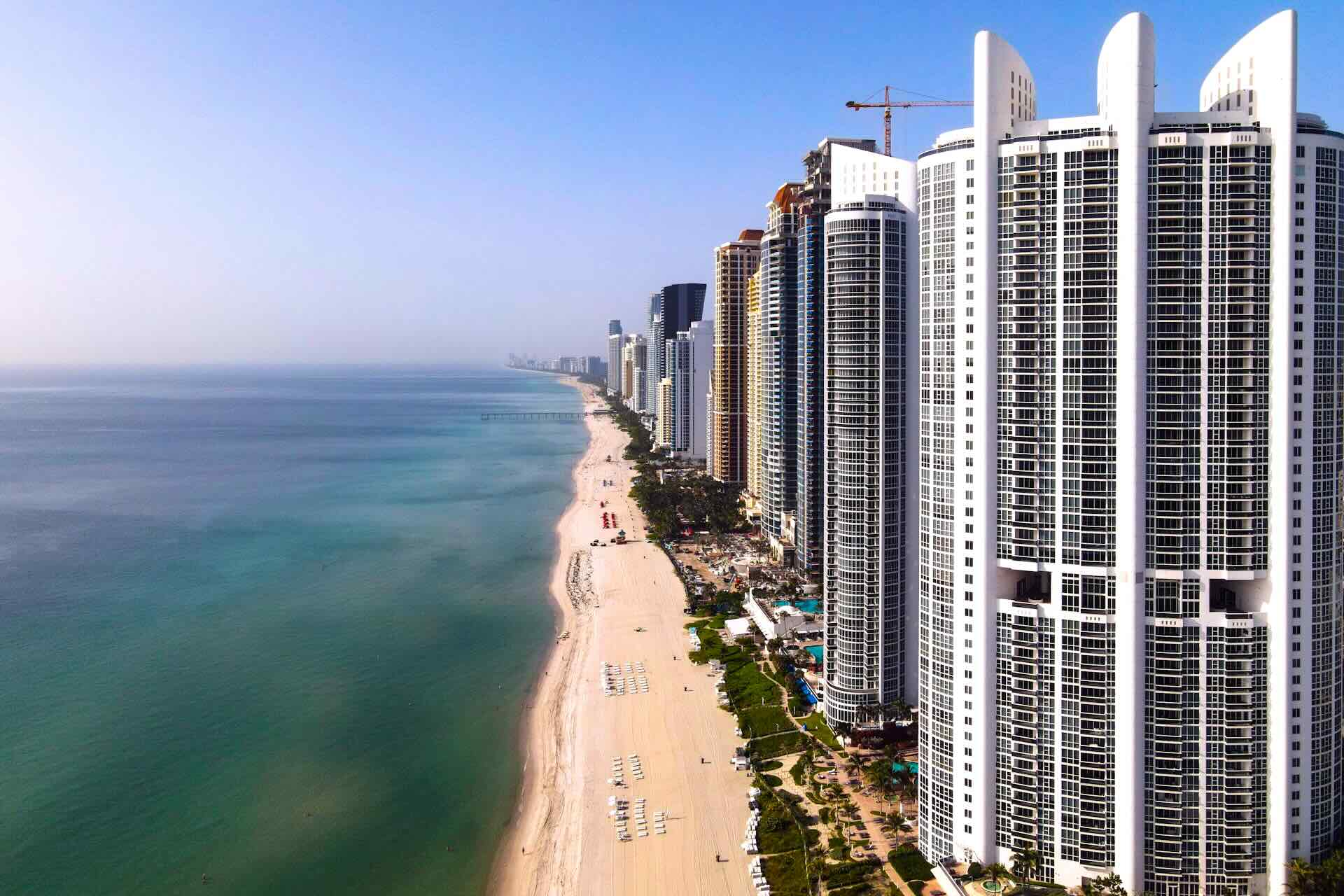
    The city sits on a narrow coastal strip.
    That geography limits supply in a meaningful way.

    Buyers are not simply purchasing square footage.
    They are securing direct access to the Atlantic and views that cannot easily be replicated.

    Scarcity is one of the strongest protections in luxury real estate.
    It helps explain why premium oceanfront assets tend to retain value across cycles.

    Global Recognition Supports Liquidity

    Sunny Isles Beach has long appealed to international buyers.
    That broad buyer base improves resale depth.

    Markets with global visibility often recover faster and trade more efficiently than equally expensive but lesser known locations.
    Sunny Isles benefits from strong recognition across Latin America, Europe, and other international markets.

    Liquidity matters in long term investing.
    A property is stronger when more buyers can understand and value it.

    That visibility continues supporting Sunny Isles even when broader market conditions shift.

    The Luxury Inventory Profile Remains Competitive

    Sunny Isles offers a concentration of high rise luxury towers with strong amenity packages, large terraces, and dramatic water views.
    For many buyers, the product still feels globally competitive.

    This matters because long term value is not only about location.
    It is also about whether the inventory remains relevant to evolving buyer expectations.

    Buildings with strong design, solid management, and protected views continue attracting serious buyers.
    That keeps the submarket in the conversation.

    At MAK Realty, we always look beyond the neighborhood headline and evaluate building by building.
    In Sunny Isles, that level of precision matters.

    It Works for Both Lifestyle Buyers and Investors

    Some markets lean heavily toward end users.
    Others lean heavily toward investors.

    Sunny Isles Beach works for both.

    Second home buyers appreciate the oceanfront lifestyle, resort style amenities, and lock and leave convenience.
    Investors value the global demand, visibility, and rental appeal in the right buildings.

    That dual demand profile strengthens the market.
    When more than one type of buyer supports pricing, long term resilience tends to improve.

    Waterfront Lifestyle Remains a Powerful Demand Driver

    People do not stop wanting waterfront living.
    If anything, demand for it has become more selective and more expensive.

    Sunny Isles delivers a specific kind of lifestyle.
    Private beach access, panoramic views, boating proximity, and a strong luxury residential identity all contribute to its appeal.

    That emotional value matters.
    Lifestyle driven real estate often holds stronger long term demand because buyers are pursuing experience, not just return.

    This is one reason many future owners begin by staying in a luxury vacation rental before purchasing.
    Experiencing the rhythm of the neighborhood firsthand often clarifies the appeal.

    Relative Positioning Helps It Stay Relevant

    Sunny Isles sits between Bal Harbour and Aventura and remains accessible to both Miami Beach and Fort Lauderdale.
    That positioning helps.

    Buyers can enjoy a more self contained oceanfront environment while still reaching major dining, shopping, and business districts without unreasonable friction.

    Location efficiency supports long term ownership value.
    Markets that feel both special and practical tend to age well.

    The Submarket Has Depth, But Selection Still Matters

    Not every tower in Sunny Isles performs equally.
    That is the part many buyers overlook.

    View corridor, building financial health, amenity quality, HOA structure, and future competition all influence performance.
    A good submarket does not automatically make every asset a good investment.

    This is where discipline matters.
    Long term strength comes from choosing the right line in the right building, not just buying into the right zip code.

    MAK Realty helps clients evaluate those details with a capital preservation first mindset.

    Rental Appeal Adds Optionality

    In the right building, rental flexibility can strengthen overall economics.
    That does not mean every purchase should be underwritten as a pure income play.

    However, optionality matters.
    A property that can support personal use while also appealing to future renters or buyers becomes more versatile.

    Sunny Isles benefits from ongoing visitor demand and strong second home usage.
    That helps support this optionality when building rules allow it.

    Why It Still Qualifies as a Strong Long Term Play

    Long term plays are not built on hype.
    They are built on enduring fundamentals.

    Sunny Isles Beach still offers scarce oceanfront land, deep international recognition, strong luxury inventory, and a lifestyle that continues attracting affluent buyers.
    That combination is hard to ignore.

    Will every cycle look the same.
    No.

    Will every building perform equally.
    Also no.

    But as a submarket, Sunny Isles still checks many of the boxes that matter most for long horizon investors and second home buyers.

    See the Market Before You Commit

    The smartest way to understand Sunny Isles is to spend time there.
    Oceanfront neighborhoods always reveal more in person than they do online.

    Staying in a luxury vacation rental through MAK Vacation can help you experience the area with more realism than a hotel.
    Planning your visit with TravelPal.ai can help organize tours across Sunny Isles Beach and neighboring submarkets efficiently.

    Sunny Isles Beach remains one of Miami’s strongest long term plays because it combines scarcity, global demand, and a waterfront lifestyle that continues attracting serious buyers. MAK Vacation, MAK Realty, and TravelPal.ai each support a smarter approach to evaluating Miami real estate, one built on experience, local insight, and long term value.


  • What Defines True Luxury Living in Miami Today

    What Defines True Luxury Living in Miami Today

    Luxury in Miami has evolved.
    It is no longer defined by square footage alone.

    Today, true luxury living in Miami is shaped by privacy, service, location, design, and how seamlessly a property supports daily life.
    Buyers want more than a beautiful residence.
    They want a complete experience.

    In a city where waterfront towers, branded residences, and private enclaves compete for attention, the definition of luxury has become more refined.
    Status still matters, but substance matters more.

    At MAK Realty, we guide buyers through Miami’s luxury market with a focus on what holds value over time.
    The most desirable properties do not simply look impressive.
    They function exceptionally well.

    This guide explains what defines true luxury living in Miami today and why the standard continues rising.

    Location Still Comes First

    The first marker of true luxury is location.
    In Miami, that usually begins with water.

    Oceanfront and bayfront properties continue to define the highest tier of the market.
    Protected views, marina access, and close proximity to the city’s strongest lifestyle districts all matter.

    However, not all prestigious addresses offer the same experience.
    Some buyers prioritize direct beach access.
    Others want walkability in neighborhoods like Brickell, Coconut Grove, or Bal Harbour.

    Luxury is increasingly about choosing the right environment, not just the most expensive tower.
    A great location supports both enjoyment and long term value.

    Privacy Has Become More Important

    High end buyers increasingly value discretion.
    Privacy now sits at the center of luxury decision making.

    Private elevator entry, limited unit counts, secure lobbies, and controlled access all influence desirability.
    In some buildings, privacy extends to separate staff entrances, private garages, and discreet resident only amenities.

    The best properties feel protected without feeling restrictive.
    That balance matters.

    For many affluent buyers, real luxury means being able to enjoy the city without being exposed to it constantly.
    A residence should feel like a refuge.

    Service Quality Separates the Best Properties

    Luxury without service is incomplete.
    The strongest buildings in Miami offer hospitality level management.

    Concierge teams, valet, security, wellness programming, housekeeping coordination, and resident support now define the upper tier of the market.
    Buyers expect responsiveness and consistency.

    Branded residences have helped raise these expectations.
    They introduced hotel standards into residential living.

    However, branding alone is not enough.
    Execution matters more than the logo on the building.

    True luxury living means daily life feels easier, smoother, and more supported.

    Design Must Feel Intentional

    Luxury design in Miami has shifted away from excess.
    The market now rewards restraint, proportion, and quality.

    Buyers want residences with natural light, strong flow, high ceilings, and materials that feel sophisticated rather than flashy.
    Outdoor space also matters more than ever.

    Large terraces, summer kitchens, and water facing living areas create a stronger sense of place.
    Design should connect residents to Miami’s climate and views.

    In the best properties, architecture and interiors feel integrated.
    Nothing feels forced.

    Wellness Is Now Part of Luxury

    The idea of luxury has expanded beyond aesthetics.
    Wellness now plays a major role.

    Top tier residences offer fitness centers, spa spaces, treatment rooms, cold plunge pools, meditation areas, and access to outdoor movement.
    Buyers increasingly prioritize health alongside comfort.

    Miami supports this naturally.
    The climate encourages year round outdoor living.

    Waterfront walking paths, boating, paddleboarding, and private wellness amenities all contribute to a more complete luxury lifestyle.

    A property that supports physical and mental well being now carries real value.

    Technology Should Be Seamless

    Luxury buyers still expect smart home features, but the emphasis has changed.
    Technology should be invisible and intuitive.

    Integrated lighting, climate control, security systems, and automated shading all matter.
    However, these systems must work simply.

    If technology feels complicated or unreliable, it stops feeling luxurious.
    Ease of use is part of the standard now.

    True luxury living means the residence responds to the owner, not the other way around.

    Amenities Must Match Real Life

    In earlier cycles, buildings often competed by adding more amenities.
    Now buyers are more selective.

    They care less about the length of the amenity list and more about whether those amenities are actually useful.
    A quiet wellness floor may matter more than a flashy game room.

    Family buyers may value private dining spaces and children’s areas.
    Second home owners may care more about beach service, marina access, and concierge support.

    Luxury is becoming more personalized.
    The best buildings serve the way residents actually live.

    Scarcity Still Drives the Top Tier

    True luxury also depends on how rare the asset is.
    Scarcity protects value.

    Limited inventory, unobstructed views, oversized terraces, full floor layouts, and exceptional positioning all make a property more desirable.
    This is especially true in waterfront markets.

    Miami’s most valuable residences are often those that cannot easily be replaced.
    That includes both new branded towers and exceptional older buildings in prime locations.

    Buyers at the highest level understand that scarcity matters more than novelty alone.

    Lifestyle Integration Defines Modern Luxury

    A luxury property should fit naturally into a larger lifestyle.
    That is especially true in Miami.

    Buyers want access to dining, boating, shopping, culture, and wellness without feeling overwhelmed by tourism or congestion.
    Some want the calm of Bal Harbour or Coconut Grove.
    Others want the energy of Brickell or Miami Beach.

    The right residence supports how the buyer actually lives.
    That may mean lock and leave simplicity, full time family functionality, or income potential through a condo hotel structure.

    Luxury today is not one size fits all.
    It is about alignment.

    Long Term Value Still Matters

    Even at the highest end, buyers care about value retention.
    Luxury properties are emotional purchases, but they are still assets.

    Building reputation, view protection, financial health of the HOA, location, and future resale demand all influence long term performance.
    A truly luxurious property should feel exceptional now and remain desirable later.

    At MAK Realty, we help buyers evaluate both lifestyle and liquidity.
    That balance matters.

    The most sophisticated buyers understand that real luxury includes peace of mind.

    Experiencing Luxury Before Buying

    Luxury is easier to understand in person than on paper.
    Renderings and listings only go so far.

    Spending time in Miami helps clarify what kind of luxury actually fits your lifestyle.
    Different neighborhoods and property types create very different experiences.

    Staying in a luxury vacation rental through MAK Vacation allows buyers to experience Miami’s high end lifestyle in a more realistic way before making ownership decisions.

    Planning your visit with TravelPal.ai can help organize an efficient itinerary across Miami’s top residential districts.

    True luxury living in Miami today is defined by privacy, service, wellness, design, and location that supports daily life at the highest level. MAK Vacation, MAK Realty, and TravelPal.ai each reflect the same core idea, great real estate should feel effortless, valuable, and deeply aligned with the way you want to live.

  • Miami Branded Condo Hotel Investment, Terms and Yields Guide

    Miami Branded Condo Hotel Investment, Terms and Yields Guide

    Branded condo hotels in Miami continue attracting global investors in 2026.
    They combine hospitality, real estate ownership, and income potential into one structure.

    For many buyers, especially international investors, this model offers simplicity and brand backed confidence.
    However, returns depend on understanding how these programs actually operate.

    At MAK Realty, we guide clients through branded condo hotel opportunities with a focus on realistic yield expectations, operational structure, and long term value.

    This guide explains how Miami branded condo hotel investments work, what terms to evaluate, and how to analyze yield in 2026.

    What Defines a Branded Condo Hotel

    A branded condo hotel is a residential unit within a luxury hotel operated by a recognized hospitality brand.
    Owners hold title to their individual unit.

    The brand manages the property as part of its hotel inventory.
    This includes bookings, guest services, housekeeping, and maintenance.

    Brand affiliation often drives occupancy and pricing power.
    Well known names attract consistent demand.

    Owners benefit from professional management.
    However, they also share revenue with the hotel program.

    Understanding this balance is critical.

    Why Branded Programs Attract Investors

    Brand recognition reduces uncertainty.
    Guests trust established hospitality operators.

    This trust translates into stronger occupancy rates in many cases.
    Premium positioning often supports higher nightly pricing.

    Investors also value operational simplicity.
    The hotel handles day to day management.

    This structure appeals to foreign buyers who do not live in Miami full time.
    Remote ownership becomes easier.

    Many investors first experience these properties by staying in a luxury vacation rental before purchasing.

    That experience often shapes expectations around guest demand and service quality.

    Rental Program Structure and Terms

    Each branded condo hotel operates under a specific rental program.
    Understanding the structure is essential.

    Most programs require participation in the hotel rental pool.
    Individual marketing is typically not allowed.

    Revenue is generated through nightly bookings.
    The hotel distributes income after deducting expenses and management fees.

    Usage restrictions also apply.
    Owners may have limited personal use days each year.

    These rules ensure consistent inventory for hotel operations.
    They also influence income potential.

    Buyers should review program agreements carefully before purchasing.

    How Yield Is Calculated

    Yield in condo hotel investments depends on several variables.

    Gross revenue is generated through nightly bookings.
    Occupancy rates and average daily rates drive this figure.

    Expenses are deducted before income is distributed.
    These include management fees, operational costs, and reserves.

    Net yield reflects actual return after expenses.
    This is the most important metric.

    Investors should focus on net performance rather than projected gross income.
    Marketing materials often emphasize optimistic scenarios.

    At MAK Realty, we evaluate realistic yield based on historical performance and market conditions.

    Expense Considerations

    Condo hotel ownership includes multiple cost layers.

    HOA fees cover building maintenance and shared amenities.
    Hotel management fees cover operations and staffing.

    Furniture packages must meet brand standards.
    Ongoing upgrades may be required.

    Utilities, insurance, and reserve contributions also apply.
    These costs can be higher than traditional condos.

    Understanding total expense structure ensures accurate return modeling.

    Financing Options for Condo Hotel Investments

    Financing condo hotels differs from traditional residential properties.

    Many lenders classify them as hybrid or commercial assets.
    Loan options may be limited.

    Foreign buyers often face higher down payment requirements.
    Some investors choose cash purchases.

    Portfolio lenders familiar with Miami’s condo hotel market can provide financing solutions.
    Terms vary by property and borrower profile.

    Interest rate conditions also influence yield.
    Higher borrowing costs reduce net returns.

    Planning financing early helps avoid delays.

    Comparing Branded Condo Hotels to Traditional Rentals

    Branded condo hotels offer passive management.
    Traditional rentals offer greater control.

    Short term rental friendly condos can sometimes produce higher net income.
    However, they require active management or third party operators.

    Condo hotels simplify ownership.
    The trade off is reduced control over pricing and operations.

    Investors must decide which model aligns with their goals.
    Convenience versus potential yield.

    Miami’s Competitive Advantage

    Miami remains one of the strongest markets for condo hotel investment.

    Tourism is consistent throughout the year.
    International visitors contribute significantly to demand.

    Luxury brands operate across Miami Beach and Downtown.
    These brands enhance global recognition.

    Waterfront locations further strengthen appeal.
    Oceanfront and bayfront properties attract premium guests.

    These factors support both occupancy and long term value.

    Risks to Consider in 2026

    No investment is without risk.
    Condo hotels require realistic expectations.

    Income fluctuates with tourism cycles.
    Economic slowdowns can reduce occupancy.

    Management fees reduce overall yield.
    Owners have limited control over operations.

    Resale liquidity depends on brand strength and building reputation.
    Not all properties perform equally.

    Investors should focus on high quality assets in prime locations.
    Discipline improves outcomes.

    Long Term Investment Outlook

    Branded condo hotels should be viewed as hybrid assets.
    They combine lifestyle ownership with income potential.

    For some buyers, personal use and brand experience justify the investment.
    Others focus primarily on yield.

    Miami’s global growth supports both approaches.
    The city continues attracting wealth and tourism.

    Investors who select strong brands and prime locations often achieve better long term results.

    MAK Realty helps clients evaluate opportunities based on both financial and lifestyle objectives.

    Experience the Investment Before You Commit

    Understanding condo hotel performance requires firsthand experience.
    Staying in these properties provides valuable insight.

    Observing guest demand, service quality, and location dynamics clarifies expectations.

    Staying in a luxury vacation rental through MAK Vacation allows investors to compare experiences and evaluate market demand directly.

    Planning your visit with TravelPal.ai helps organize property tours and neighborhood exploration efficiently.

    Miami branded condo hotel investments offer a unique blend of lifestyle and income potential when approached with discipline and clear expectations. Experiencing the market firsthand through a luxury vacation rental with MAK Vacation provides valuable perspective, while TravelPal.ai helps streamline your visit. When you are ready to evaluate condo hotel opportunities in Miami, connect with MAK Realty for expert guidance aligned with long term value and realistic returns.

  • Why Vacation Rentals Outperform Hotels and How to Get Started

    Why Vacation Rentals Outperform Hotels and How to Get Started

    Travel patterns have shifted in meaningful ways.
    Today’s travelers prioritize space, privacy, and flexibility.

    Vacation rentals have moved from alternative lodging to a primary choice.
    In many markets, they now outperform traditional hotels across key metrics.

    For investors, this shift creates opportunity.
    Rental income, occupancy trends, and long term appreciation can align when assets are selected correctly.

    At MAK Realty, we guide investors through Miami’s evolving short term rental landscape with a focus on realistic returns and long term value.

    This guide explains why vacation rentals outperform hotels and how to approach investing in this asset class.

    Why Travelers Prefer Vacation Rentals

    Modern travelers expect more than a room.
    They want a full living experience.

    Vacation rentals offer larger layouts, kitchens, and private amenities.
    Families and groups find them especially attractive.

    Privacy also plays a major role.
    Guests can avoid crowded lobbies and shared spaces.

    Flexibility further strengthens demand.
    Extended stays are easier in residential style accommodations.

    Many visitors first experience Miami through a luxury vacation rental before considering property ownership.

    That experience often drives repeat visits and long term demand.

    Pricing Power and Revenue Potential

    Vacation rentals often command strong nightly rates in high demand locations.
    Larger units can accommodate multiple guests.

    This allows for higher total revenue per stay compared to standard hotel rooms.
    Premium views and location further increase pricing power.

    In markets like Miami, waterfront exposure significantly influences rental rates.
    Oceanfront and bayfront units typically perform best.

    Dynamic pricing strategies also improve revenue performance.
    Rates can adjust based on seasonality, events, and demand patterns.

    Investors who understand pricing trends can optimize returns.

    Longer Stays Increase Efficiency

    Hotels traditionally focus on shorter stays.
    Vacation rentals attract longer bookings.

    Weekly and monthly stays reduce turnover costs.
    Cleaning and operational expenses decrease relative to revenue.

    Extended stays also stabilize occupancy.
    This reduces gaps between bookings.

    Markets with strong seasonal demand, such as Miami, benefit from a mix of short and extended stays.

    Investors who structure listings correctly can capture both segments.

    Guest Experience Drives Repeat Demand

    Guest satisfaction directly impacts performance.
    Vacation rentals often provide a more personalized experience.

    High quality furnishings, thoughtful design, and strong communication improve reviews.
    Positive reviews drive higher booking volume.

    Repeat guests become a valuable asset.
    Direct bookings can increase over time.

    Hotels operate at scale.
    Vacation rentals operate with flexibility.

    This difference allows owners to refine the guest experience more precisely.

    Miami’s Advantage in Vacation Rentals

    Miami stands out as one of the strongest vacation rental markets in the United States.

    Tourism remains consistent throughout the year.
    International travel contributes significantly to demand.

    Major events, conventions, and seasonal visitors create recurring peaks.
    Beach access and lifestyle appeal further strengthen occupancy.

    Neighborhood diversity also plays a role.
    Miami Beach, Brickell, and waterfront districts attract different types of travelers.

    This diversity allows investors to tailor strategies based on target guests.

    At MAK Realty, we analyze these submarkets carefully to match property selection with rental goals.

    Legal Considerations and Building Rules

    Not all properties allow short term rentals.
    This is one of the most important factors for investors.

    Building level restrictions often determine rental flexibility.
    Some associations require minimum lease terms.

    City regulations may also apply depending on location.
    Compliance is essential.

    Investors must verify rules in writing before purchasing.
    Assumptions can lead to costly mistakes.

    Understanding legal frameworks ensures operational stability.

    How to Start Investing in Vacation Rentals

    Entering the vacation rental market requires preparation.
    Successful investors approach the process strategically.

    Location remains the most important decision.
    Waterfront and central urban areas often perform best.

    Property selection should align with guest demand.
    Views, layout, and building amenities influence performance.

    Financing structure also matters.
    Some investors use portfolio loans or income based lending programs.

    Others purchase with cash to maximize flexibility.

    At MAK Realty, we help clients evaluate both acquisition strategy and long term performance potential.

    Operational Strategy and Management

    Vacation rentals require consistent management.
    Operations include guest communication, cleaning coordination, and pricing adjustments.

    Some investors manage properties directly.
    Others hire professional management companies.

    Management quality directly affects guest experience and revenue performance.
    Poor execution can reduce occupancy quickly.

    Automated systems and dynamic pricing tools can improve efficiency.
    Technology plays a growing role in this space.

    Investors should evaluate management options before purchasing.

    Comparing Vacation Rentals to Hotels as an Investment

    Hotels require large scale capital and operational infrastructure.
    Individual investors rarely participate directly.

    Vacation rentals provide access to hospitality driven income on a smaller scale.
    Ownership remains flexible.

    Investors can choose location, design, and pricing strategy.
    Control increases compared to hotel investments.

    However, responsibility also increases.
    Active management or oversight is required.

    When executed correctly, vacation rentals often outperform hotels on a per unit basis.

    Long Term Appreciation and Exit Strategy

    Income is only part of the equation.
    Long term appreciation plays a major role in total return.

    Miami’s limited waterfront supply supports property values.
    High demand areas tend to appreciate more consistently.

    Exit strategy should be considered early.
    Resale liquidity depends on location and building reputation.

    Properties that perform well as rentals often attract future buyers seeking similar income opportunities.

    This creates additional demand at resale.

    Experience the Market Before Investing

    Understanding vacation rental performance requires firsthand experience.
    Data alone cannot capture guest behavior.

    Spending time in different Miami neighborhoods reveals demand patterns.
    Lifestyle alignment becomes clearer.

    Staying in a luxury vacation rental through MAK Vacation allows investors to evaluate the guest experience directly.

    Planning your visit with TravelPal.ai helps create an efficient itinerary to explore multiple investment areas.

    Vacation rentals continue outperforming hotels due to flexibility, guest experience, and strong income potential. Experiencing Miami firsthand through a luxury vacation rental with MAK Vacation provides valuable insight into demand and lifestyle appeal, while TravelPal.ai helps streamline your visit. When you are ready to invest in Miami’s vacation rental market, connect with MAK Realty for guidance focused on long term returns and strategic property selection.

  • Are Miami Condo Hotels a Smart Investment for Foreign Buyers

    Are Miami Condo Hotels a Smart Investment for Foreign Buyers

    Miami has long attracted international buyers seeking both lifestyle and investment opportunity.
    Among the most discussed asset types is the condo hotel.

    Condo hotels offer a hybrid ownership model.
    They combine personal use with income generating potential.

    For foreign buyers, this structure can be especially appealing.
    However, understanding how condo hotels actually operate is critical before investing.

    At MAK Realty, we guide international clients through these opportunities with a clear, practical approach.
    The goal is to align expectations with how income, expenses, and ownership structures truly function.

    This guide explains whether Miami condo hotels are a smart investment for foreign buyers and how to evaluate them correctly.

    What Is a Condo Hotel in Miami

    A condo hotel is a residential unit within a professionally managed hotel.
    Owners hold title to their individual unit.

    When not in use, the unit can enter a hotel managed rental program.
    The hotel handles bookings, guest services, and operations.

    This creates a passive income structure.
    Owners do not manage guests directly.

    However, income depends on hotel performance, brand strength, and occupancy levels.
    It is not guaranteed.

    Understanding this structure is the foundation of making an informed investment.

    Why Foreign Buyers Are Drawn to Condo Hotels

    Foreign buyers often prioritize simplicity.
    Managing a property remotely can be challenging.

    Condo hotels eliminate many operational concerns.
    The hotel brand oversees maintenance, housekeeping, and guest experience.

    This model allows for flexible usage.
    Owners can stay in the unit while also generating income during unused periods.

    Miami’s global visibility strengthens this appeal.
    The city attracts visitors year round.

    Some buyers first experience this model by staying in a luxury vacation rental before transitioning into ownership.

    That experience often shapes expectations around rental performance.

    Income Potential and How It Works

    Condo hotel income is tied directly to hotel performance.
    Occupancy rates, nightly pricing, and brand positioning all influence returns.

    Revenue is typically pooled or managed through a structured program.
    Management fees are deducted before distributions.

    Peak seasons often generate strong income.
    Off season performance varies depending on the property and location.

    Investors should analyze historical performance when available.
    Projections should be viewed conservatively.

    Income consistency often depends on brand strength and market demand.

    Key Expenses to Understand

    Many buyers focus heavily on income projections.
    Expenses require equal attention.

    Condo hotel ownership includes HOA fees, maintenance costs, and management fees.
    Operational costs are often higher than traditional condos.

    Furniture packages and brand standards also require ongoing investment.
    Units must meet hotel specifications.

    Understanding net income after expenses is critical.
    Gross revenue alone can be misleading.

    At MAK Realty, we help clients evaluate true net performance rather than relying on marketing projections.

    Financing Considerations for Foreign Buyers

    Financing condo hotels differs from traditional residential properties.
    Many lenders treat them as commercial or hybrid assets.

    Foreign buyers may need higher down payments.
    Loan options can vary significantly.

    Some buyers choose to purchase with cash.
    Others work with portfolio lenders familiar with condo hotel structures.

    Currency exchange considerations also impact acquisition strategy.
    Timing can influence total investment cost.

    Early financing planning ensures smoother transactions.

    Rental Restrictions and Usage Rules

    Each condo hotel operates under specific usage guidelines.
    Owners typically must participate in the hotel rental program.

    Personal use may be limited to a set number of days per year.
    This structure supports consistent inventory for the hotel.

    Buyers should review these restrictions carefully.
    Usage flexibility varies by property.

    Understanding these rules ensures expectations align with reality.

    Comparing Condo Hotels to Traditional Rentals

    Condo hotels offer passive management.
    Traditional condos offer greater control.

    Short term rental friendly condos may provide higher income potential in some cases.
    However, they require active management or third party operators.

    Condo hotels simplify operations but reduce control.
    Income is shared with the management structure.

    Investors must decide which model aligns with their goals.
    Passive income versus operational flexibility.

    Miami’s Advantage in the Condo Hotel Market

    Miami stands out globally for condo hotel investment.

    Tourism remains one of the strongest in the United States.
    International visitors arrive year round.

    Luxury hotel brands operate throughout Miami Beach and Downtown.
    Brand recognition drives occupancy.

    Waterfront locations further enhance appeal.
    Guests consistently seek oceanfront and bayfront experiences.

    These factors support long term demand for condo hotel inventory.

    Risks Foreign Buyers Should Consider

    No investment is without risk.
    Condo hotels require realistic expectations.

    Income can fluctuate based on tourism cycles.
    Economic slowdowns may impact occupancy.

    Management fees reduce overall yield.
    Owners have limited control over operations.

    Resale liquidity depends on building reputation and brand strength.
    Not all properties perform equally.

    Careful asset selection is essential.
    Quality and location matter significantly.

    Long Term Investment Perspective

    Condo hotels should be viewed as hybrid assets.
    They combine lifestyle ownership with income potential.

    For some buyers, personal use and convenience outweigh pure financial return.
    Others focus primarily on yield.

    Miami’s long term growth supports both approaches.
    The city continues attracting global wealth and tourism.

    Investors who prioritize strong brands and prime locations often achieve better outcomes.

    MAK Realty helps clients identify properties that align with both lifestyle and financial objectives.

    Experience the Model Before Investing

    Understanding condo hotels requires firsthand experience.
    Staying in these properties provides valuable insight.

    Observing guest demand, service quality, and location dynamics helps clarify expectations.

    Staying in a luxury vacation rental through MAK Vacation offers a strong comparison point for evaluating rental experience and guest appeal.

    Planning your visit with TravelPal.ai helps organize property tours and neighborhood exploration efficiently.

    Condo hotels in Miami can be a smart investment for foreign buyers when approached with clear expectations and disciplined analysis. Experiencing the market firsthand through a luxury vacation rental with MAK Vacation provides valuable perspective, while TravelPal.ai helps streamline your visit. When you are ready to evaluate condo hotel opportunities, MAK Realty can guide you through the process with local expertise and a focus on long term value.

  • What Kevin Warsh as Fed Chair Could Mean for Investors

    What Kevin Warsh as Fed Chair Could Mean for Investors

    Leadership changes at the Federal Reserve can influence financial markets quickly.
    Investors watch these shifts closely.

    If Kevin Warsh becomes the next Federal Reserve Chair, market expectations could change in several ways.
    Interest rate policy, inflation management, and financial stability decisions would all be under review.

    For real estate investors, the Federal Reserve plays a particularly important role.
    Mortgage rates, liquidity conditions, and investor sentiment often respond to Fed policy.

    Understanding how Warsh might approach monetary policy helps investors prepare for future market conditions.

    At MAK Realty, we monitor macroeconomic developments because interest rate policy directly affects property investment strategy.
    Shifts in borrowing costs can influence buying power, asset pricing, and long term real estate returns.

    This guide explores what Kevin Warsh as Fed Chair could mean for investors and how markets may respond.

    Kevin Warsh and His Economic Philosophy

    Kevin Warsh previously served as a Federal Reserve governor during the global financial crisis.
    He also worked on Wall Street earlier in his career.

    His reputation often centers on market awareness and financial system stability.
    Warsh has historically emphasized the importance of credibility in monetary policy.

    He has also expressed caution about prolonged ultra low interest rate environments.
    Such policies can distort asset prices over time.

    If appointed Fed Chair, his approach may prioritize balance between inflation control and long term financial stability.

    Investors tend to watch these philosophical signals carefully.

    Interest Rate Policy Could Become More Disciplined

    The most immediate impact of any Federal Reserve leadership change involves interest rate expectations.

    Warsh has previously voiced concerns about excessive monetary accommodation.
    He has suggested that long periods of extremely low rates can encourage risk taking.

    A Warsh led Fed may emphasize disciplined rate policy.
    That does not necessarily mean higher rates permanently.

    However, markets might expect faster responses to inflation risks.
    Policy normalization could occur more quickly during economic expansions.

    For investors, the key issue is predictability.
    Stable policy frameworks reduce uncertainty.

    Mortgage Rates and Real Estate Markets

    Mortgage rates closely follow Treasury yields and broader monetary policy expectations.
    If investors expect tighter policy, borrowing costs may move upward.

    Real estate markets react quickly to these shifts.
    Higher mortgage rates reduce affordability for some buyers.

    However, strong economic growth can offset this effect.
    Higher incomes and job creation support housing demand.

    In markets such as Miami, international capital and cash buyers also influence pricing dynamics.
    Mortgage rate sensitivity may therefore differ from other U.S. cities.

    Real estate investors often evaluate financing strategies before entering the market.

    Financial Market Stability

    Warsh has emphasized financial system resilience in previous commentary.
    Stability in credit markets often becomes a priority for Federal Reserve leadership.

    Periods of rapid liquidity expansion can create asset bubbles.
    Periods of excessive tightening can create recession risk.

    Balancing those forces remains the central challenge for any Fed Chair.

    Investors tend to prefer predictable policy communication.
    Clear guidance helps markets adjust gradually.

    If Warsh emphasizes transparency and discipline, market volatility could decline over time.

    Inflation Control Remains a Core Objective

    Inflation management remains the Federal Reserve’s primary responsibility.

    During periods of elevated inflation, the Fed often raises interest rates.
    This reduces demand across the economy.

    Warsh has previously argued that credibility is essential in inflation policy.
    Markets must believe the Fed will act when necessary.

    For investors, inflation expectations influence nearly every asset class.
    Real estate often performs differently from stocks during inflation cycles.

    Property values sometimes benefit from inflation because replacement costs rise.

    However, financing costs also increase when interest rates rise.

    Real Estate as an Inflation Hedge

    Many investors consider real estate a partial inflation hedge.
    Property values and rents can increase alongside broader price levels.

    In markets with strong population growth, rental demand often rises during inflationary periods.
    Limited supply can push rents higher.

    Miami’s housing market often benefits from migration trends and global investment demand.
    These forces can support real estate values even during macroeconomic shifts.

    Some investors analyze local demand patterns firsthand by staying in a luxury vacation rental before purchasing property.

    Experiencing neighborhoods personally can clarify long term rental potential.

    Global Capital Flows and Monetary Policy

    Federal Reserve policy affects international capital flows.
    Higher U.S. interest rates often strengthen the dollar.

    Global investors frequently allocate capital to U.S. assets during these periods.
    Real estate can benefit from that capital movement.

    Miami in particular attracts international investors seeking stability and lifestyle advantages.
    Global buyers view U.S. property ownership as a form of diversification.

    If monetary policy strengthens the dollar, international buyers may become even more active.

    Liquidity from global investors can stabilize luxury property markets.

    Investor Sentiment and Market Psychology

    Central bank leadership also shapes investor sentiment.

    Markets respond not only to policy decisions but also to communication style.
    Confidence often influences investment flows.

    If investors perceive a Warsh led Federal Reserve as disciplined and predictable, markets may respond positively.
    Clarity reduces speculation.

    Stable policy environments encourage long term investment decisions.

    Real estate investors often prefer predictable rate cycles rather than sudden policy shifts.

    Real Estate Strategy in a Changing Rate Environment

    Interest rate expectations influence how investors structure deals.

    Some investors prioritize fixed rate financing during uncertain periods.
    Others focus on properties with strong rental demand.

    Debt service coverage ratio loans can be useful in income producing property investments.
    These loans focus on property income rather than borrower salary.

    Portfolio lending programs may also provide flexibility for luxury condo buyers.

    At MAK Realty, we help investors evaluate financing structures and property selection based on evolving economic conditions.

    Understanding both macroeconomic trends and local market fundamentals improves long term outcomes.

    Why Miami Often Remains Resilient

    Even when national housing markets slow, Miami often retains unique advantages.

    International investment continues supporting demand.
    Waterfront scarcity limits supply growth.

    Corporate migration into Miami strengthens year round housing demand.
    Tourism also supports rental activity.

    These structural factors often cushion the market from broader economic volatility.

    Investors who understand these dynamics frequently view Miami as a long term allocation rather than a short term trade.

    The Importance of Market Timing and Discipline

    Federal Reserve leadership changes can shift financial conditions.
    However, long term investment success rarely depends on a single policy cycle.

    Real estate investors typically focus on multi year horizons.
    Location quality and demand stability matter more than short term rate fluctuations.

    Disciplined underwriting remains essential regardless of monetary policy.

    Evaluating rental demand, building quality, and long term neighborhood growth improves investment outcomes.

    Investors who combine macro awareness with local expertise tend to perform best.

    Experience Miami Before Making Investment Decisions

    Understanding Miami’s property market requires firsthand experience.
    Market data alone cannot capture lifestyle demand.

    Walking through neighborhoods and visiting waterfront districts provides valuable perspective.

    Staying in a luxury vacation rental through MAK Vacation allows visitors to experience the lifestyle behind Miami’s real estate demand.

    Planning a visit with TravelPal.ai can help structure an itinerary that explores different neighborhoods and investment opportunities efficiently.

    Experiencing the city firsthand often clarifies which areas align best with long term investment goals. When evaluating Miami real estate opportunities, connecting with MAK Realty can provide local expertise and market insight that helps investors navigate changing economic conditions with confidence.

  • Buying a Condo for Rental Income, What You Need to Know

    Buying a Condo for Rental Income, What You Need to Know

    Buying a condo for rental income can be a strong long term investment strategy.
    However, success depends on more than simply purchasing a property in a desirable location.

    Income, expenses, financing, and building rules all influence performance.
    Many first time investors underestimate how these factors interact.

    In a market like Miami, rental demand can be strong, but execution matters.
    Not every condo produces consistent income.

    At MAK Realty, we guide investors through the process with a focus on realistic underwriting and long term value.
    Understanding the fundamentals before purchasing helps avoid costly mistakes.

    This guide explains what you need to know before buying a condo for rental income.

    Start With Location and Demand

    Location is the most important variable in rental performance.
    Demand patterns vary significantly across neighborhoods.

    Areas near business districts, beaches, and entertainment zones typically attract stronger rental interest.
    Proximity to transportation and dining also matters.

    In Miami, neighborhoods such as Brickell, Miami Beach, and waterfront corridors often perform well.
    Each area attracts a different type of renter.

    Short term visitors prefer lifestyle driven locations.
    Long term tenants prioritize convenience and accessibility.

    Investors should align property selection with the intended rental strategy.

    Understand Rental Rules Before You Buy

    Not all condos allow rentals in the same way.
    Building restrictions can significantly impact income potential.

    Some associations limit short term rentals.
    Others require minimum lease durations such as six months or one year.

    Certain buildings allow flexible short term leasing.
    These properties often attract investors.

    City regulations may also apply depending on the location.
    Compliance is essential.

    Investors must verify all rules in writing before purchasing.
    Assumptions can lead to major setbacks.

    At MAK Realty, we review association documents carefully to ensure clarity.

    Evaluate Income Potential Realistically

    Projected rental income should be based on conservative assumptions.
    Overestimating revenue is a common mistake.

    Seasonality plays a role in many markets.
    Peak months may generate strong returns, while slower periods reduce income.

    Short term rentals can produce higher gross revenue.
    However, they also involve higher operational costs.

    Long term rentals provide more stability.
    Income may be lower, but occupancy tends to be consistent.

    Investors should analyze both scenarios and determine which aligns with their goals.

    Factor in All Expenses

    Income alone does not determine profitability.
    Expenses must be evaluated in detail.

    Monthly HOA fees can be significant in luxury buildings.
    Maintenance, insurance, and property taxes also add to costs.

    Short term rentals include additional expenses such as cleaning, management, and utilities.
    Furniture and design also require upfront investment.

    Understanding net income is critical.
    Cash flow should be calculated after all expenses.

    At MAK Realty, we help clients evaluate realistic net returns rather than focusing only on gross revenue.

    Financing and Leverage Strategy

    Financing plays a major role in overall returns.

    Mortgage rates influence monthly carrying costs.
    Lower rates can improve cash flow.

    Some investors use debt service coverage ratio loans for income producing properties.
    These loans focus on property income rather than personal income.

    Portfolio loans are also common for luxury condo purchases.
    Terms vary depending on the lender and property type.

    Foreign buyers may face different lending requirements.
    Higher down payments are often required.

    Planning financing early ensures smoother execution.

    Short Term vs Long Term Rental Strategy

    Choosing the right rental strategy is essential.

    Short term rentals can generate higher nightly rates.
    They also require active management and operational oversight.

    Long term rentals provide stability.
    Tenant turnover is lower, and management is simpler.

    Hybrid strategies are also possible in certain buildings.
    Investors may adjust based on seasonality.

    Many investors evaluate guest demand firsthand by staying in a luxury vacation rental before purchasing.

    Experiencing the property from a guest perspective can clarify expectations.

    Building Quality and Amenities Matter

    Not all condos perform equally.
    Building quality influences both rental demand and resale value.

    Modern amenities attract guests and tenants.
    Pools, fitness centers, and concierge services increase appeal.

    View orientation also plays a major role.
    Water views often command higher rental rates.

    Older buildings may offer lower entry pricing.
    However, maintenance costs and tenant appeal should be considered.

    Selecting the right building is just as important as selecting the right location.

    Understand the Local Market Dynamics

    Every market operates differently.
    Supply, demand, and pricing trends influence rental performance.

    In Miami, international demand plays a significant role.
    Tourism supports short term rental activity.

    Corporate relocation strengthens long term rental demand.
    This creates multiple income streams.

    Waterfront scarcity supports property values.
    Limited supply can enhance long term appreciation.

    Investors who understand these dynamics can make more informed decisions.

    Plan for Long Term Appreciation

    Rental income is only part of the investment equation.
    Appreciation contributes significantly to total return.

    Properties in prime locations often experience stronger long term growth.
    Waterfront and central urban areas tend to perform well.

    Exit strategy should be considered before purchasing.
    Liquidity depends on buyer demand and building reputation.

    Investors who plan ahead often achieve better outcomes.

    Management and Operational Execution

    Execution determines success in rental property ownership.

    Short term rentals require consistent guest communication and maintenance.
    Professional management can improve efficiency.

    Long term rentals require tenant screening and lease management.
    Both strategies benefit from structured systems.

    Technology can assist with pricing, bookings, and communication.
    Automation improves operational efficiency.

    Investors should determine management strategy before purchasing.

    Experience the Market Before You Invest

    Data provides valuable insight.
    However, firsthand experience offers deeper understanding.

    Walking neighborhoods and visiting buildings reveals important details.
    Lifestyle factors influence rental demand.

    Staying in a luxury vacation rental through MAK Vacation allows investors to evaluate the guest experience directly.

    Planning your visit with TravelPal.ai helps create an efficient itinerary to explore multiple neighborhoods and property types.

    Buying a condo for rental income requires careful planning, realistic expectations, and disciplined execution. Experiencing Miami firsthand through a luxury vacation rental with MAK Vacation provides valuable insight into demand and lifestyle appeal, while TravelPal.ai helps streamline your visit. When you are ready to invest in a Miami rental property, connect with MAK Realty for guidance focused on long term returns and strategic property selection.

  • Top Rental Markets for 2026, Does Miami Still Lead

    Top Rental Markets for 2026, Does Miami Still Lead

    Every year, investors search for the next rental market that promises strong returns.
    New cities appear in reports and headlines.
    Emerging locations attract attention because of affordability or rapid population growth.

    However, identifying the best rental markets requires more than chasing trends.
    Sustainable returns depend on demand stability, economic growth, tourism strength, and long term real estate fundamentals.

    Heading into 2026, several markets across the United States and internationally are gaining investor attention.
    Yet Miami continues to remain near the top of most serious investment discussions.

    At MAK Realty, we evaluate rental markets through a long term lens.
    Investors should focus on stability, liquidity, and consistent demand rather than short term hype.

    This guide explores the top rental markets gaining momentum in 2026 and explains why Miami still stands out among them.

    What Defines a Strong Rental Market

    A profitable rental market is built on several key characteristics.

    Consistent demand is the most important factor.
    Cities that attract new residents, business investment, and tourism tend to produce stable rental income.

    Economic diversity also matters.
    Markets dependent on a single industry often experience volatility.

    Supply constraints strengthen pricing power.
    Limited land availability can prevent oversupply.

    Finally, lifestyle appeal influences tenant demand.
    Cities where people want to live and visit tend to outperform.

    Miami benefits from all of these conditions simultaneously.

    Markets Gaining Attention in 2026

    Several cities are attracting investor interest as 2026 begins.

    Nashville continues to grow through corporate relocation and tourism.
    Austin still benefits from technology expansion despite recent construction increases.

    Scottsdale attracts seasonal visitors and short term rental demand.
    Tampa continues to experience population growth within Florida.

    International markets such as Marbella and parts of the Mediterranean also attract investors seeking lifestyle driven returns.

    These markets offer opportunity, but each also presents limitations related to supply, seasonality, or liquidity.

    Miami’s structure remains broader and more resilient.

    Miami’s Unique Demand Drivers

    Few cities combine tourism, international investment, corporate migration, and lifestyle appeal simultaneously.

    Miami attracts domestic relocation from high tax states.
    International buyers view the city as a gateway to the United States.

    Corporate growth in Brickell and Downtown strengthens long term rental demand.
    At the same time, tourism remains one of the most powerful economic drivers.

    This combination creates layered rental demand.
    Long term tenants and visitors both support occupancy.

    Investors who verify building rental rules carefully can benefit from this flexibility.

    Short Term Rental Demand Remains Strong

    Miami continues ranking among the most visited cities in the United States.
    Tourism flows throughout the year.

    Major events, conventions, and global festivals bring international visitors regularly.
    Seasonality still exists but remains manageable compared with many resort destinations.

    In buildings that allow short term rentals, occupancy rates often benefit from this steady tourism activity.

    Many investors analyze rental demand firsthand by staying in a luxury vacation rental before purchasing a property.

    Experiencing the guest perspective can provide valuable insights into rental performance.

    Waterfront Scarcity Supports Long Term Value

    Rental income alone does not determine investment success.
    Long term appreciation also matters.

    Miami benefits from significant geographic constraints.
    Oceanfront and Biscayne Bay waterfront land remains limited.

    This scarcity supports property values across the luxury segment.
    Water views often command strong rental premiums as well.

    Investors who secure protected waterfront exposure frequently see both rental and resale benefits.

    Scarcity provides structural protection that many competing markets lack.

    International Buyer Liquidity

    One major advantage Miami holds over emerging markets is liquidity.

    Global investors consistently participate in the Miami real estate market.
    Buyers come from Latin America, Europe, Canada, and other regions.

    This global participation supports resale demand.
    Properties can attract buyers from multiple continents.

    Liquidity reduces risk for investors.
    Exit opportunities remain stronger in internationally recognized markets.

    At MAK Realty, we evaluate global buyer trends closely when advising clients on investment strategy.

    Financing Options for Investors

    Financing flexibility also influences rental market attractiveness.

    Luxury condo buyers in Miami often use portfolio loans or specialized lending programs.
    International buyers also have access to financing structures tailored to foreign investors.

    Lower mortgage rates can enhance rental yield by reducing carrying costs.
    However, disciplined underwriting remains essential.

    Investors should model income conservatively and evaluate building rules carefully before committing.

    Strong financing ecosystems strengthen long term investment markets.

    Comparing Miami With Emerging Rental Markets

    Cities gaining attention often offer lower entry prices.
    However, affordability alone does not guarantee strong returns.

    Many emerging markets lack Miami’s global visibility.
    Tourism flows may also fluctuate significantly.

    Liquidity may be limited if investor interest fades.
    Infrastructure growth can take years to materialize.

    Miami already operates as a mature international market.
    Investors benefit from established demand and global recognition.

    This maturity often provides greater stability over long time horizons.

    Lifestyle Appeal Drives Rental Demand

    Lifestyle plays a significant role in rental success.

    Miami offers beaches, boating, nightlife, dining, and cultural events.
    The climate supports year round outdoor living.

    These factors attract both visitors and long term residents.
    Demand is driven by experience as much as economics.

    Investors frequently evaluate neighborhoods firsthand before purchasing.
    Spending time in different areas reveals which environments generate the strongest guest appeal.

    Understanding lifestyle patterns helps refine rental strategy.

    The Outlook for 2026

    The rental investment landscape continues evolving.
    New markets will appear on investor radar each year.

    However, Miami’s underlying fundamentals remain strong.
    Global visibility, tourism demand, corporate growth, and waterfront scarcity continue supporting the market.

    While other cities may deliver strong returns in specific cycles, Miami maintains structural advantages that many markets cannot replicate.

    For investors seeking a combination of income potential and long term appreciation, Miami continues to rank among the most compelling options heading into 2026.

    Experiencing Miami firsthand often provides the clearest perspective. Staying in a luxury vacation rental through MAK Vacation allows investors to observe rental demand, neighborhood activity, and lifestyle appeal directly. Planning your visit with TravelPal.ai helps create an efficient itinerary across Miami Beach, Brickell, and other high demand districts. When you are ready to explore rental investment opportunities in Miami, connect with MAK Realty for guidance aligned with long term returns and market expertise.

  • Luxury Waterfront Residences Launch on the Miami River

    Luxury Waterfront Residences Launch on the Miami River

    The Miami River has quietly transformed over the past decade.
    Once known primarily for shipping and maritime industry, the corridor is evolving into a residential waterfront destination.

    New luxury residences are now launching along the river, introducing a new chapter for this historic Miami waterway.
    Developers are recognizing the strategic value of this location.

    For buyers and investors, the Miami River offers something increasingly rare in South Florida.
    True waterfront living close to Downtown Miami.

    At MAK Realty, we closely follow emerging waterfront development zones across the city.
    The Miami River now sits firmly on that radar.

    This article explores why luxury waterfront residences along the Miami River are gaining attention and what buyers should understand before considering an investment.

    A Waterfront Corridor in Transformation

    Urban transformation often occurs along waterways.
    Miami’s river corridor is following that pattern.

    Restaurants, pedestrian walkways, and new residential towers are reshaping the river’s identity.
    The area now blends maritime heritage with modern urban living.

    Unlike the dense skyline of Brickell, the river provides a slightly quieter environment.
    Water views remain central to the lifestyle.

    This combination attracts both investors and end users seeking proximity to the city without constant congestion.

    As development expands, the Miami River is gradually becoming one of Miami’s most interesting residential corridors.

    Location Advantages of the Miami River

    One of the strongest attributes of the Miami River is its location.

    The river connects directly to Biscayne Bay.
    Downtown Miami and Brickell sit minutes away.

    Miami International Airport remains easily accessible by car.
    Major highways are also nearby.

    This accessibility benefits both residents and visitors.
    Travel logistics remain simple.

    Location efficiency plays an important role in long term real estate performance.
    Properties near economic centers typically maintain stronger demand.

    The Miami River benefits from exactly that positioning.

    Why Developers Are Turning to the River

    Developers in Miami constantly search for waterfront land opportunities.
    Oceanfront parcels are extremely limited.

    Biscayne Bay properties are also increasingly scarce.
    Pricing for prime sites has surged.

    The Miami River provides an alternative waterfront setting.
    Developers can deliver water views while remaining close to the urban core.

    New projects along the river often include modern architecture and luxury amenities.
    Fitness centers, rooftop pools, and concierge services are common.

    This design evolution elevates the river corridor from industrial roots into a residential lifestyle destination.

    Investment Potential of Riverfront Property

    Waterfront real estate historically commands pricing premiums.
    Buyers consistently value water exposure.

    Riverfront properties benefit from scenic views and boating access.
    Some buildings even offer marina facilities or docking options.

    For investors, proximity to Downtown Miami strengthens rental demand.
    Professionals working in Brickell often seek nearby housing options.

    Corporate relocation continues fueling this demand.
    Rental absorption remains steady in central Miami neighborhoods.

    Investors sometimes evaluate neighborhood dynamics firsthand by staying in a luxury vacation rental before purchasing property.

    Experiencing the area as a visitor can provide insight into rental demand and lifestyle appeal.

    Lifestyle Appeal Along the Miami River

    The Miami River offers a unique lifestyle environment within the city.

    Waterfront restaurants line portions of the river.
    Boating activity creates a constantly changing waterfront atmosphere.

    Residents enjoy evening views of passing yachts and working vessels.
    This maritime character distinguishes the area from typical residential districts.

    Pedestrian access is gradually improving as redevelopment continues.
    Dining and entertainment options are expanding.

    For buyers seeking urban living without the intensity of Brickell, the river offers a compelling balance.

    Financing Considerations for Buyers

    Luxury condo financing varies by building and buyer profile.

    Some buyers utilize portfolio lending programs designed for high value properties.
    International buyers may also access specialized financing options.

    Mortgage rate environments influence purchasing power and investment yield.
    Lower borrowing costs can improve long term returns.

    Buyers should evaluate financing options early in the process.
    Preparation helps streamline acquisition timelines.

    MAK Realty works closely with lenders familiar with Miami’s luxury condominium market.

    Understanding lending structures ensures a smoother purchase experience.

    Rental Market Dynamics Near the River

    Rental demand near Downtown Miami remains strong.
    Professionals relocating to the city often seek central locations.

    Proximity to business districts benefits landlords.
    Transportation convenience also appeals to tenants.

    However, rental policies vary between buildings.
    Some properties restrict short term leasing.

    Investors should verify association rules carefully before purchasing.
    Clear understanding prevents operational surprises.

    Well located riverfront buildings often attract both residents and long term tenants.

    Long Term Outlook for the Miami River

    The Miami River’s transformation is still unfolding.

    As new residential towers emerge, the neighborhood identity will continue evolving.
    Public infrastructure improvements are also expected.

    Urban waterfront revitalization often produces strong long term appreciation.
    Examples exist in cities around the world.

    Miami’s economic growth and international visibility support this trajectory.
    Demand for centrally located waterfront property remains strong.

    Buyers who recognize emerging districts early often capture significant value over time.

    Experience the Miami River Before Investing

    Understanding a neighborhood requires more than viewing property listings.
    Experiencing the environment provides real perspective.

    Walking the riverfront and exploring nearby districts reveals how the area functions day to day.

    Staying in a luxury vacation rental through MAK Vacation allows visitors to experience Miami’s waterfront lifestyle firsthand.

    Planning your visit with TravelPal.ai helps organize property tours and neighborhood exploration efficiently.

    As luxury waterfront residences launch along the Miami River, the area is becoming an increasingly compelling opportunity for both lifestyle buyers and investors. Experiencing Miami in person through a luxury vacation rental with MAK Vacation offers valuable insight into the city’s energy and rental demand, while TravelPal.ai can help you plan your visit and explore emerging neighborhoods. When you are ready to evaluate Miami waterfront real estate opportunities, MAK Realty can provide the market expertise needed to navigate this evolving corridor.

  • Will 75,000 Relistings Flood the Market or Stabilize Inventory

    Will 75,000 Relistings Flood the Market or Stabilize Inventory

    Housing headlines often focus on large numbers.
    A recent statistic suggests that roughly seventy five thousand homes could return to the market as relistings.
    At first glance, that sounds dramatic.

    However, raw numbers rarely tell the full story.
    Real estate markets depend on context, absorption, demand depth, and geographic distribution.

    In many cases, relistings simply represent inventory that already existed.
    They do not always represent brand new supply.

    For buyers, investors, and sellers evaluating Miami real estate, the key question is not whether relistings exist.
    The real question is how those listings interact with demand.

    At MAK Realty, we analyze inventory shifts through a local market lens.
    National headlines can overlook the structural drivers that continue shaping Miami’s luxury property market.

    This article explains what relistings actually mean, why they may not flood the market, and how investors should interpret the data.

    What a Relisting Actually Means

    A relisting occurs when a property previously removed from the market appears again as a new listing.
    The home may have expired, been withdrawn, or temporarily paused.

    Sometimes sellers change pricing strategy.
    Other times agents reset marketing exposure.

    Relisting can create the appearance of new supply.
    In reality, the home may have been available previously.

    This distinction matters.
    Inventory expansion occurs when new sellers enter the market, not when existing sellers relaunch listings.

    Understanding this difference prevents exaggerated conclusions.

    National Numbers Do Not Reflect Local Markets

    Housing data often aggregates national figures.
    However, real estate remains fundamentally local.

    Seventy five thousand relistings spread across the entire United States represent a very small portion of total housing stock.

    In high demand markets such as Miami, inventory behaves differently than in slower regions.
    Migration, global investment, and tourism driven demand influence absorption rates.

    Even if relistings increase nationally, their impact may vary dramatically across cities.

    Miami historically absorbs supply faster than many markets due to its international buyer base.

    Why Relistings Often Stabilize Inventory

    Relistings can actually improve market efficiency.
    Homes that were overpriced or poorly marketed often return with adjusted pricing.

    This process helps markets reach equilibrium.
    Buyers and sellers meet at realistic valuations.

    Stabilization occurs when pricing aligns with demand.
    Relistings contribute to that adjustment.

    In this sense, relistings often represent recalibration rather than excess supply.

    Healthy markets regularly cycle through this process.

    Miami’s Demand Drivers Remain Intact

    Miami continues attracting domestic and international buyers.
    Several structural forces support demand.

    Florida’s tax structure draws entrepreneurs and executives relocating from high tax states.
    Global investors continue allocating capital to U.S. real estate.

    Corporate migration into Miami’s financial districts strengthens housing demand further.

    Waterfront scarcity also limits long term inventory growth.
    Oceanfront and bayfront land cannot expand.

    These structural factors influence absorption more than temporary listing fluctuations.

    Inventory Has Already Been Tight

    For several years, Miami experienced unusually constrained inventory levels.
    Months of supply fell well below historical averages.

    Even modest listing increases can feel significant after prolonged shortages.
    However, normalization should not be mistaken for oversupply.

    Balanced markets often function more efficiently than extremely tight markets.
    Buyers gain time to evaluate opportunities.

    Sellers still benefit from strong demand.

    Relistings can help restore healthier equilibrium.

    Luxury Markets Behave Differently

    Luxury real estate operates under different dynamics than entry level housing.
    High net worth buyers often purchase without traditional financing constraints.

    Global wealth migration supports this segment.
    International buyers frequently prioritize lifestyle and capital preservation.

    In Miami’s luxury condo and waterfront markets, buyer depth remains strong.
    This depth reduces sensitivity to moderate inventory shifts.

    At MAK Realty, we monitor inventory and absorption at the building level rather than relying on broad averages.

    Prime towers maintain tighter conditions than secondary assets.

    Pricing Strategy Often Drives Relisting

    Many relistings occur because initial pricing overshot market expectations.
    During rapid appreciation cycles, some sellers test aggressive valuations.

    When buyers hesitate, listings expire or pause.
    The property later returns with revised pricing.

    This process is common during market transitions.
    It reflects negotiation rather than collapse.

    Buyers should view relistings as potential opportunity.
    Adjusted pricing can create value entry points.

    Investor Perspective on Inventory Shifts

    Experienced investors evaluate inventory in relation to demand velocity.
    Supply alone does not determine pricing.

    If demand remains strong, increased listings simply provide more choice.
    Price stability often persists.

    Investors frequently visit the market in person before making decisions.
    Many begin by staying in a luxury vacation rental to experience neighborhood dynamics.

    Understanding lifestyle patterns helps evaluate long term rental demand.

    Tourism patterns and seasonal occupancy also influence investment strategy.

    Why Miami’s Market Structure Remains Strong

    Miami’s housing market benefits from several structural advantages.

    Global recognition attracts international capital.
    Waterfront scarcity limits supply growth.

    Corporate relocation strengthens year round demand.
    Tourism supports short term rental activity in eligible buildings.

    Infrastructure investment and cultural visibility continue expanding Miami’s global profile.

    These factors collectively support long term stability even during national housing adjustments.

    What Buyers Should Watch

    Rather than focusing on headline numbers, buyers should analyze several indicators.

    Months of supply reveals whether inventory truly expands.
    Absorption rates show how quickly properties sell.

    Pricing adjustments within individual buildings also reveal negotiation dynamics.

    Investors who monitor micro market trends often outperform those reacting to national headlines.

    MAK Realty evaluates these localized metrics to guide strategic purchasing decisions.

    Experiencing the Market Firsthand

    Real estate data only tells part of the story.
    Neighborhood activity reveals the rest.

    Visiting Miami allows buyers to observe demand patterns directly.
    Walkability, amenities, and building culture become clearer.

    Staying in a luxury vacation rental through MAK Vacation offers a realistic view of how visitors experience the city.

    Planning your trip with TravelPal.ai can help structure an efficient itinerary to explore multiple neighborhoods and investment zones.

    Relisting headlines may create dramatic narratives, but Miami’s real estate market continues benefiting from global demand, waterfront scarcity, and sustained migration. Spending time in a luxury vacation rental through MAK Vacation provides valuable perspective before investing, while planning your visit with TravelPal.ai ensures efficient neighborhood exploration. When you are ready to evaluate Miami property opportunities in a shifting market, connect with MAK Realty for disciplined guidance aligned with long term appreciation and capital preservation.