Category: Miami

  • Surfside vs Bal Harbour, Serenity or Convenience

    Surfside vs Bal Harbour, Serenity or Convenience

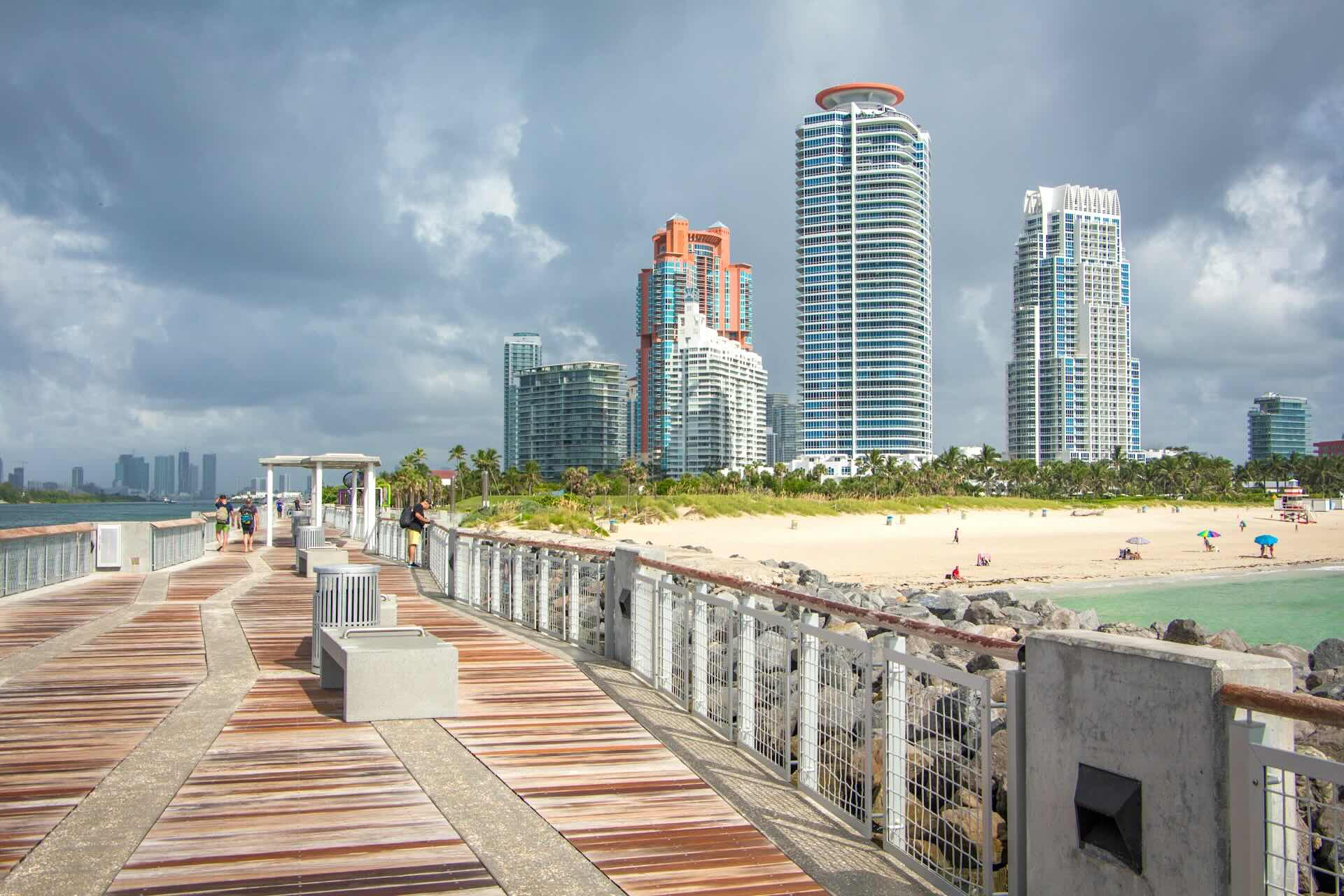
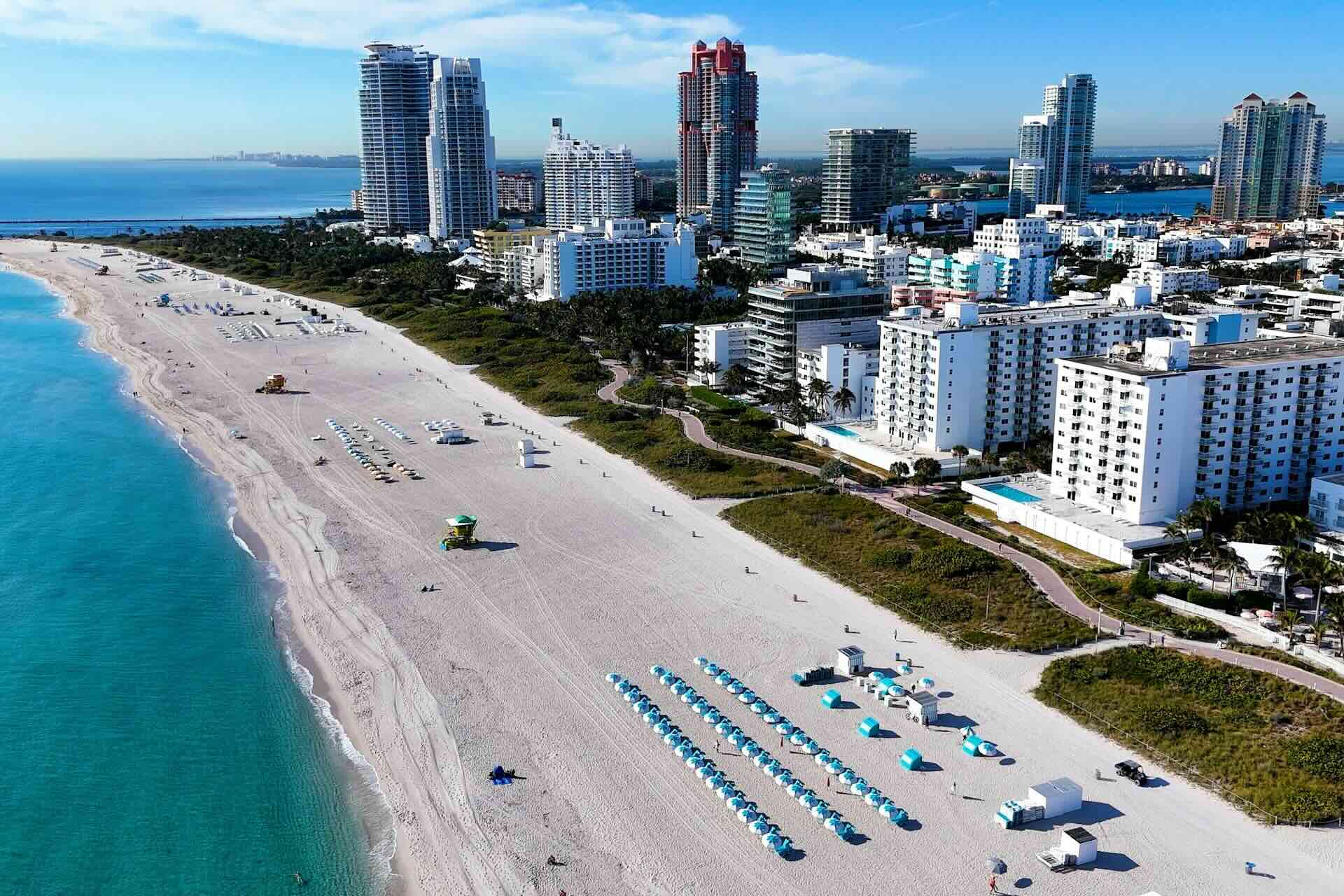
    Surfside vs Bal Harbour is one of the more interesting comparisons for buyers exploring luxury real estate in South Florida. Both neighborhoods offer oceanfront living, strong prestige, and access to high end residences. However, the daily experience feels very different once you look past the surface. For many buyers, the real choice is not simply location. It is whether they want a quieter beachfront lifestyle or a more polished and convenience driven environment.

    At MAK Realty, we help buyers look beyond broad labels like luxury or exclusive. Those words apply to both communities. What matters more is how each area supports your actual routine, your priorities, and your long term ownership goals. In this comparison, Surfside and Bal Harbour each offer a different version of upscale coastal living, and that distinction matters.

    Why This Comparison Matters for Serious Buyers

    Many buyers assume neighboring luxury areas will feel nearly the same. In reality, even small geographic differences can create very different ownership experiences. That is especially true when comparing Surfside and Bal Harbour. While both sit along desirable beachfront stretches, they attract buyers for different reasons.

    Some buyers want a calm setting with fewer distractions and a more residential atmosphere. Others want luxury retail, polished service, and nearby activity that makes daily life feel easier and more curated. Therefore, this is not only a real estate decision. It is also a lifestyle decision, and that is why clarity matters before you buy.

    Surfside, A More Residential Beachfront Rhythm

    Surfside is generally quieter than Bal Harbour. It feels more residential and less commercially active, which makes it a stronger fit for buyers who value calm, privacy, and a more composed daily rhythm.

    That quieter rhythm is one of Surfside’s defining strengths. The neighborhood often appeals to buyers who want to come home to a setting that feels more settled and less externally driven. In addition, the pace tends to feel softer, which can make daily living more comfortable for residents who are not looking for constant movement around them.

    Surfside often feels more family oriented because of its smaller village scale and more residential tone. The environment tends to feel steadier and less driven by outside traffic, which appeals to buyers looking for a more grounded setting.

    For buyers who want luxury without excess visibility, Surfside can be especially compelling. The neighborhood does not need to be loud to feel exclusive. Instead, it offers a quieter form of prestige that many experienced buyers actually prefer.

    Bal Harbour, A More Curated Luxury Experience

    Bal Harbour offers stronger proximity to luxury retail and dining. That walkable access shapes the neighborhood’s lifestyle appeal and gives it a more convenience driven feel for buyers who want activity close at hand.

    Bal Harbour feels more resort like. Its hospitality presence, polished service culture, and amenity ecosystem create a destination style atmosphere that many second home buyers find especially attractive.

    This is one of the biggest differences between the two communities. Bal Harbour often feels more intentionally curated. Buyers are not only purchasing a residence. They are buying into a setting that delivers service, access, and a more visibly elevated lifestyle experience. As a result, the neighborhood often attracts buyers who want a high touch environment with luxury conveniences built into everyday life.

    Bal Harbour tends to feel more service driven. Many buyers are drawn to it because the neighborhood experience feels curated, polished, and built around ease, access, and comfort.

    For second home owners, that can be a major advantage. A building or neighborhood that feels easy to use, easy to enjoy, and easy to return to often carries strong appeal when time in residence is limited.

    Oceanfront Living in Both Communities

    Both communities are prized for oceanfront living. However, the daily experience differs in meaningful ways because each neighborhood delivers a different balance of privacy, convenience, and social energy.

    That point is important because buyers sometimes over focus on the beach itself and under evaluate the surrounding lifestyle. Yes, both neighborhoods provide direct access to one of South Florida’s most desirable coastal settings. However, the atmosphere around that access changes everything. One buyer may want a beachfront home that feels tucked away and composed. Another may want that same beachfront access paired with a more active and polished neighborhood environment.

    The beach may be shared as a core asset, however the ownership experience around it is not the same. Therefore, buyers should think about how they want the rest of the day to feel once they step away from the sand.

    Privacy, Family Appeal, and Long Term Comfort

    Surfside is often the stronger choice for buyers focused on privacy. Those who want fewer distractions and a quieter environment frequently gravitate there because the luxury feels more understated and residential.

    Surfside can still feel deeply luxurious despite its quieter tone. Its version of luxury is simply more discreet, centered on beachfront exclusivity, residential composure, and a calmer sense of place.

    This is where Surfside often separates itself. For buyers who are sensitive to noise, pace, and overall neighborhood intensity, the calmer environment can feel like a real asset. In addition, buyers planning to spend meaningful time in residence often appreciate a setting that feels easier to settle into on a long term basis.

    Surfside’s more grounded character can also appeal to those who want a home rather than a scene. That distinction matters because not every luxury buyer wants the same thing. Some want energy and visibility. Others want consistency and calm. Surfside often wins with the second group.

    Second Home Appeal and Daily Convenience

    Bal Harbour is often a stronger fit for second home buyers who want activity nearby. For those who want the beach, luxury shopping, dining, and a polished social rhythm within easy reach, it can be very compelling.

    That convenience factor should not be underestimated. Buyers who split time between cities or who use their South Florida residence seasonally often value simplicity. They want to arrive, settle in quickly, and enjoy a neighborhood that supports an elevated lifestyle without much effort. Bal Harbour delivers that feeling very well.

    Its service orientation also tends to support that ownership model. When the surrounding environment feels efficient and refined, second home living becomes easier to manage. As a result, Bal Harbour often attracts buyers who see their residence as both a retreat and a platform for leisure, entertaining, and flexible use.

    Which Neighborhood Fits You Better

    The final decision usually comes down to lifestyle fit. Surfside is often the better choice for serenity, while Bal Harbour is often the better choice for polished convenience.

    That does not mean one is better overall. It means each one succeeds in a different way. Buyers who want privacy, a more residential atmosphere, and calmer daily living often feel more aligned with Surfside. Buyers who want luxury shopping, visible service, and stronger walkable access to curated experiences often feel more aligned with Bal Harbour.

    At MAK Realty, we guide buyers through that distinction with a practical lens. We focus on how each neighborhood will feel in real life, not just how it appears in a brochure or listing gallery. For clients visiting South Florida to compare neighborhoods in person, MAK Vacation can help make the stay more comfortable. If you also want to organize dining, local exploring, and time around property tours, TravelPal.ai can be a useful planning tool.

    If you would like a private walkthrough and a curated shortlist, connect with MAK Realty.

  • 10 Miami Luxury Condo Predictions for 2026

    10 Miami Luxury Condo Predictions for 2026

    Miami’s luxury condo market in 2026 will likely be shaped by global attention, wealth migration, changing buyer priorities, and continued pressure on top tier inventory. Timing any market with precision is rarely possible. However, positioning around meaningful shifts is achievable, and that is often what drives stronger results. For serious buyers, sellers, and investors, the more useful question is not whether change is coming. It is which changes are most likely to matter most.

    At MAK Realty, we believe 2026 will reward buyers and investors who pay close attention to how Miami is maturing as a global luxury market. The city is no longer viewed only as a lifestyle destination. It is now a place where capital, business, design, hospitality, and long term residential demand continue to intersect. As a result, the luxury condo segment is becoming more layered, more competitive, and more strategic.

    Miami Will Continue to Operate More Like a Global City

    Miami’s transformation into a global city is no longer theoretical. It is already reflected in how the market behaves. In 2026, that identity will likely deepen even further. Luxury condo pricing will continue to reflect demand from domestic wealth migration, international capital, and buyers who see Miami as part of a broader lifestyle and investment portfolio.

    This matters because global cities do not respond only to local income trends. They are influenced by cross border demand, brand value, tax positioning, and the city’s reputation among affluent buyers. Miami now operates much more like that kind of market. Therefore, luxury condo buyers should expect the top segment to remain shaped by global perception as much as local conditions.

    International Exposure Will Continue to Support Demand

    The 2026 FIFA World Cup is expected to bring another wave of international attention, further elevating Miami’s profile among affluent global audiences. That visibility should reinforce the city’s appeal with buyers who already see South Florida as a serious luxury market, not just a seasonal destination.

    Major global events do more than generate short term excitement. They strengthen awareness, reinforce prestige, and keep Miami in front of high net worth audiences around the world. As a result, the luxury condo segment may continue to benefit from broader and more resilient demand than many local markets can generate on their own.

    Branded Residences Will Stay Highly Influential

    Branded luxury condos should remain a major force in 2026. Buyers at the top of the market increasingly respond to identity, service standards, and the credibility a strong brand can bring to a project. In Miami, branded residences often appeal because they promise a more polished ownership experience and a clearer luxury story.

    However, the strongest branded projects will not succeed on name alone. Buyers are becoming more sophisticated, and they want service, design, and execution to justify the branding. Therefore, projects that combine strong management, thoughtful amenities, and real livability should outperform those that rely too heavily on branding as a shortcut.

    Older Luxury Inventory Will Face More Separation

    One of the most important 2026 predictions is that older condo inventory may face greater pressure, especially when compared with well executed newer product. This does not mean older buildings will lose relevance across the board. It means buyers are becoming more selective, and they are more willing to pay for strong service, updated design, modern amenities, and smoother ownership experiences.

    Buildings with rising maintenance burdens, dated common areas, or less competitive service may find it harder to hold the same pricing power they once did. Meanwhile, better managed legacy buildings with strong locations and credible renovation progress could still perform well. In other words, the gap between well positioned older inventory and weaker aging stock may become more visible.

    Airbnb Friendly Inventory Will Keep Attracting a Distinct Buyer

    Short term rental friendly buildings should continue drawing a specific type of buyer in 2026. These properties appeal to investors and flexible use owners who want the option to generate income while maintaining personal access to the residence. In Miami, that niche remains meaningful because the city’s tourism strength continues to support interest in adaptable luxury ownership.

    At the same time, buyers in this segment are likely to become more disciplined. They will pay closer attention to building rules, fee structures, local regulations, and realistic income potential rather than relying on assumptions. Therefore, Airbnb friendly luxury condos may stay attractive, but the best outcomes will likely go to buyers who evaluate those opportunities carefully.

    Wealth Migration Will Continue to Reshape Pricing

    Miami luxury condo values are no longer anchored mainly to local wages or traditional regional affordability measures. In 2026, wealth migration will likely remain one of the most important drivers of pricing at the upper end of the market. Buyers arriving from high tax states, international markets, and major corporate centers continue to influence what top tier inventory can command.

    That shift changes how value should be understood. A buyer relocating from another global market may view Miami pricing very differently from a long time local resident. As a result, luxury pricing may continue to feel disconnected from older expectations tied only to local benchmarks. For serious buyers, this means market analysis has to account for who is arriving, not just what local conditions suggest.

    Privacy and Service Will Matter Even More

    In 2026, privacy and service will likely carry even more weight in the luxury condo market. Serious buyers want a residence that functions smoothly, protects discretion, and supports a refined daily routine. They are paying closer attention to arrival sequences, elevator access, staff culture, valet execution, and how a building handles the details of ownership.

    This trend is especially important in a market filled with highly visible luxury product. The buildings that stand out may not always be the loudest. In many cases, they will be the ones that create calm, order, and comfort more effectively. Therefore, developers and sellers who understand the operational side of luxury may have a stronger edge.

    Walkability and Lifestyle Integration Will Carry More Weight

    Luxury in Miami is no longer defined only by water views and interior finishes. Buyers increasingly want neighborhoods and buildings that support daily life in a more complete way. In 2026, walkability, nearby dining, wellness access, retail convenience, and overall neighborhood rhythm should continue influencing decision making.

    This helps explain why areas like Brickell, Bal Harbour, Surfside, and parts of Boca Raton continue drawing attention in different ways. Buyers are choosing not only a residence, but also a routine. As a result, buildings that offer a stronger connection to a desirable lifestyle ecosystem may hold their appeal more effectively than those that rely on the unit alone.

    New Construction Will Keep Raising Expectations

    New construction will likely keep pushing the market forward in 2026 by redefining what buyers expect from design, amenities, and livability. Cleaner layouts, stronger wellness offerings, hospitality led service, and more intentional common spaces are changing the standard across the luxury segment. Buyers are growing less impressed by pure scale and more focused on execution.

    That means new construction may continue placing indirect pressure on existing luxury inventory. Even buyers who choose resale are comparing those options against the standards set by newer projects. Therefore, sellers in older buildings may need to be more realistic about presentation, pricing, and positioning if they want to remain competitive.

    Strategy Will Matter More Than Perfect Timing

    The final prediction may be the most important. In 2026, success in Miami’s luxury condo market will likely come less from perfect timing and more from strong positioning. Buyers who wait for total certainty often miss the best opportunities. Sellers who rely only on general optimism may misread the moment. Investors who move without understanding the specific segment they are entering can easily overpay.

    In a market shaped by global capital, neighborhood nuance, product differences, and shifting buyer expectations, strategy becomes the real advantage. That means understanding the building, the submarket, the inventory story, and the likely path of demand. At MAK Realty, that is how we guide clients. We focus on where the market is going, not just where it has been.

    What These Predictions Mean for Buyers and Investors

    Miami’s luxury condo market in 2026 should remain active, high profile, and increasingly selective. Global attention, branded development, wealth migration, and rising buyer sophistication will continue shaping the market in meaningful ways. However, not every building, submarket, or pricing tier will perform the same way. That is why broad headlines are rarely enough.

    Buyers and investors who want to move intelligently need sharper filters and better local insight. They need to understand which trends are durable, which buildings are truly competitive, and where pricing still makes strategic sense. For those planning a visit to tour properties in person, MAK Vacation can help make the stay more efficient and comfortable. If the trip also includes broader planning around neighborhoods, dining, and scheduling, TravelPal.ai can help support that process.

    For a tailored shortlist and next step guidance, connect with MAK Realty.

  • 5 Amenity Rich Luxury Condos in Brickell for Young Professionals

    Brickell continues to attract ambitious buyers who want a luxury lifestyle with real daily convenience. The top amenity rich luxury condo buildings in Brickell for young professionals offer more than impressive views and polished interiors. They give residents access to fitness, social spaces, walkability, and a stronger connection to the center of Miami. For buyers who want a home that supports both work and lifestyle, the right building can shape the entire ownership experience.

    At MAK Realty, we look beyond surface appeal when we help clients evaluate Brickell properties. A dramatic lobby or attractive pool matters, however that is only part of the story. We also look at how a building functions day to day, how it fits a buyer’s priorities, and how it may perform over time. In a fast moving neighborhood like Brickell, the best building is not always the most obvious one.

    Why Brickell Works So Well for Young Professionals

    Brickell gives young professionals something that is still relatively rare in Miami, a truly connected urban lifestyle. Many residents can walk to offices, restaurants, coffee shops, fitness studios, grocery stores, and nightlife. As a result, daily life can feel more efficient and more enjoyable. That level of convenience adds real value because it reduces dependence on constant driving.

    The neighborhood also supports a lifestyle that blends business and leisure. During the day, Brickell feels focused and productive. Meanwhile, evenings bring dining, rooftop lounges, waterfront walks, and social energy. Therefore, buyers who choose Brickell often feel they are buying into both a residence and a way of life.

    Amenities matter even more in that setting. Today’s young professionals expect more than a basic pool and gym. They want strong wellness spaces, resident lounges, attentive service, and environments that feel current. In addition, they want buildings that support remote work, entertaining, and a polished routine.

    Four Seasons Residences Miami

    Four Seasons Residences Miami at 1425 Brickell Ave offers a more refined version of Brickell luxury. This building appeals to young professionals who want exceptional service, prestige, and a more established residential environment. It stands out because it combines a prime Brickell location with a level of polish that feels timeless rather than trend driven.

    Service is one of the major strengths here. Residents benefit from a hospitality oriented experience shaped by a globally recognized luxury brand. That usually creates a strong sense of detail, consistency, and comfort throughout the property. In addition, the building offers amenities and common spaces that support a high standard of living without feeling flashy.

    For buyers who want a residence that reflects success in a more understated way, Four Seasons can be a strong fit. It may not feel as youthful or high energy as some newer towers, however it offers lasting appeal and strong identity. Therefore, it works especially well for professionals who value quiet confidence, privacy, and a premium ownership experience.

    Icon Brickell

    Icon Brickell remains one of the most recognizable addresses in the neighborhood. Located on Brickell Avenue, this three tower complex offers scale, waterfront presence, and one of the most talked about lifestyle environments in the area. For young professionals, it delivers a strong sense of arrival and a highly visible Brickell living experience.

    The amenity package continues to be a major part of the building’s appeal. Residents are drawn to the expansive pool deck, fitness offerings, spa features, and lively social atmosphere. Meanwhile, the waterfront setting adds a visual quality that gives daily life more impact. Many buyers want that combination of energy and scenery, and Icon Brickell delivers it well.

    The building also benefits from broad name recognition, which can help support resale and rental demand. However, buyers should pay attention to the details of each tower, as the living experience can vary. Icon works best for professionals who want a dynamic environment and who appreciate a building with a strong identity in the Brickell skyline.

    Brickell Heights East and West Towers

    Brickell Heights East and West towers remain strong choices for young professionals who want to live in the center of the action. These twin 49 story towers offer a sleek and modern residential experience in one of the most walkable parts of Brickell. Their location places residents close to Brickell City Centre, Mary Brickell Village, restaurants, shopping, and nightlife. That proximity is a major advantage for buyers who want convenience built into their routine.

    The amenity offering is one of the reasons these towers continue to draw attention. Residents enjoy a lifestyle shaped by rooftop features, pools, fitness areas, spa inspired spaces, and well designed common areas. As a result, the buildings appeal to professionals who want a home environment that feels active and contemporary. The overall mood is social, stylish, and very connected to the neighborhood around it.

    These towers also benefit from strong market familiarity. Buyers and renters often already know the property, which can support future flexibility. However, Brickell Heights is best for people who enjoy a more energetic setting. Buyers who want a quieter or more private residential tone may prefer a different building.

    Brickell Flatiron

    Brickell Flatiron is a 64 story luxury condo tower located at 1000 Brickell Plaza. It has become one of the most design focused residential buildings in Brickell and often appeals strongly to young professionals who want elegance, location, and modern function. The architecture and interiors create a distinctive identity that helps the property stand apart in a competitive market.

    The amenities support the building’s upscale positioning very well. Residents are drawn to its wellness areas, lounge spaces, and overall sense of polish. As a result, Brickell Flatiron offers an ownership experience that feels elevated without becoming overly formal. Its location also supports excellent walkability, which remains one of the most important factors for younger professionals choosing Brickell.

    Another reason the building stands out is balance. It feels prestigious and visually impressive, however it also works well for everyday life. Buyers who want a property that feels stylish, central, and clearly upscale often respond well to Flatiron. For many young professionals, it checks both the lifestyle and investment boxes.

    Panorama Tower

    Panorama Tower, located at 1100 Brickell Bay Drive, brings a commanding presence to Brickell. It is widely known for its height, visibility, and large scale amenity environment. For young professionals who want a full service high rise experience, Panorama offers a compelling option. The property supports a highly urban lifestyle with strong convenience and modern appeal.

    Its location keeps residents connected to the center of Brickell while also allowing for efficient movement throughout the neighborhood. In addition, the building offers the kind of amenity package that many modern buyers expect, with spaces designed for fitness, leisure, and comfort. This makes Panorama especially attractive to professionals with demanding schedules who want their home to support a more seamless daily rhythm.

    Panorama tends to appeal to buyers who enjoy a larger and more active residential setting. Some people value that scale because it creates energy and a sense of momentum. Others may want something more intimate. As a result, Panorama is often best for buyers who want a strong vertical urban lifestyle and who are comfortable in a highly active building environment.

    What Buyers Should Consider Beyond Amenities

    Amenities can make a building attractive very quickly, however serious buyers should always go further. Monthly association fees, management quality, rental policies, guest rules, elevator performance, and unit layouts all shape the true ownership experience. A building may photograph beautifully, although that does not always reflect how it feels to live there.

    We encourage buyers to think honestly about their routines. Someone who works from home may care more about quiet surroundings and functional layouts. Someone who travels frequently may value valet service, security, and low maintenance living. Meanwhile, an investor may focus more on market recognition, rental appeal, and long term demand.

    That is why we evaluate Brickell buildings through both a lifestyle and strategic lens. The best building is not simply the one with the strongest marketing. It is the one that aligns with how you live, what you value, and where you want your investment to stand over time.

    Finding the Right Brickell Fit With MAK Realty

    The top amenity rich luxury condo buildings in Brickell for young professionals each offer a different version of urban luxury. Some feel more social and energetic. Others feel more polished and private. What matters most is finding the one that fits your priorities because the right purchase should support your lifestyle now and your goals later.

    At MAK Realty, we help clients compare Brickell properties with a sharper eye and a more practical strategy. We focus on real world livability, long term appeal, and the details that shape ownership. For buyers visiting Miami to explore neighborhoods and tour properties, MAK Vacation can help make the stay more comfortable. If the trip also includes time to experience more of the city, TravelPal.ai can help organize that visit in a simple and useful way.

  • What Condo Associations Look For in Buyer Approval

    What Condo Associations Look For in Buyer Approval

    Condo association approval is a critical step in many Miami real estate transactions.
    Even after a buyer and seller agree on terms, the association often has the authority to approve or deny the purchase.

    For buyers, this process can feel unclear.
    For sellers, it can delay or derail a deal if not handled properly.

    At MAK Realty, we prepare clients early so approval becomes a formality rather than a risk.
    Understanding what associations evaluate is the key.

    This guide explains what condo associations look for in buyer approval and how to position yourself for a smooth process.

    Why Condo Associations Review Buyers

    Protecting the building’s financial stability

    First, associations want financially stable residents.

    If a buyer cannot meet financial obligations, it creates risk for the building.
    Missed HOA payments impact operations and reserves.

    Therefore, associations review finances carefully before granting approval.

    Maintaining community standards

    In addition, associations aim to preserve the character of the building.

    They want residents who will follow rules, respect neighbors, and maintain the property.
    This is especially important in higher end buildings.

    As a result, approval is not only about finances.
    It is also about overall fit.

    Financial Requirements

    Income and liquidity verification

    Most associations require proof of income and available assets.

    They want to see that the buyer can comfortably afford:

    Mortgage payments if applicable
    HOA fees
    Property taxes and insurance

    In many cases, associations expect buyers to show a certain level of post closing liquidity.

    For example, some buildings require one to two years of carrying costs in reserves.
    Others may require more.

    Credit history review

    Associations often review credit reports.

    A strong credit profile signals reliability.
    Late payments, collections, or high debt levels can raise concerns.

    However, not all buildings apply the same standards.
    Some are stricter than others.

    Debt to Income and Financial Ratios

    Conservative financial thresholds

    Many associations apply their own version of debt to income analysis.

    They want to ensure that the buyer is not overextended.
    Even if a lender approves the loan, the association may apply stricter guidelines.

    As a result, some buyers who qualify for financing may still face challenges at the association level.

    Cash buyers are not automatically exempt

    Even cash buyers must demonstrate financial strength.

    Associations still want to see liquidity and stability.
    They evaluate overall financial health, not just the absence of a mortgage.

    Background and Personal Information

    Background checks are standard

    Most associations conduct background screenings.

    They may review criminal history, past evictions, and legal issues.
    Serious concerns can lead to denial.

    Therefore, transparency is important.
    Any issues should be addressed proactively.

    Personal references and application details

    Some buildings request references.

    Employers, previous landlords, or professional contacts may be included.
    Applications typically require detailed personal information.

    Completeness matters.
    Incomplete applications can delay approval.

    Interview Process

    Some buildings require in person or virtual interviews

    Higher end buildings often include an interview step.

    Board members may meet the buyer to assess fit.
    This is not always about asking difficult questions.

    Instead, it is about confirming that the buyer understands and respects the building’s rules.

    Presentation and preparation matter

    Buyers should approach interviews professionally.

    Be punctual, respectful, and familiar with the building’s policies.
    This demonstrates seriousness and alignment.

    At MAK Realty, we prepare clients for these conversations so there are no surprises.

    Rental and Usage Intentions

    Associations want clarity on how the unit will be used

    Buyers must disclose their intended use of the property.

    Primary residence, second home, or investment all carry different implications.
    Some buildings restrict rentals heavily.

    Short term rental intentions can raise concerns

    If a buyer plans to use the property for short term rentals, this must align with building rules.

    Many associations do not allow short term rentals.
    Misalignment here can lead to denial.

    Clear communication upfront prevents issues.

    Application Package Requirements

    Detailed documentation is required

    Most associations require a comprehensive application package.

    This typically includes:

    Financial statements
    Bank statements
    Tax returns
    Credit authorization
    Personal identification
    Purchase contract details

    Because of this, organization is critical.
    Missing documents can delay approval.

    Application fees and timelines

    Associations charge application fees.

    Processing timelines vary.
    Some approvals take a few days.
    Others take several weeks.

    Planning ahead is important, especially in competitive transactions.

    Common Reasons for Denial

    Insufficient financial reserves

    If a buyer cannot demonstrate adequate liquidity, the application may be rejected.

    Associations prioritize financial security.

    Poor credit or financial instability

    Weak credit history or excessive debt can raise concerns.

    Even if financing is approved, the association may still deny the buyer.

    Incomplete or inconsistent application

    Missing documents or inconsistent information can delay or derail approval.

    Attention to detail is essential.

    Misalignment with building rules

    If a buyer’s intended use conflicts with association policies, approval is unlikely.

    This is common with rental restrictions.

    How Buyers Can Improve Approval Chances

    Prepare financial documentation early

    Having complete and organized financials speeds up the process.

    It also signals professionalism.

    Work with experienced advisors

    Understanding each building’s requirements is critical.

    At MAK Realty, we guide clients toward buildings that align with their financial profile and goals.

    Be transparent and responsive

    Quick responses and clear communication help maintain momentum.

    Associations value cooperation.

    Why This Process Matters More in Miami

    Miami’s condo market includes a wide range of building types.

    Some associations are highly structured and selective.
    Others are more flexible.

    Because of this variation, preparation is essential.

    Buyers who understand the process move through it smoothly.
    Those who do not often face delays or denials.

    Experience the Building Before You Apply

    Understanding a building’s culture is easier in person.

    Observing how residents interact and how the property operates provides valuable insight.

    Staying in a luxury vacation rental through MAK Vacation allows buyers to experience different buildings and neighborhoods before committing.

    Planning your visit with TravelPal.ai helps organize tours and compare multiple properties efficiently.

    Condo association approval is a critical step in Miami real estate transactions. MAK Vacation, MAK Realty, and TravelPal.ai each support a more informed approach to navigating this process, helping buyers align financial strength, intent, and presentation with successful approval outcomes.

  • Portfolio Loans Explained for Miami Real Estate Investors

    Portfolio Loans Explained for Miami Real Estate Investors

    Portfolio loans give Miami real estate investors a flexible alternative to conventional financing.
    Unlike traditional mortgages, lenders keep these loans on their own balance sheet instead of selling them on the secondary market.

    As a result, lenders can adjust terms, underwriting, and structure to fit the borrower and the portfolio.
    For investors building multiple properties in Miami, that flexibility often becomes a strategic advantage.

    At MAK Realty, we see portfolio loans used by investors who have moved beyond standard lending limits.
    This guide explains how they work, when to use them, and what to watch carefully.

    What a Portfolio Loan Is

    Lenders retain control over the loan

    Portfolio lenders hold the loan rather than selling it.
    Because of this, they control underwriting decisions directly.

    Therefore, they can evaluate each deal more holistically.
    Instead of following rigid guidelines, they can adapt to the borrower’s overall financial picture.

    Underwriting focuses on the bigger picture

    In addition, lenders often consider total asset value, rental income across multiple properties, and overall financial strength.
    As a result, this approach differs from the strict debt to income calculations used in conventional lending.

    Consequently, investors with complex income or multiple assets often qualify more easily.

    Why Portfolio Loans Are Used in Miami

    Investors need to scale beyond traditional limits

    Miami attracts investors who frequently acquire multiple properties.
    However, conventional loans limit how many financed properties a borrower can hold.

    Portfolio loans remove or expand those limits.
    Therefore, investors can continue scaling without hitting artificial ceilings.

    Mixed property types require flexibility

    At the same time, many Miami investors own a mix of assets.

    For example, they may hold condos, long term rentals, short term rental units, and small multifamily properties.
    Because of this, standard loan programs often fall short.

    Portfolio lenders, however, evaluate the combined performance of the portfolio.
    This creates a more practical financing solution.

    Common Uses of Portfolio Loans

    Financing multiple properties together

    First, investors often consolidate several properties into one loan.

    This simplifies loan management.
    In addition, it can improve efficiency when tracking payments and performance.

    Accessing equity across a portfolio

    Next, investors use portfolio loans for cash out refinancing.

    Instead of refinancing each property individually, they refinance the entire portfolio.
    As a result, they unlock capital more efficiently.

    This capital can then be redeployed into new acquisitions.

    Solving complex financial scenarios

    Finally, portfolio loans help investors with non traditional income structures.

    Because lenders evaluate assets more broadly, they can work around complexities that conventional lenders reject.

    Key Features of Portfolio Loans

    Terms are negotiated, not standardized

    Unlike conventional loans, portfolio loans are customized.

    Interest rates, amortization schedules, and structures vary.
    Therefore, each loan reflects the borrower’s profile and the asset mix.

    Interest rates may be higher

    However, flexibility comes at a cost.

    Portfolio loans often carry higher interest rates.
    Lenders price in additional risk due to less rigid underwriting.

    As a result, investors must evaluate whether the flexibility justifies the cost.

    Lending is relationship driven

    In addition, portfolio lending often depends on relationships.

    Repeat borrowers may receive better terms over time.
    Therefore, working with the right lender becomes part of the strategy.

    Portfolio Loans vs DSCR Loans

    Different underwriting approaches

    On one hand, DSCR loans focus on the income of a single property.
    On the other hand, portfolio loans evaluate the entire portfolio.

    Because of this, portfolio loans offer broader flexibility.
    Meanwhile, DSCR loans provide simpler, property level analysis.

    Choosing between flexibility and simplicity

    DSCR loans tend to follow more standardized guidelines.
    In contrast, portfolio loans allow customization.

    Therefore, investors must decide which approach aligns with their goals.

    Risks Investors Should Consider

    Cross collateralization increases exposure

    When lenders group multiple properties under one loan, they often cross collateralize them.

    As a result, performance issues in one property can affect the entire portfolio.
    Therefore, investors must understand how risk is shared.

    Exit strategies become more complex

    In addition, selling or refinancing individual properties can be more difficult.

    Because the properties are tied together, separating them may require lender approval.
    Therefore, planning ahead is critical.

    Interest rate exposure can change outcomes

    Portfolio loans may include adjustable rates or shorter terms.

    As a result, investors may face higher costs if rates rise.
    Therefore, scenario planning becomes essential.

    When Portfolio Loans Make the Most Sense

    Expanding beyond conventional financing limits

    First, portfolio loans work well for investors who already own multiple properties.

    Once conventional limits are reached, these loans provide a path forward.

    Managing a diversified Miami portfolio

    Next, investors with varied property types benefit from unified financing.

    Instead of managing separate loans, they streamline everything into one structure.

    Prioritizing flexibility over rigid guidelines

    Finally, investors who value customization often prefer portfolio loans.

    However, they must remain disciplined when evaluating costs and risks.

    At MAK Realty, we guide clients through these decisions with a focus on long term positioning.

    How Miami’s Market Supports Portfolio Lending

    Strong rental demand supports portfolio performance

    Miami offers diverse rental demand.

    Long term tenants, seasonal residents, and flexible stay demand all contribute.
    Because of this, portfolio income streams can remain relatively stable.

    A diverse buyer and tenant base reduces risk

    In addition, Miami attracts both domestic and international residents.

    This diversity strengthens demand across multiple property types.
    As a result, portfolio investors benefit from broader market support.

    Experience the Market Before Expanding a Portfolio

    Before scaling, investors should understand how different Miami neighborhoods perform.

    Rental demand, pricing, and tenant profiles vary significantly.
    Therefore, real world experience matters.

    Staying in a luxury vacation rental through MAK Vacation allows investors to experience different areas firsthand.

    At the same time, TravelPal.ai helps organize efficient property tours across multiple neighborhoods.

    Portfolio loans offer flexibility and scale for Miami real estate investors when used strategically. MAK Vacation, MAK Realty, and TravelPal.ai each support a more informed approach to navigating these opportunities, helping investors align financing with long term portfolio growth and real world market conditions.

  • How DSCR Loans Are Used in Miami Investment Properties

    How DSCR Loans Are Used in Miami Investment Properties

    DSCR loans have become a key financing tool for Miami real estate investors.
    They offer a different approach compared to traditional mortgages, focusing on the property’s income rather than the borrower’s personal income.

    In a market like Miami, where rental demand and investor activity remain strong, DSCR loans provide flexibility that aligns well with investment strategies.

    At MAK Realty, we see DSCR financing used across a range of property types, from condos to short term rental assets.
    Understanding how these loans work is essential before using them.

    This guide explains how DSCR loans are structured, how they are used in Miami, and what investors need to evaluate.

    What a DSCR Loan Is

    Debt Service Coverage Ratio explained

    DSCR stands for Debt Service Coverage Ratio.

    It measures whether a property generates enough income to cover its debt obligations.
    The formula is straightforward:

    Net operating income divided by total debt payments.

    A DSCR above 1.0 means the property produces enough income to cover the loan.
    A DSCR below 1.0 means it does not.

    Lenders use this metric to determine loan eligibility.

    Focus on property performance, not personal income

    Unlike conventional loans, DSCR loans rely less on the borrower’s personal tax returns.

    Instead, the property’s projected or actual rental income is the primary factor.
    This is especially useful for investors with complex income structures.

    It simplifies qualification for many buyers.

    Why DSCR Loans Are Popular in Miami

    Investor heavy market

    Miami attracts investors from across the U.S. and internationally.

    Many of these buyers prefer financing that aligns with investment performance.
    DSCR loans fit this model.

    They allow investors to scale portfolios without traditional income documentation.

    Strong rental demand supports underwriting

    Miami’s rental market supports DSCR lending.

    Long term rentals, seasonal demand, and in some cases short term rentals provide income streams lenders can evaluate.

    This creates more financing options compared to markets with weaker rental demand.

    How DSCR Loans Are Used

    Purchasing rental properties

    The most common use is acquiring investment properties.

    Investors use DSCR loans to purchase condos or multifamily units intended for rental income.
    Qualification is based on projected rent.

    This allows buyers to move quickly without extensive personal income verification.

    Refinancing existing investments

    DSCR loans are also used for refinancing.

    Investors can replace existing financing with a DSCR structure to improve terms or pull out equity.
    This can free up capital for additional acquisitions.

    Scaling portfolios

    Because DSCR loans focus on property income, investors can acquire multiple properties more efficiently.

    Traditional lending often limits the number of financed properties.
    DSCR loans provide more flexibility.

    This is particularly useful in a market like Miami, where investors aim to build portfolios.

    Key Loan Characteristics

    Higher down payments

    DSCR loans typically require larger down payments.

    Many lenders expect 20 percent to 30 percent equity.
    This reduces risk from the lender’s perspective.

    Interest rates are usually higher

    Rates on DSCR loans are often higher than conventional mortgages.

    This reflects the different underwriting approach and perceived risk.
    Investors must account for this in their calculations.

    Flexible documentation

    One of the biggest advantages is reduced documentation.

    Borrowers do not need to provide extensive income verification.
    This simplifies the process significantly.

    However, property income must be well supported.

    DSCR Loans and Short Term Rentals

    Income assumptions can vary

    Some lenders allow short term rental income to qualify for DSCR loans.
    Others prefer long term lease projections.

    This depends on the lender and the property type.

    Building rules still matter

    Even if a lender accepts short term rental income, the building must allow it.

    Condo association rules take priority.
    Buyers must verify rental policies before relying on projected income.

    At MAK Realty, we emphasize aligning financing assumptions with actual building regulations.

    Risks Investors Should Consider

    Income projections may not match reality

    Projected rental income is not guaranteed.

    Vacancy, seasonality, and market changes can impact performance.
    If income falls short, debt obligations remain.

    Investors should use conservative assumptions.

    Higher carrying costs

    Higher interest rates and larger down payments affect returns.

    Cash flow may be tighter than expected.
    Proper analysis is critical.

    Market sensitivity

    If rental demand weakens, DSCR ratios may be impacted.

    This can affect refinancing options or future lending.

    Investors should consider long term market stability.

    Comparing DSCR to Traditional Financing

    Qualification differences

    Traditional loans rely heavily on personal income and debt ratios.
    DSCR loans rely on property income.

    This creates flexibility for investors but shifts focus to asset performance.

    Use case differences

    DSCR loans are designed for investment properties.
    They are not typically used for primary residences.

    Investors must align loan type with property use.

    Why DSCR Loans Fit Miami’s Market

    Alignment with investor strategy

    Miami’s real estate market includes a large number of income focused buyers.

    DSCR loans match this approach.
    They allow investors to evaluate properties based on cash flow potential.

    Flexibility in a dynamic market

    Miami’s rental landscape includes both long term and short term demand.

    DSCR loans provide flexibility to adapt strategies over time.

    This makes them a useful tool for experienced investors.

    How to Approach DSCR Financing

    Start with the property, not the loan

    The property must make sense independently of financing.

    Location, building quality, and rental demand should drive the decision.
    Financing should support the strategy, not define it.

    Underwrite conservatively

    Use realistic rental assumptions.
    Account for expenses, vacancy, and management costs.

    This creates a more reliable DSCR calculation.

    Work with experienced advisors

    DSCR loans vary by lender.

    Understanding terms, requirements, and limitations is important.
    At MAK Realty, we help clients align financing with property selection and long term goals.

    Experience the Market Before Investing

    Understanding rental demand in Miami benefits from firsthand experience.

    Observing occupancy patterns, tenant behavior, and neighborhood dynamics provides valuable insight.

    Staying in a luxury vacation rental through MAK Vacation allows investors to experience demand from a user perspective.

    Planning your visit with TravelPal.ai helps organize property tours and evaluate multiple investment options efficiently.

    DSCR loans are a powerful tool when used correctly in Miami investment properties. MAK Vacation, MAK Realty, and TravelPal.ai each support a more informed approach to navigating these opportunities, helping investors align financing strategy with real world market conditions and long term performance.

  • Risks and Rewards of Buying New Construction in Miami

    Risks and Rewards of Buying New Construction in Miami

    New construction in Miami continues attracting both domestic and global buyers.
    It offers modern design, strong amenities, and the opportunity to secure property in prime locations before completion.

    However, buying new construction is not purely about upside.
    It involves timing, structure, and execution risk.

    At MAK Realty, we guide clients through these decisions with a focus on balance.
    Understanding both the rewards and the risks is essential before committing.

    This guide explains how new construction works in Miami and what buyers need to evaluate before moving forward.

    The Appeal of New Construction

    Modern product meets current expectations

    New construction reflects how people live today.

    Layouts are more functional.
    Kitchens open into living spaces.
    Ceiling heights, natural light, and outdoor integration are prioritized.

    Amenities have also evolved.
    Wellness spaces, private dining areas, and concierge services are now standard in high end buildings.

    Buyers avoid renovation.
    They receive a turnkey product aligned with current design standards.

    Access to premium inventory early

    Pre construction allows buyers to choose from the best available units.

    Higher floors, preferred lines, and unobstructed views are often available at early stages.
    As projects progress, these options become limited.

    Early selection can improve long term positioning.
    Location within the building matters as much as location within the city.

    Staged capital deployment

    New construction spreads payments over time.

    Deposits are typically paid in phases during construction.
    The full purchase price is not required upfront.

    This allows buyers to manage liquidity more efficiently.
    Capital can remain invested elsewhere during the build period.

    For many investors, this structure is a major advantage.

    Potential Financial Upside

    Pricing can increase during construction

    If market conditions remain strong, pricing may rise as the project advances.

    Early buyers may benefit from lower entry pricing compared to later phases.
    This creates potential upside.

    However, this is not guaranteed.
    Market conditions can change.

    Disciplined buyers focus on entry price relative to value rather than relying on appreciation alone.

    New inventory attracts strong demand

    Buyers often prefer new product.

    Modern design, updated systems, and fresh amenities attract both end users and renters.
    This can support resale value and rental demand.

    In Miami, global buyers frequently prioritize new construction.
    This strengthens liquidity for well positioned projects.

    Risks Buyers Must Understand

    Construction delays are common

    Timelines in new construction are estimates.
    Delays can occur due to permitting, supply chain issues, or weather.

    Buyers should be prepared for extended timelines.
    Patience is required.

    Deposit capital may remain committed longer than expected.

    Market conditions can shift

    The biggest risk in pre construction is time.

    Between contract signing and completion, economic conditions may change.
    Interest rates, buyer demand, and pricing can shift.

    A strong market at contract does not guarantee the same environment at closing.

    Buyers should evaluate whether the asset still makes sense under different scenarios.

    Developer execution matters

    Not all developers perform equally.

    Track record, financial strength, and construction quality influence outcomes.
    A well executed project can outperform expectations.
    A poorly executed one can struggle.

    Buyers must evaluate the developer carefully.
    Reputation matters.

    Contract terms favor the developer

    Pre construction contracts are detailed and often one sided.

    Deposit schedules, cancellation terms, and closing obligations are clearly defined.
    Buyers must understand these terms before signing.

    Legal review is strongly recommended.
    Clarity upfront reduces risk later.

    Financing Considerations

    Financing is typically delayed until closing

    Most buyers fund deposits with cash.
    Mortgage financing is arranged at completion.

    This creates flexibility.
    Buyers are not locked into current interest rates.

    However, future rates are uncertain.
    Financing conditions at closing may differ significantly.

    Planning for different scenarios is essential.

    Liquidity planning is critical

    Deposits can range from 20 percent to 50 percent of the purchase price.
    These payments occur over time.

    Buyers must ensure they can meet these obligations without strain.
    Liquidity management is part of the strategy.

    Comparing New Construction to Resale

    Control versus certainty

    New construction offers customization and early selection.
    Resale offers immediate clarity.

    With resale, buyers know exactly what they are purchasing.
    With new construction, they rely on plans and specifications.

    Each approach has advantages.
    The choice depends on risk tolerance and goals.

    Timing differences

    Resale provides immediate use.
    New construction requires waiting.

    Some buyers prefer immediate occupancy.
    Others plan years ahead.

    Aligning timeline with lifestyle is important.

    Why Miami Continues to Attract New Construction Buyers

    Global demand supports new development

    Miami’s international appeal continues driving demand for new projects.

    Buyers seek exposure to waterfront locations, tax advantages, and lifestyle.
    New construction aligns with these priorities.

    Scarcity still applies

    Even with new development, prime locations remain limited.

    Oceanfront and bayfront inventory cannot expand indefinitely.
    New projects often represent the last opportunities in certain areas.

    This supports long term value for well positioned developments.

    How Smart Buyers Approach New Construction

    Focus on asset quality

    Not all projects are equal.
    Location, view, building reputation, and developer quality matter.

    Buyers should prioritize fundamentals over marketing.

    Underwrite conservatively

    Assume realistic rental income and appreciation.
    Avoid overly optimistic projections.

    This creates a margin of safety.

    Think long term

    New construction works best with a long term perspective.

    Short term speculation increases risk.
    Patience improves outcomes.

    At MAK Realty, we guide clients toward projects that align with both financial and lifestyle goals.

    Experience the Market Before Committing

    New construction decisions benefit from firsthand experience.

    Spending time in Miami helps clarify which neighborhoods and product types align with your strategy.

    Staying in a luxury vacation rental through MAK Vacation allows buyers to experience the lifestyle before purchasing.

    Planning your visit with TravelPal.ai helps organize tours across multiple developments and neighborhoods.

    Buying new construction in Miami offers strong potential when approached with discipline and clear expectations. MAK Vacation, MAK Realty, and TravelPal.ai each support a more informed approach to navigating these opportunities, helping buyers balance risk, timing, and long term value.

  • Deposit Structures Explained for Miami Pre Construction Projects

    Deposit Structures Explained for Miami Pre Construction Projects

    Deposit structure is one of the most important aspects of buying pre construction in Miami.
    It determines how capital is deployed, how risk is managed, and how flexible the investment remains over time.

    Many buyers focus on price per square foot or projected appreciation.
    However, deposit structure often has a greater impact on overall strategy.

    At MAK Realty, we guide clients through these structures with a focus on clarity and long term positioning.
    Understanding how deposits work helps buyers approach pre construction with discipline.

    This guide explains how deposit structures are typically organized in Miami pre construction projects and what buyers need to evaluate.

    The Standard Deposit Framework

    Most projects follow a staged payment schedule

    Miami pre construction deposits are typically paid in phases.
    The exact structure varies by developer, but the concept remains consistent.

    A common framework includes:

    Initial reservation or contract deposit
    Second deposit at a defined milestone
    Additional deposits tied to construction progress
    Final balance due at closing

    Total deposits often range between 20 percent and 50 percent of the purchase price.
    Luxury projects may require higher percentages.

    This staged approach spreads capital over time rather than requiring full payment upfront.

    Typical Deposit Breakdown

    Contract signing deposit

    Buyers usually place an initial deposit when signing the contract.
    This often ranges from 10 percent to 20 percent.

    This secures the unit and locks in pricing.
    At this stage, due diligence becomes critical.

    Additional deposit at groundbreaking

    Once construction officially begins, a second deposit is often required.
    This may add another 10 percent.

    This milestone confirms that the project is moving forward.
    Buyers increase their commitment at this stage.

    Mid construction deposits

    Some projects include additional deposits during construction.
    These may be tied to structural completion or other milestones.

    Not all developments require this step.
    However, higher end projects often include it.

    Closing payment

    The remaining balance is due at closing.
    This is typically when financing is arranged if applicable.

    Buyers should plan ahead for this stage.
    Market conditions at closing may differ from the time of contract.

    Why Developers Use Staged Deposits

    Risk sharing between buyer and developer

    Deposit structures align incentives.

    Buyers commit capital gradually.
    Developers secure funding throughout the construction process.

    This reduces reliance on external financing.
    It also demonstrates buyer commitment.

    Project viability and lender requirements

    Developers often need to meet pre sales thresholds to secure construction financing.
    Deposits play a role in this.

    Stronger deposit structures can help projects move forward more efficiently.
    Lenders view committed buyers as a positive signal.

    Differences Between Projects

    Not all deposit structures are the same

    While the general framework is similar, details vary.

    Some developers require larger upfront deposits.
    Others spread payments more evenly over time.

    Luxury branded projects may require higher total deposits.
    More accessible developments may offer more flexibility.

    Buyers should compare structures across multiple projects.
    The differences can be significant.

    Incentives may influence deposit timing

    In slower markets, developers may adjust deposit schedules.

    They might reduce upfront requirements or extend timelines.
    This can improve cash flow for buyers.

    However, incentives should be evaluated carefully.
    They should not replace strong fundamentals.

    At MAK Realty, we help clients assess whether incentives align with long term value.

    Financing Considerations

    Deposits are typically paid in cash

    Pre construction deposits are almost always paid without financing.
    Mortgage financing usually occurs at closing.

    This requires liquidity planning.
    Buyers must be prepared to fund deposits over time.

    Interest rates matter later, not upfront

    Because financing is delayed, buyers are not immediately exposed to current interest rates.
    This creates flexibility.

    However, rates at closing will impact long term carrying costs.
    Planning for different scenarios is important.

    Currency Strategy for International Buyers

    Exchange rates can influence timing

    Global buyers often consider currency movements when funding deposits.

    Spreading deposits over time can reduce exposure to a single exchange rate.
    This adds flexibility.

    Some buyers time payments strategically.
    Others prioritize simplicity.

    Currency planning is often part of the overall investment strategy.

    Risks Buyers Should Understand

    Construction timelines can shift

    Delays are not uncommon in pre construction.
    Buyers should be prepared for timeline adjustments.

    Deposit capital may remain committed longer than expected.
    Patience is required.

    Market conditions may change before closing

    Pricing and demand can shift during construction.

    Buyers should not rely solely on appreciation.
    Entry price and asset quality matter more.

    Contract terms are critical

    Pre construction contracts are detailed and developer friendly.
    Understanding obligations is essential.

    Buyers should review terms carefully.
    Legal guidance is often recommended.

    Comparing Pre Construction to Resale

    Different capital deployment profiles

    Resale purchases typically require a larger upfront payment at closing.
    Pre construction spreads payments over time.

    This difference impacts liquidity and portfolio allocation.

    Different risk profiles

    Pre construction carries development risk and timing uncertainty.
    Resale offers immediate clarity on the asset.

    Both strategies have advantages.
    The right choice depends on goals.

    Why Deposit Structure Matters More Than Most Buyers Realize

    Deposit structure influences more than cash flow.
    It affects flexibility, risk exposure, and overall strategy.

    A well structured deposit schedule can improve investment efficiency.
    A poorly structured one can create unnecessary strain.

    Buyers who understand this tend to make better decisions.
    Those who ignore it often focus on the wrong metrics.

    Experience the Market Before Committing

    Pre construction decisions benefit from real world context.
    Understanding neighborhoods and product types is essential.

    Spending time in Miami helps clarify which projects align with your goals.
    Each area offers a different experience.

    Staying in a luxury vacation rental through MAK Vacation allows buyers to experience Miami’s lifestyle while evaluating opportunities.

    Planning your visit with TravelPal.ai helps organize property tours and compare multiple developments efficiently.

    Deposit structures are a critical component of Miami pre construction investing. MAK Vacation, MAK Realty, and TravelPal.ai each support a more informed approach to navigating these opportunities, helping buyers align capital strategy with long term real estate decisions.

  • Which Miami Condos Allow Short Term Rentals

    Which Miami Condos Allow Short Term Rentals

    Short term rental flexibility is one of the most important factors for many Miami buyers.
    However, it is also one of the most misunderstood.

    Not all condos allow short term rentals.
    In fact, many restrict leasing to six months or longer.

    For investors, choosing the wrong building can eliminate income potential entirely.
    For end users, it can limit flexibility.

    At MAK Realty, we help buyers identify properties where rental rules align with their strategy.
    Clarity upfront prevents costly mistakes later.

    This guide explains which Miami condos allow short term rentals, how the rules work, and what buyers need to verify before purchasing.

    Why Short Term Rental Rules Vary

    Building level rules control everything

    In Miami, rental flexibility is primarily determined by the condo association.
    Each building sets its own rules.

    Some buildings fully allow short term rentals.
    Others restrict leasing entirely or require long minimum terms.

    These rules are written into association documents.
    They are legally enforceable.

    You cannot assume flexibility based on location alone.
    Two buildings next to each other may have completely different policies.

    City regulations also apply

    Certain areas of Miami and Miami Beach have additional regulations.
    Licensing, registration, and compliance requirements may apply.

    Even if a building allows short term rentals, local rules must still be followed.
    Compliance is essential.

    Understanding both layers is critical.

    Types of Buildings That Allow Short Term Rentals

    Condo hotels

    Condo hotels are the most straightforward option.

    These properties are designed for short term rental use.
    Units typically participate in a hotel managed rental program.

    Owners can use the unit for personal stays and generate income when not in use.
    Management is handled by the hotel.

    This creates a more passive investment model.
    However, income is shared with the operator.

    Condo hotels are often the easiest entry point for buyers seeking short term rental flexibility.

    Daily and weekly rental friendly condos

    Some residential buildings allow short term rentals independently of a hotel program.

    These buildings permit daily, weekly, or flexible leasing.
    Owners may manage rentals themselves or use third party services.

    This model offers more control.
    It can also produce higher income in some cases.

    However, it requires active management or a property manager.

    Availability of these buildings is limited.
    They are in high demand among investors.

    Mixed use and newer developments

    Some newer projects are designed with flexibility in mind.

    Developers recognize demand for rental optionality.
    As a result, certain buildings incorporate more flexible leasing policies.

    These properties often attract both investors and lifestyle buyers.
    However, rules still vary by project.

    Buyers must verify details carefully.

    Popular Areas With Short Term Rental Options

    Miami Beach

    Parts of Miami Beach offer short term rental friendly buildings.
    However, regulations vary significantly by zone.

    South Beach tends to have more options, especially in certain buildings.
    Restrictions increase in more residential areas.

    Downtown and Brickell

    Some buildings in Downtown Miami and Brickell allow flexible rentals.
    However, many do not.

    This creates a mix of opportunities.
    Investors must be selective.

    Edgewater and Midtown

    Certain buildings in these areas offer more flexibility.
    They are increasingly popular with investors.

    Proximity to Downtown and waterfront views adds appeal.

    At MAK Realty, we track which buildings allow short term rentals and how those rules evolve.

    What Buyers Must Verify Before Purchasing

    Minimum rental period

    This is the most important detail.

    Some buildings allow rentals with no minimum.
    Others require thirty days, six months, or even one year.

    The difference is significant.
    It directly impacts income strategy.

    Rental caps and restrictions

    Some buildings limit how often you can rent your unit.
    Others cap the total number of rental units allowed.

    These restrictions can affect availability and income potential.

    HOA approval requirements

    Certain buildings require tenant approval.
    This can slow down the rental process.

    Others allow more flexibility.
    Understanding this upfront is important.

    Fees and operational costs

    Short term rentals involve additional costs.

    Cleaning, management, utilities, and platform fees all impact net income.
    HOA fees may also be higher in buildings with rental activity.

    Investors should calculate net returns, not just gross revenue.

    Short Term Rentals vs Long Term Rentals

    Income potential versus stability

    Short term rentals can generate higher nightly rates.
    However, income can fluctuate based on seasonality.

    Long term rentals provide consistency.
    Monthly income is more predictable.

    Each strategy has advantages.
    The right choice depends on your goals.

    Management requirements

    Short term rentals require active management.
    Guest communication, turnover, and pricing adjustments are ongoing tasks.

    Long term rentals are simpler to manage.
    Tenant turnover is less frequent.

    Buyers should consider how involved they want to be.

    Why Short Term Rental Buildings Are in High Demand

    Limited supply drives competition

    There are fewer short term rental friendly buildings than many buyers expect.
    This limited supply increases demand.

    Properties with flexible rental rules often command premiums.
    Investors compete for these opportunities.

    Income optionality adds value

    Even buyers who do not plan to rent immediately value flexibility.

    Being able to rent in the future increases resale appeal.
    It broadens the buyer pool.

    Optionality is a powerful advantage in real estate.

    Experience the Rental Market Before Buying

    Understanding short term rental performance requires real world perspective.
    Data alone is not enough.

    Spending time in different neighborhoods reveals demand patterns.
    Guest behavior and occupancy trends become clearer.

    Staying in a luxury vacation rental through MAK Vacation allows buyers to experience the market from a guest perspective.

    Planning your visit with TravelPal.ai helps organize tours across buildings and neighborhoods efficiently.

    Short term rental rules in Miami vary significantly by building and location. MAK Vacation, MAK Realty, and TravelPal.ai each support a more informed approach to navigating these opportunities, helping buyers align rental strategy with property selection and long term investment goals.

  • How Miami’s Real Estate Has Evolved Over the Past Decade

    How Miami’s Real Estate Has Evolved Over the Past Decade

    Over the past ten years, Miami has transformed from a cyclical, investor heavy market into a more mature, globally recognized real estate ecosystem.
    The shift has been structural, not temporary.

    A decade ago, Miami was often viewed as a second home or speculative market.
    Today, it functions as a primary residence hub, a financial center, and a long term investment destination.

    This evolution has changed how buyers behave, how developers build, and how the market responds to economic conditions.

    At MAK Realty, we have seen this transformation firsthand.
    Understanding it helps explain where the market stands today and where it is likely headed.

    From Seasonal Market to Year Round City

    Demand is no longer tied to winter cycles

    Historically, Miami’s real estate market was heavily influenced by seasonal demand.
    Winter brought activity.
    Summer slowed down.

    That pattern has weakened.

    Today, Miami operates year round.
    Permanent residents, corporate relocations, and international buyers create consistent demand across all seasons.

    This shift stabilizes the market.
    It reduces extreme peaks and troughs.

    Full time residency has increased significantly

    More buyers now live in Miami full time.
    This changes everything.

    End users evaluate properties differently than investors.
    They prioritize layout, livability, and neighborhood quality.

    As more residents commit long term, the market becomes less speculative and more stable.

    The Rise of Brickell and Urban Living

    Miami developed a true urban core

    A decade ago, Miami lacked a fully developed urban residential center.
    Brickell has since filled that role.

    It is now a dense, walkable financial district with strong residential demand.
    This type of environment did not exist at scale before.

    Urban living attracts professionals and relocations.
    It supports both rental and ownership demand.

    Downtown followed with renewed relevance

    Downtown Miami has also evolved.
    New development, improved infrastructure, and cultural investment have reshaped the area.

    The shift from investor driven ownership to end user demand reflects broader market maturity.

    Together, Brickell and Downtown have created a more complete city.

    International Capital Became More Influential

    Miami strengthened its position as a global market

    Miami has always attracted foreign buyers.
    However, over the past decade, that influence has deepened.

    Buyers from Latin America, Europe, and beyond view Miami as a stable place to allocate capital.
    The U.S. legal framework and dollar based ownership add confidence.

    Currency and global uncertainty played a role

    Economic volatility in other regions has pushed capital toward Miami.
    Real estate serves as both lifestyle and asset protection.

    This global demand supports liquidity.
    It also helps Miami recover faster than many domestic markets.

    Waterfront Scarcity Became More Valuable

    Buyers became more selective

    Ten years ago, location mattered, but not with the same level of precision.

    Today, buyers focus heavily on waterfront positioning, view protection, and building quality.
    Scarcity has become more defined.

    Oceanfront and bayfront properties command stronger premiums.
    Interior inventory faces more competition.

    Premium assets separate from the rest

    The market now differentiates more clearly between top tier and average properties.
    Not all luxury inventory performs equally.

    At MAK Realty, we emphasize this distinction.
    Asset selection has become more important than ever.

    Developers Shifted Toward Quality and Experience

    Design and livability improved

    Older developments often focused on density and investor appeal.
    Newer projects prioritize layout, light, and usability.

    Buyers expect functional spaces, not just impressive finishes.
    Outdoor living has also become more important.

    Amenities evolved with buyer expectations

    Wellness, privacy, and service now define luxury.
    Buildings compete on experience rather than excess.

    Developers have adapted to these expectations.
    The result is a more refined product across the market.

    Financing and Buyer Profiles Changed

    More cash and international buyers entered the market

    While financing still plays a role, a larger share of Miami’s luxury market involves cash buyers.
    This reduces sensitivity to interest rate fluctuations.

    International buyers often approach purchases differently.
    They focus on capital preservation and diversification.

    Mortgage rates influenced behavior, but not entirely

    Rising rates impacted affordability in certain segments.
    However, Miami’s diverse buyer base softened the impact.

    Markets that rely heavily on financing tend to react more sharply.
    Miami’s mix creates more balance.

    Rental Market Became More Sophisticated

    Short term rentals gained attention

    Platforms and changing travel patterns increased interest in short term rentals.
    Certain buildings and areas benefited significantly.

    Long term demand strengthened with relocation

    Corporate migration and full time residency increased demand for long term rentals.
    This created a more stable rental base.

    Investors now evaluate both strategies.
    Flexibility has become an advantage.

    Some buyers experience this firsthand by staying in a luxury vacation rental before purchasing.
    It provides insight into demand and guest behavior.

    The Market Became More Resilient

    Less speculative, more disciplined

    A decade ago, rapid price swings were more common.
    Today, the market shows more balance.

    That does not eliminate cycles.
    However, it reduces extremes.

    Buyers are more informed.
    Developers are more strategic.
    Investors are more selective.

    Economic uncertainty is handled differently

    Miami still responds to broader economic conditions.
    However, its global demand and diversified buyer base provide support.

    The market often adjusts through slower transactions rather than sudden declines.
    This reflects maturity.

    Neighborhood Differentiation Increased

    Buyers became more targeted

    Instead of viewing Miami as one market, buyers now analyze submarkets carefully.

    Brickell, Miami Beach, Coconut Grove, Edgewater, and Sunny Isles each attract different buyer types.
    This segmentation has become more defined.

    Micro location drives performance

    Within each neighborhood, building selection matters.
    View orientation, management quality, and design influence outcomes.

    The market rewards precision.

    Why the Evolution Matters

    Miami’s transformation over the past decade has created a more stable, more global, and more lifestyle driven market.

    It is no longer defined by short term speculation.
    It is defined by long term positioning.

    For buyers and investors, this means decisions should focus on quality, location, and alignment with personal goals.

    The fundamentals supporting Miami today are stronger than they were ten years ago.

    Experience the Market as It Exists Today

    Understanding Miami’s evolution requires seeing it in person.
    The difference between past and present becomes clear on the ground.

    Exploring neighborhoods, visiting buildings, and observing daily life provides real context.

    Staying in a luxury vacation rental through MAK Vacation allows buyers to experience the city as it functions today, not as it existed years ago.

    Planning your visit with TravelPal.ai helps organize an efficient way to explore multiple submarkets and understand how each one has evolved.

    Miami’s real estate market has matured into a globally recognized, lifestyle driven, and structurally supported environment. MAK Vacation, MAK Realty, and TravelPal.ai each support a more informed approach to navigating that evolution, helping buyers align decisions with how the market actually functions today and where it is headed next.