Category: Miami

  • Celebrities That Have Recently Purchased Miami Real Estate

    Celebrities That Have Recently Purchased Miami Real Estate

    Celebrity buying activity in Miami real estate still matters because it often reflects where confidence, prestige, and long term demand are building. Recently reported purchases show that high profile buyers are not simply chasing sunshine or headlines. They are targeting privacy, waterfront positioning, branded residences, and neighborhoods that strengthen Miami’s identity as a global luxury market. For buyers watching the upper tier, those patterns are worth paying attention to.

    At MAK Realty, we see these purchases as more than celebrity gossip. They help illustrate where top tier demand is concentrating and what types of properties continue to command attention. Recent buyers linked to Miami area real estate have come from technology, sports, and entertainment. Their purchases range from major waterfront estates to highly branded new development residences.

    Mark Zuckerberg and the Power of Indian Creek

    One of the biggest recent stories involved Mark Zuckerberg and Priscilla Chan, who were tied to a major mansion purchase on Indian Creek. The reported price drew widespread attention because it pushed further into the top tier of Miami area luxury real estate and reinforced Indian Creek’s standing as one of the most exclusive addresses in the country.

    This matters beyond the headline figure. Indian Creek continues to attract buyers who want extreme privacy, elite security, and a level of exclusivity that very few neighborhoods can offer. When someone of Zuckerberg’s profile buys there, it supports the idea that Miami is competing with the world’s leading wealth markets, not just other Florida destinations.

    Sergey Brin and Ongoing Tech Wealth Migration

    Sergey Brin has also been linked to a major Miami area purchase, adding to the growing list of technology figures committing serious capital to South Florida. That kind of move supports a trend that has already reshaped the upper end of the market. Miami continues to attract founders, executives, and investors who want a mix of tax advantages, waterfront living, and strong international visibility.

    For the luxury market, this is significant because tech wealth tends to move strategically. These buyers often have options in multiple cities and countries. When they keep choosing Miami, it reinforces the city’s long term appeal as both a lifestyle destination and a serious residential base.

    Alex Karp and Venetian Islands Appeal

    Palantir chief executive Alex Karp was identified as the buyer of a major waterfront mansion on the Venetian Islands. That purchase highlights another important point about Miami real estate. Not every high profile buyer wants a branded tower or a trophy compound on Indian Creek. Some want a central waterfront neighborhood that still offers privacy while keeping them close to Miami Beach and the urban core.

    The Venetian Islands continue to appeal to buyers who want that balance. They offer bayfront prestige, strong residential character, and convenient access to multiple parts of Miami. When a buyer like Karp chooses that type of location, it reinforces the value of well positioned waterfront neighborhoods that feel private without feeling isolated.

    Lionel Messi and Branded New Development

    Lionel Messi has been linked to multiple units at Cipriani Residences Miami, which adds a different dimension to the celebrity buying story. Not every high profile buyer wants a standalone mansion. Some prefer a branded, service driven residential experience with strong amenities, modern design, and easier ownership.

    That kind of purchase matters because it supports the continuing strength of branded new development in Miami. Buyers at the top end are increasingly responding to service, identity, and a polished hospitality style environment. A globally recognized athlete choosing a project like that reinforces how much demand there is for luxury living that feels both elevated and manageable.

    Sergio Perez and Brickell’s Luxury Appeal

    Sergio Perez has also been connected to a luxury condo purchase in Brickell. That points to another important layer of the market. Brickell continues attracting buyers who want walkability, skyline views, hospitality driven amenities, and direct access to business, dining, and nightlife.

    For celebrity and athlete buyers, Brickell can offer a more connected urban lifestyle than a private island estate. It appeals to those who want energy, convenience, and a residence that functions well for part time use or city centered living. That keeps Brickell highly relevant within the broader luxury conversation.

    Entertainment Names and Waterfront Neighborhoods

    Reality television figure Sam Logan has also been tied to a major waterfront purchase in Miami. That is notable because it shows celebrity demand is not limited to the most obvious trophy enclaves. Buyers still pursue well located homes in neighborhoods that offer water access, privacy, and a strong residential feel even if those areas do not always dominate national headlines.

    This matters because Miami’s luxury market is deeper than many outsiders assume. Indian Creek, Star Island, and a few iconic towers get most of the attention, however other neighborhoods continue to attract affluent buyers who want something more tailored. That gives serious buyers a reminder that value and prestige do not exist only in the most publicized zip codes.

    What These Purchases Suggest About Miami

    Taken together, these purchases say a lot about where Miami stands today. The city continues attracting people with global profiles, large balance sheets, and many choices. Some want major estates with privacy and land. Others want branded condos with service and convenience. Some want quiet bayfront streets. Others want a vertical urban lifestyle.

    That variety is part of Miami’s strength. The market is no longer defined by one kind of luxury buyer or one type of property. It now supports multiple versions of top tier living, which is one reason it remains so competitive and so internationally relevant.

    Why Buyers Should Pay Attention

    Celebrity purchases should never be the only reason to choose a property or neighborhood. However, they can signal where confidence is building and where long term desirability remains strong. When high profile buyers keep selecting the same types of locations and product categories, that can reinforce the value story behind those areas.

    At MAK Realty, we help clients separate noise from real market meaning. A headline matters most when it aligns with strong fundamentals, quality product, and long term appeal. For buyers visiting Miami to compare neighborhoods and properties in person, MAK Vacation can make the stay more comfortable and efficient. If you also want to organize dining, local exploring, and scheduling around your visit, TravelPal.ai can help streamline the experience.

    For a tailored shortlist and next step guidance, connect with MAK Realty.

  • White Lotus Hotel Brand Anantara Residences to Debut in Miami

    White Lotus Hotel Brand Anantara Residences to Debut in Miami

    White Lotus hotel brand Anantara Residences coming to Miami is another sign that the city’s luxury market continues to attract globally recognized hospitality names. The project marks Anantara’s first branded residential debut in the United States and will rise as a 50 story waterfront tower in Edgewater by 2030. That gives it immediate relevance in a market that already values service, identity, and strong international appeal. For Miami, this is not just another new development announcement. It is part of the broader shift toward hospitality driven luxury living.

    At MAK Realty, we look at announcements like this as more than branding news. They often reveal where buyer demand is heading and how developers are trying to stand out in a crowded upper tier market. Luxury buyers are no longer focused only on square footage, views, and finishes. They are also paying attention to service culture, management expectations, and the lifestyle framework that comes with a globally recognized name. Anantara’s arrival fits squarely into that trend, especially because the brand carries a level of recognition tied to HBO’s The White Lotus and its broader association with high end resort living.

    Why the Anantara Name Matters

    Anantara carries a specific kind of international luxury identity. The brand has built its reputation on high end hospitality and resort oriented experiences, and The White Lotus connection has increased its visibility with wider audiences.. In Miami, where brand recognition can shape buyer psychology in a meaningful way, that matters. A name like Anantara brings an added layer of prestige and global familiarity to a new residential concept.

    For buyers, the appeal is not only the name itself. It is what the name suggests about the ownership experience. A hospitality rooted brand usually signals a stronger emphasis on service, atmosphere, and a more polished daily routine. In a city where branded residences continue to gain ground, that kind of positioning can make a project feel more differentiated from the start. In this case, the concept stands out because it draws from Thai inspired hospitality traditions, including nam jai, which brings generosity, warmth, and service into the residential experience.

    Why Miami Keeps Attracting Branded Residences

    Miami has become one of the strongest markets in the country for branded and hospitality influenced residences. Developers continue choosing the city because it combines global visibility, waterfront demand, tax appeal, and a buyer pool that responds strongly to luxury identity. As a result, internationally known brands see Miami as a place where a residential debut can carry immediate relevance and long term momentum.

    Anantara’s entry reinforces that pattern. It also shows that Miami continues to attract first of its kind projects rather than simply repeating existing concepts. When a global hospitality brand chooses the city for its first United States residential project, it strengthens Miami’s position as a place where the next phase of luxury development keeps taking shape. This project is also arriving with serious development backing, with onethousand_group partnering with minorhotels to create a concept that blends private residences, hotel suites, and resort style living into one fully integrated offering.

    The Importance of Biscayne Bay

    One of the most important details is that the project will rise on Biscayne Bay. That matters because Biscayne Bay remains one of the most valuable and recognizable waterfront settings in Miami. Buyers respond strongly to bayfront living because it offers a different kind of luxury from the oceanfront experience. The bay often feels more connected to the city, more visually integrated with the skyline, and more aligned with the rhythm of urban waterfront living.

    For a branded residence, Biscayne Bay is a strong fit. It combines the visual impact buyers expect from a luxury project with the central positioning that keeps residents close to Miami’s business, dining, and cultural core. That balance can be especially appealing to buyers who want both lifestyle and convenience in the same address. With sweeping bay views and a fully integrated hospitality model, the tower offers more than a residential building. It creates a full lifestyle environment that merges ownership with five star service.

    The Project’s Positioning in Edgewater

    The project is planned for Edgewater, directly on Biscayne Bay, which continues to attract luxury development because of its waterfront orientation, access to Downtown Miami, and growing residential identity. That location gives the project another advantage. Edgewater allows developers to offer bayfront luxury and central access without relying on the more established patterns of South Beach or Brickell.

    This positioning matters because Edgewater has become one of the most closely watched neighborhoods for new luxury product. Buyers are increasingly drawn to its mix of bay views, newer towers, and proximity to the Design District, Wynwood, Downtown, and Miami Beach. For a branded residential concept, that creates a strong foundation because the neighborhood already supports the kind of high end lifestyle many buyers want. It also places residents near some of Miami’s key cultural institutions, including PAMM, Frost Science, and the Arsht Center, which reinforces the project’s ambition to function as both an urban sanctuary and a new benchmark for experiential luxury living in the United States.

    Design, Wellness, and the New Luxury Standard

    This project stands out not only because of the brand, but also because of the design team and the broader philosophy behind it. Architecture by Kohn Pedersen Fox and interiors by Patricia Urquiola bring strong international design credibility to the development. That kind of pedigree matters in a luxury market where buyers increasingly care about who is shaping the building, not just what logo appears on the entrance.

    The amenity approach also appears to be aligned with the next phase of luxury living. Rather than focusing only on spectacle, the development is expected to emphasize longevity, wellness, and a more curated set of experiences rooted in both ancient healing traditions and modern approaches to health and recovery. That makes the project especially relevant to buyers who see wellness not as an extra, but as a core part of how they want to live.

    What This Could Mean for Buyers

    For buyers, Anantara Residences may appeal to those who want a luxury product that feels more service driven and internationally aligned. Some purchasers are drawn to branded residences because they believe the brand can support stronger consistency, better management expectations, and clearer long term market positioning. Others simply like the idea of owning within a project that feels distinct in a city filled with ambitious new development.

    This type of project may be especially attractive to second home buyers, international purchasers, and owners who value ease of use. Hospitality linked residences often appeal to buyers who want polished service, smoother arrivals, and a property that feels more like an extension of a luxury hotel environment. In Miami, that has become an increasingly important part of the value proposition. A project that combines private ownership, hotel suites, wellness driven amenities, and Thai inspired service traditions is likely to resonate strongly with buyers seeking a more immersive luxury experience.

    Why Branded Luxury Keeps Gaining Ground

    Branded residences continue to gain traction because they answer a specific demand in the luxury market. Buyers at the top end often want more than attractive finishes and dramatic views. They want confidence in the full ownership experience. That includes design, staffing, amenities, service standards, and the larger story attached to the building.

    Anantara’s Miami debut supports the idea that this segment still has momentum. It also reinforces a broader truth about South Florida real estate. Luxury is becoming more curated, more hospitality influenced, and more identity driven. Buyers are not just purchasing square footage. They are buying into an experience they expect to remain relevant over time.

    Why This Matters Beyond One Tower

    This announcement matters beyond Anantara itself because it reflects how Miami keeps moving upmarket in a very deliberate way. Global hospitality brands do not enter new residential markets casually. Their arrival signals confidence in buyer depth, pricing power, and long term demand. That does not mean every branded project will perform equally well. It does mean the city continues to attract the kind of development that keeps raising expectations across the market.

    For buyers and investors, that creates both opportunity and competition. New projects with strong branding can influence pricing benchmarks, reshape buyer expectations, and place more pressure on older inventory. Therefore, even people not considering this specific project should pay attention to what it suggests about where Miami luxury real estate is heading.

    At MAK Realty, we help clients evaluate branded and new development opportunities with a practical lens, looking at the real ownership experience rather than just the marketing story. For buyers planning a Miami visit to tour neighborhoods and compare projects, MAK Vacation can help make the stay more comfortable. If you also want to organize the broader trip around timing, dining, and local exploration, TravelPal.ai can help make that process easier.

    For a tailored shortlist and next step guidance, connect with MAK Realty.
  • How New Construction Is Redefining Luxury in Miami

    How New Construction Is Redefining Luxury in Miami

    New construction is redefining luxury in Miami by changing what buyers expect from design, service, amenities, and long term value. Today’s luxury buyer often wants more than a beautiful unit in a desirable location. They want smarter layouts, stronger wellness features, better technology, more privacy, and a property that reflects how people actually live now. In Miami, new construction has become one of the clearest expressions of that shift because developers are responding to a more informed and more demanding market.

    At MAK Realty, we see this change every day. Buyers are no longer focused only on square footage, views, and prestige. Those still matter, however they are no longer enough on their own. New luxury in Miami is increasingly defined by experience, efficiency, service culture, and the ability of a building to support both lifestyle and investment goals. That is why new construction continues to attract serious attention across the market.

    Luxury Now Means More Than Finish and Flash

    For many years, luxury in Miami was often associated with dramatic lobbies, expansive water views, and highly visible amenity decks. Those features still carry weight, however buyers have become more selective. They are asking deeper questions about how a building functions, how it feels to live there, and whether the product justifies the price over time.

    As a result, developers have had to evolve. New construction projects are now placing greater emphasis on daily livability. That includes better floor plan flow, more private arrival experiences, higher quality materials, and amenities that support wellness, convenience, and flexibility. In addition, buyers increasingly want a residence that feels refined without feeling excessive. That change is shaping the next phase of luxury in Miami.

    The strongest projects understand that luxury is no longer only visual. It is operational. It is emotional. It is practical. A building that looks impressive but does not support real life will not hold the same appeal as one that delivers comfort, ease, and consistency.

    Design Has Become More Intentional

    One of the clearest ways new construction is redefining luxury in Miami is through design. Buyers today are more aware of layout quality, usable space, natural light, and the overall atmosphere created by a residence. Therefore, many of the most successful new developments are focusing on design that feels cleaner, calmer, and more purposeful.

    That shift shows up in many ways. Kitchens are more integrated into the living experience. Primary suites feel more private and better proportioned. Outdoor space is treated as part of the home rather than an afterthought. Meanwhile, finishes often lean toward a more timeless and restrained style rather than visual excess. This matters because many luxury buyers now prefer sophistication over spectacle.

    Developers are also paying closer attention to the identity of the building itself. Branded residences, architect driven projects, and design led concepts all reflect a market that values distinction. Buyers do not just want a luxury condo. They want a residence with a clear point of view, because that creates stronger emotional connection and often stronger market positioning.

    Amenities Are Becoming More Useful

    New construction is also changing the meaning of amenities. In the past, many projects competed by adding more. More pools, more lounges, more entertainment areas, and more dramatic shared spaces. Today, the strongest buildings often compete by offering better amenities rather than just bigger ones.

    Wellness is a major part of this shift. Buyers increasingly want fitness centers that feel serious, spa spaces that feel calm, and environments that support recovery and balance. In addition, co-working lounges, private dining spaces, wellness rooms, and resident services now play a larger role because buyers want buildings that support how they divide their time between work, home, and social life.

    This change reflects a more mature luxury market. People do not want amenity overload if much of it goes unused. They want quality, relevance, and spaces that actually improve the ownership experience. That is why new construction in Miami is redefining luxury through function as much as through image.

    Service Has Become a Core Part of the Product

    Luxury in Miami is now increasingly tied to service. Buyers expect more from the staff, from management, and from the overall operational quality of a building. As a result, many new construction projects are placing greater emphasis on hospitality minded service and a more polished residential experience.

    This includes concierge support, valet coordination, private entry experiences, wellness programming, and service culture that feels attentive without becoming intrusive. Buyers want a home that runs smoothly. They want arrivals to feel easy, guest handling to feel organized, and everyday living to feel supported. In a high end market, that level of execution matters just as much as finishes and views.

    This is especially true for second home owners and international buyers. Many of them need a property that feels simple to own, easy to return to, and professionally managed throughout the year. Therefore, service is no longer an extra. It is part of the value proposition, and new construction is reflecting that reality very clearly.

    Buyers Are Thinking More Strategically

    Another reason new construction is redefining luxury in Miami is that buyers are becoming more strategic. They are not only purchasing for personal enjoyment. They are also thinking about long term relevance, rental demand, resale position, and whether the building will remain competitive as newer inventory comes to market.

    That has pushed developers to create products with stronger staying power. Buildings that rely only on trend driven design or oversized marketing promises may struggle over time. In contrast, projects that combine strong location, thoughtful design, useful amenities, and high service standards often maintain appeal more effectively.

    At MAK Realty, we encourage buyers to evaluate new construction through both a lifestyle and investment lens. The most attractive project in the moment is not always the strongest purchase. What matters is whether the building will still feel desirable, practical, and well positioned years from now. In Miami, where new supply continues to shape buyer expectations, that question is essential.

    Neighborhood Context Matters More Than Ever

    New construction does not exist in a vacuum. The neighborhood around the building has become a more important part of what buyers define as luxury. A beautiful residence can lose appeal if the surrounding environment does not support the buyer’s lifestyle. Therefore, developers are increasingly aligning projects with neighborhoods that offer strong identity and daily convenience.

    In Brickell, that may mean walkability, dining, and urban energy. In Surfside or Bal Harbour, it may mean privacy, service, and beachfront calm. In Downtown Miami, it may mean access, momentum, and a more connected city core experience. Buyers are not just purchasing a residence. They are buying into a neighborhood rhythm that shapes daily life.

    That is one reason new construction has become so influential in Miami’s luxury market. It is helping define not only what luxury looks like, but also where and how it feels most relevant. The building and the neighborhood now work together as part of the same value story.

    Why This Matters for Miami Buyers Today

    The luxury buyer in Miami has changed, and new construction is responding to that change. Today’s market rewards projects that offer more than visual impact. Buyers want design that feels intentional, amenities that feel useful, service that feels polished, and a location that supports how they actually want to live. As a result, luxury in Miami is becoming more thoughtful, more livable, and more strategically defined.

    For buyers, this creates both opportunity and complexity. New construction can offer exceptional quality and strong long term positioning, however not every project delivers the same kind of value. That is why guidance matters. At MAK Realty, we help clients evaluate new developments with a sharper eye, focusing on what will matter after the excitement of launch fades. For those visiting Miami to explore buildings and neighborhoods in person, MAK Vacation can help make the stay more comfortable. If the trip also includes broader planning around dining, exploring, and scheduling, TravelPal.ai can help organize it more efficiently.

    For a tailored shortlist and next step guidance, connect with MAK Realty.

  • Gymshark Is Coming to Wynwood, What You Need to Know

    Gymshark Is Coming to Wynwood, What You Need to Know

    Gymshark is coming to Wynwood, and the move says more about Miami than just one fitness brand opening a new location. It signals how strongly Wynwood continues to attract lifestyle driven concepts that blend retail, community, and culture in one place. For Miami, this is not simply another gym opening. It is another sign that brands see Wynwood as a neighborhood where visibility, energy, and audience fit all come together.

    At MAK Realty, we pay attention to moves like this because they often reflect broader real estate and neighborhood momentum. When a globally recognized fitness brand chooses Wynwood for a first of its kind concept, it reinforces the area’s position as more than an arts district or nightlife destination. It shows that Wynwood continues to evolve into a more complete lifestyle environment, one that appeals to residents, visitors, and brands looking for cultural relevance and daily traffic.

    Why Wynwood Makes Sense for Gymshark

    Wynwood is one of the few Miami neighborhoods where brand identity and street level energy align this clearly. The area already attracts a younger, style aware, and experience driven audience, which fits Gymshark’s customer base extremely well. In addition, Wynwood has become a place where fitness, fashion, art, hospitality, and content creation increasingly overlap. That makes it a natural landing spot for a concept that is meant to be more than a traditional gym.

    Gymshark also has existing Miami ties through past Lift Miami activations in Wynwood. That history matters because it suggests the brand is not entering the market cold. It already understands that Miami, and Wynwood specifically, can generate the kind of enthusiasm and community participation it wants around the Gymshark name.

    What Gymshark Is Actually Opening

    This is not being framed as a standard retail store with a few training elements attached. The concept has been described as a dedicated fitness facility and a brand led training environment built around community, performance, and experience. That distinction matters because it suggests Gymshark wants a true physical presence in Miami, not just another place to sell merchandise.

    That is important for Wynwood. A concept like this can draw repeat visits rather than one time foot traffic. It can also create a stronger daily rhythm around fitness and lifestyle activity, which is exactly the type of presence that helps deepen a neighborhood’s identity over time.

    What This Means for Wynwood

    Gymshark’s arrival adds to a broader pattern. Wynwood continues attracting brands that want cultural credibility along with commercial exposure. In practical terms, that helps strengthen the neighborhood’s appeal for people who want to live near more than restaurants and murals. It supports the idea that Wynwood is maturing into a place where residents can build more of their daily routine around the neighborhood itself.

    This can matter for real estate in subtle but meaningful ways. Lifestyle driven tenants help reinforce neighborhood identity. They also make an area more attractive to buyers and renters who prioritize convenience, energy, and brand density. A high visibility fitness concept can contribute to that by increasing local engagement and supporting the kind of mixed use environment that many urban buyers now want.

    Why Buyers and Investors Should Pay Attention

    For buyers, Gymshark’s move is another signal that Wynwood is continuing to build out its lifestyle infrastructure. That does not mean one opening transforms the market on its own. However, it does reinforce the idea that strong brands still see long term value in the neighborhood’s audience and momentum. That can support confidence for buyers considering Wynwood as a place to live, invest, or hold property over time.

    For investors, this is relevant because neighborhood strength is not only about pricing trends. It is also about who keeps choosing the area and why. When brands with global recognition commit to a district for new concepts, they are making a statement about customer density, cultural fit, and future relevance. Those signals are worth paying attention to, especially in mixed use urban neighborhoods where lifestyle appeal directly shapes demand.

    The Bigger Picture for Miami

    Gymshark coming to Wynwood also reflects Miami’s broader rise as a city where lifestyle brands increasingly want physical presence. The city offers a mix of image, climate, tourism, and affluent consumer traffic that makes it appealing for retail, fitness, and hospitality concepts trying to create more immersive brand ecosystems. Wynwood, in particular, gives those brands a neighborhood with strong visual identity and high social visibility.

    That is why this opening matters beyond the fitness category. It reinforces Wynwood’s role in Miami’s next phase, where neighborhoods are judged not only by where people go out, but by where they can build a full lifestyle around work, wellness, social life, and brand connected experiences.

    At MAK Realty, we watch these shifts closely because they help tell the real story of where Miami neighborhoods are heading. Gymshark’s move into Wynwood is another sign that the area continues to carry strong cultural and commercial momentum.

    For a tailored shortlist and next step guidance, connect with MAK Realty.
  • Short Term Rentals vs SPY, Which Investment Fits You Best

    Short Term Rentals vs SPY, Which Investment Fits You Best

    Choosing between short term rentals and SPY is really a choice between two very different investment experiences. One is active, property based, and tied to operations. The other is liquid, passive, and tied to the performance of large public companies. Neither is automatically better. The right fit depends on your goals, your risk tolerance, your time horizon, and how involved you want to be after your money is deployed.

    At MAK Realty, we often see buyers compare real estate and market based investing as if they are interchangeable. They are not. A short term rental can offer income potential, local control, tax related deductions tied to rental activity, and the possibility of property appreciation. SPY offers broad stock market exposure, simplicity, and easy liquidity. One path asks you to operate. The other asks you to allocate.

    What You Are Really Buying

    When you buy a short term rental, you are buying a real asset in a specific place with local demand drivers, operating costs, and management requirements. Your return can come from nightly rental income, long term appreciation, and in some cases personal use if the property allows it. That asset can feel more tangible and more controllable because you can influence how it performs through pricing, design, management, and guest experience.

    When you buy SPY, you are buying market exposure rather than operational control. You are not managing guests, furnishing a property, handling repairs, or dealing with city rules. Instead, you are placing capital into a broad public market vehicle that is meant to follow major United States companies. The investment experience is cleaner, faster, and much more hands off.

    That difference matters because many investors are not just comparing returns. They are comparing lifestyles. One investment can feel like a business. The other can feel like a financial position.

    Short Term Rentals Appeal to a More Active Investor

    Short term rentals usually appeal to investors who want a more active role, or at least feel comfortable overseeing one. Some buyers like owning something physical that they can improve, reposition, furnish, and possibly use themselves. They may also like the idea of leveraging local market knowledge and creating a stronger result through better execution.

    This path often appeals to entrepreneurial investors, people who understand hospitality, or buyers who enjoy the feeling of control. If performance weakens, they can adjust pricing, update interiors, improve management, or rethink how the property is being marketed. That direct influence is a major part of the appeal.

    However, that control comes with more friction. Short term rentals involve vacancies, seasonality, repairs, guest turnover, management quality, local regulations, and building rules. In addition, the tax side can become more involved. For investors who dislike operational headaches, the asset can become emotionally and mentally expensive even if the numbers look attractive on paper.

    SPY Appeals to a More Passive Investor

    SPY usually fits the investor who values simplicity, liquidity, and minimal operational burden. This is often a better match for someone who does not want calls about maintenance, guest complaints, association restrictions, or local permitting changes. It also fits people who want quick access to their money instead of tying capital up in a physical property.

    This type of investment often appeals to busy professionals, executives, physicians, attorneys, founders, and other higher income earners whose time is more valuable in their main field than in managing real estate. It also works well for investors who want a cleaner mental model. They buy, they hold, and they avoid the daily drag that comes with ownership and operations.

    That does not mean SPY is risk free. It simply means the risk feels different. You are exposed to market volatility rather than to one property, one neighborhood, and one operating model. For many people, that tradeoff feels far easier to live with.

    Income Feels Very Different in Each Strategy

    A short term rental can produce cash flow that feels visible and immediate. You can see bookings, watch occupancy trends, and track how better operations may improve income. For some investors, that feels more real and more satisfying than owning shares in a fund. The property itself can also create emotional confidence because it is tangible.

    SPY creates a different experience. The return is market based, passive, and not tied to your day to day effort. There are no guests and no turnovers, but there is also less room for you to create upside through personal involvement. You are depending on the broader stock market rather than on your own ability to operate an asset better.

    That difference matters because many investors are not really choosing between two return profiles. They are choosing between two personalities. One rewards involvement. The other rewards patience and discipline.

    Liquidity and Flexibility Favor SPY

    One of the clearest advantages of SPY is liquidity. It is much easier to buy and sell than direct real estate. If flexibility matters to you, that is a major strength. You can adjust your position quickly and without the heavy transaction process that comes with property ownership.

    Short term rentals are far less flexible. Selling a property takes time. Transaction costs are much higher. Your capital is less accessible. In exchange, you own a real asset that may offer financing options, tax advantages tied to rental activity, and long term appreciation in a desirable market. For some investors, that tradeoff still feels worthwhile because they value asset ownership more than easy liquidity.

    So if flexibility matters most, SPY usually has the advantage. If control and physical ownership matter more, a short term rental may still feel more compelling.

    Who Usually Fits Each One Best

    Short term rentals often fit investors who want a real estate centered strategy, believe in a specific market, and do not mind complexity. They are often comfortable with some operational friction and interested in creating stronger outcomes through involvement. This group may include entrepreneurs, hands on investors, and buyers who understand travel driven demand.

    SPY often fits investors who want broad market exposure without taking on the demands of direct property ownership. This group usually values speed, simplicity, and lower maintenance. It also fits newer investors who do not yet want the concentration and responsibility that comes with buying a single property.

    Some investors also do well with both. They keep broad market exposure through funds like SPY while selectively owning real estate where they believe local knowledge or strong demand gives them an edge. In many cases, that blended approach is more realistic than trying to choose one forever.

    What Matters Most Before You Decide

    The most important question is not which one sounds smarter in theory. It is which one fits your actual behavior. If you dislike operational stress, a short term rental may feel exhausting even if the projected returns look attractive. If you want something tangible and controllable, SPY may feel too abstract even if it is efficient.

    You also need to think about concentration. A short term rental usually ties you to one asset in one market with one operating model. SPY spreads your exposure across a broad stock market index. That does not remove risk, but it changes the kind of risk you are taking.

    This is why the right answer usually starts with self awareness rather than return chasing. A good investment on paper can still be a bad fit if it works against your time, temperament, or priorities.

    How We Think About It at MAK Realty

    At MAK Realty, we usually see short term rentals as the stronger fit for investors who want control, market specific upside, and a tangible asset they can shape. We see SPY as the stronger fit for investors who want liquidity, passive exposure, and less operational complexity. The better choice depends on whether you want to manage an investment or mainly hold one.

    For buyers exploring Miami or South Florida real estate as part of that decision, MAK Vacation can make property tours and neighborhood comparisons easier while you are in the market. If you also want to organize the broader trip around neighborhoods, dining, and logistics, TravelPal.ai can help make that process more efficient.

    For a tailored shortlist and next step guidance, connect with MAK Realty.
  • The Evolution of Ultra Luxury Condos in South Florida

    The Evolution of Ultra Luxury Condos in South Florida

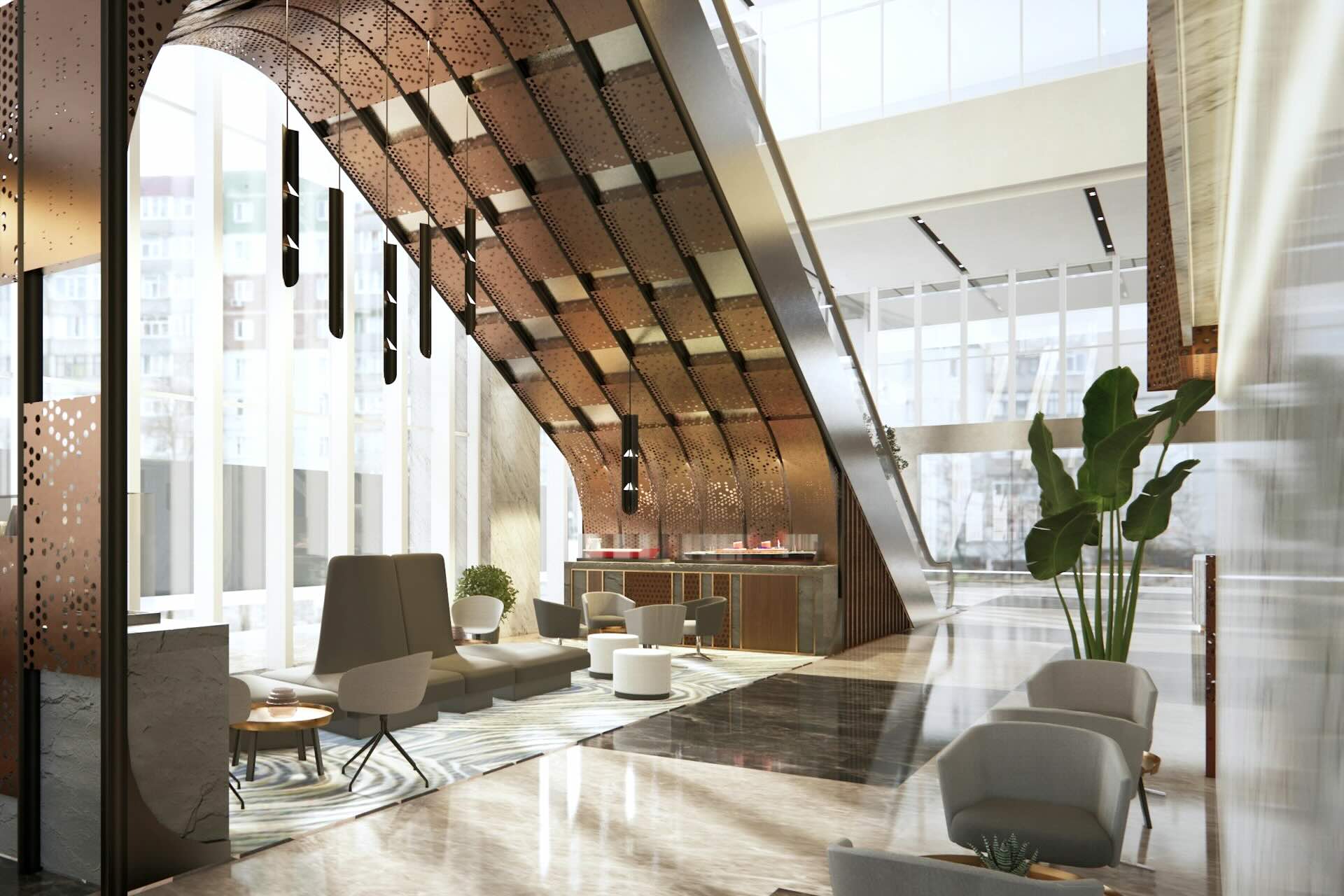
    The evolution of ultra luxury condos in South Florida reflects a major shift in how serious buyers define value, privacy, service, and lifestyle. Years ago, ultra luxury often centered on size, waterfront positioning, and dramatic finishes. Today, the category has become far more refined. Buyers now expect architectural distinction, stronger wellness design, better service culture, and a more intentional residential experience. In South Florida, that change has reshaped the market from Miami Beach and Bal Harbour to Surfside, Sunny Isles Beach, and beyond.

    At MAK Realty, we see this evolution through the lens of how buyers actually live. Ultra luxury is no longer just about being expensive or visually impressive. It is about how well a property supports daily routines, protects privacy, delivers comfort, and holds long term prestige. As a result, the most relevant buildings today often look very different from the trophy towers that defined earlier eras of luxury condo development.

    The Early Era of Prestige and Scale

    In the earlier stages of South Florida’s luxury condo market, developers often competed through visibility, height, and scale. The message was clear. Bigger towers, larger units, dramatic views, and prime waterfront addresses defined the highest tier. Buyers were drawn to grand lobbies, oversized terraces, and residences that made a strong first impression. That formula worked because the market was still proving that vertical luxury living could rival private estates in prestige.

    During that period, the value proposition was often tied closely to location and spectacle. Oceanfront positioning carried enormous weight, and new towers used scale to signal exclusivity. In many cases, the residence itself functioned as a statement. Buyers wanted presence, status, and a visible connection to the South Florida lifestyle. Therefore, early ultra luxury development often emphasized bold presentation over deeper lifestyle refinement.

    That approach helped establish the market, however buyer expectations did not stay there. Over time, the category matured. Wealthier and more experienced buyers started asking sharper questions about privacy, management quality, security, circulation, and overall livability. That shift created the next phase of the market.

    Design Became More Disciplined

    As the market evolved, design became more sophisticated and less reliant on excess. Developers began to understand that ultra luxury buyers wanted cleaner architecture, more thoughtful layouts, and a stronger sense of restraint. Instead of overwhelming interiors with visual intensity, newer projects started leaning toward proportion, natural light, material quality, and a calmer residential tone.

    This change mattered because many ultra luxury buyers were no longer impressed by size alone. They wanted residences that felt elegant and easy to live in. Open floor plans became more refined. Outdoor spaces became more usable. Kitchens, primary suites, and entry sequences were designed with a stronger understanding of flow and privacy. In addition, many projects began working with globally recognized architects and designers to create a more credible point of view.

    That design evolution helped elevate the market. South Florida luxury no longer needed to rely only on flash. It could now compete through sophistication, which is often more durable over time.

    Service Became Central to the Ownership Experience

    One of the most important changes in ultra luxury condos across South Florida has been the rise of service as a defining feature. In the past, service was often viewed as supportive. Today, it is part of the product itself. Buyers at the highest level expect a residential environment that operates smoothly, discreetly, and consistently.

    This means concierge quality matters more. Valet execution matters more. Staff culture, guest coordination, private access, and overall management standards now play a larger role in how buyers evaluate a building. As a result, branded residences and hospitality influenced concepts have gained strength because they speak directly to those expectations.

    This service shift is especially important for second home owners, international buyers, and highly mobile residents. Many of them want a residence that feels easy to own and easy to return to. They value confidence in the building as much as confidence in the unit. Therefore, ultra luxury in South Florida now depends heavily on how the building performs behind the scenes, not just how it presents in marketing materials.

    Privacy Has Become More Valuable

    Privacy has always mattered in luxury real estate, however it now plays a much larger role in how South Florida buyers define the top end of the condo market. Earlier luxury buildings often celebrated visibility and scale. Today, many serious buyers want a more controlled and more discreet experience.

    That preference has influenced everything from lobby design to private elevators, service circulation, and floor plan configuration. Buildings that support smoother arrivals, quieter common areas, and less friction in daily movement often feel more compelling to ultra luxury buyers. In addition, lower density projects and boutique style residences have become more attractive because they reduce the sense of anonymity that can come with very large towers.

    This does not mean that large buildings cannot succeed in the ultra luxury category. It means they now have to work harder to create privacy within scale. Buyers want the prestige of a landmark address, however they also want to feel protected from unnecessary exposure. That balance is now a major part of the category.

    Wellness and Daily Livability Changed the Amenity Standard

    Amenities in ultra luxury condos have also changed significantly. Earlier luxury projects often competed through quantity. More pools, more lounges, more entertainment spaces, and more visual drama were seen as major selling points. Today, buyers are far more selective. They want amenities that improve daily life rather than just fill a brochure.

    Wellness has become a major driver of this change. Fitness centers now need to feel serious and well designed. Spa spaces need to feel calming and credible. Outdoor environments need to support rest, movement, and privacy. In addition, buyers increasingly value treatment rooms, wellness suites, meditation spaces, and private dining areas that align with a quieter, more intentional lifestyle.

    This evolution reflects a broader truth about ultra luxury buyers. They do not necessarily want more. They want better. A carefully designed wellness environment may matter more than a long list of underused features. As a result, the strongest buildings now focus on quality, atmosphere, and usability rather than sheer amenity volume.

    Neighborhood Identity Now Shapes Luxury More Clearly

    The evolution of ultra luxury condos in South Florida is also tied to neighborhood identity. Buyers no longer evaluate a tower in isolation. They look closely at how the surrounding area supports their priorities. This has helped sharpen the differences between major luxury markets within the region.

    In Bal Harbour, the appeal often centers on polished service, luxury retail access, and a more curated destination feel. In Surfside, buyers may prioritize privacy, a calmer atmosphere, and beachfront composure. Sunny Isles Beach often attracts buyers seeking newer vertical luxury with strong oceanfront presence. Meanwhile, Brickell speaks to buyers who want high end urban living, walkability, and direct access to business and dining.

    This neighborhood awareness has made buyers more strategic. They are not just choosing a building. They are choosing a rhythm of life. Therefore, ultra luxury now depends as much on context as it does on finishes or views. The strongest projects understand that and position themselves accordingly.

    Buyers Have Become More Sophisticated

    The buyer profile itself has also evolved. Today’s ultra luxury buyer is often more informed, more globally aware, and more disciplined in how they evaluate value. Many have owned multiple luxury properties across different markets. They understand the difference between marketing language and actual quality. They also know that prestige alone does not guarantee a strong ownership experience.

    Because of that, developers must deliver more. Buyers want architectural integrity, operational consistency, and a building identity that will remain relevant over time. They also pay close attention to monthly costs, management standards, and whether the property feels likely to hold long term appeal in a competitive market.

    At MAK Realty, this is where our guidance becomes especially important. Ultra luxury is more nuanced than it appears from the outside. Two buildings may sit in the same price category, however the ownership experience can feel completely different. That is why serious buyers benefit from a more practical, less surface level evaluation.

    What This Means for South Florida Buyers Now

    The evolution of ultra luxury condos in South Florida has created a more mature and more demanding market. The best buildings no longer rely only on waterfront positioning or oversized marketing. They compete through design discipline, privacy, service, wellness, and a stronger understanding of how affluent buyers actually want to live. As a result, the category has become more refined, more intelligent, and in many ways more selective.

    For buyers, that creates real opportunity, however it also requires clearer judgment. The most expensive option is not always the most compelling. The most visible tower is not always the best fit. What matters is whether the property aligns with lifestyle, long term priorities, and the kind of ownership experience that still feels right years from now. For those visiting South Florida to tour properties and compare neighborhoods, MAK Vacation can help make the stay more comfortable. If the visit also includes planning around dining, exploring, and scheduling, TravelPal.ai can support that process in a practical way.

    For a tailored shortlist and next step guidance, connect with MAK Realty.
  • Florida Tax Proposal, What Buyers and Investors Need to Know

    Florida Tax Proposal, What Buyers and Investors Need to Know

    Florida’s recent property tax proposal drew wide attention because it suggested a major long term shift in how primary residences could be taxed. For buyers and investors, the headlines sounded dramatic. However, the real takeaway is more measured. The proposal pointed to a possible path toward meaningful tax relief for homesteaded property, but it did not become law. That distinction matters because many people heard the headline and assumed a major change had already taken effect. It has not.

    At MAK Realty, we see this less as a reason to react quickly and more as a reason to understand the market clearly. Tax policy can shape buyer psychology long before it changes actual ownership costs. Buyers may wonder whether they should wait, move sooner, or rethink how Florida compares with other markets. Investors may ask whether any future tax relief would apply to them at all. In most cases, the first step is to separate a proposed policy direction from the real costs of ownership today.

    What the Proposal Was Really About

    The proposal was aimed at reducing the tax burden on homesteaded property over time. In practical terms, that means the clearest potential benefit was designed for owner occupied homes that qualify for Florida homestead protection. It was not a broad elimination of all property taxes, and it was not structured as a direct benefit for every type of owner. That is one of the most important points for buyers to understand because the proposal sounded much broader than it really was.

    This is where confusion often begins. A headline can make it seem as though Florida has already decided to remove property taxes in a sweeping way. In reality, the discussion focused on a specific part of the tax structure and a specific ownership category. Therefore, buyers should not treat the proposal as current law, and investors should not assume they would automatically benefit from anything similar in the future.

    Why Buyers Should Still Care

    Even though the proposal did not become law, it still matters because it shows how strongly tax relief has entered Florida’s political conversation. That can influence buyer perception, especially among people comparing Florida with other high cost or high tax states. For primary home buyers, the issue is especially relevant because homestead status remains one of the clearest financial advantages of making Florida a true primary residence.

    However, buyers should stay grounded in present reality. Today’s property taxes, insurance costs, association fees, financing terms, and neighborhood specific pricing still matter much more than a proposal that may return later in a different form. In luxury real estate, current carrying costs shape the ownership experience far more directly than possible future policy changes. That is why we advise clients to stay informed without allowing speculation to drive the decision.

    What Investors Need to Watch More Carefully

    For investors, the proposal is less directly favorable because it focused on homesteaded property. A buyer purchasing a rental condo, second home, or non homesteaded residence should not assume the same kind of relief would apply. In fact, one of the practical concerns in Florida is that when tax relief is aimed mainly at owner occupied homes, the contrast between homesteaded and non homesteaded ownership can become even more noticeable.

    That makes careful underwriting even more important. Investors should continue evaluating opportunities based on actual taxes, insurance, building costs, rental rules, and realistic income expectations. Political conversation is not a substitute for disciplined numbers. If anything, this proposal is a reminder that Florida’s tax environment may continue evolving in ways that benefit primary residents more clearly than investor owned property.

    The Bigger Signal for the Market

    The broader story is that Florida is actively debating how property taxation affects affordability, ownership, and long term competitiveness. That matters because tax structure is part of what makes South Florida attractive to affluent domestic and international buyers. Even if this exact proposal is no longer moving forward, the larger push for some form of property tax relief is unlikely to disappear.

    For Miami, that conversation can reinforce the state’s appeal among buyers who already value its tax climate, migration trends, and lifestyle advantages. However, that does not mean every property becomes more attractive simply because tax reform is being discussed. The fundamentals still matter most. Location, building quality, service standards, carrying costs, and long term desirability continue to separate strong purchases from weaker ones.

    How Buyers and Investors Should Respond

    The smartest response is to stay informed without overreacting. Buyers should understand that the proposal was real, but it is not current law. Investors should understand that future versions, if they emerge, could favor homesteaded owners much more than non owner occupied property. Both groups should focus on what can be verified today rather than making decisions based on political momentum alone.

    That means reviewing current tax obligations, confirming homestead eligibility where relevant, and evaluating each property based on its true ownership costs. In luxury real estate, clarity usually beats speculation. A buyer or investor who understands the real numbers and watches policy developments calmly will usually be in a stronger position than someone reacting to a headline.

    At MAK Realty, we help clients evaluate market changes with a practical lens. We focus on what affects ownership now, while also watching the legislative and economic trends that may shape future opportunities. For a tailored shortlist and next step guidance, connect with MAK Realty.
  • Need a car in Miami? Walkability, Biking and Transportation Tips

    Need a car in Miami? Walkability, Biking and Transportation Tips

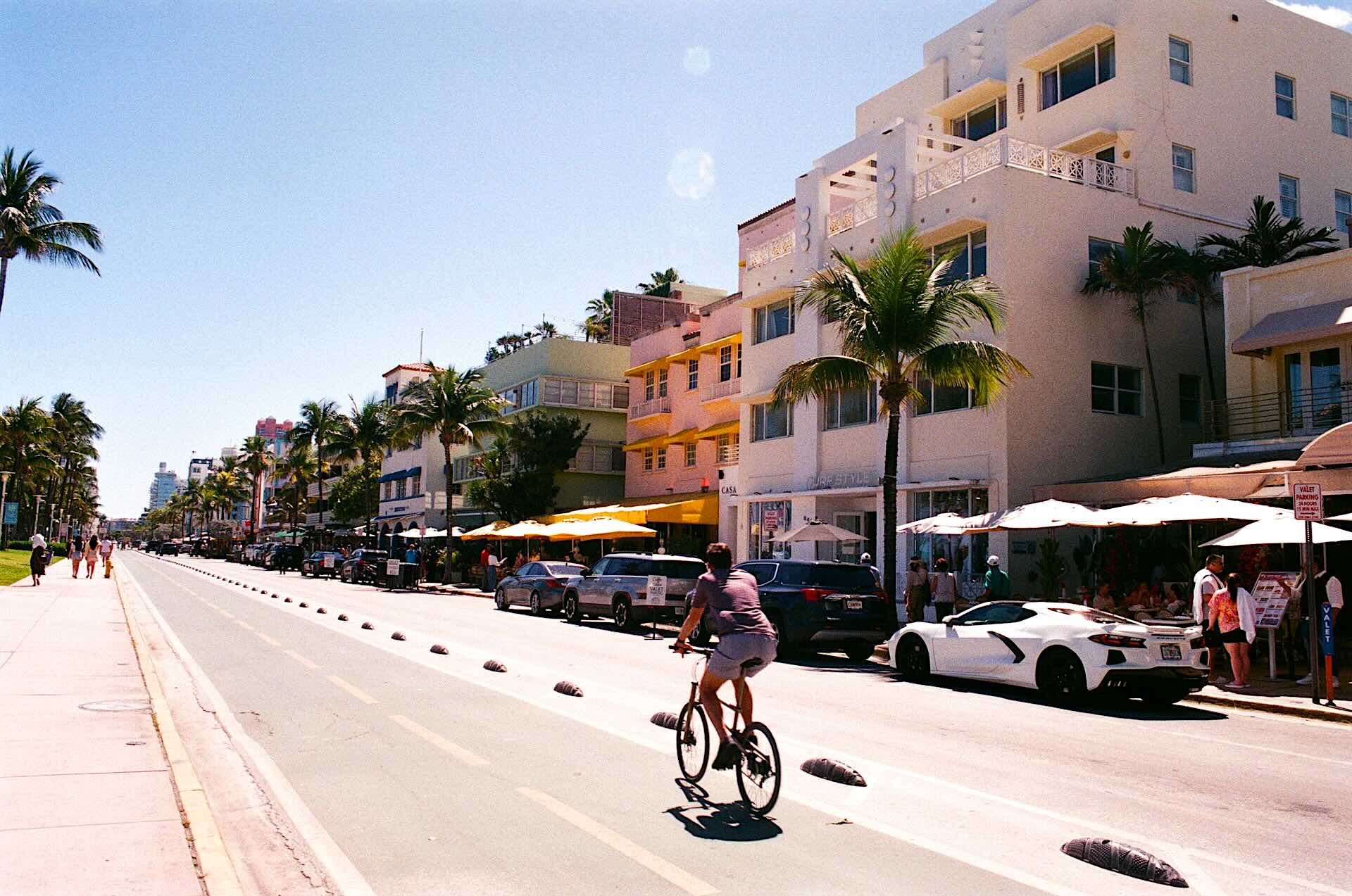
    Whether you need a car in Miami depends heavily on where you stay, how long you are visiting, and what kind of trip you want. Miami can feel easy without a car in some areas, especially Brickell, Downtown Miami, and parts of Miami Beach. However, it can feel frustrating without one if your plans are spread across multiple neighborhoods. That is why the better question is not simply whether you need a car. It is whether a car fits your version of Miami.

    At MAK Realty, we often see buyers and visitors make the same assumption. They think Miami always requires driving. In reality, some parts of the city support walkability, biking, rail connections, trolleys, and short rides far better than people expect. Meanwhile, other areas still function best with a car. Therefore, the smartest approach is to match your transportation plan to your neighborhood and your schedule.

    Miami Is Not Equally Walkable Everywhere

    Miami is not one uniform experience. Some neighborhoods are built around short distances, daily convenience, and easy movement on foot. Others are more spread out and car dependent. Brickell is one of the clearest examples of a walkable Miami lifestyle because restaurants, offices, grocery stores, fitness studios, and transit are packed into a compact area. Downtown Miami also benefits from the free Metromover, which runs seven days a week and connects Downtown, Brickell, and Omni. 

    Miami Beach can also work well without a car, especially if you stay close to where you plan to spend most of your time. The city operates a free trolley system seven days a week, generally from 8 a.m. to 11 p.m., and some routes run about every 15 to 20 minutes. That makes short local movement much easier than many visitors expect.

    However, once your plans jump between Brickell, Wynwood, Design District, Miami Beach, Coconut Grove, Coral Gables, and the airport, the equation changes. Miami is large, and those trips add up quickly. As a result, the city can feel very convenient without a car in a focused trip, but much less convenient in a scattered one.

    When You Do Not Need a Car

    You may not need a car if you are staying in Brickell, Downtown Miami, or Miami Beach and plan to keep most of your trip centered there. In those situations, walking, trolley use, rideshares, and occasional rail connections can cover a lot. That is especially true for travelers who want restaurants, shopping, nightlife, and beach time more than long distance exploring.

    A car can also be more burden than benefit in certain neighborhoods. Traffic, valet costs, parking fees, and the hassle of moving a vehicle for short trips can make driving feel inefficient. In addition, if your hotel or rental is in a dense area with strong nearby amenities, you may end up paying for a car that sits unused much of the time.

    This is why many travelers do well with a hybrid approach. They skip the rental car for most of the trip, then use a rideshare, shuttle, or short term rental only when needed. For many visitors, that is the sweet spot between flexibility and simplicity.

    Car vs Bike vs Shuttle

    The car still wins when your plans are broad, your schedule is packed, or you want to move between neighborhoods on your own timing. It is the strongest option for families with children, travelers carrying a lot of gear, or visitors staying in less walkable areas. A car also helps if you plan to explore outside the urban core, including places farther north or west. However, it comes with tradeoffs, especially parking expense, traffic, and the mental drag of driving in a busy city.

    A bike works best in focused pockets of Miami rather than across the full region. It can be useful for short distances, scenic movement, and beach area routines. Brightline’s Miami station even highlights Citi Bike rentals at MiamiCentral, which reinforces how bike use can complement rail based movement in the core. For the right traveler, a bike feels lighter, faster, and more enjoyable than a car for short urban routes. However, it is not the strongest all purpose solution if your plans require crossing long distances in heat, traffic, or unpredictable weather.

    A shuttle can be the most underrated middle option. Brightline offers airport connector shuttles in Miami, and it also works with station access options including parking, rideshares, and shuttles. In addition, Miami Beach has expanded free local connections in some areas, including trolley service and on demand transit tied to the city’s mobility network. Shuttles are not as independent as a car, and they are less flexible than a bike for tiny local trips. Still, they can remove stress when you want a cleaner connection between major points.

    Rail and Local Transit Matter More Than Many Visitors Think

    Miami’s transit system is not perfect, but it is more useful than many first time visitors realize. Metrorail runs 25 miles, connects to Miami International Airport, and links areas including Kendall, South Miami, Coral Gables, Downtown Miami, and other key parts of the county. It also connects with Brightline and Tri Rail at certain points. That makes it especially relevant for travelers and residents moving between core corridors.

    The Metromover is even more practical for short trips in the central business districts because it is free and built specifically for Downtown, Brickell, and Omni circulation. For someone staying in Brickell, this can dramatically reduce the need for a car. Meanwhile, Miami Beach’s free trolley system makes local movement on the beach side easier than many people assume. 

    This does not mean Miami suddenly functions like a city where everyone should skip the car. It means transportation choices are more layered now. If you understand the network, you can often avoid unnecessary driving.

    The Best Option Depends on Your Trip Style

    If your trip is centered on one neighborhood, skip the car and keep things simple. When you want to keep your trip beach focused with nearby dining and casual movement, walking plus trolley or biking may work very well. If your trip mixes Miami Beach with Brickell or Downtown, a blend of local transit and occasional rideshare often works better than a full time rental car.

    If, however, you plan to jump constantly between neighborhoods, shop heavily, travel with family, or make time sensitive appointments, a car still makes sense. The problem is not the car itself. The problem is renting one automatically without thinking through the geography of your trip.

    That is especially true for buyers visiting South Florida to tour neighborhoods or view properties. In that case, transportation should support the objective. A focused Brickell or Downtown search may not require a car every day. A wider South Florida search probably will.

    What We Usually Recommend

    For most visitors, the strongest answer is this. Do not rent a car by default. Choose it only if your itinerary justifies it. Miami can reward a more selective transportation strategy, especially in dense and walkable areas. Meanwhile, the wrong car rental can quietly drain both time and money.

    At MAK Realty, we encourage clients and visitors to think about Miami by neighborhood, not by stereotype. If you are staying in a central area, you may be surprised how manageable the city feels without a car. If you are planning a broader visit, then a car may still be the right tool. For travelers who want a comfortable base while testing different parts of the city, MAK Vacation can help you stay in the right area from the start. If your trip includes mapping out restaurants, activities, and movement between neighborhoods, TravelPal.ai can help organize the plan more efficiently.

    For a tailored shortlist and next step guidance, connect with MAK Realty.

  • Best South Florida Buildings for Polished Pet Friendly Living

    Best South Florida Buildings for Polished Pet Friendly Living

    Polished pet friendly living in South Florida means more than simply allowing dogs or cats in the building. The best South Florida buildings for polished pet friendly living support daily routines, resident comfort, and discreet service at a high level. For buyers who travel often, maintain demanding schedules, or expect a refined ownership experience, pet support must feel built into the property rather than treated as an afterthought. That is especially true in luxury condominiums, where small details often shape long term satisfaction.

    At MAK Realty, we look closely at how a building functions in real life. Pet owners often need more than a stated policy. They need smooth arrivals, practical circulation, clear management, and service teams that understand how pets fit into daily living. In South Florida, that can mean easy access to outdoor areas, consistent valet coordination, thoughtful staff interaction, and building culture that supports both elegance and convenience.

    What Polished Pet Friendly Living Really Means

    A truly polished pet friendly building does not rely on marketing language alone. Instead, it supports owners through design, service, and routine. That may include clear rules, dependable staff, easy elevator access, efficient valet, and layouts that make everyday movement simpler. As a result, pet ownership feels more manageable and less disruptive, even in very high end settings.

    This matters even more for buyers who travel often or split time between cities. In those cases, building staff, management responsiveness, and practical entry procedures can make a major difference. Meanwhile, local walkability, nearby green space, and overall livability shape how comfortable the experience feels over time.

    The buildings below stand out because they offer more than luxury finishes. They support pet owners in ways that feel thoughtful, calm, and functional. Therefore, each one deserves attention from buyers who want polished service without giving up real convenience.

    Turnberry Ocean Club, Sunny Isles Beach

    Turnberry Ocean Club in Sunny Isles Beach stands out for integrated pet support within an exceptionally refined setting. This is the kind of building where service is part of the identity, which matters for owners who expect pet routines to fit smoothly into a luxury lifestyle. Staff culture, entry experience, and building operations all contribute to a more seamless day to day environment.

    The property also benefits from a layout and service model that feels highly intentional. For pet owners, that can translate into easier coordination, more discreet handling of arrivals and departures, and less friction in daily movement. In addition, the overall atmosphere feels private and elevated, which appeals to buyers who want sophistication without chaos.

    For owners who value service consistency and a more tailored residential experience, Turnberry Ocean Club is a strong option. It works especially well for buyers who see their home as a full service environment rather than just a residence with amenities.

    Arte by Antonio Citterio, Surfside

    Arte by Antonio Citterio in Surfside offers design led livability, and that matters for pet owners more than many buyers first realize. In a building where scale, layout, and flow are carefully considered, everyday routines tend to feel more controlled and more comfortable. That can be especially valuable for owners who want a quiet, elegant home that also works well with pets.

    The building’s design language supports calm living rather than excess. As a result, it often appeals to buyers who want understated luxury and a more thoughtful residential environment. For pet owners, that tone can make a meaningful difference because circulation, privacy, and general atmosphere all affect how easy the property feels to navigate.

    Arte is often best for buyers who prioritize quality over spectacle. It may not project the same energy as a larger branded tower, however it offers a more composed ownership experience. For refined pet friendly living, that can be a major advantage.

    The Setai Miami Beach

    The Setai Miami Beach is especially compelling for travel heavy owners who want high touch care and a service driven environment. Buyers who spend time away from Miami often need a building that can support a polished routine even when their schedules are unpredictable. In that respect, The Setai stands apart because service is central to the ownership experience.

    For pet owners, that level of care can create meaningful peace of mind. Building culture, staff responsiveness, and the ability to coordinate smoothly all matter when travel is frequent. In addition, the overall atmosphere remains calm, elegant, and highly controlled, which suits owners who expect discretion and consistency.

    The Setai is not just about image. It is about execution. Therefore, it tends to attract buyers who value support, privacy, and a residence that can function almost like an extension of a luxury hospitality environment.

    Continuum South Tower, Miami Beach

    Continuum South Tower in Miami Beach is known for around the clock service culture, and that is one of the strongest advantages for pet owners. A building that operates smoothly at all hours can make daily life far easier, especially for residents with demanding schedules or irregular routines. Early walks, late returns, guest coordination, and service access all become more manageable in that kind of environment.

    The property also benefits from a strong reputation for luxury living with operational depth. That matters because pet friendly living is often shaped more by execution than by stated policy. Meanwhile, the South of Fifth location adds another layer of appeal for owners who want access, prestige, and a more established residential setting.

    Continuum South Tower works well for buyers who expect high service standards and want a building that feels professionally run at every level. For pet owners, that reliability can become one of the most important luxuries of all.

    Brickell City Centre Residences

    Brickell City Centre residences offer urban convenience with clear everyday advantages for pet owners. In a neighborhood where efficiency matters, the value of walkability and immediate access becomes very clear. Residents can stay connected to dining, errands, fitness, and daily movement without adding unnecessary complications to their routines.

    For pet owners, urban convenience matters because it reduces friction. Clear access patterns, a central location, and easier coordination can help busy owners manage both work and home life more effectively. In addition, the broader Brickell setting appeals to professionals who want luxury within a more active city rhythm.

    These residences are often best for buyers who want a polished urban experience and who value time saving convenience. The appeal is not only the building itself, but also how easily it connects residents to the rest of their daily lives.

    One Bal Harbour

    One Bal Harbour stands out for private circulation and discreet management, both of which are highly relevant for pet owners seeking a polished experience. In luxury living, privacy and ease often go together. When a building handles movement calmly and efficiently, owners can maintain routines with less interruption and more comfort.

    This property tends to appeal to buyers who want a quieter and more controlled environment. For pet owners, that can be especially useful because less congestion and more discreet management often improve day to day livability. In addition, the overall tone of the building supports a more private ownership experience, which many high end buyers value.

    One Bal Harbour is a strong fit for residents who prefer refinement without unnecessary visibility. For someone seeking elegant pet friendly living with less friction, it deserves serious consideration.

    Icon Brickell

    Icon Brickell offers practical access for busy urban owners who want a highly recognizable address with strong day to day functionality. The building has scale and energy, however it also supports real convenience. For pet owners balancing career demands and city living, access and routine matter just as much as visual appeal.

    Its location helps support a more efficient lifestyle, especially for residents who want quick movement through Brickell. Meanwhile, the building’s market familiarity and active atmosphere make it attractive to buyers who want a modern urban environment with broad appeal. For pet owners, practical movement and clear routines can make a large building feel much easier to live in.

    Icon Brickell is often best for buyers who want a strong Brickell identity and who are comfortable in a more dynamic setting. It combines visibility with usability, which is why it remains relevant for busy professionals with pets.

    Paramount Miami Worldcenter

    Paramount Miami Worldcenter stands out for policy clarity with on site support. That combination matters because many pet owners are not only looking for permission, they are looking for predictability. Clear building rules and dependable staff can reduce confusion, improve daily routines, and make ownership feel more straightforward.

    The property also appeals to buyers who want modern scale and active urban living. In addition, on site support can help create a more manageable environment for owners juggling work, travel, and pet care. When a building communicates clearly and operates consistently, the experience tends to feel more polished.

    Paramount can be a strong fit for buyers who value energy, convenience, and a more contemporary ownership model. For pet owners who want clarity rather than guesswork, that can be very attractive.

    How We Help Buyers Choose the Right Fit

    The best South Florida buildings for polished pet friendly living do not all offer the same experience. Some lean toward privacy and discretion. Others support a faster urban routine. Some are especially strong for travel heavy owners, while others work best for buyers who want integrated daily convenience. That is why choosing the right building requires more than reading a pet policy summary.

    At MAK Realty, we help buyers compare luxury buildings through a practical lens. We look at service culture, management style, circulation, location, and how the property supports real life with pets. For clients visiting South Florida to tour residences, MAK Vacation can help make the stay easier and more comfortable. If the trip includes time to explore neighborhoods more broadly, TravelPal.ai can help organize that experience in a useful way.

  • Mr. C Residences Boca Raton for Buyers Seeking Boutique Luxury

    Mr. C Residences Boca Raton for Buyers Seeking Boutique Luxury

    Mr. C Residences Boca Raton appeals to buyers who want boutique luxury in a more refined and less oversized setting. In a South Florida market filled with large towers and resort style branding, this project stands out by offering a more intimate and service led residential experience. For buyers who value design, privacy, and walkable city living, that distinction matters. The appeal is not just the residence itself. It is the combination of polished living, thoughtful scale, and a location that supports an easier daily routine.

    At MAK Realty, we often see buyers drawn to luxury projects for very different reasons. Some want maximum scale, expansive amenity decks, and a more visible tower presence. Others want something more controlled, more edited, and more personal. Mr. C Residences Boca Raton tends to attract the second group. It offers a version of luxury that feels composed and intentional, which is often exactly what serious buyers are seeking.

    A More Intimate Alternative to the Resort Style Tower

    Mr. C Residences Boca Raton is positioned as a more intimate, service led residential offering focused on urban living rather than mega scale resort programming. That difference shapes the ownership experience in meaningful ways. Instead of competing on sheer size or amenity volume, the project appears to compete through quality, atmosphere, and a more curated standard of living.

    For many buyers, that is a major advantage. Large towers can feel impressive at first, however they can also feel dense, highly active, and somewhat anonymous over time. A more boutique residential environment often feels easier to navigate and more aligned with buyers who value calm, service, and a stronger sense of identity. In that respect, Mr. C offers a different path into luxury ownership.

    The project also benefits from a hospitality influenced point of view. That typically appeals to buyers who want residential living with a layer of polish and attentiveness, but without the intensity of a full scale resort environment. As a result, the building may feel more livable for owners who want sophistication without excess.

    Why Downtown Boca Raton Is Central to the Appeal

    This project is especially compelling for buyers who prioritize Downtown Boca Raton over direct beachfront positioning. Its strongest appeal is tied to walkability, dining, shopping, and city core convenience rather than oceanfront visibility. That matters because not every luxury buyer wants the same relationship to the neighborhood around them.

    Downtown Boca Raton supports a very specific kind of lifestyle. Residents can stay close to restaurants, retail, daily services, and cultural destinations while still enjoying a polished residential setting. Therefore, the neighborhood becomes part of the value proposition. Buyers are not just choosing a building. They are choosing a rhythm of life that feels more connected and more practical.

    For some buyers, that is more attractive than paying top tier beachfront pricing for a lifestyle they may not fully use. Urban convenience, especially when delivered in a refined environment, can be just as important as water views. In many cases, it becomes more important over time because it shapes everyday living in a more consistent way.

    The Lifestyle It Appears to Offer

    The overall lifestyle emphasis appears to center on contemporary design, concierge style service, curated programming, and a more edited luxury experience. That combination often appeals to buyers who want elegance and comfort without feeling surrounded by constant activity or oversized common areas.

    This kind of luxury usually feels more disciplined and more intentional. Instead of relying on an endless list of amenities, the project appears to focus on spaces and services that support a polished daily experience. In addition, that approach can feel more timeless because it is not trying to overwhelm buyers with scale. It is trying to attract them through quality.

    For buyers who care about atmosphere, this matters a great deal. A residence should not only look upscale. It should feel consistent with the way the owner wants to live. Mr. C Residences Boca Raton appears designed for buyers who want that experience to feel controlled, elegant, and quietly confident.

    The Likely Buyer Profile

    The most natural buyer profile here is the affluent purchaser seeking architectural distinction, hospitality minded service, and a less anonymous residential environment. These are often buyers who want luxury, however they do not want the impersonality that sometimes comes with very large towers.

    Many of them are likely to value design and brand positioning, but they also want livability. They may be full time residents, seasonal buyers, or second home owners who prefer a building that feels more tailored and less overwhelming. Meanwhile, some may simply want a residence that reflects good taste without feeling overly performative.

    This project may also attract buyers who have already experienced larger luxury properties and now want something more edited. That is a meaningful shift in the market. Luxury buyers often become more selective over time, and many begin to prefer discretion, comfort, and scale that feels more human.

    How It Competes With Larger South Florida Towers

    Mr. C Residences Boca Raton can compete with larger South Florida luxury towers, however it does so from a different position. It is not trying to match the biggest buildings on size, amenity volume, or dramatic resort atmosphere. Instead, it offers an alternative for buyers who do not want the scale, density, or energy of a very large tower.

    That distinction gives it strategic value. In a market where many projects lean heavily on grand presentation, boutique luxury can stand out precisely because it feels more selective. As a result, the project may appeal to buyers who want a residence with prestige and polish, but who also want greater comfort in daily living.

    This can be especially important for buyers who plan to use the home regularly. A building that feels manageable and consistently refined may prove more satisfying over time than one that feels oversized or heavily trafficked. Therefore, competing differently can be a real strength, not a limitation.

    Pricing Logic and the Broader Value Proposition

    Part of the appeal may be tied to avoiding the highest oceanfront pricing tier while still securing a luxury product. Buyers often want premium finishes, strong branding, and a refined residential environment, however they may not want to default to peak beachfront pricing if their actual lifestyle priorities point elsewhere.

    Broadly speaking, that creates a compelling value proposition. A downtown luxury residence can offer a highly attractive standard of living while positioning buyers closer to restaurants, shopping, and everyday conveniences. In addition, the pricing structure may feel more rational for those who care more about design and location quality than direct sand frontage.

    That does not mean the project is a value play in a discount sense. It means the luxury case may feel more balanced for buyers who want quality and status without automatically stepping into the top oceanfront premium bracket. For the right purchaser, that can be a very smart alignment.

    Amenities, Inventory, and What Buyers Should Confirm

    The amenity approach appears more quality driven than quantity driven, favoring refined spaces and service over sprawling amenity volume. That can be a positive for buyers who want carefully considered environments rather than oversized programming designed mainly for marketing impact.

    Serious buyers should also be cautious about relying too heavily on public listing portals for project details. Real time pricing, floor plans, and availability are not always fully reflected there. New development inventory can shift quickly, and certain unit level details may not appear accurately across public platforms. Therefore, direct confirmation remains essential.

    Before moving forward, buyers should confirm current sales status, delivery timing, available inventory, and any unit specific details directly with the project team. That step helps avoid confusion and gives buyers a clearer understanding of what is actually available in the moment. In new development, precision matters because conditions can change quickly.

    Why This Project Deserves Attention

    Mr. C Residences Boca Raton deserves attention because it speaks to a very specific type of luxury buyer. It is not trying to be everything to everyone. Instead, it appears designed for purchasers who want boutique scale, polished service, and a downtown setting that supports a more connected lifestyle. That focus can be powerful because it creates a clearer identity.

    For buyers who want Downtown Boca Raton luxury without the feel of a resort scale tower, this project may be a compelling fit. At MAK Realty, we help clients evaluate projects like this with a sharper lens, looking beyond marketing language to assess how the residence fits their actual goals. If you are planning a visit to tour properties in person, MAK Vacation can help make the stay more comfortable. If you also want to organize your broader Boca Raton experience around those showings, TravelPal.ai can help you plan it efficiently.

    For a tailored shortlist and next step guidance, connect with MAK Realty.