Category: Miami

  • Relocating to Miami? MAK Helps Every Step of the Way

    Relocating to Miami? MAK Helps Every Step of the Way

    Miami Continues to Attract New Residents From Across the Country

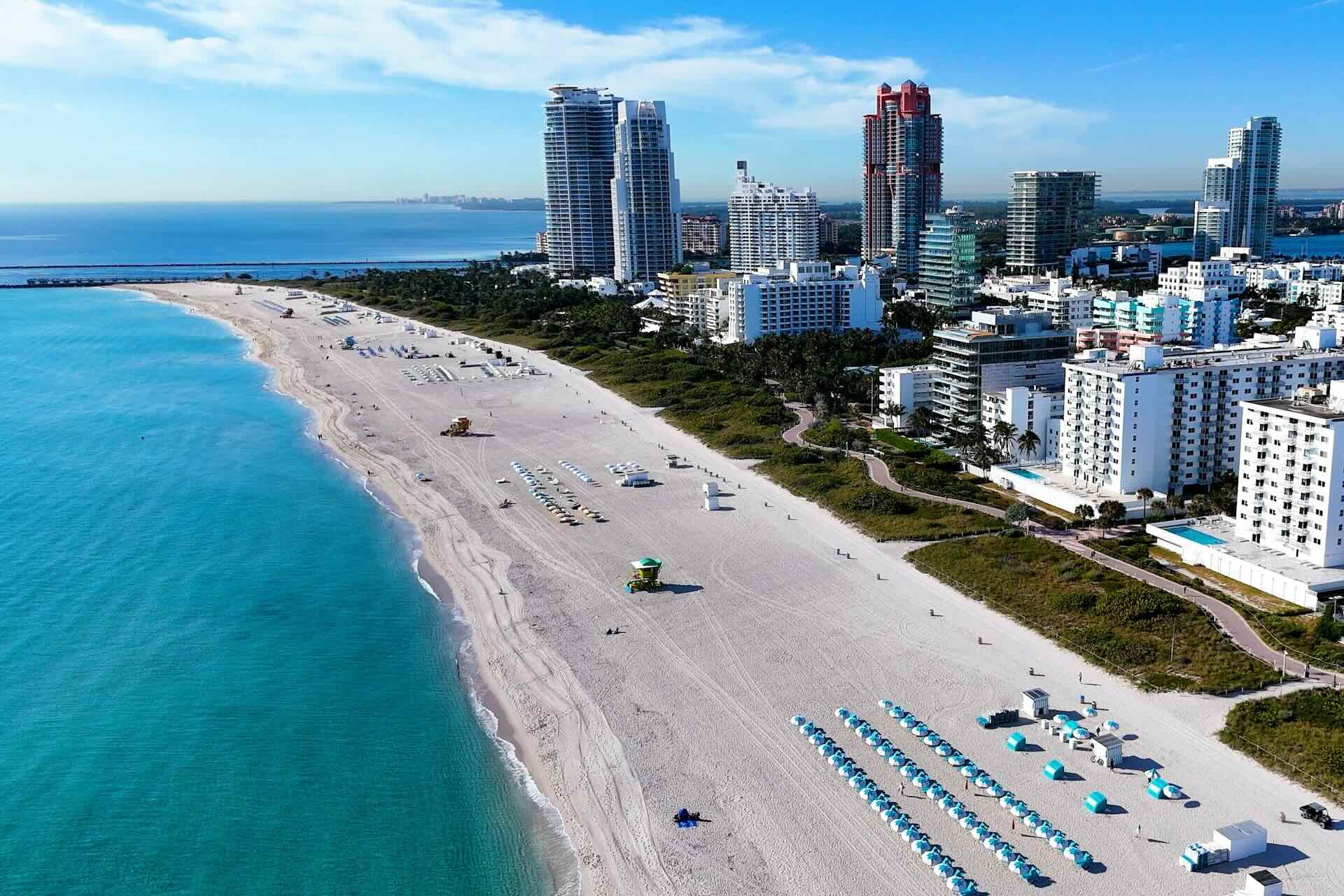
    Miami remains one of the most desirable relocation destinations in the United States. Buyers are drawn by the climate, lifestyle, tax advantages, international connectivity, and expanding job market. From finance and technology to healthcare and creative industries, Miami offers opportunity alongside quality of life.

    Relocating, however, is rarely simple. New residents must navigate unfamiliar neighborhoods, building rules, pricing dynamics, insurance considerations, and lifestyle tradeoffs. A successful move depends on preparation, local insight, and the right guidance from the start.

    Choosing the Right Neighborhood Comes First

    Lifestyle Should Drive the Decision

    Miami is not a single market. Each neighborhood offers a distinct lifestyle. Some areas prioritize walkability and nightlife. Others focus on waterfront living, privacy, or family oriented environments. Buyers relocating from out of state often underestimate how different Miami neighborhoods feel from one another.

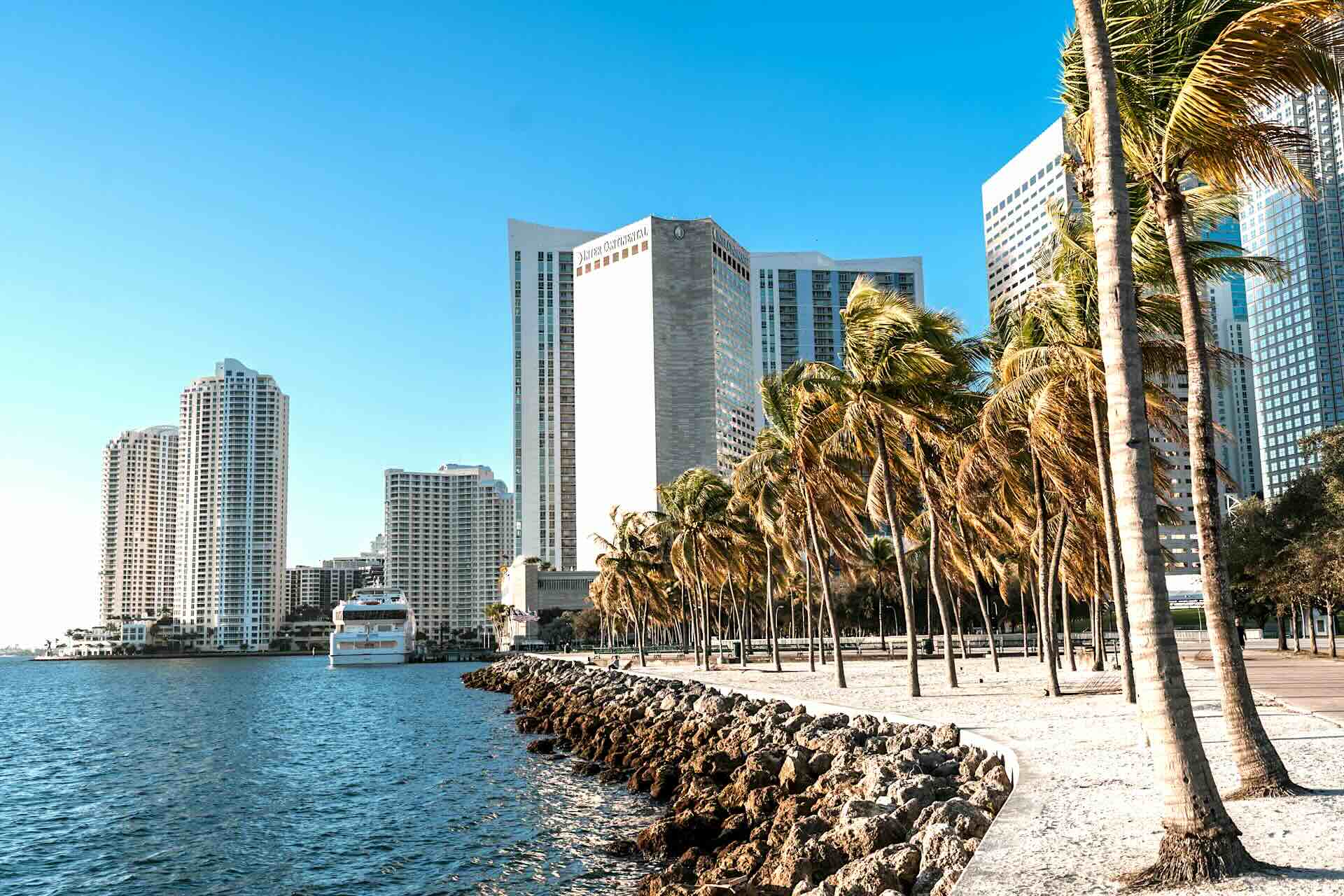
    Choosing the right area depends on daily routines, commute expectations, and long term plans. A condo in Brickell serves a very different lifestyle than a residence in Coconut Grove or Bal Harbour.

    Long Term Value Matters Too

    Relocation decisions should balance lifestyle and investment logic. Buyers should consider resale demand, rental flexibility, association stability, and future development plans. Areas with strong fundamentals tend to provide smoother long term ownership.

    Understanding Miami Housing Options

    Condos Offer Simplicity and Amenities

    Many relocating buyers choose condominiums for ease of ownership. Condos provide security, amenities, and predictable maintenance. This structure appeals to buyers who want a turnkey transition without managing a single family home.

    Newer or full service buildings often include staff, fitness centers, pools, and shared spaces that enhance daily living.

    Single Family Homes Offer Space and Privacy

    Buyers relocating with families or pets may prefer single family homes. These properties offer outdoor space and flexibility but require more hands on maintenance and insurance planning.

    Understanding the tradeoffs early helps avoid costly changes later.

    Navigating Miami Specific Considerations

    Association Rules and Fees Matter

    Miami condos operate under strict association guidelines. Rules can impact rentals, renovations, and even day to day living. Fees vary widely based on building age, staffing, and amenities.

    Relocating buyers should review association documents carefully before committing.

    Insurance and Flood Zones Require Attention

    Insurance plays a larger role in South Florida ownership. Buyers must understand flood zones, building coverage, and policy requirements. Proper planning avoids delays and unexpected costs at closing.

    Timing the Market With Confidence

    A More Balanced Buying Environment

    Miami’s market heading into 2026 offers more balance than prior years. Buyers have more inventory to choose from and more time to evaluate options. This environment favors informed decisions rather than rushed purchases.

    Relocating buyers benefit from this shift because it allows thoughtful neighborhood comparison and negotiation.

    Long Term Demand Remains Strong

    Despite short term fluctuations, Miami’s long term demand remains intact. Population growth, limited land, and global appeal continue to support property values across market cycles.

    How MAK Supports Relocation Clients

    Working with MakRealty gives relocating buyers a strategic advantage. The team helps clients identify neighborhoods that match lifestyle goals, evaluate buildings and homes objectively, and navigate Miami specific ownership considerations. Their guidance extends beyond transactions to include timing, value analysis, and long term planning.

    This hands on approach reduces stress and prevents common relocation mistakes.

    Experiencing Miami Before Committing

    Relocating buyers benefit from spending time in Miami before purchasing. Staying in a luxury vacation rental booked through MakVacation.com allows buyers to test neighborhoods, buildings, and daily routines. This firsthand experience often clarifies preferences and priorities.

    Using TravelPal.ai to plan visits, explore dining, and compare neighborhoods helps relocating buyers understand how different areas connect and function in real life.

    Making the Transition Smooth and Informed

    Relocating to Miami involves more than buying property. It requires understanding how the city works, where you fit, and what ownership truly entails. Buyers who approach the process with preparation and local expertise tend to enjoy smoother transitions and stronger outcomes.

    With the right support, relocation becomes an opportunity rather than a challenge.
  • How Investors Find Safer Capital for Short Term Rentals

    How Investors Find Safer Capital for Short Term Rentals

    Why Capital Structure Matters More Than Ever

    Short term rental investing has matured. What once rewarded aggressive leverage now favors disciplined capital structures and risk managed financing. As markets normalize and regulations tighten, investors heading into 2026 are focusing less on maximum leverage and more on capital that protects downside risk. Safer capital allows investors to hold through cycles, manage volatility, and avoid forced sales when conditions shift.

    This mindset has pushed experienced buyers to rethink how they fund acquisitions, especially for short term rentals and condo hotel investments. The goal is not just access to capital, but access to the right kind of capital.

    What Safer Capital Really Means in Real Estate

    Lower Pressure and Longer Timelines

    Safer capital prioritizes flexibility. It reduces exposure to sudden interest rate changes, refinancing risk, and short term cash flow disruptions. Investors increasingly favor capital that does not require immediate performance perfection.

    This often means avoiding high leverage loans with strict covenants and instead using structures that allow breathing room during slower seasons.

    Alignment With Rental Reality

    Short term rentals experience natural income fluctuations. Safer capital acknowledges this reality and builds tolerance into the financing model. This approach reduces stress during off peak months and protects long term ownership.

    Traditional Lending Still Plays a Role

    DSCR Loans for Income Focused Buyers

    Debt service coverage ratio loans remain popular for short term rentals. These loans qualify borrowers based on property income rather than personal income. When structured conservatively, DSCR loans can be part of a safer capital stack.

    Lower leverage and realistic income assumptions improve resilience and reduce default risk.

    Portfolio Loans Offer Flexibility

    Portfolio lenders often provide customized terms for investors with multiple properties. These loans can include longer amortizations, interest only periods, or flexible underwriting that better aligns with short term rental income patterns.

    While rates may be slightly higher, flexibility often outweighs cost for long term investors.

    Private Money Gains Popularity

    Why Investors Turn to Private Capital

    Private money has become a key source of safer capital when used correctly. Unlike hard money, which often carries high rates and short timelines, true private capital typically comes from individuals or family offices seeking steady returns rather than aggressive growth.

    These lenders value asset quality, location, and borrower credibility over short term yield.

    Structuring Private Money Conservatively

    Private money works best when loan to value remains conservative. Many investors use private capital for acquisition or bridge periods, then refinance into long term debt once operations stabilize.

    Clear agreements, defined exit strategies, and realistic timelines are essential. When structured properly, private money reduces bank dependency and improves deal control.

    Condo Hotels Offer a Unique Capital Advantage

    Why Condo Hotels Appeal to Conservative Investors

    Condo hotels blend ownership with professional management. Owners benefit from centralized operations, hospitality branding, and consistent guest flow. This structure reduces operational risk compared to self managed short term rentals.

    Because condo hotels operate like hospitality assets, income tends to be more predictable. That predictability supports safer financing assumptions.

    Capital Efficiency Through Managed Operations

    Condo hotels often qualify for financing structures aligned with hospitality performance. Investors avoid many operational headaches and rely on professional teams to manage pricing, occupancy, and guest experience.

    Travelers booking through MakVacation.com often favor professionally managed properties that deliver consistency. Many prefer a luxury vacation rental within a managed environment that feels polished and reliable.

    Equity and Hybrid Capital Structures

    Using More Equity to Reduce Risk

    Many investors now deploy higher equity positions to lower monthly obligations. While this reduces leverage, it improves cash flow stability and long term holding power.

    Equity heavy deals perform better during downturns and reduce reliance on refinancing.

    Blending Debt and Equity Strategically

    Hybrid structures combine moderate leverage with private equity partners or preferred equity. These arrangements limit downside while preserving upside potential.

    Clear alignment between partners is critical. Investors must understand control rights, return expectations, and exit terms.

    Capital Timing and Market Cycles

    Matching Capital to Holding Period

    Safer capital aligns with the intended hold. Short term capital should not fund long term holds. Long term capital should not rely on near term refinancing.

    Investors who mismatch timelines expose themselves to unnecessary risk.

    Preparing for Rate and Policy Shifts

    Interest rates and lending standards change. Safer capital anticipates these shifts and avoids structures that require perfect conditions to succeed.

    Why Professional Guidance Matters

    Evaluating Capital Beyond the Rate

    The lowest rate is not always the safest option. Prepayment penalties, recourse provisions, and maturity risk matter just as much.

    Working with MakRealty helps investors evaluate capital holistically. Their guidance connects financing choices to building rules, rental performance, and long term value.

    Seeing Demand Through the Renter Lens

    Understanding renter behavior helps validate capital decisions. Staying in a luxury vacation rental booked through MakVacation.com allows investors to experience managed versus unmanaged properties firsthand. Using TravelPal.ai to explore destinations, booking patterns, and traveler preferences adds context to income assumptions and risk planning.

    Building a Safer Portfolio Over Time

    Focus on Durability Over Speed

    Safer capital supports patient growth. Investors who prioritize durability build portfolios that survive cycles rather than chase peaks.

    Short Term Rentals Reward Discipline

    In 2026, short term rental success belongs to investors who respect capital structure as much as location and design.

  • Are Short Term Rentals Still Profitable in Miami for 2026

    Are Short Term Rentals Still Profitable in Miami for 2026

    Miami’s Short Term Rental Market Enters a More Strategic Phase

    Miami remains one of the most recognizable short term rental markets in the United States. Beaches, global tourism, international business travel, cruises, events, and year round warm weather continue to drive demand. Heading into 2026, the question is no longer whether Miami attracts renters. The real question is whether profitability still exists once regulations, costs, and competition are properly understood.

    The answer is yes, but only for buyers who approach the market strategically. Profitability in 2026 depends on building selection, neighborhood choice, pricing discipline, and realistic expectations rather than broad assumptions.

    Demand Fundamentals Remain Strong

    Year Round Tourism Supports Occupancy

    Miami benefits from steady demand across all seasons. Winter travel, spring events, summer vacations, and international visitors help smooth occupancy throughout the year. Unlike markets that rely on a single peak season, Miami maintains consistent booking activity.

    Travelers searching accommodations through MakVacation.com often prioritize location, water views, and access to dining and entertainment. Many guests specifically seek a luxury vacation rental experience that combines privacy with high end amenities, which supports premium nightly rates in the right buildings.

    Business and Extended Stay Travel Adds Stability

    Miami attracts finance, tech, healthcare, and international trade professionals. Conferences, relocations, and long term projects create extended stay demand that complements traditional vacation bookings. This mix reduces reliance on weekend traffic alone.

    Regulations Shape Profitability More Than Ever

    Building Rules Matter More Than City Headlines

    Miami’s short term rental rules are often misunderstood. Profitability is determined less by citywide policy and more by individual building regulations. Some buildings allow nightly rentals. Others require monthly minimums or prohibit short term stays entirely.

    Buyers who fail to verify building rules risk owning assets that cannot operate as intended. In 2026, due diligence is the difference between profit and frustration.

    Professional Management Becomes Essential

    As rules tighten and competition increases, professional management adds value. Proper licensing, guest screening, pricing optimization, and compliance help protect income streams and reduce risk.

    Pricing and Competition Require Smarter Strategy

    Nightly Rates Normalize

    The peak pricing seen during travel surges has moderated. This normalization does not mean the market is weak. It means pricing now reflects sustainable demand rather than exceptional conditions.

    Owners who adjust rates dynamically based on season, events, and booking trends continue to perform well. Those who hold unrealistic pricing expectations may see reduced occupancy.

    Quality Outperforms Quantity

    In 2026, well furnished units in modern buildings outperform average listings. Clean design, reliable WiFi, thoughtful layouts, and strong amenities drive reviews and repeat bookings. Older units without updates struggle to compete even if priced lower.

    Neighborhood Selection Drives Results

    Brickell, Downtown, Edgewater, and Miami Beach

    These neighborhoods continue to attract the strongest short term rental demand due to walkability, dining access, waterfront proximity, and transportation links. They also offer deeper management infrastructure which supports smoother operations.

    Travelers planning trips with TravelPal.ai frequently focus on these areas because they provide flexibility and access to multiple experiences without long commutes.

    Emerging Areas Require Careful Evaluation

    Some emerging neighborhoods offer lower entry pricing but carry higher risk if rental rules change or demand remains unproven. Investors must balance upside potential with regulatory clarity.

    Costs Must Be Modeled Accurately

    Operating Expenses Impact Net Returns

    Insurance, association fees, cleaning, management, utilities, and maintenance all affect profitability. Newer or full service buildings often carry higher fixed costs but support stronger occupancy and rates.

    Lower fee buildings may appear attractive but can introduce risk through special assessments or limited rental appeal.

    Taxes and Licensing Should Be Planned Early

    Proper tax registration, transient rental taxes, and licensing costs must be factored into projections. Investors who plan for these expenses upfront avoid surprises that erode returns.

    Short Term Rentals Still Work, With the Right Asset

    Not Every Condo Is a Good Rental

    In 2026, profitability comes from precision. Buyers must choose buildings with favorable rules, strong amenities, and locations renters actively search for. A poorly chosen unit can underperform even in a strong market.

    Long Term Value Still Matters

    Short term rental income is only one part of the equation. Appreciation, resale demand, and building reputation matter just as much. Properties that balance income and long term value tend to outperform over full market cycles.

    Why Buyers Should Reach Out to MAK Realty Group

    Navigating Miami’s short term rental market requires local expertise, building level knowledge, and realistic financial modeling. MakRealty helps buyers identify rental friendly buildings, evaluate true income potential, and avoid common mistakes that reduce profitability. Their guidance is especially important in 2026, when success depends on strategy rather than speculation.

    Experience the Market Before You Buy

    Investors considering short term rentals should experience Miami from a renter’s perspective. Staying in a luxury vacation rental booked through MakVacation.com provides insight into what guests expect and what buildings deliver strong experiences. Using TravelPal.ai to explore neighborhoods, events, and access points helps buyers understand demand patterns before committing capital.

  • Canadians Seeking Warmth, Fort Lauderdale Condo Opportunities

    Canadians Seeking Warmth, Fort Lauderdale Condo Opportunities

    Why Fort Lauderdale Appeals to Canadian Buyers

    Fort Lauderdale has become one of the most attractive South Florida markets for Canadian buyers seeking warmth, lifestyle flexibility, and real estate diversification. Harsh winters, rising living costs, and limited seasonal mobility at home continue to push Canadians toward sunbelt markets that offer both comfort and long term value. Fort Lauderdale stands out because it combines beach living, urban walkability, and a more relaxed pace than Miami while remaining highly connected.

    Canadian buyers often view Fort Lauderdale as a place to enjoy extended stays, generate rental income, or establish a long term foothold in the United States. The city’s balance of lifestyle and investment logic makes it especially appealing for condo buyers entering the market in 2026.

    Location Matters: Living Near Las Olas

    Las Olas Drives Lifestyle and Value

    Properties near Las Olas Boulevard command strong interest from Canadian buyers because the area delivers walkability, dining, shopping, galleries, and proximity to the beach. Las Olas creates a true live work leisure environment that feels accessible and vibrant without overwhelming density.

    Condos located just steps from Las Olas often maintain stronger resale value and rental demand than properties farther inland. This corridor attracts seasonal residents, professionals, and visitors who value convenience and atmosphere.

    Central Access Without Beach Congestion

    Living near Las Olas provides quick access to Fort Lauderdale Beach, downtown offices, marinas, and Brightline connections. Canadian buyers appreciate the ease of navigating the area without relying heavily on a car, which adds to daily quality of life during extended stays.

    Condo Ownership Fits Canadian Lifestyle Needs

    Lock and Leave Simplicity

    Many Canadians prefer condos because they offer ease of ownership. Associations handle exterior maintenance, amenities, and common areas, allowing owners to travel freely without worrying about property upkeep. This structure aligns well with seasonal living and part time residency.

    Predictable Costs and Amenities

    Condos provide predictable monthly expenses through association fees. Newer or full service buildings may carry higher fees, but they often include security, fitness centers, pools, and staffed lobbies. These features enhance comfort and protect long term value.

    Rental Demand Supports Ownership Economics

    Strong Seasonal and Annual Demand

    Fort Lauderdale benefits from winter tourism, boating activity, conventions, and extended stays by snowbirds. Condos in walkable districts near Las Olas perform well because renters prioritize location and lifestyle over size.

    Travelers browsing MakVacation.com often search for centrally located properties that balance beach access with dining and entertainment. Many guests choose a luxury vacation rental to enjoy privacy and comfort while staying close to major attractions.

    Furnished Rentals Appeal to Canadians

    Canadian owners frequently rent their condos during months they are not in residence. Furnished rentals near Las Olas attract professionals, seasonal residents, and international visitors who want turnkey accommodations.

    Immigration Considerations and EB5 Interest

    Understanding the EB5 Conversation

    Some Canadian buyers explore U.S. residency options alongside real estate ownership. The EB5 program is often mentioned in these discussions because it allows eligible foreign investors to pursue permanent residency through qualified investment pathways.

    It is important to understand that buying a condo alone does not grant residency or a green card. EB5 participation requires investment in approved projects, job creation criteria, and compliance with federal regulations. Canadian buyers interested in this route should consult qualified immigration professionals to understand requirements and timelines.

    Why Fort Lauderdale Enters the Discussion

    Fort Lauderdale’s ongoing development activity and proximity to major economic centers make it part of broader conversations about long term U.S. presence. For some Canadians, condo ownership is one piece of a larger lifestyle or investment strategy rather than a standalone immigration solution.

    Comparing Fort Lauderdale to Other Florida Markets

    More Accessible Than Miami

    While Miami attracts global attention, Fort Lauderdale often offers slightly more approachable pricing and a calmer pace. Canadians who want sophistication without constant congestion often prefer Fort Lauderdale’s balance.

    Stronger Urban Core Than Smaller Beach Towns

    Compared to smaller coastal cities, Fort Lauderdale offers deeper infrastructure, healthcare access, dining options, and transportation. This makes it easier for Canadians to spend extended time without sacrificing convenience.

    Timing and Market Conditions Favor Buyers

    More Choice and Better Negotiation

    As South Florida’s market becomes more balanced, buyers gain leverage. Inventory has expanded, and sellers are more open to negotiation, especially for condos that compete with new construction.

    Long Term Value Remains Intact

    Despite short term market adjustments, Fort Lauderdale’s fundamentals remain strong. Limited coastal land, continued migration, and tourism support long term appreciation.

    How MakRealty Helps Canadian Buyers

    Working with MakRealty gives Canadian buyers clarity across borders. The team assists with neighborhood selection, condo building comparisons, association review, rental analysis, and coordination with cross border professionals when needed. Their experience with international and out of state buyers helps Canadians navigate Fort Lauderdale confidently and efficiently.

    Experience Fort Lauderdale Before You Buy

    Canadians considering condo ownership should experience the city firsthand. Staying in a luxury vacation rental booked through MakVacation.com allows buyers to understand walkability, building services, and daily lifestyle. Using TravelPal.ai to plan activities and explore neighborhoods near Las Olas helps buyers see how Fort Lauderdale fits their long term goals before purchasing.

  • How North Bay Village Is Changing Miami Real Estate Investment

    How North Bay Village Is Changing Miami Real Estate Investment

    North Bay Village Emerges as a Strategic Investment Market

    North Bay Village is undergoing a meaningful transformation that is reshaping how investors view Miami real estate. Located between Miami Beach and the mainland, this small island community has long been overlooked despite its central location and waterfront setting. That perception is changing quickly as new development, infrastructure planning, and renewed buyer interest reposition North Bay Village as a serious investment destination heading into 2026.

    For investors focused on appreciation, scarcity, and long term value, North Bay Village offers a compelling alternative to oversaturated markets. Its evolution reflects broader trends in Miami where buyers are shifting attention toward underbuilt areas with strong fundamentals rather than already mature neighborhoods.

    A Rare Island Market With Structural Scarcity

    Limited Land Creates Natural Supply Constraints

    North Bay Village consists of three compact islands surrounded by Biscayne Bay. Unlike mainland neighborhoods, it cannot expand outward. Zoning limitations and physical boundaries restrict future supply, which naturally supports long term pricing. When new inventory enters such a market, it often resets value expectations across the entire area.

    This scarcity is one of the strongest drivers behind North Bay Village’s growing appeal. Investors understand that markets with fixed supply tend to outperform over time, especially when demand increases.

    Few Development Cycles Over the Past Decade

    The area has seen very little new condominium development in recent years. While other Miami districts added thousands of units, North Bay Village remained largely static. This lack of development preserved value while also creating pent up demand for modern housing. As new projects arrive, they stand out rather than competing in crowded pipelines.

    Central Location Drives Consistent Demand

    Connectivity Without Heavy Congestion

    North Bay Village sits minutes from Miami Beach, Downtown, Brickell, and Bal Harbour. Residents enjoy quick access to employment centers, dining, shopping, and entertainment without the density and congestion associated with larger districts. This balance appeals to professionals, second home buyers, and long term residents seeking convenience without chaos.

    The island’s position along major causeways also enhances daily mobility, which is increasingly important for buyers prioritizing quality of life.

    Lifestyle Appeal Beyond Tourism

    Unlike purely tourist driven zones, North Bay Village supports a residential lifestyle. Waterfront walks, quieter streets, and bay views attract buyers who want stability rather than transient energy. This residential foundation supports stronger long term ownership patterns and reduces volatility during broader market shifts.

    New Development Signals a Market Reset

    Modern Inventory Changes Buyer Expectations

    New condominium projects introduce modern layouts, updated building systems, and contemporary amenities that older inventory cannot match. When this happens in a previously underdeveloped area, it often elevates perceived value across neighboring properties.

    Investors entering early typically benefit from appreciation as the neighborhood gains recognition and supporting amenities follow.

    Early Stage Pricing Advantage

    Markets at the beginning of a development cycle often offer pricing that reflects past conditions rather than future demand. As interest grows and additional buyers enter the area, pricing adjusts upward. North Bay Village is currently in this early phase, which attracts investors seeking upside rather than already priced in growth.

    Rental Demand Supports Investment Logic

    Waterfront Living Attracts Consistent Renters

    Waterfront locations remain among the most desirable rental options in Miami. North Bay Village offers bay views and proximity to beaches without Miami Beach premiums. This combination supports both long term and furnished rental demand, depending on building rules.

    Travelers searching accommodations through MakVacation.com often prioritize access, views, and convenience over neighborhood labels. Many prefer a luxury vacation rental experience that blends privacy with proximity, which aligns well with North Bay Village’s positioning.

    Diversified Renter Profiles Reduce Risk

    Demand comes from professionals, seasonal residents, and visitors who want central access without resort density. This diversified renter base helps stabilize occupancy and supports predictable income streams for investors.

    Comparison With Established Miami Markets

    Less Saturation Than Brickell or Downtown

    Brickell and Downtown continue to attract investment, but they also face heavy inventory pipelines and intense competition. North Bay Village offers a contrast with far fewer projects and a more controlled growth pattern. Investors looking to avoid oversupply often favor such environments.

    Different Buyer Psychology

    Buyers drawn to North Bay Village often prioritize water views, space, and calm over nightlife density. This attracts a more stable ownership profile, which can support long term value and reduce speculative turnover.

    Infrastructure and Long Term Planning Matter

    Public Investment Supports Growth

    As new development gains momentum, surrounding infrastructure improvements often follow. Road enhancements, waterfront access, and public space investment typically accompany renewed private interest. These changes improve livability and reinforce value growth.

    A Shift Toward Neighborhood Identity

    As more residents move in, retail and dining options often expand. Over time, this creates a stronger neighborhood identity, which further attracts buyers and renters. North Bay Village is at the early stage of this evolution.

    Why Investors Are Paying Attention Now

    Timing Aligns With a Balanced Market

    Miami’s broader market is entering a more balanced phase where buyers have time to evaluate opportunities carefully. This environment favors strategic decisions rather than rushed purchases. North Bay Village benefits from this shift because buyers can focus on fundamentals rather than hype.

    Long Term Appreciation Potential Remains Strong

    Scarcity, location, and early cycle development combine to support appreciation over multiple market cycles. Investors who value patience and fundamentals view North Bay Village as a smart diversification play within Miami.

    How MakRealty Guides Buyers in North Bay Village

    Working with MakRealty gives investors detailed insight into how North Bay Village compares to other Miami markets. The team evaluates pricing trends, rental dynamics, building rules, and long term growth factors to help clients determine whether the area aligns with their goals. This guidance is especially valuable in neighborhoods undergoing transition, where early decisions often define returns.

    Experience North Bay Village Before Investing

    Understanding a neighborhood is easier when you experience it firsthand. Staying in a luxury vacation rental booked through MakVacation.com allows buyers to observe daily rhythms, accessibility, and lifestyle appeal. Using TravelPal.ai to explore nearby districts and plan visits helps investors see how North Bay Village connects to the broader Miami ecosystem before committing capital.

  • Introducing Shoma Bay Condo Development

    Introducing Shoma Bay Condo Development

    First Condo Development on North Bay Village Island Since 2011

    A Milestone Development for North Bay Village

    Shoma Bay marks a pivotal moment for North Bay Village. It is the first new condominium development on the island since 2011, signaling renewed confidence in one of Miami’s most strategically located waterfront communities. Positioned between Miami Beach and the mainland, North Bay Village has long been overlooked despite its central location, water views, and proximity to major employment and lifestyle hubs. Shoma Bay represents a turning point that places the island back on the radar for buyers, investors, and developers alike.

    For clients evaluating emerging opportunities, MakRealty closely tracks developments like Shoma Bay because they often define the next growth cycle. When a neighborhood sees its first major project in over a decade, it usually signals broader transformation ahead.

    Why North Bay Village Matters in Today’s Market

    A Rare Island Location With Limited Supply

    North Bay Village is composed of three small islands surrounded by Biscayne Bay. Its geography alone creates scarcity. There is limited land, limited zoning capacity, and very few opportunities for large scale new construction. This natural constraint supports long term value and positions new developments for strong appreciation once inventory is absorbed.

    Unlike other Miami neighborhoods where supply can expand outward, North Bay Village is physically capped. Shoma Bay benefits from this reality by entering the market as a rare new option rather than one of many competing towers.

    Central Access Without Beach Congestion

    Residents enjoy quick access to Miami Beach, Downtown, Brickell, and Bal Harbour without dealing with heavy tourist congestion. Major roadways connect the island efficiently, making it attractive for professionals, remote workers, and investors seeking convenience.

    This balance between accessibility and relative calm is a major reason developers are revisiting the area.

    What Makes Shoma Bay Significant

    First New Condo Development in Over a Decade

    The last major condo project in North Bay Village delivered in 2011. Since then, the island has seen steady demand but no meaningful new residential supply. Shoma Bay fills that gap by introducing modern residences, updated amenities, and contemporary design to an aging condo inventory.

    Buyers who enter early often benefit when a new development resets pricing expectations for the entire neighborhood.

    Modern Design Meets Waterfront Living

    Shoma Bay introduces updated layouts, floor to ceiling windows, and expansive bay views that reflect today’s buyer preferences. New construction also brings modern building systems, energy efficiency, and improved storm resilience, which are increasingly important for long term ownership and insurance considerations.

    Investment Appeal of Shoma Bay

    Early Cycle Pricing Advantage

    Projects that lead a neighborhood’s next development phase often offer strong early cycle value. Buyers typically enter at pricing levels that reflect past conditions rather than future demand. As surrounding interest increases, resale and rental values often follow.

    For investors focused on appreciation rather than immediate saturation, Shoma Bay represents a strategic entry point.

    Rental Demand Driven by Location

    North Bay Village benefits from proximity to Miami Beach nightlife, Bal Harbour shopping, and Downtown employment centers. This combination supports both long term and furnished rental demand, subject to building rules.

    Travelers booking through MakVacation.com often search for properties that offer water views with easy access to multiple neighborhoods. Many guests prefer a luxury vacation rental experience that combines privacy with proximity, which aligns well with North Bay Village’s positioning.

    Lifestyle Value for End Users

    Waterfront Without the Premium of Miami Beach

    North Bay Village offers water views and bay access at price points that often remain below comparable Miami Beach locations. This relative value appeals to buyers who want waterfront living without paying peak beach premiums.

    Residents enjoy quieter streets, bay breezes, and scenic views while remaining minutes from restaurants, cultural venues, and beaches.

    A Community Poised for Growth

    As new development arrives, retail, dining, and public space improvements often follow. Shoma Bay is likely to attract additional interest that encourages infrastructure upgrades and neighborhood enhancements. Early buyers typically benefit as the area evolves.

    Comparing Shoma Bay to Other New Developments

    Less Competition Than Major Corridors

    Unlike Brickell or Downtown, where multiple towers deliver simultaneously, Shoma Bay enters a market with virtually no competing new inventory. This lack of competition supports pricing stability and helps units stand out.

    Different Buyer Profile

    Shoma Bay appeals to buyers who want water views and convenience without the density of high rise districts. This includes professionals, second home buyers, and investors seeking diversification within Miami.

    Financing and Ownership Considerations

    New Construction Benefits

    New buildings often provide clearer budgeting, fewer immediate maintenance concerns, and stronger reserve planning. Buyers also benefit from modern codes and improved building standards.

    Long Term Holding Potential

    Investors who plan to hold through multiple market cycles often favor new developments in underbuilt neighborhoods. Shoma Bay fits this profile by combining modern product with limited future competition.

    Why Timing Matters for Buyers

    Entering Before Broader Recognition

    Neighborhoods often see a shift in perception after a major new project delivers. Buyers who enter before this shift typically benefit the most. Shoma Bay introduces a new narrative for North Bay Village that may attract additional capital and development interest.

    A More Balanced Market Environment

    As Miami’s market becomes more balanced, buyers gain leverage and time for thoughtful decisions. New developments like Shoma Bay allow buyers to secure inventory without competing against deep resale saturation.

    How MakRealty Guides Buyers at Shoma Bay

    Working with MakRealty gives buyers access to detailed insight on Shoma Bay’s pricing, positioning, and long term outlook. The team evaluates how the project fits within North Bay Village’s broader growth story, compares it to alternative investments, and helps clients understand rental potential, resale dynamics, and ownership costs. This advisory approach is especially valuable when assessing a neighborhood entering a new development cycle.

    Experience North Bay Village Before You Buy

    Buyers considering Shoma Bay should experience the area firsthand. Staying in a luxury vacation rental booked through MakVacation.com allows you to understand daily rhythms, access points, and lifestyle appeal. Use TravelPal.ai to explore nearby neighborhoods, dining options, and attractions to see how North Bay Village connects to the rest of Miami. This firsthand experience often clarifies whether the location aligns with personal or investment goals.

  • Pre Construction Projects Going Into 2026: What to Know

    Pre Construction Projects Going Into 2026: What to Know

    Why Pre Construction Matters More Heading Into 2026

    Pre construction real estate has always played a major role in South Florida’s growth cycle. As the market moves into 2026, pre construction projects are becoming even more relevant for buyers seeking pricing leverage, structured entry points, and long term appreciation. Shifting inventory levels, stabilizing prices, and changing financing conditions are reshaping how buyers approach new development opportunities.

    For many investors and end users, pre construction offers a way to secure future inventory while avoiding immediate competition in the resale market. Understanding how these projects function, and how market conditions are changing, is essential before committing capital.

    How the 2026 Market Changes Pre Construction Strategy

    More Balanced Supply Creates Opportunity

    During peak years, pre construction inventory often sold out quickly with limited negotiation. As the market becomes more balanced, buyers heading into 2026 may see more choice, more time to evaluate projects, and improved leverage. Developers are more focused on attracting qualified buyers rather than relying on urgency alone.

    This environment allows buyers to be more selective about location, building quality, and long term value.

    Developers Focus on End User and Investor Quality

    Many developers are now prioritizing buyers who plan to close rather than speculate. This shift supports healthier projects and reduces assignment driven volatility. Buyers who demonstrate financial readiness and long term intent may gain access to preferred inventory or favorable terms.

    Understanding Pre Construction Payment Structures

    Deposit Schedules Spread Risk

    Pre construction purchases typically involve phased deposits over time. Buyers often place an initial deposit followed by additional payments tied to construction milestones. This structure allows capital to remain flexible while securing future ownership.

    For buyers entering the market in 2026, these phased schedules can align well with broader investment planning and liquidity management.

    Financing Comes Later

    Most pre construction projects do not require financing until completion. This delay allows buyers to benefit from potential rate changes, income growth, or asset repositioning before securing a mortgage. It also provides time to prepare for lending requirements.

    Location and Project Selection Are Critical

    Established Neighborhoods Offer Stability

    Projects in established areas tend to carry lower risk due to existing demand, infrastructure, and resale history. Buyers entering pre construction should evaluate how the new project fits into its surrounding market rather than viewing it in isolation.

    Neighborhoods with employment centers, transit access, and lifestyle amenities tend to support stronger long term value.

    Emerging Areas Offer Upside With More Risk

    Pre construction in emerging neighborhoods can offer greater appreciation potential but requires patience. Buyers should assess infrastructure plans, zoning trends, and long term development pipelines before committing. Early entry often rewards investors who understand timing and market cycles.

    Design, Amenities, and Building Services Matter

    Modern Expectations Are Higher

    Buyers today expect thoughtful layouts, quality materials, and efficient building systems. Projects going into 2026 often emphasize wellness amenities, work from home spaces, and seamless indoor outdoor living. These features influence both resale value and rental appeal.

    Full Service Buildings Attract Broader Demand

    Buildings with staffing, security, and hospitality style services appeal to a wider buyer and renter base. While these features increase operating costs, they often support stronger pricing and occupancy over time.

    Travelers searching for accommodations through MakVacation.com consistently gravitate toward newer buildings that offer a polished experience. Many prefer a luxury vacation rental that reflects modern design and service standards.

    Rental Considerations for Pre Construction Buyers

    Rules Vary by Building

    Not all pre construction projects allow short term rentals. Buyers must confirm rental policies early, including minimum lease terms and management requirements. These rules directly impact income potential and exit strategy.

    Demand Favors Well Located New Buildings

    Newer buildings often outperform older inventory in rental markets due to amenities, technology, and perceived value. Travelers planning trips using TravelPal.ai frequently select properties in modern buildings close to dining, entertainment, and waterfront access.

    Risk Management in Pre Construction Purchases

    Construction Timelines Can Shift

    Delays are common in large scale development. Buyers should plan for flexibility and avoid relying on exact completion dates. Understanding the developer’s track record helps set realistic expectations.

    Market Conditions May Change

    While pre construction allows buyers to lock in pricing, the broader market can evolve before delivery. Buyers should be comfortable holding through cycles and focus on long term fundamentals rather than short term fluctuations.

    Comparing Pre Construction to Resale in 2026

    Pre Construction Offers Future Value

    Pre construction buyers often benefit from appreciation during the build phase, especially in supply constrained areas. Modern inventory also tends to command premiums once delivered.

    Resale Offers Immediate Income

    Resale properties provide instant occupancy or rental income. Buyers who prioritize cash flow may prefer resale, while those focused on appreciation and customization may favor pre construction.

    The right choice depends on timeline, risk tolerance, and financial goals.

    Why Timing Matters Going Into 2026

    Buyers Gain Leverage

    A more balanced market means buyers can take time to compare projects, negotiate terms, and choose the best fit. This shift benefits disciplined buyers who focus on value rather than speed.

    Developers Refine Offerings

    As competition increases, developers emphasize quality, design, and long term appeal. Buyers benefit from improved product standards and clearer value propositions.

    How MakRealty Helps Buyers Navigate Pre Construction

    Working with MakRealty provides buyers with insight beyond marketing materials. The team evaluates developer history, pricing strategy, neighborhood performance, and long term outlook to help clients choose projects that align with their goals. Their guidance is especially valuable in pre construction, where decisions are made well before delivery and outcomes depend on careful analysis.

    Experience the Market Before You Commit

    Buyers considering pre construction should experience the market firsthand. Staying in a luxury vacation rental booked through MakVacation.com allows buyers to see how newer buildings function and how renters respond to modern amenities. Exploring neighborhoods with TravelPal.ai helps buyers understand lifestyle dynamics, access points, and long term appeal before committing to a future property.

  • Explaining Condo Association Fees: 4 Things to Know

    Explaining Condo Association Fees: 4 Things to Know

    Why Condo Association Fees (HOA) Matter More Than Buyers Expect

    Condo association fees play a major role in ownership costs, long term value, and rental performance. In markets like Miami and South Florida, these fees vary widely based on building age, staffing level, amenities, and services. Many buyers focus heavily on purchase price while underestimating how association fees impact monthly cash flow and resale appeal. Understanding how fees differ between older buildings and newer full service towers helps buyers make smarter decisions and avoid surprises after closing.

    Working with MakRealty gives buyers clarity on how association structures affect lifestyle, investment returns, and long term ownership costs. The goal is not to avoid higher fees but to understand what those fees actually provide.

    What Condo Association Fees Typically Cover

    Core Operating Expenses

    Most associations collect fees to cover shared operating costs. These often include building insurance, exterior maintenance, landscaping, common area utilities, security systems, and reserve funding. In coastal markets, insurance and reserve requirements are especially important due to weather exposure and long term maintenance needs.

    Services and Amenities

    Fees also fund amenities such as pools, gyms, valet, concierge, front desk staff, and shared lounges. The more services a building offers, the higher the association fee usually becomes. Buyers must evaluate whether these services align with their lifestyle or rental strategy.

    Older Buildings Versus Newer Buildings

    Older Buildings Often Have Lower Monthly Fees

    Many older condo buildings appear attractive because they offer lower association fees. These buildings typically have fewer amenities and minimal staffing. Owners may share basic maintenance responsibilities or rely on third party vendors as needed. While this structure reduces monthly costs, it can increase surprise expenses through special assessments when major repairs arise.

    Deferred Maintenance Risk in Older Buildings

    Older properties often require updates to roofs, plumbing, electrical systems, elevators, and concrete structures. When reserves fall short, associations may issue special assessments that significantly increase ownership costs. Buyers should review financial statements carefully and understand upcoming capital projects before purchasing.

    Newer Buildings Offer Predictable Services

    Newer buildings typically feature higher association fees but include comprehensive services. These often include full time staff, concierge desks, valet services, security, fitness centers, pools, spas, co working spaces, and modern building systems. These services provide convenience and predictability for owners who value a turnkey experience.

    Full Service Staffing Raises Costs but Adds Value

    Buildings with front desk staff, security teams, maintenance crews, and on site management require larger budgets. While this raises monthly fees, it often improves building appearance, resident satisfaction, and rental appeal. In many cases, these services help protect long term property value.

    Staffing Levels Drive Major Fee Differences

    Minimal Staff Buildings

    Some buildings operate with part time staff or outsourced services. These properties appeal to cost conscious buyers who prioritize lower monthly fees. They often suit full time residents who manage their own needs and accept fewer amenities.

    Full Service Luxury Towers

    High end towers operate more like hotels. Staff may include concierges, porters, valet attendants, maintenance teams, and management offices. These buildings attract buyers seeking convenience and rental flexibility. Guests searching on MakVacation.com often gravitate toward buildings with strong service reputations because the experience feels seamless. Many travelers prefer a luxury vacation rental in a building that delivers hotel level service.

    How Fees Affect Investment Performance

    Rental Demand Favors Well Serviced Buildings

    Short term and furnished renters consistently choose buildings with amenities, security, and professional management. Travelers plan stays using TravelPal.ai and often select properties located in buildings with strong service infrastructure. Higher fees may reduce net income slightly but often support higher occupancy and nightly rates.

    Older Buildings Can Work for Long Term Rentals

    Older buildings with lower fees can perform well for long term rentals if maintenance is stable and assessments are controlled. Investors must balance lower monthly costs with the risk of unexpected repairs that affect returns.

    Fees and Resale Value

    Buyers Pay for Predictability

    Buildings with transparent budgets, strong reserves, and consistent services often command stronger resale values. Buyers feel confident when they understand what their fees include and trust the association’s management.

    Fee Increases Matter More Than Fee Amounts

    A stable fee history often matters more than the actual dollar amount. Buyers worry less about higher fees when increases remain reasonable and justified by services and maintenance.

    What Buyers Should Review Before Purchasing

    Financial Statements and Reserves

    Buyers should always review the association’s budget, reserve studies, and recent assessments. These documents reveal how well the building prepares for future repairs.

    Upcoming Capital Projects

    Planned upgrades can increase fees or trigger assessments. Knowing what work is coming helps buyers avoid financial surprises.

    Rental Rules and Restrictions

    Some buildings limit rental frequency or length. Investors must confirm rules align with their strategy before buying.

    How MakRealty Helps Buyers Evaluate HOA Fees

    MakRealty helps buyers interpret association budgets, staffing structures, and long term maintenance plans. The team explains how fees affect lifestyle, rental income, and resale value. Buyers gain insight into which buildings justify higher fees and which low fee properties may carry hidden risks. This guidance helps clients choose buildings that align with their financial goals and ownership expectations.

    Experience Building Differences Before Buying

    One of the best ways to understand how association fees translate into real value is to experience different buildings firsthand. Staying in a luxury vacation rental booked through MakVacation allows buyers to observe staffing levels, service quality, and building operations. Using TravelPal.ai to explore neighborhoods helps buyers compare buildings and understand how amenities and services influence daily living and rental demand.

  • How Election Years Can Impact the National Real Estate Market

    How Election Years Can Impact the National Real Estate Market

    Understanding Real Estate Behavior During Election Cycles

    Election years create a unique set of conditions in the national real estate market. While housing demand always responds to broader economic forces like interest rates, employment, and supply constraints, political transitions add a layer of uncertainty that affects buyer confidence and short term activity. In most election cycles, the market does not experience dramatic price swings, but consumer behavior shifts as buyers and sellers wait for clarity around policy direction. These pauses can change market momentum for several months even when long term trends remain stable.

    Political Uncertainty and Buyer Decisions

    How Buyers Respond During Election Years

    Many buyers hesitate to make large financial commitments during election periods because they worry about potential changes in taxes, lending rules, or economic priorities. This cautious behavior often slows contract activity as buyers choose to wait for election outcomes before making final decisions. The hesitation does not always reflect poor market fundamentals. It reflects the natural human tendency to avoid taking risks when major national changes are underway.

    Sellers Often Follow the Same Pattern

    Sellers also adjust their strategy during uncertain times. Some delay listing their homes if they fear softer demand. Others list but remain flexible on pricing to attract buyers who are still active. The result is a short term period of market indecision that usually recovers quickly once the election concludes and consumers regain confidence.

    Pricing Trends Remain Surprisingly Stable

    Home Prices Typically Stay the Course

    Despite concerns about political transitions, national home prices tend to remain stable in election years. Long term appreciation is driven far more by supply shortages, demographic demand, and interest rate movement than by political cycles. Election related slowdowns tend to affect the number of transactions rather than the direction of pricing. Many years show continued price growth even when buyer volume dips temporarily.

    Activity Often Rebounds After the Election

    Once results become clear, both buyers and sellers reenter the market. The return of confidence often produces an uptick in activity as postponed moves finally occur. This rebound is one of the most consistent patterns in election year housing behavior and helps preserve long term stability.

    Financing and Mortgage Activity in Election Years

    Mortgage Applications May Temporarily Slow

    Lenders and borrowers sometimes approach financing more cautiously during political transitions. When future economic policy is unclear, some buyers wait to see how interest rates, taxes, or lending conditions may shift. This slowdown rarely lasts long because the fundamentals behind lending decisions depend on inflation, employment, and Federal Reserve actions rather than election results alone.

    Interest Rate Expectations Shape Buyer Behavior

    Although elections may influence conversations about future economic direction, interest rates respond to broader economic signals. Rates typically do not change sharply because of the election itself. For many buyers, the perception of future rate movement influences timing more than the election outcome. When buyers fear rising rates, they may accelerate purchases even during politically uncertain periods.

    Local and Policy Driven Effects

    State and Local Elections Can Influence Housing Directly

    Local ballot measures can impact zoning rules, property taxes, rental regulations, and development approvals. These decisions may affect local supply and affordability. Investors pay close attention to state level races because they can alter regional investment conditions even when the national market remains steady.

    Policy Expectations Affect Timing

    When candidates propose changes to tax structures, housing incentives, or regulatory frameworks, consumers often adjust their timing. Some buyers accelerate purchases if they expect rising taxes. Others delay if they anticipate new incentives. These timing shifts create short lived fluctuations rather than sustained market changes.

    Why Long Term Fundamentals Matter More Than Elections

    Elections Influence Sentiment, Not Core Market Drivers

    National housing trends respond most strongly to inventory shortages, job growth, affordability, and population movement. Election results may affect sentiment, but they do not alter the fundamental need for housing. Investors who focus on long term data rather than short term political noise tend to perform best through election cycles.

    Strategic Buyers See Opportunity

    Periods of hesitation can create openings for strategic investors. Competition often decreases before elections, giving prepared buyers better access to desirable properties. Once confidence returns, demand increases again. Investors who look beyond political cycles often benefit from reduced competition during these temporary pauses.

    How MakRealty Helps Clients Navigate Election Year Cycles

    Partnering with MakRealty gives clients clarity during times of uncertainty. Their team evaluates real time market data, pricing trends, economic indicators, and policy changes to guide clients toward sound decisions. Whether a buyer wants long term appreciation or stable rental income, MakRealty provides the insight needed to move confidently regardless of political climate.

    Experience Market Behavior for Yourself

    Understanding how consumer demand responds during an election year becomes easier when you see how travelers and renters engage with different regions. Staying in a luxury vacation rental booked through MakVacation.com can help you observe seasonal trends, neighborhood desirability, and lifestyle value firsthand. Use TravelPal.ai to explore local attractions, compare neighborhoods, and understand how shifts in national sentiment influence travel and housing demand.

  • How MAK Realty Group Sets Itself Apart

    How MAK Realty Group Sets Itself Apart

    A Different Kind of Brokerage in a Competitive Market

    Miami’s luxury real estate landscape is crowded with well known national brands such as Compass, Corcoran, The Agency, Douglas Elliman, ReMAX, and Coldwell Banker. These firms offer strong brand presence, large agent networks, and broad marketing reach. Yet many buyers and sellers, especially in the luxury and investment segments, want more than size. They want depth, precision, and hands on guidance from a team that understands Miami’s fast moving, detail driven market.

    MakRealty has built its reputation by delivering a level of market intelligence, responsiveness, and strategy that larger brokerages often struggle to match. While national firms operate at scale, MakRealty focuses on expertise, accuracy, and personalized direction that supports clients making significant financial decisions.

    This guide explains how MakRealty differentiates itself and why Miami investors, out of state buyers, and luxury clients increasingly prefer a boutique advisory firm over big box brands.

    Precision Over Volume: The Boutique Advantage

    MakRealty Delivers Focused Expertise

    Large brokerages manage thousands of agents. Training quality varies, and many agents lack deep neighborhood knowledge or investment fluency. MakRealty operates with a curated team that specializes in Miami’s high end condos, pre construction market, waterfront assets, and rental focused properties. Clients receive clear guidance rather than general advice.

    National Firms Prioritize Scale

    Compass, Corcoran, and Douglas Elliman excel at branding and national influence. However, their size often results in standardized systems that do not reflect Miami’s hyper local dynamics. Investors need detail oriented analysis for neighborhoods that differ block by block. MakRealty’s boutique structure supports that level of depth.

    Investment Intelligence That Big Brokerages Rarely Offer

    MakRealty Understands Cash Flow, ROI, and STR Strategy

    Most national brands focus on primary residences. Their agents may not evaluate DSCR financing, rental projections, HOA rules, pre construction deposit timing, or tax considerations. MakRealty specializes in these topics. Investors work with a team trained to analyze rental performance, appreciation forecasts, and building specific regulations.

    National Firms Focus on Lifestyle, Not Logistics

    The Agency and Corcoran excel at presenting lifestyle value. Their marketing is strong, but many clients need hard numbers. MakRealty blends lifestyle knowledge with financial modeling so buyers can compare units by cap rate, projected STR income, and long term value.

    On the Ground Knowledge of Miami’s Pre Construction Pipeline

    MakRealty Tracks Every Major Project

    Miami’s pre construction market changes quickly. Inventory releases, developer incentives, assignment rules, and deposit schedules vary by project. MakRealty tracks this information daily. Clients understand which towers are oversupplied, which offer strong appreciation potential, and which carry risk.

    Large Brokerages Often Treat Pre Construction as an Add On

    Many national firms represent pre construction but do not specialize in it. Agents may lack experience with assignment contracts, reservation strategies, or developer negotiations. MakRealty’s expertise positions clients to secure premium units early and with favorable terms.

    Direct Guidance Instead of Team Handoffs

    Clients Work With Senior Advisors, Not Junior Assistants

    At larger firms, listings and buyers often move through several layers of support staff. Clients may work with an agent one day and an assistant the next. MakRealty provides consistent senior level communication which leads to better outcomes in negotiations and contract structuring.

    National Firms Have Heavy Workflows

    Agents at large companies manage many clients at once. Response times vary. Boutique service allows MakRealty to move quickly in a market where timing determines opportunity.

    Transparent Pricing Analysis

    MakRealty Uses Real Time Market Review

    MakRealty reviews comps, days on market, absorption rates, and building specific data with clients in real time. Pricing discussions are grounded in current conditions, not brand optimism or legacy valuation models.

    Big Firms Sometimes Rely on Brand Prestige Rather Than Accuracy

    Large brokerages often lean on reputation to justify pricing. This approach works in very hot markets but often leads to overpriced listings or missed opportunities. MakRealty values data over perception.

    Concierge Service for Out of State and International Buyers

    MakRealty Handles Every Detail

    Out of state clients rely on virtual tours, market reports, rental rule verification, neighborhood comparisons, and investment breakdowns. MakRealty manages these elements directly with a structured approach designed for distant buyers.

    Large Brokerages Offer Limited Support Beyond the Transaction

    Many national firms focus on closing deals. MakRealty supports clients before, during, and after the purchase including rental setup, management introductions, and resale planning.

    A Marketing Approach Tailored for Miami’s Buyer Base

    MakRealty Prioritizes Digital Reach and Targeted Buyer Profiles

    Miami attracts buyers from New York, California, Texas, and dozens of international markets. MakRealty customizes marketing to reach high intention audiences through targeted digital strategy rather than broad national campaigns.

    National Firms Use Generalized Branding

    A large brand name helps with visibility but often lacks local nuance. MakRealty’s content, presentations, and marketing assets speak directly to the Miami luxury client.

    A Direct Comparison With Major Brokerages

    Compass

    Strong technology and branding but highly agent dependent. MakRealty offers more hands on guidance, especially for investors.

    Corcoran

    Excellent marketing but less investment focused. MakRealty provides financial insight that Corcoran agents often do not.

    The Agency

    High quality branding and luxury presence but limited specialization in Miami investment strategy. MakRealty excels in analytics.

    Douglas Elliman

    Deep presence in Miami luxury yet often driven by agent volume. MakRealty delivers personalized attention not diluted by scale.

    ReMAX and Coldwell Banker

    National reach but less influence in Miami’s top tier condominium market. MakRealty specializes in the segments these firms target less.

    Experience the Miami Market With Confidence

    Explore Miami by staying in a luxury vacation rental booked through MakVacation.com and gain insight into what renters and buyers value most. Visitors often use TravelPal.ai to explore neighborhoods, amenities, and attractions which can help investors understand demand patterns before making purchase decisions.