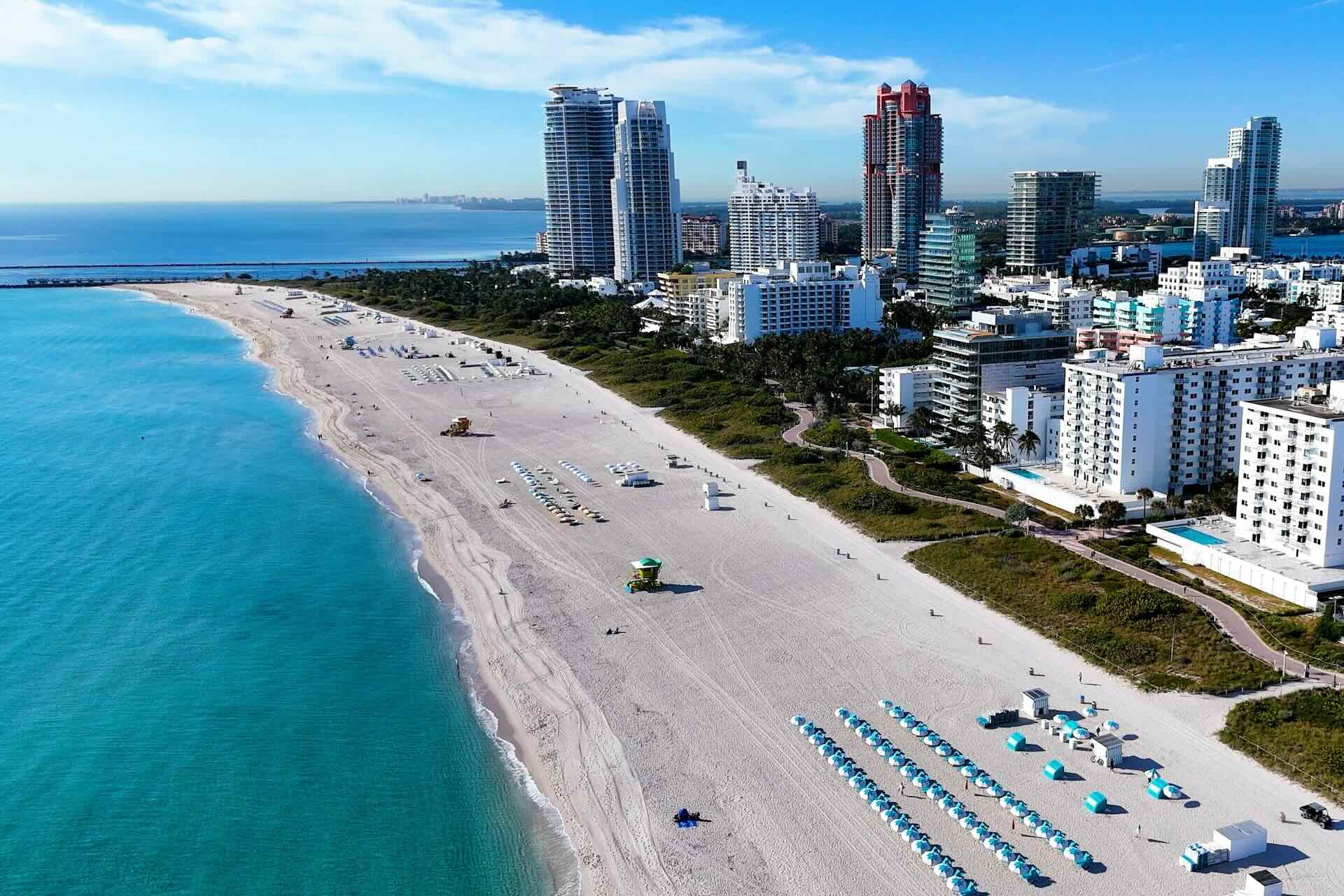
Miami’s Short Term Rental Market Enters a More Strategic Phase
Miami remains one of the most recognizable short term rental markets in the United States. Beaches, global tourism, international business travel, cruises, events, and year round warm weather continue to drive demand. Heading into 2026, the question is no longer whether Miami attracts renters. The real question is whether profitability still exists once regulations, costs, and competition are properly understood.
The answer is yes, but only for buyers who approach the market strategically. Profitability in 2026 depends on building selection, neighborhood choice, pricing discipline, and realistic expectations rather than broad assumptions.
Demand Fundamentals Remain Strong
Year Round Tourism Supports Occupancy
Miami benefits from steady demand across all seasons. Winter travel, spring events, summer vacations, and international visitors help smooth occupancy throughout the year. Unlike markets that rely on a single peak season, Miami maintains consistent booking activity.
Travelers searching accommodations through MakVacation.com often prioritize location, water views, and access to dining and entertainment. Many guests specifically seek a luxury vacation rental experience that combines privacy with high end amenities, which supports premium nightly rates in the right buildings.
Business and Extended Stay Travel Adds Stability
Miami attracts finance, tech, healthcare, and international trade professionals. Conferences, relocations, and long term projects create extended stay demand that complements traditional vacation bookings. This mix reduces reliance on weekend traffic alone.
Regulations Shape Profitability More Than Ever
Building Rules Matter More Than City Headlines
Miami’s short term rental rules are often misunderstood. Profitability is determined less by citywide policy and more by individual building regulations. Some buildings allow nightly rentals. Others require monthly minimums or prohibit short term stays entirely.
Buyers who fail to verify building rules risk owning assets that cannot operate as intended. In 2026, due diligence is the difference between profit and frustration.
Professional Management Becomes Essential
As rules tighten and competition increases, professional management adds value. Proper licensing, guest screening, pricing optimization, and compliance help protect income streams and reduce risk.
Pricing and Competition Require Smarter Strategy
Nightly Rates Normalize
The peak pricing seen during travel surges has moderated. This normalization does not mean the market is weak. It means pricing now reflects sustainable demand rather than exceptional conditions.
Owners who adjust rates dynamically based on season, events, and booking trends continue to perform well. Those who hold unrealistic pricing expectations may see reduced occupancy.
Quality Outperforms Quantity
In 2026, well furnished units in modern buildings outperform average listings. Clean design, reliable WiFi, thoughtful layouts, and strong amenities drive reviews and repeat bookings. Older units without updates struggle to compete even if priced lower.
Neighborhood Selection Drives Results
Brickell, Downtown, Edgewater, and Miami Beach
These neighborhoods continue to attract the strongest short term rental demand due to walkability, dining access, waterfront proximity, and transportation links. They also offer deeper management infrastructure which supports smoother operations.
Travelers planning trips with TravelPal.ai frequently focus on these areas because they provide flexibility and access to multiple experiences without long commutes.
Emerging Areas Require Careful Evaluation
Some emerging neighborhoods offer lower entry pricing but carry higher risk if rental rules change or demand remains unproven. Investors must balance upside potential with regulatory clarity.
Costs Must Be Modeled Accurately
Operating Expenses Impact Net Returns
Insurance, association fees, cleaning, management, utilities, and maintenance all affect profitability. Newer or full service buildings often carry higher fixed costs but support stronger occupancy and rates.
Lower fee buildings may appear attractive but can introduce risk through special assessments or limited rental appeal.
Taxes and Licensing Should Be Planned Early
Proper tax registration, transient rental taxes, and licensing costs must be factored into projections. Investors who plan for these expenses upfront avoid surprises that erode returns.
Short Term Rentals Still Work, With the Right Asset
Not Every Condo Is a Good Rental
In 2026, profitability comes from precision. Buyers must choose buildings with favorable rules, strong amenities, and locations renters actively search for. A poorly chosen unit can underperform even in a strong market.
Long Term Value Still Matters
Short term rental income is only one part of the equation. Appreciation, resale demand, and building reputation matter just as much. Properties that balance income and long term value tend to outperform over full market cycles.
Why Buyers Should Reach Out to MAK Realty Group
Navigating Miami’s short term rental market requires local expertise, building level knowledge, and realistic financial modeling. MakRealty helps buyers identify rental friendly buildings, evaluate true income potential, and avoid common mistakes that reduce profitability. Their guidance is especially important in 2026, when success depends on strategy rather than speculation.
Experience the Market Before You Buy
Investors considering short term rentals should experience Miami from a renter’s perspective. Staying in a luxury vacation rental booked through MakVacation.com provides insight into what guests expect and what buildings deliver strong experiences. Using TravelPal.ai to explore neighborhoods, events, and access points helps buyers understand demand patterns before committing capital.
Leave a Reply