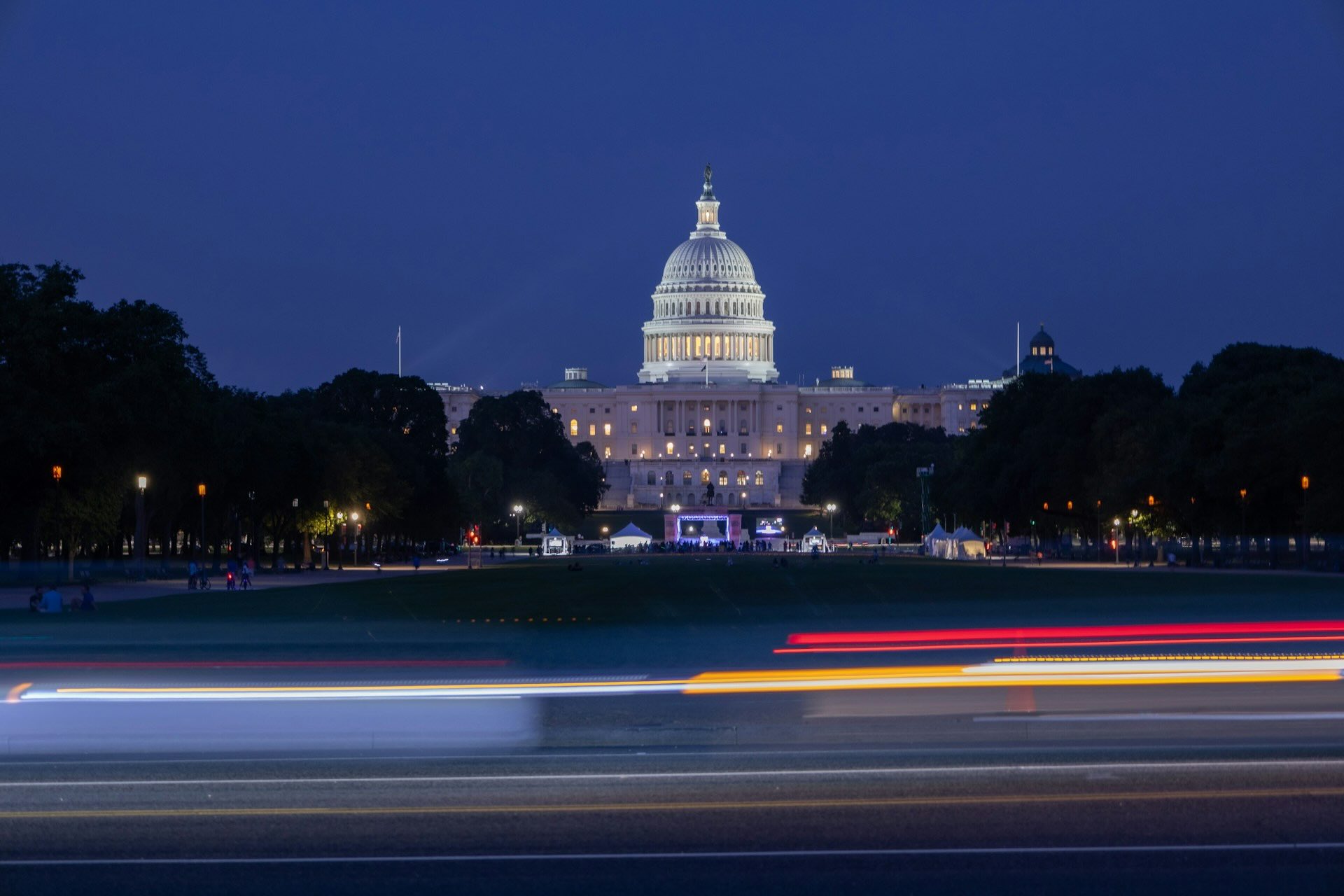
Understanding Real Estate Behavior During Election Cycles
Election years create a unique set of conditions in the national real estate market. While housing demand always responds to broader economic forces like interest rates, employment, and supply constraints, political transitions add a layer of uncertainty that affects buyer confidence and short term activity. In most election cycles, the market does not experience dramatic price swings, but consumer behavior shifts as buyers and sellers wait for clarity around policy direction. These pauses can change market momentum for several months even when long term trends remain stable.
Political Uncertainty and Buyer Decisions
How Buyers Respond During Election Years
Many buyers hesitate to make large financial commitments during election periods because they worry about potential changes in taxes, lending rules, or economic priorities. This cautious behavior often slows contract activity as buyers choose to wait for election outcomes before making final decisions. The hesitation does not always reflect poor market fundamentals. It reflects the natural human tendency to avoid taking risks when major national changes are underway.
Sellers Often Follow the Same Pattern
Sellers also adjust their strategy during uncertain times. Some delay listing their homes if they fear softer demand. Others list but remain flexible on pricing to attract buyers who are still active. The result is a short term period of market indecision that usually recovers quickly once the election concludes and consumers regain confidence.
Pricing Trends Remain Surprisingly Stable
Home Prices Typically Stay the Course
Despite concerns about political transitions, national home prices tend to remain stable in election years. Long term appreciation is driven far more by supply shortages, demographic demand, and interest rate movement than by political cycles. Election related slowdowns tend to affect the number of transactions rather than the direction of pricing. Many years show continued price growth even when buyer volume dips temporarily.
Activity Often Rebounds After the Election
Once results become clear, both buyers and sellers reenter the market. The return of confidence often produces an uptick in activity as postponed moves finally occur. This rebound is one of the most consistent patterns in election year housing behavior and helps preserve long term stability.
Financing and Mortgage Activity in Election Years
Mortgage Applications May Temporarily Slow
Lenders and borrowers sometimes approach financing more cautiously during political transitions. When future economic policy is unclear, some buyers wait to see how interest rates, taxes, or lending conditions may shift. This slowdown rarely lasts long because the fundamentals behind lending decisions depend on inflation, employment, and Federal Reserve actions rather than election results alone.
Interest Rate Expectations Shape Buyer Behavior
Although elections may influence conversations about future economic direction, interest rates respond to broader economic signals. Rates typically do not change sharply because of the election itself. For many buyers, the perception of future rate movement influences timing more than the election outcome. When buyers fear rising rates, they may accelerate purchases even during politically uncertain periods.
Local and Policy Driven Effects
State and Local Elections Can Influence Housing Directly
Local ballot measures can impact zoning rules, property taxes, rental regulations, and development approvals. These decisions may affect local supply and affordability. Investors pay close attention to state level races because they can alter regional investment conditions even when the national market remains steady.
Policy Expectations Affect Timing
When candidates propose changes to tax structures, housing incentives, or regulatory frameworks, consumers often adjust their timing. Some buyers accelerate purchases if they expect rising taxes. Others delay if they anticipate new incentives. These timing shifts create short lived fluctuations rather than sustained market changes.
Why Long Term Fundamentals Matter More Than Elections
Elections Influence Sentiment, Not Core Market Drivers
National housing trends respond most strongly to inventory shortages, job growth, affordability, and population movement. Election results may affect sentiment, but they do not alter the fundamental need for housing. Investors who focus on long term data rather than short term political noise tend to perform best through election cycles.
Strategic Buyers See Opportunity
Periods of hesitation can create openings for strategic investors. Competition often decreases before elections, giving prepared buyers better access to desirable properties. Once confidence returns, demand increases again. Investors who look beyond political cycles often benefit from reduced competition during these temporary pauses.
How MakRealty Helps Clients Navigate Election Year Cycles
Partnering with MakRealty gives clients clarity during times of uncertainty. Their team evaluates real time market data, pricing trends, economic indicators, and policy changes to guide clients toward sound decisions. Whether a buyer wants long term appreciation or stable rental income, MakRealty provides the insight needed to move confidently regardless of political climate.
Experience Market Behavior for Yourself
Understanding how consumer demand responds during an election year becomes easier when you see how travelers and renters engage with different regions. Staying in a luxury vacation rental booked through MakVacation.com can help you observe seasonal trends, neighborhood desirability, and lifestyle value firsthand. Use TravelPal.ai to explore local attractions, compare neighborhoods, and understand how shifts in national sentiment influence travel and housing demand.
Leave a Reply