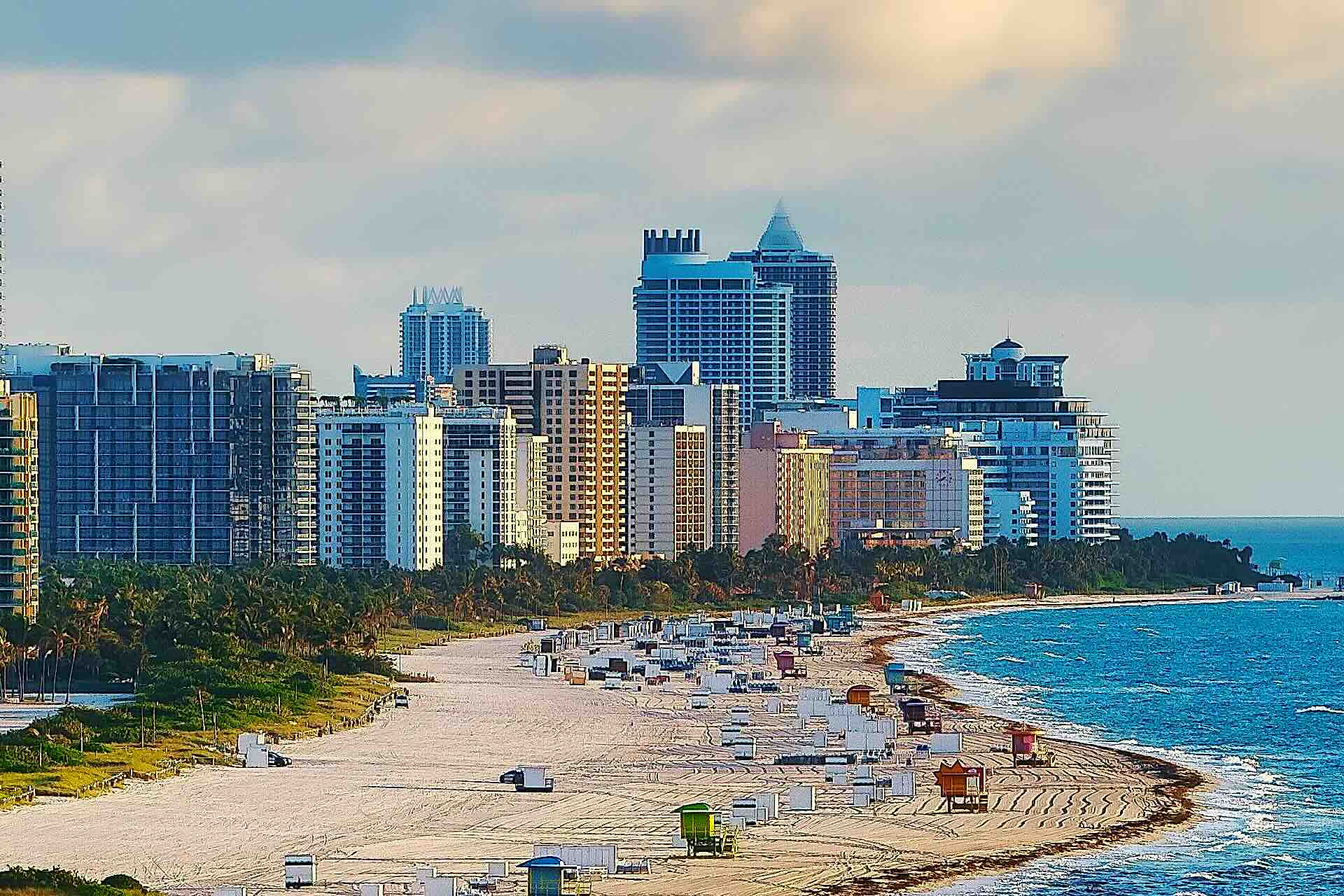
South Beach can be upzoned in some circumstances, however investors should not assume it is simple, automatic, or broadly likely across the area. In Miami Beach, zoning changes that increase development rights face a much higher level of scrutiny than in many other markets. That is especially true in South Beach, where historic preservation, neighborhood character, political resistance, and voter involvement all shape what can and cannot happen. For investors, that means the real question is not only whether upzoning is possible. It is where, how, and under what type of approval structure it could happen.
At MAK Realty, we think this topic matters because many investors hear the word upzoning and immediately start underwriting future upside. That can be dangerous in South Beach. Some sites may hold meaningful redevelopment potential. Others may look promising on paper but face serious barriers tied to historic districts, floor area limits, public process, and local opposition. In a market like this, the spread between perceived upside and realistic upside can be very wide.
South Beach Is Not a Simple Redevelopment Story
South Beach does not behave like a blank canvas. Much of its identity and value comes from the very character that limits aggressive redevelopment. Historic buildings, lower scale blocks, protected districts, and a strong preservation culture all shape the development environment. That means investors cannot evaluate South Beach the way they would evaluate a looser urban district where density increases are mainly a matter of planning staff and commission votes.
This is one reason the area remains so valuable and so complicated at the same time. Scarcity, charm, and iconic identity support pricing and long term appeal. However, those same qualities often make significant zoning changes harder to achieve. For investors, that creates a very specific type of market. The upside can be real, but it usually requires much more precision and patience.
Why Upzoning in Miami Beach Is More Difficult
Miami Beach has unusually strong protections around increases in development intensity. In practical terms, that means bigger projects and more density often require more than a conventional zoning amendment. Public approvals can become highly political, and in some cases voters must weigh in on changes tied to floor area ratio. That creates a much tougher path than investors sometimes expect.
South Beach adds another layer of difficulty because historic preservation is not a side issue there. It is central to the identity of the district. Buildings in historic areas may face separate review, design scrutiny, and demolition limitations that can materially reduce redevelopment flexibility. Even when an investor sees underbuilt land or a low rise structure, the public process may be far more restrictive than the parcel first appears.
Historic Districts Change the Investment Equation
If a property sits within or near a historic district, investors need to think very carefully before assuming future density upside. Historic context can influence not only whether a building can be demolished, but also what kind of replacement project might be acceptable. In South Beach, that matters enormously because so much of the value story depends on preserving the district’s architectural identity.
This does not mean every historic or low scale property is frozen forever. It means the pathway to change becomes more conditional, more political, and more vulnerable to public resistance. For investors, that often shifts the strategy. Instead of counting on sweeping redevelopment, the stronger play may be adaptive reuse, repositioning, renovation, or selective entitlement work on sites with cleaner planning logic.
State Law Can Complicate the Picture
One reason this issue has become more active is that state level housing law has introduced new pressure on local control. In some cases, state housing rules can create pathways that override or compress parts of the normal municipal zoning process. That has raised real concern in Miami Beach, especially around whether historic and lower scale areas could face development pressure from outside the city’s traditional planning framework.
For investors, this creates both opportunity and risk. On one hand, state law can open doors that once looked shut. On the other hand, projects relying on those pathways can become politically charged, legally sensitive, and operationally uncertain. That means investors should be cautious about treating a state level override theory as the same thing as bankable entitlement. In South Beach, those are not the same.
Not All South Beach Parcels Carry the Same Potential
One of the biggest mistakes investors make is speaking about South Beach as if it were one zoning story. It is not. Certain corridors, certain parcel sizes, certain existing uses, and certain noncontributing sites may present more realistic redevelopment potential than others. Meanwhile, heavily protected historic areas may offer far less true upside than a headline discussion about upzoning would suggest.
This is why parcel level diligence matters so much. You need to understand the current zoning, historic status, overlay conditions, floor area limitations, use restrictions, demolition hurdles, and whether the site sits in a position where a change could realistically gain traction. The same neighborhood can contain both serious opportunity and serious dead ends.
What Investors Should Underwrite Carefully
If you are evaluating South Beach with an upzoning thesis, your underwriting should stay conservative until you have real legal and planning clarity. Do not price the deal as if added density is inevitable. Do not assume a larger future envelope simply because the current building seems underbuilt. In this market, unrealized development potential can remain unrealized for a very long time.
Investors should also think about carrying costs, delay risk, public opposition, preservation review, and the cost of pursuing approvals that may never materialize. In some cases, the smarter strategy is to buy a property that already works economically under current rules and treat any future zoning upside as optional rather than essential. That approach creates a far safer investment profile.
The Best Opportunities Often Come From Specificity
The most compelling South Beach investment opportunities usually do not come from broad theories. They come from very specific facts. A site may have unusual frontage, a unique use history, cleaner entitlement posture, or a location outside the most restrictive historic conditions. Another may benefit from policy changes, state law interaction, or corridor level planning discussions that make it more viable than surrounding parcels.
That level of specificity is what separates disciplined investing from speculative storytelling. In South Beach, generalized optimism can be expensive. Investors who do well here usually understand not just the neighborhood, but the exact parcel, the exact approval path, and the exact political context around the site.
So, Can South Beach Be Upzoned
Yes, South Beach can see upzoning or functional increases in development potential in certain cases. However, investors should not treat that as a broad market assumption. The real answer is that some sites may have a path, some may gain leverage from changing law or policy, and many will remain heavily constrained by local protections and political reality.
That is why South Beach rewards careful investors more than aggressive assumptions. The area can offer exceptional long term value, strong scarcity, and highly defensible location quality. However, if your investment thesis depends on future zoning expansion, you need a much more exacting level of diligence than in a more flexible market.
At MAK Realty, we help investors evaluate South Beach through both a lifestyle and entitlement lens. We look at what the property is today, what it might become, and how realistic that path actually is. For a tailored shortlist and next step guidance, connect with MAK Realty.
Leave a Reply