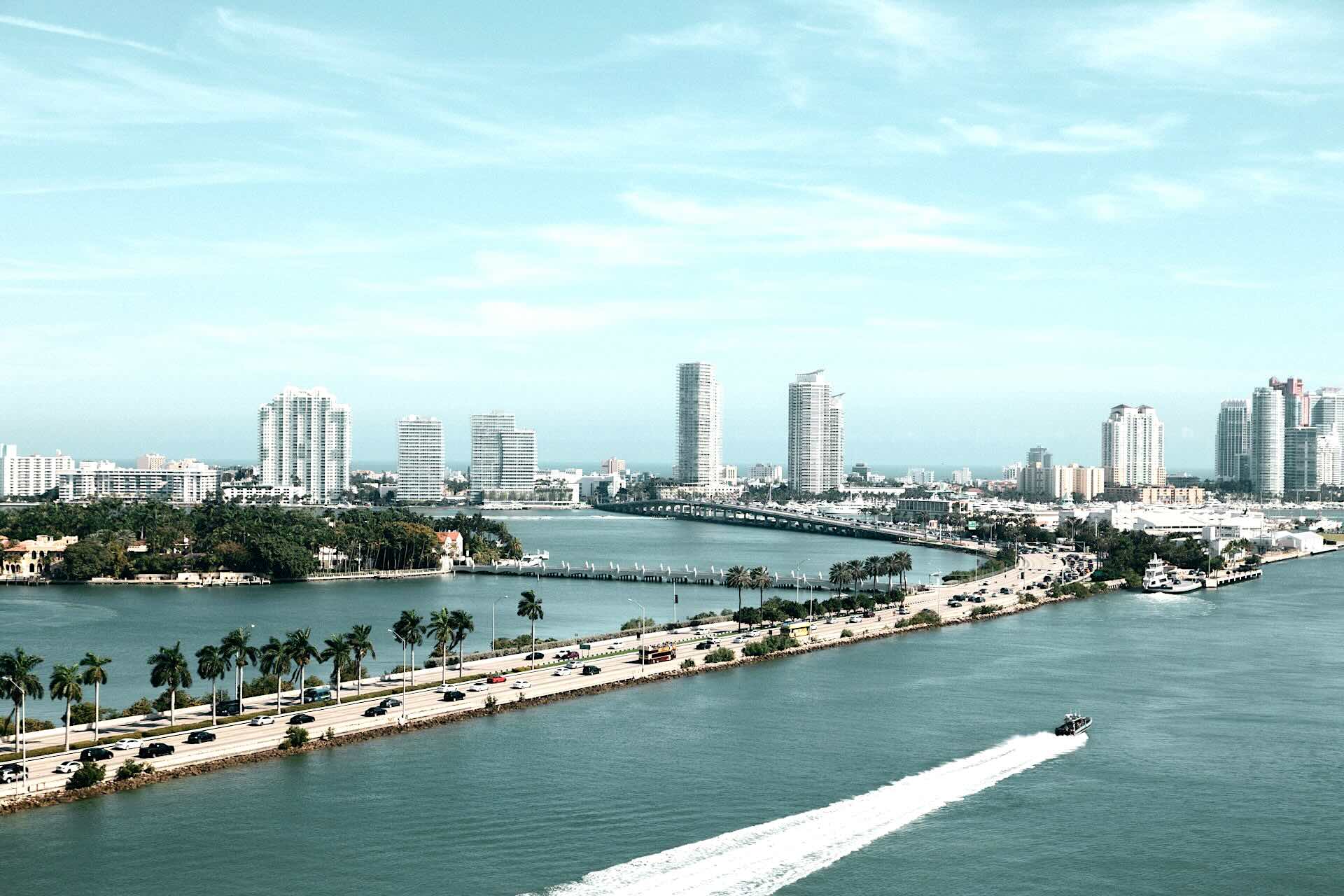
When national housing markets slow, Miami often behaves differently. Miami prices do not collapse. Demand does not disappear.
Instead, Miami real estate tends to pause, recalibrate, and then continue forward.
This resilience is not accidental.
At MAK Realty, we see this pattern repeat across multiple cycles.
Understanding why Miami prices stay resilient during national slowdowns helps buyers and investors separate signal from noise.
Miami Demand Is Structural, Not Speculative
Migration Drives Real Housing Need
Miami continues to attract permanent residents.
These are not short term speculators.
Executives, entrepreneurs, and remote professionals relocate for lifestyle, taxes, and business flexibility.
They are buying homes to live in, not flip.
This type of demand does not vanish when interest rates rise.
It creates a stable base of buyers.
Markets driven by speculative demand fall harder during slowdowns.
Miami is not one of them.
Second Home Buyers Add Stability
A significant share of Miami buyers purchase second homes.
These buyers are typically less leveraged.
They are less sensitive to mortgage rate fluctuations.
They are also less likely to sell during uncertainty.
This behavior reduces forced inventory and price pressure.
Global Capital Acts as a Price Stabilizer
International Buyers Think Differently
Miami is a global city.
International buyers view US real estate as a store of value.
During global uncertainty, Miami often attracts more capital, not less.
Currency volatility and geopolitical risk abroad push money toward stability.
This inflow supports pricing when domestic markets soften.
Miami Competes With Global Cities, Not US Cities
Miami is often compared to New York or Los Angeles.
In reality, it competes with London, Dubai, and Paris.
Buyers making these comparisons view Miami as relatively undervalued.
That perception supports continued demand.
National slowdowns matter less in this context.
Limited Supply Protects Pricing
Geography Restricts Expansion
Miami is bordered by water.
This is a permanent constraint.
Unlike land rich markets, Miami cannot expand outward easily.
Supply growth is inherently limited.
When demand fluctuates, prices adjust less dramatically.
Scarcity acts as a buffer.
Development Is Capital Intensive and Disciplined
Luxury and pre construction projects in Miami require significant capital.
Developers cannot flood the market quickly.
Projects are planned years in advance.
Financing, zoning, and absorption timelines create natural pacing.
This discipline prevents sudden oversupply during downturns.
Lifestyle Value Sustains Buyer Willingness
Buyers Are Paying for Experience
Miami buyers are not purchasing only shelter.
They are buying a lifestyle.
Weather, water access, dining, wellness, and culture all factor into pricing decisions.
These qualities do not disappear during economic slowdowns.
In many cases, lifestyle becomes more important during uncertainty.
Buyers prioritize quality of life.
This supports pricing even when other markets stall.
Miami Is a Use Market, Not Just an Investment Market
Many buyers actively use their Miami properties.
Personal enjoyment reduces urgency to sell.
This behavior limits distressed inventory.
Prices remain supported.
Markets dominated by pure investors experience sharper corrections.
Miami’s mix protects it.
Short Term Rental Demand Adds a Safety Net
Tourism Remains a Constant Driver
Miami is a year round destination.
Tourism demand is diverse and global.
Events, cruise traffic, international travel, and seasonal visitors sustain occupancy.
This supports rental income during broader slowdowns.
Buildings that allow short term rentals often outperform.
Investors value flexibility.
Many buyers experience this demand firsthand by staying in a luxury vacation rental before purchasing.
Rental Income Offsets Holding Pressure
When prices flatten, rental income matters more.
Miami properties often continue generating cash flow.
This reduces pressure to sell during downturns.
Owners can hold comfortably.
Rental demand adds resilience to pricing.
Financing Structures Reduce Forced Selling
High Cash Buyer Presence
A large portion of Miami luxury transactions are cash.
Cash buyers are not affected by rising rates.
They also tend to hold longer.
This stabilizes the market.
Markets dominated by highly leveraged buyers experience more distress.
Miami is less exposed.
DSCR and Portfolio Loans Add Flexibility
For financed buyers, DSCR loans allow qualification based on rental income.
This keeps transactions moving even when conventional lending tightens.
Portfolio loans support international and high net worth buyers.
Flexibility matters during slowdowns.
Miami lenders are accustomed to these structures.
This reduces friction.
Pre Construction Buyers Anchor Long Term Value
Buyers Commit Years in Advance
Pre construction buyers commit long before delivery.
They are planning long term.
These buyers are not reacting to short term headlines.
They are focused on future scarcity and appreciation.
This forward looking behavior stabilizes pricing.
It reduces panic selling.
Replacement Costs Continue Rising
Construction costs rarely decline meaningfully.
Labor, materials, and regulatory costs set a floor.
As replacement costs rise, existing inventory gains support.
This limits downside risk.
Even during slowdowns, new supply remains expensive.
This protects existing values.
Miami Has Evolved Beyond Its Old Cycles
The Market Is More Institutional
Miami real estate has matured.
Institutional capital now participates actively.
Branded residences, luxury towers, and mixed use projects attract sophisticated buyers.
These participants think in decades, not quarters.
Institutional involvement reduces volatility.
It increases discipline.
Economic Drivers Are More Diverse
Miami is no longer only tourism driven.
Finance, tech, healthcare, and international trade all contribute.
Diverse economic engines support housing demand.
Single industry markets suffer more during downturns.
Miami’s diversification strengthens resilience.
Psychology Matters in Price Stability
Confidence Replaces Fear
In resilient markets, buyers remain confident.
Miami has earned that confidence.
Past performance influences behavior.
Buyers who saw Miami outperform before expect it to do so again.
This expectation becomes self reinforcing.
Markets are shaped by psychology as much as numbers.
Sellers Are Less Reactive
Miami sellers are generally not distressed.
They can wait.
When sellers are patient, prices hold.
Inventory adjusts instead of pricing collapsing.
This dynamic defines resilient markets.
Why Miami Continues to Stand Apart
National slowdowns expose weak fundamentals.
Miami’s fundamentals remain strong.
Migration, global demand, lifestyle value, and limited supply all work together.
Few US markets share this combination.
This is why Miami prices tend to bend, not break.
At MAK Realty, we help buyers understand when resilience creates opportunity.
Timing, asset selection, and strategy matter more than headlines.
Experiencing Miami in person often reinforces this perspective. Staying in a luxury vacation rental through MAK Vacation allows buyers to see how demand translates into daily life. Planning your visit with TravelPal.ai helps maximize insight, and connecting with MAK Realty ensures expert guidance when the right opportunity appears.
Leave a Reply