Tag: Miami real estate trends

  • Why Global Buyers Are Choosing Miami Over Other U.S. Cities

    Why Global Buyers Are Choosing Miami Over Other U.S. Cities

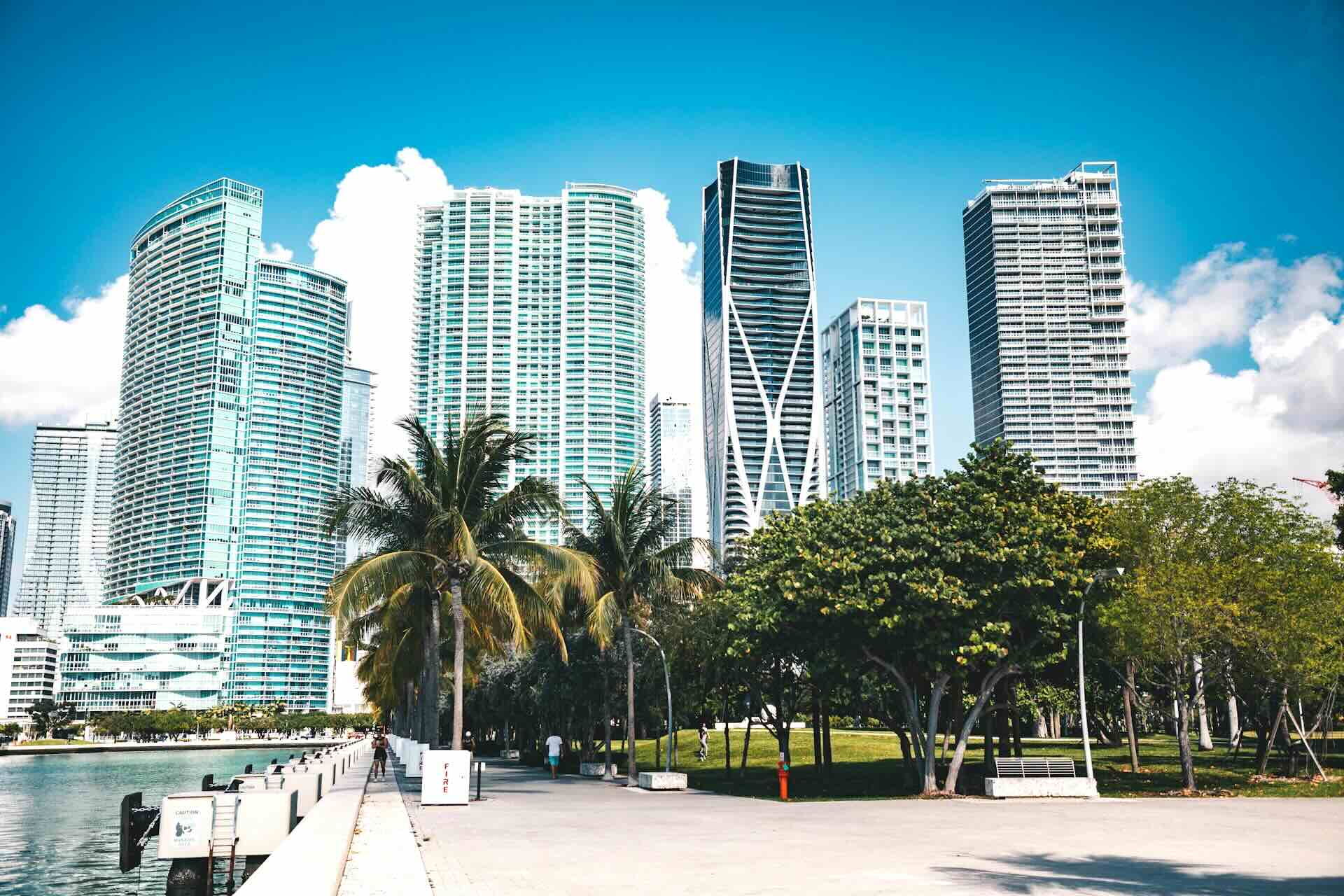
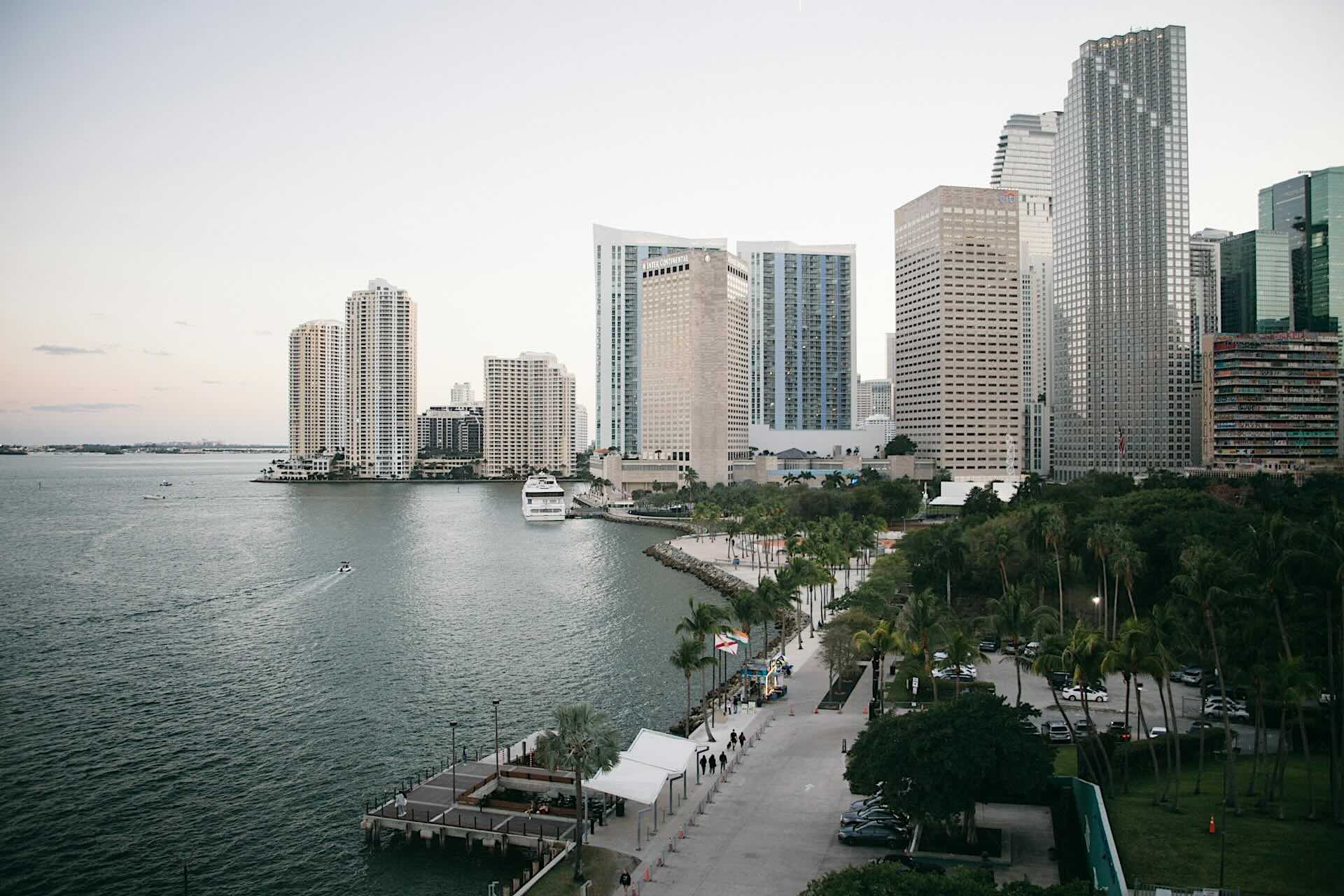
    Global buyers continue choosing Miami over other U.S. cities because Miami offers a combination that few markets can match. It brings together waterfront lifestyle, international visibility, tax appeal, branded luxury product, and a buyer base that already thinks globally. That mix matters because affluent international buyers are rarely making a decision based on weather alone. They are looking for a city that can hold wealth, support lifestyle, and stay relevant on the world stage. Miami keeps checking those boxes. Miami REALTORS reported in early 2026 that Miami remains the number one U.S. market for foreign home buyers, and its international activity continues to far exceed the national norm. 

    At MAK Realty, we see this as more than a short term trend. Miami has moved beyond the old idea of being simply a seasonal destination. It now operates as a true global city in the eyes of many buyers. That shift shows up not only in resale demand, but also in new development, where international purchasers accounted for nearly half of South Florida new construction, pre construction, and condo conversion sales in the most recent Miami Realtors new construction report. 

    Miami Feels More International Than Most U.S. Cities

    One of Miami’s biggest advantages is that it feels familiar to foreign capital. Buyers from Latin America, Europe, Canada, and elsewhere often already know the city, visit regularly, or have personal, business, or cultural ties to it. That familiarity lowers friction. A buyer does not need a long explanation for why Miami matters. The city already sits inside the global luxury conversation.

    This is a major difference from many otherwise strong U.S. markets. A city can be beautiful and prosperous, yet still feel domestically oriented. Miami feels internationally legible. That helps explain why Miami Realtors’ 2025 international report showed global buyers purchasing billions of dollars in Miami Dade real estate, with Miami Dade far outpacing neighboring counties in dollar volume. 

    Global Buyers Understand the Product

    Miami also benefits because the product itself is easy for global buyers to understand. Luxury condos, branded residences, waterfront towers, second homes, and high service buildings are all property types that translate well across borders. Buyers comparing Miami with other U.S. cities often find that the market offers the kind of real estate they already value elsewhere in the world.

    That makes Miami unusually efficient as a global luxury market. A foreign buyer looking at Brickell, Miami Beach, Surfside, Bal Harbour, or Sunny Isles Beach can usually identify a familiar ownership logic. The property can serve as a second home, a family base, a wealth holding, or a branded lifestyle asset. This kind of clarity gives Miami an edge over cities where the housing stock feels less aligned with internationally mobile wealth.

    New Development Keeps Pulling Global Demand

    One of the clearest signs of Miami’s international strength is how global buyers continue showing up in new development. Miami Realtors’ new construction reporting found that international buyers purchased nearly half of South Florida new construction, pre construction, and condo conversion units over the measured period, and later reporting showed that global buyer share increased even further in newer reporting windows. 

    This matters because global buyers often respond strongly to newer product. They like clean design, hospitality style service, branded identities, and buildings that feel easy to own from abroad. Miami’s development pipeline has been built around exactly those preferences. As a result, the city keeps offering inventory that feels ready made for international demand.

    Miami Offers Lifestyle and Capital Strategy at the Same Time

    Global buyers are not choosing Miami only because it is enjoyable. They are also choosing it because the city can function as part of a broader wealth strategy. Florida’s tax environment remains attractive, and Miami provides a dollar denominated hard asset in a globally visible city. For many international buyers, that is highly compelling.

    This is one reason Miami often wins against other U.S. cities that may be prestigious but less aligned with global lifestyle investing. The purchase is not only about a home. It is about having an asset in a city that feels aspirational, usable, and internationally recognized. That logic becomes even stronger when currency risk, political uncertainty, or capital preservation concerns shape the decision.

    Miami’s Luxury Market Has Real Scale

    Another reason global buyers continue choosing Miami is scale. The city has enough depth in its luxury market to serve different kinds of buyers at once. Some want a branded condo in the urban core. Others want beachfront luxury. Others want privacy, security, and a more insulated residential setting. Miami can support all of those preferences without losing its broader identity.

    This scale helps the city compete with larger global destinations. Miami is not dependent on one single luxury neighborhood or one single property type. That flexibility widens the buyer pool and keeps the market relevant across different categories of international demand. It also helps explain why South Florida posted one of its strongest years ever for ultra luxury sales, with Miami Realtors reporting that the region recorded the second most ten million dollar and up home sales in its history during 2025. 

    The City Still Carries Momentum

    Global buyers also pay attention to momentum. They want to know whether a city still feels ascendant. Miami continues to benefit from that perception. South Florida Realtors data recently noted that South Florida was still outperforming national housing trends even with mortgage rates elevated, while luxury and cash activity remained especially strong. 

    That kind of resilience matters. Buyers with choices often prefer a city that still feels like it is growing into its status rather than one that feels static. Miami continues to project movement, attention, and relevance. In global real estate, that perception has real value.

    Miami Makes Cross Border Ownership Easier to Justify

    For many international buyers, Miami also wins because it is easy to justify to family members, advisors, and business partners. The city has obvious use value. It offers direct flights, lifestyle appeal, strong tourism, and a recognizable place in American and global culture. It is easier to explain than a secondary market that may have solid numbers but less prestige.

    That matters more than many people realize. Cross border real estate decisions are not always purely personal. They often involve family office logic, wealth planning discussions, or broader portfolio thinking. Miami works well in that environment because it offers a clean narrative. It is a luxury U.S. city with global demand, strong visibility, and a property market that international buyers already understand.

    Other U.S. Cities Often Lack Miami’s Full Combination

    Other U.S. cities may beat Miami in one category or another. Some are quieter. Some are more established in a traditional sense. Some have stronger local economies. However, few offer the full combination of water, weather, luxury inventory, tax appeal, international familiarity, and visible momentum in the same way.

    That is why Miami continues to stand out. It does not need to be the cheapest, the oldest, or the most traditional. It wins because it offers a rare blend of attributes that line up with what global buyers actually want right now. In practical terms, Miami remains easier to sell, easier to understand, and easier to desire than many competing cities.

    What This Means for Buyers Today

    For current buyers, this global demand matters because it helps support long term relevance in key neighborhoods and property types. It does not mean every Miami property will perform equally well. It does mean that well selected assets in globally legible locations continue to benefit from a wider demand base than many U.S. markets can offer.

    At MAK Realty, we help clients evaluate not only what looks appealing today, but also what is most likely to remain attractive to future domestic and international buyers. That perspective matters in a city where global demand is not a side story. It is a core part of the market. For buyers planning to explore Miami in person, MAK Vacation can help make the stay more comfortable. For a tailored shortlist and next step guidance, connect with MAK Realty.

  • Miami Among the Top U.S. Cities for Women Owned Businesses

    Miami Among the Top U.S. Cities for Women Owned Businesses

    Miami ranks among the top U.S. cities for women owned businesses, and that says something important about where the city is heading. The city continues to gain recognition as a place where women entrepreneurs are building companies, creating jobs, and shaping the local economy in visible ways. That matters because business ownership often reflects more than ambition alone. It reflects whether a city offers the right mix of opportunity, market access, and momentum.

    At MAK Realty, we see this as more than a business headline. It reflects a broader shift in Miami’s identity. The city is no longer defined only by tourism, luxury living, or tax appeal. It is also becoming a place where entrepreneurship, visibility, and long term business growth can align in a very practical way. That matters because strong business formation helps strengthen neighborhoods, support demand, and deepen the local economy.

    Why This Ranking Matters

    A strong showing for women owned businesses matters because it signals depth in the local economy. It suggests Miami is not relying on one narrow growth story. Instead, it is building momentum through a wider mix of founders, operators, and small business owners who are shaping the market from the ground up. When women owned businesses gain real scale in a metro area, it usually reflects a combination of opportunity, confidence, and economic energy.

    It also matters because entrepreneurship changes how a city functions. Businesses create jobs, activate storefronts, support service industries, and contribute to the neighborhood character that both residents and investors value. Therefore, a strong environment for women owned businesses is not just a positive social marker. It is also an economic one, and Miami appears to be benefiting from that dynamic.

    Miami’s Entrepreneurial Culture Keeps Strengthening

    Miami has spent the last several years building a stronger reputation as a place where new businesses can launch and grow. The city increasingly attracts founders, operators, and independent professionals who want a market that rewards visibility, ambition, and speed. That broader entrepreneurial culture helps explain why women owned businesses are finding traction here. They are operating inside a city that already supports growth minded people willing to build.

    This culture supports more than founders alone. It shapes the local service economy, creates demand for office and mixed use space, and helps neighborhoods feel more active and self sustaining. In practical terms, a city with strong business formation often becomes more attractive to both residents and investors because it signals momentum that goes beyond tourism or seasonal demand.

    Why Miami Appeals to Women Owned Businesses

    Miami offers several qualities that can make it attractive to women entrepreneurs. The city has strong international visibility, a diverse population, and a market culture that tends to reward branding, hospitality, service, and lifestyle driven concepts. In addition, Miami’s broader growth story suggests the environment can support people who want to launch and scale rather than simply work within a traditional corporate structure.

    The city also benefits from a more visible entrepreneurial identity than it had in the past. That matters because founders often cluster in places where business ownership already feels culturally normal and commercially possible. When a market builds enough momentum, it starts to validate itself. Miami appears to be moving further into that stage, and women owned businesses are clearly part of that story.

    What This Means for Miami Real Estate

    A stronger environment for women owned businesses can matter for real estate in subtle but important ways. Growing businesses support demand for housing, retail, and flexible commercial space. They also contribute to the local lifestyle ecosystem that helps neighborhoods feel more layered and more desirable over time. That is especially relevant in a city like Miami, where business, hospitality, and residential demand often intersect closely.

    For buyers and investors, this adds another reason to take Miami seriously as a long term market. It suggests the city’s strength is not based only on affluent relocation or global capital. It also reflects local business creation and the kind of economic diversity that can make growth more durable. That does not mean every property benefits equally. It does mean the city’s business base may be getting broader and stronger in ways that support long term confidence.

    A Broader Signal About Miami’s Direction

    The bigger takeaway is that Miami continues to evolve into a more complete economic story. Recognition tied to women owned businesses, small business growth, and entrepreneurial activity all point in a similar direction. The city is becoming more than a place people visit or relocate to for weather and taxes. It is becoming a place where people build. That shift matters because markets with stronger creation energy often carry stronger long term appeal.

    At MAK Realty, we pay attention to signals like this because they help explain what is happening beneath the surface of the real estate market. Business growth, neighborhood momentum, and demographic change often move together. For buyers planning to explore Miami in person, MAK Vacation can help make the stay more comfortable.

    For a tailored shortlist and next step guidance, connect with MAK Realty.

  • Why Miami Keeps Attracting the Ultra Wealthy

    Why Miami Keeps Attracting the Ultra Wealthy

    Miami keeps attracting the ultra wealthy because it offers a rare combination of lifestyle, tax appeal, global visibility, and real estate that still feels aspirational. For affluent buyers, the city is not simply a warm weather destination. It is a place where wealth can live comfortably, visibly, and strategically. That distinction matters because the highest end of the market rarely moves for only one reason. It moves when several powerful advantages come together in the same place, and Miami continues to offer that combination more clearly than most cities.

    At MAK Realty, we see this demand as part of a larger long term shift rather than a passing trend. Ultra high net worth buyers are not just reacting to headlines. They are responding to structure. They want favorable tax conditions, international access, strong luxury inventory, and a city that can support both private life and public image. Miami continues to meet those needs in a way that feels increasingly established.

    Tax Appeal Still Matters

    One of the clearest reasons Miami attracts wealthy buyers is Florida’s tax environment. For many affluent individuals, that advantage is not a minor bonus. It is a meaningful part of the decision. Buyers relocating from high tax states often view the move as both a lifestyle upgrade and a financial strategy. Over time, that combination can become very compelling.

    However, tax appeal alone would not be enough if the city did not also offer a strong quality of life. People do not move substantial wealth just to save money. They move when the tax structure aligns with a place they actually want to spend time. Miami succeeds because it combines financial logic with strong emotional appeal.

    Miami Offers a Global Lifestyle

    Miami has evolved into a truly global city. It attracts buyers from Latin America, Europe, the Northeast, California, and beyond. That international pull matters because the ultra wealthy often want more than a local luxury market. They want a city that feels connected, visible, and relevant on a global stage.

    This global identity also helps Miami feel familiar to foreign buyers. Many already know the city, visit frequently, or have business and social ties there. As a result, owning real estate in Miami often feels easier to justify than entering a less internationally recognized market. The city offers prestige, but it also offers familiarity, and that combination is powerful.

    Luxury Real Estate Supports Different Kinds of Buyers

    Another reason Miami keeps drawing wealth is that the market offers many different versions of top tier living. Some buyers want a private waterfront estate with land, security, and complete discretion. Others want a branded residence with five star service, a prime location, and an easier ownership model. Miami supports both.

    That flexibility is important because the ultra wealthy are not one uniform buyer group. Some prioritize privacy above everything. Others want access to nightlife, dining, or business. Some want a quiet second home. Others want a visible residence that reflects their public image. Miami gives them options across neighborhoods, building styles, and price points within the luxury tier.

    Climate and Waterfront Living Have Lasting Pull

    The appeal of warm weather and waterfront living should not be underestimated. For many buyers, Miami offers a daily quality of life that feels fundamentally better than what they experience elsewhere. Outdoor dining, boating access, ocean views, and year round sunshine all shape the city’s luxury appeal in a way that is hard to replicate.

    This is especially important for buyers who split time between cities. They often want one residence that feels lighter, easier, and more leisure driven than their primary business base. Miami fits that role very well. It can function as a serious residence while still feeling like an escape. That is part of what keeps it so attractive to affluent buyers.

    Privacy and Prestige Can Exist Together

    Many wealthy buyers want privacy, but they also want prestige. Miami offers both. Neighborhoods like Indian Creek, Bal Harbour, Surfside, and certain parts of Miami Beach allow buyers to protect their personal lives while still owning in globally recognized locations. That balance can be difficult to find in other luxury markets.

    This matters because discretion has become more valuable at the highest end of the market. Buyers want security, smoother arrivals, and environments that feel controlled. However, they do not necessarily want to disappear completely from the luxury conversation. Miami allows them to maintain both privacy and status, which is a major part of its appeal.

    The City Supports Image and Influence

    For many ultra wealthy buyers, image matters. Miami offers a setting that supports status, hospitality, and visibility without feeling as rigid as some older wealth centers. It has become a place where finance, tech, entertainment, sports, and international business all intersect. That creates a social and professional environment that many affluent buyers find attractive.

    The city also has strong visual power. Skyline views, bayfront properties, branded towers, luxury hotels, and high profile restaurants all reinforce the sense that Miami is a place where wealth looks at home. For buyers who care about image, that visual ecosystem matters more than many people realize.

    Wealth Migration Keeps Reinforcing Demand

    Wealth tends to attract more wealth. Once a market gains momentum with influential buyers, others begin to view it as validated. Miami has benefited from that effect in a major way. As founders, executives, athletes, and globally visible individuals continue buying there, the city becomes even more attractive to the next wave of capital.

    This helps create a reinforcing cycle. Buyers are not only responding to the city itself. They are responding to the fact that other people with means, visibility, and options have also chosen it. That kind of market validation can be extremely powerful, especially at the top end of real estate where confidence matters as much as raw demand.

    New Development Keeps Raising the Standard

    Miami also continues to attract the ultra wealthy because new development keeps raising expectations. Branded residences, architect driven towers, and hospitality influenced projects are giving affluent buyers more reasons to choose the city. These buildings offer modern layouts, stronger wellness programming, polished service, and the type of design credibility that matters in a competitive luxury market.

    This constant refresh of inventory helps Miami stay current. Some luxury markets rely heavily on older prestige. Miami keeps adding new reasons to buy. That is one of the clearest reasons it remains so relevant to wealthy buyers who want quality, identity, and modern livability in the same property.

    Why This Matters for Other Buyers Too

    Even buyers outside the ultra wealthy category should pay attention to these patterns because they influence pricing, neighborhood strength, and the long term appeal of certain property types. When affluent buyers continue choosing Miami, they help reinforce the city’s position within the global luxury conversation. That can support values, strengthen prestige, and keep top neighborhoods highly competitive.

    However, this does not mean every property benefits equally. The strongest demand usually concentrates around prime locations, better buildings, and residences that align with what the market values most. That is why guidance matters. Buyers need to understand not just that wealth is flowing into Miami, but where it is flowing and why.

    Miami’s Appeal Looks Increasingly Durable

    Miami keeps attracting the ultra wealthy because it offers more than one strong selling point. It combines tax appeal, global relevance, luxury real estate, climate, privacy, and social prestige in a way that few cities can match. That does not mean the market moves in a straight line. However, it does suggest that the forces supporting Miami’s top tier are deeper than a temporary burst of attention.

    At MAK Realty, we help clients understand what is driving the market beneath the surface. That perspective matters when you are evaluating neighborhoods, buildings, and long term value in a city shaped by both local demand and international capital. For buyers planning a trip to explore Miami in person, MAK Vacation can help make the stay more comfortable. If you also want to organize showings, dining, and neighborhood visits more efficiently, TravelPal.ai can help support the plan.

    For a tailored shortlist and next step guidance, connect with MAK Realty.

  • Celebrities That Have Recently Purchased Miami Real Estate

    Celebrities That Have Recently Purchased Miami Real Estate

    Celebrity buying activity in Miami real estate still matters because it often reflects where confidence, prestige, and long term demand are building. Recently reported purchases show that high profile buyers are not simply chasing sunshine or headlines. They are targeting privacy, waterfront positioning, branded residences, and neighborhoods that strengthen Miami’s identity as a global luxury market. For buyers watching the upper tier, those patterns are worth paying attention to.

    At MAK Realty, we see these purchases as more than celebrity gossip. They help illustrate where top tier demand is concentrating and what types of properties continue to command attention. Recent buyers linked to Miami area real estate have come from technology, sports, and entertainment. Their purchases range from major waterfront estates to highly branded new development residences.

    Mark Zuckerberg and the Power of Indian Creek

    One of the biggest recent stories involved Mark Zuckerberg and Priscilla Chan, who were tied to a major mansion purchase on Indian Creek. The reported price drew widespread attention because it pushed further into the top tier of Miami area luxury real estate and reinforced Indian Creek’s standing as one of the most exclusive addresses in the country.

    This matters beyond the headline figure. Indian Creek continues to attract buyers who want extreme privacy, elite security, and a level of exclusivity that very few neighborhoods can offer. When someone of Zuckerberg’s profile buys there, it supports the idea that Miami is competing with the world’s leading wealth markets, not just other Florida destinations.

    Sergey Brin and Ongoing Tech Wealth Migration

    Sergey Brin has also been linked to a major Miami area purchase, adding to the growing list of technology figures committing serious capital to South Florida. That kind of move supports a trend that has already reshaped the upper end of the market. Miami continues to attract founders, executives, and investors who want a mix of tax advantages, waterfront living, and strong international visibility.

    For the luxury market, this is significant because tech wealth tends to move strategically. These buyers often have options in multiple cities and countries. When they keep choosing Miami, it reinforces the city’s long term appeal as both a lifestyle destination and a serious residential base.

    Alex Karp and Venetian Islands Appeal

    Palantir chief executive Alex Karp was identified as the buyer of a major waterfront mansion on the Venetian Islands. That purchase highlights another important point about Miami real estate. Not every high profile buyer wants a branded tower or a trophy compound on Indian Creek. Some want a central waterfront neighborhood that still offers privacy while keeping them close to Miami Beach and the urban core.

    The Venetian Islands continue to appeal to buyers who want that balance. They offer bayfront prestige, strong residential character, and convenient access to multiple parts of Miami. When a buyer like Karp chooses that type of location, it reinforces the value of well positioned waterfront neighborhoods that feel private without feeling isolated.

    Lionel Messi and Branded New Development

    Lionel Messi has been linked to multiple units at Cipriani Residences Miami, which adds a different dimension to the celebrity buying story. Not every high profile buyer wants a standalone mansion. Some prefer a branded, service driven residential experience with strong amenities, modern design, and easier ownership.

    That kind of purchase matters because it supports the continuing strength of branded new development in Miami. Buyers at the top end are increasingly responding to service, identity, and a polished hospitality style environment. A globally recognized athlete choosing a project like that reinforces how much demand there is for luxury living that feels both elevated and manageable.

    Sergio Perez and Brickell’s Luxury Appeal

    Sergio Perez has also been connected to a luxury condo purchase in Brickell. That points to another important layer of the market. Brickell continues attracting buyers who want walkability, skyline views, hospitality driven amenities, and direct access to business, dining, and nightlife.

    For celebrity and athlete buyers, Brickell can offer a more connected urban lifestyle than a private island estate. It appeals to those who want energy, convenience, and a residence that functions well for part time use or city centered living. That keeps Brickell highly relevant within the broader luxury conversation.

    Entertainment Names and Waterfront Neighborhoods

    Reality television figure Sam Logan has also been tied to a major waterfront purchase in Miami. That is notable because it shows celebrity demand is not limited to the most obvious trophy enclaves. Buyers still pursue well located homes in neighborhoods that offer water access, privacy, and a strong residential feel even if those areas do not always dominate national headlines.

    This matters because Miami’s luxury market is deeper than many outsiders assume. Indian Creek, Star Island, and a few iconic towers get most of the attention, however other neighborhoods continue to attract affluent buyers who want something more tailored. That gives serious buyers a reminder that value and prestige do not exist only in the most publicized zip codes.

    What These Purchases Suggest About Miami

    Taken together, these purchases say a lot about where Miami stands today. The city continues attracting people with global profiles, large balance sheets, and many choices. Some want major estates with privacy and land. Others want branded condos with service and convenience. Some want quiet bayfront streets. Others want a vertical urban lifestyle.

    That variety is part of Miami’s strength. The market is no longer defined by one kind of luxury buyer or one type of property. It now supports multiple versions of top tier living, which is one reason it remains so competitive and so internationally relevant.

    Why Buyers Should Pay Attention

    Celebrity purchases should never be the only reason to choose a property or neighborhood. However, they can signal where confidence is building and where long term desirability remains strong. When high profile buyers keep selecting the same types of locations and product categories, that can reinforce the value story behind those areas.

    At MAK Realty, we help clients separate noise from real market meaning. A headline matters most when it aligns with strong fundamentals, quality product, and long term appeal. For buyers visiting Miami to compare neighborhoods and properties in person, MAK Vacation can make the stay more comfortable and efficient. If you also want to organize dining, local exploring, and scheduling around your visit, TravelPal.ai can help streamline the experience.

    For a tailored shortlist and next step guidance, connect with MAK Realty.
  • How New Construction Is Redefining Luxury in Miami

    How New Construction Is Redefining Luxury in Miami

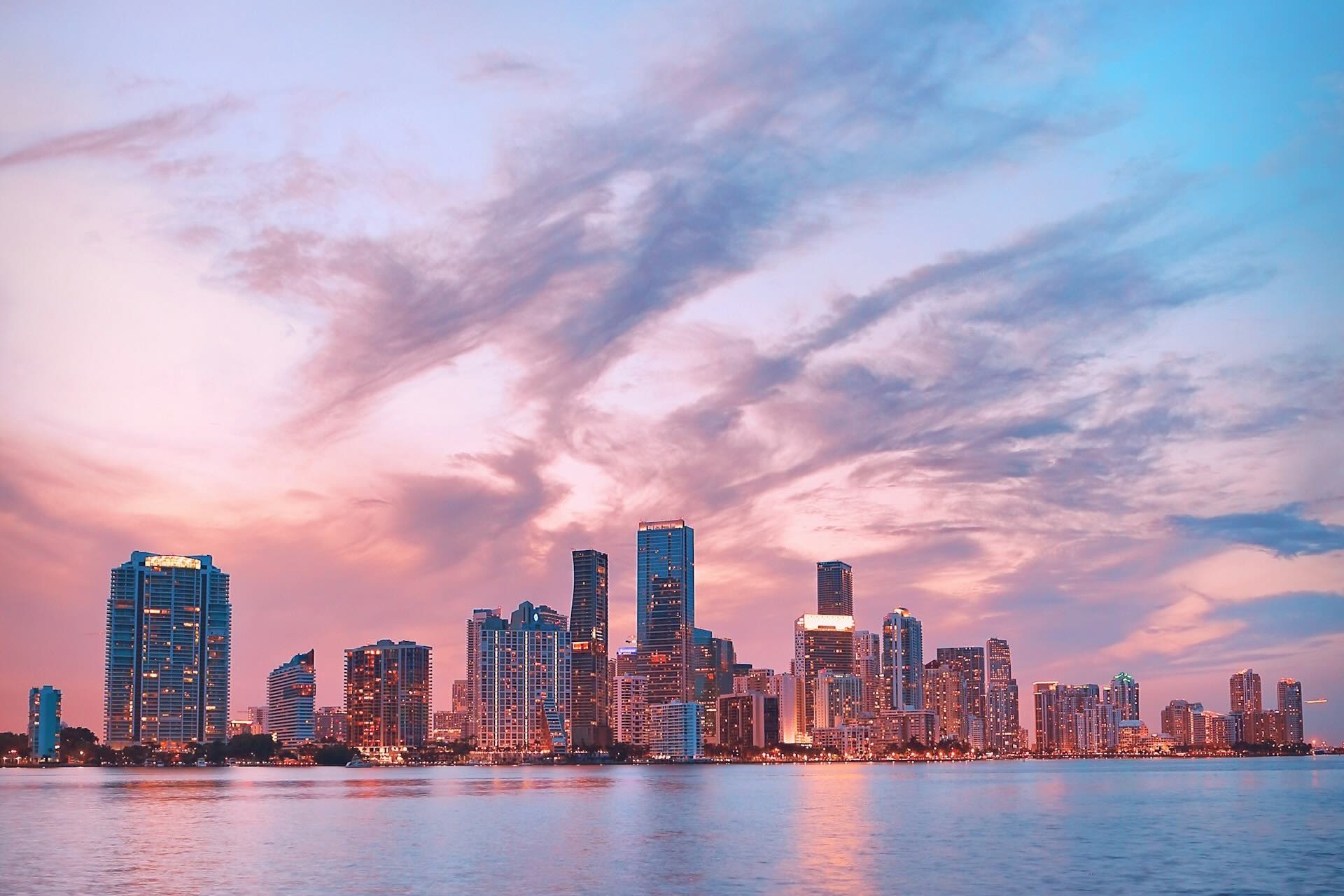
    New construction is redefining luxury in Miami by changing what buyers expect from design, service, amenities, and long term value. Today’s luxury buyer often wants more than a beautiful unit in a desirable location. They want smarter layouts, stronger wellness features, better technology, more privacy, and a property that reflects how people actually live now. In Miami, new construction has become one of the clearest expressions of that shift because developers are responding to a more informed and more demanding market.

    At MAK Realty, we see this change every day. Buyers are no longer focused only on square footage, views, and prestige. Those still matter, however they are no longer enough on their own. New luxury in Miami is increasingly defined by experience, efficiency, service culture, and the ability of a building to support both lifestyle and investment goals. That is why new construction continues to attract serious attention across the market.

    Luxury Now Means More Than Finish and Flash

    For many years, luxury in Miami was often associated with dramatic lobbies, expansive water views, and highly visible amenity decks. Those features still carry weight, however buyers have become more selective. They are asking deeper questions about how a building functions, how it feels to live there, and whether the product justifies the price over time.

    As a result, developers have had to evolve. New construction projects are now placing greater emphasis on daily livability. That includes better floor plan flow, more private arrival experiences, higher quality materials, and amenities that support wellness, convenience, and flexibility. In addition, buyers increasingly want a residence that feels refined without feeling excessive. That change is shaping the next phase of luxury in Miami.

    The strongest projects understand that luxury is no longer only visual. It is operational. It is emotional. It is practical. A building that looks impressive but does not support real life will not hold the same appeal as one that delivers comfort, ease, and consistency.

    Design Has Become More Intentional

    One of the clearest ways new construction is redefining luxury in Miami is through design. Buyers today are more aware of layout quality, usable space, natural light, and the overall atmosphere created by a residence. Therefore, many of the most successful new developments are focusing on design that feels cleaner, calmer, and more purposeful.

    That shift shows up in many ways. Kitchens are more integrated into the living experience. Primary suites feel more private and better proportioned. Outdoor space is treated as part of the home rather than an afterthought. Meanwhile, finishes often lean toward a more timeless and restrained style rather than visual excess. This matters because many luxury buyers now prefer sophistication over spectacle.

    Developers are also paying closer attention to the identity of the building itself. Branded residences, architect driven projects, and design led concepts all reflect a market that values distinction. Buyers do not just want a luxury condo. They want a residence with a clear point of view, because that creates stronger emotional connection and often stronger market positioning.

    Amenities Are Becoming More Useful

    New construction is also changing the meaning of amenities. In the past, many projects competed by adding more. More pools, more lounges, more entertainment areas, and more dramatic shared spaces. Today, the strongest buildings often compete by offering better amenities rather than just bigger ones.

    Wellness is a major part of this shift. Buyers increasingly want fitness centers that feel serious, spa spaces that feel calm, and environments that support recovery and balance. In addition, co-working lounges, private dining spaces, wellness rooms, and resident services now play a larger role because buyers want buildings that support how they divide their time between work, home, and social life.

    This change reflects a more mature luxury market. People do not want amenity overload if much of it goes unused. They want quality, relevance, and spaces that actually improve the ownership experience. That is why new construction in Miami is redefining luxury through function as much as through image.

    Service Has Become a Core Part of the Product

    Luxury in Miami is now increasingly tied to service. Buyers expect more from the staff, from management, and from the overall operational quality of a building. As a result, many new construction projects are placing greater emphasis on hospitality minded service and a more polished residential experience.

    This includes concierge support, valet coordination, private entry experiences, wellness programming, and service culture that feels attentive without becoming intrusive. Buyers want a home that runs smoothly. They want arrivals to feel easy, guest handling to feel organized, and everyday living to feel supported. In a high end market, that level of execution matters just as much as finishes and views.

    This is especially true for second home owners and international buyers. Many of them need a property that feels simple to own, easy to return to, and professionally managed throughout the year. Therefore, service is no longer an extra. It is part of the value proposition, and new construction is reflecting that reality very clearly.

    Buyers Are Thinking More Strategically

    Another reason new construction is redefining luxury in Miami is that buyers are becoming more strategic. They are not only purchasing for personal enjoyment. They are also thinking about long term relevance, rental demand, resale position, and whether the building will remain competitive as newer inventory comes to market.

    That has pushed developers to create products with stronger staying power. Buildings that rely only on trend driven design or oversized marketing promises may struggle over time. In contrast, projects that combine strong location, thoughtful design, useful amenities, and high service standards often maintain appeal more effectively.

    At MAK Realty, we encourage buyers to evaluate new construction through both a lifestyle and investment lens. The most attractive project in the moment is not always the strongest purchase. What matters is whether the building will still feel desirable, practical, and well positioned years from now. In Miami, where new supply continues to shape buyer expectations, that question is essential.

    Neighborhood Context Matters More Than Ever

    New construction does not exist in a vacuum. The neighborhood around the building has become a more important part of what buyers define as luxury. A beautiful residence can lose appeal if the surrounding environment does not support the buyer’s lifestyle. Therefore, developers are increasingly aligning projects with neighborhoods that offer strong identity and daily convenience.

    In Brickell, that may mean walkability, dining, and urban energy. In Surfside or Bal Harbour, it may mean privacy, service, and beachfront calm. In Downtown Miami, it may mean access, momentum, and a more connected city core experience. Buyers are not just purchasing a residence. They are buying into a neighborhood rhythm that shapes daily life.

    That is one reason new construction has become so influential in Miami’s luxury market. It is helping define not only what luxury looks like, but also where and how it feels most relevant. The building and the neighborhood now work together as part of the same value story.

    Why This Matters for Miami Buyers Today

    The luxury buyer in Miami has changed, and new construction is responding to that change. Today’s market rewards projects that offer more than visual impact. Buyers want design that feels intentional, amenities that feel useful, service that feels polished, and a location that supports how they actually want to live. As a result, luxury in Miami is becoming more thoughtful, more livable, and more strategically defined.

    For buyers, this creates both opportunity and complexity. New construction can offer exceptional quality and strong long term positioning, however not every project delivers the same kind of value. That is why guidance matters. At MAK Realty, we help clients evaluate new developments with a sharper eye, focusing on what will matter after the excitement of launch fades. For those visiting Miami to explore buildings and neighborhoods in person, MAK Vacation can help make the stay more comfortable. If the trip also includes broader planning around dining, exploring, and scheduling, TravelPal.ai can help organize it more efficiently.

    For a tailored shortlist and next step guidance, connect with MAK Realty.
  • How Miami’s Real Estate Has Evolved Over the Past Decade

    How Miami’s Real Estate Has Evolved Over the Past Decade

    Over the past ten years, Miami has transformed from a cyclical, investor heavy market into a more mature, globally recognized real estate ecosystem.
    The shift has been structural, not temporary.

    A decade ago, Miami was often viewed as a second home or speculative market.
    Today, it functions as a primary residence hub, a financial center, and a long term investment destination.

    This evolution has changed how buyers behave, how developers build, and how the market responds to economic conditions.

    At MAK Realty, we have seen this transformation firsthand.
    Understanding it helps explain where the market stands today and where it is likely headed.

    From Seasonal Market to Year Round City

    Demand is no longer tied to winter cycles

    Historically, Miami’s real estate market was heavily influenced by seasonal demand.
    Winter brought activity.
    Summer slowed down.

    That pattern has weakened.

    Today, Miami operates year round.
    Permanent residents, corporate relocations, and international buyers create consistent demand across all seasons.

    This shift stabilizes the market.
    It reduces extreme peaks and troughs.

    Full time residency has increased significantly

    More buyers now live in Miami full time.
    This changes everything.

    End users evaluate properties differently than investors.
    They prioritize layout, livability, and neighborhood quality.

    As more residents commit long term, the market becomes less speculative and more stable.

    The Rise of Brickell and Urban Living

    Miami developed a true urban core

    A decade ago, Miami lacked a fully developed urban residential center.
    Brickell has since filled that role.

    It is now a dense, walkable financial district with strong residential demand.
    This type of environment did not exist at scale before.

    Urban living attracts professionals and relocations.
    It supports both rental and ownership demand.

    Downtown followed with renewed relevance

    Downtown Miami has also evolved.
    New development, improved infrastructure, and cultural investment have reshaped the area.

    The shift from investor driven ownership to end user demand reflects broader market maturity.

    Together, Brickell and Downtown have created a more complete city.

    International Capital Became More Influential

    Miami strengthened its position as a global market

    Miami has always attracted foreign buyers.
    However, over the past decade, that influence has deepened.

    Buyers from Latin America, Europe, and beyond view Miami as a stable place to allocate capital.
    The U.S. legal framework and dollar based ownership add confidence.

    Currency and global uncertainty played a role

    Economic volatility in other regions has pushed capital toward Miami.
    Real estate serves as both lifestyle and asset protection.

    This global demand supports liquidity.
    It also helps Miami recover faster than many domestic markets.

    Waterfront Scarcity Became More Valuable

    Buyers became more selective

    Ten years ago, location mattered, but not with the same level of precision.

    Today, buyers focus heavily on waterfront positioning, view protection, and building quality.
    Scarcity has become more defined.

    Oceanfront and bayfront properties command stronger premiums.
    Interior inventory faces more competition.

    Premium assets separate from the rest

    The market now differentiates more clearly between top tier and average properties.
    Not all luxury inventory performs equally.

    At MAK Realty, we emphasize this distinction.
    Asset selection has become more important than ever.

    Developers Shifted Toward Quality and Experience

    Design and livability improved

    Older developments often focused on density and investor appeal.
    Newer projects prioritize layout, light, and usability.

    Buyers expect functional spaces, not just impressive finishes.
    Outdoor living has also become more important.

    Amenities evolved with buyer expectations

    Wellness, privacy, and service now define luxury.
    Buildings compete on experience rather than excess.

    Developers have adapted to these expectations.
    The result is a more refined product across the market.

    Financing and Buyer Profiles Changed

    More cash and international buyers entered the market

    While financing still plays a role, a larger share of Miami’s luxury market involves cash buyers.
    This reduces sensitivity to interest rate fluctuations.

    International buyers often approach purchases differently.
    They focus on capital preservation and diversification.

    Mortgage rates influenced behavior, but not entirely

    Rising rates impacted affordability in certain segments.
    However, Miami’s diverse buyer base softened the impact.

    Markets that rely heavily on financing tend to react more sharply.
    Miami’s mix creates more balance.

    Rental Market Became More Sophisticated

    Short term rentals gained attention

    Platforms and changing travel patterns increased interest in short term rentals.
    Certain buildings and areas benefited significantly.

    Long term demand strengthened with relocation

    Corporate migration and full time residency increased demand for long term rentals.
    This created a more stable rental base.

    Investors now evaluate both strategies.
    Flexibility has become an advantage.

    Some buyers experience this firsthand by staying in a luxury vacation rental before purchasing.
    It provides insight into demand and guest behavior.

    The Market Became More Resilient

    Less speculative, more disciplined

    A decade ago, rapid price swings were more common.
    Today, the market shows more balance.

    That does not eliminate cycles.
    However, it reduces extremes.

    Buyers are more informed.
    Developers are more strategic.
    Investors are more selective.

    Economic uncertainty is handled differently

    Miami still responds to broader economic conditions.
    However, its global demand and diversified buyer base provide support.

    The market often adjusts through slower transactions rather than sudden declines.
    This reflects maturity.

    Neighborhood Differentiation Increased

    Buyers became more targeted

    Instead of viewing Miami as one market, buyers now analyze submarkets carefully.

    Brickell, Miami Beach, Coconut Grove, Edgewater, and Sunny Isles each attract different buyer types.
    This segmentation has become more defined.

    Micro location drives performance

    Within each neighborhood, building selection matters.
    View orientation, management quality, and design influence outcomes.

    The market rewards precision.

    Why the Evolution Matters

    Miami’s transformation over the past decade has created a more stable, more global, and more lifestyle driven market.

    It is no longer defined by short term speculation.
    It is defined by long term positioning.

    For buyers and investors, this means decisions should focus on quality, location, and alignment with personal goals.

    The fundamentals supporting Miami today are stronger than they were ten years ago.

    Experience the Market as It Exists Today

    Understanding Miami’s evolution requires seeing it in person.
    The difference between past and present becomes clear on the ground.

    Exploring neighborhoods, visiting buildings, and observing daily life provides real context.

    Staying in a luxury vacation rental through MAK Vacation allows buyers to experience the city as it functions today, not as it existed years ago.

    Planning your visit with TravelPal.ai helps organize an efficient way to explore multiple submarkets and understand how each one has evolved.

    Miami’s real estate market has matured into a globally recognized, lifestyle driven, and structurally supported environment. MAK Vacation, MAK Realty, and TravelPal.ai each support a more informed approach to navigating that evolution, helping buyers align decisions with how the market actually functions today and where it is headed next.

  • North Bay Village Is Emerging as Miami’s Next Luxury Hotspot

    North Bay Village Is Emerging as Miami’s Next Luxury Hotspot

    Why North Bay Village Is Finally Having Its Moment

    For years, North Bay Village sat quietly between Miami Beach and the mainland, often overlooked in favor of flashier neighborhoods. That dynamic is changing rapidly. A combination of new development, infrastructure investment, and buyer migration is transforming North Bay Village into one of Miami’s most compelling emerging luxury markets.

    Unlike areas that grow through hype alone, this area is evolving through fundamentals. Limited land, water on all sides, and proximity to major employment and lifestyle hubs are creating real pressure on values. Buyers who recognize this early are positioning themselves ahead of broader awareness.

    Local buyers working with MAK Realty increasingly view North Bay Village as a strategic play rather than a speculative one.

    The Geography That Creates Built In Scarcity

    An Island With Natural Limits

    North Bay Village is composed of three small islands in Biscayne Bay. There is no room for unchecked sprawl. This physical limitation creates natural scarcity, one of the most powerful drivers of long term value in real estate.

    As Miami continues to grow, locations with water access and constrained supply stand out.

    Central Access Without the Chaos

    North Bay Village offers direct access to Miami Beach, Downtown, Brickell, and the Design District without the congestion found in those areas. Residents enjoy connectivity without constant noise and crowds.

    This balance appeals to buyers seeking calm without isolation.

    A New Generation of Luxury Development

    Purpose Built Modern Residences

    Recent and upcoming projects in North Bay Village reflect a shift toward modern luxury. Developers are focusing on architectural quality, water views, and livability rather than sheer density.

    These projects are designed for end users and long term owners, not short term flips.

    Amenities Aligned With Today’s Buyers

    New developments emphasize wellness, privacy, and thoughtful amenities. Pools, fitness spaces, waterfront access, and controlled entry points are becoming standard.

    Luxury today is about experience, not excess.

    Why Buyers Are Paying Attention Now

    Value Relative to Established Luxury Areas

    Compared to Miami Beach or Brickell waterfront, North Bay Village still offers relative value. Buyers gain water views and proximity at a lower entry point than more established luxury enclaves.

    That gap is narrowing as awareness increases.

    Migration Is Changing Buyer Profiles

    Many buyers relocating from higher cost markets are seeking lifestyle upgrades without overpaying for legacy prestige. This community fits this mindset.

    It feels undiscovered but intentional.

    Lifestyle Appeal That Supports Long Term Demand

    Waterfront Living Without the Party Scene

    North Bay Village appeals to buyers who want water access without the intensity of South Beach nightlife. The environment feels residential and refined.

    This supports longer ownership and lower turnover.

    Dining and Community Are Improving

    New restaurants, cafes, and local services are beginning to cluster in the area. As full time residents increase, retail follows.

    Community builds value.

    Rental and Transitional Demand

    Strong Interest From Relocating Buyers

    Many people moving to Miami use North Bay Village as a temporary base while exploring neighborhoods. Its location allows easy access to the entire city.

    This transitional demand supports flexible rental strategies.

    Some buyers first experience the area by staying through MAK Vacation, using a luxury vacation rental to understand daily rhythms, noise levels, and access points before purchasing.

    Longer Stays Are Increasing

    Remote work has increased mid length stays. Guests often choose quieter waterfront areas that still offer connectivity.

    This trend benefits this zone.

    Infrastructure and City Investment

    Public and Private Capital Are Aligning

    North Bay Village has benefited from both public improvements and private development. Streetscapes, utilities, and planning initiatives are improving the overall environment.

    Infrastructure investment often precedes value appreciation.

    City Vision Is Shifting

    Local leadership has focused on elevating the village’s identity from pass through zone to destination. Zoning and planning decisions reflect this shift.

    Policy direction matters.

    How North Bay Village Compares to Other Emerging Areas

    Less Volatile Than Trend Driven Neighborhoods

    Unlike areas driven primarily by nightlife or art scenes, North Bay Village is anchored by geography. Water does not go out of style.

    This reduces volatility.

    More Residential Than Tourist Focused

    While tourism supports demand, the area’s core appeal is residential. This attracts buyers with longer hold horizons.

    Longer holds support stability.

    Risks Buyers Should Still Evaluate

    Building Selection Is Critical

    Not every project will perform equally. Buyers should focus on construction quality, views, and association structure.

    Details matter more in emerging markets.

    Timing Still Matters

    Early entrants benefit most, but buyers should still evaluate pricing relative to comparable waterfront areas.

    Value is relative, not absolute.

    How Buyers Are Researching the Area

    Many buyers explore North Bay Village through short stays and exploratory visits. Walking the islands at different times of day reveals traffic patterns, noise levels, and lifestyle fit.

    Planning these visits with TravelPal.ai allows buyers to compare this area with other waterfront neighborhoods efficiently.

    Experience informs conviction.

    Why This Shift Is Not a Short Term Trend

    Miami’s Growth Is Structural

    Population growth, international demand, and limited waterfront land support long term appreciation. North Bay Village benefits directly from these forces.

    Structure beats cycles.

    Luxury Is Expanding, Not Moving

    Luxury demand in Miami is no longer confined to a few zip codes. Buyers are expanding outward in search of value and privacy.

    The Long Term Outlook

    As development completes and amenities mature, North Bay Village is likely to be viewed differently than it is today. Early buyers will be compared to those who bought in now iconic neighborhoods before their transformation.

    The window for quiet entry is narrowing.

    Final Perspective

    North Bay Village is not emerging because of hype. It is emerging because the fundamentals finally align. Waterfront scarcity, central access, thoughtful development, and shifting buyer preferences are converging.

    For buyers seeking the next phase of Miami luxury rather than the last one, this Village deserves serious attention.

    Experience the area firsthand by staying in a luxury vacation rental through MAK Vacation and planning your visit with TravelPal.ai, then work with MAK Realty to evaluate opportunities that align with long term value.

  • Mobile Investors Explained and Why Miami Is Pulling Ahead

    Mobile Investors Explained and Why Miami Is Pulling Ahead

    Who Mobile Investors Really Are

    Mobile investors are individuals and families who are not tied to a single city, state, or even country when allocating capital. They make decisions based on opportunity, flexibility, and long term advantage rather than proximity or tradition. Technology, remote work, and global connectivity have enabled this shift, allowing capital to move faster and more intentionally than ever before.

    These investors often own businesses, manage portfolios across asset classes, or hold significant equity that gives them optionality. They are comfortable relocating themselves, their companies, or their assets when conditions warrant it. Geography is a variable, not a constraint.

    In recent years, this group has become one of the most influential forces shaping U.S. real estate demand.

    What Mobile Investors Look For

    Stability Over Short Term Gains

    Mobile investors are not chasing quick appreciation. They prioritize stability, predictability, and downside protection. Tax structure, legal clarity, and long term demand matter more than speculative upside.

    They are willing to accept slower growth in exchange for confidence that rules will not change unexpectedly.

    Lifestyle and Utility Matter

    Unlike purely financial capital, mobile investors often intend to use what they buy. They value markets that offer quality of life, cultural relevance, and global accessibility. An investment that doubles as a lifestyle asset is more attractive than one that exists only on paper.

    This dual use mindset heavily influences where capital flows.

    Liquidity and Exit Flexibility

    Mobile investors want options. They favor markets with deep buyer pools, both domestic and international. Liquidity matters because it preserves freedom. If conditions change, they want to exit without friction.

    Markets with narrow buyer bases are less attractive, regardless of price.

    Why Miami Is Pulling Ahead

    Tax Structure Provides Immediate Clarity

    Miami benefits from Florida’s tax environment, which offers clarity and consistency. For mobile investors evaluating multiple jurisdictions, predictability is a decisive advantage. When compared to states with evolving or uncertain tax policies, Florida stands out.

    This clarity allows investors to plan years ahead rather than react annually.

    Global Connectivity Is Built In

    Miami is not a regional city. It is a global gateway. International flights, ports, and business infrastructure connect Miami to Latin America, Europe, and beyond. For investors managing global interests, this connectivity matters.

    It reduces friction and increases relevance.

    Miami Combines Growth With Scarcity

    Miami continues to grow, but it cannot grow endlessly. Water boundaries, zoning, and infrastructure naturally limit supply. This scarcity supports long term value, especially in walkable, waterfront, and urban core locations.

    Mobile investors recognize that constrained supply markets behave differently during downturns.

    How Miami Differs From Other States Competing for Capital

    Sunbelt Markets Are Not All Equal

    Several Sunbelt states attracted mobile investors during the last cycle. Some benefited from affordability and space. However, markets that rely heavily on sprawl often struggle to maintain long term pricing power.

    Miami’s density, culture, and infrastructure create a different dynamic. Demand concentrates rather than disperses.

    Policy Consistency Beats Incentives

    Some states offer incentives to attract capital, but incentives can change. Mobile investors prefer environments where rules remain stable rather than promotional. Miami’s appeal is structural, not promotional.

    That difference builds confidence.

    Lifestyle Is a Core Product

    In many markets, lifestyle is secondary. In Miami, it is central. Weather, waterfront access, dining, arts, and international culture drive demand regardless of market cycles.

    This lifestyle foundation supports both ownership and rental demand.

    The Role of Real Estate in Mobile Capital Strategy

    Real Assets Provide Anchors

    Mobile investors often use real estate as an anchor asset. It provides physical presence, income potential, and long term appreciation. Unlike purely financial assets, it cannot be relocated by policy changes.

    This permanence is valuable during periods of uncertainty.

    Income Adds Optionality

    Properties that generate income offer flexibility. Owners can hold, rent, or sell depending on market conditions. This optionality aligns well with mobile investor priorities.

    Miami’s rental demand strengthens this advantage.

    Rental Demand Reinforces Miami’s Position

    Transitional Living Supports Demand

    Many mobile investors rent before buying. They explore neighborhoods, schools, and lifestyle fit. This behavior supports demand for furnished and flexible rentals.

    Properties positioned to serve this segment remain resilient.

    Short Term and Furnished Rentals Play a Role

    Miami’s tourism and business travel ecosystem continues to attract visitors year round. Properties that can accommodate short stays benefit from consistent demand.

    Platforms like MAK Vacation reflect this behavior, as many guests seek high quality accommodations during extended stays. A well located luxury vacation rental often serves as a temporary home while investors evaluate long term options.

    Why Mobile Investors Prefer Miami Over Traditional Hubs

    Legacy Cities Face Structural Challenges

    Traditional hubs often struggle with aging infrastructure, higher taxes, and slower adaptability. While they remain important, they face increasing competition for mobile capital.

    Miami offers a newer, more flexible environment and embraces New Capital

    Miami has actively welcomed business relocation, finance, technology, and international capital. This openness reinforces demand across residential and commercial real estate.

    Markets that resist change often lose relevance with mobile investors.

    How Mobile Investors Choose Neighborhoods

    Walkability and Access Matter

    Mobile investors prioritize neighborhoods that offer convenience and connectivity. Walkable areas with dining, culture, and transit access outperform car dependent locations.

    These areas also retain value better during slowdowns.

    Building Quality and Management Are Key

    Investors unfamiliar with a market favor newer buildings with strong management and reserves. Ease of ownership reduces friction during transitions.

    Quality reduces risk.

    Data Driven Decision Making

    Mobile Investors Rely on Information

    These investors use data extensively. They analyze migration trends, rental demand, and seasonal patterns. Decisions are informed, not emotional.

    Understanding travel and stay behavior through tools like TravelPal.ai helps investors validate demand beyond marketing narratives.

    Experiencing the Market Matters

    Spending time in a market improves decision making. Renting, visiting multiple times, and observing patterns builds confidence and reduces regret.

    Miami’s accessibility makes this easier than many competing markets.

    What This Means for 2026 and Beyond

    Mobile investors are not a temporary phenomenon. They represent a structural shift in how capital moves. Markets that offer flexibility, clarity, and lifestyle will continue to attract them.

    Miami sits at the intersection of these forces.

    As other states grapple with policy uncertainty and infrastructure constraints, Miami’s relative advantages become more pronounced.

    What Buyers Should Keep in Mind

    Not Every Property Benefits Equally

    Migration trends do not lift all assets equally. Buyers should focus on quality, location, and long term demand rather than assuming broad appreciation.

    Selection matters more than speed.

    Professional Guidance Improves Outcomes

    Mobile investors often benefit from local expertise to navigate building rules, neighborhood dynamics, and pricing nuances. Advisors who understand both lifestyle and investment considerations add meaningful value.

    This guidance reduces friction and improves alignment.

    Why Miami Continues to Pull Ahead

    Miami offers what mobile investors value most. Predictability, global relevance, lifestyle appeal, and constrained supply. Few markets combine these elements as effectively.

    As capital becomes more mobile, markets that accommodate it thoughtfully will outperform.

    Miami remains one of them.

  • Why Investing in Miami Will Be Better in 2026

    Why Investing in Miami Will Be Better in 2026

    Miami Approaches a Stronger Investment Cycle

    Miami has seen significant growth over the past several years, yet 2026 is shaping up to be an even stronger year for investors. Price growth is stabilizing, inventory is expanding, interest rates may ease, and new development is reaching maturity at the same time. These factors align to create a rare window where buyers gain more leverage while still entering a market supported by powerful long term fundamentals.

    Investors who work with MakRealty gain a clear advantage because they receive accurate guidance on pricing trends, neighborhood performance, and project selection as Miami enters a more balanced cycle.

    Inventory Growth Creates Better Entry Points

    New Deliveries Expand Choices Across Neighborhoods

    Miami launched many pre construction projects between 2021 and 2023. Many of them deliver in 2025 and 2026. This increase in new inventory gives investors more options and reduces competition among buyers. Investors can compare locations, floor plans, and amenity packages rather than competing for limited listings.

    Sellers Become More Flexible as Supply Rises

    Resale listings remain on the market longer which gives buyers stronger negotiating leverage. Sellers adjust pricing to meet real demand which creates better acquisition opportunities. Compared to 2025, where certain neighborhoods still felt tight, 2026 presents more rational buying conditions.

    Rates and Financing Trends Favor Investors

    Potential Rate Improvements Increase Buying Power

    Economists expect more stable and possibly more attractive rate conditions in 2026. Even a modest improvement increases buying power and expands cash flow for rental properties. Investors who felt squeezed by 2025 lending conditions may find 2026 more accessible.

    DSCR and Portfolio Loans Stay Strong

    Income focused investors continue using DSCR loans to qualify based on property performance. Portfolio loans also help buyers with multiple assets or non traditional income structures. These flexible loan tools make 2026 appealing for both new and experienced investors.

    Miami’s Long Term Strength Remains Unmatched

    Global Demand Protects Value

    Miami’s international appeal sets it apart from other U.S. cities. Buyers from Europe, South America, Canada, and the Caribbean consistently support both rental and resale markets. When domestic markets cool, Miami often benefits from global activity that balances conditions.

    Waterfront Scarcity Drives Appreciation

    Miami’s coastline offers some of the most sought after property in the country. Limited waterfront inventory supports long term appreciation even when cycles shift. Investors entering in 2026 do so at a moment when pricing conditions favor buyers but fundamentals still support future value.

    Rental Demand Strengthens the Investment Case

    Year Round Tourism Supports Occupancy

    Miami provides stable rental demand due to conventions, winter tourism, global travel, festivals, and cruise passengers. Travelers searching on MakVacation.com often choose updated units in walkable neighborhoods with ocean proximity. Many select a luxury vacation rental which shows the revenue potential for high quality units.

    Travel Behavior Highlights Strong Investment Zones

    Travelers planning itineraries on TravelPal.ai often choose Brickell, Downtown, Edgewater, and Miami Beach. These neighborhoods show consistent occupancy and premium nightly rates which support strong returns for investors entering the market in 2026.

    Pre Construction Becomes More Attractive in 2026

    Better Negotiation Terms Expected

    As developers compete for buyers, pre construction projects may offer more favorable deposit plans or incentives. Investors who felt priced out during the peak years gain renewed opportunity.

    Delayed Financing Creates Planning Flexibility

    Pre construction requires staged deposits and no mortgage until completion. This structure helps investors manage cash flow while securing future inventory at today’s pricing.

    Neighborhoods Poised for Strong Performance

    Brickell Strengthens Through Business Growth

    Brickell continues to expand with new corporate relocations, elevated restaurants, and luxury residential towers. Rental demand stays strong due to the business sector which supports steady investor returns.

    Edgewater Sees Major Upside From Waterfront Projects

    Edgewater delivers several new luxury developments in 2025 and 2026. Water views, central access, and rising retail activity support appreciation and strong rental demand.

    Downtown Gains Momentum From Transit and Development

    Downtown’s transformation accelerates with mixed use projects, waterfront improvements, and transit upgrades. Investors who buy early in this cycle may benefit from rising walkability and lifestyle appeal.

    Why 2026 Outperforms 2025 for Investors

    More Negotiation Opportunities

    In 2025, certain pockets remained competitive with limited choice. In 2026, expanded inventory and longer days on market create more leverage for buyers.

    More Predictable Appreciation Path

    Stabilized pricing makes 2026 a smarter year to enter because it reduces the risk of buying at peak conditions.

    Stronger Alignment Between Price and Value

    With more transparency and measured demand, investors can identify true value rather than chasing high pressure listings.

    How MakRealty Helps Investors Capture 2026 Opportunities

    Working with MakRealty gives investors a structured and informed process when entering a shifting market. Their team evaluates development pipelines, rental projections, pricing history, and neighborhood trends to position buyers for long term success. They help identify undervalued units, rental friendly buildings, and early stage opportunities within emerging projects.

    Experience Miami Before Investing

    Experience the city by staying in a luxury vacation rental booked through MakVacation.com. Then use TravelPal.ai to build an itinerary and explore neighborhoods with strong investment potential. Experiencing Miami in person helps investors confirm the lifestyle, rental demand, and market strength that make 2026 an ideal entry year.

  • Emerging Neighborhoods in Miami: Where to Invest in 2026

    Emerging Neighborhoods in Miami: Where to Invest in 2026

    Miami’s Next Wave of Investment Opportunities

    Miami continues to evolve, expand, and attract global investors seeking long term value, rental income, and lifestyle driven properties. As we approach 2026, several neighborhoods are entering accelerated growth cycles fueled by new development, infrastructure investment, cultural expansion, and rising demand for walkable, amenity rich communities. These emerging areas show strong potential for appreciation and rental performance, making them ideal targets for buyers who want to secure opportunities ahead of broader market recognition.

    Investors working with MakRealty gain insight into which neighborhoods offer the best balance of price growth, inventory options, and long term stability. Their team tracks development pipelines, rental patterns, and buyer activity to help clients choose locations positioned for strategic upside.

    Edgewater: Miami’s Fastest Growing Luxury Corridor

    Why Edgewater Is Taking Off

    Edgewater has transformed from a quiet waterfront district into one of Miami’s most sought after neighborhoods. Ultra luxury developments, world class architecture, and rising commercial activity have elevated its profile dramatically. Its central location between Downtown, Midtown, and the Design District keeps demand consistently strong.

    Investment Outlook for 2026

    Edgewater appeals to both end users and investors seeking high appreciation potential. New towers deliver modern amenities, premium water views, and strong rental performance due to the neighborhood’s walkability and proximity to cultural districts.

    Travelers booking through MakVacation.com often search for units in this area because of the waterfront setting, dining access, and short drive to beaches. Many also prefer staying in a luxury vacation rental which reflects strong demand for high end units in Edgewater.

    Upper East Side: Growth Through Culture and Redevelopment

    A Neighborhood Moving Into Its Prime

    Miami’s Upper East Side blends midcentury charm, waterfront pockets, and emerging commercial districts. Historic homes, boutique buildings, and ongoing redevelopment are drawing both investors and residents seeking a quieter lifestyle just minutes from Miami’s core.

    Why Investors Are Paying Attention

    The neighborhood offers more approachable pricing than Brickell or Miami Beach while still experiencing strong annual appreciation. Renovated properties and modern townhomes attract long term renters, traveling professionals, and families.

    With improvements underway along Biscayne Boulevard, the Upper East Side’s desirability continues to climb heading into 2026.

    Miami River District: Waterfront Redevelopment Surges

    A Rising Waterfront Lifestyle Hub

    The Miami River District is undergoing one of the city’s most ambitious transformations. New restaurants, hotels, residential towers, and mixed use developments are reshaping the waterfront into a vibrant lifestyle destination. Easy access to Brickell and Downtown strengthens its appeal for both residents and short term guests.

    Investment Potential

    As hospitality, dining, and entertainment expand, property values along the river are expected to rise. Investors targeting early stage neighborhoods will find strong upside here due to limited supply and growing neighborhood identity.

    Travelers using TravelPal.ai frequently include riverfront dining and nightlife in their plans, confirming the district’s growing reputation.

    Allapattah: Miami’s Creative and Cultural Expansion

    A Neighborhood Redefining Itself

    Allapattah is emerging as one of Miami’s most promising creative zones. Proximity to Wynwood and Downtown has attracted galleries, innovative restaurants, and entrepreneurs. New residential projects complement older homes and warehouses that add character to the area.

    Why 2026 Will Be Strong for Allapattah

    The combination of cultural energy, central location, and more accessible entry pricing positions Allapattah for appreciation. Investors seeking early cycle opportunities should keep a close watch on inventory here as redevelopment continues.

    Little River: Miami’s Next Innovation Hub

    Rapid Business and Residential Growth

    Little River has become a hotspot for tech companies, creative firms, start ups, and boutique retail spaces. Adaptive reuse projects and modern townhomes are giving the neighborhood a distinct identity that appeals to younger buyers and professionals.

    Strong Outlook for Buyers

    Lower acquisition costs compared to surrounding neighborhoods make Little River appealing for long term investors. Its accelerating commercial growth and influx of trendy businesses increase both rental demand and long range appreciation potential.

    Coconut Grove’s North Corridor: Expanded Luxury Demand

    Quiet, Stable, and High Growth

    Northern Coconut Grove remains one of Miami’s most desirable residential pockets. As luxury buyers continue shifting south from Brickell and Downtown, this area benefits from heightened demand for privacy, schools, parks, and waterfront proximity.

    Why Investors Should Consider It

    Limited land and strong buyer competition support long term value. Renovated condos and updated townhomes rent extremely well due to walkability and lifestyle appeal.

    How MakRealty Helps Buyers Choose the Right Neighborhood

    Working with MakRealty gives buyers a comprehensive advantage when evaluating emerging neighborhoods. Their team analyzes appreciation forecasts, rental potential, development pipelines, zoning changes, and buyer demand patterns. Whether a client plans to buy a residence, invest in a rental property, or secure a pre construction opportunity, MakRealty provides the insight needed to make informed, strategic decisions.

    Experience Miami’s Neighborhoods Before You Invest

    Explore Miami’s emerging districts firsthand by staying in a luxury vacation rental booked through MakVacation.com. Then use TravelPal.ai to plan your itinerary, visit potential investment areas, and understand how travelers experience each neighborhood. Seeing Miami’s evolving landscape up close helps investors choose locations positioned for strong 2026 growth.