Tag: MAK Realty

  • St. Regis Center Tower Bal Harbour Investment Guide

    St. Regis Center Tower Bal Harbour Investment Guide

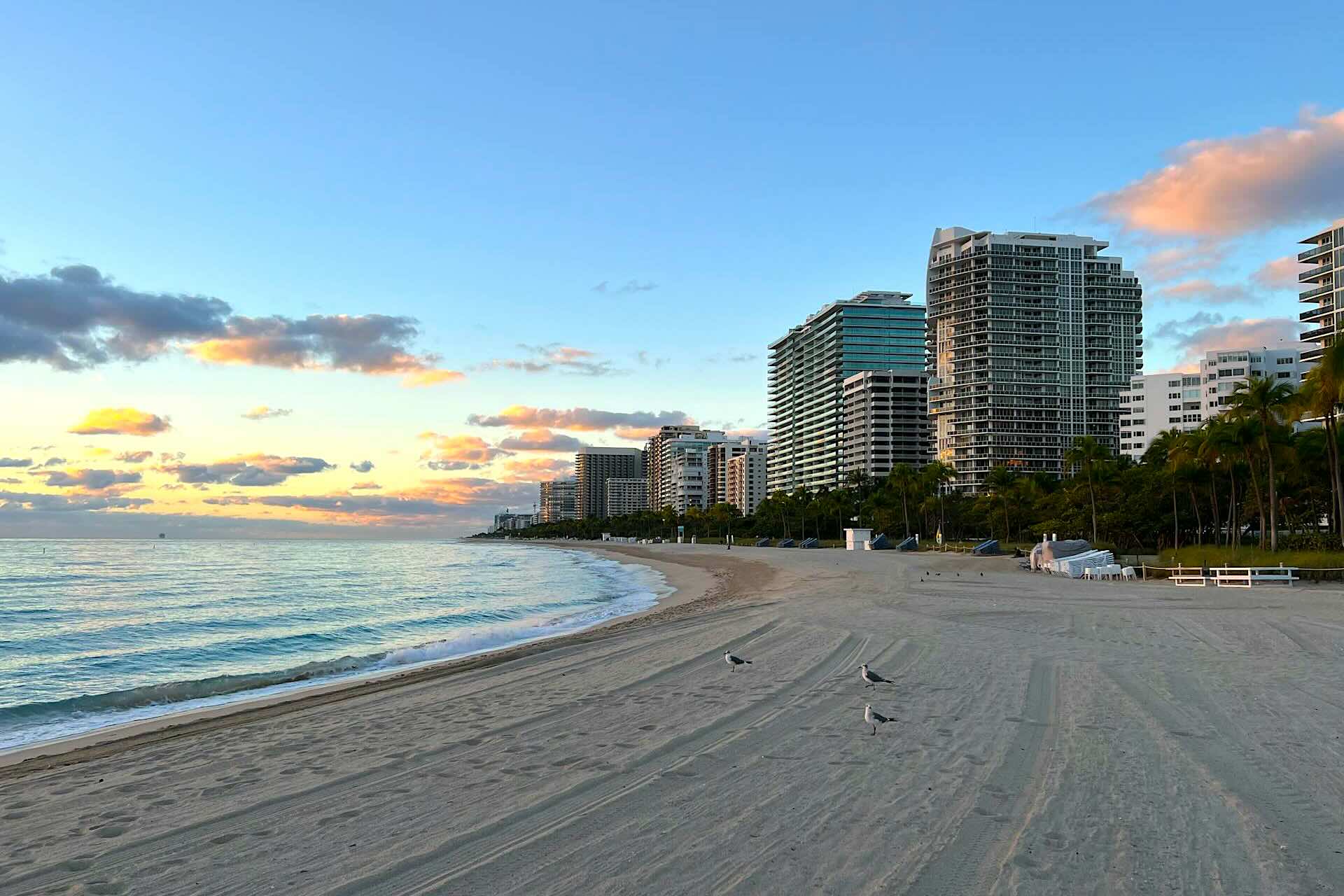
    Investing in the St.. Regis Bal Harbour Center Tower places buyers in one of the most exclusive residential enclaves in South Florida.
    Bal Harbour commands global recognition for privacy, beachfront positioning, and refined luxury.

    The Center Tower within St. Regis Bal Harbour represents a specific ownership profile.
    It blends branded service, oceanfront scarcity, and high end residential living.

    At MAK Realty, we guide investors through the nuances of ultra luxury condominium ownership in Bal Harbour.
    We focus on value preservation, liquidity, and strategic positioning rather than short term speculation.

    This guide explains how the Center Tower fits into the broader Miami luxury real estate landscape and what investors should evaluate before committing capital.

    Why Bal Harbour Commands Premium Pricing

    Bal Harbour is not a mass market location.
    It is a controlled, low density village with limited waterfront inventory.

    Oceanfront land remains finite.
    Strict zoning preserves exclusivity.

    Global buyers recognize the address.
    Proximity to Bal Harbour Shops enhances lifestyle appeal.

    This combination of scarcity and prestige supports pricing resilience across market cycles.

    Investors in the St. Regis Center Tower benefit from this structural advantage.
    Location alone creates a value floor.

    The St. Regis Brand Elevates Positioning

    The St. Regis name signals service, discretion, and global recognition.
    Brand reputation influences buyer perception and resale demand.

    Owners benefit from luxury hospitality standards integrated into residential living.
    Concierge services, security, and curated amenities enhance the experience.

    Brand backed residences often retain desirability longer than unbranded alternatives.
    Recognition reduces friction at resale.

    Investors should view brand affiliation as a strategic variable.
    It affects both liquidity and long term value stability.

    Center Tower Versus Other Luxury Towers

    The Center Tower offers distinct layouts and positioning within the St. Regis complex.
    Floor plans, exposure, and elevation vary meaningfully.

    Ocean view orientation drives pricing differences.
    Higher floors often command premiums.

    Unit selection significantly impacts future resale demand.
    Layout efficiency influences both lifestyle and marketability.

    MAK Realty guides buyers toward unit types that align with long term objectives.
    Strategic selection matters more than headline price.

    Investment Profile of the Center Tower

    The St. Regis Center Tower does not operate as a short term rental driven asset.
    Bal Harbour enforces strict residential standards.

    This building suits investors prioritizing capital preservation and lifestyle ownership.
    Rental flexibility is more limited compared to condo hotel structures.

    Investors typically pursue long holding periods.
    Appreciation stems from scarcity and prestige rather than nightly revenue.

    This makes the asset fundamentally different from Miami Beach hospitality investments.

    Liquidity and Exit Strategy

    Ultra luxury assets attract a specific buyer pool.
    Liquidity depends on global exposure and market timing.

    Bal Harbour consistently attracts international capital.
    Buyers from Latin America, Europe, and the Northeast United States compete for prime units.

    The St. Regis brand broadens resale visibility.
    Brand recognition accelerates buyer confidence.

    Exit planning should begin at acquisition.
    Floor height, view corridor, and layout flexibility all influence resale ease.

    MAK Realty evaluates these factors at the start, not at the end.

    Financing and Structure Considerations

    Many Bal Harbour buyers purchase with cash.
    This aligns with the asset’s wealth preservation profile.

    Financing options exist but typically require stronger liquidity positions.
    Luxury condo underwriting differs from standard residential lending.

    Some buyers use portfolio structures for estate planning.
    Ownership entities often reflect cross border considerations.

    We coordinate early with legal and tax advisors.
    Clear structure protects long term outcomes.

    Comparing Bal Harbour to Other Miami Submarkets

    Bal Harbour competes differently than Downtown Miami or Brickell.
    It emphasizes privacy over density.

    Coconut Grove offers lifestyle charm.
    Miami Beach offers hospitality driven energy.

    Bal Harbour focuses on discretion and ultra luxury positioning.
    This distinction narrows supply and elevates prestige.

    Investors seeking yield driven strategies often choose alternative neighborhoods.
    Investors seeking capital preservation gravitate toward Bal Harbour.

    Understanding this distinction prevents mismatched expectations.

    Market Outlook for 2026 and Beyond

    Luxury inventory remains disciplined across Bal Harbour.
    New oceanfront supply faces significant development constraints.

    Replacement costs continue rising.
    Land availability remains limited.

    These factors support long term pricing strength.
    High quality assets tend to recover quickly after broader market corrections.

    Global wealth migration continues influencing South Florida demand.
    Bal Harbour remains a favored address for that capital.

    Investors who prioritize quality over volume often find this submarket resilient.

    Lifestyle Value as a Strategic Component

    Ownership at the St. Regis Center Tower delivers beachfront living with hotel level service.
    This lifestyle component enhances intangible return.

    Owners access spa facilities, dining venues, and private beachfront amenities.
    These features contribute to daily experience.

    Many buyers choose to experience Miami’s luxury market firsthand by staying in a luxury vacation rental while evaluating neighborhoods and service standards.

    Understanding lifestyle expectations sharpens acquisition decisions.
    Experience informs strategy.

    Why Investors Work With MAK Realty

    Ultra luxury acquisitions require more than access.
    They require judgment and precision.

    MAK Realty evaluates each opportunity through a capital preservation lens.
    We analyze market positioning, resale liquidity, and long term relevance.

    We coordinate attorneys, lenders, and management teams proactively.
    Execution discipline protects timelines and confidentiality.

    Investors trust MAK Realty because we combine local expertise with global perspective.
    We prioritize clarity over hype.

    Experiencing Bal Harbour and greater Miami in person often reinforces strategic decisions. Staying in a luxury vacation rental through MAK Vacation allows buyers to evaluate service levels and neighborhood dynamics firsthand. Planning your visit with TravelPal.ai helps structure efficient exploration, and connecting with MAK Realty ensures expert guidance when determining whether the St Regis Center Tower aligns with your long term investment objectives.

  • 1 Hotel South Beach, A Luxury Investment Overview

    1 Hotel South Beach, A Luxury Investment Overview

    The 1 Hotel South Beach stands at the intersection of luxury hospitality and Miami real estate investment.
    It combines beachfront positioning, global brand recognition, and professionally managed rental operations.

    Investors do not approach this asset as a typical condo purchase.
    They evaluate it as a hospitality driven investment with lifestyle upside.

    At MAK Realty, we guide buyers through the mechanics of hotel residence ownership in Miami Beach.
    We focus on how the asset performs, how income flows, and how long term value is protected.

    This overview explains what makes the 1 Hotel South Beach unique, how returns are generated, and who this investment best serves.

    The 1 Hotel South Beach Operates as a Resort Asset

    The 1 Hotel functions as a full scale luxury resort.
    It delivers curated guest experiences, elevated service standards, and a strong sustainability focused brand identity.

    Guests book the property for its beach access, rooftop pools, wellness amenities, and design aesthetic.
    Brand loyalty drives repeat visitation.

    Ownership connects directly to a professionally managed hospitality ecosystem.
    The hotel handles bookings, housekeeping, front desk services, and guest management.

    Tourism, events, and brand recognition drive demand rather than local housing cycles.
    This distinction shapes how investors evaluate risk and reward.

    Brand Positioning Supports Rate Strength

    The 1 Hotel brand commands premium nightly rates relative to many independent properties.
    Guests associate the brand with quality, sustainability, and curated design.

    Premium positioning supports pricing power during peak seasons.
    It also helps stabilize occupancy during softer periods.

    International travelers, event attendees, and lifestyle focused guests choose this property intentionally.
    That broad appeal creates diversified demand.

    Investors benefit from the brand’s marketing engine and global exposure.
    Independent condos must generate that exposure individually.

    Understanding the Rental Program Structure

    Most units at the 1 Hotel South Beach participate in a centralized rental program.
    The hotel manages reservations and guest experience on behalf of owners.

    This removes operational burden from investors.
    Owners do not coordinate cleaners or handle guest communication.

    Revenue flows through the hotel program based on participation terms.
    Management fees and operational expenses apply before owner distributions.

    Investors should evaluate net income after all program costs.
    Gross projections do not reflect true performance.

    At MAK Realty, we walk buyers through realistic income scenarios.
    We emphasize conservative modeling over optimistic assumptions.

    Lifestyle Value Enhances Total Return

    Many buyers value personal use alongside rental income.
    The 1 Hotel allows owner stays within established guidelines.

    Owners enjoy access to resort amenities, dining venues, fitness spaces, and beachfront services.
    This access carries tangible lifestyle value.

    Using the property reduces hotel spending elsewhere.
    That benefit factors into overall return.

    Miami Beach location further enhances desirability.
    Guests and owners access world class dining, shopping, and entertainment within minutes.

    Evaluating ROI With Discipline

    Hospitality income fluctuates with travel patterns.
    Peak winter and spring seasons generate a significant share of annual revenue.

    Summer months may soften but rarely disappear entirely.
    Events and international travel fill gaps.

    Investors should model revenue month by month.
    Annual averages conceal volatility.

    This asset favors long term holding over rapid resale.
    Brand strength and beachfront scarcity support appreciation.

    Investors who understand hospitality cycles make stronger decisions.
    Discipline protects capital.

    Financing Considerations

    Many 1 Hotel buyers purchase with cash.
    Cash simplifies closing and avoids lender restrictions.

    Some lenders finance hotel residences under specific guidelines.
    Financing terms differ from standard residential condos.

    Leverage should align with risk tolerance.
    Hospitality income does not support aggressive debt structures easily.

    MAK Realty helps buyers evaluate realistic financing options early.
    This clarity prevents surprises during escrow.

    Comparing the 1 Hotel to Other Rental Options

    Independent short term rental condos may offer higher upside.
    They also require greater management involvement and regulatory awareness.

    The 1 Hotel prioritizes brand consistency and centralized management.
    It trades maximum upside for operational simplicity.

    Buyers who prefer passive exposure often favor this structure.
    Those seeking full control may explore alternative buildings.

    Choosing the right asset depends on lifestyle goals and investment strategy.

    Pre Construction Versus Established Hospitality Assets

    Pre construction projects allow investors to lock in pricing years ahead.
    Deposits are staged over time.

    Established hotel residences offer immediate operational history.
    Buyers evaluate real performance rather than projections.

    Each approach has merit.
    Investors should align structure with timeline and risk profile.

    MAK Realty advises clients based on objective fit rather than trend momentum.

    Liquidity and Exit Strategy

    Liquidity remains a critical variable.
    Hotel residences with strong branding attract global resale demand.

    International buyers recognize the 1 Hotel name.
    That familiarity supports resale visibility.

    Scarcity of beachfront resort inventory reinforces long term value.
    Replacement costs continue rising.

    Investors should still plan exit timing strategically.
    Market cycles influence optimal selling windows.

    Why Global Investors Gravitate Toward This Asset

    International buyers often prioritize stability and hands off ownership.
    The 1 Hotel delivers both when structured properly.

    Professional management reduces distance related friction.
    Owners can hold assets without daily oversight.

    Many global investors experience the Miami rental ecosystem firsthand by staying in a luxury vacation rental before purchasing.

    Understanding guest expectations improves underwriting accuracy.
    Experience shapes smarter decisions.

    How MAK Realty Adds Value

    Hotel residence investments require specialized understanding.
    Program rules, income allocation, and owner rights differ from traditional condos.

    MAK Realty provides clarity on these nuances.
    We explain how income generates, how expenses apply, and how resale liquidity evolves.

    We also guide clients toward unit types that align with their goals.
    View orientation, floor level, and layout influence both rental demand and resale appeal.

    Transaction coordination matters.
    Hotel management, attorneys, and title companies must align precisely.

    Our team manages these details proactively.
    This reduces friction and protects timelines.

    Experiencing the Investment Before Committing

    Many investors prefer firsthand exposure before finalizing decisions.
    Staying in a luxury vacation rental through MAK Vacation allows buyers to understand Miami Beach dynamics in real time.

    Exploring the city while planning logistics with TravelPal.ai helps structure efficient property tours and neighborhood evaluation.

    This combination of digital planning and physical experience strengthens investment confidence.

    Long Term Outlook

    Miami continues attracting global tourism and capital.
    Beachfront resort properties remain finite.

    Brand backed hospitality assets often maintain relevance across cycles.
    They benefit from recognition and operational consistency.

    The 1 Hotel South Beach occupies a distinct position within this landscape.
    It combines lifestyle appeal with structured income.

    Investors who approach it with discipline often find alignment between enjoyment and performance.

    Experiencing Miami firsthand brings clarity to the decision. Staying in a luxury vacation rental through MAK Vacation allows you to evaluate lifestyle and demand in real conditions. Planning your visit with TravelPal.ai helps maximize efficiency, and connecting with MAK Realty ensures expert guidance when assessing whether the 1 Hotel South Beach fits your long term investment strategy.

  • What to Know About Investing in the W Hotel Miami Beach

    What to Know About Investing in the W Hotel Miami Beach

    Investing in the W Hotel Miami Beach places buyers inside a globally recognized hospitality brand with strong lifestyle appeal and consistent rental demand.

    This is not a traditional condo investment.
    It is a hospitality driven asset that blends personal use, brand powered demand, and professionally managed operations.

    At MAK Realty, we guide investors through W Hotel Miami Beach ownership by focusing on how the asset actually performs, how income flows, and where the opportunity realistically sits.

    This article explains what to know before investing in the W Hotel Miami Beach, how returns are created, and who this investment fits best.

    The W Hotel Miami Beach Operates as a Hospitality Asset

    The W Hotel functions first as a luxury resort.
    Brand recognition drives demand from global travelers.

    Guests choose the W for experience, service, and location.
    This demand does not rely on local housing trends.

    Ownership connects directly to a professionally managed hospitality ecosystem.
    Tourism, events, and brand loyalty drive occupancy.

    Investors should evaluate this asset as a hotel backed investment, not a conventional residential condo.

    Brand Power Drives Rental Demand

    The W brand attracts younger luxury travelers and experience driven guests.
    These guests value design, energy, and beachfront access.

    Brand recognition supports strong nightly rates during peak seasons.
    It also sustains interest during softer periods.

    The hotel’s positioning appeals to international travelers, event visitors, and repeat guests.
    This broad demand base stabilizes performance.

    Brand power acts as a demand multiplier.
    That advantage separates the W from unbranded short term rental buildings.

    How Rental Income Works at the W Hotel

    Most W Hotel units participate in a centralized rental program.
    The hotel manages bookings, operations, and guest experience.

    This structure removes day to day management from owners.
    It also standardizes service quality.

    Revenue flows through the hotel program based on participation terms.
    Management fees and operating costs apply before owner distributions.

    This model favors predictability over maximum upside.
    Investors should evaluate net income, not gross revenue.

    At MAK Realty, we ensure buyers understand the full fee structure before committing capital.

    Lifestyle Access Adds Tangible Value

    Many investors value personal use alongside rental income.
    The W Hotel supports owner stays within program guidelines.

    Owners access pools, dining, beachfront service, and hotel amenities.
    This lifestyle access carries real economic value.

    Personal use offsets accommodation costs elsewhere.
    Investors should factor this benefit into total return calculations.

    The Miami Beach location strengthens this value.
    Guests and owners enjoy direct beach access and proximity to dining and nightlife.

    Evaluating ROI Realistically

    The W Hotel delivers hospitality driven income.
    Returns fluctuate with seasonality and travel demand.

    Peak months generate a meaningful share of annual revenue.
    Investors should model cash flow conservatively.

    This asset does not suit aggressive leverage strategies.
    Hospitality income rewards long term holding and realistic expectations.

    Appreciation ties more closely to brand strength and beachfront scarcity than local condo pricing alone.
    Limited comparable supply supports long term value retention.

    Financing Considerations for W Hotel Buyers

    Many W Hotel buyers purchase with cash.
    This simplifies transactions and aligns with the asset profile.

    Financing may be available depending on lender appetite and unit structure.
    Hotel residences do not qualify like standard residential condos.

    Leverage should support flexibility, not stretch returns.
    Over leverage increases risk in hospitality assets.

    MAK Realty helps buyers assess realistic financing options early.
    This prevents failed assumptions later.

    Who the W Hotel Investment Fits Best

    This investment suits buyers seeking hands off ownership.
    Professional management handles daily operations.

    It also fits investors who value lifestyle alongside income.
    The W Hotel appeals to owners who plan personal use.

    International and out of state buyers often prefer this structure.
    Distance does not affect operations.

    Buyers who want maximum control or self management should consider other asset types.
    The W prioritizes brand consistency over owner autonomy.

    How MAK Realty Adds Value to W Hotel Investments

    Many agents misunderstand hotel residence ownership.
    Program rules, income mechanics, and owner rights require expertise.

    MAK Realty specializes in these hospitality assets.
    We explain how income works, how fees impact returns, and how owner use fits the model.

    We also guide buyers toward unit types that align with goals.
    View, floor, and layout influence both income and resale.

    We coordinate attorneys, hotel management, and title to keep transactions smooth.
    This coordination matters, especially for international buyers.

    Comparing the W Hotel to Other Miami Options

    Independent short term rental condos may offer higher upside.
    They also require more regulatory awareness and active management.

    The W trades some upside for stability, brand power, and ease.
    Many investors accept that tradeoff intentionally.

    Choosing the right asset depends on risk tolerance, involvement level, and lifestyle priorities.

    Long Term Outlook for the W Hotel Miami Beach

    Miami remains a global destination.
    The W remains a recognized hospitality brand.

    Beachfront land scarcity limits future competition at this scale.
    Replacement costs continue rising.

    These factors support long term relevance and value retention.
    Brand backed resorts tend to age better than unbranded alternatives.

    Experience the Market Before You Decide

    Many investors want firsthand perspective before committing.
    Staying in a luxury vacation rental helps buyers understand guest behavior and expectations.

    MAK Vacation offers curated stays that allow buyers to explore Miami Beach and surrounding neighborhoods while evaluating investment options.

    Planning a visit with TravelPal.ai helps structure time efficiently, especially for international buyers.

    Why Work With MAK Realty

    Investing in the W Hotel Miami Beach requires clarity, not assumptions.
    Hospitality assets demand specialized understanding.

    MAK Realty brings that expertise.
    We align strategy with structure and expectations with reality.

    Experiencing Miami in person often sharpens confidence. Staying in a luxury vacation rental through MAK Vacation allows buyers to connect lifestyle with investment logic. Planning your trip with TravelPal.ai helps maximize efficiency, and connecting with MAK Realty ensures expert guidance when evaluating whether the W Hotel Miami Beach fits your long term investment strategy.

  • Investing in the Fontainebleau Miami Beach With MAK Realty

    Investing in the Fontainebleau Miami Beach With MAK Realty

    Investing in the Fontainebleau Miami Beach is unlike investing in a typical Miami condo.
    It operates as a hospitality driven asset backed by one of the most recognizable resort brands in the world.

    For buyers seeking a blend of lifestyle access, rental income, and long term brand value, the Fontainebleau occupies a unique position in the Miami Beach market.

    At MAK Realty, we guide investors through this opportunity by clearly explaining how the resort operates, how it generates income, and where the true risks and advantages lie.

    This article explains how investing in the Fontainebleau Miami Beach works, how the investment generates returns, and why working with MAK Realty simplifies the entire process.

    Why the Fontainebleau Is Different From Typical Condo Investments

    This Is a Hospitality Asset First

    The Fontainebleau is not a standard residential building.
    It operates as a full scale luxury resort with global recognition.

    Ownership connects directly to a professionally managed hospitality ecosystem.
    Tourism, events, and brand loyalty drive demand rather than local housing cycles.

    This distinction matters.
    Investors are buying into a revenue engine, not just square footage.

    Understanding that difference is essential to evaluating ROI accurately.

    Brand Power Creates Demand Stability

    Few properties in Miami have the Fontainebleau’s brand strength.
    It attracts repeat guests, international travelers, and event driven demand.

    Brand recognition supports premium pricing during peak periods.
    It also helps maintain occupancy during softer markets.

    This brand driven demand is a key reason investors are drawn to the Fontainebleau over unbranded alternatives.

    How Rental Income Works at the Fontainebleau

    Centralized Rental Management

    Fontainebleau units typically participate in a centralized rental program.
    This means the resort manages bookings, operations, and guest experience.

    For investors, this reduces operational burden.
    There is no need to coordinate cleaners, front desk access, or guest screening.

    Revenue is pooled and distributed based on program terms.
    This structure creates predictability, but it must be understood clearly.

    Revenue Splits and Fees Matter

    Like any hotel investment, fees and revenue splits are part of the model.
    Management, marketing, and operational costs are deducted before owner distributions.

    This is not a pure cash flow play.
    It is a professionally run hospitality investment.

    MAK Realty ensures investors understand the net numbers, not just gross potential.
    Clarity here prevents unrealistic expectations.

    Lifestyle Access Adds Real Value

    Owner Use Is Part of the Equation

    Many investors value personal use at the Fontainebleau.
    Owner stays allow access to the full resort experience.

    This includes pools, dining, spa, and beachfront amenities.
    For many buyers, this lifestyle access is part of the return.

    Using the property offsets accommodation costs elsewhere.
    That benefit should be considered when evaluating total ROI.

    Miami Beach Location Enhances Appeal

    The Fontainebleau sits in one of the most recognizable stretches of Miami Beach.
    Guests want beachfront access with resort level amenities.

    This location supports strong nightly demand.
    It also supports long term desirability.

    Few assets combine brand, beachfront, and scale at this level.

    Evaluating ROI Realistically

    Income Is Cyclical and Season Driven

    Like all hospitality assets, income fluctuates.
    Peak seasons generate a large share of annual revenue.

    Investors must model seasonality realistically.
    Annual averages hide variability.

    MAK Realty works with conservative assumptions.
    This protects investors from overestimating returns.

    Appreciation Is Brand and Scarcity Driven

    Appreciation at the Fontainebleau is not tied to local condo pricing alone.
    It is influenced by brand value, replacement cost, and scarcity.

    The resort occupies a finite beachfront footprint.
    Comparable new supply is extremely limited.

    Over time, this scarcity supports long term value retention.

    Financing Considerations for Fontainebleau Buyers

    Cash Buyers Are Common but Not Required

    Many Fontainebleau investors purchase with cash.
    This simplifies transactions and avoids financing restrictions.

    However, financing may be available depending on unit type and lender appetite.
    Hospitality assets are evaluated differently than residential condos.

    MAK Realty helps investors understand which options are realistic.
    This avoids wasted time and failed assumptions.

    Financing Should Match the Investment Profile

    This is not a high leverage strategy for most buyers.
    Returns are driven by hospitality performance and long term holding.

    Using excessive leverage can increase risk unnecessarily.
    Structure matters as much as the asset itself.

    Who the Fontainebleau Investment Fits Best

    Investors Seeking Hands Off Ownership

    The Fontainebleau appeals to buyers who want passive exposure.
    Day to day management is handled professionally.

    This is especially attractive for international and out of state investors.
    Distance does not affect operations.

    The tradeoff is less control.
    Investors must be comfortable with program rules.

    Buyers Who Value Lifestyle and Brand

    This investment fits buyers who value experience alongside income.
    The Fontainebleau is a place people want to stay.

    That desirability supports both rental demand and personal enjoyment.
    It is not a purely financial asset.

    For many investors, that balance is the appeal.

    How MAK Realty Adds Value to Fontainebleau Transactions

    We Understand the Program Structure

    Not all agents understand hotel residence investments.
    Program rules, revenue splits, and owner rights are often misunderstood.

    MAK Realty specializes in these nuances.
    We explain how income is generated and what owners can realistically expect.

    This knowledge protects buyers from surprises after closing.

    We Guide Buyers to the Right Unit Types

    Not all Fontainebleau units perform the same.
    View, floor, and layout affect both income and resale.

    We help investors evaluate which units align with their goals.
    This includes income orientation, lifestyle use, or long term hold.

    Unit selection has a meaningful impact on outcomes.

    We Coordinate the Entire Process

    Fontainebleau transactions involve attorneys, resort management, and title coordination.
    Timing and documentation matter.

    MAK Realty manages these details proactively.
    This reduces friction and delays.

    For international buyers, this coordination is especially valuable.

    Comparing the Fontainebleau to Other Miami Options

    Condo Hotels Versus Independent Rentals

    Independent short term rental condos can offer higher upside.
    They also require more management and regulatory awareness.

    The Fontainebleau trades upside for stability and simplicity.
    That tradeoff suits many investors.

    Choosing between these options depends on risk tolerance and involvement level.

    Why Some Investors Choose the Fontainebleau First

    Many investors start with the Fontainebleau as an entry into Miami hospitality.
    They value brand, ease, and global recognition.

    Over time, some expand into other asset types.
    Others remain focused on resort backed investments.

    Both paths are valid when chosen intentionally.

    Long Term Outlook for the Fontainebleau

    Global Tourism Supports Demand

    Miami remains a global destination.
    The Fontainebleau remains one of its anchor resorts.

    As international travel continues evolving, branded resorts benefit first.
    Loyalty and recognition matter.

    This positions the Fontainebleau well for long term relevance.

    Scarcity Protects Value

    New beachfront resort development at this scale is unlikely.
    Costs, zoning, and land constraints are significant barriers.

    This scarcity supports long term value.
    It also protects against oversupply risk.

    How to Experience the Investment Before Buying

    Many investors choose to experience the Miami market firsthand.
    Staying in a luxury vacation rental provides real world insight into guest demand and lifestyle value.

    MAK Vacation offers curated stays that allow buyers to explore Miami neighborhoods, amenities, and daily rhythms while evaluating opportunities.

    Planning a visit with TravelPal.ai helps structure time efficiently, especially for international buyers with limited schedules.

    Why MAK Realty Is the Right Partner

    Investing in the Fontainebleau Miami Beach requires more than enthusiasm.
    It requires understanding hospitality economics, brand dynamics, and program structure.

    The MAK Realty team brings that expertise to every transaction.
    We help investors align expectations with reality and strategy with structure.

    Experiencing Miami in person often brings clarity. Staying in a luxury vacation rental through MAK Vacation allows buyers to connect lifestyle with investment logic. Planning your trip with TravelPal.ai helps maximize efficiency, and connecting with MAK Realty ensures expert guidance when deciding whether the Fontainebleau fits your long term investment goals.

  • Why Global Investors Trust MAK Realty for Miami Rentals

    Why Global Investors Trust MAK Realty for Miami Rentals

    Global investors continue choosing Miami as a core rental market.
    What determines success is not only the city, but the advisor guiding the purchase.

    International buyers face different risks than domestic buyers.
    Distance, regulation, management, and structure all matter more when you live abroad.

    MAK Realty has become a trusted partner for global investors seeking Miami rental properties because we understand these layers.
    We combine local execution with international investment logic.

    This article explains why global investors trust MAK Realty for Miami rentals, and how that trust translates into performance, clarity, and long term results.

    Miami Is a Global Rental Market, Not a Local One

    Miami attracts travelers from around the world.
    Tourism demand comes from North America, Latin America, Europe, and beyond.

    This global demand supports short term and flexible rental strategies.
    It also creates pricing power in the right buildings.

    However, Miami is not a simple rental market.
    Rules vary by city, neighborhood, and condo association.

    Global investors trust MAK Realty because we start with feasibility, not optimism.
    We evaluate what actually works in practice.

    Rental Rules Are Treated as a First Priority

    Buildings Matter More Than Zip Codes

    In Miami, the building often determines rental success.
    Some buildings allow daily rentals.
    Others require longer minimums.

    Buying the wrong building can eliminate income potential entirely.
    This mistake is common among overseas buyers without local guidance.

    MAK Realty confirms rental rules in writing before any commitment.
    We focus on enforcement history, not just stated policy.

    This protects income and resale value.
    It also protects investor confidence.

    Enforcement Is Understood, Not Assumed

    Miami buildings enforce their rules.
    Fines, access restrictions, and rental suspensions are real risks.

    We advise investors on how buildings operate day to day.
    Culture matters as much as documentation.

    This operational insight is one reason global investors trust MAK Realty.
    We explain reality, not marketing language.

    Investment Strategy Is Built Around Real World Use

    Rental Income and Personal Use Are Balanced

    Many global investors want flexibility.
    They want income when they are away and access when they visit.

    Miami supports this hybrid approach in the right properties.
    But only if the structure aligns.

    MAK Realty helps investors choose assets that allow personal use without damaging ROI.
    This balance is critical for long term satisfaction.

    Many investors experience the market firsthand by staying in a luxury vacation rental during their evaluation process.

    Seasonality Is Modeled Conservatively

    Miami rental demand is strong, but it is seasonal.
    Winter and spring often lead performance.

    We model revenue month by month.
    Annual averages hide risk.

    Global investors trust MAK Realty because we stress test projections.
    Conservative assumptions protect capital.

    Management Is Treated as an Investment Variable

    Professional Management Is Non Negotiable

    Living abroad means management quality determines outcomes.
    Response time, cleanliness, and communication drive reviews.

    MAK Realty connects clients with vetted managers experienced in luxury rentals.
    This protects pricing power and occupancy.

    Management is not an expense line item.
    It is a revenue driver.

    Guest Experience Drives ROI

    Short term rentals succeed through reviews.
    Reviews are built through consistency.

    Seamless check in, fast issue resolution, and clear communication matter.
    Luxury guests expect hotel level standards.

    Global investors trust MAK Realty because we prioritize guest experience as part of the investment strategy.

    Financing and Structure Are Addressed Early

    Foreign Buyer Transactions Are Routine

    Miami is built for international ownership.
    Still, structure matters.

    MAK Realty coordinates with attorneys, lenders, and title companies familiar with foreign buyers.
    This reduces friction and delays.

    Ownership structure, tax planning, and liability are addressed before contracts are signed.

    Financing Is Evaluated Strategically

    Some global investors choose cash.
    Others use leverage to improve returns.

    DSCR and portfolio loans can support rental strategies when structured correctly.
    Rates and reserves are modeled realistically.

    We treat financing as part of ROI, not a checkbox.
    Poor structure can erode strong assets.

    Pre Construction Appeals to Global Capital

    Long Term Planning Aligns With Investor Mindset

    Pre construction is popular among global investors.
    Pricing is locked early.
    Deposits are spread over time.

    This structure allows planning across borders.
    It also allows appreciation before closing.

    MAK Realty guides investors toward projects with proven developers and realistic delivery timelines.

    Risk Is Managed Through Experience

    Not all projects perform equally.
    Delays and quality issues affect returns.

    We evaluate developer track records and market absorption.
    This reduces execution risk.

    Global investors value discipline over hype.
    That discipline builds trust.

    Remote Buying Is Fully Supported

    Virtual Execution Is Standard

    Many global investors buy without visiting during the search phase.
    Some close without visiting at all.

    MAK Realty is built for remote execution.
    Video walkthroughs, detailed reporting, and structured due diligence are standard.

    Distance does not reduce confidence when information is complete.

    Closings Without Travel Are Normal

    Remote notarization and digital closings are routine.
    Investors close from anywhere.

    This efficiency turns Miami into an accessible global rental market.
    It also accelerates decision making.

    Liquidity and Exit Strategy Are Always Considered

    Rental Flexibility Improves Resale Demand

    Global investors think about exit early.
    Liquidity matters.

    Buildings with rental flexibility attract more buyers at resale.
    Restrictions narrow demand.

    MAK Realty prioritizes assets that protect future options.
    This is risk management, not speculation.

    Global Exposure Supports Pricing

    Miami benefits from international visibility.
    Well positioned rental assets attract global buyers.

    Brand, view, and building reputation influence liquidity.
    These factors are built into our recommendations.

    Relationships Matter More Than Transactions

    Many Global Investors Return

    Global investors often expand portfolios over time.
    They return to Miami repeatedly.

    MAK Realty focuses on long term relationships.
    Repeat business reflects trust and results.

    We understand that overseas ownership requires continuity.
    Investors want a local partner, not a one time broker.

    Service Extends Beyond Closing

    Our role does not end at closing.
    We assist with management onboarding, rental strategy refinement, and future acquisitions.

    This ongoing support is critical for global investors.
    It turns ownership into a repeatable process.

    Why This Trust Continues to Grow

    Global investors trust MAK Realty because we combine local execution with international perspective.
    We prioritize clarity, structure, and long term performance.

    In a complex rental market, confidence is earned.
    It comes from preparation and transparency.

    Experiencing Miami firsthand often reinforces this trust. Staying in a luxury vacation rental through MAK Vacation allows investors to connect lifestyle with investment logic. Planning a visit with TravelPal.ai helps structure time efficiently, and connecting with MAK Realty ensures expert guidance from first strategy conversation through long term rental ownership.

  • Why South American Investors Choose MAK Realty in Miami

    Why South American Investors Choose MAK Realty in Miami

    South American investors have been a driving force in Miami real estate for decades.
    What has changed is how strategic and selective those buyers have become.

    They are no longer simply buying property.
    They are building dollar based portfolios, preserving capital, and creating optionality for future generations.

    MAK Realty has become a preferred brokerage for South American investors because we understand this mindset.
    We operate at the intersection of local market expertise and international investment strategy.

    Miami Aligns Naturally With South American Investment Goals

    Stability Is the Primary Objective

    For many South American investors, capital preservation comes first.
    Return matters, but stability matters more.

    Miami offers US property rights, enforceable contracts, and predictable ownership structures.
    These fundamentals create confidence.

    MAK Realty frames every transaction around risk management, not speculation.
    That approach resonates with buyers who think long term.

    Dollar Denominated Assets Matter

    Owning real estate in Miami converts local currency exposure into US dollar assets.
    This is a powerful hedge against volatility.

    Luxury condos, pre construction projects, and waterfront properties are particularly attractive.
    They combine scarcity with global demand.

    Our role is to help investors select assets that protect purchasing power while offering upside.

    Cultural Fluency Builds Trust

    Language and Communication Matter

    South American investors expect clarity.
    They value direct communication and cultural familiarity.

    MAK Realty works seamlessly with Spanish and Portuguese speaking clients.
    This reduces friction and misunderstanding.

    Clear communication accelerates decision making.
    It also builds long term relationships.

    Understanding Family Oriented Buying Decisions

    Many South American purchases are family driven.
    Parents buy for children studying in the US.
    Others buy with future relocation in mind.

    We structure purchases around these realities.
    Ownership, use, and exit are all considered from the start.

    This holistic approach sets us apart from transactional brokerages.

    Local Market Expertise Drives Better Outcomes

    Building Level Knowledge Is Critical

    In Miami, the building often matters more than the neighborhood.
    Rental rules, HOA culture, and management quality vary widely.

    South American investors rely on us to interpret these nuances.
    A single restriction can change ROI dramatically.

    MAK Realty advises buyers on what works in practice, not just in theory.
    This protects both income potential and resale liquidity.

    Pre Construction Requires Deep Local Insight

    Pre construction is especially popular with South American investors.
    Deposits are spread over time.
    Pricing is locked in early.

    However, developer quality and delivery risk matter.
    Not all projects perform equally.

    We guide clients toward proven developers and realistic timelines.
    This discipline protects capital and expectations.

    Rental Strategy Is Treated as a Business

    Short Term Rental Knowledge Is Essential

    Many South American investors want income producing assets.
    Miami tourism supports this goal when done correctly.

    Not all buildings allow short term rentals.
    Some enforce rules strictly.

    MAK Realty ensures buyers understand rental legality before committing.
    This avoids costly mistakes.

    Many clients experience demand firsthand by staying in a luxury vacation rental while evaluating properties.

    Management and Guest Experience Matter

    Living abroad means professional management is mandatory.
    Response time, cleanliness, and communication drive reviews.

    We connect clients with vetted managers who understand luxury guests.
    This protects pricing power and long term performance.

    Rental income should feel predictable, not stressful.

    Financing and Transaction Structure Expertise

    Foreign Buyer Transactions Are Routine

    Miami is built for international buyers.
    Still, execution matters.

    MAK Realty coordinates closely with attorneys, lenders, and title companies familiar with foreign nationals.
    This reduces delays and surprises.

    Whether clients pay cash or finance, structure is addressed early.

    Financing Options Are Evaluated Strategically

    Some South American investors choose financing for leverage.
    DSCR and portfolio loans can be effective when modeled correctly.

    We evaluate financing as part of ROI, not as a default choice.
    Poor structure can erode strong returns.

    Our guidance helps clients choose flexibility over complexity.

    Remote Buying Is Fully Supported

    Virtual Buying Is No Longer an Exception

    Many South American clients buy without visiting during the search phase.
    Some close remotely as well.

    MAK Realty is built for virtual execution.
    Video walkthroughs, detailed reporting, and structured due diligence are standard.

    Distance does not reduce confidence when information is complete.

    Closing Without Travel Is Normal

    Remote notarization and digital closings are routine.
    Clients close from anywhere.

    This efficiency matters for international buyers.
    It turns Miami into an accessible global market.

    Exit Strategy Is Always Considered

    Liquidity Protects Capital

    South American investors think about exit even when planning to hold.
    Liquidity matters.

    Buildings with rental flexibility and global appeal resell more easily.
    MAK Realty prioritizes these characteristics.

    We help clients avoid assets that look attractive today but limit future options.

    Global Exposure Supports Resale

    Miami attracts buyers from around the world.
    Well positioned assets benefit from this exposure.

    Brand, view, and building reputation all influence liquidity.
    These details are built into our recommendations.

    Relationship Based Service Builds Loyalty

    Many Clients Buy More Than Once

    South American investors often return to Miami.
    They expand portfolios over time.

    MAK Realty focuses on long term relationships.
    Our clients value consistency and trust.

    Repeat business reflects confidence.
    It also reflects results.

    Service Extends Beyond Closing

    Our work does not end at closing.
    We assist with management onboarding, resale planning, and future acquisitions.

    This continuity matters to overseas owners.
    They want a local partner, not just a broker.

    Why This Trust Continues to Grow

    South American investors choose MAK Realty because we combine market expertise with cultural understanding.
    We prioritize clarity, structure, and long term outcomes.

    In a complex international market, confidence is earned.
    It comes from preparation, transparency, and results.

    Experiencing Miami firsthand often reinforces these decisions. Staying in a luxury vacation rental through MAK Vacation allows investors to connect lifestyle with strategy. Planning a visit with TravelPal.ai helps structure efficient time on the ground, and connecting with MAK Realty ensures expert guidance from first conversation through long term ownership.

  • Is Airbnb Real Estate Investing? MAK Realty Breaks It Down

    Is Airbnb Real Estate Investing? MAK Realty Breaks It Down

    The rise of platforms such as Airbnb and other short term rental services has changed how people think about real estate. Many new investors enter the market believing that owning an Airbnb automatically makes them real estate investors. Others assume the short term rental route is the fastest path to passive income.

    While short term rentals can be profitable, they are only one part of a much larger investment landscape. At MAK Realty, we work with buyers across Miami and South Florida who want to build long term wealth through real estate. Our experience shows that true investing requires strategy, planning, and a broader understanding of how value grows over time.

    Below, we break down what real estate investing really means and how Airbnb fits into the picture for 2026 and beyond.

    What Real Estate Investing Actually Means

    Real estate investing is the process of buying property to build equity, generate income, and grow wealth. Investors focus on appreciation, tax advantages, cash flow, and long term financial security. Successful real estate investing involves understanding markets, identifying strong locations, analyzing risk, and choosing assets that perform well over time.

    Airbnb is simply one strategy. It can be powerful in the right market, but it is not the entire definition of investing.

    Airbnb as a Strategy, Not a Definition

    Airbnb ownership centers on short term guests, nightly pricing, and hospitality style management. It offers higher income potential than traditional long term rentals, but it also brings more volatility and expenses.

    Property owners must think like hotel operators. They manage turnover, cleaning, maintenance, messaging, supplies, and guest expectations. They must also stay compliant with local regulations, taxes, building rules, and condo association limits.

    This is why Airbnb ownership is best viewed as a specialized investment strategy rather than an automatic entry into long term real estate wealth.

    Where Airbnb Works Best

    Short term rentals perform well in cities with strong tourism, predictable year round demand, and supportive regulations. Miami remains one of the most attractive markets because of its climate, global reputation, and international travel volume.

    The most successful buildings are purpose built for short term rental use. They offer onsite management, resort level amenities, and legal zoning that supports nightly rentals. These buildings perform more consistently than older condos where STR rules are restrictive or unclear.

    The Risks of Relying Only on Airbnb

    Airbnb income can fluctuate for many reasons. Tourism cycles, seasonal trends, economic shifts, and competition from new rentals can impact occupancy and pricing. Investors must prepare for slower months and unexpected expenses.

    Insurance costs, cleaning fees, repairs, and restocking can eat into profits. Buildings with assessments or rising maintenance fees also reduce short term rental returns if investors do not plan properly.

    Airbnb ownership should be part of a stable investment strategy, not the entire strategy.

    Long Term Investing Offers More Stability

    Unlike short term rentals, long term investment properties prioritize steady appreciation, tax benefits, and predictable income. Investors gain equity over time, often with lower management costs.

    In markets such as Miami, long term appreciation is one of the strongest wealth building tools available. Waterfront locations, prime neighborhoods, and pre construction developments show strong demand and limited supply. This combination drives value over time.

    While long term rentals may not produce the same nightly rate as Airbnbs, they provide consistency and long term stability.

    Pre Construction Offers Unique Advantages

    Many Miami investors choose pre construction because it provides:

    • Lower entry prices during early stages
    • Payment schedules that spread out deposits
    • Modern buildings with low maintenance costs
    • Better financing options when the building delivers
    • Strong appreciation potential

    Pre construction units also appeal to both end users and investors, which increases resale value.

    Hybrid Investors Are Becoming More Common

    Some investors combine strategies. They use pre construction to secure a modern unit, then place it in a short term rental program once the building opens. Others split their portfolio between STR friendly buildings and long term rentals.

    This approach spreads risk and captures the benefits of both short term income and long term appreciation.

    Airbnb Works Best When Treated Like a Business

    If an investor treats Airbnb like a business, it can generate strong performance. This includes:

    • Professional management
    • Accurate pricing tools
    • High quality design and furnishings
    • Strong guest communication
    • Consistent cleaning teams
    • Effective marketing across platforms

    Owners who try to self manage without a strategy often struggle. Those who treat it as a hospitality operation tend to succeed.

    The Miami Advantage

    Miami remains one of the top markets for every type of investor. It attracts tourism, business travelers, remote workers, and international visitors. It also offers tax efficiency, strong appreciation trends, and global desirability.

    Whether an investor chooses Airbnb, long term rentals, or pre construction, the Miami market continues to reward informed decisions.

    Buyers interested in exploring Miami in person can visit the city and stay in a luxury vacation rental through MakVacation.com. This helps investors experience neighborhoods firsthand and understand which locations align with their investment goals.

    Travel itineraries, neighborhood guides, and scheduling support are available through TravelPal.ai.

    Conclusion

    Airbnb can be a strong real estate investment strategy when used correctly. However, it is only one piece of the broader investment world. True real estate investing requires understanding appreciation, risk, tax benefits, and long term value.

    At MAK Realty, we help buyers analyze which strategy fits their goals, whether they want nightly rental income, long term stability, or a mix of both. With the right guidance, investors can build a portfolio that performs in any market cycle.

  • Trends Shaping the Future of the Real Estate Industry

    Trends Shaping the Future of the Real Estate Industry

    The real estate industry is entering one of its most transformative periods in decades. Shifts in consumer behavior, technology, demographics, economic conditions, and global mobility are redefining how people buy, sell, invest, and live. These changes are not temporary reactions to market cycles. They signal long term structural shifts that will shape real estate through 2026 and well beyond.

    For buyers, sellers, and investors, understanding these trends is essential. At MAK Realty, we help clients navigate these changes with clarity, strategy, and data driven insight. Below are the major trends shaping the future of the real estate industry and what they mean for anyone looking to make smart decisions in the years ahead.

    Remote Work Continues to Influence Housing Demand

    Remote and hybrid work patterns are permanently altering where people choose to live. Employees with flexible schedules no longer need to stay close to traditional job centers. This shift has increased demand in secondary and lifestyle markets with good weather, lower taxes, and strong amenities.

    Cities such as Miami, Austin, Nashville, and Phoenix continue attracting buyers who want year round outdoor living and lower overall costs. Coastal destinations and mountain towns also remain popular for those who prefer a blend of work and leisure.

    Buyers who once prioritized long commutes now prioritize quality of life. This movement will continue to shape market demand for years to come.

    The Rise of Flexible Living and Short Term Rentals

    Short term rentals, condo hotels, and flexible use buildings continue to grow in popularity. Buyers want properties that can serve multiple purposes. A home may function as a primary residence, second home, vacation rental, or hybrid income producing asset.

    Cities that welcome short term rental regulations will benefit the most. Miami is a prime example, with condo hotels and purpose built STR friendly projects outperforming older buildings with restrictions or assessments. Buyers want turnkey units, modern amenities, and on site management that simplify rental operations.

    The future of real estate will favor buildings that offer flexibility, convenience, and revenue potential.

    Technology Is Transforming Every Step of the Transaction

    Technology is reshaping how buyers search, how sellers market, and how real estate professionals operate. Virtual tours, AI property recommendations, smart contracts, digital closings, and automated valuation tools are becoming standard.

    Platforms like TravelPal.ai are influencing early stage home buying by helping travelers explore neighborhoods, schedule property tours, and build trip itineraries when visiting a city like Miami before investing.

    As transactions move online, buyers will expect faster communication, transparent data, and streamlined processes. Real estate professionals who leverage technology will outperform those who rely on traditional methods alone.

    Demographic Shifts Are Redefining Demand

    Demographics remain one of the strongest forces shaping real estate. Several major shifts will influence the industry in the coming decade.

    Boomers continue holding significant wealth and are choosing lifestyle markets where they can enjoy warm weather, low taxes, and easy travel. Millennials are now the largest group of homebuyers and are prioritizing affordable cities where they can build equity. Generation Z is entering the market with digital first expectations and a strong interest in flexible rentals.

    At the same time, immigration continues to drive demand in coastal and global gateway cities. Miami remains one of the biggest beneficiaries of international demand from Latin America, Europe, and Canada.

    Affordability Pressures Are Reshaping Buying Patterns

    High mortgage rates and rising insurance costs are pushing buyers to rethink what they can afford. Many are choosing smaller homes, farther locations, or newer construction with better energy efficiency. Others are turning to condo hotels and pre construction projects where developers offer incentives, lower deposits, and flexible payment schedules.

    Affordability challenges are also driving interest in alternatives to traditional financing. While a 50 year mortgage remains controversial, strategies such as assumable mortgages, portable loans, and updated capital gains rules are gaining traction. These ideas reflect a larger need for creative solutions that lower financial barriers without increasing long term risk.

    Sustainability Is Becoming a Priority

    Energy efficiency, climate resiliency, and eco conscious development are no longer niche features. Buyers are asking about storm protection, rising insurance premiums, building quality, and long term maintenance costs.

    In regions such as South Florida, these questions are becoming central to the buying decision. Properties with strong building envelopes, modern electrical systems, flood mitigation, and renewable energy features can command a premium.

    Developers are responding by designing smarter, stronger, and more sustainable buildings that meet the expectations of future buyers.

    Global Mobility and Wealth Migration

    Movement of wealth across states and countries continues to influence the real estate industry. States with high taxes and restrictive policies are experiencing outbound migration, while markets like Miami, Tampa, Austin, and Las Vegas continue to see strong inflows of new residents.

    International buyers are returning to the United States and focusing on cities that offer safety, stability, and global connectedness. Miami is leading this trend with strong interest from Latin America, Europe, Canada, and parts of Asia.

    This mobility will continue to shape pricing, inventory, and growth opportunities.

    The Future Belongs to Lifestyle Driven Living

    The modern buyer wants more than square footage. They want a home that supports health, convenience, community, and overall lifestyle. Amenities such as wellness centers, co working lounges, rooftop pools, restaurant partnerships, and hotel level services are growing more important.

    Luxury buyers, in particular, expect full service experiences that combine privacy with high design. Buildings that offer hospitality inspired living will outperform standard residential projects.

    This trend reflects a larger movement toward integrated lifestyle design where the home is not only a place to live but a place to thrive.

    Experience Miami Before You Invest

    For buyers considering a move or investment in Miami, staying in the city before purchasing can provide valuable insight. Book a luxury vacation rental through MakVacation.com to explore neighborhoods, lifestyle, and amenities firsthand.

    Use TravelPal.ai to build a personalized itinerary and coordinate property tours during your visit. Experiencing Miami in person helps buyers choose neighborhoods that match their lifestyle and investment goals.

    Conclusion

    The future of real estate will be shaped by flexibility, technology, demographics, sustainability, and global mobility. Buyers and investors who understand these trends will be better prepared to act confidently in any market cycle.

    At MAK Realty, we guide clients through these transitions with data driven insight and deep market knowledge. Whether buying, selling, or investing, our team ensures every decision supports long term value and lifestyle goals.

  • What Falling Rates Mean for Miami Short Term Rentals

    What Falling Rates Mean for Miami Short Term Rentals

    Mortgage rates are finally easing after several years of elevated borrowing costs, and the shift is already influencing the Miami real estate landscape. For short term rental investors, falling rates create new opportunities, more competitive financing paths, and a clearer long term outlook. Miami remains one of the strongest global markets for nightly rentals because of its tourism volume, year round demand, and international brand appeal. Lower rates amplify these advantages and make the market more accessible for both first time investors and seasoned operators.

    Below is a breakdown of how declining rates will shape Miami’s short term rental environment heading into 2026 and how investors can position themselves for success.

    Lower Rates Increase Buying Power

    When rates fall, investors gain more purchasing power. Monthly payments drop, debt service becomes more manageable, and stronger properties enter the budget range. Buyers who were priced out during peak rate periods now find themselves able to consider better buildings, larger units, or more desirable locations.

    Lower borrowing costs also make income producing assets more appealing. If financing becomes cheaper while nightly demand remains strong, cash flow can improve significantly. Miami’s STR friendly developments benefit the most since they offer legal flexibility, resort level amenities, and predictable rental performance.

    Inventory Begins to Loosen

    Rate declines typically encourage more homeowners to list properties. Owners who were previously locked into low rate mortgages feel less hesitant to sell when financing costs stabilize. This effect creates more inventory, which is ideal for investors who want variety and negotiation leverage.

    More listings lead to more realistic pricing, especially in older buildings or units without updates. As options expand, buyers gain the ability to negotiate closing credits, furnished packages, or inspection related concessions. The next eighteen months may offer a rare window where short term rental buyers have both lower rates and more choices.

    Pre Construction Becomes Even More Attractive

    Pre construction has always been one of Miami’s strongest pathways for STR investors. Falling rates make it even more compelling. Investors lock in a unit at today’s price, spread deposit payments over time, and wait for delivery with the expectation of a more favorable financing environment.

    By the time the building delivers, rates may be even lower than they are now, making the long term numbers more attractive. Meanwhile, Miami’s global appeal continues to drive demand for modern, STR ready buildings.

    Operating Costs Remain a Critical Factor

    Although lower rates provide relief, short term rental owners must still prepare for rising operating costs. Insurance, utilities, cleaning, maintenance, and restocking all influence net income. A healthier financing environment does not eliminate the need for strong management and accurate projections.

    Professional management remains a smart choice for investors who want high occupancy, strong nightly rates, and seamless guest experiences. Buildings with in house management teams often outperform self managed units because they provide consistent standards and guest support.

    Traveler Demand Remains Strong

    Miami’s visitor numbers remain among the highest in the country. The city’s climate, culture, events, and nightlife continue to draw international and domestic travelers. Lower rates encourage more buyers to enter the STR market, but demand continues to grow as well, balancing the equation.

    Event driven tourism also boosts performance. Art Basel, Miami Open, Formula One, December holidays, and year round conventions keep the market resilient even when the national travel industry slows.

    Luxury Demand Continues to Outperform

    High end short term rentals remain the strongest performers in Miami. Travelers are drawn to luxury branded buildings, new developments, and units with premium amenities. Lower rates expand the buyer pool for these premium properties, allowing more investors to consider them.

    Turnkey products with designer finishes and hotel style amenities experience the most consistent occupancy. Travelers seeking elevated stays choose buildings with pools, spas, restaurants, and concierge style services.

    Investors Gain Long Term Stability

    Lower rates create a more predictable investment horizon. Owners who financed during peak rate cycles may refinance out of higher payments, improving cash flow. Buyers entering the market now lock in financing at a more stable point in the rate cycle.

    When rates fall, equity often grows faster as buyer activity increases. Miami’s historic appreciation trends remain strong, especially in waterfront locations and emerging neighborhoods connected to tourism corridors.

    A Smart Time to Explore the Market in Person

    Investors who want to understand Miami’s short term rental market benefit from visiting the city and experiencing neighborhoods firsthand. Staying in a luxury vacation rental through MakVacation.com provides insight into how travelers move, spend, and choose accommodations.

    Planning tools and personalized travel support from TravelPal.ai help investors explore Miami efficiently while identifying which areas align with their investment goals.

    Conclusion

    Falling rates create a more favorable environment for Miami short term rental investors. Buyers gain purchasing power, inventory expands, and pre construction opportunities become more attractive. Although operating costs and building rules require attention, the overall outlook is strong for investors ready to enter the market or scale their portfolios.

    Miami’s mix of global demand, tourism appeal, and continued development activity positions the city for long term strength. At MAK Realty, we guide investors through every step, from building selection to rental strategy, ensuring smart decisions that maximize both income and appreciation.

  • Better Alternatives to a 50 Year Mortgage

    Better Alternatives to a 50 Year Mortgage

    As housing affordability challenges persist, some have proposed the idea of a 50 year mortgage to help lower monthly payments and make homeownership more accessible. While the concept may sound appealing to buyers facing rising living costs, experts agree that it could lead to long-term financial risks and higher lifetime costs.

    Instead of extending debt for half a century, there are smarter, more sustainable ways to improve affordability, stimulate home sales, and expand access to housing. Here’s a closer look at better alternatives to a 50 year mortgage, and why they make more sense for both homeowners and the broader market.

    The Problem with 50 Year Mortgages

    At first glance, a 50 year mortgage looks like a simple solution. Stretching payments over a longer period reduces monthly costs and allows borrowers to qualify for larger loans. However, the math tells a different story.

    For a median-priced $400,000 home with 10 percent down, a homeowner choosing a 50 year mortgage at 6.25 percent interest could save about $250 a month compared to a 30-year loan. But over the lifetime of that loan, they would pay roughly 86 percent more in total interest, locking themselves into decades of extra debt.

    Even more concerning is the slower equity growth. After five years, a borrower on a 50 year loan would have built nearly $17,000 less in equity than someone with a 30-year loan. This means homeowners would remain “underwater” for longer if property values drop.

    Experts also warn that loans with such long terms could be classified as predatory lending, since they provide short-term relief but long-term harm. As David Dworkin, president of the National Housing Conference, put it, “The benefits of the longer term are far outweighed by the harm it causes.”

    Assumable Mortgages

    A more promising idea gaining attention is the expansion of assumable mortgages. This approach allows homebuyers to take over the seller’s existing mortgage including its low interest rate, rather than applying for a new one at current rates.

    Some government-backed loans, like FHA and VA mortgages, already allow this. However, they make up only a small share of the overall market. Expanding assumable mortgages to include conventional loans backed by Fannie Mae and Freddie Mac could transform the housing landscape.

    This would help address the lock-in effect, where homeowners with ultra-low rates (around 3 percent) hesitate to sell because new loans could cost twice as much. Allowing mortgage assumption would encourage sellers to list their homes, improving inventory and making it easier for buyers to enter the market.

    Economists see this as one of the most effective and realistic policy solutions to today’s affordability crisis.

    Portable Mortgages

    A related concept, portable mortgages, would let homeowners transfer their existing loan and its favorable rate, to their next home. While technically challenging to implement, the idea could help both buyers and sellers.

    By allowing borrowers to retain their original financing terms, portability would reduce financial friction and encourage mobility. Families could upsize, downsize, or relocate without being penalized by higher interest rates.

    Although complex to structure on a large scale, the portability model has potential to ease inventory shortages and help more people find housing that fits their changing needs.

    Expanding Housing Supply

    The heart of the affordability crisis isn’t interest rates, it’s supply. The U.S. simply hasn’t built enough homes to meet demand. Incentivizing new construction, particularly for entry-level housing, is a more durable solution than extending loan terms.

    Policymakers and local governments can take several steps to increase supply:

    • Streamline zoning and building approval processes.
    • Encourage multi-family and mixed-use developments.
    • Offer tax credits for builders who create affordable or workforce housing.
    • Support modular and prefab construction to reduce costs.

    By building more homes, the market naturally becomes more balanced, reducing competition and stabilizing prices.

    Adjusting Capital Gains Rules

    Another idea worth exploring is revising the capital gains tax on home sales. Currently, individuals can exclude up to $250,000 in profits, and married couples can exclude $500,000. Those limits haven’t changed since 1997, even though home prices have more than doubled in many markets.

    Raising or eliminating these thresholds could motivate long-time homeowners to sell, freeing up much-needed housing supply. It could also encourage investors to recycle capital into new developments or properties, rather than holding onto aging assets.

    For high-cost states like California and New York, this change could have an especially powerful effect, stimulating the market without exposing buyers to predatory debt.

    Encouraging Refinancing Relief

    Instead of offering 50 year loans, lenders could expand refinancing programs that lower payments without extending total repayment time. For example, homeowners could refinance to 40-year mortgages during financial hardship, then revert to 30-year terms once stabilized.

    Temporary modifications like this would give borrowers flexibility during inflationary periods while preserving long-term financial health.

    Strengthening Consumer Protections

    Extending loan terms to 50 years risks inviting predatory lending practices, particularly among nontraditional lenders. A safer alternative is to strengthen oversight, ensuring mortgage structures remain transparent and consumer-friendly.

    This includes:

    • Clear disclosure of lifetime interest costs.
    • Caps on allowable fees.
    • Flexible prepayment options.
    • Financial counseling for first-time buyers.

    These guardrails would empower borrowers to make informed decisions without being pushed into products that sound affordable but create decades of financial strain.

    Smart Policy, Not Quick Fixes

    Housing affordability cannot be solved by one product or policy. While a 50 year mortgage might help a small number of borrowers in the short term, it does not address the structural challenges behind the housing crisis.

    The real solutions, assumable mortgages, expanded supply, smarter taxation, and refinancing relief, target the root causes rather than extending the problem.

    At MAK Realty, we believe in empowering buyers with knowledge and strategy. Whether purchasing a home in Miami or investing in real estate across the U.S., the key to long-term stability lies in smart financing and informed decision-making.

    If you’re exploring your next real estate move, plan a visit through MakVacation.com and organize your trip with TravelPal.ai to experience local markets firsthand before you buy.

    Conclusion

    The 50 year mortgage may offer a temporary illusion of affordability, but its long-term cost and risk outweigh its benefits. Real change requires creativity, not longer debt.

    Smarter, safer alternatives already exist. By focusing on assumable loans, portable mortgages, increased housing supply, and fair tax policies, the market can make homeownership more attainable without asking Americans to carry their mortgages into retirement.