Short term rental investing looks simple from the outside.
Strong nightly rates, attractive photos, and growing tourism numbers create optimism.
In reality, many markets that appear attractive on paper fail investors in practice.
Regulation shifts, weak demand depth, and poor liquidity erase projected returns.
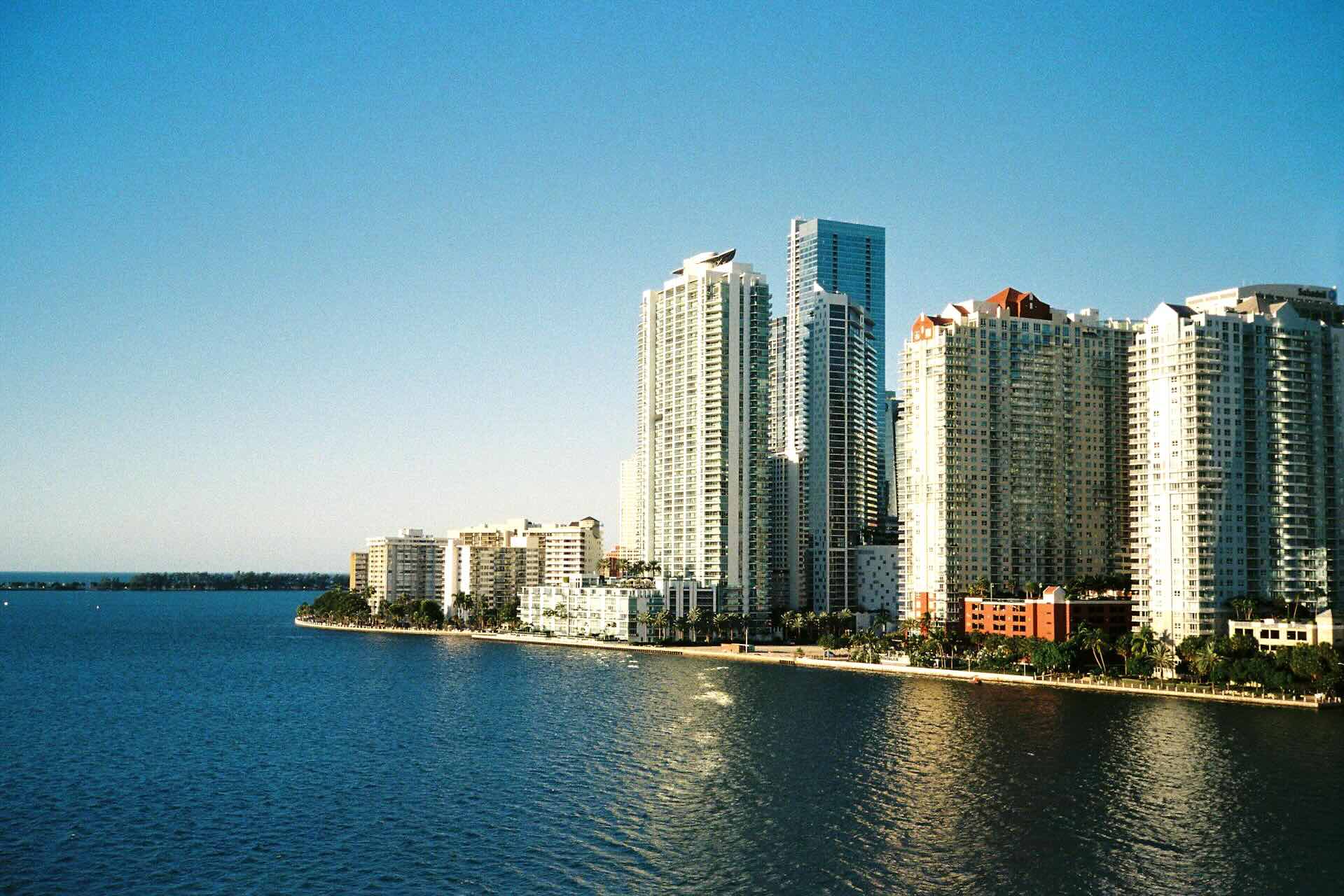
Miami continues to outperform because it avoids many of these structural traps.
At MAK Realty, we help investors distinguish between markets that look good and markets that actually work.
This article explains which short term rental markets investors should approach with caution, and why Miami consistently wins by comparison.
Markets Where Regulation Is Unstable
Rule changes destroy ROI quickly
Some cities encourage short term rentals, then reverse course.
Local pressure, housing shortages, and political shifts can trigger sudden bans or permit caps.
When rules change, investors are trapped.
Income disappears, but carrying costs remain.
Markets with unstable regulatory environments create asymmetric risk.
Upside is capped.
Downside is severe.
Miami offers rule clarity when done correctly
Miami is regulated, but not arbitrary.
Rules are defined by city and by building.
When investors choose the right property, legality is predictable.
Enforcement is consistent.
This clarity allows proper underwriting.
Markets without it turn investments into speculation.
Markets With One Dimensional Demand
Overreliance on a single traveler type
Many short term rental markets depend on one demand source.
Bachelor parties, festivals, or seasonal tourism often dominate.
When that demand softens, occupancy collapses.
Rates follow.
These markets look strong during peak moments.
They struggle the rest of the year.
Miami demand is diversified
Miami benefits from leisure, business, events, cruises, and extended stays.
Domestic and international travelers overlap.
This diversity stabilizes occupancy.
It also supports multiple rental strategies.
Markets with narrow demand profiles cannot compete over a full year.
Markets With Limited Exit Liquidity
The resale problem investors ignore
ROI does not end with rental income.
Exit strategy matters.
Some short term rental markets have shallow buyer pools.
When it is time to sell, demand dries up.
Liquidity risk often goes unmodeled.
It becomes visible only when investors want out.
Miami offers deep resale demand
Miami attracts buyers from around the world.
Domestic and international capital compete for quality assets.
Rental flexibility often increases resale appeal.
Liquidity protects capital.
This is a core reason Miami outperforms more isolated markets.
Markets Where Operations Are Too Fragile
Management quality determines outcomes
Some markets lack professional short term rental infrastructure.
Reliable cleaners, managers, and service vendors are scarce.
Guest experience suffers.
Reviews decline.
Revenue follows.
Markets without operational depth punish remote owners.
Miami has mature rental infrastructure
Miami supports professional management at scale.
Luxury service expectations are understood.
This matters for overseas and out of state investors.
Strong systems protect income.
Many investors first experience this ecosystem by staying in a luxury vacation rental before purchasing.
Markets With Misleading Yield Projections
Gross revenue hides real risk
Some markets promote high gross yields.
They ignore seasonality, vacancy, and operating costs.
Investors buy based on optimistic assumptions.
Reality disappoints.
High advertised returns often correlate with higher volatility.
Miami rewards conservative modeling
Miami rental performance benefits from demand depth.
However, seasonality still exists.
Proper models account for peaks and pauses.
Net income is prioritized over headline numbers.
This discipline separates Miami from hype driven markets.
Markets With Poor Financing Support
Lending friction limits flexibility
Some markets lack investor friendly financing.
When credit tightens, transactions stall.
This affects both buying and selling.
Liquidity dries up quickly.
Miami supports investor financing
Miami lenders understand rental assets.
DSCR and portfolio loans are widely available.
This financing flexibility supports transaction volume.
It also supports pricing stability during national slowdowns.
Why Miami Continues to Win
Structural advantages compound over time
Miami combines global demand, regulatory clarity, and lifestyle value.
Few markets offer all three.
Waterfront scarcity, international appeal, and year round tourism reinforce pricing.
These are structural advantages, not trends.
Markets without these foundations struggle during corrections.
Investors can experience the market directly
Miami allows investors to test assumptions.
They can stay in buildings, explore neighborhoods, and observe demand.
This real world feedback improves decision making.
Markets that cannot be experienced easily invite mistakes.
Many investors use MAK Vacation to understand performance firsthand before committing capital.
Choosing the Right Market Is Risk Management
Short term rental success starts with market selection.
Avoiding fragile markets matters more than chasing peak yields.
Miami wins because it offers durability.
Returns are supported by fundamentals, not hype.
At MAK Realty, we guide investors toward assets that work across cycles.
We focus on legality, operations, and liquidity from the start.
Experiencing Miami in person often clarifies why it outperforms. Staying in a luxury vacation rental through MAK Vacation allows investors to see demand in action. Planning your visit with TravelPal.ai helps structure efficient exploration, and connecting with MAK Realty ensures expert guidance when choosing where to deploy capital.
Leave a Reply