
Blog

  • What Out of State Buyers Should Know About Miami Lending

    What Out of State Buyers Should Know About Miami Lending

    Out of state buyers often assume Miami lending works just like financing in their home market. Sometimes it does, however many parts of the process can feel more nuanced once the property type, building rules, insurance environment, and second home or investment structure come into play. In Miami, lending is not only about your personal profile. It is also about the building, the intended use, and how the lender views the risk behind the asset.

    At MAK Realty, we see this issue often with buyers coming from New York, California, Texas, Illinois, and other major feeder markets. Many are financially strong, but they are surprised by how much attention lenders place on condo eligibility, reserves, insurance, occupancy type, and the overall financial health of the building. That is why the smartest approach is to treat Miami lending as both a borrower issue and a property issue.

    Your Borrower Profile Still Matters, but It Is Not the Whole Story

    Lenders still start with the basics. They want to understand income, assets, credit, debt obligations, and overall financial strength. If you are a strong borrower, that helps. However, in Miami, the deal can still become more complicated if the property itself raises questions.

    This is especially true with condos. A buyer may qualify easily on paper, yet still face lending friction if the building does not meet the lender’s guidelines. That is why out of state buyers should avoid assuming preapproval alone solves the problem. In Miami, the property can affect the financing just as much as the borrower.

    Condo Financing Can Be More Selective Than Buyers Expect

    Many out of state buyers focus on the unit and do not realize how much the building matters to the lender. In Miami, lenders often look closely at the association budget, reserve funding, insurance, pending assessments, litigation, investor concentration, and owner occupancy levels. If the building looks weak in any of these areas, financing can become more restrictive or fall apart altogether.

    This matters because many buyers moving to Miami want condos, especially in Brickell, Miami Beach, Bal Harbour, Surfside, and Edgewater. The lifestyle is appealing, however the financing review can be more building specific than they expect. A strong condo in a strong building usually moves more smoothly. A unit in a troubled building can create major lending delays, even for a qualified borrower.

    Second Home and Investment Loans Are Not the Same

    Out of state buyers also need to be clear about how they plan to use the property. A second home loan is not the same as an investment property loan, and lenders care about that distinction. The interest rate, reserve requirements, down payment expectations, and overall underwriting can all change depending on whether the property is treated as personal use or investment use.

    This becomes especially important in Miami because many buyers want flexibility. They may plan to use the unit part of the year and rent it the rest of the time. That sounds reasonable, however the financing structure still needs to match the true intended use. Trying to fit a more investment driven plan into a second home financing structure can create problems later.

    Condo Hotels and Short Term Friendly Buildings Can Be Harder to Finance

    One of the biggest surprises for out of state buyers is how differently lenders view condo hotels and short term rental friendly properties. These buildings may look attractive because they offer flexibility, hospitality style services, and income potential. However, lenders often see them as more complicated and higher risk.

    As a result, financing can be more limited, down payment requirements may rise, and loan terms may not look as favorable as they would on a standard residential condo. This does not mean buyers should avoid these properties. It means they should understand from the start that lending may be less conventional. A buyer who assumes every luxury condo in Miami can be financed the same way can waste a lot of time.

    Insurance Pressure Can Influence Lending

    Insurance is now a much bigger part of the conversation than many out of state buyers expect. In South Florida, lenders care about insurance because it affects both risk and monthly ownership costs. If a property sits in a more exposed location or the building’s insurance situation looks strained, that can influence the lender’s comfort with the deal.

    This is another reason Miami lending feels more layered. Buyers may come from markets where insurance is not central to underwriting discussion. Here, it often is. Even if the loan still moves forward, insurance costs can materially change the ownership picture and affect how comfortable the payment feels after closing.

    Liquidity Matters More Than Some Buyers Expect

    Out of state buyers with strong incomes sometimes underestimate how much lenders care about liquid reserves. In a market like Miami, lenders often want to see that the borrower has meaningful assets remaining after closing. This is especially relevant for second homes, investment properties, and luxury purchases where the carrying costs may be higher.

    That is why a buyer who feels financially strong may still need to structure the deal carefully. The issue is not only qualifying for the payment. It is also demonstrating staying power. In luxury lending, especially for out of state buyers, liquidity can strengthen the file in ways that income alone does not.

    Local Lending Experience Can Make a Real Difference

    A lender who understands Miami can often identify issues earlier than one who does not. This matters because local experience helps with condo review, association document expectations, insurance awareness, and general familiarity with South Florida property types. Out of state buyers do not always need a Miami based lender, but they usually benefit from a lender who understands how Miami deals behave.

    This can make the process smoother and faster. It can also help buyers avoid wasting time on properties that look attractive but are likely to create financing friction. In a market with many moving parts, local lending familiarity is often a real advantage.

    Rate Shopping Should Not Ignore Execution

    Many buyers focus heavily on getting the lowest possible rate. That is understandable, however execution matters too. A lender offering a slightly better rate is not always the better fit if they are slow, unfamiliar with Miami condos, or weak on communication. In competitive deals, certainty can matter just as much as pricing.

    This is especially true for out of state buyers, who already face the challenge of managing the process remotely. A lender who communicates clearly, spots issues early, and understands the market can reduce stress significantly. In many cases, that matters more than squeezing out a slightly better headline rate.

    The Right Property Can Make Financing Easier

    One of the easiest ways to reduce lending friction is to choose the right building from the start. A well run condo with stronger reserves, cleaner financials, fewer red flags, and more traditional residential use will usually finance more easily than a building with operational complexity or financial strain.

    This is one reason we push buyers to evaluate the building as seriously as the unit. In Miami, lending success often starts before the loan application. It starts with smart property selection. The right building can make the process feel much more conventional. The wrong one can turn it into a much harder transaction.

    What Out of State Buyers Should Do First

    The smartest first step is to get clear on how you plan to use the property, what monthly ownership cost feels comfortable, and what type of building you actually want. Once that is clear, the financing path becomes much easier to define. Buyers who stay vague usually end up looking at too many properties that do not fit their true lending profile.

    At MAK Realty, we help out of state buyers think through Miami lending as part of the property search, not as an issue to handle later. We look at how the building, the intended use, and the broader ownership plan all fit together before the process gets too far down the road. That helps clients avoid wasted time and make more confident decisions.

    For buyers planning a visit to explore neighborhoods and properties in person, MAK Vacation can help make the stay more comfortable. For a tailored shortlist and next step guidance, connect with MAK Realty.


  • Short Term vs Long Term Rentals in Miami, What Works Now

    Short Term vs Long Term Rentals in Miami, What Works Now

    Short term and long term rentals can both work in Miami right now, however they succeed for very different reasons. Short term rentals can still produce strong revenue in the right building and the right location. Long term rentals often offer more stability, less operational friction, and a cleaner ownership model. The better option depends on building rules, local demand, carrying costs, and how involved the owner wants to be after closing.

    At MAK Realty, we see many buyers make the same mistake. They compare headline income without comparing the real structure behind it. A short term rental may show higher gross revenue, however it usually brings more turnover, more management intensity, more cleaning costs, and more exposure to changing rules. A long term rental may look less exciting on the surface, however it can produce a more stable and easier to manage return in today’s market.

    Short Term Rentals Still Work in the Right Setup

    Short term rentals still work in Miami when the property sits in the right area, the building allows that use, and the owner treats the property like an operating business rather than passive real estate. This strategy can work well for buyers who want flexibility, stronger gross income potential, and the option to use the unit personally part of the year.

    That said, success is much more selective than many investors assume. Not every Miami condo can function as a short term rental. Building rules, association restrictions, local zoning, and guest management all matter. A property can look ideal online and still fail as a short term rental if the building does not support the plan. That is why the strategy only works well when the operational structure is already in place.

    Long Term Rentals Look Stronger for Stability

    Long term rentals look stronger right now for owners who want simpler operations and steadier performance. Miami still supports strong rental demand, especially in neighborhoods where professionals, relocators, and higher income renters want flexibility without buying. For many investors, that makes long term leasing the cleaner path.

    This matters because simplicity has real value. A long term rental usually means fewer turnovers, fewer furnishing demands, lower cleaning intensity, and a more predictable monthly rhythm. Owners who live out of state or who do not want to manage a hospitality style asset often find that this structure fits their life much better. In the current market, that can be just as important as chasing the highest possible gross number.

    Short Term Rentals Can Produce Higher Gross Income

    The main attraction of short term rentals is obvious. In the right building, in the right season, they can produce higher gross income than a traditional lease. Miami remains a major travel market, and certain neighborhoods continue drawing visitors who want flexibility, location, and hotel alternative accommodations.

    However, gross income should never be confused with net performance. A short term rental may bring in more revenue, but it also tends to carry more expense. Cleaning, management, furnishing replacement, booking fees, restocking, utilities, and downtime between guests all affect the real outcome. That is why some properties look strong in theory and much weaker once the full operating picture is reviewed honestly.

    Long Term Rentals Usually Win on Simplicity

    If the goal is stable ownership with lower friction, long term rentals often win. The owner usually has fewer moving parts to manage, fewer guest issues, and a more straightforward tenant relationship. That can be especially valuable in Miami, where distance ownership is common and where building rules can make frequent turnover more complicated.

    This does not make long term rentals more exciting, but it often makes them easier to live with. For many investors, that is the smarter definition of what works now. In a market where costs matter more and operational mistakes can get expensive quickly, simplicity can become a real advantage.

    Building Rules Often Decide the Answer

    In Miami, the building often decides whether short term or long term rentals make more sense. Some buildings clearly support flexible rental use. Others are designed around longer term residential ownership and do not function well as hospitality style assets. Buyers who ignore this difference usually create problems for themselves later.

    This is why the same unit in a different building can produce a very different result. The building is part of the investment. Lease minimums, approval timelines, guest policies, registration costs, and management culture all shape what kind of rental strategy will actually work. In many cases, the best answer is not based on what the owner prefers in theory. It is based on what the building realistically supports.

    Short Term Rentals Demand More Active Management

    Short term rentals demand much more from the owner or manager. Guests arrive and leave frequently. Pricing needs regular attention. Cleanings must happen on time. Furnishings wear out faster. Problems need quick responses. In practice, this is closer to running a hospitality business than collecting rent from a standard tenant.

    That is why this model works best for owners who are either highly organized or willing to pay for professional management. Without strong local support, a Miami short term rental can become far more stressful than expected. The owners who do best usually understand from the beginning that flexibility comes with operational intensity.

    Long Term Rentals Fit More Conservative Investors

    Long term rentals usually fit more conservative investors. These buyers often care more about dependable occupancy, lower maintenance pressure, and a property that can perform without constant intervention. They may still want appreciation and income, but they are less interested in the business side of hospitality.

    This is especially relevant now. In a market with higher carrying costs and more selective underwriting, the cleaner strategy often looks stronger. A long term rental may not produce the same top line excitement, however it can align better with how many investors actually want to own property.

    What Works Best Depends on the Property Type

    A condo hotel or short term friendly tower may be a natural fit for nightly or weekly stays. A more traditional luxury condo in Brickell, Edgewater, or Coral Gables may work much better as a long term lease. The key is not trying to force one model onto the wrong asset.

    This is where disciplined selection matters. Buyers should choose the property that already supports the intended strategy rather than hoping they can reshape the rules later. The strongest Miami investment properties usually make sense under current conditions, not just under optimistic assumptions.

    What Works Now

    Right now, short term rentals work best when the property has true legal and building level flexibility, strong local demand, and professional management behind it. Long term rentals work best when the owner wants steadier income, simpler operations, and a more stable tenant model. Both can succeed, but they are not interchangeable.

    At MAK Realty, we generally see long term rentals as the stronger fit for investors who want cleaner execution and lower operational drag. We see short term rentals as the stronger fit for buyers who want flexibility and are prepared to run the property like a real business. The better answer depends on how you want the asset to function after you buy it, not just how exciting the income projection looks on day one.

    For buyers exploring Miami investment property in person, MAK Vacation can help make the stay more comfortable and efficient. For a tailored shortlist and next step guidance, connect with MAK Realty.

  • How Real Estate Fits Into a Long Term Wealth Strategy

    How Real Estate Fits Into a Long Term Wealth Strategy

    Real estate fits into a long term wealth strategy because it can do several important jobs at once. It can preserve capital, create income, provide leverage, offer tax advantages in some situations, and hold long term lifestyle value when chosen well. That combination makes it very different from many other assets. A well selected property is not only a purchase. It can become a working part of a broader financial plan.

    At MAK Realty, we often remind clients that real estate should not be viewed in isolation. The strongest purchases usually make sense both as properties and as pieces of a larger strategy. Some buyers want income. Some want long term appreciation. Others want a second home that also holds wealth in a visible and usable form. In each case, the key is understanding what role the property is supposed to play.

    Real Estate Can Preserve Wealth Over Time

    One reason real estate remains important in long term planning is that it gives people a tangible asset in a market they can understand. Stocks, funds, and private investments all have their place, however real estate offers something more physical and easier to relate to. Land, location, and quality buildings tend to hold meaning over time, especially when they sit in desirable areas with lasting demand.

    This matters because long term wealth is not only about chasing the highest return. It is also about protecting capital in assets that remain relevant through multiple market cycles. A strong property in the right market can serve that purpose very well. It may fluctuate in value, however it usually remains something real, usable, and understandable.

    Income Can Strengthen the Strategy

    Real estate also fits into a long term wealth strategy because it can generate income. That income may come from long term tenants, seasonal renters, or in some cases more flexible use depending on the building and local rules. For many owners, that makes real estate feel different from a passive holding that depends only on future appreciation.

    Income matters because it can help offset carrying costs, support broader portfolio goals, and create a more productive asset over time. However, a strong strategy requires realism. Gross income alone does not tell the story. Taxes, insurance, maintenance, management, association fees, and vacancy all shape the real outcome. The best wealth strategy is built around net performance, not optimistic projections.

    Leverage Can Magnify Long Term Results

    Real estate is one of the few asset classes where leverage is often a normal part of the investment structure. That can be powerful when used well. A buyer can control a much larger asset with a portion of the total capital, while benefiting from appreciation on the full value of the property rather than only the cash invested.

    This is one reason real estate has long held a central place in wealth building. Used carefully, leverage can help expand long term returns. Used poorly, it can create pressure and reduce flexibility. That is why quality and cost discipline matter so much. The property needs to hold up under real financing conditions, not just under ideal assumptions.

    Real Estate Can Add Portfolio Balance

    A long term wealth strategy usually works best when it is not concentrated in one type of asset. Real estate can bring a different type of exposure than public markets, private businesses, or cash holdings. That diversification matters because different asset classes respond differently to inflation, interest rates, economic conditions, and investor sentiment.

    For many affluent buyers, real estate adds both balance and visibility to a portfolio. It gives them something they can use, monitor, and explain easily. In some cases, it may also provide a hedge against conditions that weaken the appeal of purely financial assets. That does not make real estate immune to risk. It makes it valuable as part of a broader and more balanced approach.

    Lifestyle Value Can Matter Too

    Not every asset class improves quality of life while also holding financial value. Real estate can. A second home, a waterfront condo, or a property in a strategically chosen city may serve the owner personally while still functioning as part of a long term plan. That dual role is one reason real estate remains so compelling to many wealthy buyers.

    This is especially true in markets like South Florida, where a property can operate as both a lifestyle asset and a wealth holding. A buyer may use the residence seasonally, enjoy long term appreciation potential, and maintain ownership in a globally recognized market at the same time. That kind of overlap is hard to replicate in many other forms of investment.

    Location Quality Matters More Than Almost Everything

    For real estate to play a productive long term role, the location needs to make sense. A weak property in the wrong place can undermine the strategy quickly. A strong property in a durable location can remain useful through multiple cycles. This is why experienced buyers often focus less on temporary excitement and more on whether the area has lasting reasons for demand.

    In South Florida, that may mean oceanfront scarcity, walkable urban convenience, strong second home appeal, or a neighborhood with clear long term prestige. The best long term properties usually sit where buyers and renters will still want to be years from now, not just where current momentum feels strong.

    Liquidity Is Lower, So the Choice Must Be Better

    Real estate fits into a wealth strategy well, however it is less liquid than many financial assets. Selling takes time. Transaction costs are meaningful. Market conditions matter. That means a property purchase needs to be more thoughtful from the beginning. The owner should not assume they can exit quickly or cheaply if priorities change.

    This is why the property itself needs to be strong enough to justify the slower liquidity. Buyers should be confident in the location, the building, the carrying costs, and the long term demand story. A weaker property may still be sellable, however it usually becomes more vulnerable when the market turns selective.

    The Best Role Depends on the Buyer

    Real estate does not play the same role for every investor. For one person, it may be an income producing asset. For another, it may be a wealth preservation tool. For another, it may be a second home with long term upside. The strategy only works well when the role is clear from the beginning.

    This is where mistakes often happen. Buyers sometimes purchase a property without deciding whether it is meant to maximize income, preserve capital, support lifestyle, or balance a wider portfolio. That confusion can lead to the wrong property type, the wrong building, or the wrong market. The strongest outcomes usually come when the purpose is defined early and the asset is chosen accordingly.

    South Florida Can Fit This Strategy Well

    South Florida often fits into a long term wealth strategy because it combines lifestyle appeal, global visibility, and strong long term demand in one market. It attracts domestic migration, international buyers, second home owners, and investors seeking dollar based hard assets. That broad demand base can help support the relevance of high quality properties over time.

    However, not every South Florida property works equally well. Some have stronger long term scarcity. Some offer better rental structures. Some fit second home use better than others. This is why discipline still matters. A wealth strategy does not need more real estate. It needs the right real estate.

    Why Guidance Matters

    A property can look impressive and still be a weak fit for a long term plan. That is why buyers need to look beyond the surface. The questions should include location quality, building reputation, carrying costs, financing structure, resale appeal, and how the property fits the broader portfolio. When those factors align, real estate can become one of the strongest parts of a long term wealth strategy.

    At MAK Realty, we help clients think about property not only as a purchase, but as a strategic asset. We look at how the property fits long term goals, how it may perform under real conditions, and whether it strengthens the overall plan rather than simply adding another holding. For buyers planning to explore properties in person, MAK Vacation can help make the stay more comfortable. For a tailored shortlist and next step guidance, connect with MAK Realty.

  • What Defines a Strong Investment Property in South Florida Today

    What Defines a Strong Investment Property in South Florida Today

    A strong investment property in South Florida today is not defined by hype, short term excitement, or a single headline metric. It is defined by durability. The best assets usually combine desirable location, realistic income potential, strong long term demand, and a property type that remains relevant even as the market changes. In South Florida, that matters more than ever because buyers are navigating a market shaped by higher carrying costs, stricter building realities, and more selective tenant and buyer behavior.

    At MAK Realty, we think the strongest investment properties are the ones that still make sense after the easy assumptions are removed. If the deal only works under perfect rent growth, minimal expenses, and ideal resale timing, it is probably not that strong. A better investment usually works because the fundamentals are solid now, while still leaving room for future upside.

    Location Still Leads Everything

    A strong investment property starts with location because demand remains highly uneven across South Florida. Some neighborhoods continue attracting renters, second home buyers, and long term wealth with consistency. Others rely too heavily on temporary momentum. The best locations usually offer a clear reason people want to be there, whether that means walkability, waterfront access, beach proximity, strong schools, business access, or an established lifestyle identity.

    This is especially important in South Florida because the market includes very different demand profiles. Brickell attracts urban professionals and luxury renters. Bal Harbour and Surfside attract wealth driven lifestyle buyers. Naples appeals to quieter high end demand. Parts of Fort Lauderdale appeal to boaters, seasonal residents, and more lifestyle oriented users. A strong property aligns with the kind of demand the neighborhood actually supports.

    The Property Needs to Work Under Current Rules

    Too many investors still buy based on what they hope a property can do rather than what it is actually allowed to do today. In South Florida, building rules, zoning, rental restrictions, and local operating conditions matter enormously. A condo may look attractive, however the lease minimums, approval delays, or association policies can weaken the income strategy quickly.

    That is why a strong investment property is one that works within its real operating framework. If it is a condo, the building needs to support the intended rental plan. If it is a short term rental play, the local rules and building policies need to be clear. If it is a redevelopment story, the entitlement path needs to be realistic. The strongest properties are not theoretical. They are usable under the rules that actually exist.

    Carrying Costs Need to Stay Rational

    Today, a strong investment property in South Florida must survive real carrying costs. Taxes, insurance, association fees, maintenance, management, and financing all matter more than they did when cheap money and easier assumptions made weak deals look stronger. A property may still be attractive, however the expense side needs to be underwritten honestly.

    This is where discipline matters. An investor should not chase only gross rent or headline appreciation. The real question is what the asset costs to own and whether that cost structure leaves enough room for resilience. In the current market, a property with stable economics usually beats one with exciting projections and fragile margins.

    Tenant and Buyer Demand Should Be Easy to Understand

    A strong investment property usually serves a clear audience. It is easy to explain who will want to rent it, buy it later, or use it seasonally. If that audience is too narrow, the property may become harder to reposition when conditions shift. Broad appeal is not always necessary, however the demand story should at least be logical and durable.

    For example, a well located condo in a strong South Florida neighborhood may appeal to both renters and future second home buyers. A branded residence may attract affluent seasonal owners. A more residential property near business centers may appeal to full time professionals. The strongest investments are not always the flashiest. They are often the easiest to understand from a future demand perspective.

    Building Quality Matters More Than Ever

    In South Florida, building quality now plays a larger role in investment strength than many buyers once assumed. Buyers and renters are paying closer attention to management, maintenance, reserve health, structural reputation, and the general feel of the property. This is especially true in the condo market, where older inventory faces more scrutiny and newer product keeps raising expectations.

    A strong investment property is often located in a building that feels credible and well run. That does not always mean brand new. It means the building has enough quality, upkeep, and operational strength to stay competitive. A weak building can undermine even a good unit and a good location. That is why investors should evaluate the full asset, not just the unit interior.

    Flexibility Helps, but Only If It Is Real

    Flexibility can improve an investment property, however only when it is genuine. Buyers often love the idea of having multiple exit options, such as personal use, seasonal rental, long term rental, or future resale to different buyer types. That flexibility is valuable, but only if the property and building actually support it.

    A strong property may appeal because it can serve more than one role over time. However, that does not mean every flexible sounding property is truly flexible. The strongest investments usually have documented, workable versatility rather than vague optionality that disappears once the rules are reviewed more closely.

    Scarcity Still Supports Long Term Strength

    Scarcity remains one of the most reliable drivers of long term appeal in South Florida. True oceanfront, prime bayfront, walkable luxury districts, and highly constrained neighborhoods usually hold attention better than generic supply. That does not guarantee appreciation in a straight line, however it does create stronger long term defensibility.

    This is one reason certain South Florida properties continue drawing serious money. Investors understand that not all inventory is equal. If the asset sits in a place that is hard to replicate and easy for future buyers to understand, it often carries stronger long term positioning. Scarcity does not solve every problem, but it can support value through more than one cycle.

    Appreciation Potential Should Be Backed by a Real Story

    Every investor likes upside, however strong appreciation potential should come from a believable story. That could mean a neighborhood improving in a measurable way, a property type with increasing demand, a building benefiting from better management, or a location with increasing scarcity and prestige. What matters is that the upside has logic behind it.

    Weak investments often rely on generic optimism. Strong investments usually have a more specific case. The investor can explain why this property, in this place, with this buyer pool, should remain desirable over time. That type of reasoning is usually much more useful than broad claims about the whole market.

    South Florida Rewards Quality Over Noise

    The current market is rewarding quality more than noise. Investors who chase every trend, every social media narrative, or every loose short term rental promise usually take on more risk than they realize. South Florida still offers real opportunity, however the strongest assets tend to be the ones with clearer fundamentals, better buildings, stronger locations, and more durable demand.

    That is why the best investment property today is rarely the one with the loudest marketing. It is usually the one that still looks intelligent after careful review. In a market with high visibility and strong emotion, that kind of discipline is a real advantage.

    What We Look For at MAK Realty

    At MAK Realty, we define a strong South Florida investment property as one that can hold up under real operating costs, attract a clear future buyer or tenant, and remain relevant even if the market becomes more selective. We want the location to make sense, the building to support the strategy, and the income story to feel grounded rather than inflated.

    That does not mean every good investment looks the same. Some buyers may focus on urban condos, others on waterfront residences, and others on more flexible second home assets. What matters is alignment. The strongest property is the one whose fundamentals support the actual strategy, not just the fantasy version of it.

    For buyers evaluating South Florida opportunities in person, MAK Vacation can help make the stay more comfortable and efficient. For a tailored shortlist and next step guidance, connect with MAK Realty.

  • How Miami Compares to Other Coastal Lifestyle Cities

    How Miami Compares to Other Coastal Lifestyle Cities

    Miami compares to other coastal lifestyle cities by offering a more visible mix of luxury, energy, tax appeal, and global relevance than most of its peers. Many coastal cities deliver beauty, leisure, and strong real estate. Far fewer combine waterfront living with international prestige, year round warmth, branded residences, and a luxury market that feels both active and expandable. That is why Miami continues to stand apart. It does not simply offer a coastal lifestyle. It offers a highly marketable version of one.

    At MAK Realty, we often help buyers compare Miami with places like Naples, Charleston, San Diego, Palm Beach, Newport Beach, and even coastal markets outside Florida. The comparison usually comes down to rhythm. Some cities feel quieter, more traditional, or more restrained. Miami feels faster, more global, and more layered. For the right buyer, that is exactly the attraction. For others, it may be the reason they choose somewhere else. The key is understanding what kind of coastal life you actually want.

    Miami Feels More Global Than Most Coastal Markets

    One of the clearest differences is that Miami feels more international than many other coastal lifestyle cities. The buyer base is broader, the cultural mix is deeper, and the city carries a level of recognition that goes beyond domestic appeal. For affluent buyers, that matters because it gives Miami a stronger sense of global status than many otherwise attractive coastal markets.

    This also affects real estate. A luxury property in Miami often speaks to domestic buyers, Latin American buyers, European buyers, second home owners, and globally mobile families all at once. That broad appeal can strengthen demand in ways that more locally driven coastal cities may not match. The result is a market that often feels bigger, more dynamic, and more visible than the average beach oriented city.

    Miami Delivers More Energy Than Naples or Charleston

    Compared with cities like Naples or Charleston, Miami offers a much more active and high visibility version of luxury. Naples leans quieter, more private, and more understated. Charleston leans historic, charming, and slower in tone. Miami, by contrast, blends waterfront living with nightlife, branded towers, fashion, dining, and a stronger sense of momentum.

    That difference matters because some buyers want coastal calm, while others want coastal excitement. Miami is often the better fit for people who want their environment to feel active and socially charged. Naples may suit buyers who prefer lower key elegance. Charleston may appeal more to those who value charm and tradition. Miami wins when the goal is energy, access, and a more modern version of luxury.

    Miami Feels Less Relaxed Than San Diego

    San Diego offers one of the most appealing coastal lifestyles in the country, however it feels very different from Miami. The atmosphere is more relaxed, more evenly paced, and often more grounded in outdoor living than in visible luxury. Miami feels sharper, more image conscious, and more internationally driven.

    For some buyers, San Diego may feel more comfortable day to day. For others, Miami feels more exciting because it offers stronger nightlife, more vertical luxury, and a more dramatic sense of place. The difference is not only weather or architecture. It is the social tone. Miami often feels more performative and glamorous. San Diego often feels more casual and stable.

    Miami Offers More Vertical Luxury Than Palm Beach

    Palm Beach has extraordinary prestige, however it delivers it in a more traditional and controlled format. The market leans toward estates, privacy, legacy wealth, and a more classic form of status. Miami offers prestige too, but it often expresses it through high rise living, branded residences, waterfront towers, and neighborhoods that feel more publicly visible.

    This is one reason younger affluent buyers and globally mobile buyers often respond strongly to Miami. The city offers luxury that feels current, urban, and highly usable. Palm Beach may appeal more to buyers who want legacy, privacy, and a more restrained social world. Miami appeals more to those who want movement, image, and a broader mix of experiences.

    Miami Blends Lifestyle and Tax Appeal More Clearly

    Another reason Miami stands out is that it combines lifestyle appeal with the practical logic of Florida residency and wealth migration. Many coastal cities are beautiful. Fewer pair that beauty with the broader financial appeal that has helped drive so much attention toward South Florida. That combination makes Miami especially attractive to buyers who want both a lifestyle upgrade and a strategic move.

    This matters because many luxury buyers are not making purely emotional decisions. They are balancing tax considerations, family use, business access, and long term asset positioning. Miami works well in that framework because it can function as a primary residence, second home, social base, or wealth holding at the same time.

    Miami Has a Wider Range of Coastal Experiences

    One of Miami’s strengths is how many different coastal lifestyles it can offer within one broader market. Brickell gives buyers urban waterfront energy. Miami Beach offers glamour and resort influence. Surfside offers quieter beachfront composure. Bal Harbour offers polished luxury and retail proximity. Sunny Isles Beach offers newer vertical beachfront living. That range makes Miami more adaptable than many other coastal cities.

    In some markets, buyers choose the city and accept one dominant lifestyle. In Miami, they can choose the city and still select from multiple versions of it. That flexibility is a major advantage because it widens the buyer pool and makes the market more responsive to different priorities.

    Other Coastal Cities Can Feel More Grounded

    Not every buyer wants what Miami offers. Some people prefer coastal cities that feel quieter, less image driven, and more stable in rhythm. Charleston, Naples, Santa Barbara, and other coastal markets often attract buyers who want a stronger sense of calm, intimacy, or tradition. These cities may feel easier to settle into if the buyer is not looking for social visibility or constant activity.

    This is where Miami can become polarizing in a productive way. It is not trying to be universally soothing. It is offering a specific kind of high energy coastal lifestyle. That is why the right comparison is never just about beaches or restaurants. It is about whether the city’s pace aligns with the kind of life the buyer wants to build.

    Miami’s Real Estate Feels More Market Driven

    Compared with many coastal lifestyle cities, Miami’s real estate often feels more market aware and more globally influenced. Buyers in Miami frequently think in terms of prestige, branding, second home use, wealth migration, rental flexibility, and future demand from domestic and international audiences. In quieter coastal cities, the conversation may lean more toward local lifestyle and less toward global positioning.

    That is one reason Miami attracts so much attention from buyers who want more than just a beautiful place to live. They want an asset in a city that stays in the luxury conversation. That does not guarantee a better outcome than other coastal markets. It does mean Miami often carries a stronger sense of momentum and broader visibility.

    The Right Choice Depends on What You Want Coastal Living to Feel Like

    If you want your coastal city to feel calm, understated, and slower, Miami may not be your best fit. If you want it to feel international, glamorous, and full of options, Miami becomes far more compelling. That is the real comparison. Miami is not simply better or worse than other coastal lifestyle cities. It is more specific.

    At MAK Realty, we guide buyers by helping them compare not just properties, but the daily experience of each market. Miami works best for people who want a coastal city with luxury, movement, and broader relevance all at once. For buyers planning to explore neighborhoods and properties in person, MAK Vacation can help make the stay more comfortable. For a tailored shortlist and next step guidance, connect with MAK Realty.

  • What Makes a Miami Condo Building Attractive for Resale

    What Makes a Miami Condo Building Attractive for Resale

    What makes a Miami condo building attractive for resale is rarely just the unit itself. Buyers may fall in love with views, finishes, and layout, however long term resale strength usually comes from the building, the location, and the way the property fits future demand. In Miami, that matters even more because buyers compare not only square footage, but also service, amenities, building reputation, rental flexibility, and neighborhood identity. A beautiful unit in a weak building can still be a weak resale asset. A well positioned unit in the right building often holds attention much longer.

    At MAK Realty, we help buyers think beyond the purchase moment. The smartest condo buyers do not just ask whether they like the residence today. They ask whether future buyers are likely to want it too. That shift in perspective changes everything. It moves the focus from emotion alone to long term marketability, which is where resale strength really comes from.

    The Building Needs a Strong Identity

    A condo building with clear identity usually performs better on resale than one that feels generic. Buyers respond to buildings that have a recognizable position in the market. That could mean branded prestige, exceptional service, strong architecture, an oceanfront address, or a reputation for privacy and quality. What matters is that the property gives future buyers a reason to remember it.

    This is especially important in Miami, where new inventory and luxury branding create a very competitive landscape. If a building feels interchangeable, it can lose momentum more easily. A building that stands for something clearer often holds value better because buyers understand what they are paying for. Identity supports desirability, and desirability supports resale.

    Location Still Drives the Story

    Location remains one of the strongest forces behind resale value, however in Miami that means more than just a good address. Buyers care about neighborhood energy, walkability, water access, privacy, convenience, and how the area fits their lifestyle. A building in Brickell appeals for different reasons than one in Bal Harbour, Surfside, Miami Beach, or Edgewater. The best resale buildings usually sit in neighborhoods with lasting relevance and a clear lifestyle story.

    This matters because future buyers are not all the same. Some will want urban convenience. Others will want beachfront calm. Others will want prestige, dining, retail access, or family appeal. A building that sits in a neighborhood with strong and durable demand has a much better chance of staying attractive over time.

    Service and Management Matter More Than Buyers Expect

    Many resale buyers look beyond finishes quickly and start paying attention to how the building actually runs. Strong management, attentive staff, smooth operations, and a clean ownership experience can make a major difference in how a building is perceived. Even a beautiful tower can lose appeal if the management feels weak or the service feels inconsistent.

    This matters because ownership is not only about the unit. It is about daily life in the building. Future buyers will care about valet, front desk quality, maintenance standards, security, and how problems get resolved. Buildings that operate well often develop stronger reputations, and that reputation becomes part of the resale value.

    HOA Fees Need to Make Sense

    HOA fees do not need to be low to support good resale, however they do need to feel justified. Buyers will compare the monthly cost against what the building delivers. If the fee supports strong staffing, maintenance, reserves, amenities, and a polished environment, many buyers will accept it. If the fee feels high relative to the ownership experience, resale becomes harder.

    This is one reason thoughtful buildings often perform better than flashy ones. Buyers eventually ask whether the economics make sense. A building with a clean value story tends to attract broader interest than one where the monthly cost feels disconnected from what owners actually receive.

    Amenities Should Feel Useful, Not Just Expensive

    Amenities help resale when they support real life. Fitness centers, spa spaces, pools, lounges, private dining areas, wellness rooms, and co working spaces can all strengthen a building’s appeal. However, the best amenity packages do not just look impressive. They feel relevant to how people want to live.

    In Miami, that distinction matters. Buyers have seen enough dramatic pool decks and luxury language to know the difference between real value and decorative excess. A building with amenities that are well designed, well maintained, and genuinely usable often holds its appeal better than one that relies only on spectacle.

    Floor Plans and Livability Still Matter

    Even in luxury markets, practical livability shapes resale. Buyers care about how the unit flows, how much natural light it gets, how the bedrooms feel, and whether the layout supports real daily use. A unit can have a strong view and still underperform if the floor plan feels awkward or inefficient.

    This is why some buildings develop stronger resale reputations than others. Over time, the market notices which layouts live well and which ones do not. Buildings with consistently strong floor plans tend to produce more dependable buyer interest, which supports value when owners decide to sell.

    Rental Rules Can Influence Future Demand

    Rental flexibility can affect resale, even for buyers who do not plan to lease the unit. Some buyers want the option to rent seasonally or long term. Others want a more controlled building with less turnover. What matters most is that the building’s rental rules align with the kind of buyer the property is likely to attract.

    A mismatch can weaken resale. For example, a building marketed as flexible and modern may lose interest if the lease rules feel too restrictive. On the other hand, a luxury residential tower may gain strength from more controlled policies if the buyer pool values stability and privacy. The best resale buildings usually show a clear alignment between policy and identity.

    Building Reputation Carries Real Weight

    Reputation becomes part of value over time. Buyers talk to brokers, review past sales, compare building performance, and listen to how a tower is perceived in the market. A building known for quality, service, and stable ownership experience tends to attract stronger resale attention than one known for conflict, deferred maintenance, or uneven management.

    This is why the story around a building matters almost as much as the building itself. The market often rewards properties that feel dependable and respected. In Miami, where many towers compete for similar buyers, reputation can become one of the clearest differentiators.

    Newer Is Not Always Better, But Relevance Matters

    New construction often raises buyer expectations, which can place pressure on older buildings. However, older buildings can still perform very well on resale if they have strong locations, good management, credible upgrades, and enduring identity. The key is not simply age. It is relevance.

    A building stays attractive for resale when it continues to feel competitive. That may come from renovation, strong service, excellent layouts, or irreplaceable positioning. Buyers do not always need the newest tower. They do need a building that still feels desirable against what else the market offers.

    The Buyer Pool Needs to Stay Broad Enough

    The most attractive resale buildings usually appeal to more than one narrow type of buyer. That does not mean they need to please everyone. It means they should retain enough flexibility in their appeal to attract primary residents, second home buyers, and in some cases investors, depending on the property. Buildings with very narrow appeal can still succeed, however they may have less margin for error when the market shifts.

    This is why broad desirability matters. A building that combines location, service, strong layouts, and a clear lifestyle story often keeps a healthier resale audience over time. The more future buyers can picture themselves there, the stronger the resale profile tends to be.

    Why This Matters Before You Buy

    The best time to think about resale is before you buy, not when you decide to sell. Buyers who focus only on the current emotional pull of a unit can miss the larger factors that shape value later. In Miami, those factors often sit at the building level. Management, rules, location, identity, fees, and neighborhood demand all matter just as much as the finishes inside the residence.

    At MAK Realty, we help clients evaluate Miami condo buildings through a long term lens. We look at what will make the unit appealing to you now, but also what will make the building appealing to future buyers later. That perspective helps clients buy more intelligently and hold with more confidence.

    For buyers planning to tour buildings and compare neighborhoods in person, MAK Vacation can help make the stay more comfortable. For a tailored shortlist and next step guidance, connect with MAK Realty.
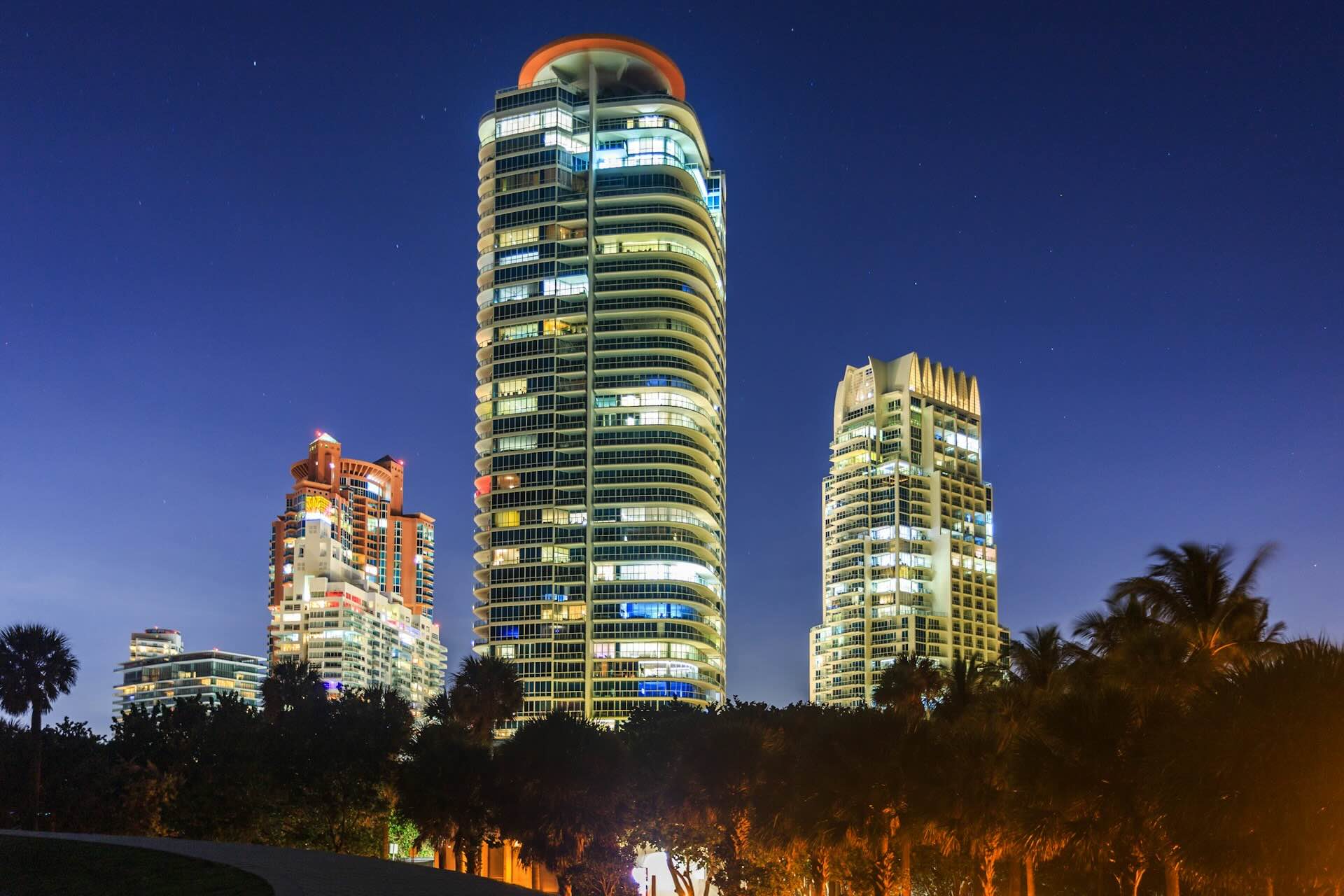
  • What Buyers Should Know: HOA Fees in Luxury Miami Condos

    What Buyers Should Know: HOA Fees in Luxury Miami Condos

    HOA fees in luxury Miami condos matter far more than many buyers expect. At first, the monthly number can look like just another line item in the budget. In reality, it affects carrying costs, financing comfort, rental performance, resale appeal, and the overall ownership experience. In a market like Miami, where luxury towers often compete through service, amenities, and design, HOA fees are not just an expense. They are part of the product.

    At MAK Realty, we often tell buyers to stop asking only whether the fee feels high. The better question is whether the fee makes sense for that specific building. A high fee in the right property may be justified by staffing, maintenance quality, reserves, and service. A lower fee in the wrong building may hide future problems. That is why serious buyers need to understand what the fee supports, what it may become over time, and how it fits the long term value story of the condo.

    Luxury HOA Fees Reflect More Than Amenities

    Many buyers assume HOA fees rise mainly because of pools, gyms, and flashy common areas. Those things matter, however they are only part of the picture. In luxury Miami condos, HOA fees often support a much broader operating structure. That can include concierge staff, valet, front desk coverage, insurance, security, building maintenance, management, landscaping, janitorial service, common area utilities, and reserve funding.

    This is important because two buildings with similar asking prices can carry very different monthly ownership costs. One may look more affordable at first glance, however the true cost of ownership may be much higher once the fee is included. Therefore, buyers should treat HOA fees as part of the purchase decision from the very beginning, not as something to review casually near the end.

    A Higher Fee Is Not Automatically a Negative

    A high HOA fee can make buyers nervous, however it is not automatically a bad sign. In some luxury buildings, a higher fee reflects a stronger service model, better staffing, more comprehensive maintenance, and a more stable operating structure. If the building delivers a polished ownership experience and protects the property well, the fee may support long term value rather than undermine it.

    The problem comes when the fee is high and the building still feels under managed, worn, or financially strained. That is where buyers need to look deeper. A large monthly payment should usually be tied to visible quality, strong upkeep, and an ownership experience that feels consistent with the cost. If that connection is missing, the fee deserves more scrutiny.

    Lower Fees Can Be Misleading

    Lower HOA fees may look attractive, especially to buyers trying to control monthly costs. However, lower is not always better. In some cases, a low fee can mean the building is under reserving, delaying maintenance, or not funding long term needs properly. That can create more pain later through special assessments, deferred repairs, or a noticeable drop in building quality.

    This matters even more in luxury real estate. Buyers in the upper tier expect buildings to stay polished. If the association keeps fees artificially low at the expense of maintenance and reserves, the property may lose competitiveness over time. Therefore, a surprisingly low fee should raise questions, not automatic excitement.

    Reserve Health Matters More Than Many Buyers Realize

    One of the most important things behind HOA fees is reserve strength. A building needs to fund future repairs, replacements, and large scale maintenance. If reserves are weak, owners may face special assessments later when major work becomes unavoidable. In a luxury Miami condo, those numbers can become significant very quickly.

    That is why buyers should not only ask what the monthly fee is. They should also ask how the building plans ahead. A well run association usually shows that it is thinking beyond current appearances. It is preparing for elevators, waterproofing, mechanical systems, exterior upkeep, and other major items that eventually affect every building. Strong reserve planning often makes ownership more stable, even if the monthly fee feels higher in the short term.

    Insurance and Building Age Can Affect Fees Sharply

    In Miami, building age and insurance pressure can have a major effect on HOA fees. Older buildings may face higher maintenance burdens and greater repair needs. In addition, insurance costs can put upward pressure on the operating budget. That means buyers need to understand not only what the current fee is, but also why it sits at that level and what may influence future increases.

    This is especially relevant for buyers comparing new construction with older luxury inventory. A newer building may have strong initial appeal and a cleaner maintenance profile, although that does not guarantee lower costs forever. An older building may have character and a stronger location, however it may also carry greater financial pressure through repairs and insurance. HOA analysis helps buyers see those differences more clearly.

    The Fee Affects Investment Performance Too

    For investors, HOA fees matter because they directly shape the carrying cost of the property. A condo with a high fee may still be a strong investment, however the numbers need to support that conclusion. Rental income, tenant demand, financing costs, and total monthly expenses all need to be reviewed together. A building with beautiful amenities can still be a weak investment if the fee compresses the return too heavily.

    This does not mean investors should avoid higher fee buildings automatically. It means they need to understand what kind of renter or future buyer the property appeals to and whether the fee aligns with that market. In some cases, a luxury tenant will pay more for a better building. In others, the fee may be too heavy relative to what the market will support.

    Buyers Should Review What the Fee Actually Covers

    Not all HOA fees cover the same things. One building may include more services or utilities than another. Another may charge separately for items a buyer assumed were included. This is why comparing buildings based only on the headline fee can be misleading. The real comparison should focus on what is covered, what is excluded, and what the ownership experience feels like in return.

    At MAK Realty, we encourage buyers to look beyond the number and review the structure carefully. A fee only becomes meaningful when you know what it buys. In a luxury building, that can make a major difference in how the property feels month after month.

    Special Assessments Can Change the Picture Quickly

    Even a building with a manageable monthly fee can become much more expensive if special assessments appear. These assessments can result from deferred maintenance, major structural work, code driven updates, or reserve shortfalls. Buyers who ignore this possibility are often focusing too much on the present and not enough on the building’s larger financial health.

    This is why due diligence matters so much in Miami condo purchases. A building may look elegant and stable, however the financial documents may tell a more complicated story. Reviewing budgets, reserves, recent assessment history, and expected capital work can reveal whether the current fee is part of a healthy system or only the surface of a larger problem.

    HOA Fees Should Match the Building’s Identity

    The strongest luxury buildings usually show alignment between the fee, the service model, and the product itself. A full service oceanfront tower with high staffing, valet, wellness amenities, and extensive common areas should not be judged the same way as a simpler boutique building. Each one has a different operating model, and the HOA fee should make sense within that context.

    That is why buyers should always ask whether the fee fits the identity of the building. In some cases, a high number is exactly what should be expected. In others, the fee may feel out of step with what the building actually delivers. That difference can say a lot about long term value and ownership quality.

    What Smart Buyers Focus On

    The smartest buyers do not chase the lowest HOA fee and they do not panic at the highest one. They ask better questions. They want to know how the building is run, how reserves look, what upcoming work may affect ownership, and whether the service level justifies the cost. That approach usually leads to a better purchase because it focuses on the full picture rather than the easiest headline.

    In Miami luxury real estate, HOA fees are part of the real cost of buying well. A buyer who understands them clearly is far less likely to be surprised later. That matters because the best condo purchases usually feel right not only on closing day, but years into ownership.

    At MAK Realty, we help buyers evaluate luxury Miami condos with a practical lens, including the fee structure behind the lifestyle. We look at how the building operates, what the monthly cost supports, and whether the numbers align with the ownership experience. For a tailored shortlist and next step guidance, connect with MAK Realty.

  • Managing a Miami Rental Property From Out of State

    Managing a Miami Rental Property From Out of State

    Managing a Miami rental property from out of state can work well, however it only works smoothly when the ownership plan is realistic from the beginning. Miami attracts many out of state buyers because the market offers lifestyle appeal, rental demand, and long term visibility. Still, distance changes the ownership experience. A property that feels easy to buy can become difficult to manage if the systems behind it are weak. That is why successful remote ownership depends less on optimism and more on structure.

    At MAK Realty, we often remind buyers that a rental property in Miami is not just a real estate asset. It is also an operational asset. If you live elsewhere, the property needs the right building, the right rules, the right local support, and the right expectations. Without that, even a strong looking purchase can become a drain on time and money.

    The Building Matters More When You Live Elsewhere

    When you manage a Miami rental property from out of state, the building becomes even more important than usual. Strong management, reliable staff, clear rules, and a well run association can make remote ownership far easier. A poorly run building can create constant friction, especially when you are not nearby to solve small problems in person.

    This is why investors should look beyond the unit itself. A beautiful condo in a difficult building may create more stress than a slightly less flashy property in a better run one. Elevator reliability, front desk consistency, maintenance responsiveness, and tenant approval procedures all matter more when the owner is not local. Distance magnifies operational weakness.

    Remote Owners Need a Strong Local Team

    The most important part of out of state ownership is having dependable people on the ground. In most cases, that means a strong property manager, a responsive handyman or contractor network, and a clear contact structure for emergencies. If the tenant has a problem, someone local needs to be able to respond quickly and professionally.

    This is where many owners go wrong. They assume they can manage everything from afar with only occasional help. That may work for a short time, however it often breaks down once repairs, tenant turnover, or urgent issues appear. A remote owner without local support is usually running a much riskier operation than they realize.

    Property Management Can Protect More Than Time

    Some owners hesitate to hire a property manager because they focus only on the fee. That is too narrow. Good management can protect income, reduce vacancy time, improve tenant communication, and help prevent small issues from becoming expensive ones. For an out of state owner, that support often matters more than it would for someone who lives nearby.

    This does not mean every property needs full service management. Some experienced owners prefer a lighter structure. However, if you live far from Miami and want the property to function predictably, professional oversight can be one of the smartest parts of the investment rather than an unnecessary cost.

    Tenant Quality Matters More Than Maximum Rent

    Out of state owners sometimes become too focused on pushing rent as high as possible. That can be a mistake. In many cases, a strong tenant at a slightly lower number is better than a weaker tenant at the top of the range. Stable payments, lower turnover, and fewer operational issues often create a better long term result than squeezing for the last dollar.

    This is especially true when you are not local. A bad tenant is harder to manage from another state. Communication problems, property condition issues, and lease violations all become more difficult when the owner is not nearby. That is why screening quality often matters more than headline rent.

    Lease Structure and Building Rules Must Align

    One of the biggest mistakes remote owners make is buying a property before fully understanding the building’s lease rules. Some Miami buildings allow flexible rental structures. Others are far more restrictive. Lease minimums, approval timelines, guest rules, move in fees, and registration requirements can all affect how easily the property can produce income.

    For an out of state owner, these details matter even more because delays and restrictions can disrupt the whole plan. A building with slow approvals or difficult administration can turn a routine tenant change into a long vacancy period. Therefore, remote investors need to treat building rules as part of the income model, not as minor paperwork.

    Maintenance Needs a System, Not a Reaction

    A remote owner should never rely on improvisation for maintenance. If something breaks, there should already be a clear process for who gets called, who authorizes work, how much they can approve, and how the issue is documented. Waiting until there is a leak, appliance failure, or air conditioning problem to figure that out is a weak strategy.

    Miami makes this even more important because climate and humidity can accelerate wear. Water intrusion, cooling issues, and general upkeep need attention quickly. A local system for maintenance protects both the property and the tenant relationship. Remote ownership works best when the response plan already exists before anything goes wrong.

    Insurance and Carrying Costs Need Realistic Review

    Out of state buyers sometimes focus too much on gross rental income and not enough on the full carrying cost of ownership. Miami ownership can include taxes, insurance, association fees, maintenance, management fees, and periodic repair expenses. If those numbers are not reviewed carefully, the property may perform very differently from what the owner expected.

    This is not an argument against buying. It is an argument for discipline. Remote ownership can work very well, however only when the numbers are honest. A property that looks attractive under perfect assumptions may feel much weaker once real operating costs and vacancy periods are included.

    Communication Structure Keeps Everything Clear

    The strongest remote owners usually create a simple communication structure from the start. The tenant knows who to call. The manager knows what authority they have. The owner receives updates in a consistent format. Contractors know where to send estimates and invoices. This sounds basic, however it is one of the biggest differences between smooth ownership and constant confusion.

    Distance makes clarity more valuable. When people do not know who is responsible, problems sit too long and frustration grows. A Miami rental property can function well from another state, but only if communication feels organized rather than improvised.

    The Right Property Makes Remote Ownership Easier

    Not every Miami rental property is equally suited to out of state ownership. Some buildings are much easier to manage remotely because they have stronger staff, lower maintenance complexity, and a more predictable tenant profile. Others may create too much friction for an owner who is not nearby. This is why property selection matters so much.

    At MAK Realty, we help clients think through that fit before they buy. The best remote ownership properties are usually not just attractive units. They are units in buildings that support stable operations and in neighborhoods that align with the intended tenant base. That combination matters far more than a flashy first impression.

    Remote Ownership Can Work Very Well With the Right Setup

    Managing a Miami rental property from out of state is absolutely possible, and many owners do it successfully. However, success usually comes from preparation, not convenience. The owners who do best tend to buy the right property, hire the right local support, understand the building rules, and stay realistic about operations.

    That is why the smartest approach is to treat the rental as both an investment and a system. If the system is strong, distance becomes manageable. If the system is weak, distance becomes the problem that exposes everything else.

    For buyers evaluating Miami rentals from outside Florida, MAK Vacation can help make property tours and neighborhood visits more comfortable while you are in town. For a tailored shortlist and next step guidance, connect with MAK Realty.

  • What Makes a Condo Hotel Different From a Standard Condo

    What Makes a Condo Hotel Different From a Standard Condo

    A condo hotel differs from a standard condo because it blends private ownership with a hospitality driven operating model. At first glance, the two property types can look similar. Both may offer individually owned units, luxury amenities, attractive locations, and high rise living. However, the ownership experience, rental structure, financing profile, and day to day use can be very different. For buyers in Miami, understanding that difference matters because the right choice depends on what you want the property to do.

    At MAK Realty, we often explain that a standard condo usually works first as a residence, while a condo hotel works first as a hybrid asset. A condo hotel may support personal use, however it is often designed around short term stays, hotel style services, and income participation. A standard condo, by contrast, is usually structured more clearly around longer term residential living. That difference affects everything from financing to lifestyle to resale strategy.

    A Condo Hotel Blends Ownership With Hospitality

    The defining feature of a condo hotel is that it combines private ownership with hotel operations. Buyers typically own an individual unit, however the building runs with a hospitality model that may include front desk services, housekeeping, reservation systems, valet, and short term rental management. In many cases, owners can place the unit into a rental program when they are not using it.

    That is a major contrast with a standard condo. In a standard condo building, ownership is usually more residential in nature. Even if rentals are allowed, the building itself is not typically structured like a hotel. It does not revolve around transient guest stays or a centralized hospitality experience. Therefore, the entire feel of ownership tends to be different from the start.

    Usage Rules Are Often More Flexible in a Condo Hotel

    One reason buyers consider condo hotels is flexibility of use. In Miami, many condo hotels allow owners to use the property personally while also renting it on a short term basis. That can be attractive to buyers who want a vacation home that does not sit idle all year. They may like the idea of enjoying the unit for part of the year and generating income the rest of the time.

    A standard condo usually operates under more traditional lease rules. Some buildings allow long term rentals. Others may allow seasonal rentals. However, many do not support hotel style occupancy. Even when a standard condo allows some leasing, it usually does not provide the same integrated rental model or on site management structure that a condo hotel offers.

    Financing Can Be More Complicated for Condo Hotels

    Condo hotels often come with a different financing profile than standard condos. Lenders may view them as higher risk because of their hospitality component, rental volatility, and mixed use character. As a result, financing can be more limited, down payment expectations may be higher, and loan terms may be less favorable than what a buyer could obtain on a standard residential condo.

    This is one of the most important practical differences. A buyer may love the flexibility of a condo hotel, however the financing side can change the economics quickly. Standard condos usually fit more easily into conventional lending structures, especially if the building is more purely residential. Therefore, buyers need to evaluate not only whether they like the property, but also whether the financing aligns with their goals.

    Condo Hotels Often Feel More Transient

    The day to day atmosphere in a condo hotel can feel very different from a standard condo building. Because condo hotels often allow short term stays and hotel guests, the environment may feel more active, more transient, and more hospitality driven. Some buyers enjoy that because it creates energy, service, and flexibility. Others prefer a quieter, more residential setting with fewer guest turnovers and a stronger sense of community.

    That lifestyle difference matters. A standard condo often appeals to buyers who want consistency, residential privacy, and a more predictable building culture. A condo hotel appeals more to buyers who want a hybrid experience that feels part residence and part high end hospitality environment. Neither is automatically better. The better fit depends on how you want to live and how you want the asset to function.

    Income Potential Comes With Tradeoffs

    Condo hotels can appear attractive because they offer income potential through short term rental programs. For buyers who want a property that works partly as an investment, that can be compelling. However, the income side comes with tradeoffs. Hotel style rentals may create more wear, more operating costs, management fees, and more sensitivity to tourism and seasonal demand.

    A standard condo may offer a more straightforward ownership structure, however it usually does not create the same short term income possibilities unless the building expressly allows that use. In many cases, buyers choosing between the two are really deciding between simplicity and flexibility. One path offers more hotel style revenue potential. The other often offers a cleaner residential experience.

    Association and Ownership Structures Can Differ

    Condo hotels often have more layered ownership and operating structures. Buyers may need to understand not only the condominium association, but also the hotel operator, rental program terms, revenue splits, furnishing requirements, and usage restrictions. That can create a more complicated ownership model than many buyers expect.

    A standard condo is usually easier to understand. The ownership structure tends to revolve around the unit, the association, and the building rules. That does not mean standard condos are simple in every case. It means the ownership model is generally more familiar and more residential in nature. For buyers who want clarity and predictability, that difference can be significant.

    Resale Buyers Often Approach These Properties Differently

    The resale market for condo hotels is not always the same as the resale market for standard condos. Condo hotel buyers often focus on flexibility, brand, location, and income potential. Standard condo buyers may focus more on full time livability, financing ease, monthly costs, and long term residential comfort. As a result, the future buyer pool for each property type may be different.

    This matters because long term exit strategy should always be part of the purchase decision. A condo hotel can be a strong fit for the right buyer, however it may appeal to a narrower resale audience than a standard condo in the same area. That does not make it weaker. It simply means the asset needs to be evaluated according to the right expectations.

    The Right Choice Depends on Your Goal

    If your priority is personal use, residential stability, and a more traditional ownership experience, a standard condo is often the stronger fit. If your priority is flexibility, short term rental potential, and hotel style convenience, a condo hotel may make more sense. The key is being honest about your main objective from the beginning.

    Some buyers are drawn to condo hotels because they sound like the best of both worlds. Sometimes they are. However, they can also bring more complexity than buyers initially expect. Others dismiss them too quickly because they are different from conventional condos, even when the property might match their lifestyle perfectly. That is why clarity matters more than assumptions.

    Why This Matters in Miami

    This distinction is especially important in Miami because the city has a strong inventory of both standard condos and condo hotels. Buyers often encounter luxury buildings that look similar on the surface, however function very differently once you review the rules, financing, and ownership model. In a market driven by lifestyle, tourism, and international demand, those differences can have a major impact on value and strategy.

    At MAK Realty, we help buyers understand how each property type fits their real goals, not just their initial reaction. We look at use, financing, building rules, rental structure, and long term fit so the purchase makes sense in practice, not just in theory. For buyers planning to explore Miami properties in person, MAK Vacation can help make the stay more comfortable. If you also want to organize showings, dining, and neighborhood time more efficiently, TravelPal.ai can help support the trip.

    For a tailored shortlist and next step guidance, connect with MAK Realty.

  • Top U.S. Counties Moving to Miami and Buying Homes

    Top U.S. Counties Moving to Miami and Buying Homes

    Miami continues to attract buyers from some of the most affluent, expensive, and high pressure parts of the country. When people ask which U.S. counties are moving to Miami and buying homes, the answer usually points to a familiar pattern. The strongest feeder counties tend to come from New York, California, Illinois, Texas, and other high cost markets where buyers want more lifestyle, more tax efficiency, and a stronger long term value story. In many cases, they are not just moving for weather. They are repositioning how and where they live.

    At MAK Realty, we see this migration pattern as one of the most important forces behind Miami real estate. Buyers do not arrive randomly. They come from counties where pressure has built around taxes, cost of living, density, or lifestyle fatigue. Miami offers an alternative that still feels sophisticated, ambitious, and globally relevant. That is why the city continues drawing home buyers from some of the country’s most powerful economic centers.

    New York County Remains a Major Feeder

    New York County continues to stand out as one of the clearest sources of Miami home buying demand. Manhattan buyers often come to Miami looking for more space, stronger lifestyle value, and a residence that feels less compressed by the pace of the Northeast. They are also familiar with premium pricing, which means Miami can still feel attractive when compared with top Manhattan ownership costs.

    This matters because Manhattan buyers often bring a strong appreciation for service, luxury buildings, walkability, and visible prestige. That makes neighborhoods like Brickell, Miami Beach, Bal Harbour, and Surfside especially appealing. They are not looking for a step down. They are looking for a different kind of high end living.

    Kings County Continues to Feed Miami Demand

    Kings County also remains highly relevant. Brooklyn has produced many buyers who still want culture, energy, and neighborhood identity, but who are increasingly open to building that next chapter in Miami. Some are looking for a primary home. Others are buying second homes that eventually become more central to their lives.

    These buyers often respond well to Miami neighborhoods that feel layered and current. They may be drawn to design, dining, wellness, and walkability as much as ocean views. That makes places like Miami Beach, Edgewater, and Brickell especially attractive, depending on how urban or leisure driven they want daily life to feel.

    Miami Keeps Pulling Buyers From Cook County

    Cook County remains another important feeder market because Chicago buyers often see Miami as both a lifestyle and tax shift. They are familiar with major city living, strong architecture, and established luxury neighborhoods. Miami gives them waterfront access, year round outdoor living, and a market that feels more globally visible than many domestic alternatives.

    For these buyers, Miami often functions as both a release valve and an upgrade. It can offer a second home that later becomes a bigger part of life, or a full relocation that replaces winter with a much more flexible and outdoor oriented routine. That logic keeps Cook County highly relevant to Miami home demand.

    Los Angeles County Buyers Still See Miami as a Serious Alternative

    Los Angeles County continues to matter because Miami offers something many California buyers increasingly value. It delivers luxury, visibility, and lifestyle without requiring them to give up social energy or design driven living. In some cases, Miami feels like a more efficient version of aspirational city life.

    These buyers often appreciate Miami’s blend of waterfront residences, newer inventory, branded towers, and strong hospitality culture. They also understand image, which matters in a city where real estate often intersects with personal identity. For buyers coming from Los Angeles County, Miami can feel both familiar and refreshingly different.

    Harris County Adds a Different Kind of Buyer

    Harris County buyers bring a different profile, but they remain important to Miami. Many come from a business oriented environment and are looking for stronger luxury lifestyle value, a more international setting, or a second home that feels more destination driven. They may not always be leaving Texas entirely, however they often see Miami as a compelling complement to their primary base.

    This matters because Harris County buyers often approach Miami with a strategic mindset. They may want waterfront property, newer construction, or a residence that works for both personal use and longer term wealth positioning. That keeps them highly relevant to the luxury and upper middle market segments.

    Other New York Area Counties Continue to Send Buyers

    Beyond Manhattan and Brooklyn, Miami also continues attracting buyers from nearby high income counties in the broader New York area. Counties in the surrounding suburban belt often produce buyers who already know South Florida well and want a property that gives them more flexibility, more sunshine, and less friction in daily life.

    These buyers often differ slightly from core Manhattan buyers. They may place more emphasis on family use, long term comfort, and quieter luxury. As a result, they often respond strongly to places like Surfside, Bal Harbour, Key Biscayne, and certain parts of Coral Gables, depending on whether they want beachfront, privacy, or more traditional residential appeal.

    Why These Counties Keep Feeding Miami

    What these counties have in common is pressure. They tend to come from places with high costs, high taxes, dense competition, and fast paced lifestyles. Miami offers relief from some of that pressure without asking buyers to give up luxury, visibility, or sophistication. That is why the migration keeps repeating.

    Miami also gives these buyers options. Someone arriving from Manhattan may want Brickell. Someone from Brooklyn may want Miami Beach or Edgewater. A buyer from Chicago may want Bal Harbour or Sunny Isles Beach. A buyer from Houston may prefer a branded residence or a waterfront condo that works as a second home. The city’s range helps it absorb different kinds of demand from different counties.

    What This Means for Miami Real Estate

    This migration pattern matters because it supports pricing, reinforces prestige, and keeps demand tied to buyers who often have strong purchasing power. People moving from top U.S. counties into Miami real estate are often not entering the market cautiously. They usually understand expensive housing already. They are simply choosing a different version of it.

    That gives Miami a deeper and more resilient buyer pool than many markets enjoy. The city is not relying only on local wages or local formation. It continues to draw demand from outside counties where wealth, ambition, and lifestyle frustration often combine to push people toward a change.

    Why Buyers Should Pay Attention

    If you are buying in Miami, it helps to understand who else is entering the market and why. A neighborhood that attracts buyers from Manhattan, Brooklyn, Los Angeles, Chicago, and Houston may perform differently over time than one that does not. These feeder counties shape the demand profile, the pricing conversation, and the type of product that remains most competitive.

    At MAK Realty, we help clients understand not only what Miami inventory looks like today, but also what kinds of buyers continue feeding demand into the market. That perspective matters when you are thinking about long term value, resale strength, and neighborhood fit. For buyers planning a visit to explore Miami in person, MAK Vacation can help make the stay more comfortable. If you also want to organize showings, dining, and neighborhood time more efficiently, TravelPal.ai can help support the trip.

    For a tailored shortlist and next step guidance, connect with MAK Realty.