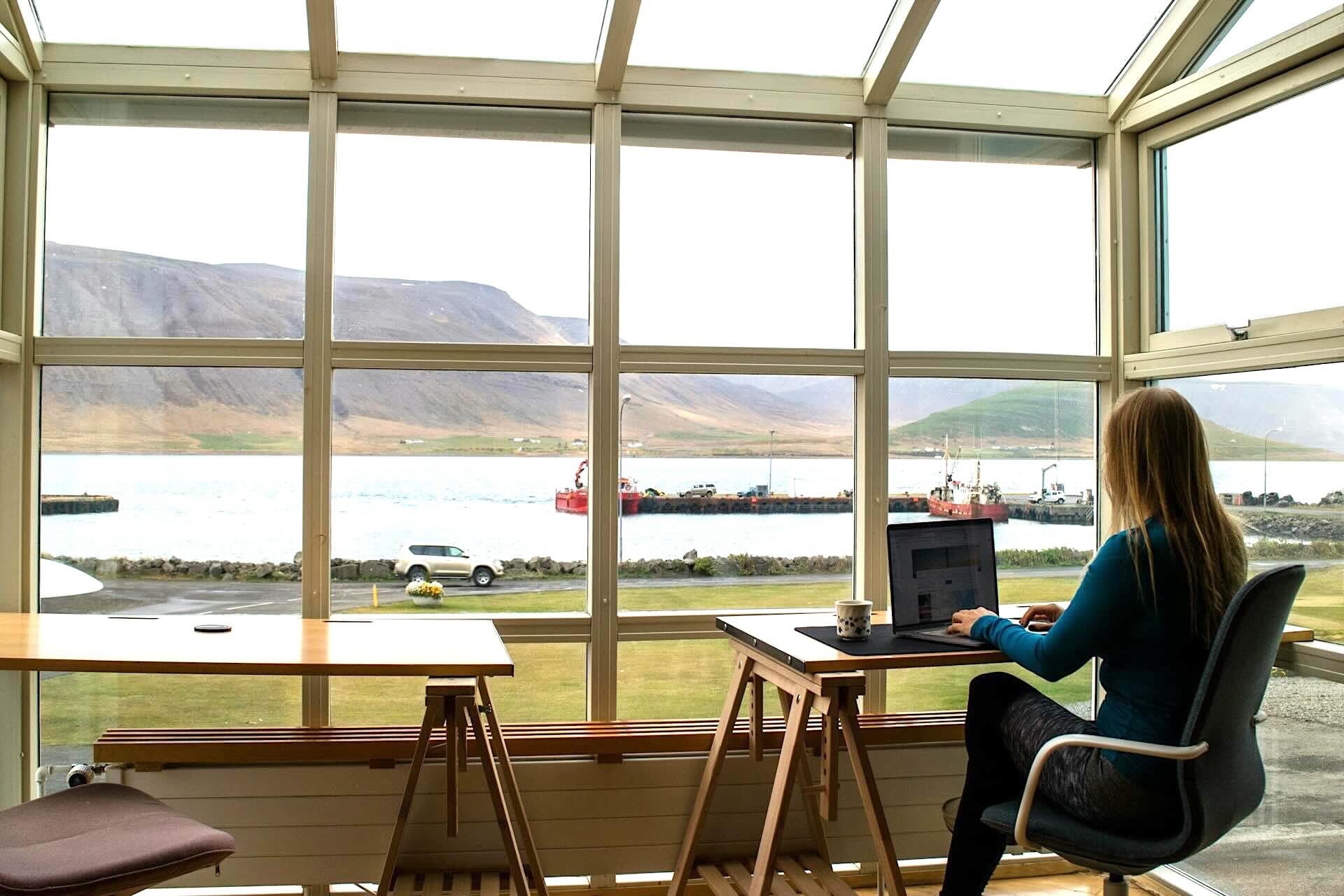
Virtual realty is no longer a niche concept.
It is actively reshaping how real estate is bought and sold, especially in high demand markets like Miami.
Remote buyers now represent a meaningful share of transactions.
Some never tour in person before closing.
Others narrow decisions entirely online before ever visiting.
At MAK Realty, virtual and remote buyer services are no longer optional tools.
They are core to how modern real estate sales function.
This shift is structural, not temporary.
The Rise of the Remote Buyer
Buyers Are No Longer Location Bound
High net worth buyers increasingly live globally.
They move frequently, operate businesses remotely, and invest across borders.
Traditional in person search models do not fit this reality.
Virtual realty removes geographic friction.
Buyers can evaluate properties from anywhere.
Time zones matter less than access and clarity.
This expands the buyer pool for sellers.
It also accelerates decision making when executed correctly.
Confidence in Remote Transactions Has Increased
Technology has changed buyer behavior.
High quality video, floor plans, and data transparency build trust.
Remote buyers are no longer hesitant by default.
They expect professional digital presentation.
When information is clear, buyers act decisively.
Uncertainty slows deals more than distance.
Virtual Tours Have Changed the First Showing
First Impressions Now Happen Online
The first showing is no longer in person.
It is digital.
Buyers form opinions before ever scheduling a call.
Listings that fail digitally often never convert.
This shifts power toward sellers who invest in presentation.
It also raises standards across the market.
Virtual tours are not a substitute for reality.
They are the gateway to serious interest.
Poor Digital Presentation Reduces Value
Listings with weak visuals lose momentum.
Buyers assume friction or hidden issues.
In competitive markets, perception affects price.
Virtual quality now impacts real world outcomes.
This is especially true in luxury real estate.
Expectations are higher and patience is lower.
Remote Buyer Services Go Beyond Virtual Tours
Advisory Has Become Central
Virtual realty is not only about showing properties.
It is about replacing physical presence with expertise.
Remote buyers rely heavily on advisors.
They need interpretation, context, and judgment.
Building level nuance matters.
Neighborhood dynamics matter.
Without local guidance, remote buyers hesitate.
With strong guidance, they move quickly.
Due Diligence Is More Structured
Remote buyers require process.
Inspections, document reviews, and timelines must be organized precisely.
Digital workflows reduce errors.
They also reduce emotional decision making.
This structure benefits sellers as well.
Deals move cleaner when expectations are clear.
Miami Is Built for Virtual Real Estate Sales
Global Demand Meets Digital Execution
Miami attracts international and out of state buyers.
Virtual realty aligns perfectly with this demand.
Time sensitive buyers often cannot visit easily.
Remote access keeps them engaged.
This expands competition for quality properties.
It also supports pricing resilience.
Miami’s market rewards clarity and speed.
Virtual execution delivers both.
New Development Accelerates Virtual Buying
Pre construction sales thrive in virtual environments.
Buyers commit years before delivery.
Renderings, virtual walkthroughs, and digital updates replace physical access.
This model is now expected.
Remote buyers dominate pre construction transactions.
Virtual realty enables scale without sacrificing confidence.
Sales Cycles Are Shorter With the Right Systems
Decision Making Is More Efficient
Remote buyers eliminate casual touring.
They focus on qualified options.
This compresses sales cycles.
Fewer showings lead to stronger intent.
When buyers engage, they are serious.
That benefits sellers and agents alike.
Data Replaces Guesswork
Virtual realty relies on data.
Comparable sales, building rules, and cost structures are reviewed early.
This reduces renegotiation later.
It also reduces fallout.
Clean deals close faster.
Virtual workflows encourage clean deals.
Short Term Rental Buyers Drive Virtual Adoption
Rental Investors Expect Remote Access
Short term rental buyers often operate portfolios.
They cannot physically visit every market.
Virtual tools allow rapid evaluation.
Rules, projections, and management plans matter more than staging.
Buyers often experience the market first by staying in a luxury vacation rental before committing capital.
This combination of experience and data shapes decisions.
Virtual realty bridges both.
Management Alignment Is Evaluated Early
Remote investors care about operations.
Virtual meetings with managers and vendors are common.
This transparency accelerates trust.
It also reduces surprises after closing.
Well run properties sell faster.
Virtual clarity highlights operational quality.
Virtual Realty Changes How Sellers Compete
Marketing Must Be Digital First
Sellers now compete online before they compete in person.
Digital exposure defines reach.
Listings that perform well digitally attract global buyers.
Those buyers often pay premiums for convenience and certainty.
This is especially relevant in Miami luxury real estate.
Global exposure matters.
Transparency Builds Leverage
Remote buyers expect disclosure.
HOA budgets, rental rules, and assessments must be clear.
Transparency increases confidence.
Confidence increases pricing power.
Virtual realty rewards sellers who prepare properly.
It penalizes those who hide information.
Remote Closings Are Now Standard
Closings No Longer Require Travel
Remote notarization and digital closings are common.
Buyers can close from anywhere.
This removes a major friction point.
It also speeds transactions.
For international buyers, this is transformative.
It turns Miami into an accessible global market.
Post Closing Support Matters More
Remote buyers rely on post closing coordination.
Utilities, management onboarding, and repairs must be handled smoothly.
Sales does not end at closing.
Service continuity matters.
This elevates the role of full service brokerages.
Transactional agents struggle in this environment.
Long Term Impact on the Industry
Geography Becomes Less Relevant
Virtual realty reduces the importance of physical proximity.
Expertise becomes the differentiator.
Agents who provide insight outperform agents who only show properties.
Knowledge scales better than presence.
This will continue reshaping the industry.
Markets with global demand benefit most.
Trust and Reputation Gain Value
Remote buyers rely on reputation.
They choose advisors carefully.
Brokerages with consistent execution win more business.
Trust compounds over time.
This dynamic favors firms deeply embedded in their markets.
What This Means for Buyers and Sellers
Virtual realty is not replacing in person experiences.
It is redefining when and how they happen.
Buyers arrive more informed.
Sellers face more sophisticated audiences.
The result is a faster, cleaner, and more global market.
At MAK Realty, virtual realty is not an add on.
It is how modern real estate sales operate.
Experiencing Miami firsthand still matters. Staying in a luxury vacation rental through MAK Vacation allows buyers to connect digital insight with real world context. Planning your visit with TravelPal.ai helps structure efficient exploration, and connecting with MAK Realty ensures expert guidance whether you buy in person or from across the world.
Leave a Reply