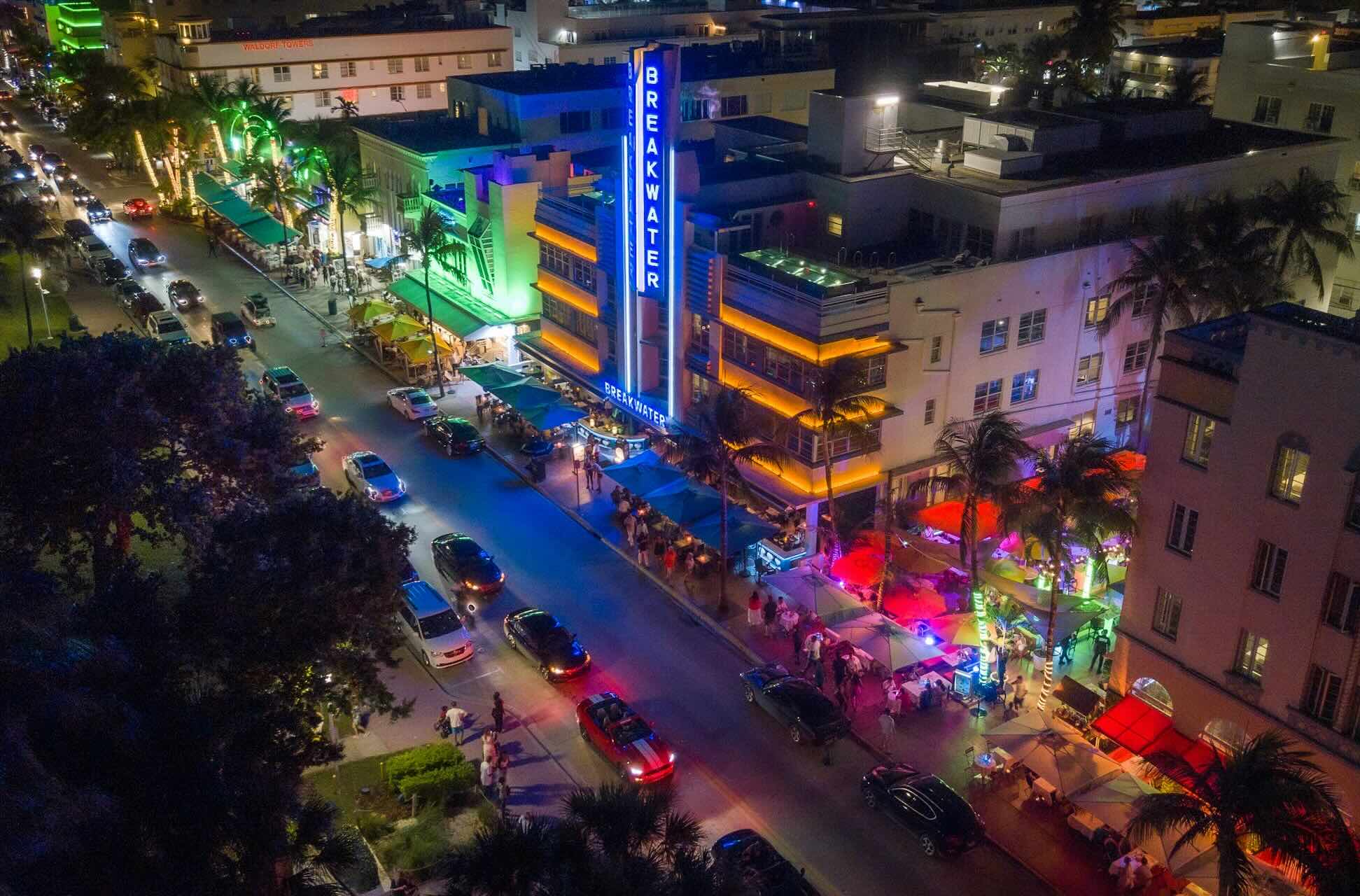
Why Florida Continues to Attract New Residents
Florida has experienced sustained population growth for more than a decade, but recent migration trends show that momentum has accelerated. People are relocating for tax efficiency, lifestyle flexibility, climate, and business opportunity. While multiple Florida markets benefit from this inflow, Miami continues to stand apart.
Unlike markets driven by a single factor, Miami attracts a diverse mix of domestic and international movers. Professionals, entrepreneurs, retirees, and remote workers are all arriving for different reasons, creating a broad and durable demand base.
This diversity is a key reason Miami remains resilient through economic cycles.
Miami’s Position Within Florida’s Migration Story
Miami Is Not Competing on the Same Axis
Many Florida cities compete on affordability alone. Miami competes on global relevance. The city functions as an international hub for finance, trade, technology, and culture. This positioning changes who moves there and why.
Migration into Miami is often opportunity driven rather than purely cost driven.
International Demand Amplifies Domestic Migration
While other Florida metros rely heavily on domestic relocations, Miami continues to receive international inflows from Latin America, Europe, and Canada. This layered demand creates insulation against localized slowdowns.
Global appeal supports long term stability.
Who Is Moving to Miami Today
High Income Professionals and Entrepreneurs
Miami has become a magnet for founders, executives, and investors. The city offers access to capital, favorable tax treatment, and proximity to global markets. Many arrivals are business owners rather than employees.
This group tends to purchase higher quality real estate and holds longer term.
Remote and Hybrid Workers
Remote work has permanently expanded geographic choice. Miami offers lifestyle benefits without sacrificing connectivity. Strong airport access, dining, and cultural infrastructure support this shift.
Remote workers often rent first, then buy.
Families Seeking Long Term Lifestyle Value
Families relocating to Miami cite private education, healthcare access, and year round outdoor living. Neighborhood selection becomes critical, and many buyers prioritize stability over speculation.
Family driven migration supports residential demand.
Why Miami Continues to Outperform Other Florida Markets
Job Creation and Capital Formation
Miami’s economy has diversified. Finance, tech, logistics, and healthcare all contribute to employment growth. Unlike tourism dependent markets, Miami benefits from multiple economic engines.
Diversification reduces volatility.
Infrastructure and Connectivity
Miami International Airport, PortMiami, and expanding transit infrastructure reinforce the city’s global role. Connectivity supports both business activity and personal mobility.
Infrastructure attracts long term capital.
Lifestyle Anchors Value
Waterfront access, dining, culture, and climate create lifestyle stickiness. People who move to Miami tend to stay. Retention matters as much as attraction.
Lifestyle reduces churn.
Migration Patterns by Neighborhood
Urban Core Demand Remains Strong
Brickell, Downtown, and Edgewater continue to attract professionals and international buyers. Walkability and proximity to business centers drive demand.
These neighborhoods benefit from both rental and ownership activity.
Neighborhoods With Community Appeal
Coconut Grove, Coral Gables, and parts of Miami Beach attract families and long term residents. These areas experience steadier pricing and lower turnover.
Stability supports appreciation.
Emerging Areas Benefit From Overflow
As prime neighborhoods tighten, surrounding areas absorb demand. Buyers priced out of core zones often seek nearby alternatives with similar access.
Migration ripples outward.
How Migration Impacts Housing Demand
Renters Become Buyers Over Time
Many newcomers rent before purchasing. This creates layered demand where rentals absorb initial arrivals, followed by ownership demand months later.
Rental markets often lead sales markets.
Inventory Pressure Persists
Despite new construction, demand continues to outpace supply in many segments. Zoning constraints and rising construction costs limit rapid inventory expansion.
Supply remains controlled.
Short Term and Transitional Housing Demand
Migration Creates Temporary Housing Needs
Relocating professionals, families, and international buyers often require temporary housing while exploring neighborhoods. This supports demand for furnished rentals and flexible stays.
Transitional demand fills gaps between moves.
Travel and Exploration Influence Buying Decisions
Many buyers experience Miami as visitors before committing. They explore neighborhoods, commute patterns, and lifestyle fit through short stays.
Platforms like MAK Vacation play a role in this process, allowing newcomers to experience Miami through a curated luxury vacation rental rather than a hotel, providing a more realistic sense of daily living.
Why Migration Strengthens Miami Real Estate Long Term
Demand Is Structural
Miami’s migration drivers are not tied to a single policy or trend. Tax structure, geography, and global relevance create structural demand.
Structural demand outlasts cycles.
Buyers Are Less Rate Sensitive
Many incoming buyers arrive with liquidity from higher cost markets. This reduces sensitivity to mortgage rate fluctuations and supports pricing.
Cash and equity buyers stabilize markets.
International Capital Adds Depth
International buyers often view Miami real estate as a store of value. This perspective prioritizes preservation and long term appreciation over short term pricing swings.
Depth reduces downside risk.
Migration and Investment Strategy
Investors Follow People
Capital follows population. Migration supports rental occupancy, resale demand, and price stability. Investors track where people are moving, not just where prices were.
Population growth is the foundation.
Different Strategies for Different Migrants
Short term rentals benefit from transitional movers and visitors. Long term rentals benefit from new residents establishing roots. Ownership demand benefits from permanent relocations.
Strategy alignment matters.
The Role of Professional Guidance
Understanding migration patterns requires local insight. Neighborhood dynamics, school zones, zoning rules, and buyer behavior vary block by block.
This is where MAK Realty adds value, helping buyers and investors align property selection with real migration trends rather than headlines.
Technology’s Role in Migration Decisions
Planning Has Become Data Driven
Relocating buyers increasingly rely on data and planning tools to evaluate cities and neighborhoods. Commute times, lifestyle access, and amenities influence decisions.
Preparation reduces friction.
Smarter Exploration Leads to Better Outcomes
Tools like TravelPal.ai help prospective residents plan exploratory visits, compare neighborhoods, and align lifestyle priorities before making long term commitments.
Better planning leads to better purchases.
Risks to Monitor
Infrastructure Must Keep Pace
Population growth stresses infrastructure. Transportation, utilities, and schools must scale. Miami has invested heavily, but continued planning is required.
Growth requires management.
Affordability Gaps Will Persist
As demand grows, affordability challenges remain. This reinforces demand for rentals and emerging neighborhoods but requires thoughtful development.
Affordability shapes demand distribution.
Long Term Outlook for Miami Migration
Miami’s Role Is Expanding
Miami is no longer viewed as a secondary city. It is increasingly seen as a primary global hub. This shift changes the scale and permanence of migration.
Perception drives reality.
Florida’s Gateway City Advantage
Miami serves as Florida’s international gateway. This role cannot be easily replicated by other cities.
Gateways retain relevance.
Final Perspective
Florida’s population growth story continues, but Miami remains the focal point. Its mix of global connectivity, economic diversity, and lifestyle appeal attracts a wide range of residents. Migration into Miami is not slowing, it is evolving.
For buyers, investors, and residents alike, understanding these migration trends provides clarity. Miami’s position is not accidental. It is structural, strategic, and durable.
Experience Miami firsthand by staying in a luxury vacation rental through MAK Vacation and plan your neighborhood exploration with TravelPal.ai before making a long term move.
Leave a Reply