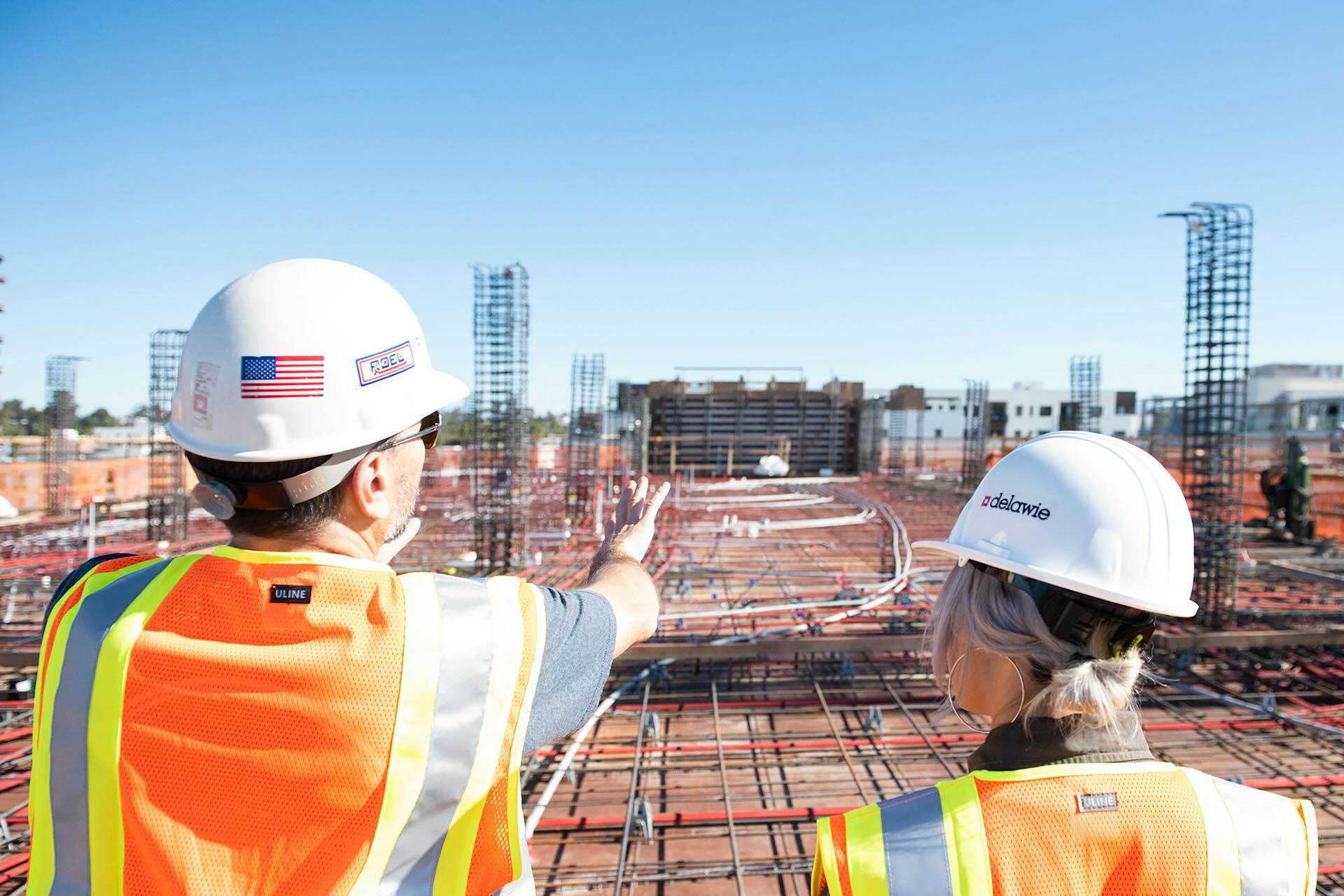
Why Election Years Influence Construction Activity
Election years often introduce uncertainty into economic planning, and construction is one of the first sectors to feel it. Developers, lenders, and investors closely watch potential changes to tax policy, regulation, labor rules, and infrastructure priorities. When the political direction is unclear, many participants slow decision making rather than commit capital prematurely.
This does not mean construction stops. Instead, it becomes more selective, cautious, and timing focused. Understanding this cycle helps investors and developers position themselves ahead of shifts rather than reacting late.
Teams at MAK Realty regularly help clients interpret election year behavior in construction markets, separating temporary pauses from long term opportunity.
The Pre Election Slowdown Pattern
Developers Often Pause New Starts
In the months leading up to an election, developers frequently delay breaking ground on new projects. Financing decisions slow as lenders reassess risk. Permitting timelines stretch as municipalities wait for policy clarity. Even well capitalized developers may hold off until the regulatory outlook becomes clearer.
This pause is strategic. It reflects risk management rather than lack of demand.
Capital Becomes More Conservative
Equity partners and institutional capital often tighten underwriting during election years. Assumptions become more conservative, and projects that barely pencil out are postponed. Well located and well designed developments still move forward, but speculative projects tend to stall.
Quality continues to attract capital, even during uncertainty.
Public Sector Construction Behaves Differently
Infrastructure Decisions Often Lag
Public construction frequently slows ahead of elections as agencies wait to align with future leadership priorities. Infrastructure spending does not disappear, but timelines often shift. Contracts may be delayed until budgets and initiatives are confirmed post election.
This delay can temporarily reduce construction volume in certain regions.
Post Election Infrastructure Momentum
Once elections conclude, infrastructure activity often accelerates. New administrations or reaffirmed leadership typically prioritize visible projects that signal economic confidence. Roads, transit, utilities, and public facilities often see renewed momentum.
This surge can spill into private sector construction as surrounding development follows public investment.
Labor and Cost Trends During Election Years
Labor Markets Tighten Unevenly
Election years do not affect labor uniformly. In strong markets, skilled labor remains scarce regardless of political cycles. In slower regions, uncertainty can soften demand temporarily, easing labor pressure.
Builders who maintain strong subcontractor relationships tend to navigate these shifts more effectively.
Materials Pricing Often Stabilizes Temporarily
Uncertainty can reduce speculative buying of materials. This sometimes leads to short periods of price stability. However, this is rarely long lasting. Once clarity returns, pent up demand often pushes costs higher again.
Investors who understand this rhythm plan procurement carefully.
Financing Behavior Changes Around Elections
Lenders Prioritize Proven Assets
During election years, lenders often favor projects with strong fundamentals. Location, sponsor experience, and pre leasing or presales matter more. Marginal deals struggle to secure favorable terms.
This environment rewards disciplined development rather than aggressive expansion.
Rate Movement Is Not Election Driven
Interest rates do not move because of elections directly. They respond to inflation, economic data, and monetary policy. However, political uncertainty can influence market sentiment, which indirectly affects lending behavior.
Borrowers should focus on fundamentals rather than election headlines when evaluating financing.
Post Election Release of Pent Up Demand
Projects Resume Quickly After Clarity
Once election outcomes are known, delayed projects often move forward rapidly. Permits are pulled. Financing closes. Construction activity rebounds as uncertainty lifts.
This release of pent up demand can create busy post election periods for contractors and suppliers.
Competition Increases After Elections
As projects resume simultaneously, competition for labor and materials intensifies. Costs can rise quickly. Developers who moved early or planned ahead often benefit from better positioning.
Timing becomes a strategic advantage.
Regional Differences Matter
Strong Growth Markets Feel Less Impact
Markets with strong population growth, job creation, and housing shortages often continue building through election cycles. Demand outweighs uncertainty. Developers remain active because fundamentals are too strong to ignore.
These markets may experience moderation rather than slowdown.
Secondary Markets Feel Pauses More Sharply
Markets dependent on discretionary investment or speculative demand often feel election year pauses more acutely. When confidence dips, marginal demand disappears first.
This divergence highlights the importance of market selection.
How Election Year Trends Affect Residential Construction
New Construction Becomes More Selective
Homebuilders often reduce speculative inventory during election years. Instead, they focus on build to order or presold units. This approach reduces risk but can limit supply temporarily.
Limited new supply can support pricing in desirable areas.
Renovation and Smaller Projects Stay Active
While large developments may pause, renovation and smaller scale construction often continues. Homeowners and investors still improve existing assets, especially when resale timing is uncertain.
Capital shifts rather than disappears.
Implications for Real Estate Investors
Opportunity Exists in the Pause
Election year slowdowns can create opportunity. Sellers may become more flexible. Builders may negotiate. Investors prepared with capital can secure favorable terms while others wait.
Preparation matters more than prediction.
Post Election Competition Returns Quickly
Once clarity returns, competition intensifies. Investors who waited too long often face higher prices and fewer choices. Acting during uncertainty often yields better outcomes.
Confidence favors the prepared.
Rental Demand Remains a Constant
Construction Slowdowns Support Rentals
When construction pauses, new supply slows. At the same time, rental demand often remains strong. This dynamic supports occupancy and pricing for existing rental properties.
Owners benefit from reduced competition.
Furnished and Vacation Rentals Stay Resilient
Travel, relocation, and transitional housing demand continues regardless of election cycles. Properties positioned for flexible stays remain attractive.
Demand patterns visible through MAK Vacation show that guests continue to seek high quality accommodations. A well located luxury vacation rental often performs well even when new construction slows.
How Buyers and Investors Can Prepare
Focus on Fundamentals
Election years amplify the importance of fundamentals. Location, demand drivers, supply constraints, and asset quality matter more than momentum.
Strong fundamentals outlast political cycles.
Use Data to Guide Timing
Understanding travel, migration, and demand trends helps investors anticipate where construction will resume first. Tools like TravelPal.ai help analyze patterns that are not obvious from headlines alone.
Informed timing reduces risk.
What Election Years Ultimately Represent
Election years are not market breakers, they are market filters. They slow weak projects and highlight strong ones. They reward patience, preparation, and discipline.
For investors and developers who understand the cycle, election years often present opportunity rather than risk.
Leave a Reply