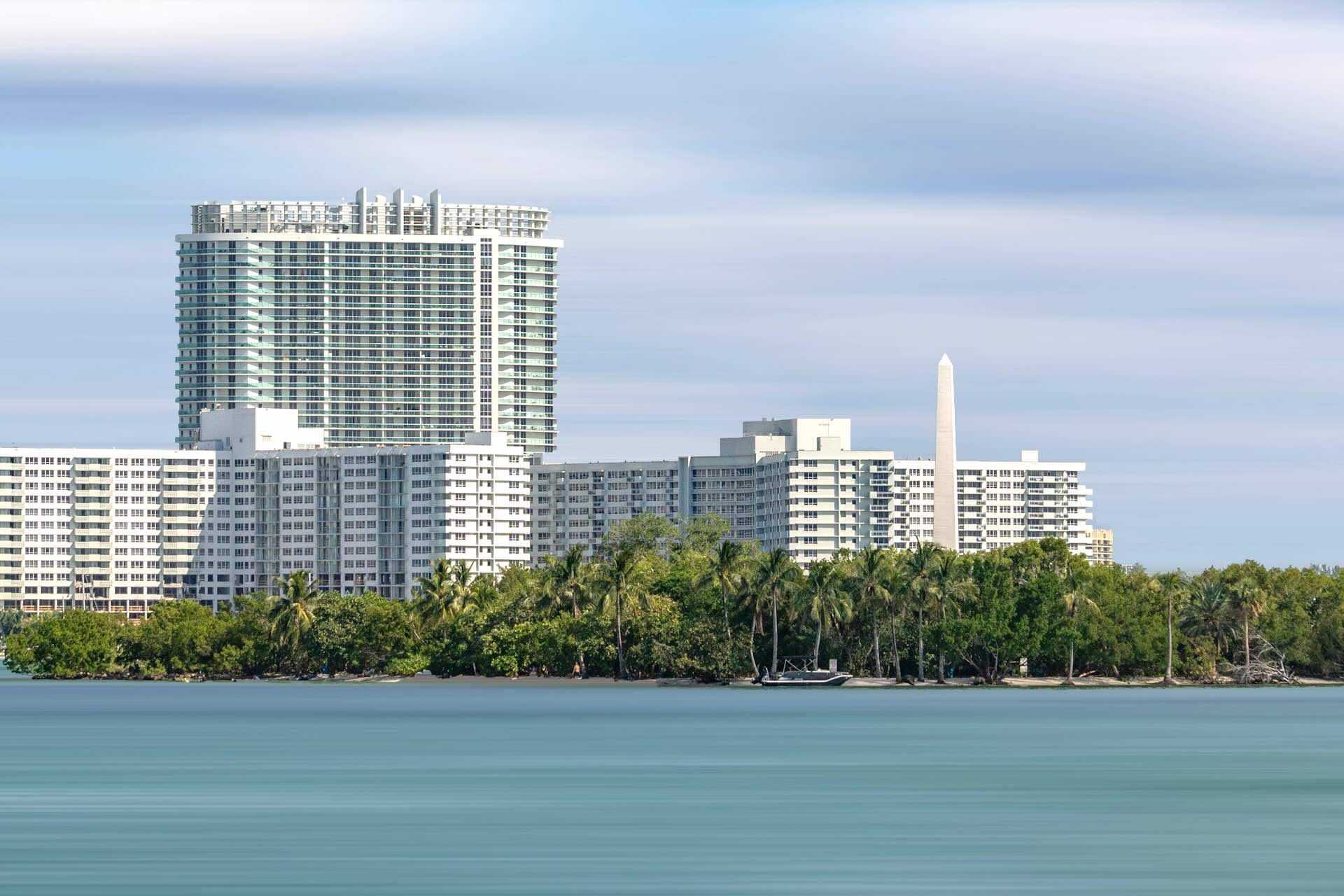
Miami and Marbella attract the same kind of buyer.
Both offer sun, waterfront lifestyle, and strong rental demand.
Both also come with rules that can make or break returns.
If you are comparing these markets as a rental investor, focus on fundamentals.
Look past the photos and the headline nightly rates.
Study demand depth, legal friction, operating costs, and exit liquidity.
This analysis compares Miami and Marbella through an investor lens.
The goal is clearer decision making, not hype.
Market Demand and Buyer Profiles
Miami demand is broad and year round
Miami draws business travel, leisure travel, and event driven demand.
It also attracts long stay renters who relocate seasonally.
This helps smooth occupancy across the calendar.
Miami demand is not only beach tourism.
It includes conventions, finance, healthcare, and international trade.
That diversity supports rental consistency.
Luxury renters in Miami expect hotel level service.
They pay for location, views, and amenities.
They also pay for convenience and speed.
Marbella demand is seasonal and lifestyle driven
Marbella is a premium lifestyle market.
Demand peaks heavily in summer and holiday periods.
Winter demand exists, but it is more variable.
Many Marbella renters are European travelers.
Some are second home owners who rent selectively.
This can reduce supply at peak times, which lifts rates.
The challenge is seasonality concentration.
A strong summer can mask weaker shoulder months.
Your model needs realism, not optimism.
Legal Structure and Rental Restrictions
Miami rules are building specific and enforcement is real
In Miami, rental legality can change by neighborhood and building.
Some condos allow daily rentals, others require thirty day minimums.
Some have strict application and screening policies.
The strongest rental investments start with written rules.
You want clear language in the condo documents.
You also want stable management and consistent enforcement.
This matters because Miami is a regulated tourism market.
Guest behavior, security, and front desk controls are important.
Buildings protect brand value through rules.
Marbella rules can be municipal and regional
Marbella rentals often depend on licensing requirements.
Compliance can include registration, safety standards, and reporting.
Rules may shift as local policies evolve.
Investors should plan for admin steps and professional support.
If you rely on casual management, friction rises fast.
Guest experience can suffer when systems are unclear.
In both markets, the investor edge comes from compliance discipline.
The best deals are often boring and well documented.
The risky deals look easy until they are not.
Revenue Potential and Occupancy Reality
Miami supports strong ADR with consistent occupancy
Miami can deliver premium nightly rates in prime locations.
It also benefits from high occupancy during peak winter months.
Events and holiday surges add meaningful upside.
Miami also supports weekly and monthly rentals.
That gives flexibility if short term demand softens.
This flexibility can protect cash flow during slower stretches.
The best performing assets combine view appeal and amenities.
Waterfront, walkable areas, and newer buildings matter.
So does a seamless check in experience.
Marbella can deliver explosive peak season revenue
Marbella peak season can be extremely profitable.
Luxury villas and prime condos can command strong weekly rates.
Summer performance can be a large share of annual revenue.
The risk is concentration.
If summer underperforms, the year can miss targets.
Weather, airline capacity, and market sentiment can influence results.
A conservative Marbella model assumes uneven months.
It also budgets for marketing and repeat guest acquisition.
Branding and photography quality matter a lot.
Operating Costs and Management Complexity
Miami operating costs are higher but systems are mature
Miami condos typically include HOA fees that support staffing and amenities.
Insurance costs can be meaningful depending on building profile.
Property taxes are predictable, but they must be modeled accurately.
Management in Miami is professionalized.
There are many operators, but quality varies.
Investors should prioritize response speed and issue resolution.
Luxury guests expect immediate service.
They also expect clean design and strong WiFi.
Small failures create outsized review damage.
Marbella operations can be smoother with the right team
Marbella can be efficient when a strong local team is in place.
Housekeeping, pool care, and guest support must be coordinated.
If the property is a villa, maintenance scope expands quickly.
Utilities and service contracts must be tracked carefully.
Turnover logistics can be complex in peak season.
Local vendor relationships become a core asset.
In both markets, management quality is ROI.
It impacts rates, reviews, and repeat bookings.
It also affects stress, which is an unpriced cost.
Financing and Capital Strategy
Miami financing options support investors
Miami offers investor lending that aligns with rental property logic.
DSCR loans can be useful when rental income is strong.
Portfolio loans can support multiple property strategies.
Financing structure changes your true ROI.
Rate, term, and reserves affect cash flow resilience.
A strong deal can become fragile with weak financing.
Miami also has a large cash buyer segment.
That supports pricing stability during rate volatility.
It also supports liquidity at resale.
Marbella financing depends on buyer profile and structure
Marbella financing can work well for qualified buyers.
Terms vary based on residency status and banking relationships.
Closing processes can feel slower for US based investors.
Many investors compare financing costs to currency exposure.
If your income is in dollars, exchange risk matters.
Hedging can protect returns, but it adds complexity.
Capital strategy should match your hold plan.
Short hold strategies face higher friction in cross border markets.
Long holds can absorb volatility more comfortably.
Appreciation and Exit Liquidity
Miami liquidity is deep for prime assets
Miami has a large and diverse buyer pool.
That matters when you want to exit.
Liquidity reduces risk, even if you never sell.
Luxury condos with strong views and good management sell faster.
Buildings with rental flexibility attract more investor demand.
Waterfront scarcity supports price resilience.
This is where MAK Realty adds value.
Local pricing nuance and building level insight matter.
The difference shows up at purchase and at exit.
Marbella exit liquidity can be strong, but it is more niche
Marbella buyers often include Europeans and international second home buyers.
Liquidity can be excellent in prime areas.
It can also slow more quickly when sentiment shifts.
Your resale outcome depends on property uniqueness.
Views, walkability, and condition matter intensely.
So do design and outdoor space.
If your asset is generic, competition rises.
If your asset is scarce, liquidity improves.
Scarcity is your friend in both markets.
Risk Factors Investors Often Miss
Miami risks are regulatory, building driven, and reputational
The biggest Miami risk is buying the wrong building for your plan.
Rules can limit rentals even in desirable neighborhoods.
Enforcement can be strict, which is good and frustrating.
Reputation also matters in Miami.
Guest reviews influence performance quickly.
Poor management can damage a listing within weeks.
Insurance cost shifts can also impact holding costs.
You should budget with margin.
A tight model leaves no room for surprises.
Marbella risks are seasonality, operational dependence, and complexity
Marbella seasonality can create uneven cash flow.
Your reserve plan must cover low months.
You also rely heavily on your local team.
Regulatory compliance can evolve.
You need professional guidance and documentation.
Informal approaches can create expensive problems.
Cross border ownership structure also matters.
Tax planning and reporting should be organized early.
A messy structure reduces flexibility later.
How to Choose Between Miami and Marbella
Miami fits investors who want consistency and liquidity.
It works well for those who value year round demand.
It is also strong for buyers who may use the property often.
Marbella fits investors who want lifestyle value with peak season upside.
It can be ideal for longer holds and high end positioning.
It rewards strong branding and repeat guest strategy.
The better market is the one that matches your plan.
Your plan includes risk tolerance, time horizon, and management appetite.
Clarity beats excitement.
To make the decision feel real, experience Miami in person by staying in a luxury vacation rental via MAK Vacation and planning your trip with TravelPal.ai, then connect with MAK Realty to align the right property with your ROI goals.
Leave a Reply