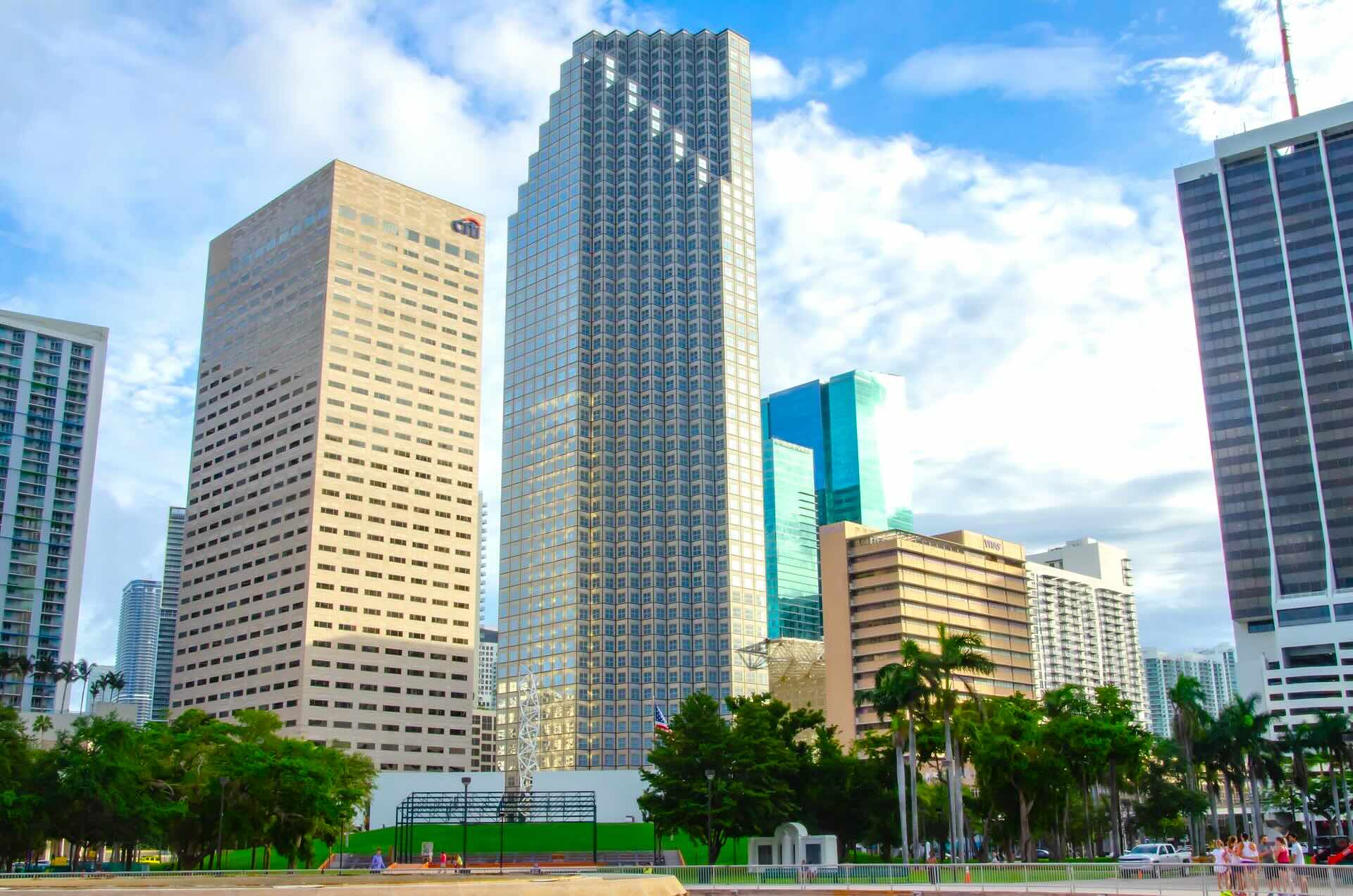
Miami’s buyer mix is becoming more global, but it is not changing evenly. South Americans still lead because Miami has deep cultural, geographic, and financial ties to Latin America. At the same time, Asian demand is rising because more buyers now see Miami as a useful place to hold wealth, establish a second home, and gain exposure to a globally visible U.S. market. These two trends are not competing. They are stacking on top of each other and making Miami even more international.
At MAK Realty, we see this clearly in the kinds of conversations buyers are having. South American buyers often approach Miami with familiarity. Many already know the city well, visit often, or have family and business ties here. Asian buyers are increasingly approaching Miami with strategy. They are looking at wealth preservation, lifestyle, education, second home logic, and long term U.S. positioning. Together, these groups are helping reshape the market.
Why South Americans Still Lead
South Americans continue to lead Miami demand because the city has long functioned as a natural extension of Latin American wealth and mobility. The flight connections are strong. The culture feels familiar. Spanish is widely spoken. The business and social ties are already deep. For many buyers from countries like Argentina, Colombia, Brazil, Mexico, and others across the region, Miami does not feel foreign in the way other U.S. cities might.
That matters because capital usually moves more easily into places that already feel understandable. Miami offers that comfort. Buyers can own in a city that feels international, but still culturally accessible. That makes the real estate purchase easier to justify both emotionally and financially.
Miami Fits the South American Wealth Model Well
For many South American buyers, Miami serves more than one role. It can be a second home, a family base, a wealth preservation tool, or a place to spend meaningful time while still holding an asset in dollars. That flexibility is one reason the city continues to stay so attractive.
The Miami product also fits this buyer group well. Waterfront condos, branded residences, high service towers, and lock and leave ownership all align with what many international buyers want. The city is not only familiar. It is built in a way that supports the kind of ownership these buyers often prefer.
Why Asian Demand Is Rising
Asian demand is rising because more buyers from the region are widening their U.S. real estate focus beyond the most traditional gateway cities. Miami now offers something very compelling. It combines global recognition, luxury inventory, second home appeal, tax advantages at the state level, and a real estate market that still feels more lifestyle driven than many other major U.S. cities.
This makes Miami especially attractive to buyers who do not only want a financial asset. They want a property that can also function as a family destination, a future relocation option, or a long term international holding. The city is increasingly being viewed through that wider lens.
Miami Feels Different From Other U.S. Markets
Part of what is helping Miami with Asian buyers is that it offers a very different experience from cities like New York or San Francisco. It feels more flexible, more leisure oriented, and in many cases more emotionally appealing. Buyers are not only purchasing into an urban market. They are purchasing into a waterfront lifestyle market with strong global energy.
That distinction matters. A city like Miami can appeal to buyers who want a U.S. asset but do not want the intensity, weather, or purely work driven identity of older gateway cities. In that sense, Miami gives Asian buyers another type of entry point into the U.S. market.
Wealth Preservation Still Plays a Role
Both South American and Asian buyers often look at Miami through a wealth preservation lens, but they may arrive there from different starting points. South American buyers have long used Miami as a dollar based safe haven. Asian buyers are increasingly looking at the city in a similar way, especially when they want a tangible U.S. asset that also carries strong lifestyle value.
This is one reason Miami keeps attracting global capital even when critics question the pricing. Buyers are not only comparing local values. They are comparing Miami to other global wealth destinations and asking where capital feels safest, most useful, and easiest to hold.
The Product Mix Helps Both Groups
Miami’s inventory helps both buyer groups because it offers multiple entry points into luxury. Some want branded residences. Some want waterfront condos. Some want family friendly single family homes. Others want a second home in a building with strong service and minimal maintenance. The city supports all of those strategies.
This matters because not every international buyer wants the same thing. South American buyers may lean toward certain neighborhoods because of cultural familiarity or family usage. Asian buyers may be more focused on project quality, branding, school access, or long term strategic fit. Miami is strong because it can support both.
Why This Matters for the Market
This changing buyer mix matters because it broadens demand. A market that relies on one region alone is more fragile than one that attracts capital from several directions. South Americans still provide the deepest international base in Miami, but rising Asian interest helps strengthen the city’s position even more.
For sellers, developers, and long term owners, this is important. It means Miami continues to widen its relevance rather than narrowing it. That usually supports stronger long term visibility and a healthier luxury market.
Neighborhood Preferences May Evolve
As Asian demand grows, certain parts of Miami may gain more attention. Buyers focused on branded residences, newer product, service, and long term positioning may lean toward Brickell, Edgewater, the Design District, Bal Harbour, and select parts of Miami Beach. Buyers focused on schools and family relocation may look harder at Coral Gables, Coconut Grove, and other more residential areas.
South American buyers will also continue driving strong demand in many of these same areas, especially in luxury condo markets that already feel familiar and internationally established. The overlap between the groups may grow, but the reasons for buying may still differ.
What This Means Going Forward
Miami is not becoming less Latin American. It is becoming more broadly global. South Americans still lead because the ties are older, deeper, and more natural. Asian demand is rising because Miami now offers a product and a market story that make sense to a wider set of international buyers.
At MAK Realty, we think that is one of the most important long term stories in the city. Miami is not only attracting more buyers. It is attracting a more diverse class of global buyers, and that usually strengthens the market over time. The city wins because it feels familiar to some and newly strategic to others, which is a very powerful combination.
For a tailored shortlist and next step guidance, connect with MAK Realty.