Tag: waterfront condo investment

  • How Miami Is Transitioning Into a More Balanced Market

    How Miami Is Transitioning Into a More Balanced Market

    For several years, Miami operated in an aggressive seller driven environment.
    Inventory tightened rapidly, bidding wars became common, and pricing accelerated.

    Today, the market shows signs of normalization.
    That shift does not signal weakness.
    It signals transition.

    A balanced market often creates healthier long term conditions.
    Buyers gain negotiation leverage.
    Sellers adjust expectations.
    Investors analyze fundamentals more carefully.

    At MAK Realty, we view this phase as constructive.
    Discipline replaces urgency, and strategy replaces speculation.

    This guide explains how Miami is transitioning into a more balanced real estate market and what that means for buyers and investors.

    Inventory Has Expanded in Select Submarkets

    During peak demand cycles, months of supply compressed significantly.
    Today, certain submarkets show increased listings.

    More options create negotiation flexibility.
    Price discovery becomes more rational.

    However, not all segments behave equally.
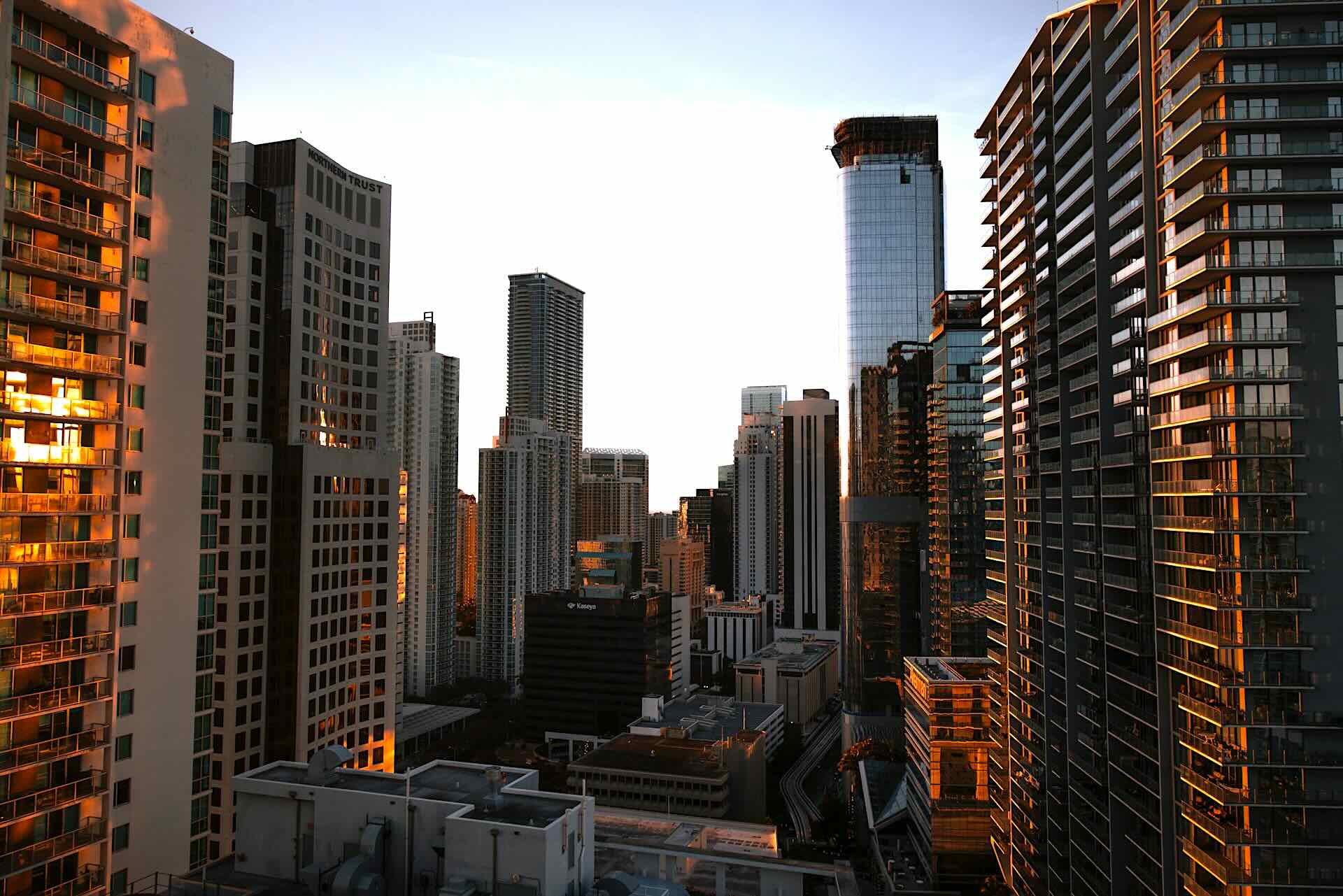
    Prime waterfront towers remain tighter than secondary corridors.

    Balanced does not mean oversupplied.
    It means buyers and sellers operate with more symmetry.

    MAK Realty analyzes absorption at the building level rather than relying on broad averages.

    Pricing Is Stabilizing Rather Than Surging

    Rapid double digit annual appreciation has slowed.
    Price growth now reflects replacement cost and demand fundamentals.

    Sellers who anchored to peak pricing must recalibrate.
    Buyers gain leverage when listings linger.

    Stabilization often supports long term sustainability.
    Extreme volatility tends to distort decision making.

    Balanced pricing encourages thoughtful acquisition.
    Investors can underwrite returns with greater clarity.

    Mortgage Rate Adjustments Influenced Psychology

    Higher interest rate environments cooled urgency.
    Leverage became more expensive.

    As rates stabilize or decline modestly, buyer confidence improves gradually.
    The emotional spike seen during ultra low rate cycles has faded.

    Balanced markets emerge when financing conditions normalize.
    Neither panic nor frenzy dominates.

    Sophisticated investors monitor both borrowing costs and inventory trends simultaneously.

    Pre Construction Activity Is More Selective

    Developers continue launching projects.
    However, buyer scrutiny has increased.

    Deposit structures require greater liquidity planning.
    Contract velocity has moderated.

    Balanced conditions favor reputable sponsors in prime locations.
    Speculative fringe projects face more resistance.

    This filtering effect strengthens overall market quality.
    Selective capital allocation reduces systemic risk.

    MAK Realty evaluates launch pricing relative to resale alternatives before advising clients.

    Short Term Rental Investors Are Underwriting More Carefully

    During peak tourism rebounds, rental projections expanded aggressively.
    Today, investors model seasonality more conservatively.

    Occupancy assumptions reflect twelve month averages.
    Expense structures receive closer review.

    Balanced markets reward disciplined operators.
    Speculative underwriting fades.

    Investors who confirm rental legality and building rules in writing position themselves more securely.

    Some evaluate demand firsthand by staying in a luxury vacation rental before committing capital.

    Experience strengthens underwriting confidence.

    Negotiation Leverage Has Improved for Buyers

    In peak seller markets, clean offers dominated.
    Today, inspection and financing contingencies reappear more frequently.

    Sellers may entertain concessions.
    Price adjustments occur when inventory accumulates.

    Balanced conditions create opportunities for patient buyers.
    Rational negotiation replaces emotional escalation.

    Investors entering during normalization phases often capture stronger long term positioning.

    Global Demand Remains Intact

    Balanced does not mean declining international interest.
    Miami continues attracting global capital.

    Tax efficiency and waterfront scarcity remain unchanged.
    Institutional and corporate migration persists.

    A balanced phase simply aligns pricing with fundamentals.
    Structural drivers remain intact.

    Global buyer depth continues supporting liquidity.
    That liquidity limits downside volatility relative to smaller resort markets.

    HOA and Building Financial Health Matter More

    As markets normalize, buyers scrutinize building reserves and governance more closely.
    Association transparency gains importance.

    Well managed towers differentiate themselves.
    Financial discipline enhances resale appeal.

    Balanced markets reward quality assets.
    Weaker buildings may experience greater price sensitivity.

    MAK Realty integrates HOA analysis into acquisition strategy.

    Micro Market Differentiation Increases

    Balanced environments highlight performance differences between submarkets.
    Waterfront exposure retains pricing power.

    Interior units without view protection may face more competition.
    Location precision becomes critical.

    Investors who understand micro location dynamics outperform those relying on broad market assumptions.

    Balanced cycles sharpen strategic focus.

    Why This Phase Is Healthy

    Markets that overheat often correct sharply.
    Gradual normalization reduces systemic shock.

    Balanced conditions encourage sustainable growth.
    Speculation declines, discipline rises.

    Long term investors benefit from stable appreciation patterns.
    Volatility compresses.

    Miami’s transition reflects maturation, not deterioration.
    It signals a healthier equilibrium between supply and demand.

    Experience the Shift Firsthand

    Understanding balance requires on the ground perspective.
    Brief market summaries rarely capture nuance.

    Spending time touring different buildings reveals pricing differences and negotiation dynamics.
    Neighborhood rhythm becomes clearer.

    Staying in a luxury vacation rental through MAK Vacation allows you to experience daily demand patterns and neighborhood activity firsthand.

    Planning your visit with TravelPal.ai helps structure efficient exploration across Miami Beach, Brickell, Edgewater, and Coral Gables.

    Miami’s transition into a more balanced market reflects normalization, not decline. Staying in a luxury vacation rental through MAK Vacation allows you to observe the environment behind the numbers, while planning your visit with TravelPal.ai ensures efficient property tours. When you are ready to position capital strategically during this balanced phase, connect with MAK Realty for disciplined guidance aligned with long term appreciation and capital preservation.

  • Are Short Term Rentals Still Viable in Miami

    Are Short Term Rentals Still Viable in Miami

    Short term rentals remain one of the most discussed topics in Miami real estate.
    The question is no longer whether they are popular, it is whether they are still viable.

    The answer depends on building rules, submarket selection, seasonality, and disciplined underwriting.
    Miami continues to attract global tourism, business travel, and extended stay visitors.

    However, not every building allows short term rentals.
    Not every unit performs equally.

    At MAK Realty, we evaluate rental legality, occupancy patterns, and resale positioning before advising investors.
    Short term rentals can work in Miami, but only when structured correctly.

    This guide explains where the opportunity still exists and where investors must exercise caution.

    Demand Remains Structurally Strong

    Miami operates as a year round destination.
    Tourism peaks during winter and early spring.

    International travel, cruise traffic, and business migration support consistent visitor flow.
    Major events increase occupancy spikes.

    Extended stays have grown as remote work expands.
    Thirty to ninety day bookings now represent a meaningful segment.

    This diversified demand base supports short term rental viability.
    However, demand alone does not guarantee profitability.

    Building Rules Define Opportunity

    The most important variable is legality.
    Short term rental rules vary by building and municipality.

    Certain condo hotel properties allow nightly stays.
    Traditional residential towers may restrict leases to six or twelve months.

    Assuming flexibility without written confirmation creates risk.
    HOA enforcement can change quickly.

    MAK Realty reviews association documents before contract execution.
    Compliance protects both income and resale liquidity.

    Submarket Selection Matters

    Miami Beach, Downtown, and certain waterfront districts support higher tourism density.
    Urban and oceanfront proximity increase booking appeal.

    Quieter residential enclaves may attract longer term tenants instead.
    Location must match strategy.

    Buildings near walkable dining and waterfront access often outperform isolated properties.
    Accessibility influences occupancy.

    Not all zip codes behave equally.
    Micro location drives performance.

    Seasonality and Rate Modeling

    Peak season typically spans January through April.
    Nightly rates often rise during these months.

    Summer demand softens but remains active.
    International travel and events stabilize occupancy.

    Underwriting must reflect twelve month averages.
    Over projecting peak performance distorts ROI.

    Conservative modeling protects expectations.
    Volatility exists in hospitality driven assets.

    Disciplined investors focus on net income after management splits and HOA costs.

    Management Structure and Guest Experience

    Successful short term rentals depend on professional management.
    Guest experience directly influences reviews and repeat bookings.

    Condo hotel programs centralize operations.
    Independent management offers flexibility but requires oversight.

    Cleaning standards, response times, and pricing strategy affect occupancy.
    Operational efficiency drives performance.

    Many investors evaluate service standards by staying in a luxury vacation rental before committing capital.

    Experience reveals how buildings compete in the market.

    Financing and Leverage Considerations

    Short term rental properties often require specialized financing.
    Some lenders apply higher down payment requirements.

    Debt service coverage ratio loans may apply.
    Interest rates often price above conventional loans.

    Leverage should remain conservative.
    Income volatility requires cushion.

    Lower mortgage rate environments improve cash flow projections.
    However, underwriting must remain disciplined.

    MAK Realty coordinates with lenders familiar with Miami’s short term rental landscape.

    Regulatory Awareness

    Municipal enforcement varies across Miami.
    Regulatory clarity remains essential.

    Licensing, local tax compliance, and safety requirements must be maintained.
    Non compliance risks fines and operational interruption.

    Investors should confirm zoning and city registration requirements before purchase.
    Staying proactive prevents disruption.

    Market viability depends on regulatory alignment as much as demand.

    Comparing Short Term and Long Term Strategies

    Short term rentals offer higher gross revenue potential.
    They also require active oversight and operational exposure.

    Long term leases provide stability and predictable income.
    Yield may be lower but volatility decreases.

    Investors must align strategy with risk tolerance.
    Lifestyle usage goals also influence decision making.

    Not every buyer benefits from nightly rental exposure.
    Some prefer stable annual tenants.

    Liquidity and Exit Strategy

    Buildings known for short term rental flexibility attract specific buyer pools.
    Liquidity often depends on continued regulatory stability.

    Oceanfront and prime urban locations retain stronger resale demand.
    View orientation and building reputation matter.

    Exit planning begins at acquisition.
    MAK Realty incorporates resale modeling into underwriting.

    Short term rental viability extends beyond income.
    Liquidity and capital preservation remain central.

    Who Short Term Rentals Still Fit

    Experienced investors with liquidity and patience often perform well.
    Buyers seeking personal use flexibility may benefit.

    Speculative buyers relying on aggressive leverage face greater risk.
    Volatility can compress margins quickly.

    Miami still supports viable short term rental investment.
    Success depends on selection, structure, and discipline.

    Experience Before You Invest

    Understanding performance requires on the ground perspective.
    Short visits rarely reveal full occupancy patterns.

    Staying in a luxury vacation rental through MAK Vacation allows you to observe guest demand and building service levels firsthand.

    Planning your visit with TravelPal.ai helps organize efficient tours of short term rental friendly districts.

    Short term rentals remain viable in Miami when approached strategically. Staying in a luxury vacation rental through MAK Vacation allows you to evaluate real world demand, while planning your visit with TravelPal.ai ensures efficient exploration. When you are ready to analyze rental friendly properties, connect with MAK Realty for disciplined guidance aligned with long term ROI and capital preservation.

  • How Pre Construction Buying Works in Miami

    How Pre Construction Buying Works in Miami

    Pre construction buying works differently in Miami than in most U.S. markets.
    It requires patience, capital planning, and disciplined analysis.

    Buyers commit before a building is completed.
    They secure pricing early and fund deposits across a structured timeline.

    In Miami, pre construction has become a core part of the luxury real estate ecosystem.
    Many of the city’s most iconic towers were sold largely before delivery.

    At MAK Realty, we guide buyers through this process with precision.
    Understanding structure, risk, and upside protects capital.

    This guide explains how pre construction buying works in Miami and what investors should evaluate before signing a contract.

    Why Miami Has a Strong Pre Construction Market

    Miami’s skyline continues evolving.
    Luxury developers target global buyers early in the construction cycle.

    Waterfront land remains limited.
    New towers often replace older inventory at higher price points.

    International capital frequently enters projects during early sales phases.
    Buyers value locking in pre completion pricing.

    The city’s growth pattern supports forward commitments.
    Pre construction remains a common and accepted strategy.

    The Sales Launch Phase

    Pre construction typically begins with a reservation period.
    Buyers select units and submit refundable deposits during early marketing.

    After formal contracts are issued, deposits become binding.
    Pricing often increases through subsequent sales phases.

    Early buyers usually access lower price tiers.
    Later buyers pay premiums as inventory shrinks.

    Understanding timing matters.
    Entry phase influences appreciation potential.

    MAK Realty evaluates launch pricing relative to comparable inventory before advising clients.

    Deposit Structure Explained

    Miami developers structure deposits across construction milestones.
    This spreads capital commitment over time.

    A common framework includes an initial deposit at contract signing.
    Additional payments occur at groundbreaking and construction progress milestones.

    Total deposits often range between twenty and fifty percent before closing.
    Exact percentages vary by project.

    Buyers must maintain liquidity throughout the construction period.
    Funds remain tied to project performance.

    Careful capital planning prevents stress during multi year build timelines.

    Construction Timeline and Risk

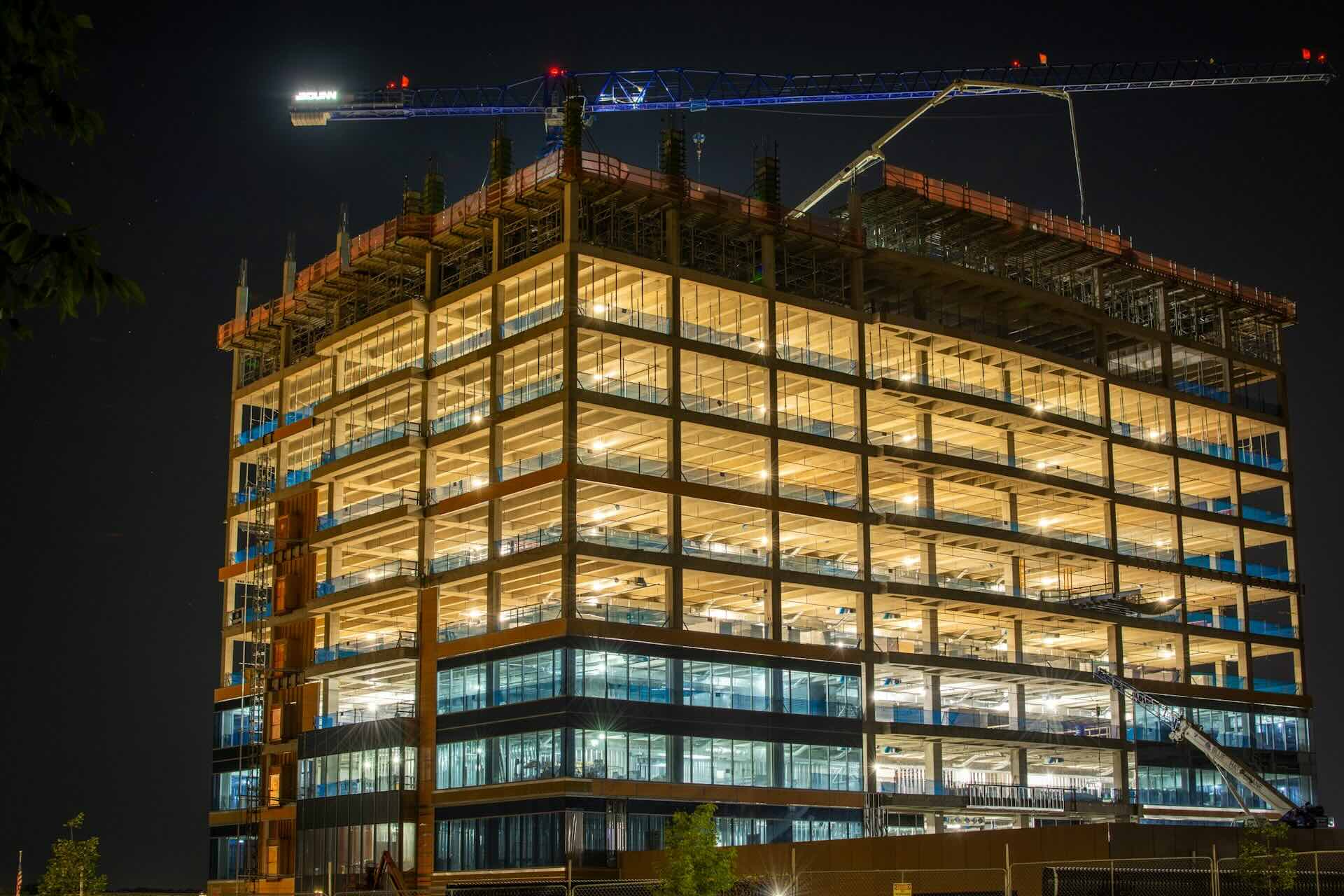
    Pre construction timelines typically range between two and four years.
    Delays can occur.

    Permitting, supply chain, and labor factors influence delivery schedules.
    Buyers must remain flexible.

    Execution risk exists in every development.
    Sponsor reputation and financing strength reduce exposure.

    MAK Realty analyzes developer track record and lender backing before recommending commitments.

    Understanding risk does not eliminate opportunity.
    It refines it.

    Appreciation During Construction

    One of the primary motivations for pre construction buying is potential appreciation before closing.

    If market conditions strengthen during the build phase, contract value may increase.
    Buyers lock in earlier pricing.

    However, appreciation is not guaranteed.
    Market cycles shift.

    Replacement cost inflation often supports higher end valuations.
    Land scarcity reinforces this dynamic in waterfront locations.

    Disciplined unit selection enhances appreciation probability.
    View orientation and floor height matter.

    Financing Considerations

    Most lenders do not fund mortgages until closing.
    Deposits typically require cash.

    Some buyers use portfolio lines or structured liquidity planning to manage staged deposits.
    Interest rate conditions at closing influence final financing terms.

    Pre approval early in the process creates clarity.
    Lending standards may shift over multi year timelines.

    MAK Realty coordinates with lenders experienced in Miami luxury underwriting to minimize surprises.

    Condo Versus Condo Hotel Pre Construction

    Not all pre construction projects operate under identical rules.

    Traditional condominiums emphasize residential ownership.
    Condo hotel structures often permit short term rentals.

    Rental flexibility impacts ROI potential.
    Building rules must be reviewed carefully.

    Buyers seeking income generation should verify lease restrictions in writing.
    Assumptions create risk.

    Understanding the intended ownership profile prevents misalignment.

    Closing and Final Payment

    At completion, buyers close on the remaining balance.
    Title transfers at that time.

    Final inspections occur before closing.
    Buyers confirm finish quality and specifications.

    Closing costs include lender fees, developer transfer fees, and association contributions.
    Budgeting for these items protects cash flow.

    After closing, ownership begins like any other condominium.
    HOA dues commence.

    Who Pre Construction Fits Best

    Pre construction works well for buyers with longer time horizons.
    Patience and liquidity are essential.

    Second home buyers often prefer new amenities and modern layouts.
    Investors may target early phase pricing.

    Speculators using heavy leverage face greater exposure.
    Risk tolerance should align with structure.

    MAK Realty helps clients align strategy with appropriate projects rather than chasing marketing momentum.

    Comparing Pre Construction to Resale

    Resale properties provide immediate occupancy and rental income.
    Pricing reflects current market conditions.

    Pre construction offers future delivery and potential appreciation.
    It requires capital commitment over time.

    Buyers comparing both options should weigh liquidity, timeline, and personal usage plans.
    Neither approach fits every profile.

    Strategic clarity determines suitability.

    Why Miami Is Different

    Miami’s international buyer base supports forward sales.
    Many luxury towers reach significant presales before groundbreaking.

    Global capital treats Miami as a wealth preservation destination.
    Pre construction aligns with that mindset.

    Waterfront scarcity and rising construction costs shape long term pricing trends.
    This structural backdrop supports the model.

    However, disciplined analysis remains essential in every cycle.

    Experience the Market Before Committing

    Pre construction decisions benefit from neighborhood immersion.
    Understanding lifestyle alignment matters.

    Staying in a luxury vacation rental through MAK Vacation allows buyers to test waterfront and urban living patterns firsthand.

    Planning your visit with TravelPal.ai helps organize efficient tours of current and future development corridors.

    Pre construction buying in Miami requires strategy, liquidity, and patience. Staying in a luxury vacation rental through MAK Vacation allows you to experience the lifestyle you are investing in, while planning your visit with TravelPal.ai ensures efficient exploration of new developments. When you are ready to evaluate pre construction opportunities, connect with MAK Realty for disciplined guidance aligned with long term appreciation and capital preservation.