
Tag: short term rental investing

  • Most Profitable Airbnb Market, How Miami Continues to Rank High

    Most Profitable Airbnb Market, How Miami Continues to Rank High

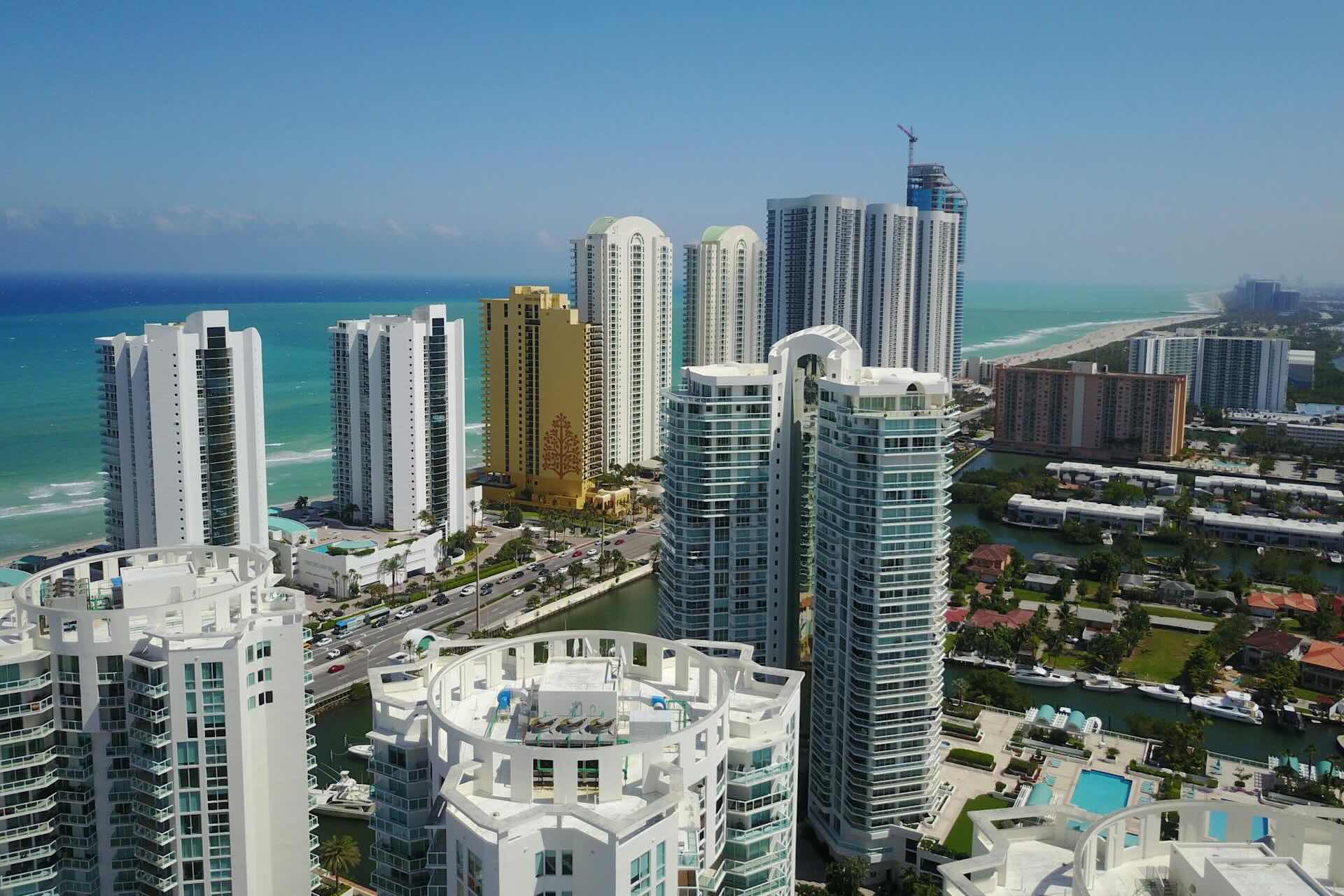
    Miami continues to rank high as an Airbnb market because it combines strong travel demand, year round visibility, and a property mix that appeals to both leisure and lifestyle driven guests. That does not always mean it is the single most profitable short term rental market in the country by every metric. However, it consistently stays near the top of the conversation because the city offers something many markets cannot, sustained demand tied to tourism, second home use, international appeal, and a recognizable luxury identity.

    At MAK Realty, we think that distinction matters. Buyers often ask whether Miami is the most profitable Airbnb market. The better question is why it keeps ranking high even as regulations, competition, and carrying costs become more demanding. The answer usually comes down to depth. Miami has enough demand, enough brand recognition, and enough different traveler profiles to keep the short term rental model highly relevant when the property and building are chosen correctly.

    Miami Benefits From Year Round Demand

    One of Miami’s biggest advantages is that demand does not rely on one narrow season. The city attracts visitors throughout the year for beaches, events, dining, nightlife, cruises, business travel, and second home use. That makes the market more durable than places that depend almost entirely on one short travel window.

    This matters because Airbnb performance improves when a city keeps pulling guests across different travel types. A market with broad year round reasons to visit usually offers more pricing and occupancy resilience than one that depends on only a few peak months. Miami keeps ranking high because it remains useful to guests in more than one way.

    The City Has Global Recognition

    Miami holds an international profile that helps short term rentals significantly. Travelers already understand the city. They know the neighborhoods, the beaches, the lifestyle story, and the reasons to visit. That familiarity lowers friction and helps support booking demand in a way that more secondary markets often cannot match.

    This also gives Miami a wider guest base. The city draws domestic travelers, international visitors, event driven guests, seasonal residents, and people testing the market before longer stays. That broad appeal is one of the clearest reasons it continues to rank high among Airbnb markets.

    Higher Revenue Potential Still Exists in the Right Properties

    Miami can still produce strong short term rental revenue, especially in the right neighborhoods and the right building structures. Properties that offer beach access, walkability, strong design, or a clearly desirable location often have a stronger chance of standing out. This is especially true when the unit fits what guests actually want rather than simply what investors assume will perform well.

    However, gross revenue alone should never define the market. Miami remains attractive because revenue potential is paired with real demand depth. That is different from a market that posts occasional strong numbers but lacks the broader travel base needed for consistent performance.

    Not Every Miami Property Works as an Airbnb

    One reason Miami’s ranking needs to be understood carefully is that not every property can support a short term rental strategy. Building rules, lease restrictions, zoning, and local use limitations all matter. A unit may look ideal on paper and still fail as an Airbnb investment if the building does not allow the intended use.

    This is where first time investors often get tripped up. They hear that Miami ranks highly and assume the city itself guarantees success. It does not. The market can be strong, but the asset still has to fit the strategy. At MAK Realty, this is one of the main issues we help buyers identify early.

    The Market Rewards Strong Management

    Miami continues to rank high because the city can reward operators who treat the property like a business. This is not usually a passive market for weak execution. Guests expect a lot. Competition can be strong. Pricing needs attention. Cleanings, communication, reviews, and design all affect outcomes.

    That means the city works best for owners who either manage actively or build a strong management structure around the property. Miami’s short term rental potential remains compelling, but it usually favors disciplined operators more than casual ones.

    Luxury and Lifestyle Strengthen the Market

    Another reason Miami ranks so high is that the city is not selling lodging alone. It is selling a lifestyle. Guests book Miami for water, restaurants, nightlife, wellness, architecture, shopping, and the overall experience of being there. That lifestyle layer strengthens Airbnb demand because travelers are often buying into the city’s identity, not just searching for a place to sleep.

    This gives Miami an advantage over many purely transactional rental markets. A short term rental in Miami can benefit from the same broader desirability that supports the city’s luxury real estate market. That overlap helps keep the short term rental story strong.

    Profitability Depends on Net, Not Hype

    Miami’s high ranking should not lead buyers to ignore the cost side of the equation. Cleaning, management, insurance, utilities, association fees, furnishing replacement, and vacancy all affect the net result. A market can rank highly and still disappoint an owner who underestimates the real operating load.

    This is why smart investors look past the headline. Miami remains attractive because the revenue potential is real, but performance depends on whether the asset still makes sense after the friction is included. At MAK Realty, we focus on that full picture rather than the surface story.

    Miami Stays Relevant Because It Is Deep, Not Easy

    The strongest thing about Miami is not that it is easy. It is that it is deep. The city continues to rank high because it has enough traveler demand, enough brand recognition, enough neighborhood variety, and enough long term appeal to keep short term rentals highly relevant. That does not make every property a winner. It means the market itself remains powerful when the selection is smart.

    For buyers, that distinction is critical. The best Miami Airbnb investments are usually not the ones with the loudest projections. They are the ones where the building, location, carrying costs, and guest appeal all line up clearly.

    How MAK Realty Helps Investors Think Through It

    At MAK Realty, we help buyers understand why Miami remains a strong Airbnb market without pretending every property fits that strategy. We look at whether the building supports short term use, whether the neighborhood carries real guest appeal, and whether the economics still make sense after operating costs are treated honestly. That approach helps buyers avoid hype based decisions and focus on assets that can actually perform.

    Miami continues to rank high because the city has real strengths, not because it guarantees easy money. When the right property aligns with the right structure, the short term rental story can still be very compelling. For a tailored shortlist and next step guidance, connect with MAK Realty.


  • Questions Every First Time Airbnb Investor Asks

    Questions Every First Time Airbnb Investor Asks

    First time Airbnb investors usually start with the same core questions. Can this property actually work as a short term rental. Will the income justify the purchase. What rules could block the strategy. How much management will it really require. In markets like Miami and South Florida, those questions matter even more because a property can look attractive at first glance and still be a poor fit once building rules, local use restrictions, and carrying costs are fully understood.

    At MAK Realty, we help buyers move past the guesswork early. A first time Airbnb investor does not usually need more hype. They need clearer answers. The goal is not just to find a beautiful property. It is to identify whether the property can realistically support a short term rental strategy and whether that strategy still looks strong after the real costs and limitations are included.

    Can I Use Any Condo as an Airbnb

    This is usually the first question, and the answer is no. Not every condo can function as an Airbnb or short term rental. In Miami, building rules often matter just as much as location. Lease minimums, guest policies, registration requirements, and association restrictions can all limit or completely block a short term rental plan.

    This is one of the biggest places where buyers get into trouble. They fall in love with a unit before confirming that the building truly supports their intended use. At MAK Realty, we help buyers screen properties for that issue early, so they do not waste time underwriting a strategy the building will never allow.

    How Much Can the Property Really Earn

    First time investors almost always ask about income, and they should. However, the better question is not just how much the property can gross. It is how much it can net after cleaning, management, utilities, repairs, booking fees, furnishing wear, and vacancy are factored in. Gross revenue can look exciting. Net performance tells the real story.

    This is where MAK Realty helps buyers stay grounded. We focus on realistic performance, not fantasy projections. A property needs to make sense after the friction is accounted for. If the numbers only work under perfect assumptions, it is probably not the right first Airbnb investment.

    What Makes One Airbnb Property Better Than Another

    First time investors often assume the nicest looking property will perform best. That is not always true. A strong Airbnb investment usually combines location, usable layout, legal short term rental flexibility, attractive design, and a setting guests can easily understand and want to return to. The building, the neighborhood, and the operational ease all matter.

    At MAK Realty, we help buyers look past surface appeal. The best first investment is usually not the flashiest one. It is the one that balances demand, rules, carrying costs, and guest appeal in a way that feels durable.

    Do I Need to Manage It Myself

    Many first time Airbnb investors wonder whether they need to manage the property personally. The honest answer is that they do not, but they do need a management plan. Short term rentals require more active oversight than traditional rentals. Guests turn over quickly. Cleanings need to be coordinated. Repairs need fast response. Pricing needs attention. Communication needs to stay consistent.

    Some owners handle that themselves. Others use professional managers. MAK Realty helps buyers think through that decision before they buy. If the property only works when the owner becomes a full time operator, that needs to be clear from the start.

    Is the Building Part of the Investment

    Yes, and first time investors often underestimate this. The building is not just the container for the unit. It is part of the investment itself. Staff quality, guest handling, maintenance standards, approval procedures, and the overall atmosphere all affect the success of a short term rental property.

    That is why MAK Realty puts so much emphasis on the building, not just the unit. Two similar condos can perform very differently if one sits in a building that supports smooth short term rental operations and the other sits in a building that creates friction at every step.

    What Hidden Costs Should I Expect

    This is one of the smartest questions a first time investor can ask. Short term rentals come with more moving parts than many buyers expect. Beyond the mortgage and taxes, there may be association fees, insurance, utilities, furnishings, restocking, management, maintenance, cleaning, and periodic replacements due to heavier use.

    At MAK Realty, we help buyers think through the full ownership picture. A property is only a strong investment if the carrying costs still make sense after everything real is included. This protects buyers from chasing a deal that looks great on paper but feels disappointing in practice.

    Is a Condo Hotel Better Than a Standard Condo

    Some first time Airbnb investors assume condo hotels are automatically better because they are built around hospitality. Sometimes that is true. Sometimes it is not. Condo hotels can offer flexibility, but they often bring more complicated fee structures, revenue splits, and narrower resale appeal. Standard condos may be simpler, but they are only useful if the building actually supports the intended rental model.

    This is exactly the kind of comparison MAK Realty helps buyers sort through. The better choice depends on the buyer’s real goal, whether that is ease, personal use, income, or long term asset strength.

    How Important Is the Neighborhood

    The neighborhood matters because guests are not only booking the unit. They are booking the experience around it. First time Airbnb investors need to think about what the location offers, how easy it is to market, and whether people will understand why they should stay there.

    Some areas work because they offer beach access. Others work because they offer walkability, nightlife, or a strong lifestyle identity. MAK Realty helps buyers focus on neighborhoods with clear short term rental appeal rather than vague assumptions about what might be popular.

    Can This Still Work as a Long Term Asset

    A smart first Airbnb investor also asks whether the property still makes sense if the short term strategy changes. That is a strong question because flexibility matters. A property that can still appeal to long term renters, second home buyers, or future resale demand usually carries a much stronger long term profile than one that depends on only one narrow use case.

    At MAK Realty, we encourage buyers to think beyond the immediate Airbnb idea. The strongest first purchase is often the one that still looks intelligent even if market conditions shift or the owner’s goals evolve.

    How Does MAK Realty Help First Time Airbnb Investors

    MAK Realty helps first time Airbnb investors by narrowing the search to properties that actually fit the strategy. We help clients compare building rules, neighborhood strength, property type, carrying costs, and realistic use cases before they get too emotionally attached to the wrong unit. That saves time, reduces mistakes, and leads to much better decisions.

    We also help buyers think more strategically about what kind of Airbnb investor they really are. Some want a lifestyle asset with occasional income. Some want a more performance driven property. Some want simplicity more than maximum upside. The right search starts by defining that clearly, and that is where our process becomes especially valuable.

    The Best First Airbnb Investment Is Usually the Clearest One

    First time investors do not need the most complicated property or the most aggressive projection. They usually need the clearest one. The best first Airbnb investment is often the property where the rules are workable, the income logic is realistic, the management path is obvious, and the long term ownership story still makes sense.

    That is the difference between buying with excitement and buying with structure. At MAK Realty, we help first time Airbnb investors build that structure before they commit, so the purchase feels smart not only on closing day, but well after the first bookings begin.

    For a tailored shortlist and next step guidance, connect with MAK Realty.
  • Short Term Rentals vs SPY, Which Investment Fits You Best

    Short Term Rentals vs SPY, Which Investment Fits You Best

    Choosing between short term rentals and SPY is really a choice between two very different investment experiences. One is active, property based, and tied to operations. The other is liquid, passive, and tied to the performance of large public companies. Neither is automatically better. The right fit depends on your goals, your risk tolerance, your time horizon, and how involved you want to be after your money is deployed.

    At MAK Realty, we often see buyers compare real estate and market based investing as if they are interchangeable. They are not. A short term rental can offer income potential, local control, tax related deductions tied to rental activity, and the possibility of property appreciation. SPY offers broad stock market exposure, simplicity, and easy liquidity. One path asks you to operate. The other asks you to allocate.

    What You Are Really Buying

    When you buy a short term rental, you are buying a real asset in a specific place with local demand drivers, operating costs, and management requirements. Your return can come from nightly rental income, long term appreciation, and in some cases personal use if the property allows it. That asset can feel more tangible and more controllable because you can influence how it performs through pricing, design, management, and guest experience.

    When you buy SPY, you are buying market exposure rather than operational control. You are not managing guests, furnishing a property, handling repairs, or dealing with city rules. Instead, you are placing capital into a broad public market vehicle that is meant to follow major United States companies. The investment experience is cleaner, faster, and much more hands off.

    That difference matters because many investors are not just comparing returns. They are comparing lifestyles. One investment can feel like a business. The other can feel like a financial position.

    Short Term Rentals Appeal to a More Active Investor

    Short term rentals usually appeal to investors who want a more active role, or at least feel comfortable overseeing one. Some buyers like owning something physical that they can improve, reposition, furnish, and possibly use themselves. They may also like the idea of leveraging local market knowledge and creating a stronger result through better execution.

    This path often appeals to entrepreneurial investors, people who understand hospitality, or buyers who enjoy the feeling of control. If performance weakens, they can adjust pricing, update interiors, improve management, or rethink how the property is being marketed. That direct influence is a major part of the appeal.

    However, that control comes with more friction. Short term rentals involve vacancies, seasonality, repairs, guest turnover, management quality, local regulations, and building rules. In addition, the tax side can become more involved. For investors who dislike operational headaches, the asset can become emotionally and mentally expensive even if the numbers look attractive on paper.

    SPY Appeals to a More Passive Investor

    SPY usually fits the investor who values simplicity, liquidity, and minimal operational burden. This is often a better match for someone who does not want calls about maintenance, guest complaints, association restrictions, or local permitting changes. It also fits people who want quick access to their money instead of tying capital up in a physical property.

    This type of investment often appeals to busy professionals, executives, physicians, attorneys, founders, and other higher income earners whose time is more valuable in their main field than in managing real estate. It also works well for investors who want a cleaner mental model. They buy, they hold, and they avoid the daily drag that comes with ownership and operations.

    That does not mean SPY is risk free. It simply means the risk feels different. You are exposed to market volatility rather than to one property, one neighborhood, and one operating model. For many people, that tradeoff feels far easier to live with.

    Income Feels Very Different in Each Strategy

    A short term rental can produce cash flow that feels visible and immediate. You can see bookings, watch occupancy trends, and track how better operations may improve income. For some investors, that feels more real and more satisfying than owning shares in a fund. The property itself can also create emotional confidence because it is tangible.

    SPY creates a different experience. The return is market based, passive, and not tied to your day to day effort. There are no guests and no turnovers, but there is also less room for you to create upside through personal involvement. You are depending on the broader stock market rather than on your own ability to operate an asset better.

    That difference matters because many investors are not really choosing between two return profiles. They are choosing between two personalities. One rewards involvement. The other rewards patience and discipline.

    Liquidity and Flexibility Favor SPY

    One of the clearest advantages of SPY is liquidity. It is much easier to buy and sell than direct real estate. If flexibility matters to you, that is a major strength. You can adjust your position quickly and without the heavy transaction process that comes with property ownership.

    Short term rentals are far less flexible. Selling a property takes time. Transaction costs are much higher. Your capital is less accessible. In exchange, you own a real asset that may offer financing options, tax advantages tied to rental activity, and long term appreciation in a desirable market. For some investors, that tradeoff still feels worthwhile because they value asset ownership more than easy liquidity.

    So if flexibility matters most, SPY usually has the advantage. If control and physical ownership matter more, a short term rental may still feel more compelling.

    Who Usually Fits Each One Best

    Short term rentals often fit investors who want a real estate centered strategy, believe in a specific market, and do not mind complexity. They are often comfortable with some operational friction and interested in creating stronger outcomes through involvement. This group may include entrepreneurs, hands on investors, and buyers who understand travel driven demand.

    SPY often fits investors who want broad market exposure without taking on the demands of direct property ownership. This group usually values speed, simplicity, and lower maintenance. It also fits newer investors who do not yet want the concentration and responsibility that comes with buying a single property.

    Some investors also do well with both. They keep broad market exposure through funds like SPY while selectively owning real estate where they believe local knowledge or strong demand gives them an edge. In many cases, that blended approach is more realistic than trying to choose one forever.

    What Matters Most Before You Decide

    The most important question is not which one sounds smarter in theory. It is which one fits your actual behavior. If you dislike operational stress, a short term rental may feel exhausting even if the projected returns look attractive. If you want something tangible and controllable, SPY may feel too abstract even if it is efficient.

    You also need to think about concentration. A short term rental usually ties you to one asset in one market with one operating model. SPY spreads your exposure across a broad stock market index. That does not remove risk, but it changes the kind of risk you are taking.

    This is why the right answer usually starts with self awareness rather than return chasing. A good investment on paper can still be a bad fit if it works against your time, temperament, or priorities.

    How We Think About It at MAK Realty

    At MAK Realty, we usually see short term rentals as the stronger fit for investors who want control, market specific upside, and a tangible asset they can shape. We see SPY as the stronger fit for investors who want liquidity, passive exposure, and less operational complexity. The better choice depends on whether you want to manage an investment or mainly hold one.

    For buyers exploring Miami or South Florida real estate as part of that decision, MAK Vacation can make property tours and neighborhood comparisons easier while you are in the market. If you also want to organize the broader trip around neighborhoods, dining, and logistics, TravelPal.ai can help make that process more efficient.

    For a tailored shortlist and next step guidance, connect with MAK Realty.

  • Buying a Vacation Rental with Only $100,000 Down

    Buying a Vacation Rental with Only $100,000 Down

    Buying a vacation rental with one hundred thousand dollars down places buyers in a strong and flexible position.
    This level of capital unlocks better properties, better financing terms, and better long term optionality.

    The strategy still requires discipline and planning.
    More capital does not remove the need for smart decisions.

    Buyers who succeed at this level focus on structure rather than speed.
    They understand that leverage works best when paired with clarity.

    This guide explains how buyers use a one hundred thousand dollar down payment effectively.
    It also explains where caution still matters.

    What $100,000 Down Changes Immediately

    One hundred thousand dollars significantly shifts lender perception.
    Risk profiles improve almost instantly.

    More loan programs become available.
    Interest rates often improve.

    Buyers gain flexibility with property type and location.
    Negotiating power increases.

    This amount also allows stronger reserves after closing.
    That cushion reduces stress.

    Financing Options at This Level

    Conventional loans become the primary tool.
    Approval odds increase with solid credit.

    Down payment percentages often fall between ten and twenty percent.
    Exact terms depend on income and debt ratios.

    Second home loans become realistic for many buyers.
    These loans offer favorable rates with usage restrictions.

    Investment loans remain available as well.
    They require higher rates but allow immediate rental use.

    Choosing the right loan matters more than choosing the right rate.
    Structure defines success.

    Owner Occupancy Is Still a Strategic Option

    Some buyers still choose owner occupancy.
    Better terms often follow.

    Living in the property initially creates flexibility.
    Conversion options open later.

    This strategy works well for buyers with mobile lifestyles.
    Remote work supports it.

    The first year builds equity and credibility.
    It also lowers overall risk.

    Even with more capital, patience pays off.
    Timing matters.

    Property Types That Perform Well

    Single family homes become more accessible.
    They offer broad appeal.

    Condos open up in stronger buildings.
    HOA stability becomes critical.

    Townhomes provide balance between structure and flexibility.
    They often perform well in vacation markets.

    Condo hotels remain complex.
    They fit specific buyer profiles only.

    Property type should match long term goals.
    Not just entry price.

    Location Matters More Than Ever

    More capital does not override fundamentals.
    Location still drives demand.

    Walkable neighborhoods outperform consistently.
    Access matters.

    Guests value ease and experience.
    Distance reduces appeal.

    A well located smaller property often beats a larger one elsewhere.
    Returns follow demand.

    Location also protects resale value.
    Liquidity matters.

    Understanding Short Term Rental Rules

    Rental approval must align with financing.
    Both must be verified.

    Cities regulate short term rentals actively.
    Buildings add restrictions.

    Buyers must confirm zoning, licensing, and HOA rules.
    Assumptions create risk.

    Approval today may change tomorrow.
    Awareness matters.

    Compliance protects income.
    Ignoring it invites problems.

    Income Expectations Should Stay Balanced

    A larger down payment improves cash flow potential.
    It does not guarantee it.

    Occupancy varies by season.
    Rates fluctuate.

    Early years often focus on stability.
    Profit grows over time.

    Buyers chasing immediate yield increase risk.
    Long term thinkers perform better.

    Consistency beats spikes.
    Patience wins.

    Furnishing and Setup Still Require Budgeting

    Vacation rentals require upfront setup.
    Furnishing costs add quickly.

    Durability matters more than trends.
    Guests notice comfort first.

    Professional photos influence bookings.
    Presentation affects pricing.

    Operational readiness shapes early reviews.
    First impressions matter.

    Budgeting conservatively preserves flexibility.
    Overspending reduces margin.

    Understanding Demand Before You Buy

    Demand differs by neighborhood.
    Seasonality matters.

    Assumptions mislead.
    Data informs.

    MAK Vacation works closely with real booking patterns across property types.
    That insight helps buyers align expectations.

    Historical performance matters more than projections.
    Patterns repeat.

    Informed buyers avoid surprises.
    Accuracy matters.

    Financing Discipline Still Applies

    Credit health affects rates and approval.
    Debt ratios matter.

    Buyers should avoid financial changes before closing.
    Stability helps.

    Reserves beyond the down payment strengthen applications.
    Lenders value cushion.

    Preparation speeds approvals.
    Delays cost opportunities.

    Discipline creates leverage.
    Not shortcuts.

    Legal and Tax Planning Is Required

    Short term rentals generate taxable income.
    Local taxes apply.

    Registration requirements vary.
    Compliance is mandatory.

    Ignoring legal structure creates risk.
    Planning prevents issues.

    Professional guidance pays off.
    Mistakes compound.

    Understanding obligations builds confidence.
    Confidence improves decisions.

    Who This Strategy Fits Best

    This approach fits buyers seeking balance.
    Flexibility matters.

    Those open to multiple use scenarios benefit most.
    Adaptability helps.

    Buyers expecting passive income immediately should reconsider.
    Reality matters.

    First and second time investors often succeed here.
    Learning curves remain manageable.

    The strategy rewards patience.
    It punishes haste.

    Scaling Beyond the First Property

    The first property builds momentum.
    Equity creates options.

    Future purchases become easier.
    Financing improves.

    Many buyers scale intentionally.
    Experience compounds.

    Systems matter more than speed.
    Structure supports growth.

    Progress builds gradually.
    Not instantly.

    Planning Tools Reduce Risk

    Data improves decisions.
    Emotion increases risk.

    TravelPal.ai helps buyers understand travel demand, pricing patterns, and seasonality.
    That insight informs smarter planning.

    Tools support judgment.
    They do not replace it.

    Better planning increases confidence.
    Confidence improves execution.

    Flexibility Is Still the Core Asset

    Flexibility protects downside.
    Optionality preserves exits.

    Markets shift.
    Rules evolve.

    Properties that adapt survive.
    Rigid ones struggle.

    Early flexibility matters most.
    It compounds.

    Yield matters later.
    Control matters first.

    MAK Realty and Precision Buying

    Not all properties qualify equally.
    Details matter.

    MAK Realty focuses on property level clarity and long term viability.
    That precision saves money.

    Buyers benefit from accurate information.
    Guesswork costs capital.

    Especially at higher price points, mistakes linger.
    Accuracy matters.

    Clarity supports confident action.
    Confidence drives results.

    Using the Property as Both Asset and Lifestyle

    Many buyers value personal use.
    Vacation rentals double as experiences.

    Staying in your own property changes perspective.
    It also improves care.

    This hybrid approach appeals to thoughtful buyers.
    It balances logic and emotion.

    Enjoyment supports commitment.
    Commitment supports outcomes.

    The best properties serve both roles.
    That balance lasts.

    Risks That Must Be Accepted

    Markets fluctuate.
    Interest rates move.

    HOAs adjust rules.
    Cities enforce regulations.

    Risk cannot be eliminated.
    It can be managed.

    Conservative assumptions protect outcomes.
    Optimism should stay measured.

    Awareness reduces regret.
    Preparation reduces stress.

    Why This Strategy Remains Attractive

    Despite complexity, this strategy works. It lowers friction and allows learning without overexposure. It preserves flexibility.

    Few approaches balance access and control so well.
    That is why buyers continue using it.

    Execution matters more than theory.
    Details decide outcomes.

    The Bottom Line

    Buying a vacation rental with only one hundred thousand dollars down is achievable.
    It requires planning, discipline, and precision.

    Financing structure matters more than hype.
    Property selection matters more than trends.

    Buyers who value flexibility over speed perform best.
    This is a long term strategy.

    With careful planning, this approach creates opportunity without excessive risk.

  • Buying a Vacation Rental with Only $50,000 Down

    Buying a Vacation Rental with Only $50,000 Down

    Buying a vacation rental with fifty thousand dollars down opens far more doors than most buyers realize.
    This amount sits at a meaningful threshold where financing options expand and risk becomes more manageable.

    The strategy still requires structure and discipline.
    It is not about chasing high leverage without a plan.

    Buyers who succeed with this approach understand how lenders, property types, and usage rules intersect.
    Those who skip that understanding usually stall early.

    This guide explains how buyers realistically use a fifty thousand dollar down payment to enter the vacation rental market.
    It also explains where caution matters most.

    What a $50,000 Down Payment Changes

    Fifty thousand dollars significantly improves financing flexibility.
    It allows access to higher quality properties and stronger loan terms.

    Lenders view this level of capital more favorably.
    Risk profiles improve immediately.

    Buyers gain more room to absorb closing costs and reserves.
    That buffer reduces pressure after purchase.

    This amount also widens geographic options.
    More neighborhoods become viable.

    Financing Paths That Open Up

    Conventional loans become more realistic at this level.
    Credit requirements still matter.

    Down payment percentages often fall between five and ten percent.
    Exact terms depend on property type and borrower profile.

    Primary residence loans remain the easiest entry point.
    They offer better rates and lower barriers.

    Some buyers qualify for second home loans.
    These require stricter usage rules.

    Understanding the difference is critical.
    Misclassification causes delays.

    The Owner Occupancy Advantage Still Applies

    Many buyers still use owner occupancy strategically.
    Living in the property initially unlocks better financing.

    After required occupancy periods, conversion becomes possible.
    Rules vary by lender and loan type.

    This approach remains legal and common.
    It requires transparency.

    Buyers who plan flexible living arrangements benefit most.
    Remote work supports this model well.

    The first year builds stability.
    It also builds equity.

    Property Types That Work Best

    Single family homes perform well at this level.
    They offer flexibility and broad appeal.

    Condos can work under the right conditions.
    HOA approval and financial health matter.

    Condo hotels rarely qualify for favorable financing.
    They introduce complexity.

    Townhomes sometimes bridge the gap.
    They offer residential structure with rental potential.

    Choosing the wrong property type limits options.
    Due diligence matters.

    Why Location Still Controls Outcomes

    A larger down payment does not override location fundamentals.
    Demand drives performance.

    Walkable areas outperform consistently.
    Proximity matters.

    Tourist appeal matters, but livability matters more.
    Repeat guests value ease.

    Smaller properties in strong locations often win.
    Size alone does not guarantee returns.

    Location protects downside risk.
    That matters early.

    Short Term Rental Rules Must Be Verified

    Rental legality comes after financing clarity.
    Both must align.

    Cities regulate short term rentals actively.
    Buildings add additional layers.

    Buyers must confirm zoning, licensing, and HOA rules.
    Assumptions are costly.

    Approval today does not guarantee approval forever.
    Awareness matters.

    Regulatory knowledge reduces surprises.
    It protects capital.

    Income Expectations Should Stay Grounded

    A fifty thousand dollar down payment improves cash flow potential.
    It does not eliminate variability.

    Early returns often offset expenses rather than generate profit.
    This is normal.

    Occupancy fluctuates seasonally.
    Rates adjust.

    Buyers focused on long term flexibility perform better.
    Short term yield chasing increases stress.

    Patience outperforms urgency.
    This market rewards consistency.

    Furnishing and Setup Require Planning

    Vacation rentals require upfront investment beyond the purchase.
    Furnishings add quickly.

    Smart buyers avoid overdesign.
    Durability matters more.

    Photos influence bookings heavily.
    Presentation affects pricing.

    Operational readiness shapes early performance.
    First impressions matter.

    Budgeting conservatively reduces pressure.
    This supports sustainability.

    Understanding Demand Before Committing

    Demand varies by neighborhood and season.
    Generic projections mislead.

    MAK Vacation works closely with booking behavior across different property types.
    That insight helps buyers align expectations.

    Historical data matters more than optimism.
    Patterns repeat.

    Buyers who study demand perform better.
    Emotion clouds judgment.

    This matters even more for first purchases.
    Mistakes feel heavier.

    Financing Discipline Improves Outcomes

    Credit health affects terms.
    Debt ratios matter.

    Buyers should avoid major financial changes before closing.
    Stability improves approval odds.

    Cash reserves beyond the down payment help.
    They signal strength.

    Preparation beats creativity.
    Lenders reward predictability.

    Strong applications close faster.
    Speed matters.

    Legal and Tax Awareness Is Required

    Short term rental income creates tax obligations.
    Local taxes apply.

    Registration requirements vary by city.
    Compliance is mandatory.

    Ignoring legal structure introduces risk.
    Planning prevents issues.

    Professional advice pays off.
    Errors cost more later.

    Understanding obligations builds confidence.
    Confidence improves decisions.

    Who This Strategy Fits Best

    This approach fits buyers who value flexibility.
    It rewards adaptability.

    Buyers willing to live in the property benefit most.
    Lifestyle alignment matters.

    Those expecting immediate passive income should pause.
    Expectations must match reality.

    First time investors often succeed here.
    Learning curves stay manageable.

    The strategy punishes impatience.
    Discipline wins.

    Scaling After the First Property

    The first purchase creates momentum.
    Equity builds options.

    Future down payments grow faster.
    Financing improves.

    Many buyers intentionally start modestly.
    They expand with experience.

    Systems matter more than speed.
    Scaling requires structure.

    Success compounds gradually.
    Not overnight.

    Planning Tools Reduce Guesswork

    Data improves decisions.
    Emotion increases risk.

    TravelPal.ai helps buyers understand travel demand, seasonality, and pricing behavior.
    That insight informs smarter planning.

    Tools support judgment rather than replace it.
    They reduce blind spots.

    Better planning improves confidence.
    Confidence improves outcomes.

    Flexibility Remains the Core Asset

    Flexibility protects downside risk.
    It preserves exit options.

    Properties that allow multiple uses adapt better.
    Markets change.

    Rental rules evolve.
    Rates fluctuate.

    Flexible assets absorb shocks.
    Rigid ones struggle.

    Optionality matters more than yield early.
    This cannot be overstated.

    MAK Realty and Strategic Property Selection

    Not all properties qualify for optimal financing.
    Details matter.

    MAK Realty focuses on property level clarity and financing viability.
    That precision saves time.

    Buyers benefit from accurate guidance.
    Guesswork costs money.

    Especially at this level, accuracy compounds.
    Mistakes linger.

    Clarity creates confidence.
    Confidence supports action.

    Using the Property as Both Asset and Experience

    Many buyers enjoy personal use.
    Vacation rentals double as lifestyle assets.

    Staying in your own property builds connection.
    It also improves care.

    This hybrid model appeals to thoughtful buyers.
    It balances emotion and logic.

    Enjoyment matters.
    So does performance.

    The best properties serve both.
    That balance sustains ownership.

    Risks That Must Be Acknowledged

    Markets shift.
    Interest rates move.

    HOAs adjust policies.
    Cities enforce rules.

    Risk cannot be eliminated.
    It can be managed.

    Conservative assumptions protect outcomes.
    Optimism should stay measured.

    Awareness reduces regret.
    Preparation reduces stress.

    Why This Strategy Continues to Work

    Despite complexity, this strategy remains viable. It lowers entry barriers and allows learning without overextension.
    It preserves flexibility.

    Few approaches balance access and control this well.
    That is why buyers continue using it.

    Success comes from execution.
    Not theory.

    The Bottom Line

    Buying a vacation rental with only fifty thousand dollars down is achievable.
    It requires planning, patience, and precision.

    Financing structure matters more than hype.
    Property selection matters more than trends.

    Buyers who value flexibility over speed perform best.
    This is a long term play.

    With disciplined planning, this approach creates real opportunity without excessive risk.

  • Buying a Vacation Rental with Only $20,000 Down

    Buying a Vacation Rental with Only $20,000 Down

    Buying a vacation rental with only twenty thousand dollars down sounds unrealistic at first.
    In practice, it is possible under specific conditions, with realistic expectations, and the right strategy.

    This approach is not about shortcuts or loopholes.
    It is about understanding how lenders, property types, and usage rules actually work.

    Most buyers fail because they assume vacation rentals require massive capital.
    That assumption ignores financing programs, owner occupancy rules, and creative structuring.

    This guide explains how buyers realistically enter the vacation rental market with limited cash.
    It also explains where expectations must stay grounded.

    What $20,000 Down Really Means

    Twenty thousand dollars down does not mean zero risk.
    It means leveraging financing structures designed for primary or near primary use.

    Most traditional lenders require larger down payments for pure investment properties.
    They reduce that requirement when the buyer intends to live in the property initially.

    This distinction matters more than the property itself.
    How you use the property defines how it can be financed.

    The Owner Occupancy Strategy

    The most common path uses owner occupancy rules.
    Buyers purchase the property as a primary residence.

    They live in the property for a required period.
    They later convert it to a vacation rental.

    Many loan programs allow this transition after twelve months.
    Some allow it sooner depending on circumstances.

    This strategy requires honesty and compliance.
    It does not involve misrepresentation.

    Loan Programs That Make This Possible

    FHA loans remain the most common option.
    They allow down payments as low as three and a half percent.

    Conventional loans sometimes work as well.
    They require slightly higher credit and reserves.

    At a purchase price near six hundred thousand dollars, twenty thousand dollars approaches the minimum threshold.
    That math works in certain markets and property types.

    Buyers must account for closing costs separately.
    Down payment alone is not the full cash requirement.

    Why Property Type Matters More Than Location

    Not every property qualifies for low down payment financing.
    Single family homes and certain condos perform best.

    Condos must meet lender approval guidelines.
    HOA financial health matters significantly.

    Vacation focused condo hotels usually do not qualify.
    Residential properties offer more flexibility.

    Choosing the wrong building kills the strategy instantly.
    This is where buyers often make mistakes.

    Short Term Rental Rules Come After Financing

    Financing approval comes first.
    Rental rules come second.

    Buyers must separate these steps mentally.
    Trying to solve both at once causes confusion.

    Many cities allow short term rentals in certain zones.
    Buildings add their own restrictions.

    Buyers should confirm long term legality early.
    Short term conversion timing matters just as much.

    How Buyers Transition to a Vacation Rental

    Most buyers live in the property initially.
    They establish it as their primary residence.

    After the required occupancy period, they move out.
    The property transitions to short term rental use where permitted.

    This approach works best for flexible buyers.
    Remote workers and early career professionals benefit most.

    The first year builds equity and lending credibility.
    It also reduces risk.

    Where This Strategy Works Best

    This strategy works best in markets with moderate pricing.
    Ultra luxury destinations rarely qualify.

    Miami can work in specific segments.
    Neighborhood selection matters more than headlines.

    Buyers often start slightly outside prime tourist zones.
    They prioritize zoning flexibility and future demand.

    Understanding neighborhood trajectories matters.
    Short term hype does not replace fundamentals.

    Income Expectations Must Stay Realistic

    A twenty thousand dollar down payment does not create instant cash flow.
    Early years often focus on cost offset rather than profit.

    Rental income helps cover mortgage and expenses.
    Appreciation and flexibility create long term value.

    Buyers expecting immediate passive income often feel disappointed.
    Those focused on optionality perform better.

    Vacation rentals reward patience more than leverage.
    This matters at lower entry points.

    Why Furnishing and Setup Matter Early

    Vacation rentals require upfront setup.
    Furnishing costs add quickly.

    Smart buyers budget conservatively.
    They avoid over design and focus on durability.

    Professional photos matter.
    Clean, functional layouts outperform trendy finishes.

    Operational readiness determines early success.
    This is often overlooked.

    Understanding Demand Before You Buy

    Demand varies by season and neighborhood.
    Assumptions cause losses.

    MAK Vacation works closely with real booking behavior.
    That insight helps buyers avoid unrealistic projections.

    Demand data should inform purchase decisions.
    Not the other way around.

    This matters even more at lower capital levels.
    Mistakes compound faster.

    Financing Discipline Is Critical

    Lenders scrutinize debt to income ratios.
    Credit health matters.

    Buyers should avoid major purchases before applying.
    Stability improves approval odds.

    Cash reserves help beyond the down payment.
    They reduce lender risk.

    Preparation matters more than creativity.
    This is not a hack.

    Legal and Tax Considerations

    Short term rentals generate taxable income.
    Local taxes often apply.

    Registration requirements vary by city.
    Compliance is mandatory.

    Ignoring these factors creates risk.
    Buyers must plan early.

    Professional guidance pays for itself.
    This is not optional.

    Why Some Buyers Should Not Use This Strategy

    This approach does not suit everyone.
    Buyers needing immediate income should reconsider.

    Those unwilling to live in the property should reconsider.
    Those uncomfortable with rules should reconsider.

    The strategy rewards adaptability.
    It punishes rigidity.

    Understanding fit matters more than qualification.
    Self awareness protects capital.

    How Buyers Scale After the First Property

    The first property creates leverage.
    Equity builds credibility.

    Future purchases become easier.
    Down payments grow faster.

    Many buyers start small intentionally.
    They scale once systems exist.

    This progression matters more than speed.
    Sustainability wins.

    The Role of Planning Tools

    Planning reduces uncertainty.
    Data reduces emotion.

    TravelPal.ai helps buyers understand travel patterns and seasonality.
    That insight informs smarter pricing and timing decisions.

    Tools do not replace judgment.
    They support it.

    Better planning lowers risk.
    Especially early.

    Why Flexibility Is the Real Asset

    Flexibility beats yield at this level.
    Optionality protects downside.

    Living in the property, renting it, or selling it remain available.
    That flexibility preserves exit options.

    Markets change.
    Rules evolve.

    Flexible properties adapt.
    Rigid ones suffer.

    MAK Realty and Property Selection

    Financing friendly properties require careful selection.
    Not all listings qualify.

    MAK Realty focuses on building level clarity and financing viability.
    That precision saves time and money.

    Buyers need facts, not promises.
    This is especially true with low down payment strategies.

    Mistakes cost more when capital is tight.
    Accuracy matters.

    Using the Property as a Lifestyle Asset

    Many buyers value personal use.
    Vacation rentals double as lifestyle assets.

    Staying in your own property changes the experience.
    It also improves maintenance awareness.

    This hybrid use appeals to first time buyers.
    It aligns emotion with strategy.

    Balance matters.
    Especially early.

    Risks to Acknowledge Honestly

    Markets fluctuate.
    Rates change.

    HOAs adjust rules.
    Cities enforce regulations.

    This strategy works with awareness, not denial.
    Conservative assumptions protect outcomes.

    Over optimism destroys leverage.
    Discipline preserves it.

    Why This Strategy Still Works

    Despite complexity, this strategy remains viable.
    It lowers entry barriers and allows learning without overextension.
    It creates optionality.

    Few investment paths offer this blend.
    That is why it persists.

    The Bottom Line

    Buying a vacation rental with only twenty thousand dollars down is possible.
    It requires structure, patience, and realism.

    Financing rules matter more than hype.
    Property selection matters more than trends.

    Buyers who prioritize flexibility over fast returns perform best.
    This is a long game.

    With the right planning, this strategy opens doors that feel closed at first glance.