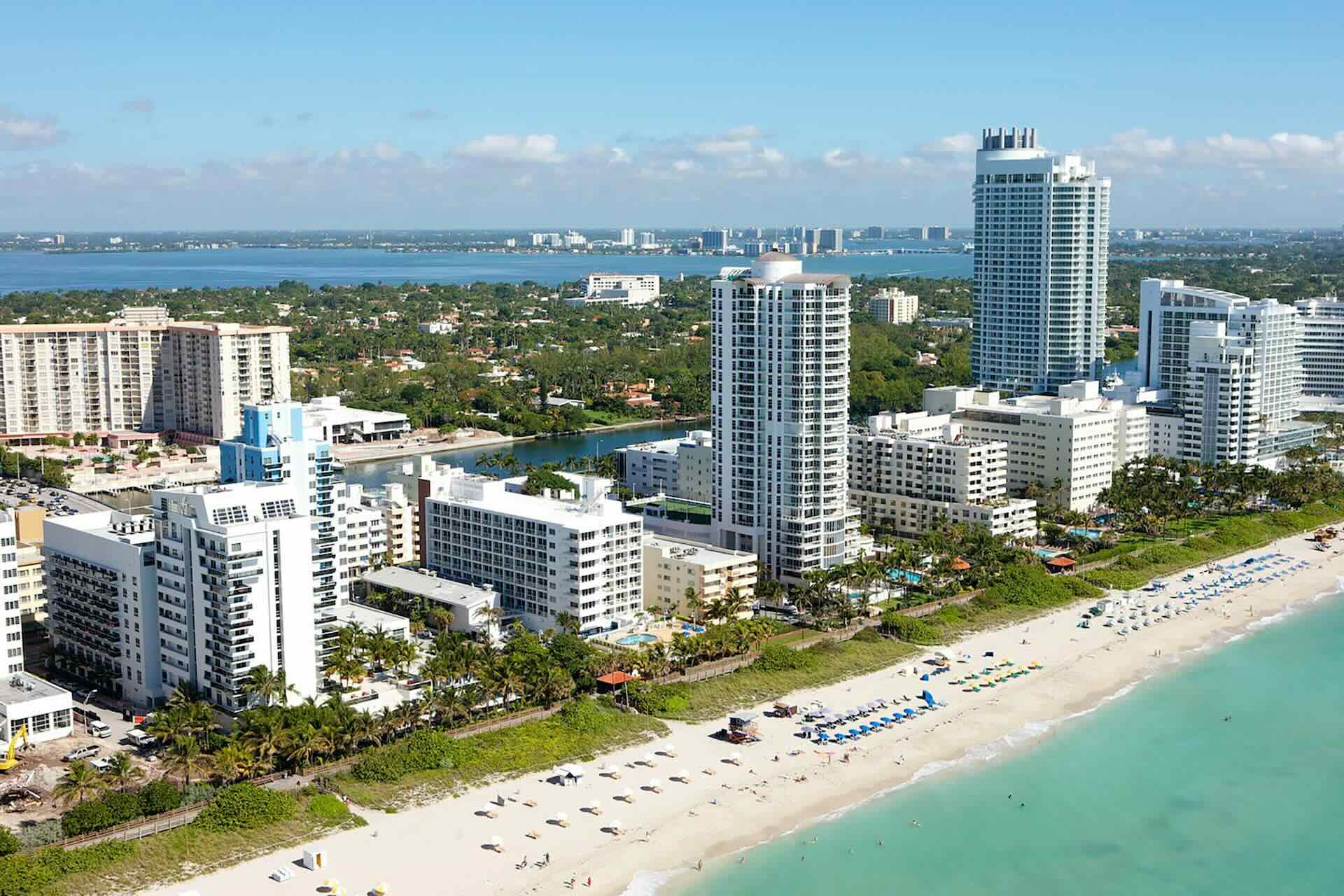
Tag: Miami vacation rentals

  • Why Vacation Rentals Outperform Hotels and How to Get Started

    Why Vacation Rentals Outperform Hotels and How to Get Started

    Travel patterns have shifted in meaningful ways.
    Today’s travelers prioritize space, privacy, and flexibility.

    Vacation rentals have moved from alternative lodging to a primary choice.
    In many markets, they now outperform traditional hotels across key metrics.

    For investors, this shift creates opportunity.
    Rental income, occupancy trends, and long term appreciation can align when assets are selected correctly.

    At MAK Realty, we guide investors through Miami’s evolving short term rental landscape with a focus on realistic returns and long term value.

    This guide explains why vacation rentals outperform hotels and how to approach investing in this asset class.

    Why Travelers Prefer Vacation Rentals

    Modern travelers expect more than a room.
    They want a full living experience.

    Vacation rentals offer larger layouts, kitchens, and private amenities.
    Families and groups find them especially attractive.

    Privacy also plays a major role.
    Guests can avoid crowded lobbies and shared spaces.

    Flexibility further strengthens demand.
    Extended stays are easier in residential style accommodations.

    Many visitors first experience Miami through a luxury vacation rental before considering property ownership.

    That experience often drives repeat visits and long term demand.

    Pricing Power and Revenue Potential

    Vacation rentals often command strong nightly rates in high demand locations.
    Larger units can accommodate multiple guests.

    This allows for higher total revenue per stay compared to standard hotel rooms.
    Premium views and location further increase pricing power.

    In markets like Miami, waterfront exposure significantly influences rental rates.
    Oceanfront and bayfront units typically perform best.

    Dynamic pricing strategies also improve revenue performance.
    Rates can adjust based on seasonality, events, and demand patterns.

    Investors who understand pricing trends can optimize returns.

    Longer Stays Increase Efficiency

    Hotels traditionally focus on shorter stays.
    Vacation rentals attract longer bookings.

    Weekly and monthly stays reduce turnover costs.
    Cleaning and operational expenses decrease relative to revenue.

    Extended stays also stabilize occupancy.
    This reduces gaps between bookings.

    Markets with strong seasonal demand, such as Miami, benefit from a mix of short and extended stays.

    Investors who structure listings correctly can capture both segments.

    Guest Experience Drives Repeat Demand

    Guest satisfaction directly impacts performance.
    Vacation rentals often provide a more personalized experience.

    High quality furnishings, thoughtful design, and strong communication improve reviews.
    Positive reviews drive higher booking volume.

    Repeat guests become a valuable asset.
    Direct bookings can increase over time.

    Hotels operate at scale.
    Vacation rentals operate with flexibility.

    This difference allows owners to refine the guest experience more precisely.

    Miami’s Advantage in Vacation Rentals

    Miami stands out as one of the strongest vacation rental markets in the United States.

    Tourism remains consistent throughout the year.
    International travel contributes significantly to demand.

    Major events, conventions, and seasonal visitors create recurring peaks.
    Beach access and lifestyle appeal further strengthen occupancy.

    Neighborhood diversity also plays a role.
    Miami Beach, Brickell, and waterfront districts attract different types of travelers.

    This diversity allows investors to tailor strategies based on target guests.

    At MAK Realty, we analyze these submarkets carefully to match property selection with rental goals.

    Legal Considerations and Building Rules

    Not all properties allow short term rentals.
    This is one of the most important factors for investors.

    Building level restrictions often determine rental flexibility.
    Some associations require minimum lease terms.

    City regulations may also apply depending on location.
    Compliance is essential.

    Investors must verify rules in writing before purchasing.
    Assumptions can lead to costly mistakes.

    Understanding legal frameworks ensures operational stability.

    How to Start Investing in Vacation Rentals

    Entering the vacation rental market requires preparation.
    Successful investors approach the process strategically.

    Location remains the most important decision.
    Waterfront and central urban areas often perform best.

    Property selection should align with guest demand.
    Views, layout, and building amenities influence performance.

    Financing structure also matters.
    Some investors use portfolio loans or income based lending programs.

    Others purchase with cash to maximize flexibility.

    At MAK Realty, we help clients evaluate both acquisition strategy and long term performance potential.

    Operational Strategy and Management

    Vacation rentals require consistent management.
    Operations include guest communication, cleaning coordination, and pricing adjustments.

    Some investors manage properties directly.
    Others hire professional management companies.

    Management quality directly affects guest experience and revenue performance.
    Poor execution can reduce occupancy quickly.

    Automated systems and dynamic pricing tools can improve efficiency.
    Technology plays a growing role in this space.

    Investors should evaluate management options before purchasing.

    Comparing Vacation Rentals to Hotels as an Investment

    Hotels require large scale capital and operational infrastructure.
    Individual investors rarely participate directly.

    Vacation rentals provide access to hospitality driven income on a smaller scale.
    Ownership remains flexible.

    Investors can choose location, design, and pricing strategy.
    Control increases compared to hotel investments.

    However, responsibility also increases.
    Active management or oversight is required.

    When executed correctly, vacation rentals often outperform hotels on a per unit basis.

    Long Term Appreciation and Exit Strategy

    Income is only part of the equation.
    Long term appreciation plays a major role in total return.

    Miami’s limited waterfront supply supports property values.
    High demand areas tend to appreciate more consistently.

    Exit strategy should be considered early.
    Resale liquidity depends on location and building reputation.

    Properties that perform well as rentals often attract future buyers seeking similar income opportunities.

    This creates additional demand at resale.

    Experience the Market Before Investing

    Understanding vacation rental performance requires firsthand experience.
    Data alone cannot capture guest behavior.

    Spending time in different Miami neighborhoods reveals demand patterns.
    Lifestyle alignment becomes clearer.

    Staying in a luxury vacation rental through MAK Vacation allows investors to evaluate the guest experience directly.

    Planning your visit with TravelPal.ai helps create an efficient itinerary to explore multiple investment areas.

    Vacation rentals continue outperforming hotels due to flexibility, guest experience, and strong income potential. Experiencing Miami firsthand through a luxury vacation rental with MAK Vacation provides valuable insight into demand and lifestyle appeal, while TravelPal.ai helps streamline your visit. When you are ready to invest in Miami’s vacation rental market, connect with MAK Realty for guidance focused on long term returns and strategic property selection.


  • Miami Vacation Rentals Compared to Other Major Cities

    Miami Vacation Rentals Compared to Other Major Cities

    Why Miami Stands Out in the Vacation Rental Landscape

    Miami sits in a different category than most United States vacation markets. It combines international tourism, year round demand, strong corporate travel, and a deep supply of condos designed for hospitality style use. That mix creates a rental environment that feels more like a global resort city than a regional getaway.

    Other popular destinations such as Sedona, Montpelier, St Augustine, Taos, Rockport, the Hudson Valley, Snowmass Village, Carmel, Block Island, and Jackson perform well. However, they usually rely on narrower seasons or niche traveler segments. Miami, by contrast, benefits from winter tourism, spring festivals, summer beach trips, and off season international visitors who keep occupancy stable.

    Investors who understand these differences can decide whether they want a concentrated high season market or a steady year round income profile. Miami tends to reward those who value consistency and long term appreciation.

    Miami vs Desert and Wellness Markets

    Comparing Miami With Sedona and Taos

    Sedona and Taos are classic wellness and nature markets. Guests come for red rock views, hiking, desert scenery, skiing near Taos, and spiritual retreats. These markets often command strong nightly rates during peak seasons, but demand softens during shoulder periods.

    Miami attracts a broader mix of travelers. Beach vacations, nightlife, luxury shopping, art events, and conferences drive traffic across many months. Visitors searching on MakVacation.com often choose coastal buildings near restaurants and entertainment. Many select a luxury vacation rental which highlights the appetite for high end urban stays.

    Seasonality and Revenue Risk

    Sedona and Taos depend heavily on specific travel windows. Weather shifts or economic slowdowns can reduce bookings with little chance to recover lost weeks. Miami faces seasonal peaks as well, but winter, spring, and international tourism smooth volatility. Investors typically see more continuous booking patterns in Miami than in the desert and mountain Southwest.

    Miami vs Historic and Coastal Getaways

    Comparing Miami With St Augustine, Rockport, Carmel, and Block Island

    St Augustine, Rockport, Carmel, and Block Island attract travelers with historic streets, small town charm, and intimate waterfront settings. These markets shine during pleasant weather and summer months. Guests often want cottages, coastal homes, or small inns rather than large towers.

    Miami offers a bigger city experience. High rise condos, branded residences, and full service buildings dominate the vacation rental scene. The city provides nightlife, fine dining, major events, and easy air access. That scale allows investors to participate in a deeper demand pool.

    Occupancy Patterns and Length of Season

    Smaller coastal towns often have shorter, intense seasons. Block Island and Rockport depend heavily on summer. Carmel and St Augustine benefit from mild climates, yet still see slower months.

    Miami remains active throughout the year. International visitors, cruise passengers, business travelers, and weekend tourists help maintain occupancy. Investors who want to avoid long off seasons often favor Miami over smaller coastal competitors.

    Miami vs Mountain and Ski Destinations

    Comparing Miami With Snowmass Village and Jackson

    Snowmass Village and Jackson deliver powerful peak seasons. Skiing, snowboarding, national parks, and mountain culture attract high spending visitors. Nightly rates can be impressive during winter and summer. However, these markets are highly seasonal and weather dependent.

    Miami does not offer skiing, but it does offer predictably warm weather and ocean access. When Snowmass or Jackson experience slow shoulder seasons, Miami often continues to host beach travelers and international tourists seeking sun.

    Operational Considerations

    Mountain properties face unique maintenance issues. Snow, seasonal closures, and remote access raise costs and management complexity. Miami properties face storm preparation concerns, but enjoy easier year round access, larger management networks, and more predictable operations.

    Miami vs Small Town and Rural Escapes

    Comparing Miami With Montpelier and the Hudson Valley

    Montpelier and the Hudson Valley attract visitors who want foliage, farms, river views, and small scale culture. These markets appeal to Northeastern city residents seeking weekend retreats. Rental demand can be strong during fall foliage, summer, and certain holidays.

    Miami serves a different travel profile. It acts as a destination city rather than a retreat. Guests often stay longer, spend more in restaurants, and combine work with leisure. The rental base includes international travelers, cruise guests, and conference attendees who rarely choose rural alternatives.

    Price Points and Entry Costs

    Entry pricing in Montpelier or parts of the Hudson Valley can be lower for single family homes. However, rental seasons are shorter and regulatory frameworks can vary by town.

    Miami’s condos may carry higher price tags, but balanced demand, deeper management options, and strong long term appreciation often justify the premium for many investors.

    How Miami’s Urban Structure Helps Investors

    Condo Inventory and Building Services

    Miami offers thousands of condos specifically designed for part time use. Many include front desk teams, valet, security, gyms, pools, and resort style amenities. That structure supports smooth operations for short term rentals where allowed by building rules.

    Cities like Sedona, Rockport, or Carmel rely more on individually owned homes and smaller properties. These can perform well but often lack large scale service infrastructure. Out of state investors usually find Miami’s condo model more manageable.

    Data, Pricing, and Professional Management

    Miami’s size generates extensive rental data which helps investors set realistic expectations. Professional management companies can handle cleaning, pricing, guest communication, and maintenance. That depth of support is harder to find in very small markets, especially during off season.

    How MakRealty Helps Investors Compare Miami to Other Markets

    Working with MakRealty gives investors a structured way to compare Miami with smaller destinations. The team analyzes occupancy trends, nightly rate patterns, building rules, and long term appreciation data. They highlight which neighborhoods perform best against national benchmarks and which buildings balance rental potential with resale strength. MakRealty also helps investors decide whether they should prioritize income, lifestyle, or long horizon value when choosing between Miami and competing markets.

    Experience Miami Before Choosing Your Market

    If you are deciding between Miami and other vacation destinations, spending time in the city is essential. Stay in a luxury vacation rental booked through MakVacation.com to experience the guest side of the market. Use TravelPal.ai to plan a personalized itinerary, explore different neighborhoods, and see how Miami feels compared to desert towns, mountain resorts, or small coastal villages. Experiencing the city firsthand will clarify whether Miami’s scale, energy, and year round demand align with your investment goals.

  • 5 Key Predictions for Miami’s Vacation Rental Market

    5 Key Predictions for Miami’s Vacation Rental Market

    Miami’s Vacation Rental Market Enters a New Era

    Miami continues to rank among the most in demand vacation rental markets in the United States due to its beaches, nightlife, cultural districts, and year round travel patterns. As we move into 2026, the market is evolving, shaped by shifting tourism trends, new regulations, expanded inventory, and stronger traveler expectations. These changes create new opportunities for investors, owners, and buyers looking to generate reliable income from short term or furnished rentals.

    Partnering with experts like MakRealty helps investors understand which neighborhoods, buildings, and property types are best positioned to perform under changing conditions. Below are five key predictions shaping Miami’s vacation rental landscape in 2026.

    Prediction 1: Year Round Demand Continues, but Travelers Expect Higher Quality

    Increased Preference for Premium Rentals

    Miami visitors now prioritize updated interiors, hotel level amenities, and walkable locations. Properties that resemble boutique hotels tend to outperform standard rentals. Travelers browsing MakVacation.com consistently choose units with resort style features, water views, and proximity to beaches or entertainment.

    Luxury Rentals Capture Strong Revenue

    Many visitors book a luxury vacation rental to elevate their stay. This trend strengthens revenue potential for owners who invest in high end finishes, modern furniture, and thoughtful design.

    Prediction 2: Regulations Will Become More Structured

    Building Rules Continue to Influence Performance

    While Miami remains short term rental friendly, individual buildings impose their own rules. Some allow nightly stays, others require monthly minimums, and some restrict rentals entirely. Investors must ensure full compliance before buying. Buildings with flexible policies will continue to command premium pricing and higher occupancy.

    Clearer Guidelines Reduce Uncertainty

    As tourism grows, expect more transparency around permitting, noise standards, and operational guidelines. This clarity benefits both owners and guests while reducing risk for investors.

    Prediction 3: More Inventory Creates a Competitive Landscape

    New Developments Boost Supply

    Many new condo and condo hotel projects are delivering between 2025 and 2026. These buildings offer modern amenities, strong branding, and elevated service models. Increased supply gives travelers more options and encourages owners to differentiate through design, service, and pricing strategy.

    Resale Properties Must Adapt

    Older units that lack updates will face stronger competition. Owners who renovate kitchens, bathrooms, flooring, and lighting will achieve higher occupancy and better reviews.

    Prediction 4: Rental Pricing Becomes More Data Driven

    Seasonality Still Matters

    Miami’s winter and spring seasons remain peak revenue periods. However, the rise of remote work and flexible travel schedules is smoothing out shoulder season performance. Pricing tools and dynamic software will play a larger role in optimizing nightly rates.

    Platforms Highlight High Demand Zones

    Travelers using TravelPal.ai often focus on Brickell, Edgewater, Downtown, and Miami Beach. These neighborhoods consistently outperform due to walkability, dining access, and proximity to entertainment.

    Prediction 5: Investors Seek Buildings With Hotel Style Services

    Demand for Full Service Living Rises

    Buildings that offer concierge services, valet, housekeeping, and curated amenities attract strong guest interest. Many visitors want a hybrid between hotel and residence. These buildings often produce higher average daily rates and deliver more predictable occupancy.

    Condo Hotels Regain Popularity

    With increased tourism and clearer management programs, condo hotels are becoming more appealing. They allow hands off ownership while maintaining strong rental potential.

    How MakRealty Helps Investors Navigate This Shift

    Working with MakRealty provides investors with critical guidance on identifying high performing buildings, evaluating rental rules, estimating income potential, and selecting neighborhoods poised for appreciation. Their expertise in Miami’s short term rental landscape ensures clients make strong, strategic decisions whether purchasing, repositioning, or upgrading a rental property.

    Experience Miami’s Rental Market Firsthand

    Gain insight into Miami’s vacation rental experience by staying in a luxury vacation rental booked through MakVacation.com. Use TravelPal.ai to plan your visit, explore rental friendly neighborhoods, and understand what guests value most when booking a Miami stay.

  • How to Buy a Vacation Rental and Use Bonus Depreciation

    How to Buy a Vacation Rental and Use Bonus Depreciation

    Understanding Bonus Depreciation for Miami Investors

    Bonus depreciation is one of the most powerful tax tools available to investors who buy a vacation rental in Miami. It allows buyers to accelerate depreciation on eligible components of the property, which can significantly reduce taxable income during the first year of ownership. Many investors use this strategy to offset revenue from rentals or other income sources. When applied correctly, bonus depreciation improves cash flow, increases net returns, and enhances long term investment performance.

    Miami vacation rentals produce strong income because visitor demand stays consistent throughout the year. When this revenue pairs with accelerated tax benefits, the investment becomes even more attractive to buyers looking for both lifestyle enjoyment and financial efficiency. Understanding how bonus depreciation works helps investors structure their purchase in a way that complies with IRS rules while optimizing returns.

    How Bonus Depreciation Works

    Bonus depreciation allows investors to write off a large portion of a property’s components during the first year. Items such as appliances, flooring, fixtures, and certain building systems qualify when a cost segregation study breaks them into shorter depreciation categories. Instead of depreciating these items over many years, investors take a large initial deduction. This strategy reduces taxable income and increases cash on hand for future improvements or acquisitions.

    Short term rental owners often qualify for this deduction when they materially participate in the rental’s operations. This means the investor must be involved with booking management, guest communication, or oversight of the property. Those who use management companies can still qualify if they make active decisions related to pricing, policies, and operations. Many investors consult a tax professional to ensure their participation meets IRS standards.

    Why Miami Properties Perform Well With Bonus Depreciation

    Miami is one of the strongest vacation rental markets in the country. Year round tourism, global visibility, and steady demand create favorable conditions for rental income. Investors who pair this performance with bonus depreciation experience a combination of strong top line revenue and reduced taxable income. Miami’s appreciation trends create another advantage since many properties grow in value faster than the national average.

    The combination of high occupancy, premium nightly rates, and strong tax benefits makes Miami an ideal place for this strategy. Investors also value the stability of South Florida’s tourism industry which operates on both domestic and international demand. Events, festivals, and winter travel patterns support consistent bookings, which increases the attractiveness of accelerated tax deductions.

    Choosing the Right Type of Property

    Condo Hotels

    Condo hotels are popular options because they allow frequent rentals with professional management already in place. These buildings offer front desk services, housekeeping, and hospitality amenities that appeal to short stay guests. Revenue programs make operations easier while still allowing the investor to capture bonus depreciation on eligible items. Buyers should review the building’s rental policies and revenue splits before purchasing. MAK Realty may assist with all the details.

    Traditional Condos With Flexible Rules

    Some Miami Beach and Miami neighborhoods offer condo buildings that allow short term rentals. These units attract travelers who want more space than hotels and appreciate being near beaches, restaurants, and nightlife. Bonus depreciation applies when investors operate the unit as a business with consistent rental activity. These properties require independent management or a local service provider to handle guest turnover.

    Single Family Homes and Duplexes

    Homes often produce strong income because they attract families and groups seeking privacy and space. These properties allow the investor to make significant improvements, many of which qualify for accelerated depreciation. Homes also offer flexibility for personal use while generating revenue during peak seasons.

    Using a Cost Segregation Study

    A cost segregation study is a detailed analysis that breaks the property into separate components with shorter depreciation lifespans. Certain items are classified under five, seven, or fifteen year categories which qualify for bonus depreciation during the first year. This study is performed by a specialist who inspects the property and prepares documentation that complies with IRS requirements.

    The outcome of a cost segregation study can produce large deductions which improve net cash flow. Investors often recover a portion of their initial investment during the first year because of these accelerated benefits. Studies are most effective on properties with high acquisition costs, modern finishes, and updated systems.

    Understanding IRS Requirements

    Bonus depreciation is allowed only when the property qualifies as a business asset. Vacation rentals often meet these criteria because they generate consistent income and involve substantial investor participation. To qualify, investors must demonstrate active involvement. This can include setting pricing, approving bookings, communicating with guests, or overseeing maintenance.

    The property must also be placed into service during the tax year, meaning it is available for rent. Investors who purchase a property late in the year often rush to complete any required renovations so the unit becomes available before December thirty one. Once the property is placed into service, the investor can apply bonus depreciation to eligible components identified in the cost segregation study.

    Financing Considerations for Vacation Rentals

    Financing a Miami vacation rental varies depending on building type. Traditional condos sometimes qualify for standard mortgages, while condo hotels or non warrantable buildings often require portfolio loans. These loans may involve higher down payments, but the ability to capture bonus depreciation often offsets the difference during early years of ownership.

    Some investors use DSCR loans which analyze projected rental income rather than personal income. These loans appeal to buyers focused on investment performance and may offer flexible underwriting. Pre construction buyers follow a staged deposit schedule which delays financing until completion, giving them time to prepare for bonus depreciation strategies once the property is delivered.

    Operating the Property for Maximum Benefit

    Pricing and Occupancy

    Investors should monitor occupancy patterns, seasonal shifts, and local events to set effective pricing. Miami’s winter and spring seasons generate premium rates, while summer attracts steady visitors seeking beach vacations. A well operated rental captures strong cash flow, which pairs well with bonus depreciation.

    Management and Guest Services

    High quality guest experiences improve reviews and increase occupancy. Investors must ensure their cleaning team, maintenance providers, and management processes meet hotel level standards. A well maintained unit retains value and continues to qualify for strong rental income.

    Furnishing and Upgrades

    Miami travelers prefer modern furniture, coastal colors, and clean design. Updated kitchens, comfortable bedding, and modern lighting increase appeal. Items purchased for the rental often qualify for accelerated depreciation which further improves the investment’s performance.

    Understanding Traveler Demand

    Most Miami visitors choose rentals that offer views, walkability, and proximity to beaches. Tools like MakVacation.com help investors understand what travelers want when booking a stay. The platform highlights guest preferences that often match the most profitable rental units. Many renters look for a luxury vacation rental when planning a premium experience which helps investors identify features that drive strong revenue.

    Travelers planning their itinerary often use TravelPal.ai because it organizes activities, dining, and local attractions. Understanding what guests want allows investors to design a vacation rental that meets expectations and maintains positive reviews.

    Final Thoughts

    Buying a vacation rental in Miami and using bonus depreciation offers a powerful combination of income, tax benefits, and long term appreciation. Investors who understand IRS rules, select the right property, and operate it effectively can maximize returns while enjoying personal use in one of the most desirable markets in the country. Miami’s tourism strength makes it an ideal environment for this strategy, and informed buyers benefit from both the lifestyle and financial upside.

    Experience Miami for Yourself

    Experience Miami by staying in a luxury vacation rental through MakVacation.com and explore the city with a personalized itinerary created through TravelPal.ai. Seeing the market first hand helps investors understand the lifestyle, demand patterns, and opportunities that make Miami a premier destination for vacation rental ownership.

  • Guide to Buying a Vacation Rental in Miami Beach

    Guide to Buying a Vacation Rental in Miami Beach

    Understanding the Appeal of Miami Beach Vacation Rentals

    Miami Beach attracts millions of visitors each year which creates constant demand for high quality vacation rentals. Buyers value the combination of warm weather, strong tourism, and a lifestyle built around dining, culture, and waterfront access. Investors also appreciate the ability to combine personal use with revenue generation since Miami Beach remains one of the most resilient tourism markets in the country. The area benefits from international demand, year round events, and a reliable flow of short stay travelers who want modern condos within walking distance of beaches and entertainment.

    Miami Beach offers a wide range of inventory. Buyers can choose from condo hotels, luxury condos, pre construction developments, and boutique buildings with distinct architectural styles. Each option carries different rules related to rentals, so understanding those details is a key part of the process. Investors should also note the premium attached to waterfront exposure and updated amenities since travelers often prioritize views and building quality when selecting a stay.

    Identifying the Best Neighborhoods

    South of Fifth

    South of Fifth has some of the strongest long term appreciation rates in Miami Beach. The neighborhood is quiet, walkable, and lined with waterfront parks and fine dining. Inventory is limited which creates consistent buyer competition. Most buildings here restrict short term rentals, but units with flexible policies command premium pricing because demand far exceeds supply. Investors who secure a rental friendly building in this zone typically enjoy higher occupancy and strong nightly rates due to the location’s prestige.

    Mid Beach

    Mid Beach appeals to buyers who want a balance of luxury and flexibility. Several condo hotels operate in this part of Miami Beach which allows owners to participate in structured rental programs. These programs handle marketing, housekeeping, and guest communication which reduces management time for investors. Mid Beach also places visitors close to beach clubs, restaurants, spas, and popular hotels which supports strong nightly revenue.

    North Beach

    North Beach offers more attainable pricing and spacious units. The area is undergoing steady redevelopment which signals long term value growth. Investors who prefer lower acquisition costs often begin here. Some buildings allow monthly rentals rather than nightly stays which attracts extended stay travelers, remote workers, and winter visitors seeking multi month accommodations. This pattern supports steady occupancy even without nightly turnover.

    Understanding Short Term Rental Rules

    Short term rental rules vary building by building. Miami Beach itself technically allows short term stays, but individual condos can restrict them. This means the association is the final authority. Some buildings allow daily rentals, others only permit monthly stays, and some prohibit all forms of vacation renting. Buyers must review building documents and confirm policies with management before entering a contract.

    Buildings that permit daily rentals often fall under the condo hotel category. These properties maintain front desk services, housekeeping, and hotel style operations. Owners can rent on their own or join the building’s rental program. Units in these buildings typically carry higher association fees due to hotel level staffing, but they also attract premium nightly rates and near constant occupancy during peak seasons.

    Evaluating ROI and Appreciation

    Miami Beach is one of the most stable appreciation markets in Florida. Waterfront scarcity supports long term value growth while international interest creates a broad buyer pool. Investors analyzing return should focus on three primary elements which are acquisition cost, projected revenue, and operating expenses. Revenue potential depends on building rules, unit condition, view, and proximity to the beach. Furnished units tend to rent more quickly which can improve early occupancy.

    Operating expenses include association fees, property taxes, insurance, and management costs. Properties in hotel program buildings may include revenue splits which reduce net income but remove management tasks. Units rented independently through a local management company often deliver higher net performance if occupancy remains strong. Many out of state investors prefer this model because they maintain control of pricing and guest selection.

    Financing a Vacation Rental

    Financing depends on whether the property qualifies as a condo, condo hotel, or non warrantable building. Traditional mortgages are typically offered only on warrantable condos which follow conventional lending standards. Many vacation rental buildings in Miami Beach fall outside these standards because of rent friendly rules or hotel service components. Buyers of these units often use portfolio loans with higher down payments.

    Some investors use DSCR loans which evaluate the property’s income potential rather than personal income. These loans suit buyers focused on passive investment. Pre construction buyers follow a different structure since developers require staged deposits that create a payment schedule during construction. This approach allows buyers to secure premium inventory early without carrying a mortgage until completion.

    Working With a Market Expert

    Miami Beach is a unique market with variations between buildings that are not always visible in online listings. Experienced agents identify buildings with the best rental track records, the most flexible rules, and the strongest resale potential. They also guide buyers through association approvals, building document reviews, and rental program comparisons. This guidance prevents costly mistakes that can affect long term revenue.

    The Role of MakVacation.com and TravelPal.ai

    Investors often test their property’s rental potential by reviewing visitor patterns and neighborhood demand. Tools like MakVacation.com help users evaluate what travelers value most in Miami Beach. The platform also features premium stays that attract discerning guests. When renters use a luxury vacation rental, they seek modern design, beachfront locations, and proximity to key attractions which mirrors the most profitable investment strategies.

    Travelers planning their stay often use TravelPal.ai to build curated itineraries which highlight the convenience and lifestyle of each neighborhood. Strong local experiences lead to stronger reviews which directly improve occupancy and nightly rates for investors. Understanding traveler behavior allows buyers to select units that consistently meet visitor expectations.

    Preparing Your Unit for the Vacation Rental Market

    Furnishing for Appeal

    Travelers respond to clean modern furnishings, comfortable bedding, and coastal color schemes. Investors should choose durable furniture that photographs well, since most bookings originate from online listings. Views should be highlighted and clutter removed before professional photography.

    Essential Upgrades

    Units with updated kitchens, modern lighting, and walk in showers outperform older units. These upgrades often justify higher nightly pricing and increase guest satisfaction which drives repeat bookings.

    Management and Operations

    A reliable cleaning team is essential. Guests expect hotel level standards which means consistent linen service and fast turnover. A management company can handle these tasks along with guest communication and maintenance scheduling.

    Final Thoughts

    Buying a vacation rental in Miami Beach offers the chance to combine personal enjoyment with strong investment potential. With the right building, proper financing, and effective management, investors can capture the benefits of steady tourism demand and long term appreciation. Understanding each neighborhood’s strengths and building rules prepares buyers for informed decisions in one of South Florida’s most desirable markets.

    Experience Miami for Yourself

    Experience the energy of Miami Beach first hand by staying in a luxury vacation rental through MakVacation.com. Plan your trip with TravelPal.ai to explore the city with a personalized itinerary and discover the neighborhoods that match your lifestyle and investment goals.

  • Comparing Miami vs. Hamptons: Rental Investment Analysis

    Comparing Miami vs. Hamptons: Rental Investment Analysis

    Introduction to Two Premier Rental Markets

    Miami and the Hamptons both attract affluent travelers, strong seasonal activity, and consistent rental demand. Investors often compare these destinations because each offers high nightly rates, a luxury driven guest base, and long term property appreciation. While both markets perform well, they operate very differently in terms of occupancy patterns, tourism cycles, regulations, and return potential. Understanding these distinctions helps investors choose the market that aligns with their goals.

    Miami functions as a year round destination with steady tourism from domestic and international travelers. Visitors come for warm weather, beaches, entertainment, and cultural events. By contrast, the Hamptons operates as a seasonal escape defined by summer demand, holiday weekends, and a brief but intense rental calendar. These differences shape occupancy, pricing, management models, and long term income potential.

    This analysis reviews the core strengths of each market and contrasts them across rental yields, tourism patterns, regulatory conditions, and property types. Investors evaluating both destinations will gain clarity on how each location fits different investment strategies.

    Tourism Patterns and Guest Demand

    Miami’s Year Round Appeal

    Miami attracts visitors twelve months a year. Winter and spring bring peak tourism, but summer and fall remain active because travelers seek beach vacations, nightlife, and cultural events. Frequent business travel adds another layer of stability. This constant flow produces strong occupancy across all seasons which reduces revenue volatility for investors.

    Short term travelers also search for updated units in central locations with beach access, walkability, and modern amenities. Platforms such as MakVacation.com help illustrate what guests typically seek when browsing premium homes in the city. Many travelers want a luxury vacation rental that delivers comfort and proximity to attractions which supports higher nightly rates and consistent bookings.

    Hamptons Seasonal Demand

    Demand in the Hamptons revolves around a short but powerful rental season. Summer drives nearly all annual revenue, with visitors booking homes from late May through early September. High net worth guests often reserve homes months in advance which pushes weekly rates to impressive levels. However, outside of these months, occupancy drops sharply.

    Because the Hamptons operates on a compressed calendar, investors rely on a smaller window to achieve yearly revenue targets. Properties often need to capture multiple peak season bookings to match the year round revenue potential seen in Miami.

    Rental Income and Cash Flow

    Miami’s Steady Revenue Structure

    Miami investors benefit from both weekend and midweek stays. Strong convention activity and international tourism keep occupancy high even outside holidays. This enables properties to generate continuous revenue and smooth out cash flow across the year. Many investors choose Miami because its rental calendar limits downtime and maximizes annual income.

    Premium units in waterfront areas, vibrant neighborhoods, and high rise towers often outperform their peers. Travelers planning their activities through tools like TravelPal.ai often select units near beaches, dining, and entertainment which strengthens demand for centrally located investments.

    Hamptons High Season Peaks

    The Hamptons delivers extraordinary weekly rates during peak season, often surpassing Miami’s nightly pricing. A single month of fully booked summer weeks can generate more income than several months in Miami. Investors who own large estates or waterfront homes capitalize most on this pattern.

    However, the reliance on seasonal income creates risk. Weather patterns, economic shifts, or regional changes can affect bookings, and there is little opportunity to make up lost revenue during off season periods. This seasonality results in less predictable cash flow compared to Miami’s year long occupancy.

    Regulatory Considerations

    Miami Rental Rules Vary by Building

    In Miami, rental rules depend primarily on the building association. Some towers allow nightly stays, others allow monthly rentals, and some prohibit short term rentals entirely. Investors must review association documents and confirm policies before purchasing. Proper due diligence prevents unexpected restrictions that can affect revenue.

    Buildings that allow nightly rentals often operate similar to hospitality environments which increases rental potential. These properties attract travelers who prefer condos over hotels and value flexibility, views, and amenities.

    Hamptons Local Rental Rules

    The Hamptons features strict rental regulations that vary by township. Many areas require minimum rental periods, often two weeks or longer. Some towns enforce limits on the number of rental permits issued. These restrictions reduce flexibility and place more pressure on capturing premium season bookings.

    Investors must secure the necessary permits and comply with zoning requirements. Failure to follow rules can result in significant fines which adds complexity to the investment process.

    Property Types and Market Characteristics

    Miami’s Diverse Inventory

    Miami offers condo hotels, luxury high rise condos, waterfront towers, and pre construction developments. Buyers can select units based on rental flexibility, view, and amenity package. Pre construction properties attract investors seeking early pricing and modern designs. Completed units in established buildings help buyers analyze historical performance.

    The presence of full service buildings makes management easier, especially for out of state investors. Many buildings include concierge services, security, valet, pools, gyms, and waterfront access. These amenities improve rental performance because guests frequently choose buildings with hotel style features.

    Hamptons Single Family Dominance

    Hamptons inventory consists mostly of single family homes. Demand favors spacious estates with outdoor areas, pools, and privacy. These features appeal to families and groups who prefer longer stays. However, single family homes require more hands on management, frequent maintenance, and higher operating costs.

    Because there are few condos in the area, investors must be prepared for more hands on oversight and greater seasonal preparation.

    Appreciation and Long Term Value

    Miami Appreciation Trends

    Miami continues to experience strong population growth, ongoing development, and increasing luxury demand. Waterfront scarcity supports long term appreciation and investor confidence. Global visibility, steady tourism, and year round activity reinforce price stability and future growth potential.

    Hamptons Appreciation Trends

    The Hamptons maintains long term value due to limited land, historic reputation, and enduring appeal to wealthy buyers. High end demand drives appreciation, especially for waterfront estates or renovated properties. Seasonal interest remains strong which supports property values even when rental schedules vary.

    Management and Operating Costs

    Miami Management Structure

    Miami investors can use local management companies that handle cleaning, guest communication, repairs, and pricing. Because rentals occur throughout the year, operational teams stay active with consistent schedules and predictable workflows. This stability limits downtime and optimizes guest experiences.

    Hamptons Seasonal Management

    Hamptons management requires preparing homes for summer bookings, opening properties each season, and addressing high maintenance demands that come with larger estates. Seasonal staff availability fluctuates which can increase costs and reduce scheduling flexibility.

    Which Market Is Best for Investors

    Miami suits investors who want consistent occupancy, predictable income, and a balanced combination of lifestyle and returns. It works well for out of state buyers who prefer year round activity and straightforward management options.

    The Hamptons suits investors who prioritize peak season revenue and value exclusivity over consistency. It requires a larger operational commitment but rewards owners with premium pricing during summer months.

    Experience Each Market Firsthand

    Before investing, consider experiencing Miami in person by staying in a luxury vacation rental booked through MakVacation.com. Use TravelPal.ai to build a personalized itinerary that helps you explore neighborhoods, lifestyle value, and market dynamics. Seeing the city firsthand provides insight into demand drivers, guest expectations, and long term investment potential.

  • The Next Level of Vacation Rentals: Tour Tourism

    The Next Level of Vacation Rentals: Tour Tourism

    Miami is one of the world’s most vibrant travel destinations, and vacation rentals have become the preferred way for visitors to experience the city. But the industry is evolving. Guests are no longer satisfied with just a luxury condo or beachfront stay—they want curated experiences that connect them with Miami’s culture, lifestyle, and entertainment. This shift, often called tour tourism, is redefining how investors and property owners approach vacation rentals.

    What Is Tour Tourism?

    Tour tourism goes beyond accommodations. It integrates experiences such as:

    • Private yacht charters and waterfront dining.
    • Art and cultural tours, including Wynwood’s galleries and Art Deco architecture.
    • Culinary adventures led by local chefs.
    • Wellness experiences, from sunrise yoga to spa packages.
    • Music and Entertainment: Access to live concerts, festivals, and global tours like Taylor Swift’s Eras Tour, which draw fans from all over the world.

    Guests don’t just want a place to sleep—they want a complete Miami experience designed around their passions.

    Why Music Is Driving Tour Tourism

    Concerts and festivals are becoming travel events in themselves. Miami’s role as a global music hub—with Ultra Music Festival, Latin music showcases, and major stadium tours—makes it a prime destination for fans who combine their ticket with a luxury vacation rental. For international guests, the chance to attend an iconic show and enjoy Miami’s lifestyle is the ultimate package.

    Why It Matters for Property Owners

    Vacation rental owners who tap into tour tourism can significantly increase income and guest satisfaction. By offering partnerships or packages—concert transportation, pre-show dinners, after-party experiences—owners transform a rental into a complete event stay, commanding higher nightly rates and repeat bookings.

    Miami’s Advantage

    Miami is perfectly positioned for this trend thanks to its:

    • World-Class Music Scene: From the Eras Tour to electronic festivals, concerts are year-round draws.
    • Culture: Art Basel, food festivals, and international fashion events.
    • Waterfront Lifestyle: Yachting, nightlife, and luxury dining.
    • Year-Round Tourism: Constant demand from both leisure and event-driven travel.

    What This Means for Investors

    Properties near concert venues, arenas, and cultural hotspots are seeing new demand. Investors can maximize returns by:

    • Partnering with ticket services or event promoters.
    • Creating “event-ready” rentals stocked with extras like bar setups, sound systems, and stylish spaces.
    • Using platforms like TravelPal.ai to help guests book concert experiences, dining, and activities seamlessly.

    MAK Realty’s Perspective

    At MAK Realty, we believe tour tourism—especially driven by music—is the future of vacation rentals. From the excitement of major concerts like the Eras Tour to Miami’s cultural festivals, demand for rentals that combine convenience and experience will only grow. Smart investors will position their properties to capture this wave.

    Experience It Yourself

    Want to see how tour tourism transforms Miami? Book a stay through MakVacation.com and plan your itinerary with TravelPal.ai, including concert tickets, cultural tours, and luxury dining. You’ll see firsthand why music, culture, and lifestyle make Miami the ultimate destination for vacation rental guests.

  • Why Miami is Voted the Top Destination Spot for Europeans

    Why Miami is Voted the Top Destination Spot for Europeans

    Miami has long been a magnet for international travelers, but in recent years, it has consistently ranked as one of the top destination spots for Europeans. From luxury shopping to turquoise beaches, Miami offers an irresistible blend of culture, lifestyle, and investment potential that continues to attract visitors from across the Atlantic.

    Sunshine, Style, and Culture

    Europeans are drawn to Miami’s year-round sunshine and vibrant outdoor lifestyle. Beyond the beaches, Miami offers an unmatched cultural mix—Latin American influences, art districts like Wynwood, and world-class events such as Art Basel. It’s a city where cosmopolitan sophistication meets relaxed coastal living.

    Shopping and Dining Appeal

    Luxury shopping destinations such as the Design District and Bal Harbour Shops rank high on the list for European visitors. Add to that a dining scene filled with Michelin-starred chefs and globally inspired flavors, and Miami becomes more than a vacation—it’s an experience.

    Direct Flights and Accessibility

    Airlines have made Miami more accessible than ever, with direct flights from major European hubs like London, Paris, Madrid, and Frankfurt. This convenience makes Miami an easy long-weekend getaway or a winter retreat for those looking to escape colder climates.

    Investment Opportunities

    Many Europeans see Miami not only as a vacation destination but also as an investment opportunity. Condos with short-term rental potential and waterfront residences remain highly desirable, offering both lifestyle perks and financial upside. Miami’s reputation as a safe haven for international capital reinforces its status as a preferred destination.

    Resorts, Rentals, and Condo Hotels

    For extended stays, Europeans often prefer the comfort of condo hotels or short-term rentals. These options provide kitchens, living rooms, and privacy, while still giving access to resort-style amenities. Platforms like MakVacation.com make booking luxury rentals seamless, and TravelPal.ai helps visitors plan curated itineraries that maximize their time in Miami.

    A Gateway to the Americas

    Miami’s location also makes it a natural hub for travelers looking to connect to Latin America and the Caribbean. Many Europeans extend their stay or use Miami as a launch point for broader adventures, adding to its appeal as a versatile travel destination.

    What This Means for Miami Real Estate

    For Miami condo buyers and investors, European demand means stronger rental yields, a diverse pool of tenants, and continued international attention on Miami’s luxury market. Whether it’s a pied-à-terre for seasonal visits or a condo hotel investment, the influx of European visitors reinforces Miami’s global status.

  • Why Locals Should Stay at the Bleau

    Why Locals Should Stay at the Bleau

    The Fontainebleau Miami Beach, known simply as “the Bleau,” isn’t just a destination for visitors from around the world. For Miami locals, it offers a unique way to experience luxury in their own backyard. Whether it’s a staycation, a special celebration, or a chance to see the city from a new perspective, the Bleau has plenty of reasons to tempt locals into checking in.

    A Luxury Staycation Without the Travel

    Sometimes, the best escapes don’t require a plane ticket. Staying at the Bleau allows locals to disconnect from daily routines while still enjoying the comfort of being close to home. It’s the ultimate staycation: ocean views, world-class dining, and glamorous nightlife—all without leaving Miami Beach.

    Celebrate Life’s Big Moments

    Anniversaries, birthdays, and promotions deserve a setting that feels extraordinary. A night or weekend at the Bleau transforms a milestone into a memory, combining luxury accommodations with access to Miami’s vibrant energy.

    Access World-Class Amenities

    The Bleau isn’t just a hotel—it’s a lifestyle experience. From award-winning restaurants like Hakkasan and StripSteak to the legendary LIV nightclub, locals gain access to experiences that often feel reserved for visitors. Add in the spa, pools, and beachfront, and the resort becomes an all-in-one retreat.

    See Miami From a Fresh Perspective

    Living in Miami can make us take its beauty for granted. Spending a weekend at the Bleau is a reminder of why people from all over the world come here. It’s a chance to rediscover the city with fresh eyes while indulging in a setting that celebrates Miami’s glamour.

    A Test Drive for Luxury Living

    For locals considering investing in a Miami Beach condo, a weekend at the Bleau provides valuable insight into the area’s lifestyle. Before making a purchase, it’s worth experiencing the beachfront lifestyle firsthand. Platforms like MakVacation.com make booking luxury stays seamless, while TravelPal.ai can help plan a full weekend itinerary around your resort experience.