Tag: Miami investment property

  • Cape Coral Slows, But Miami Market Stays Strong

    Cape Coral Slows, But Miami Market Stays Strong

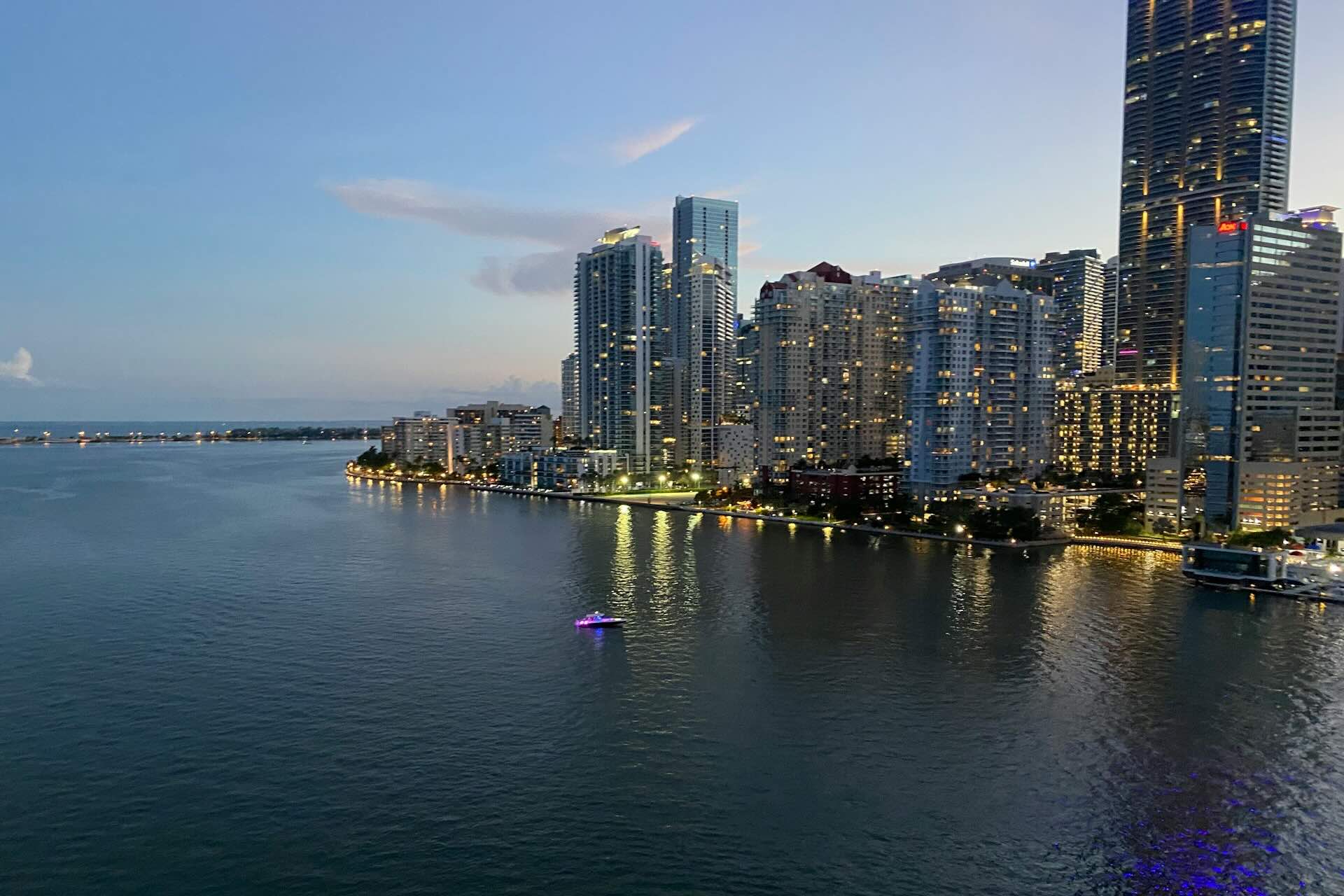
    Florida real estate has always been dynamic, with markets across the state moving at different speeds. Recently, headlines have highlighted the downturn in Cape Coral, where rising insurance costs, oversupply, and slowing demand have pushed values down. But in Miami, the story is very different. The city continues to thrive as a global real estate hub, offering stability and growth even as other Florida markets cool.

    Why Cape Coral Is Slowing

    Cape Coral saw explosive growth during the pandemic, attracting buyers looking for affordable waterfront living. However, the surge led to oversupply, and rising insurance premiums after recent hurricanes added financial strain for owners. The market is now adjusting, with slower sales and more price reductions.

    Miami’s Global Demand Advantage

    Miami operates on an entirely different scale. As an international gateway city, demand comes not just from domestic buyers but also from investors in Canada, Europe, Latin America, and beyond. This global buyer base helps insulate Miami from the regional slowdowns affecting smaller Florida cities.

    Limited Supply in Prime Neighborhoods

    Unlike Cape Coral, Miami faces limited land availability, especially in waterfront and urban-core neighborhoods like Brickell, Edgewater, and Miami Beach. Scarcity keeps values strong and ensures that top-tier properties continue to appreciate even in shifting economic conditions.

    Luxury and Lifestyle Appeal

    Miami’s appeal extends beyond investment—it’s a lifestyle choice. From world-class dining and nightlife to cultural institutions and international events, the city attracts affluent buyers who see their condo as more than just a financial asset. This demand supports stability at the high end of the market.

    Investor Confidence Remains High

    Investors recognize Miami’s resilience. Preconstruction sales remain robust, and short-term rental–friendly buildings continue to generate strong yields. While insurance and HOA costs are considerations, Miami’s appreciation and rental demand offset those challenges better than in smaller, less diversified markets.

    Experience Miami Before You Buy

    For anyone considering a move from other parts of Florida—or internationally—the best way to understand Miami’s strength is to experience it directly. A stay booked through MakVacation.com lets you explore neighborhoods like Brickell or Miami Beach, while TravelPal.ai makes planning your itinerary seamless, from condo tours to cultural highlights.

    MAK Realty’s Perspective

    At MAK Realty, we continue to see confidence in Miami’s condo market despite turbulence elsewhere in Florida. Our role is to help buyers and investors identify the buildings and neighborhoods that are best positioned for long-term value, ensuring their investments remain strong no matter what’s happening in markets like Cape Coral.


  • What You Need to Know About Short-Term Rentals

    What You Need to Know About Short-Term Rentals

    Short-term rentals have become one of the hottest topics in Miami real estate. Whether you’re a condo buyer looking for investment potential or a resident curious about your building’s rules, understanding the ins and outs of short-term rentals is essential. Here’s a comprehensive look at what you need to know.

    What Are Short-Term Rentals?

    Short-term rentals are properties—condos, apartments, or homes—leased for brief periods, typically under six months. Platforms like Airbnb and VRBO have made them mainstream, with Miami among the top cities in demand thanks to its tourism-driven economy and international appeal.

    Why Short-Term Rentals Are So Popular in Miami

    • Tourism Demand: Millions visit Miami each year, many seeking alternatives to traditional hotels.
    • Higher Income Potential: Compared to long-term tenants, short-term rentals can generate higher nightly rates.
    • Flexibility: Owners can enjoy their property part of the year and rent it out when not in use.

    The Legal Landscape

    Miami has complex short-term rental regulations that vary by city, neighborhood, and even by building. Some condo associations completely ban short-term rentals, while others embrace them with flexible policies. Common restrictions include:

    • Minimum stay requirements (often 30 days).
    • Registration or licensing requirements.
    • Local zoning laws that determine where short-term rentals are permitted.

    Before buying, always review the condo association documents and city ordinances.

    Costs and Considerations for Owners

    Short-term rentals can be lucrative, but they come with added responsibilities:

    • Management: Cleaning, check-in, and guest communication. Many owners hire property managers.
    • Operating Costs: Higher turnover means higher expenses, from utilities to maintenance.
    • Insurance: Not all policies cover short-term rental activity—special coverage may be required.

    Benefits for Buyers and Investors

    If you’re purchasing a condo in Miami with investment in mind, short-term rental-friendly buildings offer flexibility and income potential. They’re especially attractive for international buyers who want both a vacation home and a revenue-generating asset.

    Guest Experience: Why It Works

    Travelers choose short-term rentals for space, privacy, and local experiences. Features like kitchens, living rooms, and multiple bedrooms make them ideal for families or extended stays—something traditional hotels can’t always offer.

    Where to Test the Lifestyle

    If you’re considering a short-term rental investment, it’s smart to test the experience firsthand. Book a luxury vacation rental through MakVacation.com to see how it compares to a hotel stay. With TravelPal.ai, you can also plan your trip to explore neighborhoods where short-term rental opportunities thrive.

    MAK Realty’s Perspective

    At MAK Realty, we help clients identify which Miami buildings are friendly to short-term rentals, and which ones should be avoided if investment is your priority. Our team also provides guidance on rental yields, management options, and resale value so you can make a confident decision.

  • Why a Condo Hotel Rental is the Best of Both Worlds

    Why a Condo Hotel Rental is the Best of Both Worlds

    Miami attracts travelers from around the world who want more than just a standard hotel stay. Many want the luxury amenities of a resort but also the flexibility and comfort of a private residence. That’s exactly where condo hotel rentals come in—offering the best of both worlds for guests and an exciting opportunity for investors.

    What is a Condo Hotel Rental?

    A condo hotel, sometimes called a “condotel,” is a property that functions as both a condominium and a hotel. Individual units are privately owned, but when owners aren’t using their residences, they can be rented out to guests through the hotel’s rental program.

    For guests, this means they get access to a fully furnished unit with home-like comforts—think kitchens, living areas, and multiple bedrooms—while still enjoying the world-class services of a resort.

    The Guest Experience: Comfort Meets Luxury

    When staying in a condo hotel rental, guests enjoy:

    • Spacious layouts: Unlike traditional hotel rooms, many units include living rooms, dining areas, and kitchens.
    • Full kitchens: Perfect for longer stays or families who prefer to cook some meals at home.
    • Resort amenities: Pools, spas, restaurants, concierge services, and often beachfront access.
    • Flexible stays: Whether a weekend getaway or a month-long escape, condo hotels provide more options than a standard hotel booking.

    It’s the blend of home and hospitality that makes condo hotels especially appealing in Miami.

    Benefits for Owners and Investors

    Condo hotels aren’t just attractive for guests—they’re also appealing for owners. Buyers can use their unit whenever they like, then place it into the hotel’s rental program when it’s vacant. This generates rental income while professional management handles marketing, bookings, and guest services.

    At MAK Realty, we often see condo hotels as a strong fit for investors who want both personal enjoyment and revenue potential in Miami’s thriving tourism market.

    Why Miami is the Perfect Place for Condo Hotels

    Miami is uniquely positioned for this model. With year-round tourism, international visitors, and a luxury-driven lifestyle, demand for high-end rentals remains strong. Properties like the Fontainebleau Miami Beach showcase how condo hotels can deliver both resort-level experiences and private living.

    If you’re considering a stay before buying, MakVacation.com offers luxury vacation rentals across Miami—including condo hotel options—so you can experience the lifestyle firsthand. And with TravelPal.ai, you can plan a seamless itinerary around your stay, from dining reservations to nightlife.