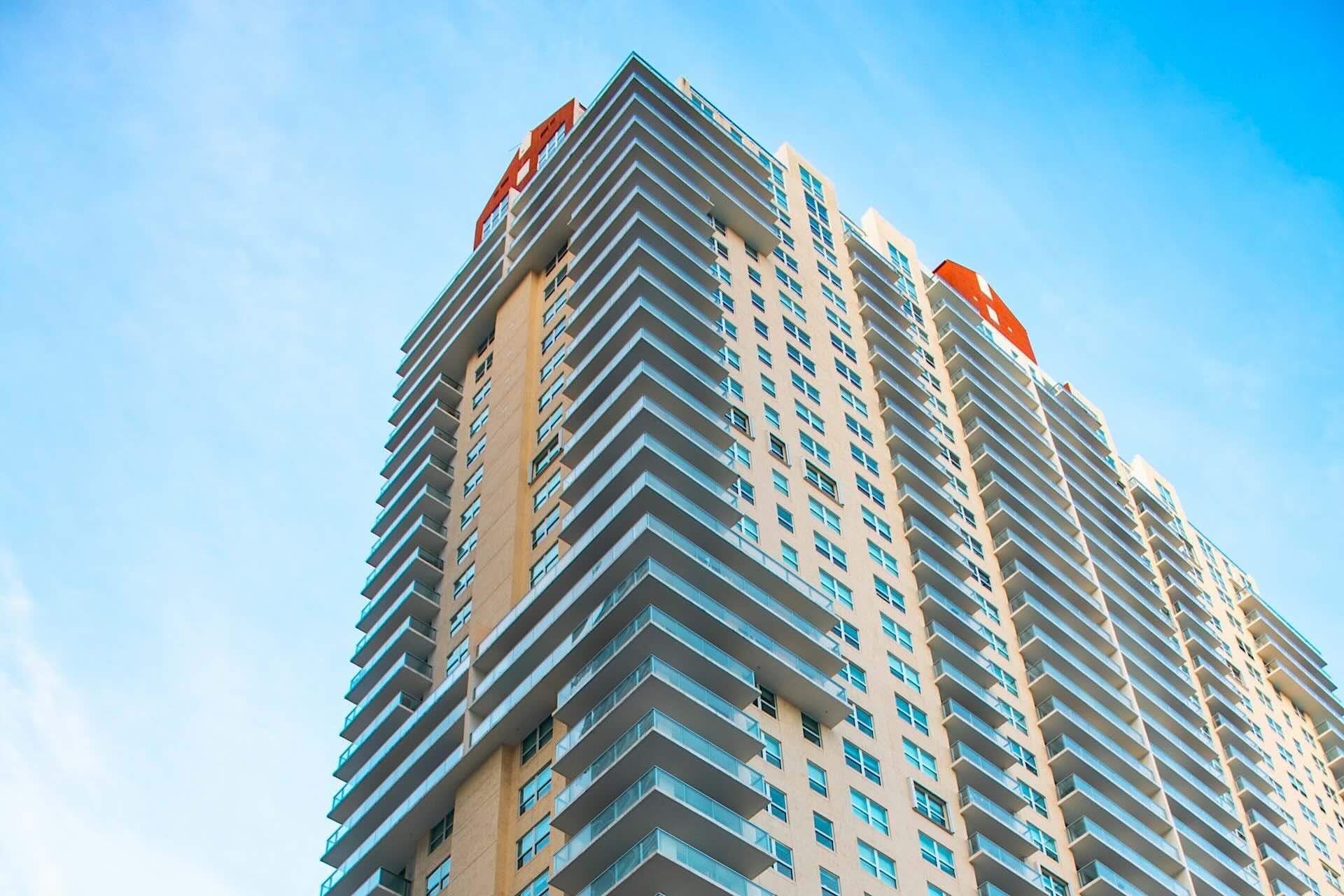
Miami continues to attract buyers from some of the most affluent, expensive, and high pressure parts of the country. When people ask which U.S. counties are moving to Miami and buying homes, the answer usually points to a familiar pattern. The strongest feeder counties tend to come from New York, California, Illinois, Texas, and other high cost markets where buyers want more lifestyle, more tax efficiency, and a stronger long term value story. In many cases, they are not just moving for weather. They are repositioning how and where they live.
At MAK Realty, we see this migration pattern as one of the most important forces behind Miami real estate. Buyers do not arrive randomly. They come from counties where pressure has built around taxes, cost of living, density, or lifestyle fatigue. Miami offers an alternative that still feels sophisticated, ambitious, and globally relevant. That is why the city continues drawing home buyers from some of the country’s most powerful economic centers.
New York County Remains a Major Feeder
New York County continues to stand out as one of the clearest sources of Miami home buying demand. Manhattan buyers often come to Miami looking for more space, stronger lifestyle value, and a residence that feels less compressed by the pace of the Northeast. They are also familiar with premium pricing, which means Miami can still feel attractive when compared with top Manhattan ownership costs.
This matters because Manhattan buyers often bring a strong appreciation for service, luxury buildings, walkability, and visible prestige. That makes neighborhoods like Brickell, Miami Beach, Bal Harbour, and Surfside especially appealing. They are not looking for a step down. They are looking for a different kind of high end living.
Kings County Continues to Feed Miami Demand
Kings County also remains highly relevant. Brooklyn has produced many buyers who still want culture, energy, and neighborhood identity, but who are increasingly open to building that next chapter in Miami. Some are looking for a primary home. Others are buying second homes that eventually become more central to their lives.
These buyers often respond well to Miami neighborhoods that feel layered and current. They may be drawn to design, dining, wellness, and walkability as much as ocean views. That makes places like Miami Beach, Edgewater, and Brickell especially attractive, depending on how urban or leisure driven they want daily life to feel.
Miami Keeps Pulling Buyers From Cook County
Cook County remains another important feeder market because Chicago buyers often see Miami as both a lifestyle and tax shift. They are familiar with major city living, strong architecture, and established luxury neighborhoods. Miami gives them waterfront access, year round outdoor living, and a market that feels more globally visible than many domestic alternatives.
For these buyers, Miami often functions as both a release valve and an upgrade. It can offer a second home that later becomes a bigger part of life, or a full relocation that replaces winter with a much more flexible and outdoor oriented routine. That logic keeps Cook County highly relevant to Miami home demand.
Los Angeles County Buyers Still See Miami as a Serious Alternative
Los Angeles County continues to matter because Miami offers something many California buyers increasingly value. It delivers luxury, visibility, and lifestyle without requiring them to give up social energy or design driven living. In some cases, Miami feels like a more efficient version of aspirational city life.
These buyers often appreciate Miami’s blend of waterfront residences, newer inventory, branded towers, and strong hospitality culture. They also understand image, which matters in a city where real estate often intersects with personal identity. For buyers coming from Los Angeles County, Miami can feel both familiar and refreshingly different.
Harris County Adds a Different Kind of Buyer
Harris County buyers bring a different profile, but they remain important to Miami. Many come from a business oriented environment and are looking for stronger luxury lifestyle value, a more international setting, or a second home that feels more destination driven. They may not always be leaving Texas entirely, however they often see Miami as a compelling complement to their primary base.
This matters because Harris County buyers often approach Miami with a strategic mindset. They may want waterfront property, newer construction, or a residence that works for both personal use and longer term wealth positioning. That keeps them highly relevant to the luxury and upper middle market segments.
Other New York Area Counties Continue to Send Buyers
Beyond Manhattan and Brooklyn, Miami also continues attracting buyers from nearby high income counties in the broader New York area. Counties in the surrounding suburban belt often produce buyers who already know South Florida well and want a property that gives them more flexibility, more sunshine, and less friction in daily life.
These buyers often differ slightly from core Manhattan buyers. They may place more emphasis on family use, long term comfort, and quieter luxury. As a result, they often respond strongly to places like Surfside, Bal Harbour, Key Biscayne, and certain parts of Coral Gables, depending on whether they want beachfront, privacy, or more traditional residential appeal.
Why These Counties Keep Feeding Miami
What these counties have in common is pressure. They tend to come from places with high costs, high taxes, dense competition, and fast paced lifestyles. Miami offers relief from some of that pressure without asking buyers to give up luxury, visibility, or sophistication. That is why the migration keeps repeating.
Miami also gives these buyers options. Someone arriving from Manhattan may want Brickell. Someone from Brooklyn may want Miami Beach or Edgewater. A buyer from Chicago may want Bal Harbour or Sunny Isles Beach. A buyer from Houston may prefer a branded residence or a waterfront condo that works as a second home. The city’s range helps it absorb different kinds of demand from different counties.
What This Means for Miami Real Estate
This migration pattern matters because it supports pricing, reinforces prestige, and keeps demand tied to buyers who often have strong purchasing power. People moving from top U.S. counties into Miami real estate are often not entering the market cautiously. They usually understand expensive housing already. They are simply choosing a different version of it.
That gives Miami a deeper and more resilient buyer pool than many markets enjoy. The city is not relying only on local wages or local formation. It continues to draw demand from outside counties where wealth, ambition, and lifestyle frustration often combine to push people toward a change.
Why Buyers Should Pay Attention
If you are buying in Miami, it helps to understand who else is entering the market and why. A neighborhood that attracts buyers from Manhattan, Brooklyn, Los Angeles, Chicago, and Houston may perform differently over time than one that does not. These feeder counties shape the demand profile, the pricing conversation, and the type of product that remains most competitive.
At MAK Realty, we help clients understand not only what Miami inventory looks like today, but also what kinds of buyers continue feeding demand into the market. That perspective matters when you are thinking about long term value, resale strength, and neighborhood fit. For buyers planning a visit to explore Miami in person, MAK Vacation can help make the stay more comfortable. If you also want to organize showings, dining, and neighborhood time more efficiently, TravelPal.ai can help support the trip.
For a tailored shortlist and next step guidance, connect with MAK Realty.