Tag: Miami condos

  • Why Miami is Voted the Top Destination Spot for Europeans

    Why Miami is Voted the Top Destination Spot for Europeans

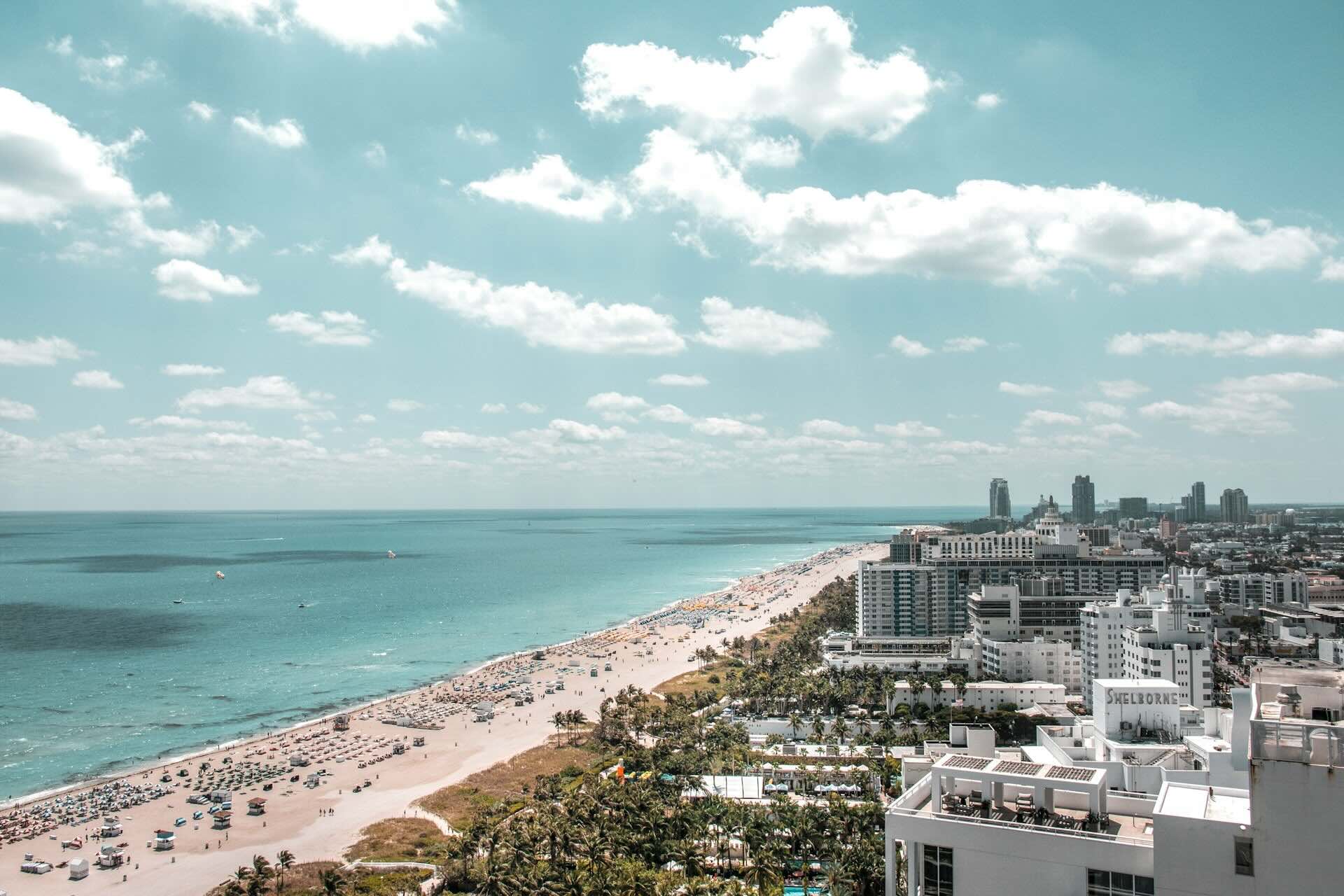
    Miami has long been a magnet for international travelers, but in recent years, it has consistently ranked as one of the top destination spots for Europeans. From luxury shopping to turquoise beaches, Miami offers an irresistible blend of culture, lifestyle, and investment potential that continues to attract visitors from across the Atlantic.

    Sunshine, Style, and Culture

    Europeans are drawn to Miami’s year-round sunshine and vibrant outdoor lifestyle. Beyond the beaches, Miami offers an unmatched cultural mix—Latin American influences, art districts like Wynwood, and world-class events such as Art Basel. It’s a city where cosmopolitan sophistication meets relaxed coastal living.

    Shopping and Dining Appeal

    Luxury shopping destinations such as the Design District and Bal Harbour Shops rank high on the list for European visitors. Add to that a dining scene filled with Michelin-starred chefs and globally inspired flavors, and Miami becomes more than a vacation—it’s an experience.

    Direct Flights and Accessibility

    Airlines have made Miami more accessible than ever, with direct flights from major European hubs like London, Paris, Madrid, and Frankfurt. This convenience makes Miami an easy long-weekend getaway or a winter retreat for those looking to escape colder climates.

    Investment Opportunities

    Many Europeans see Miami not only as a vacation destination but also as an investment opportunity. Condos with short-term rental potential and waterfront residences remain highly desirable, offering both lifestyle perks and financial upside. Miami’s reputation as a safe haven for international capital reinforces its status as a preferred destination.

    Resorts, Rentals, and Condo Hotels

    For extended stays, Europeans often prefer the comfort of condo hotels or short-term rentals. These options provide kitchens, living rooms, and privacy, while still giving access to resort-style amenities. Platforms like MakVacation.com make booking luxury rentals seamless, and TravelPal.ai helps visitors plan curated itineraries that maximize their time in Miami.

    A Gateway to the Americas

    Miami’s location also makes it a natural hub for travelers looking to connect to Latin America and the Caribbean. Many Europeans extend their stay or use Miami as a launch point for broader adventures, adding to its appeal as a versatile travel destination.

    What This Means for Miami Real Estate

    For Miami condo buyers and investors, European demand means stronger rental yields, a diverse pool of tenants, and continued international attention on Miami’s luxury market. Whether it’s a pied-à-terre for seasonal visits or a condo hotel investment, the influx of European visitors reinforces Miami’s global status.

  • Short Term vs. Long Term Rentals

    Short Term vs. Long Term Rentals

    For many Miami condo buyers, one of the biggest questions isn’t just which building to buy in—it’s how they’ll use their property. Should you rent it out short term, taking advantage of Miami’s booming tourism industry, or commit to long-term tenants for stability? The answer depends on your goals, lifestyle, and financial strategy.

    What Are Short-Term Rentals?

    Short-term rentals are typically booked for a few days to a few months. Platforms like Airbnb and VRBO have made them a staple in Miami, especially in vacation-friendly areas like South Beach, Brickell, and Edgewater.

    Pros:

    • Higher income potential, especially during peak seasons.
    • Flexibility to use the unit when you want.
    • Attracts a diverse pool of guests, from tourists to business travelers.

    Cons:

    • Subject to strict city and condo regulations.
    • Higher operating costs (cleaning, utilities, management).
    • Income can fluctuate based on seasonality.

    What Are Long-Term Rentals?

    Long-term rentals typically involve leases of 12 months or more. These tenants treat the condo as their home, making them appealing for investors who want stability.

    Pros:

    • Predictable, steady income.
    • Lower turnover and management costs.
    • Fewer regulatory hurdles compared to short-term rentals.

    Cons:

    • Lower rental income compared to short-term.
    • Less flexibility for personal use.
    • Market downturns may pressure rental rates.

    Which Rental Strategy Fits You Best?

    For Lifestyle Owners

    If you want to enjoy your Miami condo for part of the year but still generate income when you’re away, short-term rentals may be the better fit. Just be sure the building allows it, as many associations restrict nightly rentals.

    For Investors Seeking Stability

    If consistent returns are your priority, long-term rentals provide peace of mind. They’re easier to manage and less exposed to seasonality, making them attractive for conservative investors.

    The Hybrid Approach

    Some condo-hotel properties in Miami allow owners to enjoy the best of both worlds—personal use plus rental income through the hotel’s program. Guests get resort amenities and home-like comforts, while owners benefit from professional management.

    Try Before You Decide

    If you’re weighing short vs. long-term rentals, consider experiencing each firsthand. Book a luxury condo stay through MakVacation.com to get a feel for the short-term rental lifestyle, and use TravelPal.ai to plan your trip across different neighborhoods before investing.

    MAK Realty’s Guidance

    At MAK Realty, we help clients analyze building-specific rules, rental yields, and neighborhood demand so you can choose the strategy that aligns with your goals. Whether you’re looking for stable long-term income or maximum returns from Miami’s thriving short-term rental market, our team provides the expertise you need.

  • What You Need to Know About Short-Term Rentals

    What You Need to Know About Short-Term Rentals

    Short-term rentals have become one of the hottest topics in Miami real estate. Whether you’re a condo buyer looking for investment potential or a resident curious about your building’s rules, understanding the ins and outs of short-term rentals is essential. Here’s a comprehensive look at what you need to know.

    What Are Short-Term Rentals?

    Short-term rentals are properties—condos, apartments, or homes—leased for brief periods, typically under six months. Platforms like Airbnb and VRBO have made them mainstream, with Miami among the top cities in demand thanks to its tourism-driven economy and international appeal.

    Why Short-Term Rentals Are So Popular in Miami

    • Tourism Demand: Millions visit Miami each year, many seeking alternatives to traditional hotels.
    • Higher Income Potential: Compared to long-term tenants, short-term rentals can generate higher nightly rates.
    • Flexibility: Owners can enjoy their property part of the year and rent it out when not in use.

    The Legal Landscape

    Miami has complex short-term rental regulations that vary by city, neighborhood, and even by building. Some condo associations completely ban short-term rentals, while others embrace them with flexible policies. Common restrictions include:

    • Minimum stay requirements (often 30 days).
    • Registration or licensing requirements.
    • Local zoning laws that determine where short-term rentals are permitted.

    Before buying, always review the condo association documents and city ordinances.

    Costs and Considerations for Owners

    Short-term rentals can be lucrative, but they come with added responsibilities:

    • Management: Cleaning, check-in, and guest communication. Many owners hire property managers.
    • Operating Costs: Higher turnover means higher expenses, from utilities to maintenance.
    • Insurance: Not all policies cover short-term rental activity—special coverage may be required.

    Benefits for Buyers and Investors

    If you’re purchasing a condo in Miami with investment in mind, short-term rental-friendly buildings offer flexibility and income potential. They’re especially attractive for international buyers who want both a vacation home and a revenue-generating asset.

    Guest Experience: Why It Works

    Travelers choose short-term rentals for space, privacy, and local experiences. Features like kitchens, living rooms, and multiple bedrooms make them ideal for families or extended stays—something traditional hotels can’t always offer.

    Where to Test the Lifestyle

    If you’re considering a short-term rental investment, it’s smart to test the experience firsthand. Book a luxury vacation rental through MakVacation.com to see how it compares to a hotel stay. With TravelPal.ai, you can also plan your trip to explore neighborhoods where short-term rental opportunities thrive.

    MAK Realty’s Perspective

    At MAK Realty, we help clients identify which Miami buildings are friendly to short-term rentals, and which ones should be avoided if investment is your priority. Our team also provides guidance on rental yields, management options, and resale value so you can make a confident decision.

  • Florida #1 in U.S. for Economy

    Florida #1 in U.S. for Economy

    Florida has officially been ranked the number one state economy in the U.S., and the news is making waves across the business and real estate world. For Miami condo buyers, sellers, and investors, this recognition is more than a headline—it’s a clear signal of strength, growth, and long-term opportunity.

    Why Florida’s Economy is Leading the Nation

    Florida’s economic success is driven by multiple factors:

    • Population Growth: Thousands of new residents move to Florida every week, many from high-tax states like New York, Illinois, and California.
    • Business Climate: With no state income tax and pro-business policies, Florida continues to attract entrepreneurs, startups, and major corporations.
    • Tourism & International Appeal: Miami alone draws millions of visitors annually, fueling hospitality, retail, and short-term rental demand.
    • Diverse Industries: Beyond tourism, Florida is growing in technology, finance, healthcare, and logistics.

    What This Means for Miami Condo Buyers

    A strong state economy translates into confidence for buyers. More companies relocating to Florida means more professionals looking for housing, and Miami condos remain one of the most sought-after assets. For first-time buyers, this is a sign that investing in a Miami condo is not just a lifestyle decision but also a financial strategy.

    The Impact on Investors

    For investors, Florida’s #1 ranking reinforces Miami as a global safe haven for capital. Demand from both domestic and international buyers supports long-term appreciation. Short-term rental-friendly buildings in Miami Beach, Brickell, and Downtown continue to offer strong yields, but with inventory tightening, timing and building selection are critical.

    Sellers Benefit from Market Confidence

    Sellers can expect heightened interest and more competitive offers when economic news highlights Florida’s success. Pair that with Miami’s ongoing luxury demand, and sellers are in a favorable position—especially those with waterfront or turnkey properties.

    Try Before You Buy

    If you’re considering moving or investing in Miami, the best way to understand the city’s appeal is to spend time here. Book a luxury rental through MakVacation.com and enjoy a stay in Brickell or Miami Beach. Use TravelPal.ai to plan your itinerary, explore neighborhoods, and schedule condo tours while experiencing the lifestyle firsthand.

  • Co-Living vs. Short Term Rentals: What Miami Buyers Should Know

    Co-Living vs. Short Term Rentals: What Miami Buyers Should Know

    Miami’s real estate market is constantly evolving, shaped by lifestyle trends, investment strategies, and shifting demand. Two models gaining attention in recent years are co-living and short-term rentals. While both appeal to today’s mobile, experience-driven generation, they operate very differently—and for investors and condo buyers in Miami, understanding the distinction is key.

    What is Co-Living?

    Co-living is a modern housing arrangement where residents share common spaces like kitchens and living rooms while maintaining private bedrooms or suites. These spaces often come fully furnished, with utilities, Wi-Fi, and cleaning services included.

    In Miami, co-living appeals to young professionals, digital nomads, and newcomers who want a sense of community without the hassle of traditional leasing. The appeal is convenience and connection, especially in neighborhoods like Brickell, Wynwood, and Edgewater.

    What are Short-Term Rentals?

    Short-term rentals, on the other hand, are private residences—condos, apartments, or houses—leased for days or weeks at a time. Platforms like Airbnb and VRBO have made this model mainstream, and in Miami, they’re especially popular with vacationers who prefer a more personalized experience than hotels.

    Owners benefit from premium nightly rates, especially in high-demand areas like South Beach or Downtown Miami. However, they must also navigate city regulations, condo association rules, and seasonal fluctuations.

    Pros and Cons of Co-Living

    Pros:

    • Predictable monthly income for investors
    • High demand among younger renters
    • Built-in sense of community
    • Professional management often handles logistics

    Cons:

    • Lower nightly revenue compared to short-term rentals
    • Requires properties designed for shared living
    • Less appeal to tourists and high-end renters

    Pros and Cons of Short-Term Rentals

    Pros:

    • Higher earning potential during peak seasons
    • Flexible owner use—stay when you want, rent when you don’t
    • Appeals to vacationers, families, and international visitors

    Cons:

    • Heavily regulated in Miami—many condo buildings restrict or ban short-term rentals
    • Higher management and cleaning costs
    • Income can be inconsistent due to seasonality

    Which is Better for Miami Investors?

    The choice depends on your goals. Co-living can provide steady returns and long-term occupancy, while short-term rentals can generate higher income but require more oversight and compliance.

    For buyers who want to experience the short-term rental lifestyle before investing, MakVacation.com offers luxury vacation rentals across Miami Beach and Brickell. Planning your trip with TravelPal.ai can help you explore neighborhoods while enjoying the flexibility of a rental stay.

    MAK Realty’s Perspective

    At MAK Realty, we guide our clients through Miami’s unique condo landscape, including buildings that allow—or prohibit—short-term rentals. We also advise investors looking into co-living opportunities in emerging neighborhoods. Whether your priority is consistent rental income or maximizing returns, our expertise helps you make a confident decision.

  • 10 Common Mistakes First-Time Condo Buyers Make in Miami

    10 Common Mistakes First-Time Condo Buyers Make in Miami

    Buying your first condo in Miami can be an exciting step toward owning a piece of one of the world’s most dynamic real estate markets. The lifestyle, sunshine, and investment potential are unmatched. Yet, first-time buyers often make avoidable mistakes that can lead to regret later. Here are the most common missteps and how you can avoid them.

    Not Understanding Condo Fees

    Condo living comes with monthly fees that cover amenities, maintenance, and building reserves. Many buyers focus solely on purchase price and overlook these costs, which can significantly impact affordability. Always ask for a full breakdown of association fees before committing.

    Skipping a Condo Association Review

    Each condo association operates differently, with its own financial health, rules, and restrictions. Failing to review meeting minutes, budgets, and bylaws can lead to unwelcome surprises. For instance, some buildings restrict rentals, pets, or renovations.

    Underestimating Insurance Needs

    Unlike a single-family home, condo insurance responsibilities are split between the owner and the association. Misunderstanding what’s covered under the building’s master policy can leave you exposed. Clarify your responsibilities before closing.

    Overlooking Building Reserves and Repairs

    A building with low reserves may issue special assessments for major repairs, costing owners thousands unexpectedly. Always review reserve studies and pending projects to avoid financial shocks.

    Focusing Only on Amenities

    Rooftop pools and gyms are attractive, but don’t let flashy amenities distract you from what matters: location, long-term value, and building management quality.

    Not Considering Resale Value

    Your first condo may not be your forever home. Pay attention to features that impact resale value, such as waterfront views, walkability, and neighborhood growth.

    Choosing the Wrong Neighborhood

    Miami is a city of distinct communities—Brickell, South Beach, Edgewater, Coconut Grove, and more. Each offers a different lifestyle. Taking time to explore neighborhoods before buying ensures your condo aligns with your lifestyle. Renting for a short stay through MakVacation.com is a smart way to experience the area firsthand.

    Ignoring Travel Logistics

    Whether for commuting, school districts, or airport proximity, location logistics matter. If you’re planning a condo-hunting trip, tools like TravelPal.ai can help you design an itinerary that balances tours with exploring the city’s culture.

    Rushing the Financing Process

    Miami’s luxury condo market moves quickly, but rushing into financing can leave you with higher rates or unfavorable terms. Get pre-approved and work with a local lender familiar with condo requirements.

    Not Working with a Local Expert

    The Miami condo market is unique, with nuances in preconstruction, waterfront regulations, and association rules. Partnering with a trusted real estate team like MAK Realty ensures you have expert guidance from contract to closing.