Tag: Miami condo investing

  • Why Brickell Remains a Core Market for Real Estate Investors

    Why Brickell Remains a Core Market for Real Estate Investors

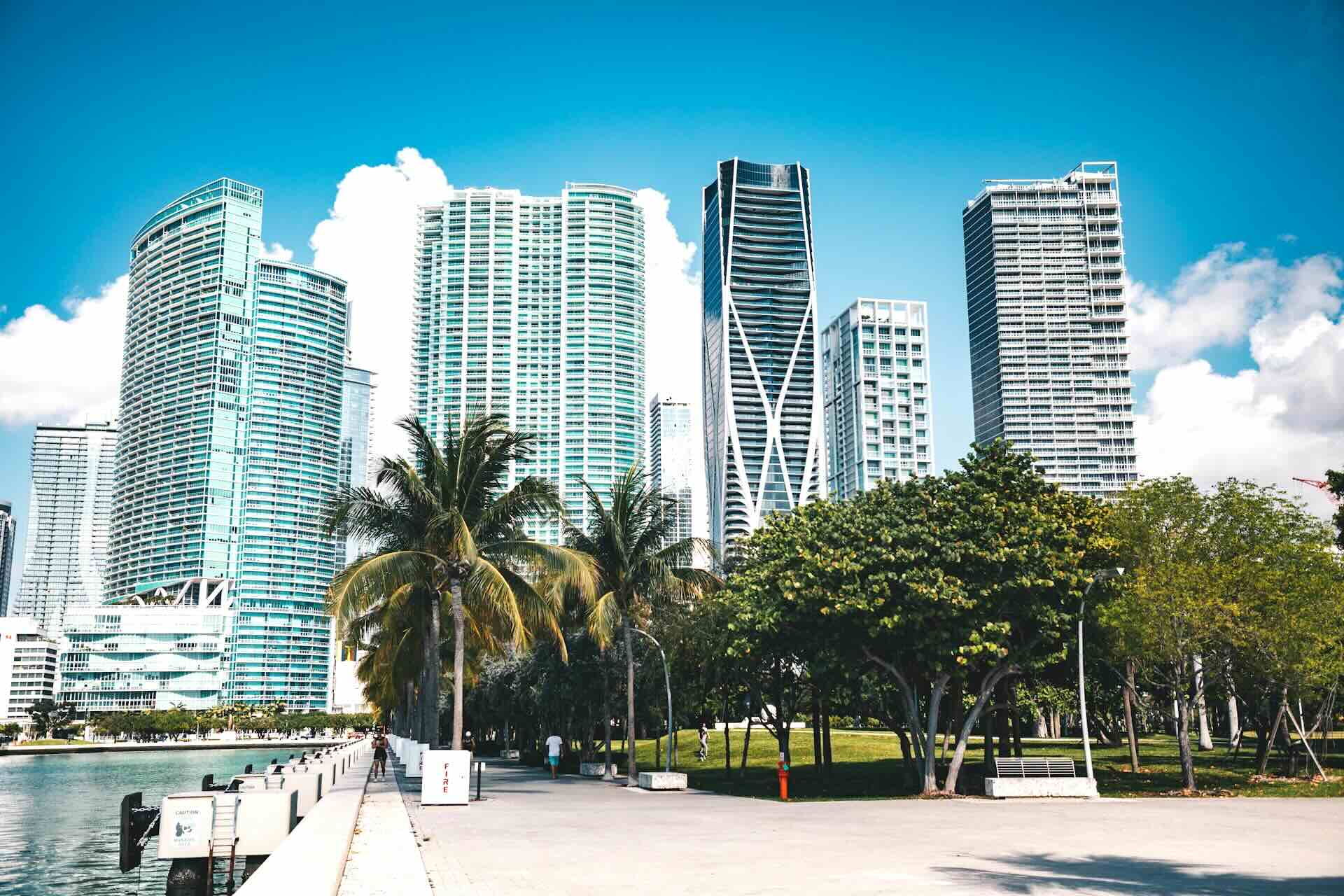
    Brickell remains a core market for long term real estate investors because it combines location strength, year round demand, global visibility, and a lifestyle profile that continues attracting both renters and buyers. In Miami, very few neighborhoods offer the same blend of urban convenience, luxury inventory, business access, and long term relevance. That combination matters because strong investment markets usually succeed by serving more than one type of demand at the same time.

    At MAK Realty, we see Brickell as one of the clearest examples of a neighborhood that can hold long term investor interest even as the broader market shifts. It is not only a place where people want to live today. It is also a place that future renters, second home buyers, and full time owners are likely to keep valuing. That kind of repeat demand is what gives a neighborhood real staying power.

    Brickell Has a Clear Identity

    One reason Brickell remains so important is that the neighborhood has a clear and durable identity. It is Miami’s most established urban luxury district, and buyers understand what it offers immediately. High rise living, walkability, strong dining, office access, and a polished city atmosphere all work together to create a recognizable lifestyle.

    That clarity matters for investors because it supports future marketability. A property is easier to rent or resell when the neighborhood story is easy to understand. Brickell does not need much explanation. It already has a strong position in the Miami market, and that helps support long term investor confidence.

    The Neighborhood Supports Real Daily Use

    Brickell works because people can actually build daily life there. Residents can live near offices, restaurants, cafes, wellness studios, grocery stores, and major transportation routes. That practical convenience helps the neighborhood attract professionals, relocators, and buyers who want more than just a beautiful view.

    This matters because long term investment strength often depends on how well a neighborhood functions in real life. Areas that feel useful tend to hold demand more consistently than areas that rely only on novelty. Brickell offers a lifestyle that feels both aspirational and practical, which is one reason it continues to stand out.

    Rental Demand Tends to Stay Broad

    Brickell attracts a wide range of renters, and that broadens the investment case. The area appeals to professionals, executives, corporate relocations, international residents, and buyers who want to test Miami before committing long term. That creates a deeper rental pool than some more narrowly defined neighborhoods.

    A strong investor market usually benefits when demand does not depend on one small group. Brickell’s renter base tends to be diverse enough to support continued interest even as economic conditions shift. That does not eliminate risk, however it does create a stronger base than neighborhoods with a much narrower audience.

    Brickell Connects to Wealth Migration

    Brickell also benefits from the larger wealth migration story that has strengthened Miami over the past several years. Buyers and renters coming from New York, California, Illinois, Texas, and abroad often want a neighborhood that feels sophisticated, connected, and easy to understand. Brickell meets that need well.

    For many of these buyers, Brickell feels like the most natural entry point into Miami. It offers city energy, luxury towers, branded residences, and a modern ownership model that often feels familiar to people relocating from other major urban markets. That positioning helps keep the neighborhood relevant to long term investors.

    New Development Keeps the Market Current

    Another reason Brickell remains a core market is that new development continues to raise the standard and keep the neighborhood current. New towers, branded residences, modern amenities, and updated design expectations all help Brickell maintain a sense of momentum. Investors benefit when a market continues evolving instead of becoming stale.

    This does not mean every new building is automatically a strong investment. It means the neighborhood continues refreshing itself in a way that supports long term relevance. In real estate, that matters because buyers and renters often compare current product against what else the market offers. Brickell stays competitive because it keeps giving them reasons to choose it.

    Walkability Supports Long Term Appeal

    Walkability is one of Brickell’s strongest long term advantages. In Miami, truly walkable neighborhoods with strong luxury infrastructure remain limited. Brickell stands out because residents can handle much of daily life without relying entirely on a car. That includes work, dining, fitness, shopping, and social activity.

    For long term investors, this matters because walkability often supports both rental demand and resale value. Buyers and renters increasingly value convenience, and neighborhoods that deliver it tend to remain more resilient over time. Brickell’s walkable core gives it an advantage that is difficult for many other South Florida neighborhoods to match.

    Brickell Appeals to More Than One Buyer Type

    Brickell works well for long term investors because it attracts more than one kind of end user. Some buyers want a primary residence. Some want a second home. Some want a rental investment. Others want a part time city base with long term upside. This diversity strengthens the neighborhood because demand is not tied to only one ownership model.

    That broader appeal is important. A neighborhood that can attract both residents and investors usually has more stability than one that depends on a narrower audience. Brickell benefits from being flexible enough to serve multiple goals while still maintaining a strong luxury identity.

    The Best Buildings Can Hold Value Well

    Not every Brickell property performs the same way, but the strongest buildings often hold attention because they combine location, service, amenities, and modern livability in a way future buyers can understand easily. In a neighborhood with strong name recognition, better buildings often separate themselves clearly.

    This is why asset selection still matters. Brickell as a neighborhood is strong, but investors still need to focus on building quality, HOA structure, reserve health, rental rules, and long term desirability. The market can support a strong investment thesis, however the individual asset still has to earn it.

    Brickell Fits the Modern Luxury Investor

    Today’s long term investor often wants more than simple appreciation. They want a property in a neighborhood that has status, utility, and flexibility. Brickell fits that profile well. It offers visible luxury, strong renter appeal, and a location that feels central to Miami’s urban identity.

    That is one reason Brickell remains so durable. It speaks not only to investors looking for numbers, but also to buyers looking for confidence. The neighborhood feels active, relevant, and globally legible. In a luxury market, those qualities help support long term value.

    Why Brickell Still Matters

    Brickell remains a core market for long term real estate investors because it combines many of the elements that usually support durable demand. It has a strong identity, a walkable lifestyle, broad renter appeal, continued development, and a clear place within Miami’s larger growth story. Few neighborhoods in South Florida bring all of those factors together as effectively.

    At MAK Realty, we help clients evaluate Brickell with a long term lens. We look at the building, the location within the neighborhood, the likely renter or future buyer, and the overall ownership structure. Brickell can be a very strong market, but the best outcomes usually come from choosing the right property within it, not just buying the neighborhood name alone.

    For a tailored shortlist and next step guidance, connect with MAK Realty.

  • Explaining Condo Association Fees: 4 Things to Know

    Explaining Condo Association Fees: 4 Things to Know

    Why Condo Association Fees (HOA) Matter More Than Buyers Expect

    Condo association fees play a major role in ownership costs, long term value, and rental performance. In markets like Miami and South Florida, these fees vary widely based on building age, staffing level, amenities, and services. Many buyers focus heavily on purchase price while underestimating how association fees impact monthly cash flow and resale appeal. Understanding how fees differ between older buildings and newer full service towers helps buyers make smarter decisions and avoid surprises after closing.

    Working with MakRealty gives buyers clarity on how association structures affect lifestyle, investment returns, and long term ownership costs. The goal is not to avoid higher fees but to understand what those fees actually provide.

    What Condo Association Fees Typically Cover

    Core Operating Expenses

    Most associations collect fees to cover shared operating costs. These often include building insurance, exterior maintenance, landscaping, common area utilities, security systems, and reserve funding. In coastal markets, insurance and reserve requirements are especially important due to weather exposure and long term maintenance needs.

    Services and Amenities

    Fees also fund amenities such as pools, gyms, valet, concierge, front desk staff, and shared lounges. The more services a building offers, the higher the association fee usually becomes. Buyers must evaluate whether these services align with their lifestyle or rental strategy.

    Older Buildings Versus Newer Buildings

    Older Buildings Often Have Lower Monthly Fees

    Many older condo buildings appear attractive because they offer lower association fees. These buildings typically have fewer amenities and minimal staffing. Owners may share basic maintenance responsibilities or rely on third party vendors as needed. While this structure reduces monthly costs, it can increase surprise expenses through special assessments when major repairs arise.

    Deferred Maintenance Risk in Older Buildings

    Older properties often require updates to roofs, plumbing, electrical systems, elevators, and concrete structures. When reserves fall short, associations may issue special assessments that significantly increase ownership costs. Buyers should review financial statements carefully and understand upcoming capital projects before purchasing.

    Newer Buildings Offer Predictable Services

    Newer buildings typically feature higher association fees but include comprehensive services. These often include full time staff, concierge desks, valet services, security, fitness centers, pools, spas, co working spaces, and modern building systems. These services provide convenience and predictability for owners who value a turnkey experience.

    Full Service Staffing Raises Costs but Adds Value

    Buildings with front desk staff, security teams, maintenance crews, and on site management require larger budgets. While this raises monthly fees, it often improves building appearance, resident satisfaction, and rental appeal. In many cases, these services help protect long term property value.

    Staffing Levels Drive Major Fee Differences

    Minimal Staff Buildings

    Some buildings operate with part time staff or outsourced services. These properties appeal to cost conscious buyers who prioritize lower monthly fees. They often suit full time residents who manage their own needs and accept fewer amenities.

    Full Service Luxury Towers

    High end towers operate more like hotels. Staff may include concierges, porters, valet attendants, maintenance teams, and management offices. These buildings attract buyers seeking convenience and rental flexibility. Guests searching on MakVacation.com often gravitate toward buildings with strong service reputations because the experience feels seamless. Many travelers prefer a luxury vacation rental in a building that delivers hotel level service.

    How Fees Affect Investment Performance

    Rental Demand Favors Well Serviced Buildings

    Short term and furnished renters consistently choose buildings with amenities, security, and professional management. Travelers plan stays using TravelPal.ai and often select properties located in buildings with strong service infrastructure. Higher fees may reduce net income slightly but often support higher occupancy and nightly rates.

    Older Buildings Can Work for Long Term Rentals

    Older buildings with lower fees can perform well for long term rentals if maintenance is stable and assessments are controlled. Investors must balance lower monthly costs with the risk of unexpected repairs that affect returns.

    Fees and Resale Value

    Buyers Pay for Predictability

    Buildings with transparent budgets, strong reserves, and consistent services often command stronger resale values. Buyers feel confident when they understand what their fees include and trust the association’s management.

    Fee Increases Matter More Than Fee Amounts

    A stable fee history often matters more than the actual dollar amount. Buyers worry less about higher fees when increases remain reasonable and justified by services and maintenance.

    What Buyers Should Review Before Purchasing

    Financial Statements and Reserves

    Buyers should always review the association’s budget, reserve studies, and recent assessments. These documents reveal how well the building prepares for future repairs.

    Upcoming Capital Projects

    Planned upgrades can increase fees or trigger assessments. Knowing what work is coming helps buyers avoid financial surprises.

    Rental Rules and Restrictions

    Some buildings limit rental frequency or length. Investors must confirm rules align with their strategy before buying.

    How MakRealty Helps Buyers Evaluate HOA Fees

    MakRealty helps buyers interpret association budgets, staffing structures, and long term maintenance plans. The team explains how fees affect lifestyle, rental income, and resale value. Buyers gain insight into which buildings justify higher fees and which low fee properties may carry hidden risks. This guidance helps clients choose buildings that align with their financial goals and ownership expectations.

    Experience Building Differences Before Buying

    One of the best ways to understand how association fees translate into real value is to experience different buildings firsthand. Staying in a luxury vacation rental booked through MakVacation allows buyers to observe staffing levels, service quality, and building operations. Using TravelPal.ai to explore neighborhoods helps buyers compare buildings and understand how amenities and services influence daily living and rental demand.

  • Why Investing in Miami Will Be Better in 2026

    Why Investing in Miami Will Be Better in 2026

    Miami Approaches a Stronger Investment Cycle

    Miami has seen significant growth over the past several years, yet 2026 is shaping up to be an even stronger year for investors. Price growth is stabilizing, inventory is expanding, interest rates may ease, and new development is reaching maturity at the same time. These factors align to create a rare window where buyers gain more leverage while still entering a market supported by powerful long term fundamentals.

    Investors who work with MakRealty gain a clear advantage because they receive accurate guidance on pricing trends, neighborhood performance, and project selection as Miami enters a more balanced cycle.

    Inventory Growth Creates Better Entry Points

    New Deliveries Expand Choices Across Neighborhoods

    Miami launched many pre construction projects between 2021 and 2023. Many of them deliver in 2025 and 2026. This increase in new inventory gives investors more options and reduces competition among buyers. Investors can compare locations, floor plans, and amenity packages rather than competing for limited listings.

    Sellers Become More Flexible as Supply Rises

    Resale listings remain on the market longer which gives buyers stronger negotiating leverage. Sellers adjust pricing to meet real demand which creates better acquisition opportunities. Compared to 2025, where certain neighborhoods still felt tight, 2026 presents more rational buying conditions.

    Rates and Financing Trends Favor Investors

    Potential Rate Improvements Increase Buying Power

    Economists expect more stable and possibly more attractive rate conditions in 2026. Even a modest improvement increases buying power and expands cash flow for rental properties. Investors who felt squeezed by 2025 lending conditions may find 2026 more accessible.

    DSCR and Portfolio Loans Stay Strong

    Income focused investors continue using DSCR loans to qualify based on property performance. Portfolio loans also help buyers with multiple assets or non traditional income structures. These flexible loan tools make 2026 appealing for both new and experienced investors.

    Miami’s Long Term Strength Remains Unmatched

    Global Demand Protects Value

    Miami’s international appeal sets it apart from other U.S. cities. Buyers from Europe, South America, Canada, and the Caribbean consistently support both rental and resale markets. When domestic markets cool, Miami often benefits from global activity that balances conditions.

    Waterfront Scarcity Drives Appreciation

    Miami’s coastline offers some of the most sought after property in the country. Limited waterfront inventory supports long term appreciation even when cycles shift. Investors entering in 2026 do so at a moment when pricing conditions favor buyers but fundamentals still support future value.

    Rental Demand Strengthens the Investment Case

    Year Round Tourism Supports Occupancy

    Miami provides stable rental demand due to conventions, winter tourism, global travel, festivals, and cruise passengers. Travelers searching on MakVacation.com often choose updated units in walkable neighborhoods with ocean proximity. Many select a luxury vacation rental which shows the revenue potential for high quality units.

    Travel Behavior Highlights Strong Investment Zones

    Travelers planning itineraries on TravelPal.ai often choose Brickell, Downtown, Edgewater, and Miami Beach. These neighborhoods show consistent occupancy and premium nightly rates which support strong returns for investors entering the market in 2026.

    Pre Construction Becomes More Attractive in 2026

    Better Negotiation Terms Expected

    As developers compete for buyers, pre construction projects may offer more favorable deposit plans or incentives. Investors who felt priced out during the peak years gain renewed opportunity.

    Delayed Financing Creates Planning Flexibility

    Pre construction requires staged deposits and no mortgage until completion. This structure helps investors manage cash flow while securing future inventory at today’s pricing.

    Neighborhoods Poised for Strong Performance

    Brickell Strengthens Through Business Growth

    Brickell continues to expand with new corporate relocations, elevated restaurants, and luxury residential towers. Rental demand stays strong due to the business sector which supports steady investor returns.

    Edgewater Sees Major Upside From Waterfront Projects

    Edgewater delivers several new luxury developments in 2025 and 2026. Water views, central access, and rising retail activity support appreciation and strong rental demand.

    Downtown Gains Momentum From Transit and Development

    Downtown’s transformation accelerates with mixed use projects, waterfront improvements, and transit upgrades. Investors who buy early in this cycle may benefit from rising walkability and lifestyle appeal.

    Why 2026 Outperforms 2025 for Investors

    More Negotiation Opportunities

    In 2025, certain pockets remained competitive with limited choice. In 2026, expanded inventory and longer days on market create more leverage for buyers.

    More Predictable Appreciation Path

    Stabilized pricing makes 2026 a smarter year to enter because it reduces the risk of buying at peak conditions.

    Stronger Alignment Between Price and Value

    With more transparency and measured demand, investors can identify true value rather than chasing high pressure listings.

    How MakRealty Helps Investors Capture 2026 Opportunities

    Working with MakRealty gives investors a structured and informed process when entering a shifting market. Their team evaluates development pipelines, rental projections, pricing history, and neighborhood trends to position buyers for long term success. They help identify undervalued units, rental friendly buildings, and early stage opportunities within emerging projects.

    Experience Miami Before Investing

    Experience the city by staying in a luxury vacation rental booked through MakVacation.com. Then use TravelPal.ai to build an itinerary and explore neighborhoods with strong investment potential. Experiencing Miami in person helps investors confirm the lifestyle, rental demand, and market strength that make 2026 an ideal entry year.

  • Why Texas Investors Use Miami Real Estate as a Buffer

    Why Texas Investors Use Miami Real Estate as a Buffer

    Why Texas Buyers Look Toward Miami

    Texas continues to attract new residents and businesses, yet its real estate market experiences fluctuations tied to energy cycles, insurance costs, and shifting demand patterns across major cities. These changes have encouraged more Texas based investors to look beyond state borders. Miami stands out as a strategic secondary market that offers diversification, stronger year round rental demand, and stable long term value.

    Many Texas investors now purchase Miami condos, waterfront homes, and pre construction units as a financial buffer. This approach helps them balance exposure across regions while accessing a market supported by tourism, international migration, and global capital flows. Buyers seeking structure and clarity often work with MakRealty to identify the neighborhoods and asset types that offer the most consistent returns.

    Miami’s Consistent Demand Creates Stability

    Tourism Drives Reliable Occupancy

    Miami benefits from strong tourism in every season. Domestic travelers, international visitors, business guests, and long term vacationers keep the market active. When Texas rental demand softens due to local market cycles, Miami properties often remain stable because of broad global appeal.

    Travelers booking through MakVacation.com look for water views, walkability, and proximity to attractions. Many prefer a luxury vacation rental which supports premium nightly rates and high occupancy.

    International Traffic Smooths Seasonal Swings

    Texas markets rely mostly on domestic demand. Miami benefits from steady interest from Canada, Europe, South America, and the Caribbean. This global reach helps reduce volatility that often affects regional markets.

    Miami Offers a Hedge Against Insurance and Weather Variability

    Different Risk Profiles Between States

    Texas faces rising insurance premiums due to storms, hail, and expanding wildfire zones. Miami has its own weather considerations, but the insurance structure differs and often offers more predictable underwriting for condos and urban buildings.

    Condos Reduce Maintenance Burden

    Many Texas investors choose Miami condos to avoid the maintenance responsibilities tied to single family homes. Condo ownership in Miami shifts exterior maintenance and major repairs to associations, which simplifies long distance management.

    Rental Flexibility Creates a Strong Buffer

    Miami Attracts Year Round Travelers

    Miami offers stable rental environments because of events, conventions, cruise tourism, and international travel. Even during slower seasons, occupancy remains strong due to Miami’s global identity.

    Corporate Travel Boosts Demand

    Business travel ties to finance, healthcare, and international commerce bring ongoing rental activity. Brickell, Downtown, and Edgewater benefit heavily from this segment.

    Investors who want steady rental absorption often compare Miami’s demand structure to Texas cities where rental cycles can shift quickly based on employment changes.

    Miami Pre Construction Allows Strategic Timing

    Delayed Financing Works as a Financial Buffer

    Pre construction projects in Miami appeal to Texas buyers who want structured deposit plans. These programs allow investors to enter the market with phased payments and no mortgage until completion. This timing aligns well for investors who want to hold liquidity in Texas while securing future assets in Miami.

    Appreciation During Construction

    Many Miami projects appreciate during the construction cycle. Investors use this organic value growth as a hedge against slower appreciation periods in their home state.

    Miami Builds Long Term Wealth Through Scarcity

    Limited Waterfront Supply

    Miami’s coastline provides some of the most valuable real estate in the country. Waterfront scarcity supports long term appreciation and protects owners from large value swings. Texas has strong growth markets, but it lacks Miami’s global waterfront draw.

    Global Buyer Base Strengthens Resale Value

    Buyers from around the world compete for Miami property which increases resilience during national market shifts. When local Texas markets cool, Miami often continues to attract foreign capital, creating a stable secondary foundation for investors.

    Miami Offers Portfolio Diversification

    Different Economic Drivers Than Texas

    Texas depends heavily on energy, logistics, and corporate relocations. Miami depends on tourism, finance, tech, trade, and international buyers. These sectors respond differently to economic cycles. Diversifying across both states reduces risk for investors holding portfolios in Dallas, Austin, Houston, and San Antonio.

    Balancing Exposure Between Domestic and Global Markets

    Texas offers strong domestic growth. Miami adds global strength. Combined, these markets help investors avoid dependence on a single regional cycle.

    Why Texas Investors Rely on MakRealty

    Texas buyers navigating Miami’s market need accurate guidance on rental rules, appreciation trends, building regulations, and neighborhood performance. MakRealty evaluates each property through income projections, long term value modeling, and regulatory review. Their insight helps out of state investors avoid common mistakes and identify the areas of Miami that behave as the strongest financial buffers.

    Experience Miami Before Making a Move

    Explore Miami firsthand by staying in a luxury vacation rental booked through MakVacation.com. Use TravelPal.ai to plan your itinerary, explore investment neighborhoods, and understand how visitors interact with the city. Seeing Miami in person helps Texas investors confirm how their purchase can function as an effective real estate buffer.

  • MAK’s Guide for Out of State Investors Entering Miami

    MAK’s Guide for Out of State Investors Entering Miami

    Why More Out of State Buyers Are Targeting Miami

    Miami attracts investors from across the country because it blends strong rental demand, international appeal, tax advantages, and long term appreciation potential. Buyers from New York, California, Texas, the Midwest, and other regions continue to enter the market in search of income producing condos, waterfront properties, and pre construction opportunities that offer clear upside in a growing city.

    For out of state investors, navigating Miami’s fast moving market requires precise guidance. Working with MakRealty gives buyers expert support with neighborhood selection, building regulations, financial strategy, and long term value analysis. Their team understands what distant buyers need, how they evaluate risk, and how to position them for success in a competitive environment.

    Understanding Miami’s Unique Investment Landscape

    Miami Operates as a Global Destination

    Miami functions differently from most American cities. It attracts tourists, seasonal residents, business travelers, remote workers, and international visitors all year. This creates a rental market with both seasonal and annual demand which appeals to investors searching for stable income.

    Inventory Varies Widely by Neighborhood

    Brickell, Downtown, Edgewater, Wynwood, Miami Beach, Coconut Grove, and the Miami River each offer different rental rules, building styles, and entry pricing. Out of state buyers often overestimate or misunderstand these differences which makes expert guidance essential.

    Building Rules Can Shape Investment Strategy

    Not all Miami buildings allow short term rentals. Some require monthly minimums or longer stays. Pre construction projects may offer flexible rental policies, but resale buildings may not. Investors must know these details before making offers.

    Step One: Define the Investment Goal Clearly

    Choose Income, Appreciation, or Personal Use

    Out of state buyers often want properties that offer a mix of rental potential and long term value. Some want personal vacation use during certain months. Others want pure rental performance. Defining the goal early shapes every decision.

    Consider Short Term or Long Term Rentals

    Buyers targeting short term rentals need buildings that allow them. Long term investors may prefer stable annual tenants. Each model offers different returns and regulations.

    Step Two: Pick the Right Neighborhood for Performance

    Brickell for Corporate and Business Travel

    Brickell attracts professionals, financial workers, and remote employees. High occupancy rates make it ideal for steady rental income.

    Edgewater for Waterfront Appreciation

    Edgewater continues to rise due to new luxury towers and strong long term demand. Travelers booking through MakVacation.com often search for water views and modern buildings in this area.

    Many visitors prefer a luxury vacation rental when evaluating neighborhoods which gives investors insight into what renters value most.

    Downtown for Lifestyle and Event Travel

    Downtown attracts tourists, cruise passengers, and entertainment travelers. Its walkability supports short term rental performance.

    Wynwood and the Arts District

    These areas appeal to younger travelers and offer strong long term appreciation potential as development continues.

    Miami Beach for Premium Tourist Demand

    Beach access, nightlife, and international tourism keep rental demand high. Investors should verify building rules carefully.

    Travelers use TravelPal.ai to plan stays in these same zones which helps investors identify high demand pockets before buying.

    Step Three: Evaluate Pre Construction vs Resale

    Pre Construction Advantages

    Flexible deposit schedules, modern amenities, and long term appreciation potential attract out of state investors. Buyers do not need to manage rentals until completion which reduces early involvement.

    Resale Benefits

    Investors can start generating income immediately. Resale properties also offer a clear picture of actual rent, HOA fees, and building performance.

    MakRealty helps investors compare both paths and choose the one that aligns with their strategy.

    Step Four: Understand Miami Lending for Investors

    DSCR Loans for Income Focused Buyers

    Debt service coverage ratio loans evaluate property cash flow rather than personal income. Many out of state buyers use DSCR financing because it simplifies qualification.

    Portfolio Loans for Complex Deals

    Portfolio lenders offer flexibility for investors with multiple properties, foreign income, or unique ownership structures.

    Traditional Mortgages Still Apply

    Primary residence or second home buyers may qualify for conventional financing with lower rates.

    MakRealty works with lenders who specialize in Miami investment properties and guides clients through the process.

    Step Five: Run a Full Rental Income Analysis

    Analyze Occupancy and Seasonal Demand

    Miami shows higher occupancy during winter and spring. Summer and fall remain active due to international tourism and corporate travel.

    Compare Nightly Rates and Annual Returns

    Investors should benchmark similar properties to estimate income accurately. MakRealty provides projected returns that reflect real market data rather than general estimates.

    Estimate Operating Costs

    Cleaning, maintenance, HOA fees, taxes, and management influence net returns. Understanding these numbers early prevents surprises.

    Step Six: Decide on Management Strategy

    Self Management

    Tech savvy investors may manage remotely using digital tools, cleaning teams, and automated guest systems.

    Professional Management

    Many out of state buyers prefer full service management for convenience. This option reduces hands on involvement and produces consistent guest experiences.

    MakRealty helps investors connect with vetted management partners across Miami.

    Step Seven: Use MakRealty for On the Ground Support

    Working with MakRealty gives out of state investors a complete support structure. The team tours properties on your behalf, films walkthroughs, evaluates building rules, reviews financials, and confirms rental eligibility before you move forward. This reduces uncertainty and speeds up decision making. Their guidance ensures buyers avoid common mistakes such as purchasing in non rentable buildings or overpaying for appreciation that has already peaked.

    Experience Miami Before Investing

    Explore Miami’s neighborhoods in person by staying in a luxury vacation rental through MakVacation.com. Use TravelPal.ai to build an itinerary, tour investment zones, and understand what renters look for when choosing a Miami stay. Experiencing the city firsthand offers valuable perspective for buyers entering the market from out of state.

  • Miami Condo Trends for 2026: Key Insights for Buyers and Sellers

    Miami Condo Trends for 2026: Key Insights for Buyers and Sellers

    Miami Entering a More Balanced Condo Market

    Miami’s condo market has experienced significant change in recent years. Rising prices, rapid migration, and limited inventory created a strong seller environment that favored fast decision making and premium valuations. As the city moves into 2026, however, new data suggests the market is shifting toward a more balanced structure. Buyers are gaining leverage while sellers face increased competition.

    Inventory is rising, price growth is stabilizing, and new development deliveries across Brickell, Edgewater, Downtown, and Miami Beach are reshaping supply dynamics. These conditions create opportunities for both sides of the market, especially when guided by expert advisors such as MakRealty who understand how to navigate Miami’s evolving cycles.

    Rising Inventory Creates More Choice for Buyers

    New Development Supply Expands

    A wave of pre construction projects launched in 2021 through 2023 is now reaching completion. These new units increase condo supply throughout the city which helps reduce the intense competition buyers experienced in recent years. More options give buyers the ability to compare buildings, amenities, and price points rather than rushing to compete for a limited number of listings.

    Longer Days on Market Shift Negotiating Power

    Resale listings now remain on the market longer, creating more favorable terms for buyers. Sellers who previously held firm on pricing are becoming more flexible as competition grows. Buyers benefit from stronger negotiating leverage and more time to evaluate properties without the urgency of a fast moving seller market.

    Price Growth Stabilizing Across Key Neighborhoods

    Slower Appreciation Benefits Long Term Buyers

    Following years of accelerated appreciation, Miami’s condo prices are stabilizing. This shift provides clarity for buyers who want predictable valuations and reduces the risk of overpaying at the peak of a cycle. Stabilization also supports healthier long term investment planning.

    Sellers Adjusting Expectations

    Sellers are beginning to price condos in alignment with actual market conditions rather than relying on the rapid growth seen in recent years. This improves transparency and leads to more successful transactions without inflated premiums.

    Interest Rate Trends Support Market Activity

    Potential Rate Easing Boosts Purchasing Power

    Projections for 2026 suggest potential relief in interest rates. Even modest reductions can meaningfully expand affordability for buyers and open new opportunities in premium buildings. Lower rates also help sellers by improving the pool of qualified buyers.

    Investor Friendly Loan Options Grow

    Alternative loan products, including DSCR and portfolio financing, remain available for investors who plan to generate income through rentals. These financing structures often rely on property performance rather than personal income, making condo acquisitions more accessible even when traditional rates fluctuate.

    New Luxury Developments Elevate Market Standards

    Branded Residences Dominate Demand

    Miami continues to attract global attention with branded projects offering elevated service, wellness programs, and architect driven designs. These developments raise expectations and reshape the luxury condo landscape. Buyers benefit from enhanced amenities and stronger long term value.

    Pre Construction Opportunities Appeal to Strategic Buyers

    Pre construction condos offer phased payment schedules, modern layouts, and strong appreciation potential. Buyers who commit early secure premium units without immediate financing. Developers in a more balanced market may also offer incentives or flexible terms.

    Shifting Migration Patterns Influence Demand

    Slower but Sustained Domestic Migration

    Miami still attracts new residents from major U.S. cities, but at a more sustainable pace than the surge seen during remote work expansions. This balanced migration keeps demand strong without overheating the market.

    Return of International Buyers

    International buyers are steadily returning after years of restricted travel. Their consistent yet moderate activity supports both sales and long term appreciation without creating intense spikes in competition.

    Rental Market Strength Reinforces Investment Value

    Year Round Demand Supports Income Potential

    Miami’s tourism and corporate travel pipelines remain robust. Travelers searching MakVacation.com often prioritize buildings with resort style amenities, walkability, and water views. Many guests select a luxury vacation rental which reflects strong demand for premium units.

    Travel Planning Highlights Strong Neighborhoods

    Travelers using TravelPal.ai often choose Brickell, Miami Beach, and Downtown. These patterns help investors identify condos with strong seasonal occupancy and long term rental appeal.

    What Buyers Should Expect in 2026

    More Negotiating Power

    Buyers entering the 2026 market will enjoy increased leverage due to higher inventory and longer listing periods. This creates opportunities to secure better pricing, closing credits, and improved contract terms.

    Greater Variety in Product Types

    Miami offers everything from waterfront high rises to branded residences to boutique buildings. With more inventory available, buyers can prioritize lifestyle features, investment potential, or rental flexibility.

    Strong Long Term Value Outlook

    Even in a cooler cycle, Miami’s fundamentals remain exceptionally strong. Limited coastlines, global prestige, favorable taxes, and constant tourism support long term appreciation.

    What Sellers Should Expect in 2026

    More Competition

    Sellers must differentiate through pricing accuracy, staging, photography, and amenity appeal. Buildings competing with new construction may need updates to remain attractive.

    Strategic Pricing Is Essential

    Homes that enter the market at fair market value perform significantly better than overpriced listings. Sellers who adapt quickly benefit from stronger buyer engagement.

    Strong Units Still Perform Well

    Waterfront properties, renovated condos, and well positioned buildings continue to attract strong interest even in a balanced market.

    How MakRealty Helps Buyers and Sellers Navigate 2026

    Working with MakRealty offers a major advantage as the market shifts. Their team provides expert pricing analysis, neighborhood level insight, pre construction guidance, and investment evaluation to help clients make the right move. Buyers gain access to off market opportunities and strategic negotiation support. Sellers receive tailored marketing plans and positioning strategies to stand out in a more competitive environment.

    Experience Miami’s Condo Market Firsthand

    Explore Miami by staying in a luxury vacation rental booked through MakVacation.com and discover neighborhoods that match your goals. Plan your stay using TravelPal.ai to experience the lifestyle, amenities, and culture that shape Miami’s condo market. Seeing the city firsthand gives buyers and sellers a deeper understanding of opportunities heading into 2026.