Tag: miami beach real estate

  • Miami Beach vs Downtown, What Has Historically Performed Better

    Miami Beach vs Downtown, What Has Historically Performed Better

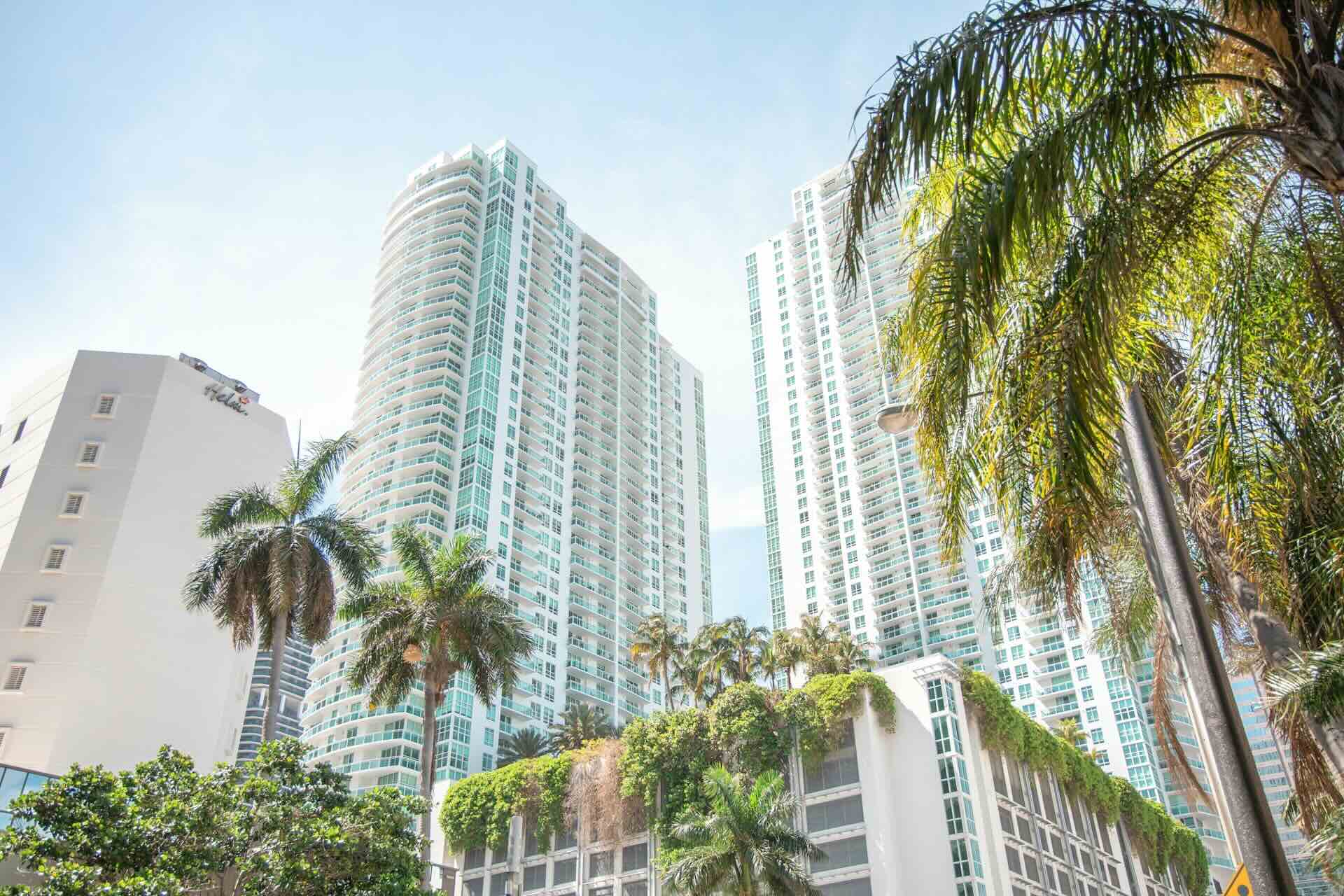
    Miami Beach and Downtown have both produced strong real estate stories over time, but they have historically performed well for different reasons. Miami Beach has usually held stronger long term emotional and prestige value because of direct water access, global recognition, and lifestyle appeal. Downtown has often performed better when buyers want urban convenience, newer development momentum, and entry into Miami’s core growth story. The better performer depends heavily on what type of return you are measuring and what kind of asset sits inside each area.

    At MAK Realty, we do not usually treat this as a simple winner and loser comparison. The more useful question is what has performed better for which buyer and under what conditions. Miami Beach often wins on scarcity, long term prestige, and enduring destination appeal. Downtown often wins on urban relevance, accessibility, and momentum tied to the city’s broader evolution. Both markets can work very well, but they behave differently.

    Miami Beach Has Historically Carried Stronger Prestige

    Miami Beach has long benefited from something Downtown cannot fully replicate, beachfront identity and global lifestyle recognition. Buyers understand the value of water, sand, ocean views, and the cultural status tied to Miami Beach. That has helped support long term desirability through multiple cycles.

    This matters because prestige is not just emotional. It often shapes resale strength too. A strong Miami Beach asset can remain appealing across different buyer types because the lifestyle story is easy to understand. Second home buyers, international purchasers, and luxury oriented domestic buyers often keep Miami Beach in the conversation even when broader conditions change.

    Downtown Has Benefited More From Growth Momentum

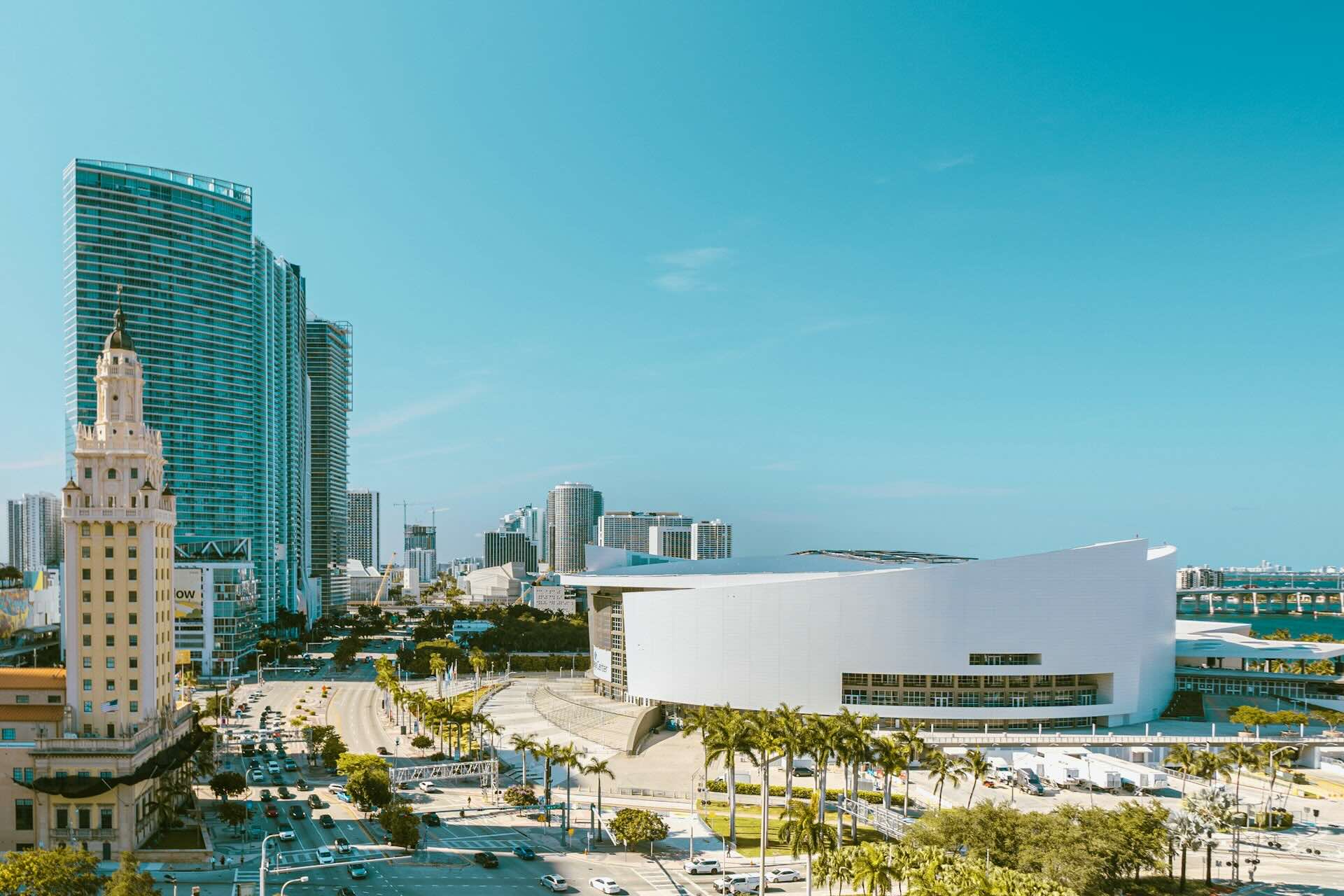
    Downtown has historically performed better when the story is about city growth, infrastructure, and the expansion of Miami’s urban core. As Miami matured, Downtown benefited from new development, better connectivity, and increasing relevance as part of the city’s business and residential center. That has helped it attract buyers who want to be closer to the momentum of the city itself.

    This gives Downtown a different kind of strength. Instead of leaning primarily on beach lifestyle, it leans on urban transformation. For investors and buyers who believe in Miami’s long term rise as a global city, Downtown can feel like a more direct way to participate in that growth.

    Miami Beach Often Wins on Scarcity

    Scarcity has historically favored Miami Beach. True beachfront and highly recognizable coastal product are limited, and that tends to support long term appeal. Buyers can find more ways to build vertical product near the city core than they can create new prime beachfront locations.

    That scarcity can make Miami Beach more defensible over time. Even when pricing fluctuates, the underlying asset story remains strong because the location itself is difficult to replicate. In long term real estate, that kind of scarcity often matters more than short term development momentum.

    Downtown Can Offer Stronger Utility

    Downtown has historically appealed to buyers who value utility, access, and city centered living. Residents can stay closer to business, transit, cultural institutions, and the broader movement of Miami. That gives Downtown a more practical edge for some full time residents and long term renters.

    This practical value helps explain why Downtown can perform well even without the same lifestyle romance as Miami Beach. A property does not need sand outside the door to remain desirable if it fits the rhythm of how people actually want to live and move through the city.

    Miami Beach Usually Feels More Durable in Luxury

    At the upper end of the market, Miami Beach has often held stronger long term emotional priority. Luxury buyers tend to place a premium on ocean views, resort style atmosphere, and the identity that comes with a Miami Beach address. That does not mean every Beach property outperforms every Downtown one. It means the luxury ceiling often feels more intuitive and more globally legible in Miami Beach.

    This is one reason the strongest Miami Beach properties tend to keep their appeal well. Buyers may pause, pricing may shift, and market conditions may tighten, but the desire for a premium beachfront residence usually remains.

    Downtown Has Gained More Relative Ground Over Time

    Historically, Downtown may not have carried the same immediate prestige as Miami Beach, but it has gained meaningful ground as Miami’s identity has evolved. As more buyers embraced urban living, vertical luxury, and city core convenience, Downtown became more compelling than it once was. In relative terms, its rise has been one of the more important real estate stories in Miami.

    That does not automatically make it the better long term performer. It does mean that Downtown should not be viewed as secondary in a simplistic way. In certain periods and for certain property types, it has offered strong upside precisely because it started from a different place and then benefited from the city’s larger transformation.

    The Better Return Often Depends on Property Type

    This comparison becomes much more accurate when you separate product types. A prime Miami Beach oceanfront condo is not the same kind of asset as a Downtown high rise unit tied to urban convenience. Each one responds to a different buyer pool and a different version of Miami demand. That is why broad area comparisons can become misleading.

    In practice, a well selected Miami Beach asset often wins on prestige and scarcity. A well selected Downtown asset can win on accessibility, price relative to centrality, and participation in the city’s growth. The real answer usually comes down to the individual property, not just the map.

    Beach Has Historically Felt More Emotionally Resilient

    Miami Beach often holds stronger emotional resilience because it is tied to a lifestyle people continue wanting even when markets become more selective. Buyers may reconsider price, building age, or timing, but the desire for oceanfront or near ocean living usually remains. That gives Miami Beach a recurring advantage in the luxury and second home conversation.

    Emotional resilience matters because real estate values are not driven only by numbers. They are also driven by how consistently people want the asset. Miami Beach has usually done well because people do not just buy it logically. They buy it aspirationally too.

    Downtown Often Appeals More to Strategic Urban Buyers

    Downtown tends to perform best with buyers who are thinking strategically about urban position, access, and long term city relevance. They may be less focused on beach lifestyle and more focused on being near where Miami’s business, culture, and vertical expansion continue to build. For that buyer, Downtown can feel like the stronger long term bet.

    This is especially true for owners who want a residence that fits full time city life more naturally. In those cases, Downtown can outperform for the specific user because the neighborhood supports daily function more directly than a more leisure oriented market might.

    So, What Has Historically Performed Better

    Historically, Miami Beach has often performed better in terms of long term prestige, scarcity, and enduring luxury appeal. Downtown has often performed better as a growth story tied to Miami’s urban rise and broader city core momentum. If the question is which market has felt more timeless, Miami Beach usually has the edge. If the question is which market has benefited more from Miami’s transformation into a denser global city, Downtown makes a very strong case.

    At MAK Realty, we help clients move past the broad headline comparison and focus on what actually matters, the specific asset, the likely future buyer, and the kind of return the owner is really trying to achieve. Both Miami Beach and Downtown can work very well, but the stronger investment usually comes from choosing the right property within the right submarket rather than picking one area in the abstract.

    For a tailored shortlist and next step guidance, connect with MAK Realty.

  • Knicks Courtside Seats or a Miami Beach Home?

    Knicks Courtside Seats or a Miami Beach Home?

    At first, this sounds like a playful comparison. However, it actually reveals something deeper about how people think about luxury. Courtside seats to the Knicks represent access, excitement, and a memorable moment. A home in Miami Beach represents lifestyle, permanence, and an asset that can shape everyday life for years. Both choices signal success. The real difference is whether you want your luxury to disappear after the final buzzer or stay with you long after the season ends.

    At MAK Realty, we think comparisons like this are useful because they force buyers to think beyond impulse. High end spending often comes down to one simple question. Do you want a peak experience or a long term position. There is no wrong answer, but there is a smarter one depending on what kind of value you care about most.

    Courtside Gives You Access and Energy

    Knicks courtside seats offer something undeniable. They place you at the center of the action. The atmosphere, the visibility, the exclusivity, and the social currency all come together in one high impact experience. For many people, that kind of access is exactly what luxury is supposed to feel like.

    There is real appeal in that. Courtside is not just about basketball. It is about proximity to the moment. It is about being where people want to be and seeing everything up close. In a city like New York, that kind of experience carries major status value, especially for buyers who love sports, energy, and public excitement.

    Miami Beach Offers a Different Kind of Luxury

    A home in Miami Beach offers luxury in a very different way. Instead of one unforgettable night, it gives you repeated access to ocean air, water views, walkable dining, design, and a more permanent coastal lifestyle. It becomes part of your routine rather than a rare event. That is why real estate often carries deeper value than experience spending, even when the initial thrill looks less dramatic.

    This matters because long term luxury usually feels quieter and more useful. A Miami Beach home can still be beautiful, prestigious, and socially powerful, however it also gives you privacy, flexibility, and ownership in one of the country’s most recognizable coastal markets. That makes it more than a purchase. It makes it part of how you live.

    One Is a Moment, the Other Is a Platform

    Courtside seats are about the moment. A Miami Beach home is about the platform. One gives you a story to tell. The other gives you a place to build from. That difference matters because the ultra affluent often move from collecting moments to collecting positions. They begin asking whether their spending creates something lasting, useful, or strategically valuable.

    A Miami Beach home can do that in ways an event cannot. It can serve as a second home, a lifestyle base, a family gathering point, or a long term asset in a market with global visibility. It can also give you years of experiences rather than one premium night.

    The Emotional Appeal Is Different

    Part of what makes this comparison interesting is that both choices are emotional. Courtside gives instant excitement. Miami Beach gives daily satisfaction. One is louder. The other is steadier. One creates adrenaline. The other creates atmosphere.

    For some buyers, the courtside experience will always feel more alive because it is rare, intense, and public. For others, the idea of waking up in Miami Beach, walking to the water, and owning a home that supports that life feels far more meaningful. That is why the better choice often comes down to personality more than budget.

    Real Estate Gives Luxury a Longer Horizon

    A Miami Beach home usually wins when the buyer thinks beyond the immediate thrill. Real estate can hold value, support future resale, and function as both a personal and financial asset. It can also adapt over time. What starts as a second home may later become a larger part of your life. That flexibility gives it a longer horizon than almost any event based purchase.

    This does not mean every home is automatically a better decision than every experience. It means the right real estate purchase tends to keep giving value long after the initial excitement fades. In Miami Beach, that value includes not only ownership, but also lifestyle, prestige, and long term market relevance.

    Miami Beach Is Easier to Revisit Than a Single Night

    One of the strongest arguments for choosing a Miami Beach home is repeat use. The home keeps giving you reasons to return. You can use it seasonally, spontaneously, or as part of a broader long term plan. That makes the purchase feel more layered. It is not dependent on one evening going perfectly.

    That repeat value matters because luxury often becomes more satisfying when it integrates into real life. The best purchases are not always the most dramatic. They are often the ones that continue improving how you live long after the transaction is over.

    So Which Would We Choose

    At MAK Realty, we appreciate the appeal of courtside seats. They are exciting, memorable, and undeniably fun. However, if the question is which choice delivers deeper and more lasting value, the Miami Beach home is the stronger answer. It gives you lifestyle, flexibility, prestige, and an asset in a market people continue wanting to own.

    That is the real difference. Courtside lets you experience something extraordinary for a night. Miami Beach lets you own a version of extraordinary over time. For most serious buyers, that makes the decision much easier.

    For a tailored shortlist and next step guidance, connect with MAK Realty.
  • Brickell vs Miami Beach, Which Fits Your Lifestyle Best

    Brickell vs Miami Beach, Which Fits Your Lifestyle Best

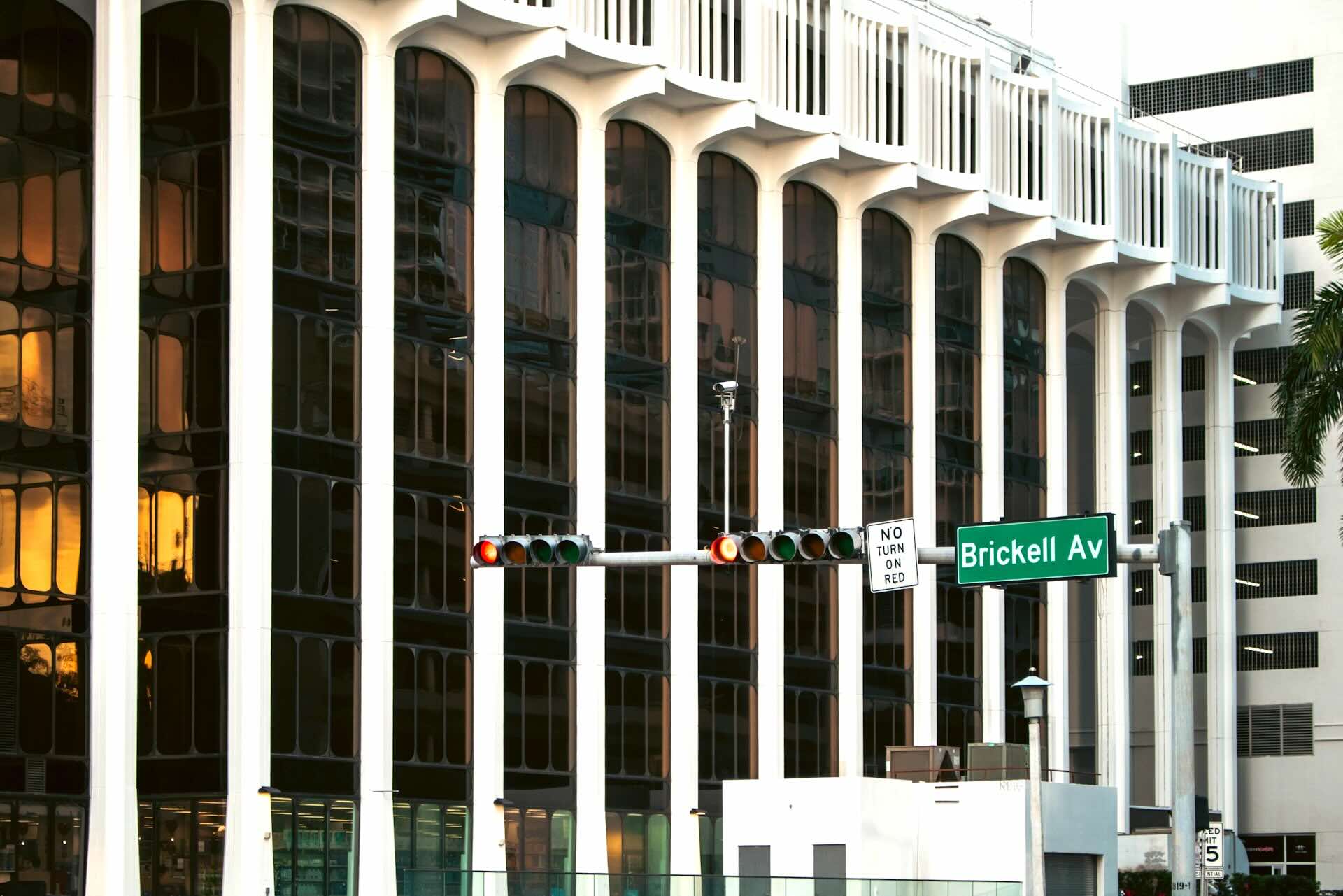
    Brickell vs Miami Beach is one of the most common lifestyle decisions for buyers exploring Miami real estate. Both areas offer luxury living, strong name recognition, and a distinctly Miami experience. However, they deliver very different rhythms of daily life. Brickell feels faster, more vertical, and more connected to business, dining, and walkable urban convenience. Miami Beach feels more leisure driven, more resort oriented, and more closely tied to sand, water, and lifestyle escape. For buyers deciding between the two, the right choice usually comes down to how they actually want to live.

    At MAK Realty, we guide buyers through this comparison often because the difference is not just about location. It is about routine, energy, convenience, and long term fit. A buyer who thrives in Brickell may feel restless in Miami Beach. A buyer who wants Miami Beach calm may find Brickell too dense or too work focused. That is why the smarter question is not which area is better. It is which one aligns more naturally with your priorities.

    Brickell Offers a More Urban Lifestyle

    Brickell appeals to buyers who want city living with luxury built into the experience. The neighborhood offers high rise residences, strong walkability, quick access to offices, and a dense concentration of restaurants, coffee shops, fitness studios, and retail. For professionals, entrepreneurs, and buyers who like a more active day to day routine, that can feel extremely efficient.

    This is one of Brickell’s biggest strengths. You can often structure much of daily life without driving constantly. In addition, the neighborhood keeps buyers close to Downtown Miami, the financial district, and major arteries that connect to the rest of the city. As a result, Brickell often feels more practical for people who want a residence that supports work, social life, and convenience in one place.

    Brickell also tends to attract buyers who like a more current and fast moving environment. The skyline, the restaurants, and the energy all reinforce that feeling. If your ideal luxury lifestyle includes movement, visibility, and easy access to the city’s core, Brickell often delivers it well.

    Miami Beach Offers a More Leisure Driven Experience

    Miami Beach appeals to buyers who want luxury with more sand, more water, and a stronger sense of escape. Even when it feels active and social, it still carries a different mood from Brickell. The neighborhood is more tied to recreation, hospitality, and the sensory experience of being near the ocean. That difference matters because many buyers are not just choosing a residence. They are choosing the emotional tone they want around them every day.

    For some buyers, that is the whole point. They want the beach outside, resort style amenities nearby, and a setting that feels more relaxed than the urban core. In addition, Miami Beach can offer a stronger vacation like atmosphere, especially for second home owners and international buyers who want a property that feels like a true destination.

    That does not mean Miami Beach lacks sophistication or energy. It simply expresses them differently. Where Brickell often feels driven by business and modern city life, Miami Beach feels shaped by hospitality, wellness, dining, and coastal living.

    Brickell Fits Buyers Who Value Convenience

    If convenience is a major priority, Brickell often has the edge. The neighborhood supports a more compressed daily routine, especially for buyers who work nearby or want quicker access to meetings, offices, and the broader urban core. Many residents appreciate being able to step outside and move easily between work, dining, fitness, and social plans without losing time in traffic.

    This also affects the ownership experience. A residence in Brickell can feel especially useful for buyers who split their time between Miami and other cities. The neighborhood offers a smoother reentry point because so much of daily life is concentrated nearby. Therefore, Brickell tends to work well for buyers who want efficiency, momentum, and a stronger sense of control over their schedule.

    For investors, this can also matter because convenience helps support demand from renters who want the same things. That does not guarantee stronger performance in every case, however it does make Brickell especially relevant for buyers focused on modern urban living.

    Miami Beach Fits Buyers Who Value Atmosphere

    Miami Beach often wins on atmosphere. Buyers who want ocean proximity, a more visually relaxed setting, and a stronger sense of lifestyle escape frequently respond to it more immediately. The experience begins with the environment itself. Water, light, outdoor living, and resort style surroundings all shape how the neighborhood feels.

    This can be especially appealing for second home buyers, wellness focused buyers, and those who simply want home to feel less like part of the workweek. In many cases, Miami Beach offers a more emotionally driven kind of luxury. The value is not only in the residence. It is in the daily backdrop.

    Buyers who prioritize leisure, hospitality, and a more sensory version of Miami often feel more at home there. That is why Miami Beach remains such a strong draw for people who want the city’s glamour without living in its business center.

    Social Energy Feels Different in Each Area

    Both Brickell and Miami Beach offer strong social energy, however they express it in different ways. Brickell feels polished, dense, and urban. Social life there often revolves around upscale restaurants, rooftops, business dinners, and after work gatherings. It has a more city centered rhythm, which many younger professionals and ambitious buyers find very appealing.

    Miami Beach feels more destination driven. Social life there often blends dining, hotels, beach clubs, and a more leisure based tempo. Even when it is busy, it tends to feel tied to experience rather than productivity. That difference is subtle, however it becomes very clear once you live in one area or the other.

    For buyers choosing between the two, this matters more than it first appears. Lifestyle fit is often about the type of energy you want surrounding you consistently, not just the features of the unit itself.

    The Right Fit Depends on How You Live

    A buyer who thrives on structure, access, and urban efficiency will often prefer Brickell. A buyer who wants the beach, more visual calm, and a resort like environment will often prefer Miami Beach. That does not mean there is no overlap. Plenty of buyers can imagine themselves in either place. However, one usually feels more natural once daily routine enters the conversation.

    This is why we always encourage clients to think beyond the listing. Ask where you want to wake up. Ask what kind of movement you want around you. Ask whether you want your neighborhood to feel like a city hub or a destination environment. Those answers usually make the choice much clearer.

    For full time residents, the decision often comes down to rhythm. For second home buyers, it often comes down to use. For investors, it may come down to who the likely renter or future buyer is. Each path can lead to a different conclusion.

    What Buyers Should Compare Before Deciding

    The smarter comparison goes beyond view, building age, or amenity package. Buyers should compare traffic patterns, walkability, surrounding uses, building culture, and how each area supports the kind of ownership experience they want. A great unit in the wrong neighborhood can still feel like the wrong purchase over time.

    Brickell may look stronger to a buyer who wants easy city access and a more structured lifestyle. Miami Beach may feel stronger to a buyer who wants beauty, ease, and a residence that feels more like a retreat. Neither answer is wrong. The key is to avoid assuming they offer the same kind of Miami just because both are prestigious and highly desirable.

    At MAK Realty, we help clients compare neighborhoods through a practical lifestyle lens, not just a marketing one. For buyers planning a visit to explore both areas in person, MAK Vacation can help create a more comfortable base while you tour. If you also want to organize the broader trip around showings, restaurants, and neighborhood time, TravelPal.ai can help make that process easier.

    For a tailored shortlist and next step guidance, connect with MAK Realty.

  • Miami Beach North vs South, Where Buyers Are Moving Now

    Miami Beach North vs South, Where Buyers Are Moving Now

    Miami Beach has never been a single market.
    It is a collection of distinct submarkets, each with its own buyer profile, pricing dynamics, and lifestyle.

    Today, the divide between North and South Miami Beach is more pronounced than ever.
    Buyers are no longer choosing randomly.
    They are aligning with how they want to live.

    Some still gravitate toward the energy of South Beach.
    Others are moving north in search of privacy, space, and a more residential feel.

    At MAK Realty, we see this shift clearly.
    The question is no longer which is better overall.
    The question is which is better for the buyer.

    This guide explains how North and South Miami Beach compare and where buyers are moving now.

    South Beach Still Delivers Energy and Accessibility

    South Beach remains one of the most recognized neighborhoods in the world.
    That visibility matters.

    It offers immediate access to restaurants, nightlife, beaches, and cultural activity.
    Everything feels close.

    Walkability is a major advantage.
    Residents can move between dining, shopping, and the beach without relying heavily on a car.

    This convenience attracts a specific type of buyer.
    Those who value energy, social access, and a highly active environment tend to prefer South Beach.

    For some, this is exactly what Miami represents.

    North Miami Beach Offers Privacy and Space

    As buyers move north, the environment changes.

    North Beach and surrounding areas feel more residential.
    Density decreases.
    Noise levels drop.

    Buildings often sit on larger parcels.
    Spacing between towers improves privacy.

    Buyers seeking a calmer experience tend to gravitate toward this part of the market.
    It feels less transient and more livable full time.

    This shift has become more noticeable in recent years.

    Buyer Profiles Are Diverging

    The difference between North and South Miami Beach is not just physical.
    It is behavioral.

    South Beach continues attracting second home buyers, short term visitors, and those who prioritize lifestyle and entertainment.
    North Beach increasingly attracts full time residents and long term holders.

    This distinction matters for market stability.
    End user driven markets tend to behave differently than visitor driven markets.

    As more buyers prioritize livability, demand in northern areas has strengthened.

    Pricing Reflects Lifestyle Preferences

    Pricing differences between North and South Beach vary by building, view, and product type.
    However, trends are emerging.

    Prime South Beach properties still command strong pricing due to location and global recognition.
    Oceanfront access remains a major driver.

    In the north, pricing often reflects larger layouts, newer construction, and greater privacy.
    Buyers may trade immediate walkability for space and calm.

    The decision becomes less about absolute price and more about value relative to lifestyle.

    At MAK Realty, we focus on how each option aligns with long term goals rather than comparing price per square foot alone.

    Development Trends Favor the North

    Newer development activity has increasingly focused on northern areas of Miami Beach.

    Developers are responding to buyer demand for lower density, larger residences, and more privacy.
    Projects in the north often emphasize wellness, outdoor space, and livability.

    This evolution reinforces the shift.
    As newer, more refined inventory enters the market, buyer attention follows.

    South Beach remains iconic.
    North Beach is becoming more intentional.

    Rental Dynamics Differ Between the Two

    Rental performance varies between North and South Beach.

    South Beach benefits from strong short term rental demand in buildings where it is permitted.
    Tourism drives occupancy.

    North Beach tends to attract longer term tenants and seasonal residents.
    Rental patterns are often more stable.

    Investors must align strategy with location.
    Short term income potential and long term tenant demand differ significantly.

    Some buyers evaluate these differences firsthand by staying in a luxury vacation rental before purchasing.

    Understanding the guest experience helps inform rental expectations.

    Traffic and Accessibility Play a Role

    South Beach’s central location offers convenience, but it also brings congestion.
    Peak times can impact mobility.

    North Beach provides a quieter environment.
    Access to major routes can be more predictable.

    Commute patterns influence daily life.
    Buyers who plan to live full time often consider this carefully.

    Ease of movement becomes more important over time.

    Lifestyle Is the Deciding Factor

    The decision between North and South Miami Beach ultimately comes down to lifestyle.

    South Beach offers constant activity, visibility, and access.
    North Beach offers space, privacy, and a slower pace.

    Neither is universally better.
    Each serves a different type of buyer.

    Those who value energy tend to remain in the south.
    Those seeking balance often move north.

    The shift toward northern areas reflects broader changes in buyer priorities.

    Long Term Outlook for Both Markets

    Both North and South Miami Beach remain important parts of the overall market.

    South Beach will continue benefiting from global recognition and tourism.
    It is unlikely to lose its identity.

    North Beach is gaining momentum as a residential destination.
    Development trends and buyer preferences support this growth.

    Over time, the two markets may become even more differentiated.
    Each will continue serving distinct demand segments.

    Investors and buyers who understand these differences can position themselves more effectively.

    Experience Both Before Deciding

    The best way to understand the difference is to spend time in both areas.
    Daily experience reveals more than data.

    Walking the neighborhoods, visiting buildings, and observing activity levels provide clarity.

    Staying in a luxury vacation rental through MAK Vacation allows buyers to experience both North and South Miami Beach in a realistic way.

    Planning your visit with TravelPal.ai helps organize an efficient itinerary across both submarkets.

    Miami Beach continues evolving into two distinct experiences. South Beach offers energy and accessibility, while North Beach provides privacy and a more residential feel. MAK Vacation, MAK Realty, and TravelPal.ai each support a more informed approach to evaluating these options, helping buyers align their decision with how they actually want to live.

  • Guide to Buying a Vacation Rental in Miami Beach

    Guide to Buying a Vacation Rental in Miami Beach

    Understanding the Appeal of Miami Beach Vacation Rentals

    Miami Beach attracts millions of visitors each year which creates constant demand for high quality vacation rentals. Buyers value the combination of warm weather, strong tourism, and a lifestyle built around dining, culture, and waterfront access. Investors also appreciate the ability to combine personal use with revenue generation since Miami Beach remains one of the most resilient tourism markets in the country. The area benefits from international demand, year round events, and a reliable flow of short stay travelers who want modern condos within walking distance of beaches and entertainment.

    Miami Beach offers a wide range of inventory. Buyers can choose from condo hotels, luxury condos, pre construction developments, and boutique buildings with distinct architectural styles. Each option carries different rules related to rentals, so understanding those details is a key part of the process. Investors should also note the premium attached to waterfront exposure and updated amenities since travelers often prioritize views and building quality when selecting a stay.

    Identifying the Best Neighborhoods

    South of Fifth

    South of Fifth has some of the strongest long term appreciation rates in Miami Beach. The neighborhood is quiet, walkable, and lined with waterfront parks and fine dining. Inventory is limited which creates consistent buyer competition. Most buildings here restrict short term rentals, but units with flexible policies command premium pricing because demand far exceeds supply. Investors who secure a rental friendly building in this zone typically enjoy higher occupancy and strong nightly rates due to the location’s prestige.

    Mid Beach

    Mid Beach appeals to buyers who want a balance of luxury and flexibility. Several condo hotels operate in this part of Miami Beach which allows owners to participate in structured rental programs. These programs handle marketing, housekeeping, and guest communication which reduces management time for investors. Mid Beach also places visitors close to beach clubs, restaurants, spas, and popular hotels which supports strong nightly revenue.

    North Beach

    North Beach offers more attainable pricing and spacious units. The area is undergoing steady redevelopment which signals long term value growth. Investors who prefer lower acquisition costs often begin here. Some buildings allow monthly rentals rather than nightly stays which attracts extended stay travelers, remote workers, and winter visitors seeking multi month accommodations. This pattern supports steady occupancy even without nightly turnover.

    Understanding Short Term Rental Rules

    Short term rental rules vary building by building. Miami Beach itself technically allows short term stays, but individual condos can restrict them. This means the association is the final authority. Some buildings allow daily rentals, others only permit monthly stays, and some prohibit all forms of vacation renting. Buyers must review building documents and confirm policies with management before entering a contract.

    Buildings that permit daily rentals often fall under the condo hotel category. These properties maintain front desk services, housekeeping, and hotel style operations. Owners can rent on their own or join the building’s rental program. Units in these buildings typically carry higher association fees due to hotel level staffing, but they also attract premium nightly rates and near constant occupancy during peak seasons.

    Evaluating ROI and Appreciation

    Miami Beach is one of the most stable appreciation markets in Florida. Waterfront scarcity supports long term value growth while international interest creates a broad buyer pool. Investors analyzing return should focus on three primary elements which are acquisition cost, projected revenue, and operating expenses. Revenue potential depends on building rules, unit condition, view, and proximity to the beach. Furnished units tend to rent more quickly which can improve early occupancy.

    Operating expenses include association fees, property taxes, insurance, and management costs. Properties in hotel program buildings may include revenue splits which reduce net income but remove management tasks. Units rented independently through a local management company often deliver higher net performance if occupancy remains strong. Many out of state investors prefer this model because they maintain control of pricing and guest selection.

    Financing a Vacation Rental

    Financing depends on whether the property qualifies as a condo, condo hotel, or non warrantable building. Traditional mortgages are typically offered only on warrantable condos which follow conventional lending standards. Many vacation rental buildings in Miami Beach fall outside these standards because of rent friendly rules or hotel service components. Buyers of these units often use portfolio loans with higher down payments.

    Some investors use DSCR loans which evaluate the property’s income potential rather than personal income. These loans suit buyers focused on passive investment. Pre construction buyers follow a different structure since developers require staged deposits that create a payment schedule during construction. This approach allows buyers to secure premium inventory early without carrying a mortgage until completion.

    Working With a Market Expert

    Miami Beach is a unique market with variations between buildings that are not always visible in online listings. Experienced agents identify buildings with the best rental track records, the most flexible rules, and the strongest resale potential. They also guide buyers through association approvals, building document reviews, and rental program comparisons. This guidance prevents costly mistakes that can affect long term revenue.

    The Role of MakVacation.com and TravelPal.ai

    Investors often test their property’s rental potential by reviewing visitor patterns and neighborhood demand. Tools like MakVacation.com help users evaluate what travelers value most in Miami Beach. The platform also features premium stays that attract discerning guests. When renters use a luxury vacation rental, they seek modern design, beachfront locations, and proximity to key attractions which mirrors the most profitable investment strategies.

    Travelers planning their stay often use TravelPal.ai to build curated itineraries which highlight the convenience and lifestyle of each neighborhood. Strong local experiences lead to stronger reviews which directly improve occupancy and nightly rates for investors. Understanding traveler behavior allows buyers to select units that consistently meet visitor expectations.

    Preparing Your Unit for the Vacation Rental Market

    Furnishing for Appeal

    Travelers respond to clean modern furnishings, comfortable bedding, and coastal color schemes. Investors should choose durable furniture that photographs well, since most bookings originate from online listings. Views should be highlighted and clutter removed before professional photography.

    Essential Upgrades

    Units with updated kitchens, modern lighting, and walk in showers outperform older units. These upgrades often justify higher nightly pricing and increase guest satisfaction which drives repeat bookings.

    Management and Operations

    A reliable cleaning team is essential. Guests expect hotel level standards which means consistent linen service and fast turnover. A management company can handle these tasks along with guest communication and maintenance scheduling.

    Final Thoughts

    Buying a vacation rental in Miami Beach offers the chance to combine personal enjoyment with strong investment potential. With the right building, proper financing, and effective management, investors can capture the benefits of steady tourism demand and long term appreciation. Understanding each neighborhood’s strengths and building rules prepares buyers for informed decisions in one of South Florida’s most desirable markets.

    Experience Miami for Yourself

    Experience the energy of Miami Beach first hand by staying in a luxury vacation rental through MakVacation.com. Plan your trip with TravelPal.ai to explore the city with a personalized itinerary and discover the neighborhoods that match your lifestyle and investment goals.

  • Bearish or Bullish? The Truth About Miami Real Estate

    Bearish or Bullish? The Truth About Miami Real Estate

    Every real estate cycle sparks debate: are we heading for a slowdown or another surge? In Miami, that question carries more weight — and more optimism — than most markets. With its global appeal, expanding infrastructure, and limited waterfront land, Miami remains a market where long-term fundamentals often outweigh short-term fluctuations.

    At MAK Realty, we help buyers, sellers, and investors separate noise from opportunity. Miami’s market doesn’t behave like others — it’s shaped by international demand, generational migration, and lifestyle-driven value. Whether you lean bearish or bullish, the truth about Miami lies in understanding its unique ecosystem.

    Miami’s Market Defies the National Narrative

    While some U.S. cities have cooled under higher interest rates, Miami continues to move at its own pace. Demand remains strong, inventory remains tight, and cash sales still dominate in key segments.

    According to recent data, over 40% of Miami-Dade transactions are cash purchases — a powerful indicator that long-term wealth, not speculative borrowing, drives the market. Even as financing costs rose nationally, Miami’s luxury and second-home buyers continued to treat the city as a lifestyle investment rather than a financial gamble.

    Why Miami Moves Differently

    • Global buyer base spreads risk beyond domestic cycles.
    • Low inventory and limited coastal land constrain supply.
    • Tax migration from high-cost states continues to bring affluent professionals.
    • Lifestyle appeal — weather, culture, and no state income tax — fuels constant demand.

    For investors, this means Miami behaves less like a speculative boomtown and more like a steady international luxury market with recurring demand drivers.

    The Bearish View: Signs of Moderation

    Let’s start with the cautious perspective. After record-breaking years in 2021–2023, Miami’s real estate market naturally saw price growth stabilize. Inventory has slowly increased, and some sellers are adjusting expectations after peak valuations.

    Key Bearish Factors

    • Interest rate pressure: Financing costs remain higher than in previous cycles.
    • Affordability concerns: Entry-level buyers face challenges amid rising insurance and property taxes.
    • Longer listing times: Average days on market have increased for some mid-tier properties.
    • Insurance volatility: Coastal markets continue to adjust to evolving insurance premiums.

    These conditions can create short-term hesitation — but in a market where many buyers pay in cash and hold for lifestyle, they rarely trigger widespread declines.

    The Bullish View: Enduring Strength and Global Appeal

    On the flip side, there’s plenty to justify a bullish outlook. Miami continues to attract international capital, corporate relocations, and a new generation of high-net-worth individuals.

    Key Bullish Factors

    • Limited new supply: Strict zoning and build timelines keep inventory tight.
    • Corporate migration: Tech and finance firms relocating from New York and California.
    • Luxury resilience: Oceanfront and branded residences (like Waldorf Astoria and Baccarat) remain in high demand.
    • Foreign investment: Latin America and Europe view Miami as a stable U.S. dollar hedge.

    This global buyer base creates insulation against domestic downturns. Even when volume dips, values hold — especially in premier neighborhoods like Brickell, Coconut Grove, and Miami Beach.

    Where the Market Really Stands

    Miami is neither overheated nor in retreat — it’s maturing. The era of frenzied bidding may have passed, but serious buyers and investors are still highly active. Price growth has normalized, and that’s a good thing. It reflects balance, not weakness.

    The market’s current state can be summed up as “rational optimism.” Prices remain strong, developers are cautious about oversupply, and demand continues to shift toward high-quality, well-located projects.

    Neighborhood Insights

    • Brickell: Still Miami’s heartbeat, driven by finance, tech, and urban professionals.
    • Coral Gables: A stable, long-term market emphasizing privacy and classic architecture.
    • Edgewater: Attracting international investors and younger buyers seeking luxury at accessible price points.
    • Miami Beach: Enduring global demand for waterfront property keeps values resilient.

    How Investors Should Think

    In any market, timing matters — but in Miami, positioning matters more. Successful investors focus on asset quality, location, and flexibility. Properties in established neighborhoods with strong rental demand or pre-construction projects from reputable developers remain sound plays.

    For those seeking passive income, condo-hotel investments continue to offer appealing returns with professional management and personal use flexibility. Miami’s tourism economy — bolstered by year-round travel and global recognition — underpins strong occupancy and revenue potential.

    MAK Realty’s Take

    At MAK Realty, we view the Miami market as strategically bullish — meaning it rewards smart entry points, patient investors, and informed decisions. Rather than chasing hype, our clients focus on identifying long-term value and diversification.

    We help buyers:

    • Analyze data-driven insights on pricing and absorption rates.
    • Compare pre-construction vs. resale opportunities.
    • Evaluate neighborhoods for lifestyle fit and appreciation potential.
    • Secure financing or cash-flow models that align with current market conditions.

    Our experience through multiple cycles allows us to help clients navigate confidently — even when the headlines conflict.

    Experience Miami Before You Buy

    Before making an investment, experience Miami firsthand. Stay in a luxury vacation rental through MakVacation.com to get a true sense of the city’s rhythm, neighborhoods, and pace of life.

    Use TravelPal.ai to plan your stay, explore local culture, and schedule private tours of properties across Brickell, Edgewater, and Miami Beach.

    Conclusion

    So, is Miami’s market bearish or bullish? The truth lies somewhere in between — and that’s a good thing. Stability, not speculation, now defines the city’s next chapter. With limited inventory, global demand, and lifestyle-driven investment, Miami continues to prove that true value isn’t just about timing — it’s about trust and insight.

    At MAK Realty, we help clients move strategically, not emotionally — identifying opportunities that align with long-term goals in one of the world’s most resilient luxury markets.

    Experience Miami through MakVacation.com, plan your visit with TravelPal.ai, and see why confidence in this city’s future remains stronger than ever.