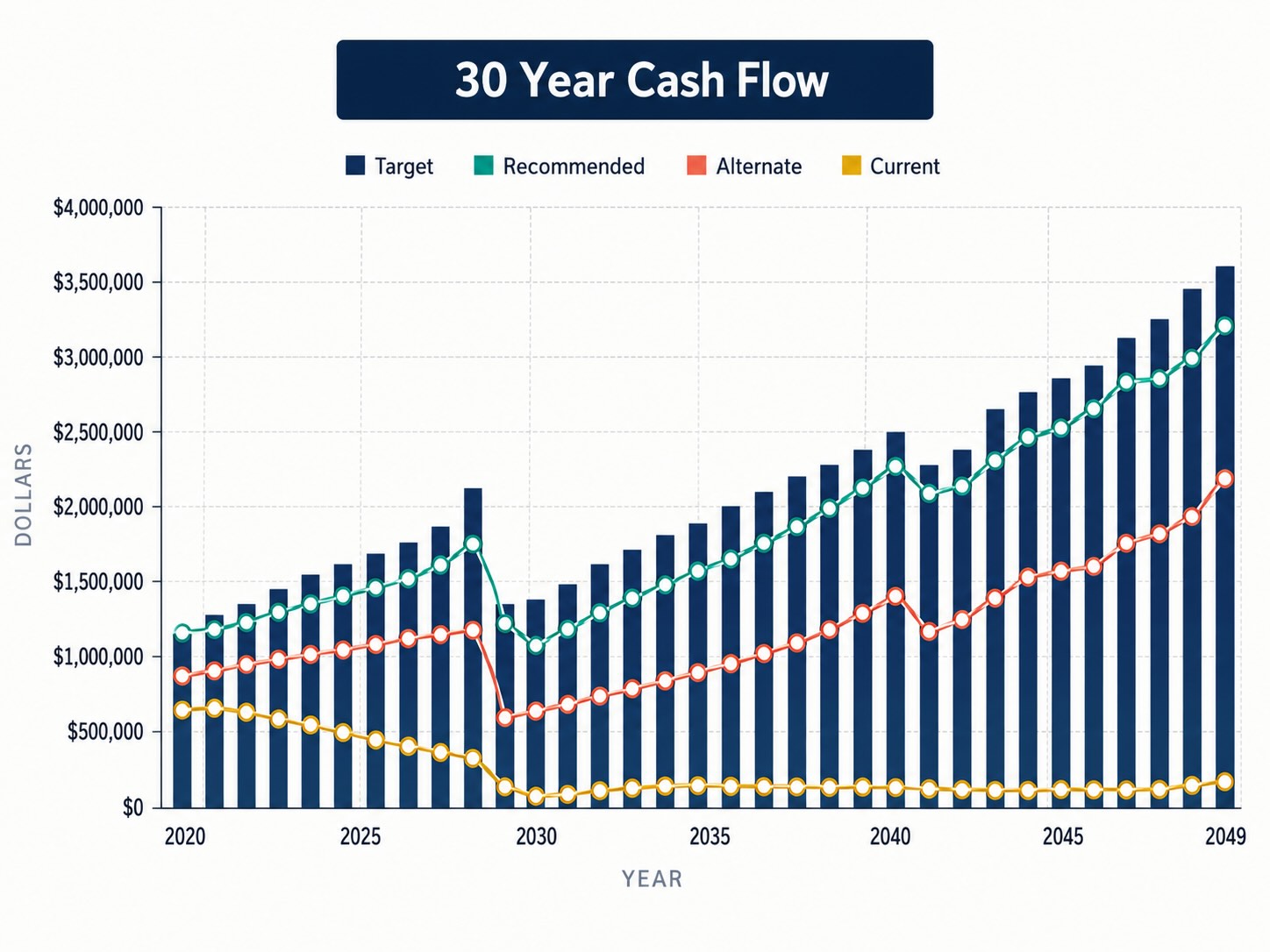
Reading a condo’s reserves before you buy is one of the most important steps in evaluating the real cost of ownership. Buyers often focus on the unit, the amenities, the view, and the monthly HOA fee. However, the reserve position can tell you far more about the building’s long term health than the lobby ever will. In Miami and across South Florida, that matters even more because deferred maintenance, insurance pressure, and special assessments can quickly change what looked like a comfortable purchase.
At MAK Realty, we often remind buyers that a condo is not just a unit. It is also a shared financial system. If that system is weak, the ownership experience can become much more expensive than expected. Strong reserves do not guarantee a perfect building, but weak reserves should always trigger closer review.
What Condo Reserves Actually Are
Condo reserves are funds set aside by the association for future major repairs and replacements. These are not day to day operating dollars. They are meant for large items such as roofs, elevators, structural work, mechanical systems, waterproofing, painting, paving, and other capital needs that every building eventually faces.
This matters because a building without enough reserve funding may still look fine in the present. The real problem appears later, when major work becomes unavoidable and the association does not have the money ready. That is when owners often face special assessments or sudden fee increases.
Why Reserves Matter More Than Buyers Think
Many buyers assume reserves are only an accounting detail. They are not. Reserve strength affects financial stability, building maintenance, financing, resale appeal, and the risk of future cash calls. A condo with weak reserves may still look attractive today, but it can become much less attractive once major repairs arrive.
This is especially important in older buildings and in coastal markets like Miami, where maintenance demands are often heavier. A buyer who ignores reserves can end up buying into a problem that has not fully surfaced yet.
The Monthly HOA Fee Does Not Tell the Whole Story
A lower HOA fee can look appealing at first. However, if the building is keeping fees low by underfunding reserves, that lower number may be misleading. In some cases, an association that looks affordable today is only delaying future pain.
That is why buyers should avoid judging a condo only by whether the monthly fee seems low or high. A higher fee in a well run building with healthier reserves may be far better than a lower fee in a building that is not preparing properly for future costs.
Special Assessments Usually Start With Weak Reserve Planning
One of the biggest reasons to review reserves carefully is to understand the risk of special assessments. When a building does not have enough money saved for major work, owners are often asked to cover the shortfall directly. Those assessments can be substantial, and they can change the economics of ownership very quickly.
This does not mean every assessment proves the building is poorly managed. Sometimes unexpected work happens. However, repeated assessments or obvious reserve weakness can be a warning sign that the association has not been planning well enough.
What Buyers Should Ask For
Before buying, buyers should try to review the current budget, reserve schedule, reserve study if available, and recent financial statements. They should also look for signs of planned capital work, pending assessments, and whether the association appears to be fully funding reserves or waiving them.
This review matters because the reserve story often sits in the details, not in the headline. A building may technically have reserves, but the real question is whether those reserves are enough for the condition and age of the property.
Buildings Can Look Healthy While Financially Weak
A polished lobby and attractive pool deck do not always mean the building is financially strong. Some properties look excellent on the surface while carrying weak reserves, deferred maintenance, or major future obligations. This is why visual appeal should never replace document review.
At MAK Realty, we often tell buyers that the nicest looking building is not always the safest one financially. A more modest property with better reserve discipline can sometimes be the much smarter long term purchase.
Reserve Waivers Deserve Extra Attention
If an association regularly votes to waive or reduce reserve contributions, buyers should pay very close attention. That does not automatically make the building a bad purchase, but it does raise the question of whether future needs are being postponed rather than funded.
This matters because reserve waivers can create a false sense of affordability. Owners may enjoy lower monthly costs in the short term, but the tradeoff often appears later through larger assessments or steeper increases when the building finally has to address long delayed work.
Older Buildings Need Even Closer Review
Age alone does not make a condo risky, but it does make reserve review more important. Older buildings have more components reaching replacement age, more maintenance history, and often more pressure on the association to keep up with repairs. In those buildings, weak reserves can be especially concerning.
A newer building is not automatically safe either. It may still be underfunding reserves or facing cost pressure. However, older inventory usually requires a much more careful look because the margin for error is smaller.
Financing and Resale Can Be Affected Too
Reserve strength does not only affect current ownership costs. It can also influence financing and resale. Lenders may look more carefully at building financial health, and future buyers may hesitate if the building appears underfunded or assessment prone. That means reserve weakness can affect both your current comfort and your future exit.
A stronger reserve position can support buyer confidence because it suggests the building is planning ahead instead of reacting late. In competitive condo markets, that kind of confidence matters.
Reading Reserves Is Really About Reading Management
In many ways, reviewing reserves is also a way of evaluating management quality. A building with thoughtful reserve planning usually reflects a board and management team that are taking the long term seriously. A building with thin reserves, repeated waivers, or obvious funding gaps may reflect a weaker operating culture.
This is important because condo ownership is not only about the unit. It is about how the whole property is being managed. Reserve discipline often tells you more about that than almost anything else.
The Smart Buyer Looks at the Full Picture
No single reserve number tells the whole story. Buyers should consider reserves together with the age of the building, recent repairs, upcoming projects, insurance pressures, HOA fees, and the overall condition of the property. A building may have modest reserves but already completed major work. Another may have a larger reserve balance but even bigger future needs.
That is why context matters. The goal is not simply to find a building with a large reserve account. The goal is to find a building where the reserve position makes sense for the real maintenance demands ahead.
Why This Matters Before You Buy
Reading a condo’s reserves before you buy can protect you from one of the most common mistakes in condo ownership, mistaking a good looking building for a financially healthy one. A strong reserve position helps support smoother ownership, fewer surprises, and better long term value. A weak one may signal future assessments, unstable fees, and a more stressful ownership experience.
At MAK Realty, we help buyers look past the finish level and evaluate the building behind the unit. That includes reserves, fee structure, management quality, and long term financial health. In Miami real estate, that deeper review often makes the difference between buying well and buying a problem.
For a tailored shortlist and next step guidance, connect with MAK Realty.