
Tag: condo resale Miami

  • Why View Orientation Matters More Than Square Footage in Miami

    Why View Orientation Matters More Than Square Footage in Miami

    In Miami, view orientation often matters more than square footage because the way a residence faces can shape daily experience, long term desirability, and future resale far more than an extra few hundred interior feet. Buyers may focus first on size because it is easy to measure. However, once they start comparing real units, the conversation usually changes. Light, water exposure, skyline perspective, sunset timing, and privacy begin to matter more than raw area.

    At MAK Realty, we see this shift often. A buyer may enter the search asking for the biggest unit possible. Then they walk into a slightly smaller residence with the right bay view, ocean exposure, or skyline orientation, and the whole value equation changes. In Miami, that happens for a reason. The city sells a visual and lifestyle experience, not just enclosed space.

    Miami Living Is Deeply Tied to the View

    Miami is a place where people pay for light, openness, and connection to the outdoors. Water, skyline, sunrise, and sunset are not minor extras. They are part of what makes the city feel like Miami. That means orientation has a direct effect on how the property feels every day.

    A large unit without compelling orientation can still feel flat. A smaller residence with the right exposure can feel far more elevated. This is why buyers often remember the unit with the better view long after they forget the one with more square footage. The emotional impact is stronger, and that matters in a lifestyle driven market.

    Light Changes the Entire Interior Experience

    Orientation affects how natural light moves through a residence, and that can change everything. Morning light creates one kind of atmosphere. Warm sunset exposure creates another. Soft indirect light can make a home feel calm and elegant. Harsh or unbalanced exposure can make even a large residence feel less comfortable.

    This matters because square footage alone does not create quality of life. A beautifully lit smaller unit can feel more valuable and more usable than a larger one with weaker natural light. In Miami, where brightness and outdoor connection are central to the lifestyle, this becomes even more important.

    Water and Skyline Exposure Carry Real Premium Value

    Not all views are equal. In Miami, direct ocean views, wide bay views, and dramatic skyline exposure often create a premium that buyers understand immediately. These orientations are easy to market, easy to remember, and easy for future buyers to want. That gives them real long term strength.

    A larger unit with a mediocre orientation may still attract interest, however it often does not create the same urgency or emotional response. The right view can do that quickly. In a competitive condo market, that difference matters because future resale often depends on what makes the unit stand out within the building and the neighborhood.

    Orientation Can Improve Privacy Too

    View orientation is not only about beauty. It can also affect privacy. A residence facing open water or a more protected direction often feels calmer and more private than one looking directly into neighboring towers or heavy city activity. That privacy can significantly improve the ownership experience.

    For many buyers, this becomes more important over time. They may start by focusing on size, however they end up caring more about whether the home feels exposed or protected. In luxury real estate, that sense of separation can carry more value than an extra room that adds square footage but not comfort.

    Outdoor Living Depends on Exposure

    Terraces and outdoor areas are a major part of Miami living, but how usable they feel depends heavily on orientation. Some exposures create cooler mornings and more pleasant daytime use. Others create stronger afternoon heat or wind conditions that can limit how often owners actually enjoy the outdoor space.

    This is one reason orientation can matter more than size. A slightly smaller unit with a terrace that people genuinely use may outperform a larger one where the outdoor area feels less comfortable. In Miami, outdoor living is part of the property’s identity, so the way the unit faces can directly affect how much real value the buyer receives.

    The Market Often Rewards the Better View

    When buyers compare similar units in the same building, the one with the stronger orientation often commands more attention than the one with more interior area. That is because the market tends to reward what feels rarer, more emotional, and easier to sell later. Better views often check all three boxes.

    This does not mean square footage stops mattering. It means that once a property reaches a certain threshold of comfort, orientation can become the more important differentiator. In Miami, where many buildings offer luxury finishes and strong amenities, the view often becomes the feature that separates one unit from another.

    A Great View Stays Relevant Longer

    Floor plans can age. Design preferences can shift. Renovations can improve interiors. However, a great view remains difficult to replace. That gives it unusual staying power. Buyers understand that they can change finishes, furniture, and lighting. They cannot change the direction the residence faces.

    This is one reason view orientation tends to support resale. The right orientation stays powerful even as other aspects of the market evolve. It remains part of the fundamental identity of the unit, which is why buyers often place such high value on it once they have seen enough properties.

    Bigger Can Sometimes Mean Less Efficient

    More square footage is not always better if the extra space does not improve how the unit lives. In some cases, a larger residence may include awkward circulation, oversized but underused areas, or rooms that add cost without adding much daily value. A slightly smaller unit with a better view and a cleaner layout can feel much more satisfying.

    This matters because buyers do not live inside a spreadsheet. They live inside the feeling of the home. If the orientation creates stronger light, better outlook, and more enjoyable daily use, that often outweighs the abstract appeal of a larger number on paper.

    Miami Buyers Often Learn This Quickly

    Many buyers come into the search thinking size is the main priority. Then they start touring units and realize that Miami does not work like that. A larger residence with a weak outlook may feel less compelling than a smaller one with open bay views, better light, and stronger privacy. Once buyers feel that difference in person, the value logic shifts quickly.

    At MAK Realty, this is one of the most common turning points we see. Buyers stop asking only how big the unit is. They start asking where it faces, what time the light comes in, whether the view is protected, and how the residence feels at different times of day. That is usually when the search becomes much more intelligent.

    The Best Units Balance Size With Orientation

    The goal is not to ignore square footage completely. The strongest units usually balance enough space with strong view orientation, good light, privacy, and real livability. However, when buyers must choose between a little more size and a clearly better orientation, the better facing unit often becomes the smarter long term decision in Miami.

    That is because the right view shapes how the property feels now and how desirable it remains later. In a market built around water, skyline, and lifestyle, that kind of advantage is hard to overstate.

    At MAK Realty, we help buyers evaluate Miami condos with a sharper eye for what actually drives long term value and daily enjoyment. We look beyond the floor plan and focus on how the unit lives, what the orientation adds, and why certain residences hold stronger appeal over time.

    For a tailored shortlist and next step guidance, connect with MAK Realty.
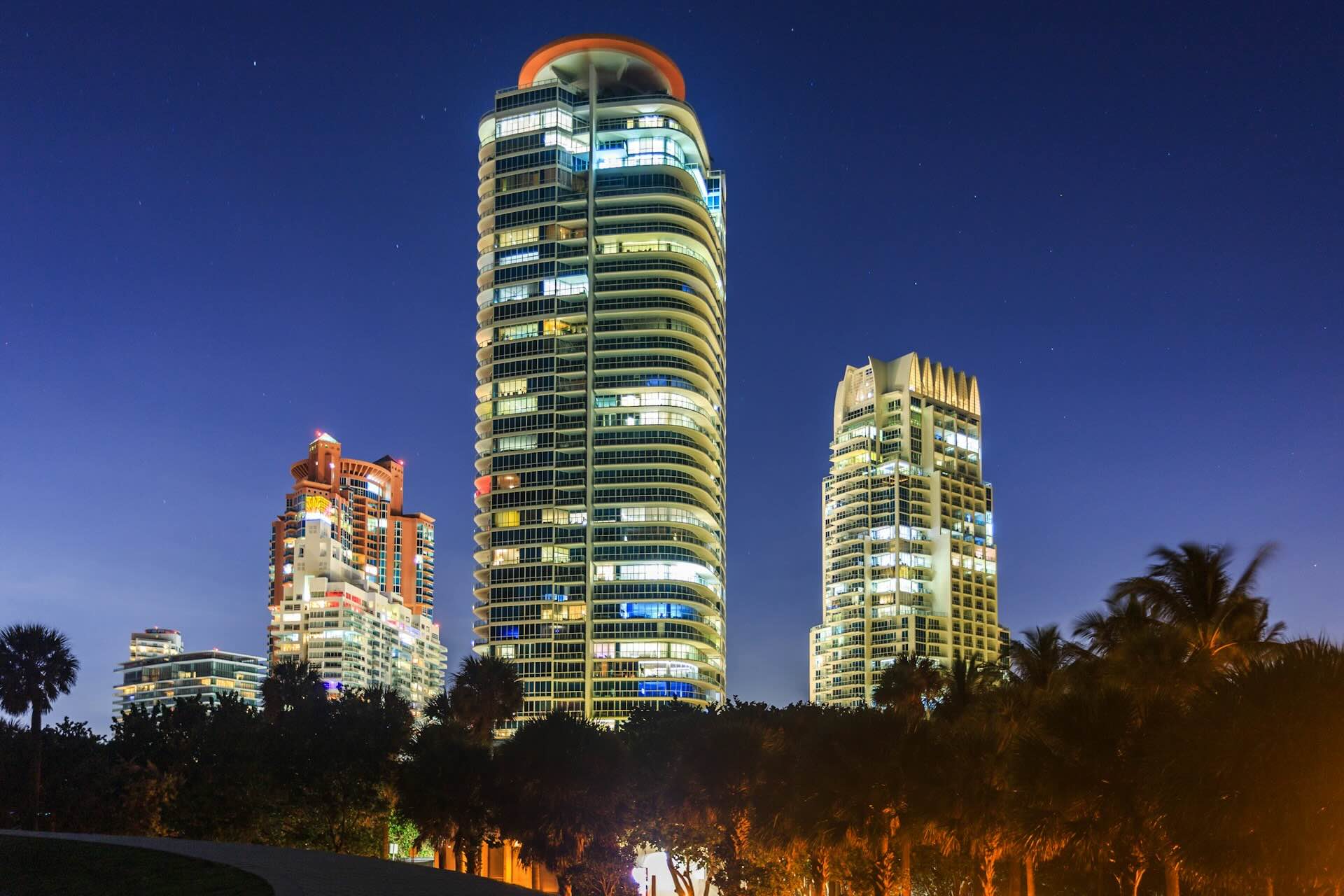
  • What Makes a Miami Condo Building Attractive for Resale

    What Makes a Miami Condo Building Attractive for Resale

    What makes a Miami condo building attractive for resale is rarely just the unit itself. Buyers may fall in love with views, finishes, and layout, however long term resale strength usually comes from the building, the location, and the way the property fits future demand. In Miami, that matters even more because buyers compare not only square footage, but also service, amenities, building reputation, rental flexibility, and neighborhood identity. A beautiful unit in a weak building can still be a weak resale asset. A well positioned unit in the right building often holds attention much longer.

    At MAK Realty, we help buyers think beyond the purchase moment. The smartest condo buyers do not just ask whether they like the residence today. They ask whether future buyers are likely to want it too. That shift in perspective changes everything. It moves the focus from emotion alone to long term marketability, which is where resale strength really comes from.

    The Building Needs a Strong Identity

    A condo building with clear identity usually performs better on resale than one that feels generic. Buyers respond to buildings that have a recognizable position in the market. That could mean branded prestige, exceptional service, strong architecture, an oceanfront address, or a reputation for privacy and quality. What matters is that the property gives future buyers a reason to remember it.

    This is especially important in Miami, where new inventory and luxury branding create a very competitive landscape. If a building feels interchangeable, it can lose momentum more easily. A building that stands for something clearer often holds value better because buyers understand what they are paying for. Identity supports desirability, and desirability supports resale.

    Location Still Drives the Story

    Location remains one of the strongest forces behind resale value, however in Miami that means more than just a good address. Buyers care about neighborhood energy, walkability, water access, privacy, convenience, and how the area fits their lifestyle. A building in Brickell appeals for different reasons than one in Bal Harbour, Surfside, Miami Beach, or Edgewater. The best resale buildings usually sit in neighborhoods with lasting relevance and a clear lifestyle story.

    This matters because future buyers are not all the same. Some will want urban convenience. Others will want beachfront calm. Others will want prestige, dining, retail access, or family appeal. A building that sits in a neighborhood with strong and durable demand has a much better chance of staying attractive over time.

    Service and Management Matter More Than Buyers Expect

    Many resale buyers look beyond finishes quickly and start paying attention to how the building actually runs. Strong management, attentive staff, smooth operations, and a clean ownership experience can make a major difference in how a building is perceived. Even a beautiful tower can lose appeal if the management feels weak or the service feels inconsistent.

    This matters because ownership is not only about the unit. It is about daily life in the building. Future buyers will care about valet, front desk quality, maintenance standards, security, and how problems get resolved. Buildings that operate well often develop stronger reputations, and that reputation becomes part of the resale value.

    HOA Fees Need to Make Sense

    HOA fees do not need to be low to support good resale, however they do need to feel justified. Buyers will compare the monthly cost against what the building delivers. If the fee supports strong staffing, maintenance, reserves, amenities, and a polished environment, many buyers will accept it. If the fee feels high relative to the ownership experience, resale becomes harder.

    This is one reason thoughtful buildings often perform better than flashy ones. Buyers eventually ask whether the economics make sense. A building with a clean value story tends to attract broader interest than one where the monthly cost feels disconnected from what owners actually receive.

    Amenities Should Feel Useful, Not Just Expensive

    Amenities help resale when they support real life. Fitness centers, spa spaces, pools, lounges, private dining areas, wellness rooms, and co working spaces can all strengthen a building’s appeal. However, the best amenity packages do not just look impressive. They feel relevant to how people want to live.

    In Miami, that distinction matters. Buyers have seen enough dramatic pool decks and luxury language to know the difference between real value and decorative excess. A building with amenities that are well designed, well maintained, and genuinely usable often holds its appeal better than one that relies only on spectacle.

    Floor Plans and Livability Still Matter

    Even in luxury markets, practical livability shapes resale. Buyers care about how the unit flows, how much natural light it gets, how the bedrooms feel, and whether the layout supports real daily use. A unit can have a strong view and still underperform if the floor plan feels awkward or inefficient.

    This is why some buildings develop stronger resale reputations than others. Over time, the market notices which layouts live well and which ones do not. Buildings with consistently strong floor plans tend to produce more dependable buyer interest, which supports value when owners decide to sell.

    Rental Rules Can Influence Future Demand

    Rental flexibility can affect resale, even for buyers who do not plan to lease the unit. Some buyers want the option to rent seasonally or long term. Others want a more controlled building with less turnover. What matters most is that the building’s rental rules align with the kind of buyer the property is likely to attract.

    A mismatch can weaken resale. For example, a building marketed as flexible and modern may lose interest if the lease rules feel too restrictive. On the other hand, a luxury residential tower may gain strength from more controlled policies if the buyer pool values stability and privacy. The best resale buildings usually show a clear alignment between policy and identity.

    Building Reputation Carries Real Weight

    Reputation becomes part of value over time. Buyers talk to brokers, review past sales, compare building performance, and listen to how a tower is perceived in the market. A building known for quality, service, and stable ownership experience tends to attract stronger resale attention than one known for conflict, deferred maintenance, or uneven management.

    This is why the story around a building matters almost as much as the building itself. The market often rewards properties that feel dependable and respected. In Miami, where many towers compete for similar buyers, reputation can become one of the clearest differentiators.

    Newer Is Not Always Better, But Relevance Matters

    New construction often raises buyer expectations, which can place pressure on older buildings. However, older buildings can still perform very well on resale if they have strong locations, good management, credible upgrades, and enduring identity. The key is not simply age. It is relevance.

    A building stays attractive for resale when it continues to feel competitive. That may come from renovation, strong service, excellent layouts, or irreplaceable positioning. Buyers do not always need the newest tower. They do need a building that still feels desirable against what else the market offers.

    The Buyer Pool Needs to Stay Broad Enough

    The most attractive resale buildings usually appeal to more than one narrow type of buyer. That does not mean they need to please everyone. It means they should retain enough flexibility in their appeal to attract primary residents, second home buyers, and in some cases investors, depending on the property. Buildings with very narrow appeal can still succeed, however they may have less margin for error when the market shifts.

    This is why broad desirability matters. A building that combines location, service, strong layouts, and a clear lifestyle story often keeps a healthier resale audience over time. The more future buyers can picture themselves there, the stronger the resale profile tends to be.

    Why This Matters Before You Buy

    The best time to think about resale is before you buy, not when you decide to sell. Buyers who focus only on the current emotional pull of a unit can miss the larger factors that shape value later. In Miami, those factors often sit at the building level. Management, rules, location, identity, fees, and neighborhood demand all matter just as much as the finishes inside the residence.

    At MAK Realty, we help clients evaluate Miami condo buildings through a long term lens. We look at what will make the unit appealing to you now, but also what will make the building appealing to future buyers later. That perspective helps clients buy more intelligently and hold with more confidence.

    For buyers planning to tour buildings and compare neighborhoods in person, MAK Vacation can help make the stay more comfortable. For a tailored shortlist and next step guidance, connect with MAK Realty.